
| Factor | How it affects your premium |
|---|---|
| Location & flood zone | Homes in higher-risk areas and flood zones usually cost more to insure. |
| Home age & construction | Newer homes and sturdier materials often earn lower rates. |
| Roof condition | A newer roof in good shape can lower wind and storm risk, and your premium. |
| Claims history | Fewer past claims generally means a better rate. |
| Coverage limits & deductible | Higher limits raise the premium; a higher deductible lowers it. |
| Safety features | Alarms, smoke detectors, and storm shutters can earn discounts. |
Variant Insurance Group is a licensed independent insurance agency in Minnesota. [CONFIRM license #.]
Get a Quote
Variant Insurance Group is a licensed independent insurance agency serving Minnesota families and businesses.
From our office in Maple Plain, our team works with many of Minnesota's top-rated carriers so your home, auto, life, and business coverage fits your real needs. We serve families and businesses across Minnesota.
Comparison Table: Broad vs. Specific Coverage Symbols
A single employee running an errand in their own car. A rented box truck hauling materials to a job site across the Pontchartrain. A fleet of service vans crisscrossing New Orleans and Mandeville every day. Each of these scenarios carries distinct liability exposure, and a standard personal auto policy won't cover any of them properly. Commercial auto insurance exists to fill that gap, but the policy itself is more complex than most business owners expect. Between coverage symbols, driver qualification rules, radius classifications, and fleet rating thresholds, there are real dollars at stake if you get the details wrong. The consequences aren't theoretical, either: the median nuclear verdict in commercial trucking cases reached $51 million in 2026, more than doubling from $21 million just a few years prior. Even small fleets face spillover from this trend in the form of rising premiums and tighter underwriting. Understanding how owned, hired, and non-owned vehicle coverage works, how symbol selection shapes your policy, and how factors like driver history and operating radius affect your rates isn't optional knowledge anymore. It's the difference between a policy that actually protects your business and one that leaves you exposed at the worst possible time. This guide breaks down each of these components so you can make sharper decisions about your commercial auto program.
Core Coverage Types: Owned, Hired, and Non-Owned Vehicles
Commercial auto policies are built around three categories of vehicle use, and each one triggers different coverage needs. If you only insure the trucks with your logo on them, you're likely leaving gaps that could cost you six or seven figures in a lawsuit. The distinction between these categories matters because insurers price and underwrite each one differently, and claims adjusters will scrutinize which category applies the moment a loss occurs.
Distinguishing Between Company-Owned and Employee-Owned Assets
Company-owned vehicles are the ones titled in your business's name or leased under a formal agreement. These are the easiest to insure because you control maintenance, driver assignment, and usage. Your insurer knows exactly what's on the road and can rate each unit individually or as part of a fleet. The risk profile is straightforward: you own it, you schedule it, you're covered.
Employee-owned vehicles are a different story. When your sales rep drives their personal Honda to meet a client and causes an accident, your business can still be named in the lawsuit. That's vicarious liability, and it's a coverage gap that catches many Louisiana business owners off guard.
The Risks of Rental and Leased Vehicles (Hired Auto)
Hired auto coverage applies to vehicles you rent, lease, or borrow for business purposes. Think of a contractor renting a dump truck for a week-long project or an employee grabbing a rental car at the airport for a business trip. The rental company's insurance is minimal at best, and your personal auto policy almost certainly excludes commercial use.
Without hired auto coverage on your commercial policy, you're self-insuring that exposure. A serious accident in a rented vehicle could leave your business paying out of pocket for bodily injury claims, property damage, and legal defense costs.
Liability Protection for Employee Personal Vehicles (Non-Owned)
Non-owned auto coverage picks up where hired auto leaves off. It responds when employees use their own vehicles for work purposes: deliveries, client visits, bank runs, anything done on company time. This coverage is excess over the employee's personal policy, meaning it kicks in after their personal limits are exhausted.
Here's the practical reality. If your employee's personal policy carries $50,000 in liability limits and causes $300,000 in damages while running a work errand, your non-owned auto coverage fills the gap. Without it, your business absorbs that $250,000 difference directly. For agencies like Chabert Insurance: The Ehrhardt Agency, this is one of the most common coverage conversations we have with local business owners who assume their employees' personal policies are enough.
Navigating ISO Coverage Symbols 1 through 9
The Insurance Services Office (ISO) uses numbered symbols on the commercial auto policy to define which vehicles are covered and under what circumstances. Choosing the wrong symbol can mean a vehicle you thought was insured actually isn't.
Commonly Used Symbols: 1, 7, 8, and 9 Explained
Symbol 1 is the broadest: it covers any auto, whether owned, hired, borrowed, or non-owned. It's the "catch-all" that many businesses default to for liability coverage. Symbol 7 covers specifically described autos only, meaning each vehicle must be listed on the policy by VIN. Symbol 8 applies to hired autos, and Symbol 9 covers non-owned autos.
Most businesses use a combination. A plumbing company might use Symbol 1 for liability (covering every vehicle scenario) but Symbol 2 for physical damage (covering only owned vehicles). Getting accurate classifications on your policy directly affects both your premium and your claims experience.
Comparison Table: Broad vs. Specific Coverage Symbols
| Symbol | Vehicles Covered | Best For |
|---|---|---|
| 1 - Any Auto | All owned, hired, borrowed, non-owned | Broadest liability protection |
| 2 - Owned Autos Only | Vehicles titled to the business | Physical damage on scheduled units |
| 7 - Specifically Described | Only VIN-listed vehicles | Businesses wanting tight control |
| 8 - Hired Autos Only | Rented, leased, or borrowed vehicles | Companies that frequently rent equipment |
| 9 - Non-Owned Autos Only | Employee personal vehicles used for work | Businesses with traveling employees |
Selecting the right symbol combination is one of the most consequential decisions on your policy. A mismatch between your actual vehicle use and your symbol selection is a coverage gap waiting to happen.
Underwriting Factors: Driver Standards and Radius Rules
Your premium isn't just about the vehicles on your policy. Insurers care deeply about who's driving them and how far they're going. These two factors can swing your annual cost by thousands of dollars.
Establishing Driver Qualification Standards (MVRs and Experience)
Every commercial auto underwriter pulls Motor Vehicle Reports (MVRs) on your drivers. These reports show violations, accidents, license suspensions, and DUI history. Most carriers have strict thresholds: three or more moving violations in three years, or any DUI in the past five years, and that driver is either excluded from coverage or triggers a surcharge.
For businesses with CDL holders, the stakes are even higher. The FMCSA Clearinghouse Phase II rules now require state licensing agencies to downgrade CDLs for drivers with unresolved drug and alcohol violations. The Clearinghouse II program means carriers and owner-operators can no longer slip through the cracks. If you employ CDL drivers in Louisiana, you need a written driver qualification file for each one, including MVRs pulled at least annually, medical certificates, and Clearinghouse queries.
How Radius of Operation (Local, Regional, Long-Haul) Impacts Premiums
Insurers classify your vehicles by how far they typically travel from their home base. A delivery van that stays within 50 miles of Mandeville is a very different risk than a flatbed running loads to Houston or Atlanta. The radius of operation classification directly determines your rate tier.
Local operations (under 50 miles) get the lowest rates. Intermediate radius (50-200 miles) costs more. Long-haul operations (200+ miles) carry the highest premiums because of increased highway exposure, fatigue risk, and multi-state liability concerns. Misrepresenting your radius to save on premium is a dangerous game: if a claim occurs outside your stated radius, your insurer can deny coverage or rescind the policy entirely. Accurate radius reporting matters more than many fleet owners realize.
Fleet Rating vs. Individual Vehicle Rating
How your vehicles are rated affects your premium structure in ways that compound over time. The difference between fleet and individual rating can mean significant savings or unexpected costs.
The Threshold for Fleet Status and Volume Discounts
Most insurers define a fleet as five or more power units, though some set the threshold at ten. Once you qualify for fleet rating, your vehicles are rated as a group rather than individually. This means one bad unit doesn't spike your entire program the way it would under individual rating.
Fleet status also opens the door to experience rating, where your actual loss history influences your premium. A clean fleet with minimal claims gets rewarded with lower rates year over year. Property and casualty markets are tightening underwriting standards in 2026, which makes maintaining a strong loss record even more valuable.
Loss Experience and Its Role in Fleet Pricing
Your loss ratio, the relationship between premiums paid and claims incurred, is the single biggest factor in fleet pricing after your first few years. A loss ratio under 50% puts you in a strong negotiating position at renewal. A ratio above 70% triggers rate increases, and anything over 100% means you're costing the insurer money.
Practical steps to improve your loss experience include installing telematics, enforcing written safety policies, and conducting regular driver training. At Chabert Insurance: The Ehrhardt Agency, we've seen Louisiana fleet operators cut their loss ratios by 20-30% within two years simply by implementing dash cameras and quarterly driver reviews. The 2026 insurance forecast suggests that carriers will increasingly reward proactive risk management with preferred pricing.
Common Questions About Commercial Auto Policies
Do I need commercial auto insurance if I only use my personal vehicle for occasional work errands? If you're using any vehicle for business purposes, even occasionally, your personal auto policy likely excludes that activity. A non-owned auto endorsement on a commercial policy fills this gap affordably.
What happens if an employee gets into an accident in a rental car on a business trip? Without hired auto coverage on your commercial policy, your business could be liable for damages beyond the rental company's minimal coverage. Hired auto coverage is inexpensive relative to the exposure it eliminates.
Can my insurer deny a claim if my driver has an undisclosed violation? Yes. If you failed to report a driver's MVR issues or didn't pull updated reports, the insurer can argue material misrepresentation. Annual MVR checks protect you from this scenario.
How does Louisiana's legal environment affect commercial auto rates? Louisiana consistently ranks among the most expensive states for commercial auto premiums due to its plaintiff-friendly legal climate, high litigation rates, and frequency of large jury awards. This makes accurate coverage selection even more critical for local businesses.
Is there a discount for using GPS tracking or telematics? Many carriers offer 5-15% premium credits for fleets with active telematics programs. The data helps demonstrate safe driving habits and speeds up claims resolution.
The Bottom Line for Your Business Fleet
Commercial auto coverage isn't a single decision. It's a series of interconnected choices about symbols, driver standards, radius classifications, and rating methods that collectively determine whether your policy actually works when you need it. Getting any one of these wrong can leave your business exposed to the kind of liability that closes companies permanently.
The smartest approach is to audit your current program against your actual operations. Are your symbols aligned with how you use vehicles? Are your driver files current? Is your radius classification accurate? These aren't abstract questions: they're the details that determine whether a claim gets paid or denied.
If you're a business owner in New Orleans or Mandeville and you're unsure whether your commercial auto program matches your real-world risk, reach out to Chabert Insurance: The Ehrhardt Agency. A thorough policy review costs nothing and could save you from a coverage gap you didn't know existed.
On this page
Fully licensed
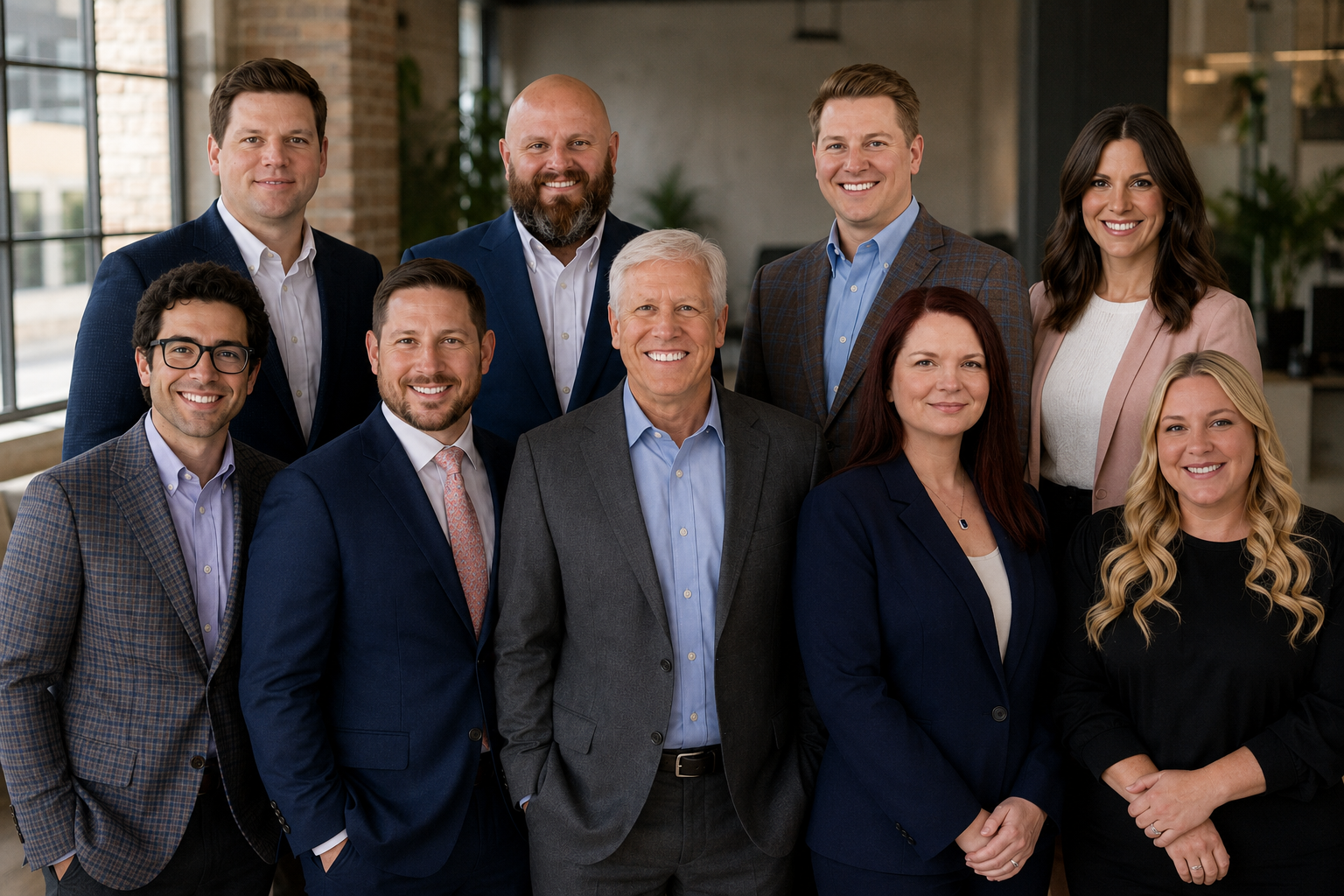
Chabert Insurance: The Ehrhardt Agency is a fully licensed independent insurance agency serving individuals, families, and businesses across Louisiana and Mississippi.
From our offices in Mandeville and New Orleans, we proudly serve clients in Mandeville, Covington, New Orleans, Kenner, Metairie, Harahan, River Ridge, and Slidell, as well as the Westbank and St. Bernard Parish, and communities throughout Louisiana and Mississippi. As an independent agency, our team works with a wide range of top-rated carriers to provide personal and commercial coverage — home, auto, flood, commercial, life, and more — built around the real needs of the people and businesses we protect.
OTHER INSURANCE COVERAGE

About the Author
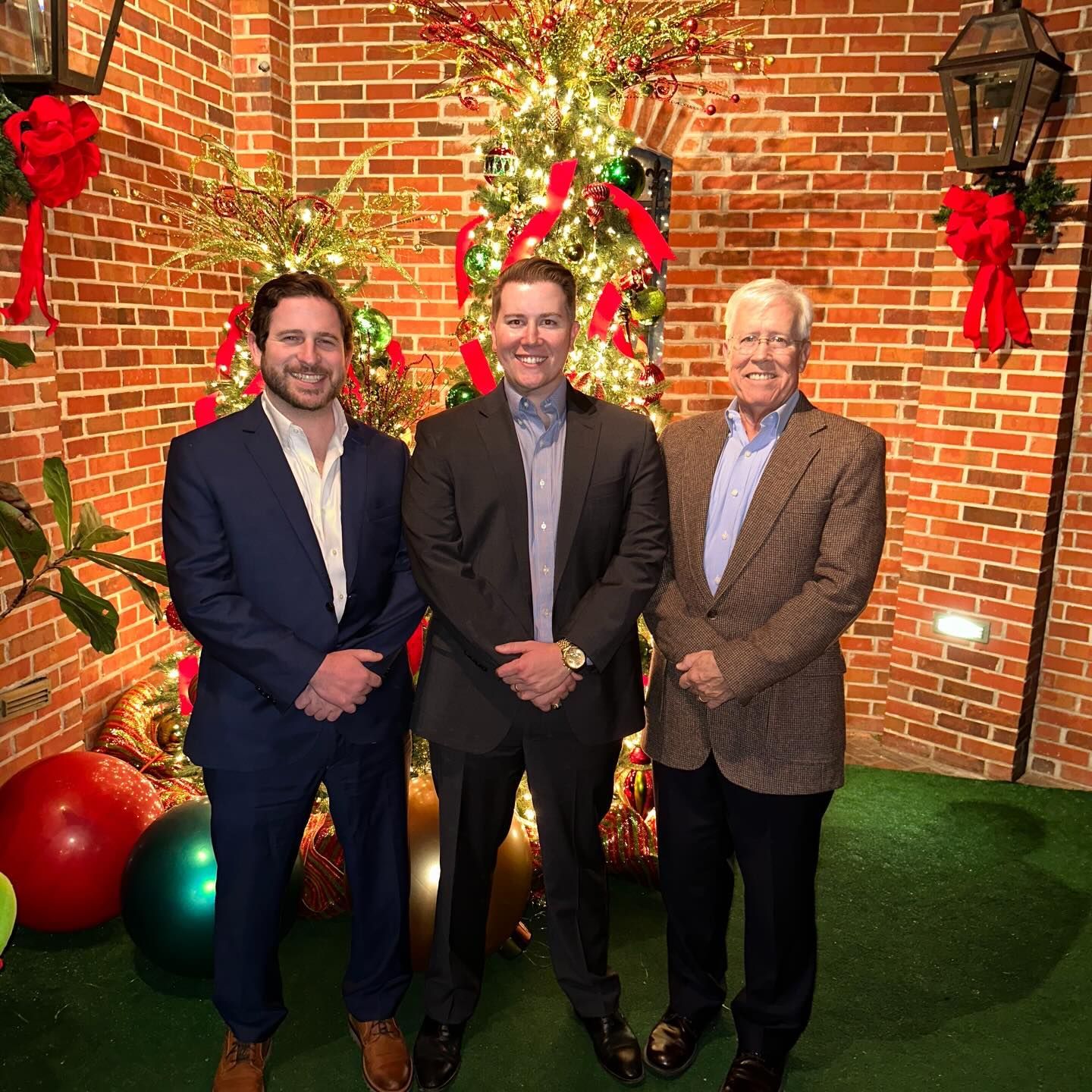
Ryan J. Ehrhardt
Owner / Licensed Agent
I'm Ryan J. Ehrhardt, owner and licensed agent at Chabert Insurance: The Ehrhardt Agency. I lead our team across our Mandeville and New Orleans offices, and I work with families and business owners every day to find coverage that fits their lives. I believe insurance should be simple to understand, so I take the time to explain your options in plain language before you decide.
As an independent agent, I answer to you, not to a single carrier. That means I can shop your policy across many companies and focus on what protects you best. When you call our office, you reach a real person who knows your account. I would be glad to review your coverage and help you feel confident about it.

[CONFIRM name]
Google review · Mandeville office
Home, Auto, Flood, Commercial & Life Insurance
Insurance built around your life in Louisiana
We compare coverage across many carriers and build one program that protects everything you own.
Home Insurance
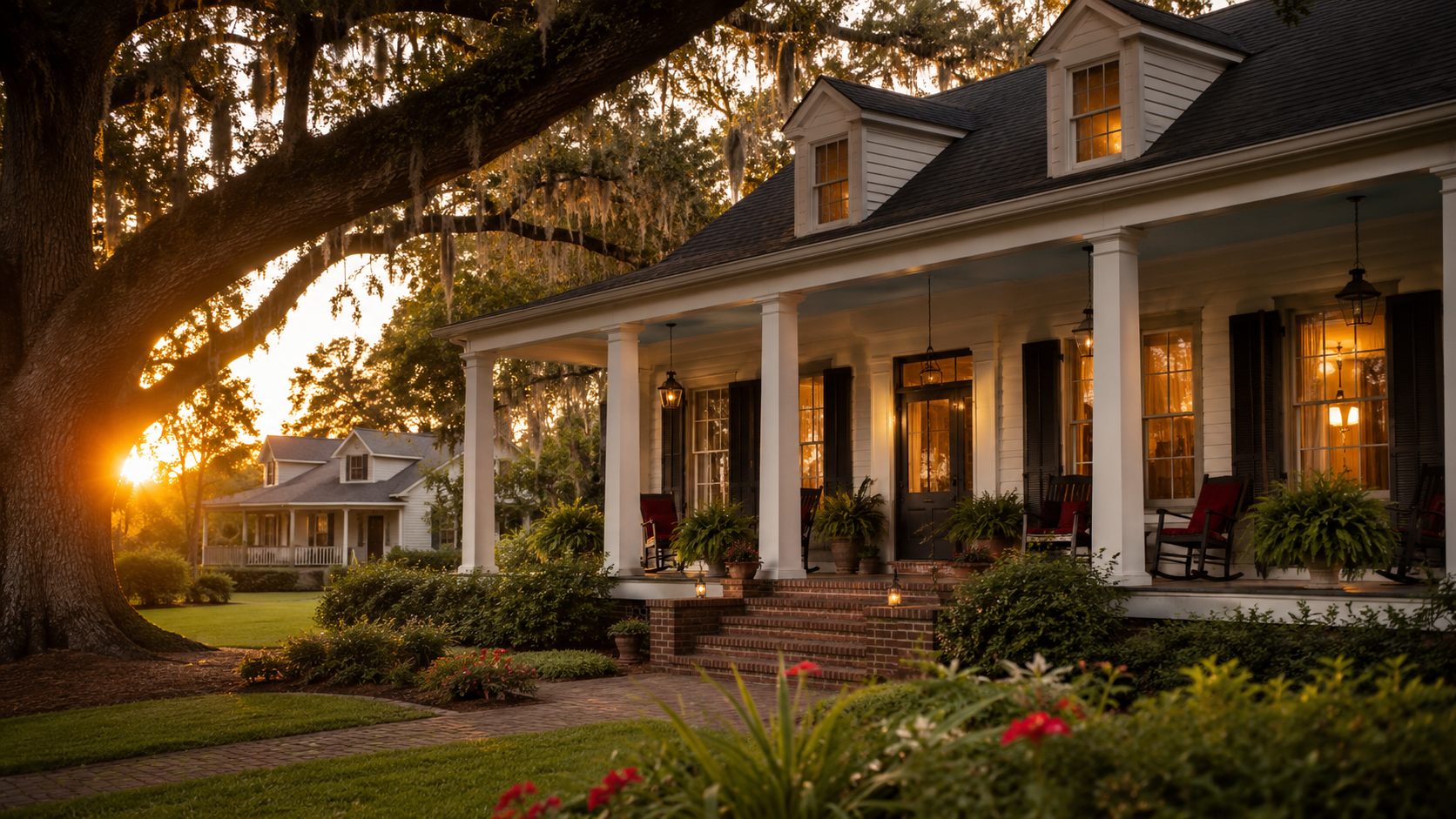
Cover the cost to rebuild your house, replace your belongings, and answer a liability claim against your household.
Auto Insurance
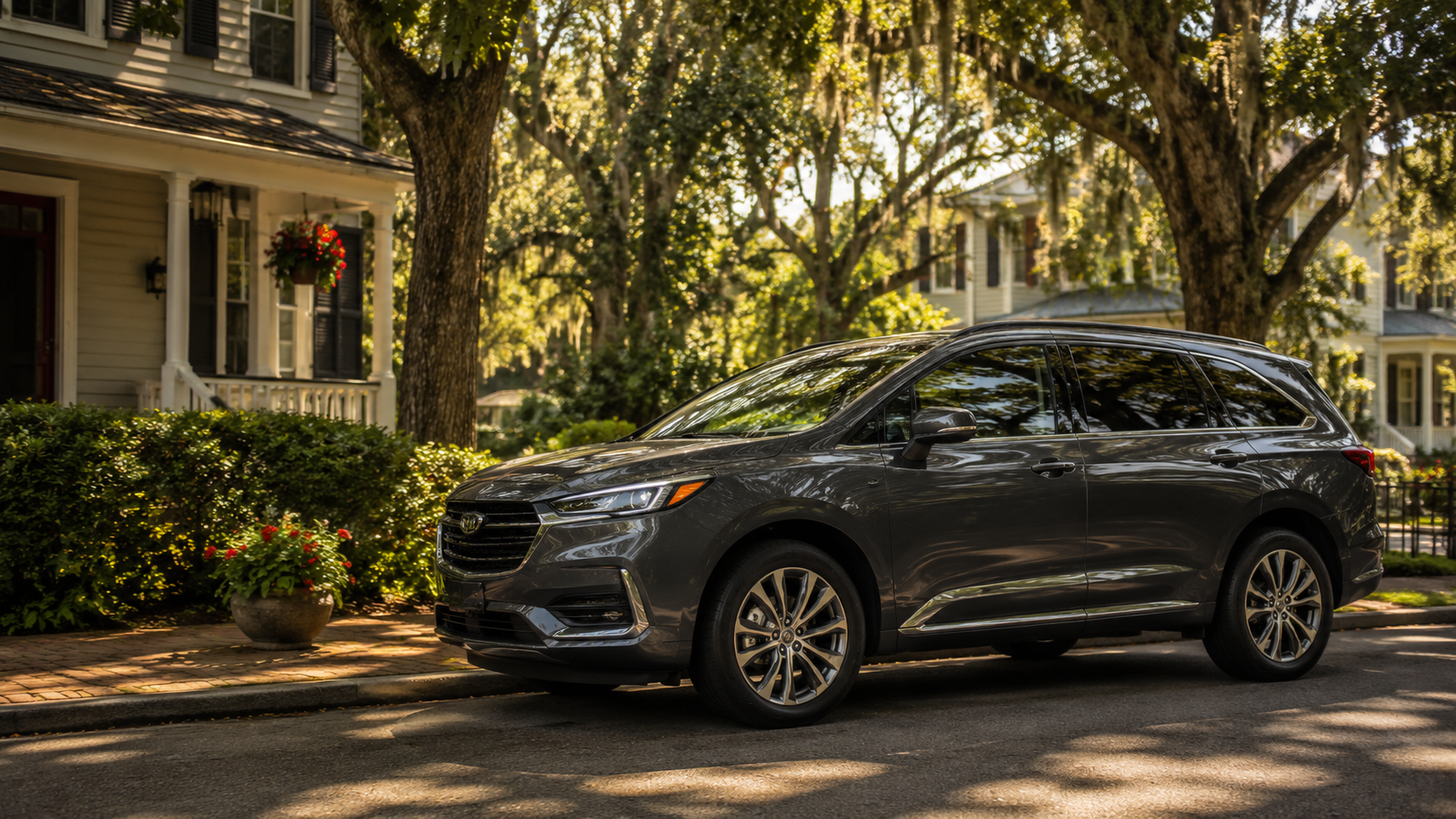
Protect your vehicles with liability, collision, and uninsured motorist limits that hold up after a serious Louisiana wreck.
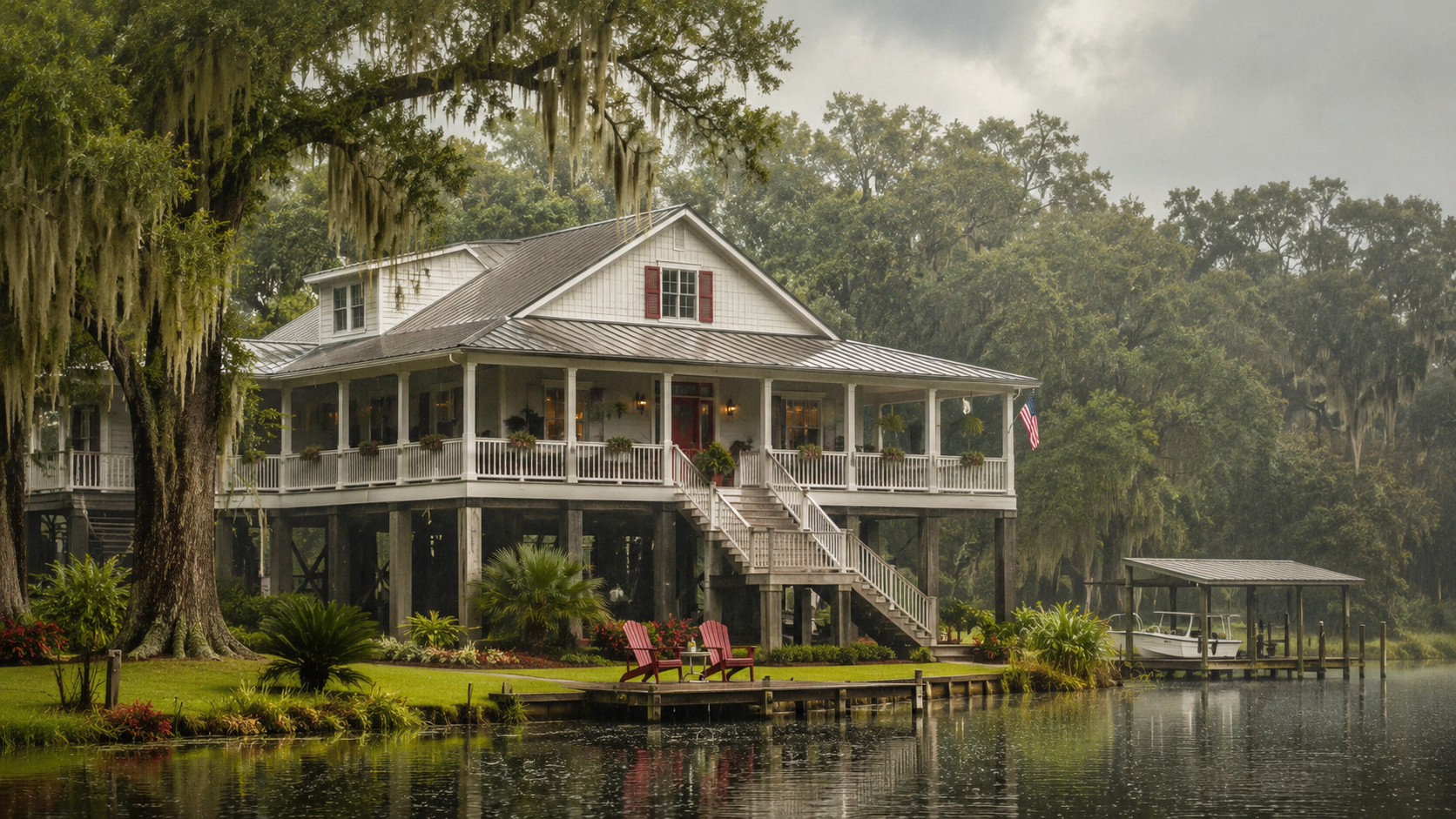
Flood Insurance
Your homeowners policy excludes flood. We quote NFIP and private options for your building and its contents.
Commercial Insurance
Liability, property, workers' compensation, and commercial auto for Louisiana businesses, priced against how your company operates.

Life Insurance
Replace the income your family depends on, with term and permanent options priced across several carriers.

Umbrella Insurance
Add a layer of liability protection above your auto and home limits, usually for a modest premium.
Ruston
Baton Rouge
Mandeville
Gretna
Louisiana Home Insurance
Home insurance built around where you live
Home insurance is our specialty. We write homeowners policies across Louisiana and price them against the wind, hail, and flood risk in your parish.
Areas we cover
Commercial Insurance for Louisiana Businesses
Coverage that keeps your business running
We build commercial programs around how your company actually operates, then compare carriers on price and claim service.

General Liability
Covers claims of bodily injury or property damage that come from your day-to-day operations.
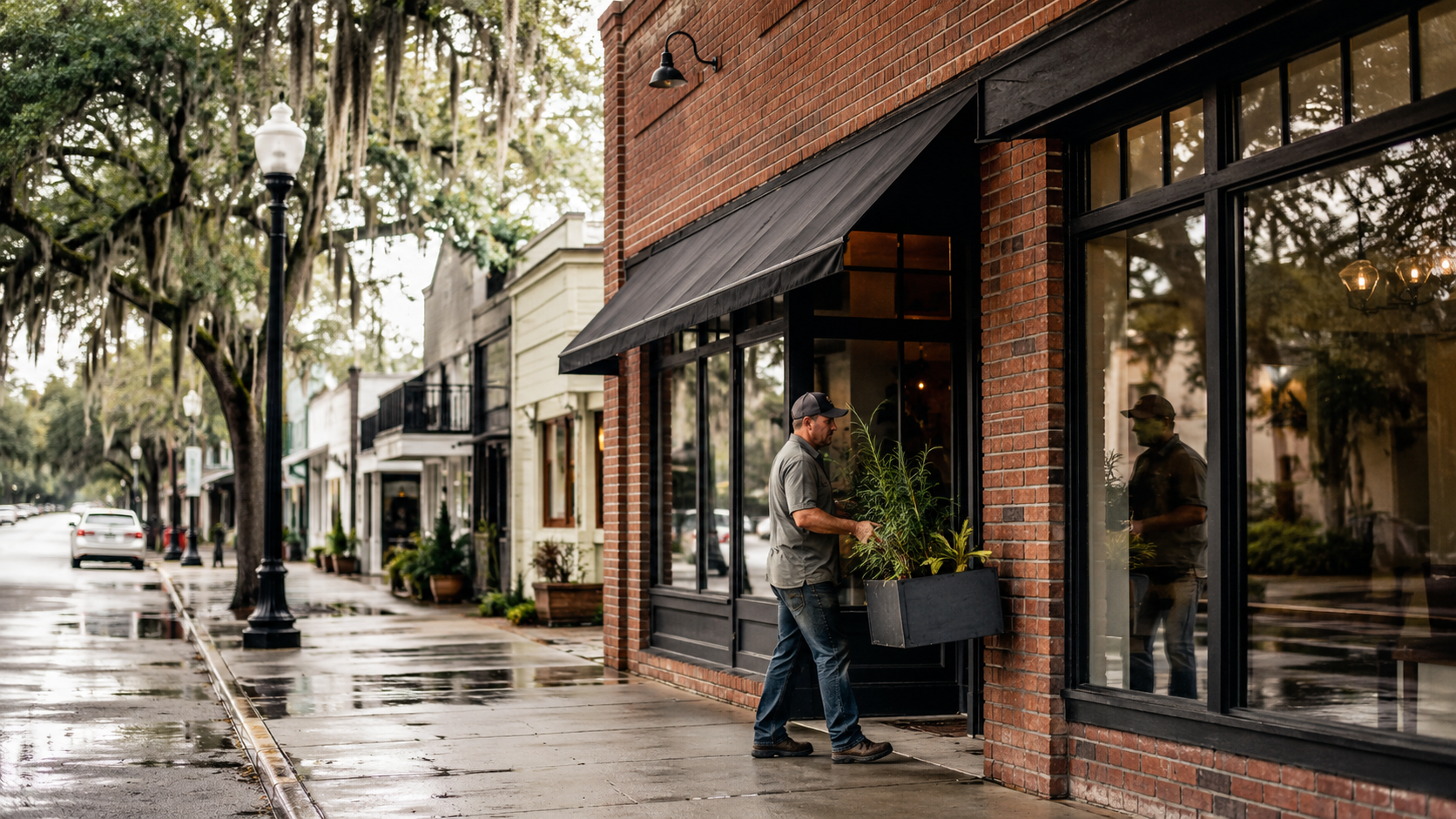
Commercial Property
Protects your building, equipment, and inventory against fire, storm, theft, and other covered losses.

Workers' Compensation
Pays medical care and lost wages when an employee is hurt on the job, as Louisiana requires.
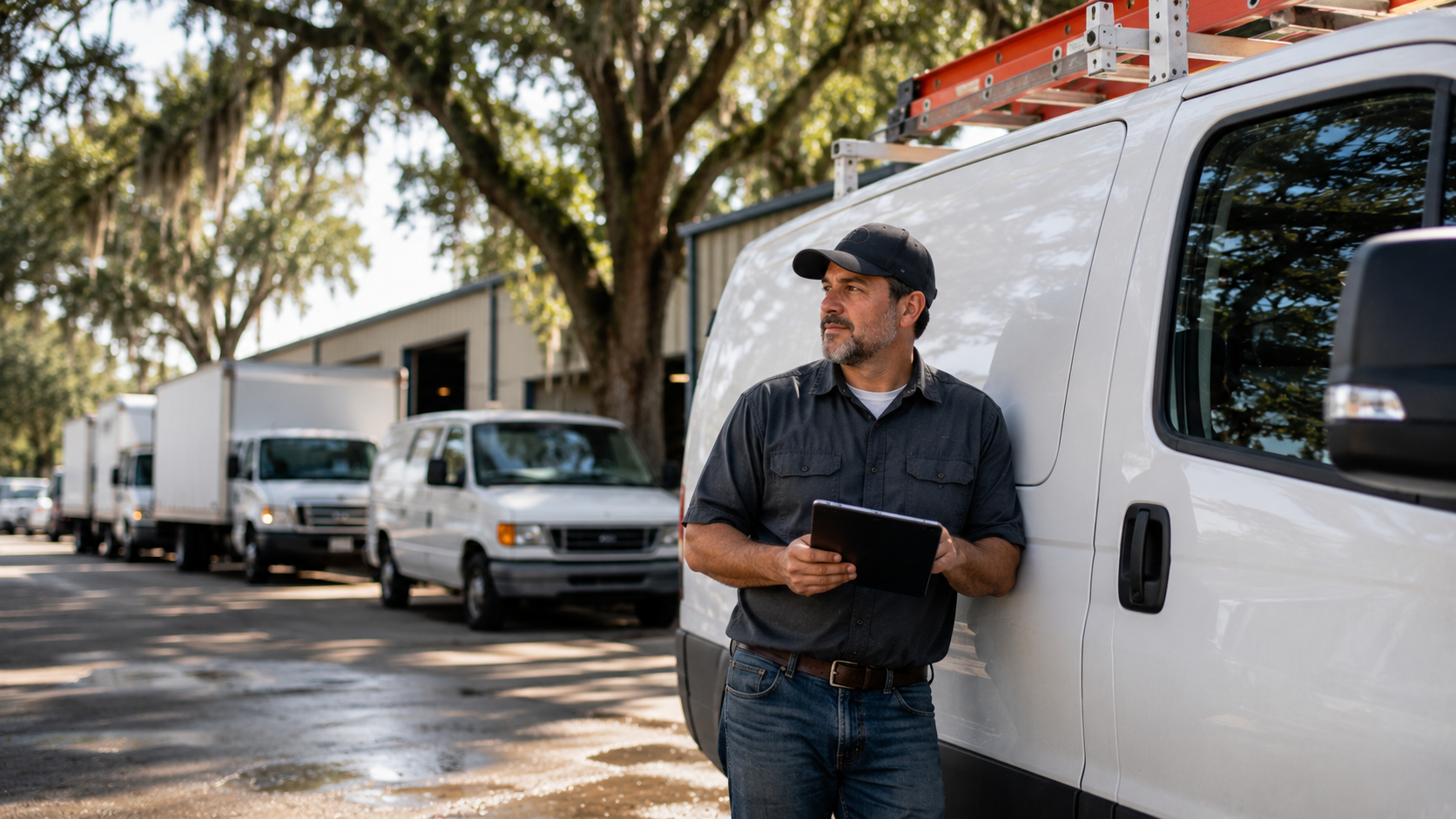
Commercial Auto
Covers the vehicles your business owns, along with the employees who drive them for work.

Professional Liability
Covers claims that your professional advice or services caused a client a financial loss.

Cyber Liability
Handles breach response, notification costs, and liability after customer data is exposed.
[CONFIRM name]
Google review · Mandeville office
Business Insurance by Industry
Specialized coverage for your line of work
Every trade carries its own risks. We know the coverage these Louisiana businesses need and where the gaps usually sit.
Plumbers
Liability, tools, and commercial auto coverage built for water damage claims and job-site risk.
Restaurants
Property, liquor liability, and spoilage coverage for kitchens, dining rooms, and your staff.
Real Estate Investors
Landlord property, liability, and vacancy coverage for rentals, flips, and multi-unit buildings.
[CONFIRM name]
Google review · Mandeville office
How to Get Insured in 4 Steps
Getting covered is simple
You talk to a licensed agent from the first call to the annual review.

1
Tell us about you
Share what you want to protect. A licensed agent asks about your home, vehicles, family, or business and gathers the details carriers need.
2
We shop our carriers
We compare options across the markets we represent and look at price, coverage limits, and how each carrier handles claims.
3
Review your choices
We explain coverage and price in plain language, side by side, so you can see the trade-offs before you choose.
4
Get covered
Your policy starts, you get your documents, and we review the coverage with you each year.
5-Star Rated by Louisiana Clients
What our clients say
Louisiana families and business owners rate us 5 stars for clear advice and fast answers.
139+ five-star reviews across our Mandeville and New Orleans offices