
Variant Insurance Group is a licensed independent insurance agency in Minnesota. [CONFIRM license #.]
Get a Quote
Variant Insurance Group is a licensed independent insurance agency serving Minnesota families and businesses.
From our office in Maple Plain, our team works with many of Minnesota's top-rated carriers so your home, auto, life, and business coverage fits your real needs. We serve families and businesses across Minnesota.
The Math Behind a Coinsurance Penalty
FAQ: Real-World Coverage Scenarios
A fire tears through your warehouse on a Tuesday night. By Wednesday morning, you're staring at charred inventory, a damaged roof, and a business that can't operate. Your commercial property insurance policy is supposed to put you back together, but how the different coverage components interact determines whether you recover fully or face a painful gap. Understanding how building coverage, business personal property, business income, extra expense provisions, and coinsurance requirements work together after a loss is the difference between a smooth recovery and a financial crisis.
Most business owners buy a commercial property policy and file it away, trusting that "insurance will handle it" if something goes wrong. The reality is more nuanced. Each coverage piece has a specific role, and they're designed to work in concert. A gap in one area can undermine the others. If your building coverage is adequate but you've neglected business income protection, you might have a repaired building but no cash flow to reopen. If you've underinsured the building itself, a coinsurance penalty could slash every claim payment. For Louisiana business owners, especially those in hurricane-prone areas like New Orleans and Mandeville, these aren't hypothetical risks. They're the scenarios that play out after every major storm season.
This guide breaks down each coverage component, shows how they synchronize during a real claim, and highlights the mistakes that cost businesses the most.
The Core Pillars: Building and Business Personal Property Coverage
Your commercial property policy rests on two foundational coverages: the building itself and the stuff inside it. These are direct property coverages, meaning they respond to physical damage you can see and touch. Getting them right is the first step toward a complete recovery.
Defining Your Building Assets
Building coverage protects the physical structure: walls, roof, foundation, permanently installed fixtures, and building systems like HVAC, plumbing, and electrical. It also typically extends to outdoor fixtures, such as signs and fencing, that are attached to the building. Your policy values the building either at replacement cost or actual cash value, and this distinction matters enormously at claim time.
Replacement cost pays what it takes to rebuild with materials of similar kind and quality, without deducting for depreciation. Actual cash value subtracts depreciation, which can leave you tens of thousands short. In Louisiana, where construction costs have climbed steadily since the 2020 hurricane seasons, a building insured at its 2021 value could be significantly underinsured by 2026. Approximately 75% of commercial buildings in the U.S. are underinsured, with coverage gaps often exceeding 30% of the actual replacement cost. That's a staggering number, and it feeds directly into the coinsurance problem we'll address later.
Protecting Business Personal Property (BPP)
Business personal property is everything you own that isn't the building itself: furniture, equipment, inventory, computers, tools, and supplies. BPP coverage also typically includes property you own that's temporarily off-premises, like equipment at a job site. One common mistake is assuming your landlord's policy covers your property if you're a tenant. It doesn't. Your landlord's building policy covers the structure and permanent installations, not your inventory or equipment.
Valuation matters here too. A restaurant owner in the French Quarter with $200,000 in kitchen equipment needs replacement cost coverage, not actual cash value. A five-year-old commercial oven might be worth $8,000 on the used market but cost $22,000 to replace. That gap can cripple a business trying to reopen quickly.
Sustaining Operations with Business Income and Extra Expense
Direct property damage is only half the problem. The other half is what happens to your revenue while you're closed for repairs. This is where indirect loss coverages step in.
Replacing Lost Net Income During Repairs
Business income coverage (sometimes called business interruption coverage) replaces the net income your business would have earned during the period of restoration. It also covers continuing normal operating expenses, like loan payments and payroll for key employees you need to retain. The coverage kicks in after a covered direct physical loss forces you to suspend operations, and it continues until you could reasonably resume business, even if you choose not to.
The "period of restoration" is critical. It starts 72 hours after the loss (in most policies) and ends when the property should be repaired with reasonable speed. If your contractor drags out a six-month job to nine months, the insurer may only pay for six. Louisiana businesses hit by hurricanes know this tension well: contractor availability after a major storm can extend timelines dramatically, and disputes over the restoration period are common.
Utilizing Extra Expense Coverage for Relocation
Extra expense coverage pays for costs above and beyond your normal operating expenses that you incur to keep the business running during repairs. Renting temporary space, leasing replacement equipment, expedited shipping for inventory, overtime labor: these all fall under extra expense. The key distinction from business income coverage is that extra expense covers the additional costs of continuing operations, while business income replaces lost revenue when you can't operate.
Some businesses need both. A law firm displaced by water damage might relocate to temporary office space and keep billing clients, incurring extra expense but minimal lost income. A manufacturing plant, on the other hand, might not be able to relocate its production line at all, relying heavily on business income coverage instead. At Chabert Insurance: The Ehrhardt Agency, we often see New Orleans restaurant owners who need a strong blend of both: they can sometimes set up a temporary location, but the reduced seating and unfamiliar space cuts revenue significantly.
The Coinsurance Clause: Avoiding Underinsurance Penalties
Coinsurance is the provision most business owners overlook until it costs them money. It's essentially an agreement between you and your insurer: you promise to insure your property to a certain percentage of its value, and in return, the insurer agrees to pay covered losses. Break that promise, and the penalty is automatic.
How the 80% or 90% Requirement Impacts Claims
Most commercial property policies include a coinsurance clause requiring you to insure your building and BPP to at least 80% or 90% of their replacement cost. If you meet the requirement, claims are paid normally (minus your deductible). If you don't, the insurer reduces your claim payment proportionally. This isn't optional or negotiable at claim time. It's baked into the policy math.
The danger is gradual. You might have been properly insured when you bought the policy three years ago. But construction costs rise, you add equipment, inventory grows with the business, and suddenly your coverage limits haven't kept pace. This is why annual property valuations are essential for commercial property owners, particularly in markets like South Louisiana where material and labor costs fluctuate after active hurricane seasons.
The Math Behind a Coinsurance Penalty
Here's how the penalty actually works. Say your building has a replacement cost of $1,000,000 and your policy has an 80% coinsurance clause. You should carry at least $800,000 in building coverage. But you only carry $600,000.
A fire causes $200,000 in damage. Instead of paying $200,000 (minus your deductible), the insurer calculates: $600,000 (your limit) divided by $800,000 (required amount) equals 75%. You receive 75% of $200,000, which is $150,000, minus your deductible. You're out $50,000-plus before you even factor in the deductible. The penalty hits partial losses hardest because you're paying a percentage reduction on every claim, not just large ones.
One way to avoid this entirely is to request an agreed value endorsement, where you and the insurer agree on the property value upfront and the coinsurance clause is suspended for the policy period.
How Coverage Components Synchronize After a Loss
No coverage component works in isolation. A single loss event triggers multiple coverages simultaneously, and the timing and interaction between them determines your total recovery. Understanding the relationship between direct and indirect property coverages is what separates a well-structured policy from one that leaves gaps.
Think of it this way: building coverage and BPP handle the physical damage. Business income coverage handles the revenue you lose while that damage is being repaired. Extra expense coverage handles the additional costs of staying operational during repairs. And coinsurance determines whether any of those payments get reduced.
A hurricane damages your Mandeville retail store. Building coverage pays for the roof and wall repairs. BPP replaces your destroyed inventory and fixtures. Business income replaces three months of lost revenue while you're closed. Extra expense pays for the temporary kiosk you set up at a nearby shopping center. But if you were underinsured and trigger a coinsurance penalty, every one of those payments gets reduced by the same percentage.
Direct vs. Indirect Loss Comparison Table
| Coverage Type | What It Pays For | Trigger | Example |
|---|---|---|---|
| Building | Physical structure repair/rebuild | Direct physical damage to building | Roof replacement after wind damage |
| Business Personal Property | Equipment, inventory, furniture | Direct physical damage to contents | Replacing destroyed kitchen equipment |
| Business Income | Lost net income + continuing expenses | Suspension of operations due to covered loss | Three months of revenue lost during rebuild |
| Extra Expense | Above-normal costs to stay open | Need to continue operations from alternate location | Temporary office lease, equipment rental |
| Coinsurance | Penalty reduction (not a payment) | Insured value falls below required percentage | 25% reduction on all claim payments |
Common Questions About Commercial Property Claims
FAQ: Real-World Coverage Scenarios
Does business income coverage apply if my supplier's building is damaged and I can't get materials? Only if your policy includes a "dependent properties" or "contingent business income" endorsement. Standard policies cover losses at your premises only.
What happens if I don't reopen my business after a loss? Your business income coverage typically still pays for the period it would have reasonably taken to repair and resume operations, even if you decide to close permanently.
Can I choose any temporary location under extra expense coverage? Generally yes, but the insurer will only pay reasonable costs. Renting a space at triple your normal rate without justification could trigger a dispute. Businesses that experience interruption losses should document why each expense was necessary.
How often should I update my property values to avoid coinsurance penalties? At least annually. In fast-moving markets, every six months isn't excessive. Your agent can help you run a quick replacement cost estimate to check your position.
Does flood damage trigger business income coverage? Only if you carry a separate flood policy that includes business income, or if your commercial property policy specifically covers flood. Standard commercial property policies exclude flood. This is especially relevant for New Orleans businesses operating in flood-prone zones.
Are tenant improvements covered under building or BPP coverage? Tenant improvements and betterments you've made to a leased space are typically covered under your BPP, not the landlord's building policy. Make sure your BPP limit accounts for these improvements.
Making the Right Choice for Your Business Stability
Your commercial property insurance isn't a single product: it's a system of interlocking coverages that need to be calibrated together. Building coverage, BPP, business income, and extra expense each handle a different dimension of the same loss. Coinsurance acts as the quality check on whether you've insured those dimensions adequately.
The most common mistake we see at Chabert Insurance: The Ehrhardt Agency is business owners who focus on one coverage while neglecting another. A perfectly insured building means little if three months of lost income bankrupts the business before repairs finish. And no amount of coverage helps if a coinsurance penalty shaves 25% off every payment.
Review your policy annually. Update your property valuations. Make sure your business income limit reflects your current revenue, not what you earned two years ago. If you're a Louisiana business owner dealing with hurricane exposure, wildfire risk, or aging infrastructure, these aren't optional steps. They're the foundation of a business that can survive a serious loss and come back stronger. Reach out to a local agent who understands Louisiana's unique risks and can structure your coverages to work together, not against each other.
On this page
Fully licensed
Chabert Insurance: The Ehrhardt Agency is a fully licensed independent insurance agency serving individuals, families, and businesses across Louisiana and Mississippi.
From our offices in Mandeville and New Orleans, we proudly serve clients in Mandeville, Covington, New Orleans, Kenner, Metairie, Harahan, River Ridge, and Slidell, as well as the Westbank and St. Bernard Parish, and communities throughout Louisiana and Mississippi. As an independent agency, our team works with a wide range of top-rated carriers to provide personal and commercial coverage — home, auto, flood, commercial, life, and more — built around the real needs of the people and businesses we protect.
OTHER INSURANCE COVERAGE

About the Author
Ryan J. Ehrhardt
Owner / Licensed Agent
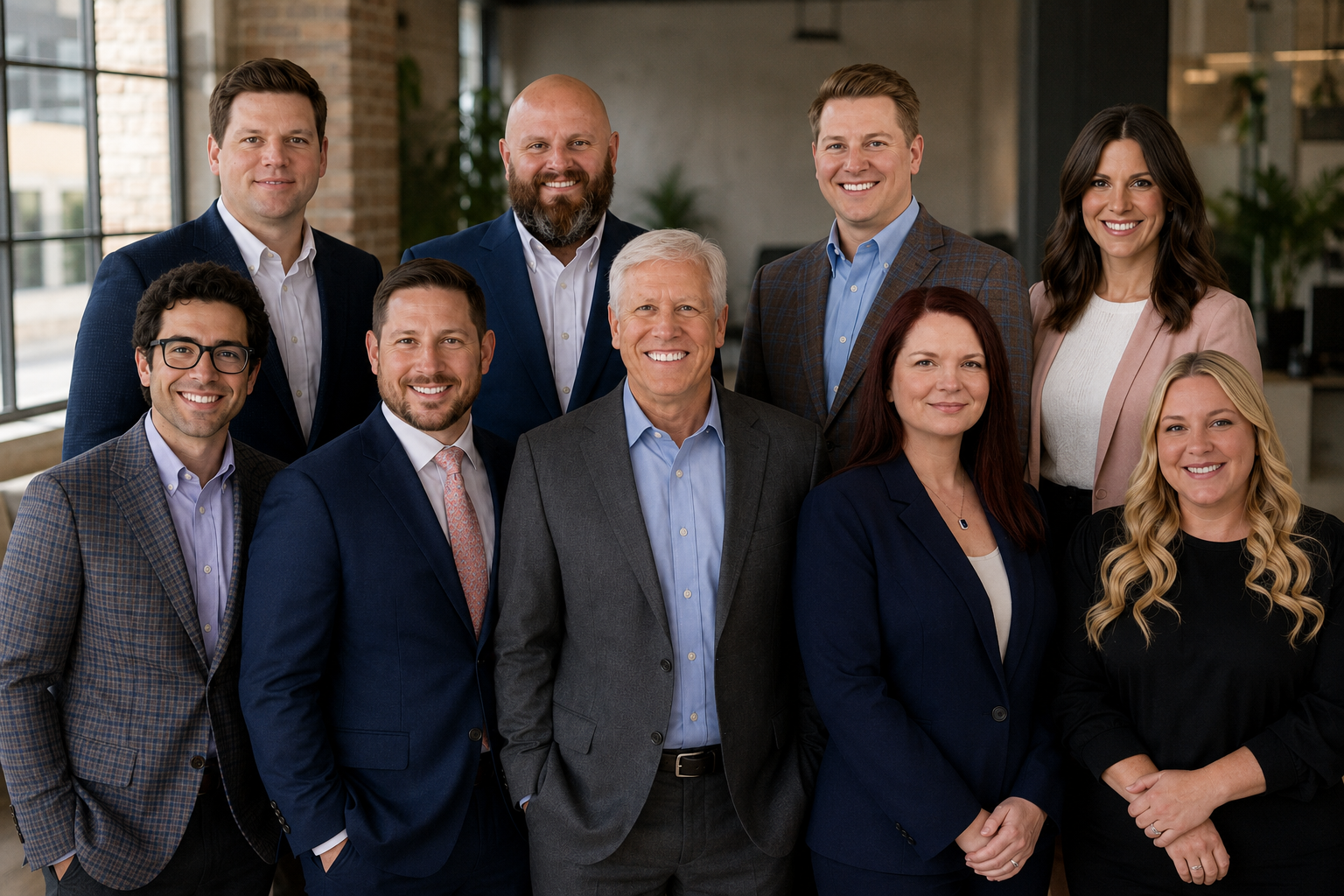
I'm Ryan J. Ehrhardt, owner and licensed agent at Chabert Insurance: The Ehrhardt Agency. I lead our team across our Mandeville and New Orleans offices, and I work with families and business owners every day to find coverage that fits their lives. I believe insurance should be simple to understand, so I take the time to explain your options in plain language before you decide.
As an independent agent, I answer to you, not to a single carrier. That means I can shop your policy across many companies and focus on what protects you best. When you call our office, you reach a real person who knows your account. I would be glad to review your coverage and help you feel confident about it.

[CONFIRM name]
Google review · Mandeville office
Home, Auto, Flood, Commercial & Life Insurance
Insurance built around your life in Louisiana
We compare coverage across many carriers and build one program that protects everything you own.
Home Insurance
Cover the cost to rebuild your house, replace your belongings, and answer a liability claim against your household.
Auto Insurance
Protect your vehicles with liability, collision, and uninsured motorist limits that hold up after a serious Louisiana wreck.
Flood Insurance
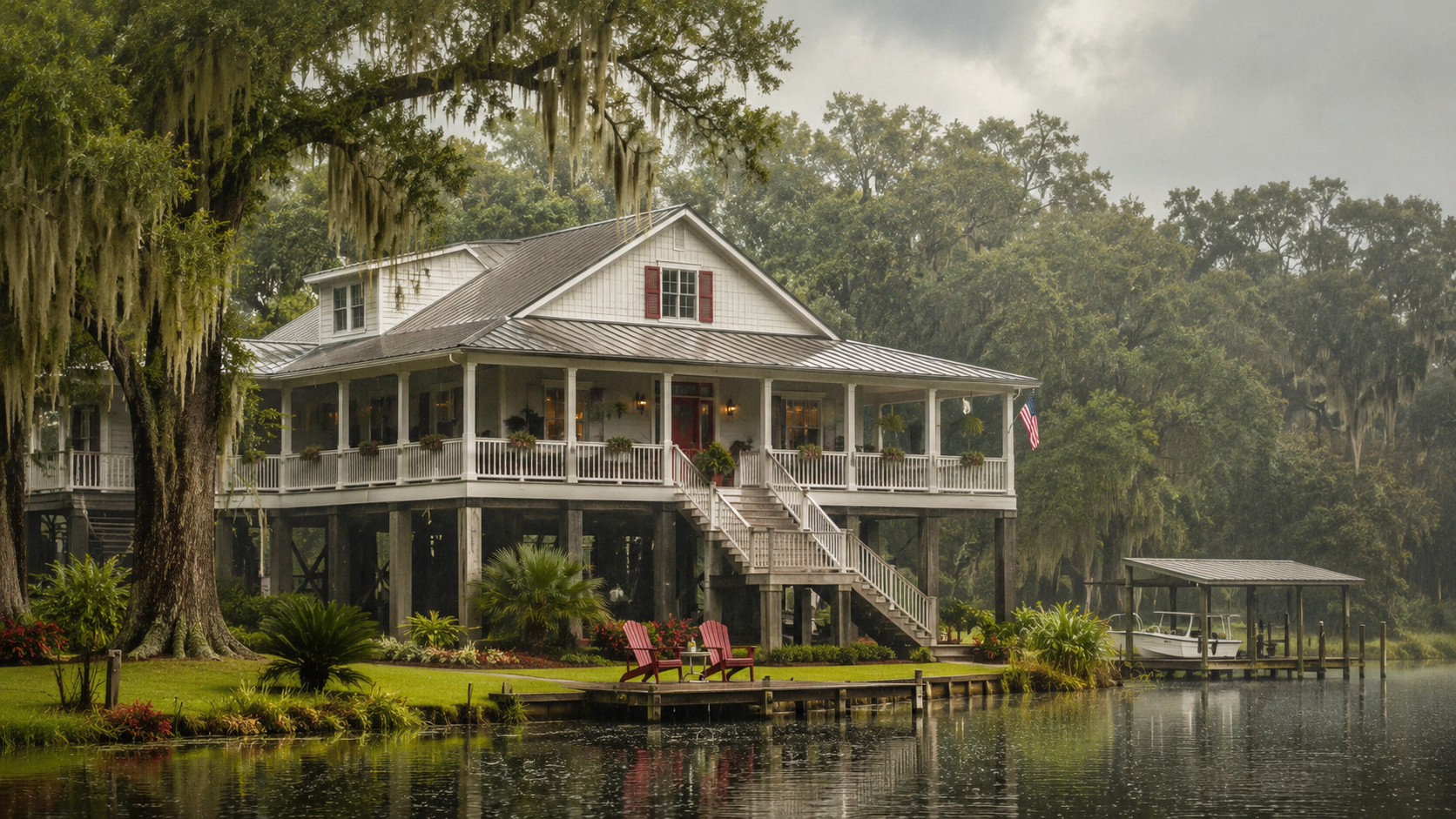
Your homeowners policy excludes flood. We quote NFIP and private options for your building and its contents.
Commercial Insurance
Liability, property, workers' compensation, and commercial auto for Louisiana businesses, priced against how your company operates.

Life Insurance
Replace the income your family depends on, with term and permanent options priced across several carriers.

Umbrella Insurance
Add a layer of liability protection above your auto and home limits, usually for a modest premium.
Ruston
Baton Rouge
Mandeville
Gretna
Louisiana Home Insurance
Home insurance built around where you live
Home insurance is our specialty. We write homeowners policies across Louisiana and price them against the wind, hail, and flood risk in your parish.
Areas we cover
Commercial Insurance for Louisiana Businesses
Coverage that keeps your business running
We build commercial programs around how your company actually operates, then compare carriers on price and claim service.

General Liability
Covers claims of bodily injury or property damage that come from your day-to-day operations.
Commercial Property
Protects your building, equipment, and inventory against fire, storm, theft, and other covered losses.
Workers' Compensation
Pays medical care and lost wages when an employee is hurt on the job, as Louisiana requires.
Commercial Auto
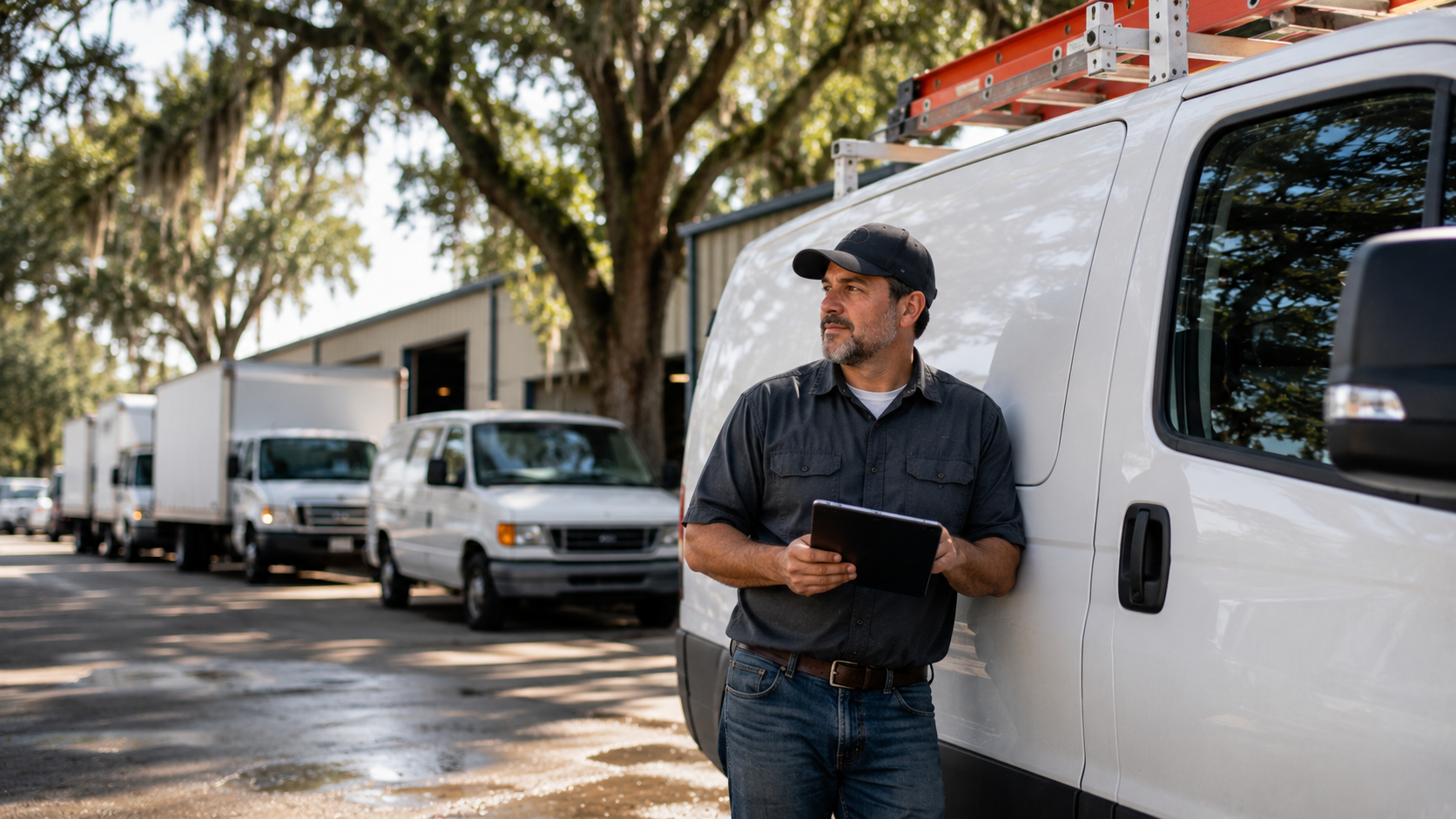
Covers the vehicles your business owns, along with the employees who drive them for work.

Professional Liability
Covers claims that your professional advice or services caused a client a financial loss.

Cyber Liability
Handles breach response, notification costs, and liability after customer data is exposed.
[CONFIRM name]
Google review · Mandeville office
Business Insurance by Industry
Specialized coverage for your line of work
Every trade carries its own risks. We know the coverage these Louisiana businesses need and where the gaps usually sit.
Plumbers
Liability, tools, and commercial auto coverage built for water damage claims and job-site risk.
Restaurants
Property, liquor liability, and spoilage coverage for kitchens, dining rooms, and your staff.
Real Estate Investors
Landlord property, liability, and vacancy coverage for rentals, flips, and multi-unit buildings.
[CONFIRM name]
Google review · Mandeville office
How to Get Insured in 4 Steps
Getting covered is simple
You talk to a licensed agent from the first call to the annual review.

1
Tell us about you
Share what you want to protect. A licensed agent asks about your home, vehicles, family, or business and gathers the details carriers need.
2
We shop our carriers
We compare options across the markets we represent and look at price, coverage limits, and how each carrier handles claims.
3
Review your choices
We explain coverage and price in plain language, side by side, so you can see the trade-offs before you choose.
4
Get covered
Your policy starts, you get your documents, and we review the coverage with you each year.
5-Star Rated by Louisiana Clients
What our clients say
Louisiana families and business owners rate us 5 stars for clear advice and fast answers.
139+ five-star reviews across our Mandeville and New Orleans offices