
Variant Insurance Group is a licensed independent insurance agency in Minnesota. [CONFIRM license #.]
Get a Quote
Variant Insurance Group is a licensed independent insurance agency serving Minnesota families and businesses.
From our office in Maple Plain, our team works with many of Minnesota's top-rated carriers so your home, auto, life, and business coverage fits your real needs. We serve families and businesses across Minnesota.
New title
New title
Umbrella Insurance: The Ultimate Safety Net
Does my homeowners policy cover my home office equipment?
Most landlords don't find out their insurance is wrong until they file a claim. A tenant's kitchen fire, a slip-and-fall lawsuit, or three months of lost rent during repairs: these are the moments that reveal whether your policy actually protects your investment. If you're renting out property in the New Orleans or Mandeville area, the difference between a homeowners policy and a proper landlord policy isn't just technical. It's the difference between a covered loss and a denial letter. Understanding how dwelling fire forms differ from a homeowners policy, how loss of rents coverage works, and what happens during vacancy between leases can save you tens of thousands of dollars. The average annual cost for a standard 3-bedroom rental property policy in 2026 ranges from $800 to $3,000, which is a modest price for the protection it provides. This guide breaks down each piece of rental property insurance so you can make informed decisions about your coverage.
Understanding Rental Property Protection: DP vs. HO Policies
Your rental property faces a fundamentally different risk profile than your personal residence. You're not living there, which means you can't catch a small leak before it becomes a big one. Tenants use the property differently than you would. And your financial exposure extends beyond just the building itself: you're counting on that property to generate income.
Standard homeowners policies were designed for owner-occupied homes, not investment properties. Dwelling fire policies were built specifically for properties where the owner doesn't live. That distinction shapes everything from what perils are covered to how claims get paid.
Why Homeowners Policies (HO-3) Don't Cover Rentals
An HO-3 policy assumes you live in the home. It covers your personal belongings, provides liability for incidents involving your household, and prices risk based on owner-occupant behavior. The moment you hand keys to a tenant and collect rent, you've changed the fundamental nature of the risk.
Most HO-3 policies contain exclusions for properties used as rentals. If your insurer discovers you're renting out a home covered under a homeowners policy, they can deny your claim or cancel your coverage entirely. Some carriers allow short-term rental endorsements, but a long-term lease almost always requires a separate policy type. Louisiana insurers are particularly attentive to this distinction given the state's evolving homeowners insurance market trends.
The Three Dwelling Fire Forms: DP-1, DP-2, and DP-3
Dwelling fire policies come in three tiers, and the differences matter more than most landlords realize.
A DP-1 is the most basic form. It covers a narrow list of named perils: fire, lightning, and internal explosion. That's essentially it. Claims are paid on an actual cash value basis, meaning depreciation gets subtracted. This form is cheap, but it leaves significant gaps.
A DP-2 expands the named perils list to include things like windstorm, hail, vandalism, and weight of ice and snow. Claims are typically paid on a replacement cost basis, which is a meaningful upgrade. For Louisiana landlords dealing with hurricane season, the broader peril list matters.
A DP-3 is the gold standard for landlord coverage. It provides open-peril protection for the dwelling itself, meaning everything is covered unless it's specifically excluded. Your personal property on the premises (appliances you own, for example) is still covered on a named-peril basis. This is the form that most closely mirrors the protection level of an HO-3 but is designed for non-owner-occupied properties.
Comparing Coverage: Homeowners vs. Dwelling Fire
The gap between a homeowners policy and a dwelling fire policy isn't just about who lives in the home. The coverage structure, endorsements, and pricing all shift when a property becomes a rental.
One common mistake landlords make is assuming a DP-3 is identical to an HO-3. While both use open-peril coverage for the structure, the DP-3 typically doesn't include personal liability or medical payments to others as standard coverages. You'll need to add those through endorsements or a separate landlord liability policy.
Comparison Chart: HO-3 vs. DP-3 Coverage Features
| Coverage Feature | HO-3 (Homeowners) | DP-3 (Dwelling Fire) |
|---|---|---|
| Dwelling Coverage | Open peril | Open peril |
| Personal Property | Open peril (owner's belongings) | Named peril (landlord's items only) |
| Liability | Included | Requires endorsement |
| Medical Payments | Included | Requires endorsement |
| Loss of Use / Rents | Loss of use for owner | Fair rental value (endorsement) |
| Tenant's Belongings | Not applicable | Not covered (tenant needs renter's policy) |
| Typical Premium | Higher (more included) | Lower base, but endorsements add cost |
This chart highlights why landlords need a clear understanding of their policy structure before assuming they're protected. A bare DP-3 without endorsements can leave you exposed to liability claims and lost income.

Protecting Your Cash Flow with Loss of Rents Coverage
A fire or storm doesn't just damage your building. It stops your rental income. If your property becomes uninhabitable, you could face months without rent while still paying your mortgage, taxes, and insurance premiums. Loss of rents coverage exists specifically to fill that gap.
This coverage reimburses you for the rental income you would have collected while your property is being repaired or rebuilt. It's not automatically included in most dwelling fire policies, so you'll need to add it as an endorsement. Given Louisiana's exposure to hurricanes and flooding, skipping this coverage is a gamble few landlords can afford.
How Fair Rental Value Replaces Lost Income
Fair rental value coverage pays you what your property would reasonably rent for in its local market, minus any expenses you don't incur while it's vacant (like utilities you're not paying). The payout continues until the property is repaired or the coverage limit is reached, whichever comes first.
Here's a practical example: your Mandeville rental brings in $1,800 per month. A kitchen fire makes the home uninhabitable for four months. With fair rental value coverage, you'd receive approximately $7,200 minus any suspended expenses. Without it, you're absorbing that loss entirely. Most policies cap this benefit at 12 months or a specific dollar amount, so review your limits carefully to make sure they reflect your actual rental income.
Liability and Damage: Managing Tenant-Related Risks
Owning rental property means you're responsible for maintaining a safe premises. That responsibility creates liability exposure that goes well beyond what most landlords expect. A broken stair, a faulty railing, or an icy walkway can result in a lawsuit that costs far more than the property itself is worth.
Tenant damage is a separate headache. The security deposit rarely covers significant damage, and your insurance may or may not step in depending on the circumstances. Knowing the boundaries of your coverage before a problem arises is essential.
Premises Liability vs. General Liability for Landlords
These two terms get used interchangeably, but they cover different things. Premises liability specifically covers injuries that occur on your property due to a hazardous condition you knew about (or should have known about). A tenant's guest trips on a cracked sidewalk and breaks a wrist: that's a premises liability claim.
General liability is broader and can cover incidents related to your business operations as a landlord, even if they don't happen on the property itself. For landlords with multiple properties or those who self-manage, a clear understanding of premises versus personal liability insurance helps you avoid gaps. At Chabert Insurance: The Ehrhardt Agency, we often recommend landlords carry at least $300,000 in liability coverage, with an umbrella policy for larger portfolios.
Accidental vs. Intentional Tenant Damage
Your dwelling fire policy will typically cover sudden, accidental damage caused by tenants. A tenant accidentally starts a grease fire: that's a covered peril under most DP-2 and DP-3 forms. The claim goes through your policy, and you can pursue the tenant for your deductible.
Intentional damage is a different story. If a tenant punches holes in walls, rips out fixtures, or deliberately destroys the property, your insurance policy almost certainly won't cover it. Intentional acts are excluded under virtually every property insurance form. Your recourse is the security deposit and civil court. Some landlords add a tenant damage endorsement to their policy, which can cover certain types of malicious damage, but these endorsements come with their own exclusions and limits. Screen your tenants carefully: it's cheaper than any endorsement.
Navigating Vacancy and Transitions Between Leases
Every rental property sits empty at some point. Between tenants, during renovations, or while you're marketing the unit: vacancy is inevitable. But most landlords don't realize their insurance coverage changes the moment a property goes vacant.
Vacant properties attract higher risk. Vandalism, undetected water leaks, squatters, and arson are all more common in empty buildings. Insurers know this, which is why they restrict coverage after a certain vacancy period.
The 30-Day and 60-Day Vacancy Exclusion Rules
Most dwelling fire policies include a vacancy clause that kicks in after 30 or 60 consecutive days without a tenant. Once that threshold is crossed, your policy may exclude coverage for vandalism, theft, water damage, and sometimes even glass breakage. Some policies reduce all claim payouts by a percentage, often 15%, after the vacancy period expires.
The distinction between "vacant" and "unoccupied" matters here. A property is unoccupied if the tenant's belongings are still there but nobody's home. It's vacant when it's empty of both people and personal property. Policies treat these situations differently, and understanding your vacancy window is critical during tenant transitions. If you know your New Orleans duplex will sit empty for two months between tenants, talk to your agent about a vacancy permit endorsement before the gap begins.
Common Questions About Landlord Insurance
Does my tenant's renter's insurance protect me as the landlord? No. A tenant's renter's policy covers their personal belongings and their own liability. It doesn't protect your building or your financial interests as the property owner.
Can I just add a rental endorsement to my homeowners policy? Some carriers allow this for occasional or short-term rentals. For a full-time, long-term rental, you'll almost always need a standalone dwelling fire policy.
What happens if my property is vacant and I don't tell my insurer? If a claim occurs during an unreported vacancy period, your insurer can reduce or deny the claim based on the vacancy exclusion clause.
Do I need flood insurance separately? Yes. Flood damage is excluded from both HO and DP policies. In Louisiana especially, a separate flood policy through the NFIP or a private carrier is essential.
How much liability coverage should a landlord carry? A minimum of $300,000 is common, but landlords with multiple properties or higher-value assets should consider $500,000 or more, plus an umbrella policy.
Will my policy cover mold damage from a tenant who didn't report a leak? Most policies exclude mold or severely limit mold coverage. Some offer a mold endorsement with a separate sub-limit, typically $10,000 to $25,000.
Making the Right Choice for Your Portfolio
Rental property insurance isn't one-size-fits-all. The right policy depends on how many units you own, where they're located, how long they typically sit vacant between tenants, and what your risk tolerance looks like. A DP-1 might work for a low-value property you're planning to sell, but a DP-3 with loss of rents, liability, and vacancy endorsements is the standard for serious landlords.
Louisiana's insurance market has its own quirks: hurricane deductibles, coastal property restrictions, and carriers increasingly tightening underwriting standards for investment properties. Working with a local agency that understands these nuances makes a real difference. At Chabert Insurance: The Ehrhardt Agency, we help landlords across New Orleans and Mandeville build coverage packages that match their actual exposure, not just check a box.
Don't wait for a claim to find out what your policy doesn't cover. Review your dwelling fire form, confirm your endorsements, and make sure your vacancy provisions reflect how you actually manage your properties. Your rental income depends on it.
On this page
Fully licensed
Chabert Insurance: The Ehrhardt Agency is a fully licensed independent insurance agency serving individuals, families, and businesses across Louisiana and Mississippi.
From our offices in Mandeville and New Orleans, we proudly serve clients in Mandeville, Covington, New Orleans, Kenner, Metairie, Harahan, River Ridge, and Slidell, as well as the Westbank and St. Bernard Parish, and communities throughout Louisiana and Mississippi. As an independent agency, our team works with a wide range of top-rated carriers to provide personal and commercial coverage — home, auto, flood, commercial, life, and more — built around the real needs of the people and businesses we protect.

About the Author
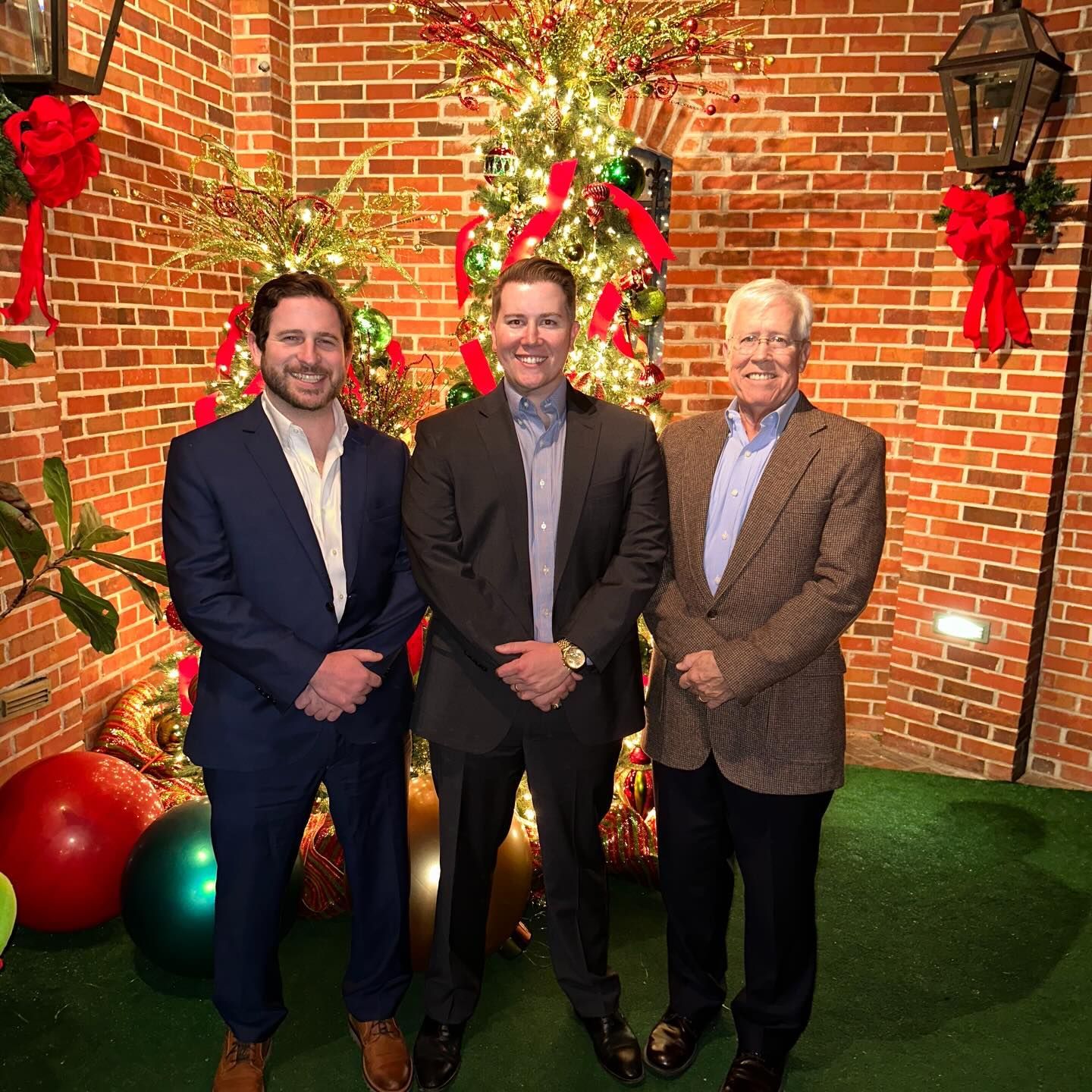
Ryan J. Ehrhardt
Owner / Licensed Agent
I'm Ryan J. Ehrhardt, owner and licensed agent at Chabert Insurance: The Ehrhardt Agency. I lead our team across our Mandeville and New Orleans offices, and I work with families and business owners every day to find coverage that fits their lives. I believe insurance should be simple to understand, so I take the time to explain your options in plain language before you decide.
As an independent agent, I answer to you, not to a single carrier. That means I can shop your policy across many companies and focus on what protects you best. When you call our office, you reach a real person who knows your account. I would be glad to review your coverage and help you feel confident about it.


[CONFIRM name]
Google review · Mandeville office
Home, Auto, Flood, Commercial & Life Insurance
Insurance built around your life in Louisiana
We compare coverage across many carriers and build one program that protects everything you own.
Home Insurance
Cover the cost to rebuild your house, replace your belongings, and answer a liability claim against your household.
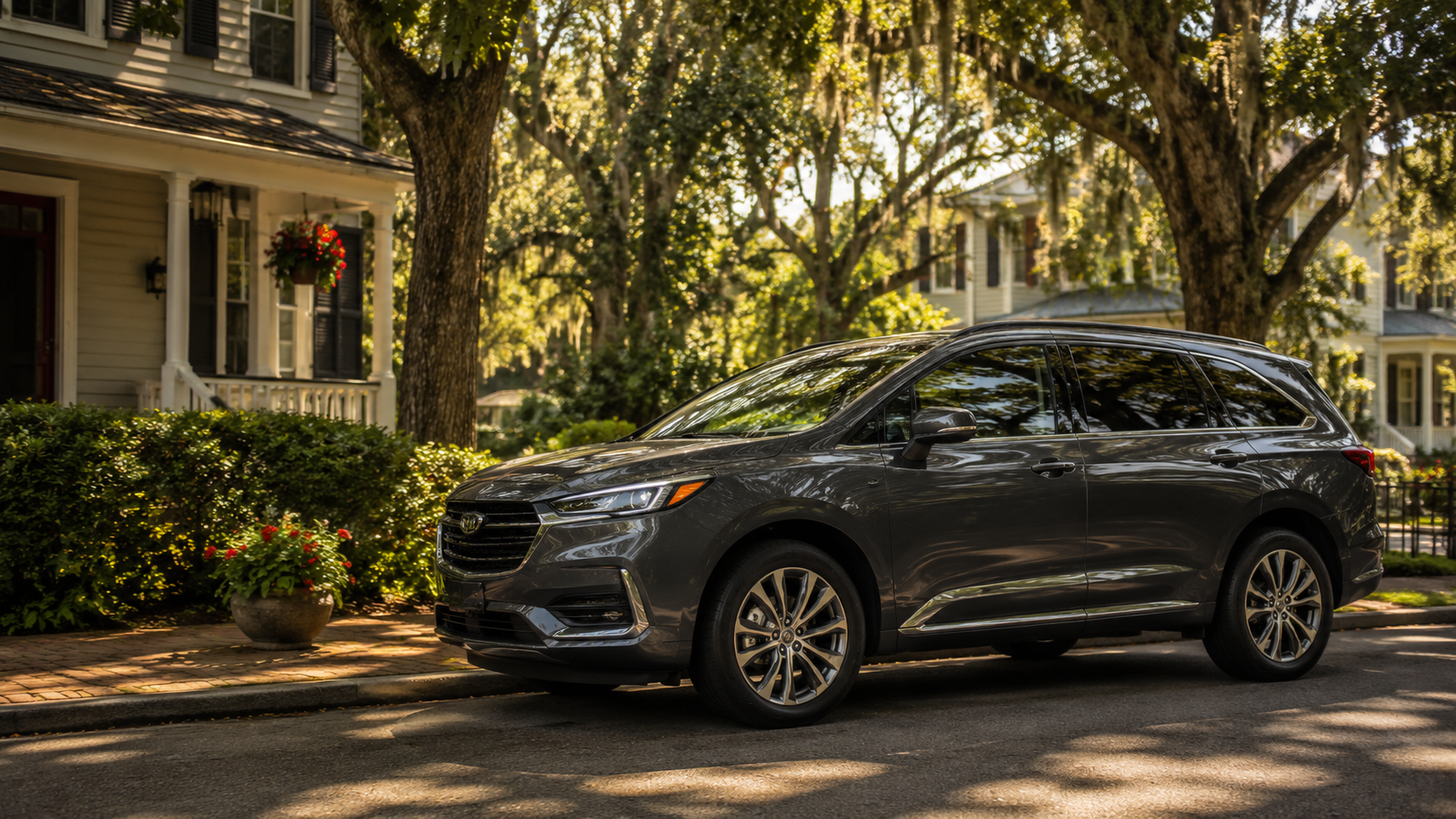
Auto Insurance
Protect your vehicles with liability, collision, and uninsured motorist limits that hold up after a serious Louisiana wreck.
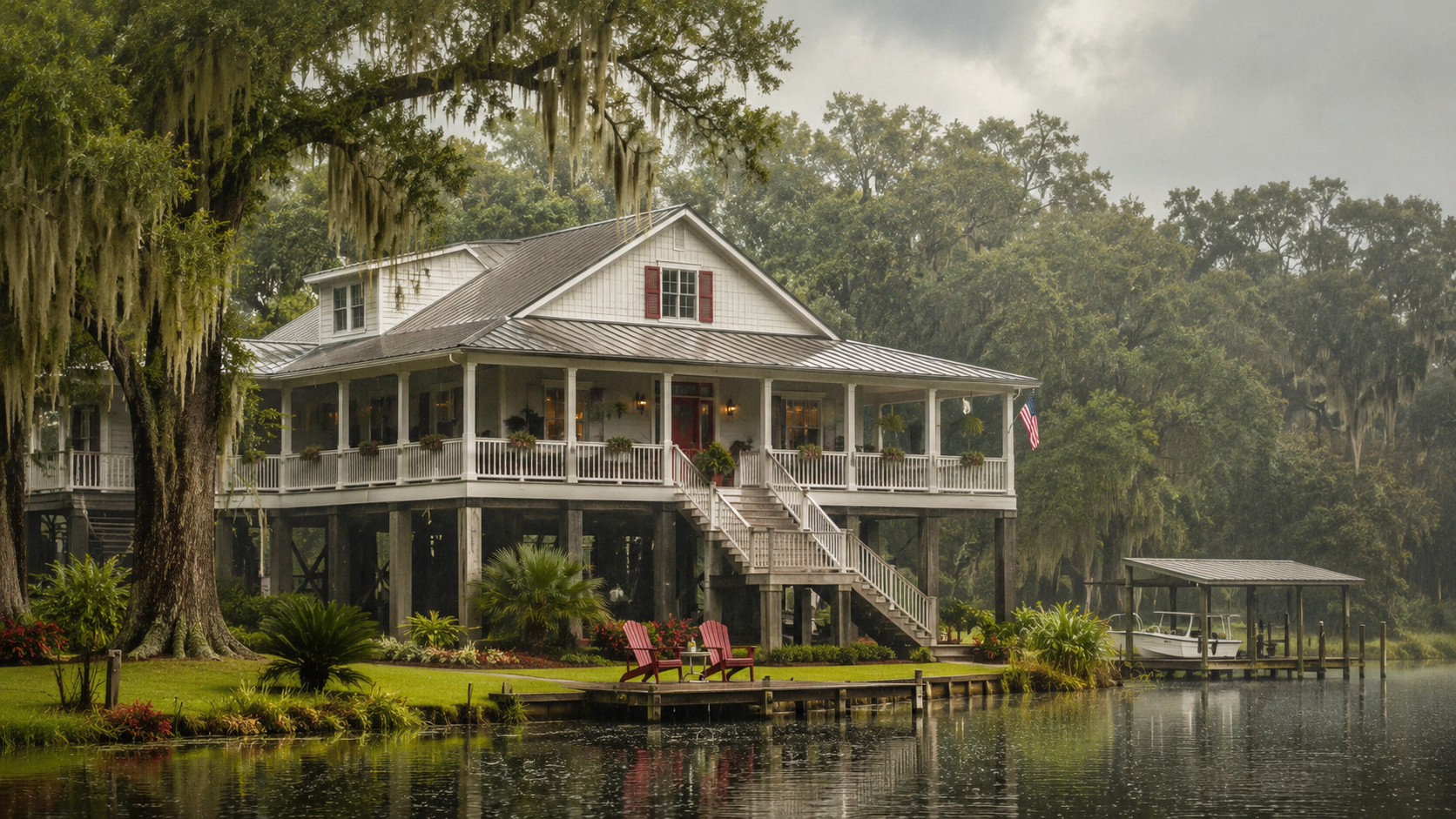
Flood Insurance
Your homeowners policy excludes flood. We quote NFIP and private options for your building and its contents.

Commercial Insurance
Liability, property, workers' compensation, and commercial auto for Louisiana businesses, priced against how your company operates.

Life Insurance
Replace the income your family depends on, with term and permanent options priced across several carriers.

Umbrella Insurance
Add a layer of liability protection above your auto and home limits, usually for a modest premium.
Ruston
Baton Rouge
Mandeville
Gretna
Louisiana Home Insurance
Home insurance built around where you live
Home insurance is our specialty. We write homeowners policies across Louisiana and price them against the wind, hail, and flood risk in your parish.
Areas we cover
Commercial Insurance for Louisiana Businesses
Coverage that keeps your business running
We build commercial programs around how your company actually operates, then compare carriers on price and claim service.

General Liability
Covers claims of bodily injury or property damage that come from your day-to-day operations.

Commercial Property
Protects your building, equipment, and inventory against fire, storm, theft, and other covered losses.

Workers' Compensation
Pays medical care and lost wages when an employee is hurt on the job, as Louisiana requires.

Commercial Auto
Covers the vehicles your business owns, along with the employees who drive them for work.

Professional Liability
Covers claims that your professional advice or services caused a client a financial loss.

Cyber Liability
Handles breach response, notification costs, and liability after customer data is exposed.
[CONFIRM name]
Google review · Mandeville office
Business Insurance by Industry
Specialized coverage for your line of work
Every trade carries its own risks. We know the coverage these Louisiana businesses need and where the gaps usually sit.
Plumbers
Liability, tools, and commercial auto coverage built for water damage claims and job-site risk.
Restaurants
Property, liquor liability, and spoilage coverage for kitchens, dining rooms, and your staff.
Real Estate Investors
Landlord property, liability, and vacancy coverage for rentals, flips, and multi-unit buildings.
[CONFIRM name]
Google review · Mandeville office
How to Get Insured in 4 Steps
Getting covered is simple
You talk to a licensed agent from the first call to the annual review.

1
Tell us about you
Share what you want to protect. A licensed agent asks about your home, vehicles, family, or business and gathers the details carriers need.
2
We shop our carriers
We compare options across the markets we represent and look at price, coverage limits, and how each carrier handles claims.
3
Review your choices
We explain coverage and price in plain language, side by side, so you can see the trade-offs before you choose.
4
Get covered
Your policy starts, you get your documents, and we review the coverage with you each year.
5-Star Rated by Louisiana Clients
What our clients say
Louisiana families and business owners rate us 5 stars for clear advice and fast answers.
139+ five-star reviews across our Mandeville and New Orleans offices