
Variant Insurance Group is a licensed independent insurance agency in Minnesota. [CONFIRM license #.]
Get a Quote
Variant Insurance Group is a licensed independent insurance agency serving Minnesota families and businesses.
From our office in Maple Plain, our team works with many of Minnesota's top-rated carriers so your home, auto, life, and business coverage fits your real needs. We serve families and businesses across Minnesota.
New title
New title
Umbrella Insurance: The Ultimate Safety Net
Accidental vs. Intentional Tenant Damage
Does my homeowners policy cover my home office equipment?
FAQ: Do I need a separate appraisal for every single silver spoon?
FAQ: Am I covered if I accidentally drop a piece of fine art?
Investing in driver safety training pays off in two ways: fewer accidents and lower premiums. Defensive driving courses, annual safety meetings, and documented training programs signal to underwriters that you take risk management seriously.
Telematics devices that monitor speed, braking, and idle time are increasingly popular with livery insurers. Some carriers offer 5-15% premium discounts for fleets that install GPS-based monitoring and maintain good scores. The 2026 insurance forecast suggests telematics adoption will continue growing as insurers seek better data to price risk accurately. If you haven't explored telematics yet, ask your agent about programs that reward safe driving behavior.
Running a construction business in Louisiana means dealing with hurricane season, shifting soil conditions, and a legal environment that looks nothing like neighboring states. The state's civil law system, rooted in the Napoleonic Code, creates unique obligations around indemnity, liability, and insurance that catch even experienced contractors off guard. If you hold a license from the Louisiana State Licensing Board for Contractors, your insurance requirements aren't optional suggestions: they're enforceable mandates that can cost you your license if you fall short.
Louisiana general contractors face a distinct set of insurance challenges, from verifying subcontractor coverage to structuring contractual risk transfer in a state that limits certain indemnity agreements. Builders risk policies, completed operations coverage, and workers' compensation all carry Louisiana-specific wrinkles that generic insurance advice won't address. Whether you're building custom homes on the Northshore or managing commercial projects in the New Orleans metro, understanding these requirements protects both your license and your bottom line.
This guide breaks down what Louisiana GCs actually need to know about state licensing board mandates, subcontractor insurance verification, risk transfer strategies, builders risk policies, and completed operations exposure. The goal is practical, specific information you can act on today.
Louisiana State Licensing Board for Contractors (LSLBC) Insurance Mandates
The LSLBC doesn't just issue licenses: it actively enforces insurance requirements and has increased its oversight in recent years. The 2026 LSLBC overhaul brought stricter enforcement mechanisms for insurance compliance, including more frequent audits and faster license suspension for lapses. If your insurance cancels or lapses, your carrier notifies the Board directly, and you can lose your active license status within days.
Every licensed contractor must maintain proof of insurance on file with the Board. The specific coverage types and limits depend on your license classification, project size, and whether you employ workers. Failing to meet these requirements doesn't just expose you to lawsuits: it's a licensing violation that can shut down active projects.
General Liability Coverage Requirements for Residential and Commercial Licenses
Residential contractors in Louisiana must carry a minimum of $100,000 in general liability coverage per occurrence. Commercial contractors face higher thresholds, with minimum insurance requirements scaling based on the dollar value of projects they're licensed to perform. A contractor licensed for projects over $500,000 will need substantially more coverage than one capped at smaller jobs.
Your general liability policy should cover bodily injury, property damage, and personal injury claims arising from your operations. One common mistake is carrying only the LSLBC minimum without considering actual exposure. A single slip-and-fall claim on a commercial job site can easily exceed $100,000, leaving you personally liable for the difference. Most experienced GCs carry $1 million per occurrence with a $2 million aggregate, and many project owners require even higher limits before you can bid.
Workers' Compensation Compliance and the Louisiana Statutory Limit
Louisiana requires workers' compensation coverage for any contractor with one or more employees. There's no small-employer exemption like some states offer. Your policy must meet the Louisiana statutory limit, which means it pays benefits as defined by state law: medical expenses, lost wages at two-thirds of the employee's average weekly wage, and death benefits.
Sole proprietors and LLC members can elect to exclude themselves from coverage, but this creates a gap that project owners and general contractors increasingly refuse to accept. If you're a GC hiring subcontractors, any uninsured sub's injured worker can file a claim against your policy. The Louisiana Workers' Compensation Corporation provides certificates of insurance resources that help verify coverage status before subs set foot on your job site.
Essential Coverage Types for Louisiana General Contractors
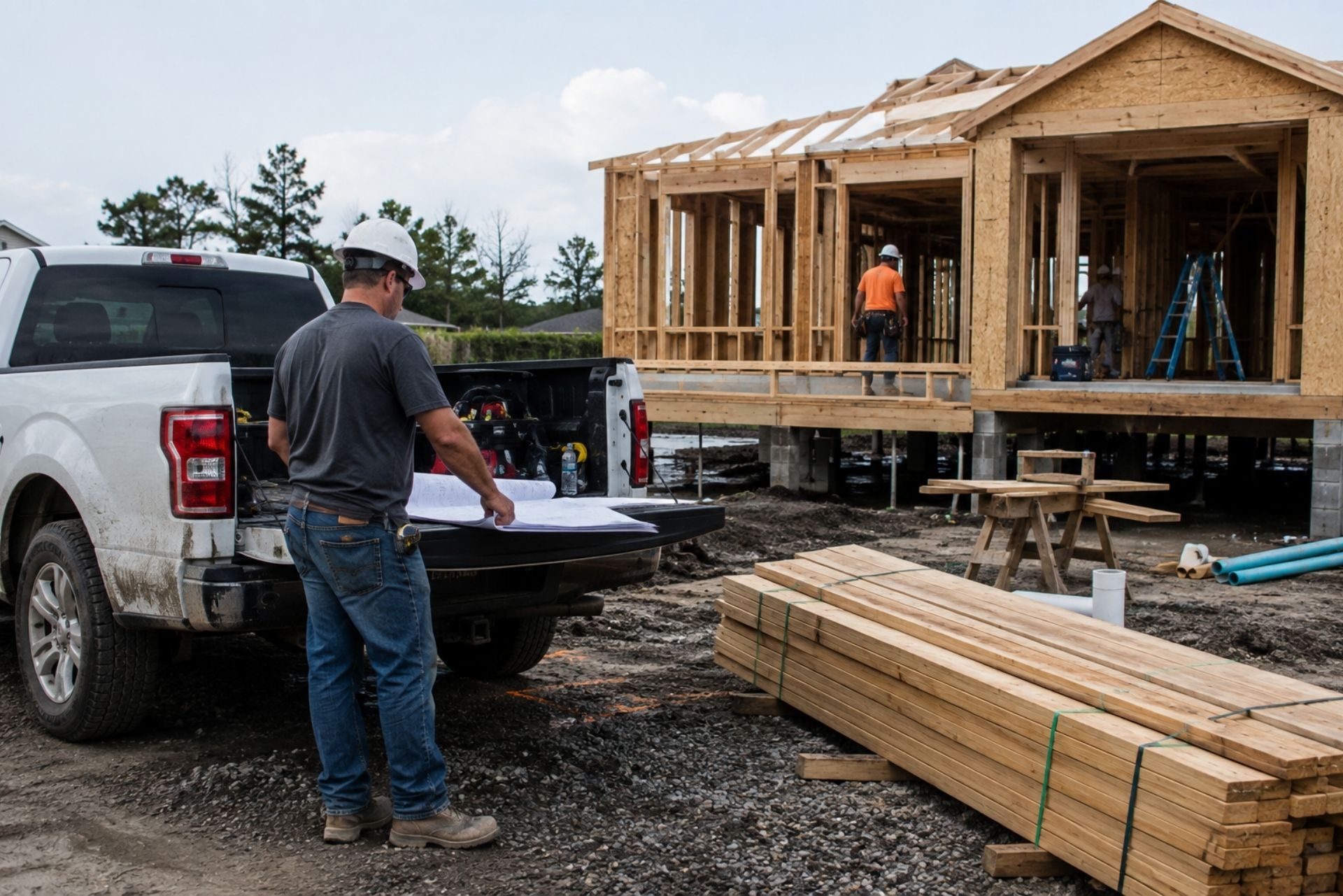
Beyond the LSLBC minimums, Louisiana GCs need a layered insurance program that addresses the state's specific risks. Hurricane exposure, flood zones, and the state's comparative fault system all shape what coverage you need and how much of it.
Comparison of Standard Contractor Insurance Policies
| Coverage Type | What It Covers | Louisiana-Specific Notes |
|---|---|---|
| General Liability (CGL) | Bodily injury, property damage, completed operations | Required by LSLBC; limits vary by license class |
| Workers' Compensation | Employee injuries and occupational illness | Mandatory with 1+ employees; no small-employer exemption |
| Builders Risk | Damage to structures under construction | Critical for hurricane/flood zones; named storm deductibles apply |
| Commercial Auto | Vehicles used for business operations | Required for any company-owned vehicles |
| Umbrella/Excess | Additional limits above primary policies | Often required by project owners on larger contracts |
| Inland Marine | Tools, equipment, materials in transit or on site | Covers theft and damage to portable equipment |
| Professional Liability | Design errors if you provide design-build services | Not required by LSLBC but increasingly requested |
Builders risk deserves special attention in Louisiana. Standard policies often include named storm deductibles of 2% to 5% of the insured value, which means a $2 million project could carry a $100,000 deductible just for hurricane damage. You need to know this number before you sign a contract, because it directly affects your project budget and risk exposure.
Managing Subcontractor Risks and Insurance Verification
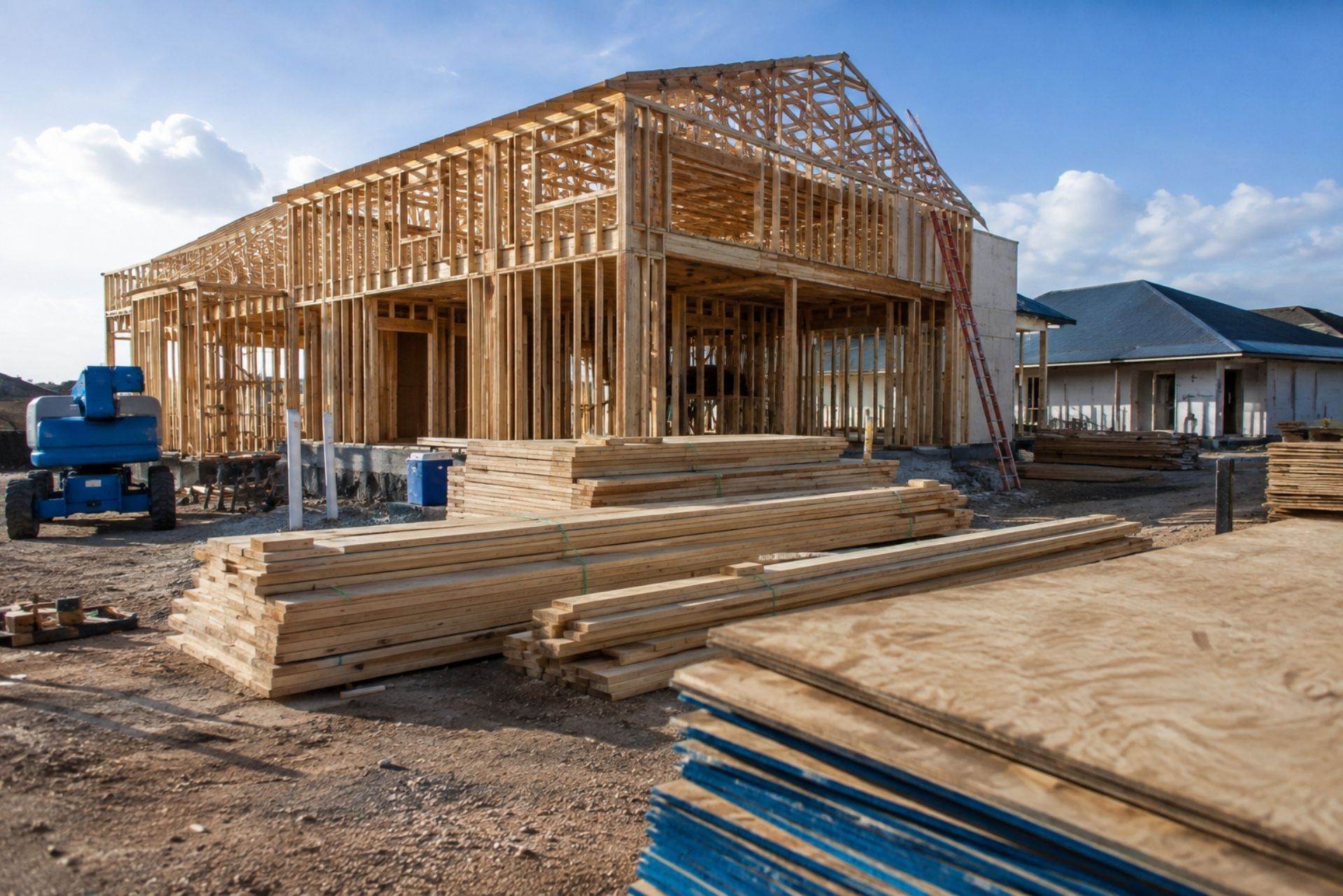
Subcontractor management is where many Louisiana GCs get burned. You're responsible for verifying that every sub carries adequate insurance before they start work. If they don't, you inherit their liability, and your insurance premiums will reflect it at audit time.
Best Practices for Collecting and Validating Certificates of Insurance (COI)
Don't just collect COIs and file them away. A certificate of insurance is a snapshot in time: it tells you coverage existed on the date it was issued, but it doesn't guarantee coverage will be active next month. Here's what a solid verification process looks like:
- Request COIs before the subcontractor mobilizes to the job site, not after.
- Verify that policy limits meet your contract requirements and the LSLBC minimums.
- Confirm that you're listed as an additional insured on the sub's general liability policy.
- Check that workers' compensation coverage is active and covers all employees on your project.
- Set up automatic renewal notifications so you're alerted if a sub's policy cancels or lapses.
- Use a tracking system or third-party service to manage COIs across multiple projects.
A local agency like Chabert Insurance: The Ehrhardt Agency can help you establish a COI verification workflow that catches gaps before they become claims. This kind of proactive management is especially valuable if you're running multiple projects with different sub crews across the New Orleans and Mandeville areas.
The Financial Impact of Uninsured Subcontractors on Your Premium Audit
Your general liability and workers' compensation premiums aren't fixed. They're based on estimated payroll and subcontractor costs at the start of the policy, then adjusted during an annual premium audit. Here's the catch: if a subcontractor can't prove they had insurance during the policy period, the auditor adds that sub's labor costs to your payroll calculation.
This can result in audit bills of tens of thousands of dollars. A GC who hired $300,000 worth of uninsured subcontractor labor could see an additional premium charge of $15,000 to $30,000 or more, depending on the classification codes involved. Keeping organized COI records isn't just good practice: it's direct financial protection.
Contractual Risk Transfer: Protecting Your Business Assets
Risk transfer through contracts is one of the most powerful tools Louisiana GCs have, but the state places specific limits on how far indemnity agreements can go. Understanding these limits prevents you from signing contracts with unenforceable provisions.
Hold Harmless Agreements and Indemnity Clauses in Louisiana
Louisiana's Anti-Indemnity Statute (La. R.S. 9:2780) voids any construction contract provision that requires one party to indemnify another for the indemnitee's own negligence. This means you can't force a subcontractor to hold you harmless for injuries caused by your own actions or omissions. The statute has specific exceptions, and new insurance-related pathways have emerged that allow parties to use insurance procurement obligations as an alternative form of risk allocation.
A well-drafted indemnity clause in Louisiana should require the subcontractor to indemnify you for claims arising from the sub's own negligence, not yours. Your construction attorney and insurance advisor should review every subcontract to ensure the indemnity language is enforceable under Louisiana law.
Naming the General Contractor as an Additional Insured
Requiring subcontractors to add you as an additional insured on their general liability policy is the insurance counterpart to a hold harmless agreement. When you're named as an additional insured, you gain coverage under the sub's policy for claims arising from the sub's work. This means the sub's insurer responds first, protecting your own loss history.
The additional insured endorsement should be "ongoing operations" and "completed operations" versions. Many GCs only request ongoing operations coverage, which leaves them exposed after the project wraps up. Louisiana's prescriptive period for construction defect claims means you could face a lawsuit years after a project is finished, so completed operations coverage on the sub's policy is essential.
Common Questions About Louisiana Contractor Insurance
How much general liability insurance do I need for my Louisiana contractor's license? Residential contractors need at least $100,000 per occurrence. Commercial contractors need more, with limits tied to their licensed project value. Most project owners require $1 million per occurrence regardless of the LSLBC minimum.
Does Louisiana require workers' compensation for sole proprietors? No, sole proprietors and LLC members can elect to exclude themselves. But if you hire even one employee, you must carry workers' comp. Many GCs won't let uninsured sole proprietors on their job sites.
What happens if my subcontractor's insurance lapses mid-project? You become responsible for any claims involving that subcontractor's work. Your premium audit will also treat their labor costs as your payroll, increasing your premiums. Set up automatic lapse notifications to avoid this.
How long can someone file a claim against my completed work in Louisiana? Louisiana recently shifted to a two-year prescriptive period for personal injury claims, and construction defect claims have their own timeline. The peremptive period (an absolute cutoff) is typically five years after substantial completion, though specific statutes of repose apply differently depending on the claim type.
How quickly must I pay my subcontractors after receiving payment? Owners must pay general contractors within 35 days of a written request, and GCs must pay subcontractors within 7 days of receiving payment. Louisiana's prompt payment law for construction projects carries penalties for late payment, so build your cash flow planning around these deadlines.
Do I need separate flood insurance for projects under construction? Standard builders risk policies typically exclude flood damage. In flood-prone areas around New Orleans and across coastal Louisiana, you'll need a separate flood policy or a builders risk policy with a flood endorsement.
Securing Your Business Future in the Pelican State
Louisiana's construction insurance requirements aren't just regulatory boxes to check. They're the framework that keeps your business solvent when a hurricane hits mid-project, a subcontractor's employee gets hurt, or a completed building develops problems two years after you handed over the keys. The contractors who thrive long-term are the ones who treat insurance as a strategic business decision, not an afterthought.
Your insurance program should evolve as your business grows. A GC doing $500,000 in annual revenue has different needs than one managing $5 million in projects. Regular policy reviews with an advisor who understands Louisiana's specific construction risks, like the team at Chabert Insurance: The Ehrhardt Agency, help you stay ahead of coverage gaps and regulatory changes that affect your licensing.
Start by auditing your current coverage against the requirements outlined here. Verify every subcontractor's insurance. Review your contract language with an attorney who knows Louisiana's anti-indemnity rules. These steps won't just protect your license: they'll protect the business you've worked to build.
On this page
Fully licensed
Chabert Insurance: The Ehrhardt Agency is a fully licensed independent insurance agency serving individuals, families, and businesses across Louisiana and Mississippi.
From our offices in Mandeville and New Orleans, we proudly serve clients in Mandeville, Covington, New Orleans, Kenner, Metairie, Harahan, River Ridge, and Slidell, as well as the Westbank and St. Bernard Parish, and communities throughout Louisiana and Mississippi. As an independent agency, our team works with a wide range of top-rated carriers to provide personal and commercial coverage — home, auto, flood, commercial, life, and more — built around the real needs of the people and businesses we protect.
OTHER INSURANCE COVERAGE

About the Author
Ryan J. Ehrhardt
Owner / Licensed Agent
I'm Ryan J. Ehrhardt, owner and licensed agent at Chabert Insurance: The Ehrhardt Agency. I lead our team across our Mandeville and New Orleans offices, and I work with families and business owners every day to find coverage that fits their lives. I believe insurance should be simple to understand, so I take the time to explain your options in plain language before you decide.
As an independent agent, I answer to you, not to a single carrier. That means I can shop your policy across many companies and focus on what protects you best. When you call our office, you reach a real person who knows your account. I would be glad to review your coverage and help you feel confident about it.
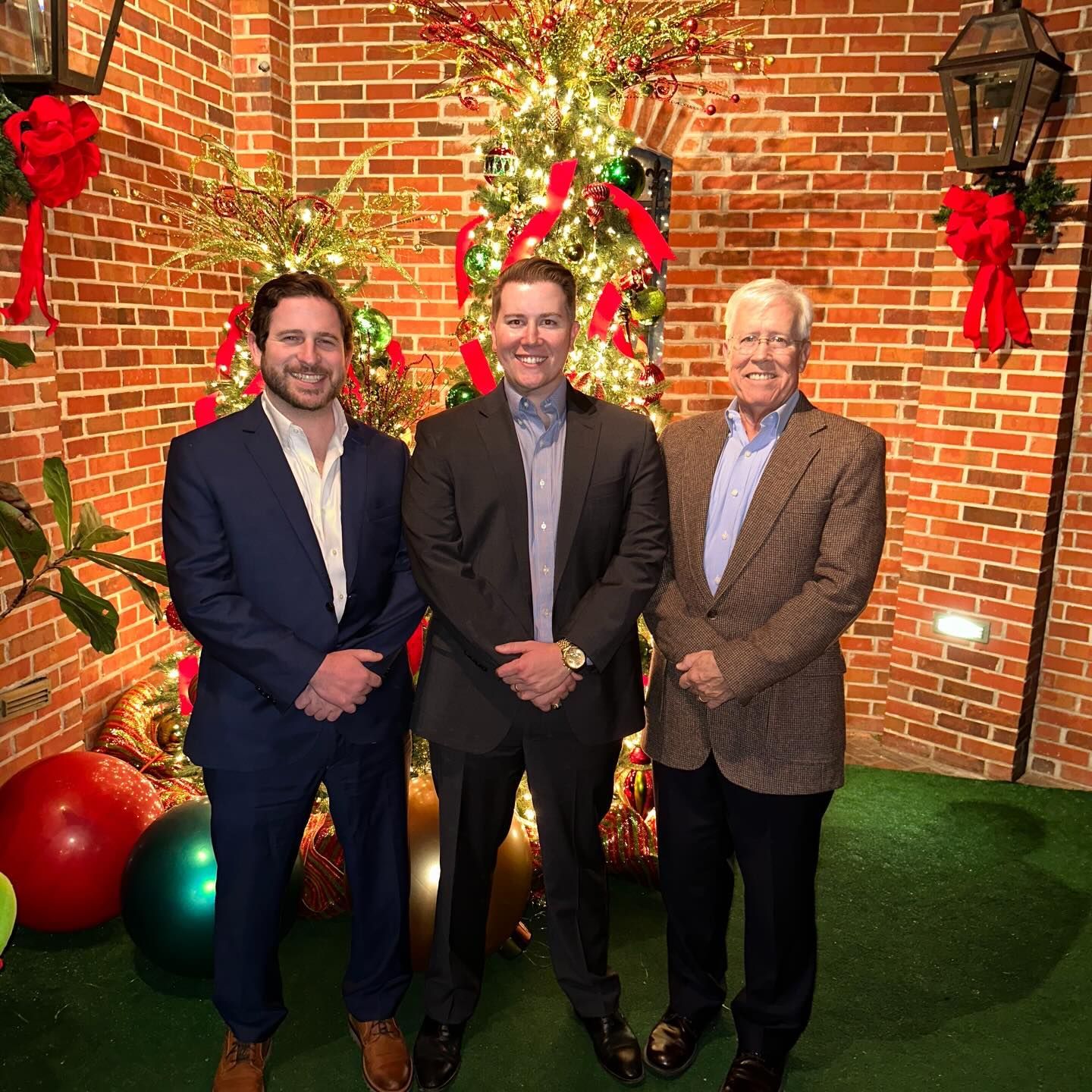
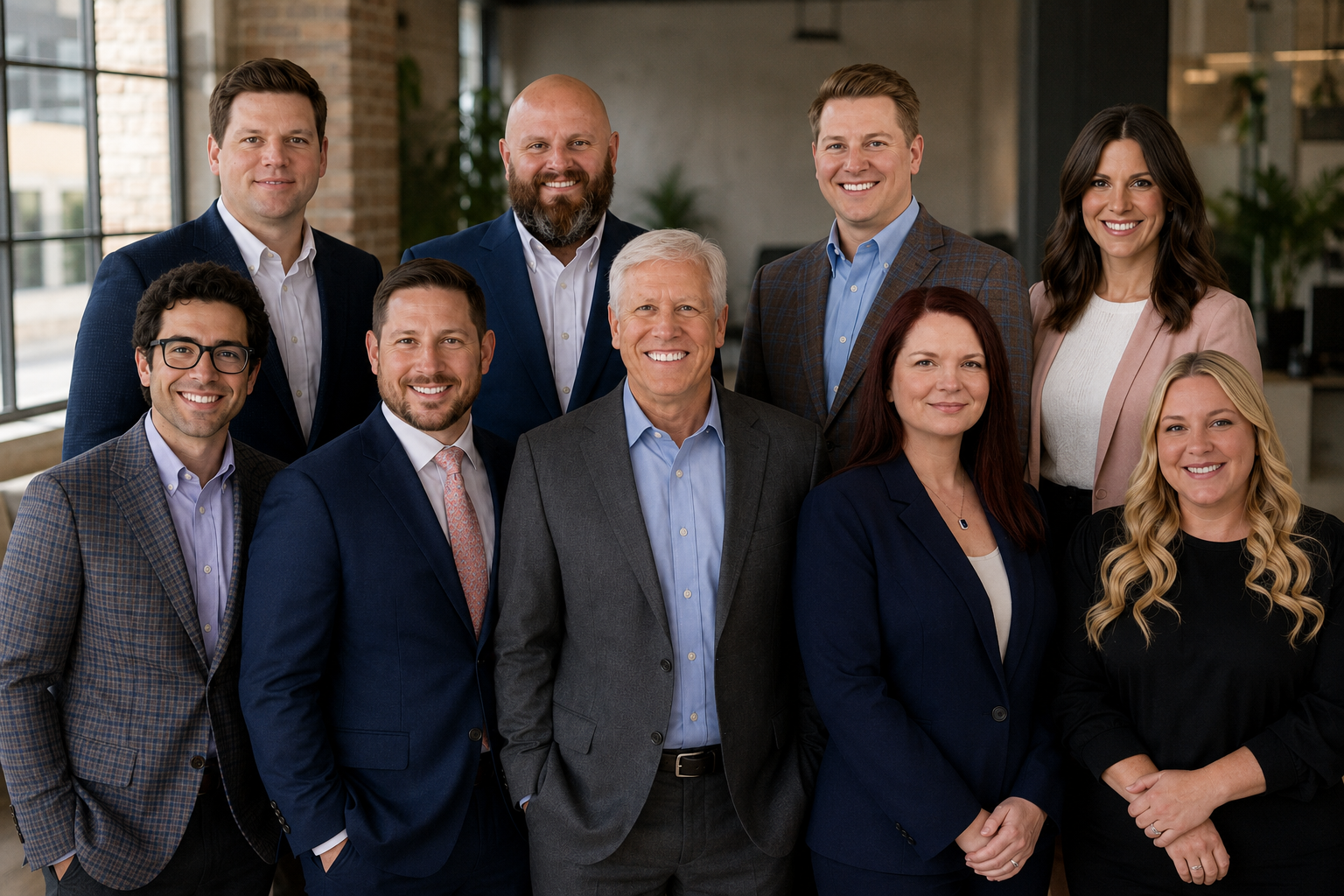

[CONFIRM name]
Google review · Mandeville office
Home, Auto, Flood, Commercial & Life Insurance
Insurance built around your life in Louisiana
We compare coverage across many carriers and build one program that protects everything you own.

Home Insurance
Cover the cost to rebuild your house, replace your belongings, and answer a liability claim against your household.
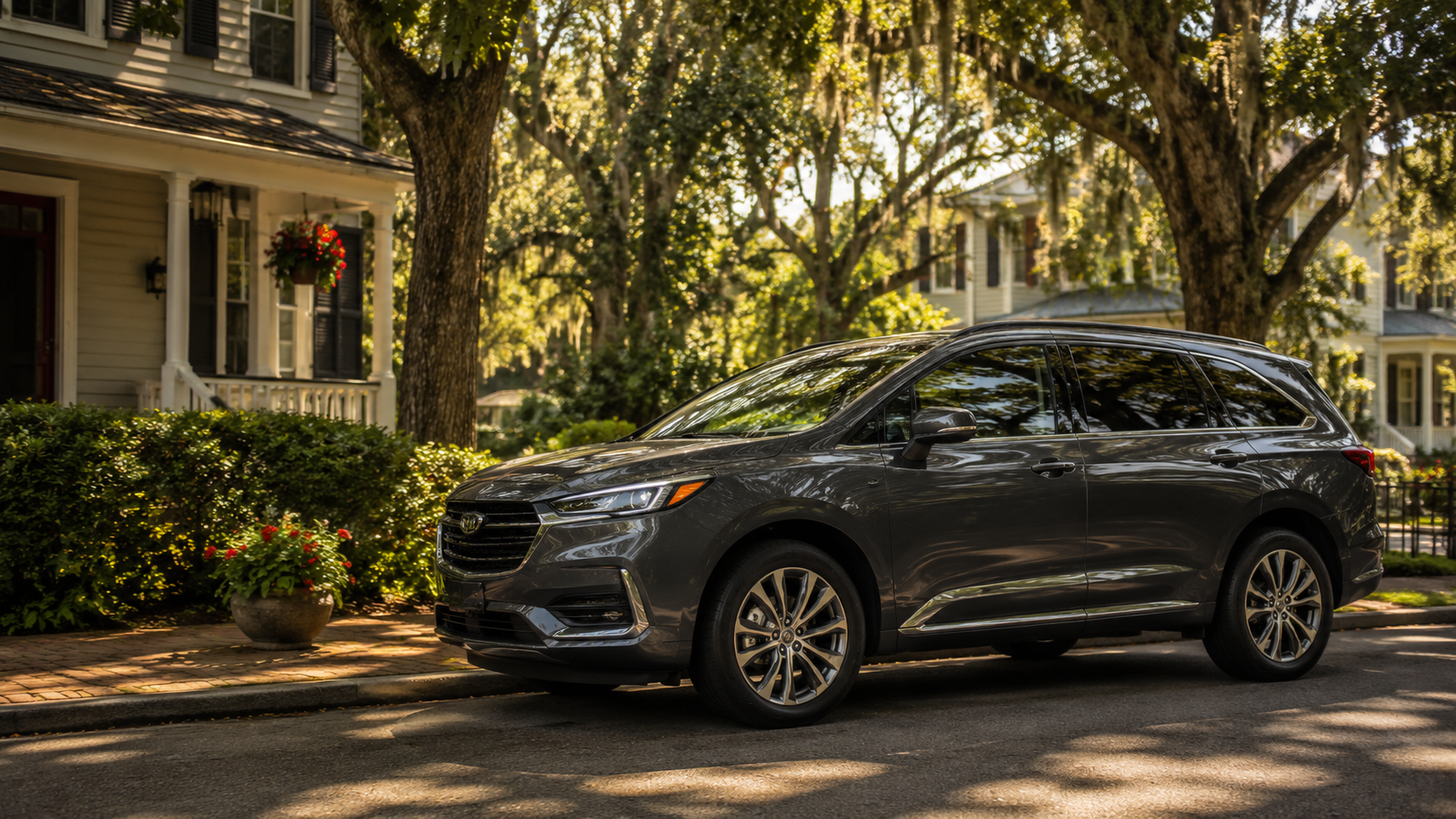
Auto Insurance
Protect your vehicles with liability, collision, and uninsured motorist limits that hold up after a serious Louisiana wreck.
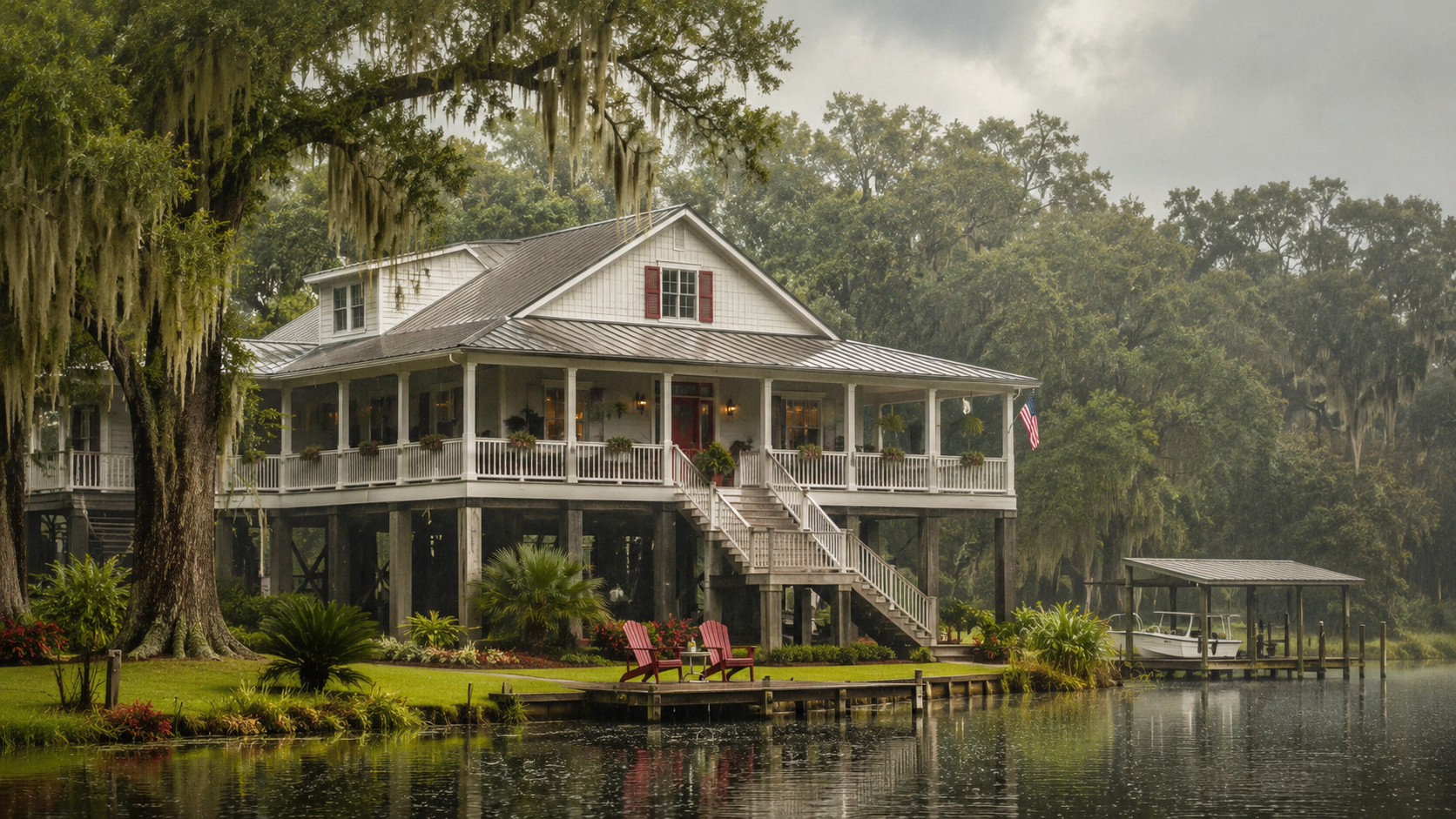
Flood Insurance
Your homeowners policy excludes flood. We quote NFIP and private options for your building and its contents.

Commercial Insurance
Liability, property, workers' compensation, and commercial auto for Louisiana businesses, priced against how your company operates.

Life Insurance
Replace the income your family depends on, with term and permanent options priced across several carriers.

Umbrella Insurance
Add a layer of liability protection above your auto and home limits, usually for a modest premium.
Ruston
Baton Rouge
Mandeville
Gretna
Louisiana Home Insurance
Home insurance built around where you live
Home insurance is our specialty. We write homeowners policies across Louisiana and price them against the wind, hail, and flood risk in your parish.
Areas we cover
Commercial Insurance for Louisiana Businesses
Coverage that keeps your business running
We build commercial programs around how your company actually operates, then compare carriers on price and claim service.

General Liability
Covers claims of bodily injury or property damage that come from your day-to-day operations.
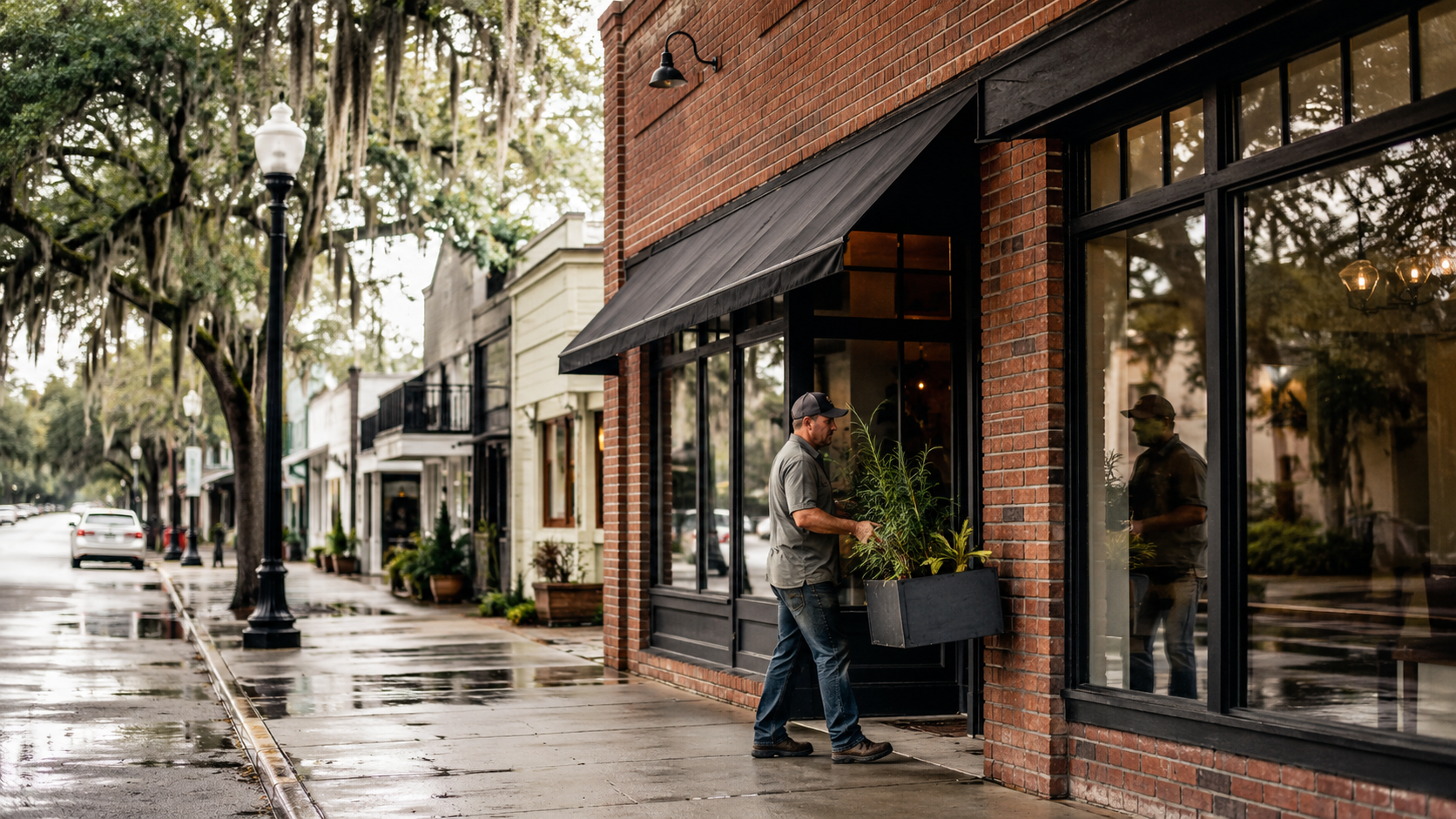
Commercial Property
Protects your building, equipment, and inventory against fire, storm, theft, and other covered losses.
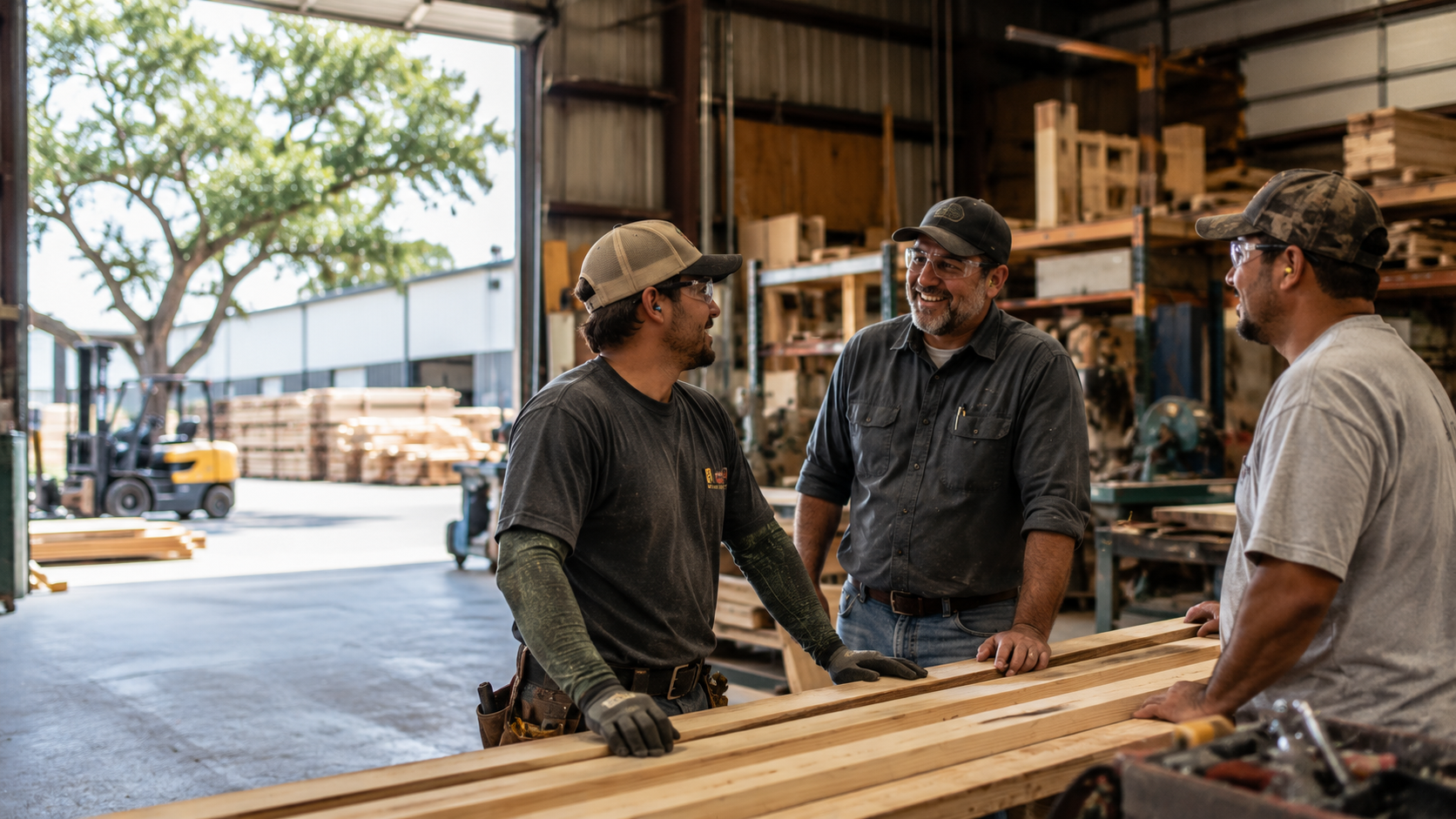
Workers' Compensation
Pays medical care and lost wages when an employee is hurt on the job, as Louisiana requires.
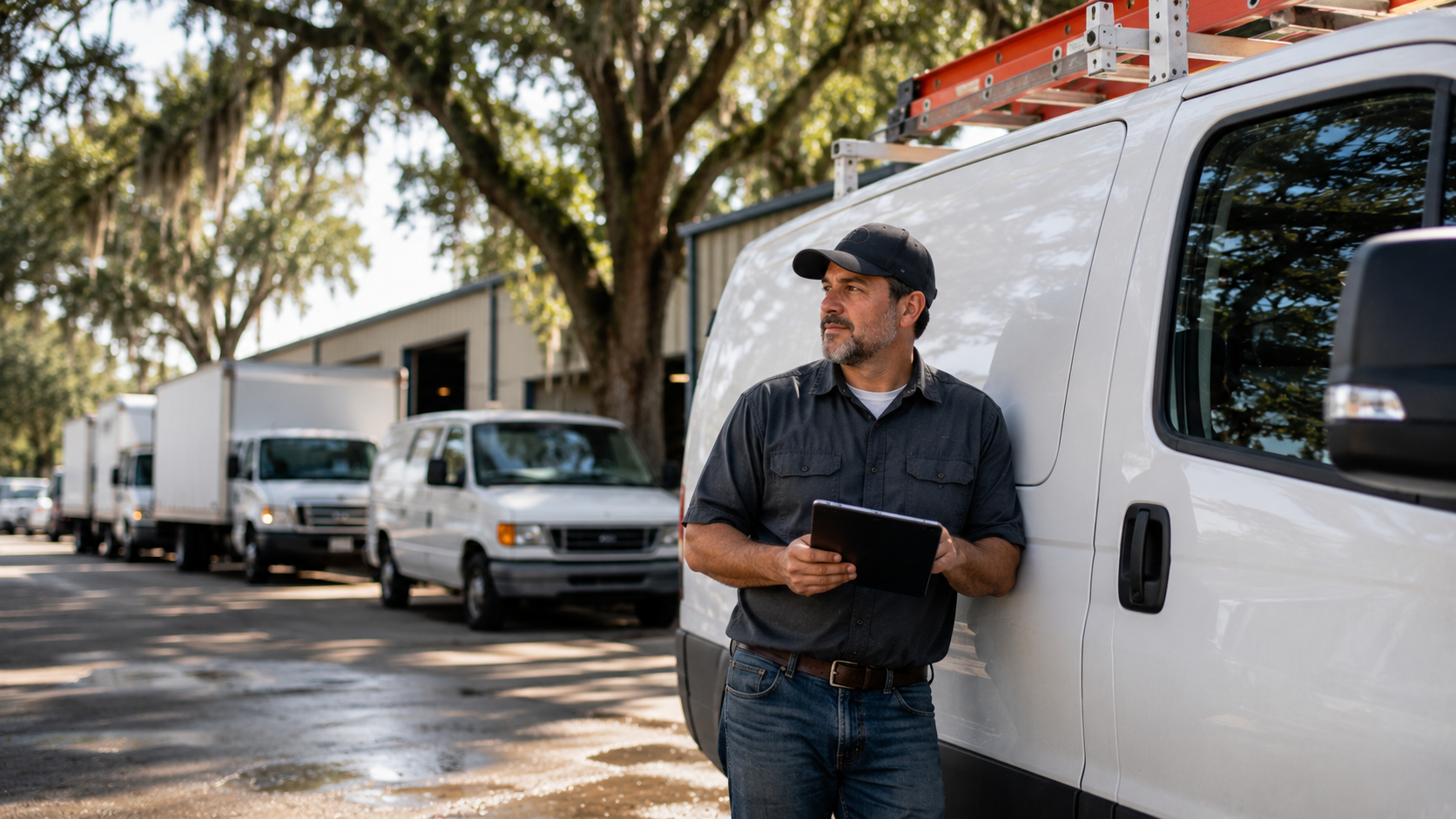
Commercial Auto
Covers the vehicles your business owns, along with the employees who drive them for work.

Professional Liability
Covers claims that your professional advice or services caused a client a financial loss.

Cyber Liability
Handles breach response, notification costs, and liability after customer data is exposed.
[CONFIRM name]
Google review · Mandeville office
Business Insurance by Industry
Specialized coverage for your line of work
Every trade carries its own risks. We know the coverage these Louisiana businesses need and where the gaps usually sit.
Plumbers
Liability, tools, and commercial auto coverage built for water damage claims and job-site risk.
Restaurants
Property, liquor liability, and spoilage coverage for kitchens, dining rooms, and your staff.
Real Estate Investors
Landlord property, liability, and vacancy coverage for rentals, flips, and multi-unit buildings.
[CONFIRM name]
Google review · Mandeville office
How to Get Insured in 4 Steps
Getting covered is simple
You talk to a licensed agent from the first call to the annual review.

1
Tell us about you
Share what you want to protect. A licensed agent asks about your home, vehicles, family, or business and gathers the details carriers need.
2
We shop our carriers
We compare options across the markets we represent and look at price, coverage limits, and how each carrier handles claims.
3
Review your choices
We explain coverage and price in plain language, side by side, so you can see the trade-offs before you choose.
4
Get covered
Your policy starts, you get your documents, and we review the coverage with you each year.
5-Star Rated by Louisiana Clients
What our clients say
Louisiana families and business owners rate us 5 stars for clear advice and fast answers.
139+ five-star reviews across our Mandeville and New Orleans offices