
Variant Insurance Group is a licensed independent insurance agency in Minnesota. [CONFIRM license #.]
Get a Quote
Variant Insurance Group is a licensed independent insurance agency serving Minnesota families and businesses.
From our office in Maple Plain, our team works with many of Minnesota's top-rated carriers so your home, auto, life, and business coverage fits your real needs. We serve families and businesses across Minnesota.
A single refrigerant leak on a commercial rooftop unit can trigger an EPA investigation, a pollution cleanup bill, and a liability claim from the building's tenants - all before your crew finishes packing up the van. HVAC and mechanical contractors face a unique mix of risks that standard business policies weren't designed to cover. From completed operations claims that surface months after a job wraps to installation floaters protecting $80,000 air handlers sitting on a jobsite, the insurance needs of this trade are layered and specific.
If you're running a mechanical contracting business in Louisiana or anywhere along the Gulf Coast, understanding the full scope of coverage you need isn't optional. It's the difference between surviving a bad claim and closing your doors. General liability, pollution coverage, workers' comp, commercial auto, and equipment floaters all play distinct roles, and gaps between them can be expensive. Construction insurance premiums are trending upward heading into 2026, making it even more critical to build a policy package that actually fits your operation rather than paying for coverage you don't need while missing what you do.
This guide breaks down the core coverages mechanical contractors should carry, how specialized risks like refrigerant handling and pollution exposure factor in, and where common gaps tend to show up.
Core Liability Protections for HVAC Operations
Every mechanical contractor needs a foundation of liability protection, but the details matter far more than the declarations page. A general liability policy and completed operations endorsement work together to cover you both during and after a project. Getting either one wrong - or carrying insufficient limits - can leave you exposed to six-figure claims.
General Liability and Third-Party Risks
General liability (GL) is your first line of defense against third-party bodily injury and property damage claims. If a technician's torch sparks a fire in a client's ceiling, or a homeowner trips over equipment left in a hallway, your GL policy responds. For HVAC contractors, these aren't hypothetical scenarios. They're the kind of claims that come in regularly.
Most commercial and residential general contractors require their mechanical subs to carry at least $1 million per occurrence and $2 million aggregate in GL coverage. Larger commercial projects often demand higher limits, and an umbrella policy can bridge the gap. Contractors operating in high-litigation markets may pay between $6,000 and $25,000 annually for adequate GL coverage, depending on revenue, payroll, and claims history.
One thing to keep in mind: your GL policy likely excludes pollution-related claims. That's a significant gap for any contractor handling refrigerants, which we'll cover below.
Completed Operations: Protection After the Job is Done
Your GL policy covers incidents that happen while you're on the job. Completed operations coverage picks up where that stops - protecting you after you've finished the work and left the site. If a ductwork installation fails six months later and causes water damage or mold growth, this is the coverage that responds.
Many contractors don't realize that completed operations is technically part of their GL policy but can be excluded or limited. You need to confirm it's active and that your limits are sufficient. Claims under completed operations are among the most common for contractors who perform installations, and they often involve larger dollar amounts because the damage has had time to compound before anyone notices.
For mechanical contractors doing commercial HVAC installs, completed operations coverage should extend for at least two to three years after project completion. Some contracts require longer tails.
Managing Specialized Mechanical and Environmental Risks
Standard liability policies leave significant blind spots for HVAC contractors. Refrigerant handling, pollution exposure, and high-value equipment in transit all require specialized coverage that most general policies exclude outright.
Pollution Exposure and Refrigerant Leaks
The EPA's AIM Act continues to reshape how HVAC contractors handle refrigerants. HFC phasedown rules are accelerating through 2026 and beyond, which means contractors are working with newer, sometimes unfamiliar refrigerant blends. An accidental release during a system changeout can trigger cleanup costs, regulatory fines, and third-party health claims.
Standard GL policies almost universally exclude pollution events. You need a separate contractors pollution liability (CPL) policy or a pollution endorsement added to your GL. A CPL policy covers cleanup costs, third-party bodily injury from chemical exposure, and legal defense if a regulatory agency comes knocking.
In Louisiana, where HVAC systems run hard for eight or nine months a year and older buildings often contain legacy refrigerants, this coverage isn't a luxury. A single R-22 release in a commercial building can generate $50,000 or more in remediation costs. Your CPL policy should cover both sudden and gradual releases, since slow leaks that contaminate indoor air over time are just as costly as acute incidents.
Installation Floaters for High-Value Equipment
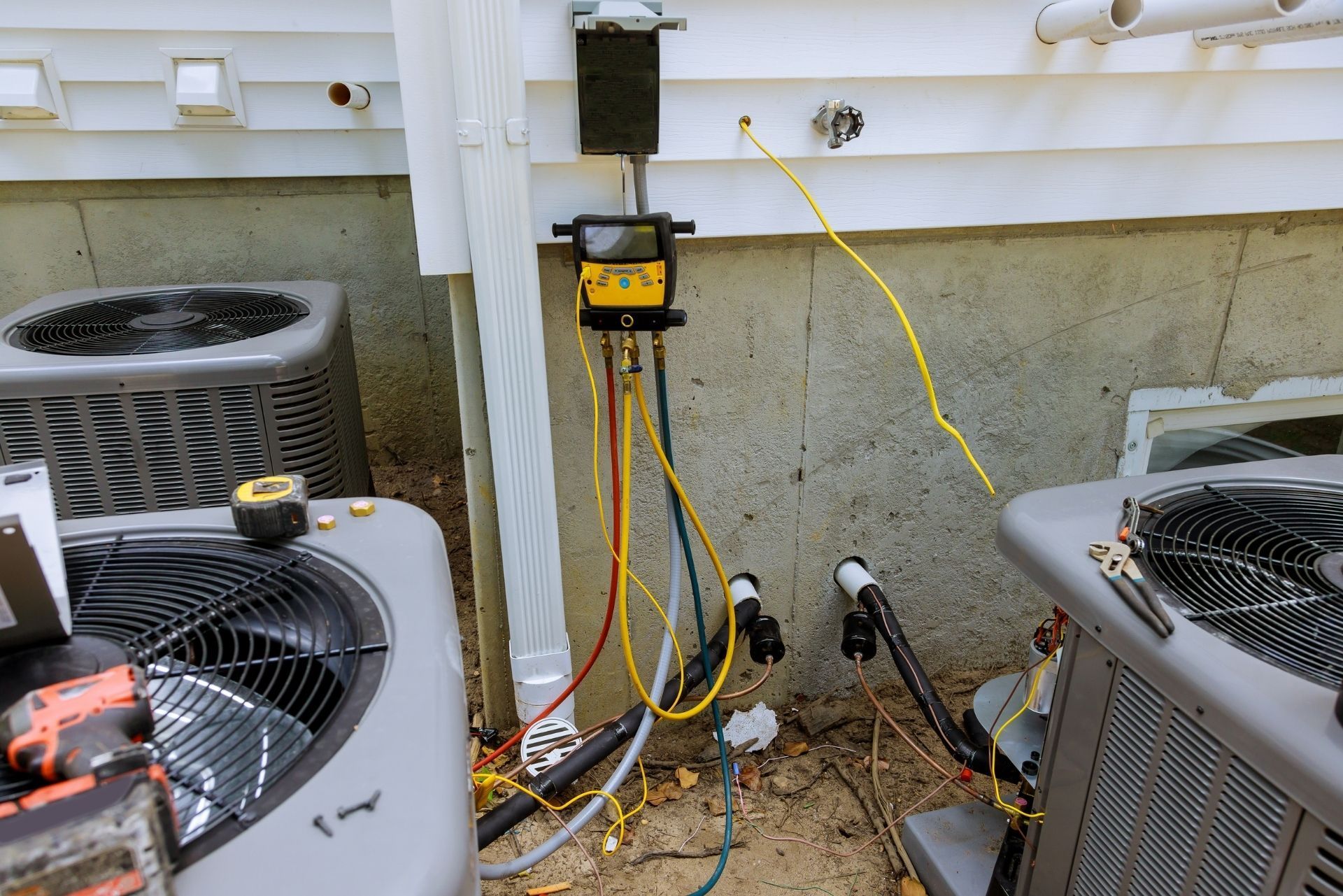
An installation floater covers materials and equipment from the time they leave the supplier until they're fully installed and accepted by the building owner. For HVAC contractors, this means protection for condensing units, air handlers, VRF systems, and ductwork sitting on a jobsite or in transit.
Your general liability policy doesn't cover your own materials. Neither does the general contractor's builder's risk policy in most cases - it typically covers the structure, not your equipment waiting to be installed. A 20-ton rooftop unit stolen from a commercial jobsite over a weekend can represent a $30,000 to $60,000 loss that falls entirely on you without a floater in place.
Installation floaters are priced based on the maximum value of materials you'll have at any one site. They're relatively affordable compared to the exposure they cover, and they're often required by contract on larger commercial jobs. If you're bidding projects where your material costs exceed $25,000, carrying a floater should be automatic.
Protecting Your Assets: Fleet and Workforce
Your vehicles and your people represent your two biggest ongoing operational investments. Commercial auto and workers' compensation aren't just regulatory requirements - they're the policies most likely to generate claims in any given year.
Commercial Auto for Service Vans and Trucks
HVAC service vans and trucks are on the road constantly, often loaded with tools, refrigerant tanks, and diagnostic equipment worth $10,000 or more. A personal auto policy won't cover a vehicle used for business purposes, and a standard commercial auto policy may not cover the contents.
You need commercial auto with adequate liability limits - $1 million combined single limit is standard for most contractor operations. Add hired and non-owned auto coverage if any employees ever use personal vehicles for work errands. Inland marine or a tools-and-equipment floater can cover the contents of your vans, since commercial auto policies typically exclude permanently mounted or stored equipment.
In the New Orleans and Mandeville areas, where traffic congestion and weather-related road hazards are daily realities, commercial auto claims are frequent. At Chabert Insurance: The Ehrhardt Agency, we regularly see mechanical contractors underinsured on their fleet coverage - carrying minimum limits that won't survive a serious accident involving a loaded service van.
Workers Compensation Requirements for Mechanical Crews
Louisiana requires workers' compensation coverage for virtually all employers, with very few exceptions. For HVAC contractors, this coverage is non-negotiable - the physical demands of the work create constant injury exposure.
OSHA's updated heat illness prevention standards place additional responsibilities on employers in 2026. Mechanical contractors working on rooftops and in unconditioned spaces during Gulf Coast summers face extreme heat exposure, and OSHA's new heat safety rules require documented rest breaks, water access, and acclimatization protocols. Failure to comply can increase your workers' comp exposure and trigger OSHA penalties.
Your experience modification rate (EMR) directly affects your premium. A strong safety program that reduces claims will lower your EMR below 1.0, saving you thousands annually. Conversely, a couple of serious claims can push your EMR above 1.5 and make your premiums painful.
Comparison: Standard vs. Specialized HVAC Coverage
Not all policies are built the same. Here's how standard contractor coverage stacks up against what HVAC and mechanical contractors actually need:
| Coverage Area | Standard Contractor Policy | HVAC-Specific Coverage |
|---|---|---|
| General Liability | Covers basic third-party claims | Same, but needs higher limits for commercial work |
| Completed Operations | Often limited or excluded | Must be active with 2-3 year tail minimum |
| Pollution/Refrigerant | Excluded | Requires separate CPL policy or endorsement |
| Installation Floater | Not included | Covers materials in transit and on-site |
| Commercial Auto | Basic vehicle coverage | Needs inland marine for tools and equipment in vans |
| Workers' Comp | Standard state-required | Must account for heat exposure and rooftop work risks |
| Umbrella/Excess | Optional | Often required; limits of $2M-$5M are increasingly standard |
The gap between standard and specialized coverage is where most claims fall through. A contractor carrying only a basic GL policy and state-minimum workers' comp is significantly underinsured for the actual risks of mechanical work.
Common Questions About HVAC Insurance
Do I need pollution coverage if I only work with newer refrigerants? Yes. Even newer HFC alternatives and A2L refrigerants can cause property damage and health claims if released. Your GL policy excludes these events regardless of which refrigerant is involved.
How much does HVAC contractor insurance cost in Louisiana? It varies widely based on your revenue, payroll, number of vehicles, and claims history. A small residential shop might pay $8,000 to $12,000 annually across all coverages, while a mid-size commercial operation could pay $25,000 to $50,000 or more.
Can I use my personal auto insurance for my work van? No. Personal auto policies exclude vehicles used for commercial purposes. If you're in an accident while working, your claim will be denied.
What's the difference between a builder's risk policy and an installation floater? Builder's risk covers the structure being built. An installation floater covers your materials and equipment before they become part of that structure. You need both on most commercial projects.
Does workers' comp cover heat-related illness? Yes, heat stroke and heat exhaustion are covered under workers' comp in Louisiana. OSHA's heat safety enforcement has intensified in 2026, so having both proper safety protocols and adequate coverage matters.
Do I need an umbrella policy? For most mechanical contractors doing commercial work, yes. Construction industry trends show umbrella requirements increasing across the sector, and many GCs now require $5 million in umbrella coverage from their subs.
Making the Right Choice for Your Mechanical Business
HVAC contractor insurance isn't a single policy - it's a coordinated set of coverages designed to protect against the specific risks mechanical contractors face every day. General liability and completed operations form the foundation. Pollution coverage and installation floaters fill the gaps that standard policies ignore. Commercial auto and workers' comp protect the assets and people that keep your business running.
The most expensive insurance mistake isn't overpaying for premiums. It's carrying the wrong coverage and discovering the gap when a claim hits. A refrigerant release, a failed installation, a van accident with $15,000 in tools inside - these are real scenarios that play out regularly in the mechanical trades.
If you're a contractor in the New Orleans or Mandeville area, Chabert Insurance: The Ehrhardt Agency can help you build a policy package that matches your actual risk profile. We work with mechanical contractors across Louisiana and understand the specific exposures this trade carries. Reach out for a coverage review - it's the simplest way to find out whether your current policies actually protect what you've built.
On this page
Fully licensed
Chabert Insurance: The Ehrhardt Agency is a fully licensed independent insurance agency serving individuals, families, and businesses across Louisiana and Mississippi.
From our offices in Mandeville and New Orleans, we proudly serve clients in Mandeville, Covington, New Orleans, Kenner, Metairie, Harahan, River Ridge, and Slidell, as well as the Westbank and St. Bernard Parish, and communities throughout Louisiana and Mississippi. As an independent agency, our team works with a wide range of top-rated carriers to provide personal and commercial coverage — home, auto, flood, commercial, life, and more — built around the real needs of the people and businesses we protect.
OTHER INSURANCE COVERAGE

About the Author
Ryan J. Ehrhardt
Owner / Licensed Agent
I'm Ryan J. Ehrhardt, owner and licensed agent at Chabert Insurance: The Ehrhardt Agency. I lead our team across our Mandeville and New Orleans offices, and I work with families and business owners every day to find coverage that fits their lives. I believe insurance should be simple to understand, so I take the time to explain your options in plain language before you decide.
As an independent agent, I answer to you, not to a single carrier. That means I can shop your policy across many companies and focus on what protects you best. When you call our office, you reach a real person who knows your account. I would be glad to review your coverage and help you feel confident about it.
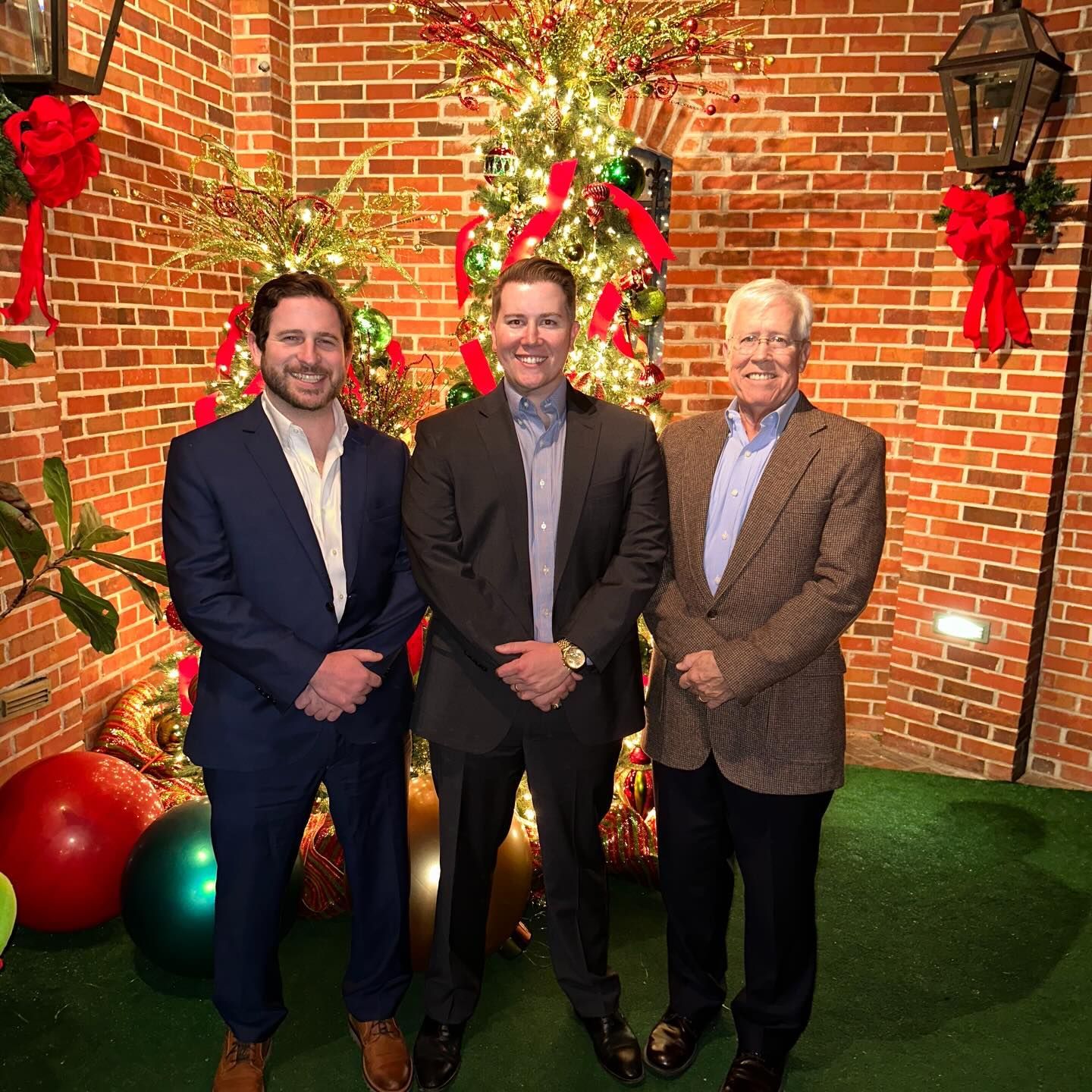
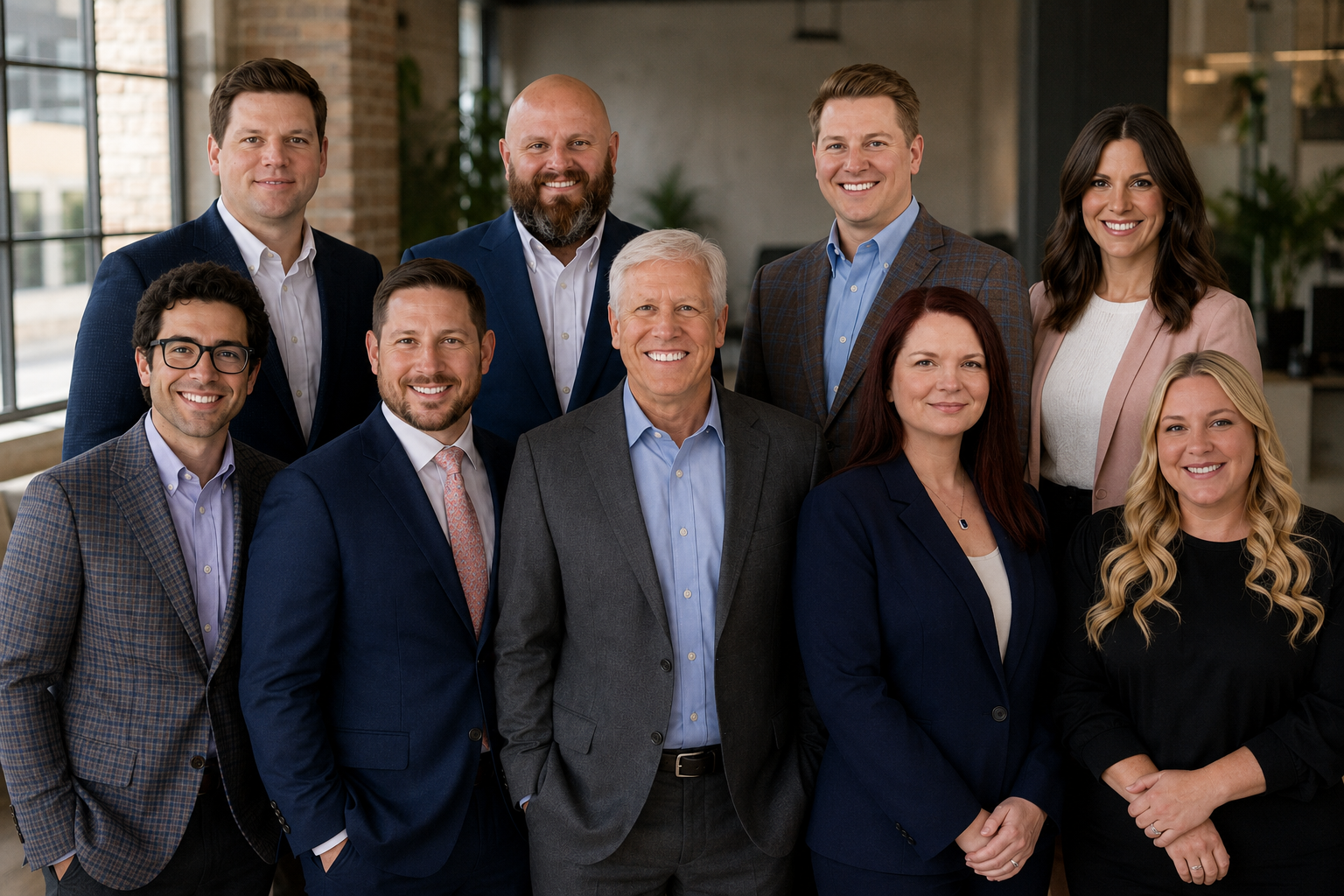

[CONFIRM name]
Google review · Mandeville office
Home, Auto, Flood, Commercial & Life Insurance
Insurance built around your life in Louisiana
We compare coverage across many carriers and build one program that protects everything you own.
Home Insurance
Cover the cost to rebuild your house, replace your belongings, and answer a liability claim against your household.
Auto Insurance
Protect your vehicles with liability, collision, and uninsured motorist limits that hold up after a serious Louisiana wreck.
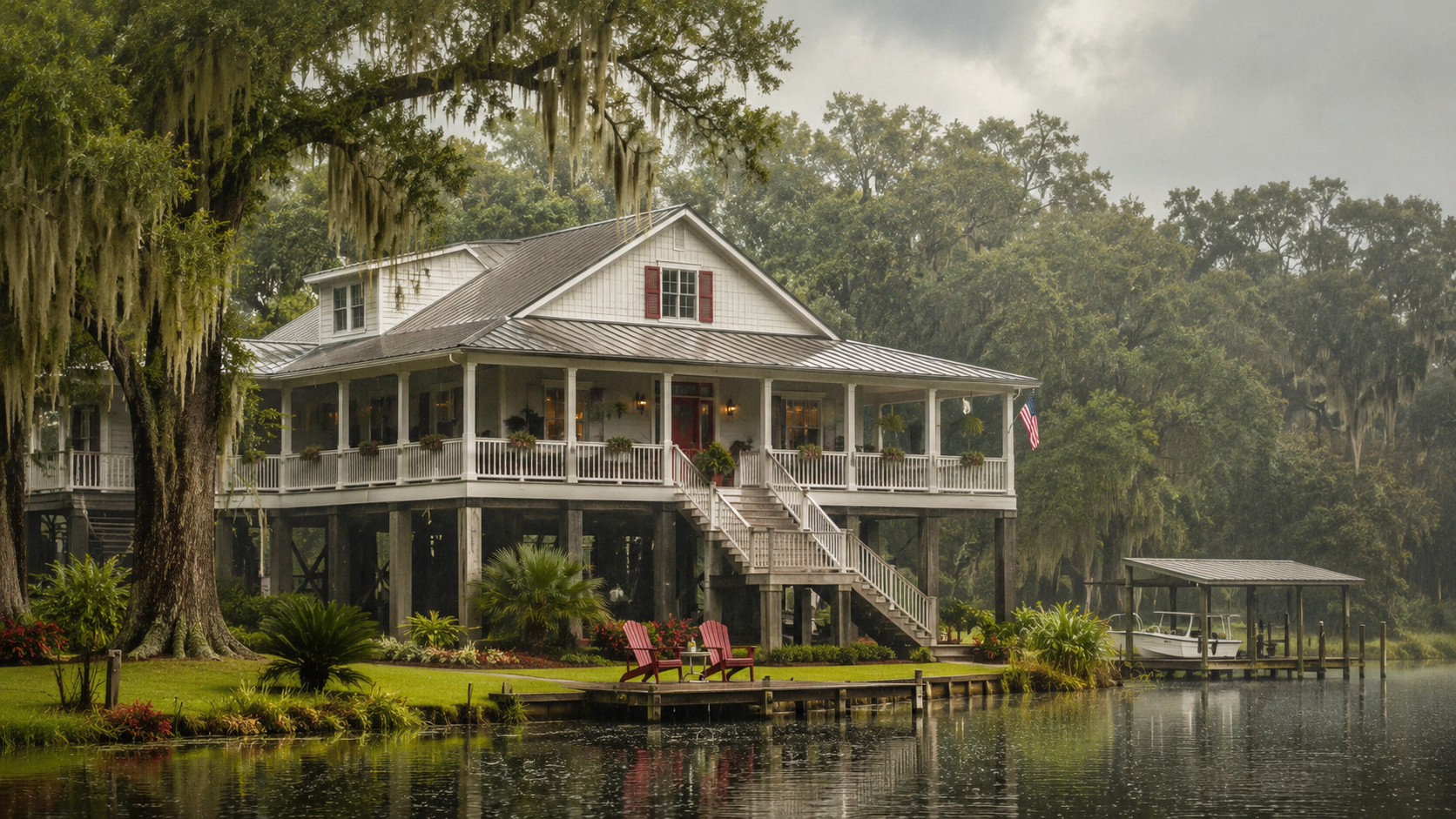
Flood Insurance
Your homeowners policy excludes flood. We quote NFIP and private options for your building and its contents.
Commercial Insurance
Liability, property, workers' compensation, and commercial auto for Louisiana businesses, priced against how your company operates.
Life Insurance
Replace the income your family depends on, with term and permanent options priced across several carriers.

Umbrella Insurance
Add a layer of liability protection above your auto and home limits, usually for a modest premium.
Ruston
Baton Rouge
Mandeville
Gretna
Louisiana Home Insurance
Home insurance built around where you live
Home insurance is our specialty. We write homeowners policies across Louisiana and price them against the wind, hail, and flood risk in your parish.
Areas we cover
Commercial Insurance for Louisiana Businesses
Coverage that keeps your business running
We build commercial programs around how your company actually operates, then compare carriers on price and claim service.

General Liability
Covers claims of bodily injury or property damage that come from your day-to-day operations.
Commercial Property
Protects your building, equipment, and inventory against fire, storm, theft, and other covered losses.
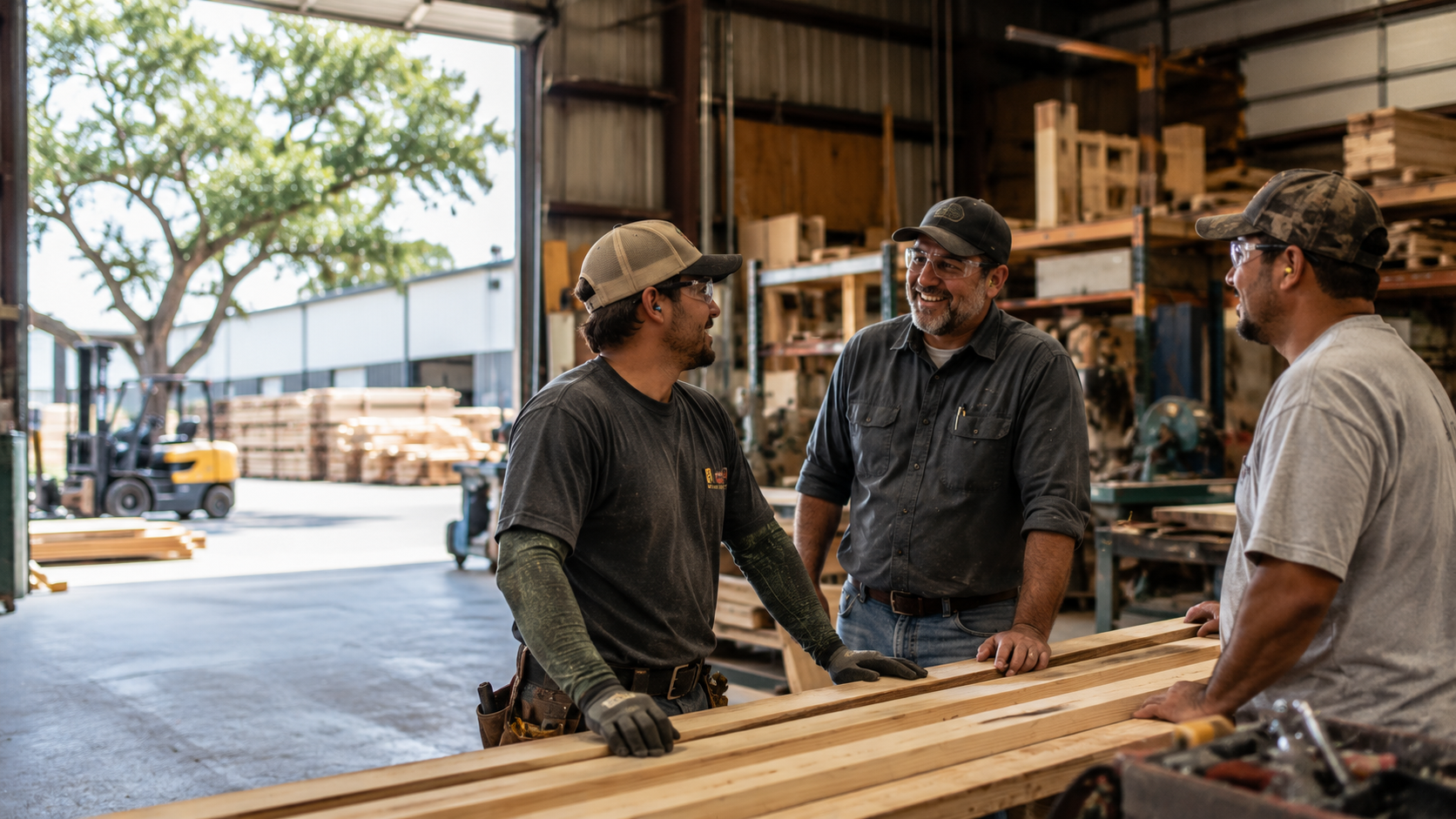
Workers' Compensation
Pays medical care and lost wages when an employee is hurt on the job, as Louisiana requires.
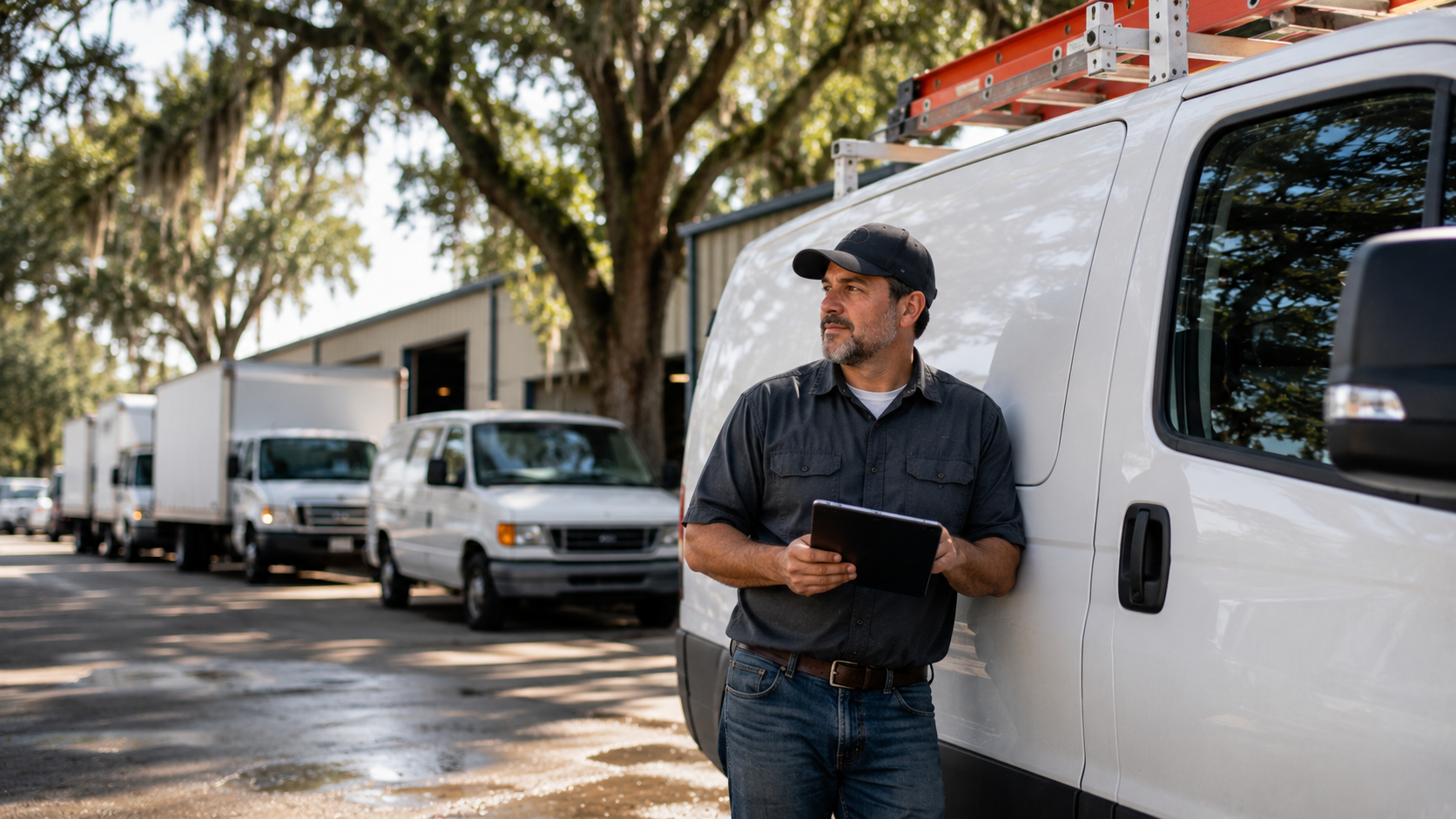
Commercial Auto
Covers the vehicles your business owns, along with the employees who drive them for work.

Professional Liability
Covers claims that your professional advice or services caused a client a financial loss.

Cyber Liability
Handles breach response, notification costs, and liability after customer data is exposed.
[CONFIRM name]
Google review · Mandeville office
Business Insurance by Industry
Specialized coverage for your line of work
Every trade carries its own risks. We know the coverage these Louisiana businesses need and where the gaps usually sit.
Plumbers
Liability, tools, and commercial auto coverage built for water damage claims and job-site risk.
Restaurants
Property, liquor liability, and spoilage coverage for kitchens, dining rooms, and your staff.
Real Estate Investors
Landlord property, liability, and vacancy coverage for rentals, flips, and multi-unit buildings.
[CONFIRM name]
Google review · Mandeville office
How to Get Insured in 4 Steps
Getting covered is simple
You talk to a licensed agent from the first call to the annual review.
1
Tell us about you
Share what you want to protect. A licensed agent asks about your home, vehicles, family, or business and gathers the details carriers need.
2
We shop our carriers
We compare options across the markets we represent and look at price, coverage limits, and how each carrier handles claims.
3
Review your choices
We explain coverage and price in plain language, side by side, so you can see the trade-offs before you choose.
4
Get covered
Your policy starts, you get your documents, and we review the coverage with you each year.
5-Star Rated by Louisiana Clients
What our clients say
Louisiana families and business owners rate us 5 stars for clear advice and fast answers.
139+ five-star reviews across our Mandeville and New Orleans offices