
Variant Insurance Group is a licensed independent insurance agency in Minnesota. [CONFIRM license #.]
Get a Quote
Variant Insurance Group is a licensed independent insurance agency serving Minnesota families and businesses.
From our office in Maple Plain, our team works with many of Minnesota's top-rated carriers so your home, auto, life, and business coverage fits your real needs. We serve families and businesses across Minnesota.
New title
New title
Umbrella Insurance: The Ultimate Safety Net
Accidental vs. Intentional Tenant Damage
Does my homeowners policy cover my home office equipment?
Board members don't typically need separate individual policies for board service if the association carries adequate D&O coverage. That said, you should confirm your D&O policy covers all current and former board members and doesn't contain exclusions that could leave gaps.
Common Questions About HOA Insurance Coverage
FAQ: Do I need a separate appraisal for every single silver spoon?
FAQ: Am I covered if I accidentally drop a piece of fine art?
FAQ: Why is windstorm insurance so much more expensive for parks?
FAQ: What happens if a storm destroys my tenant's home but not my land?
Do HOA board members need their own individual insurance?
The board may need to levy a special assessment against all owners to cover the shortfall. This creates financial strain and often leads to disputes. Keeping reserves funded and deductibles manageable is the best way to avoid this scenario.
Usually not. The HOA's master policy typically covers common areas and building structure up to the bare walls. Interior finishes, personal property, and improvements you've made are your responsibility under your individual HO-6 condo policy.
At least annually, and after any major renovation, new amenity addition, or significant change in property values. Louisiana boards should also review limits before hurricane season each year.
They're similar but not identical. A fidelity bond specifically covers theft or dishonest acts by people entrusted with association funds. Crime insurance is broader and may cover forgery, computer fraud, and third-party theft. Many associations carry both.
What happens if our HOA doesn't have enough money in reserves for a claim?
Does the HOA policy cover damage inside my individual unit?
How often should our board review our insurance limits?
Is a fidelity bond the same thing as theft insurance?
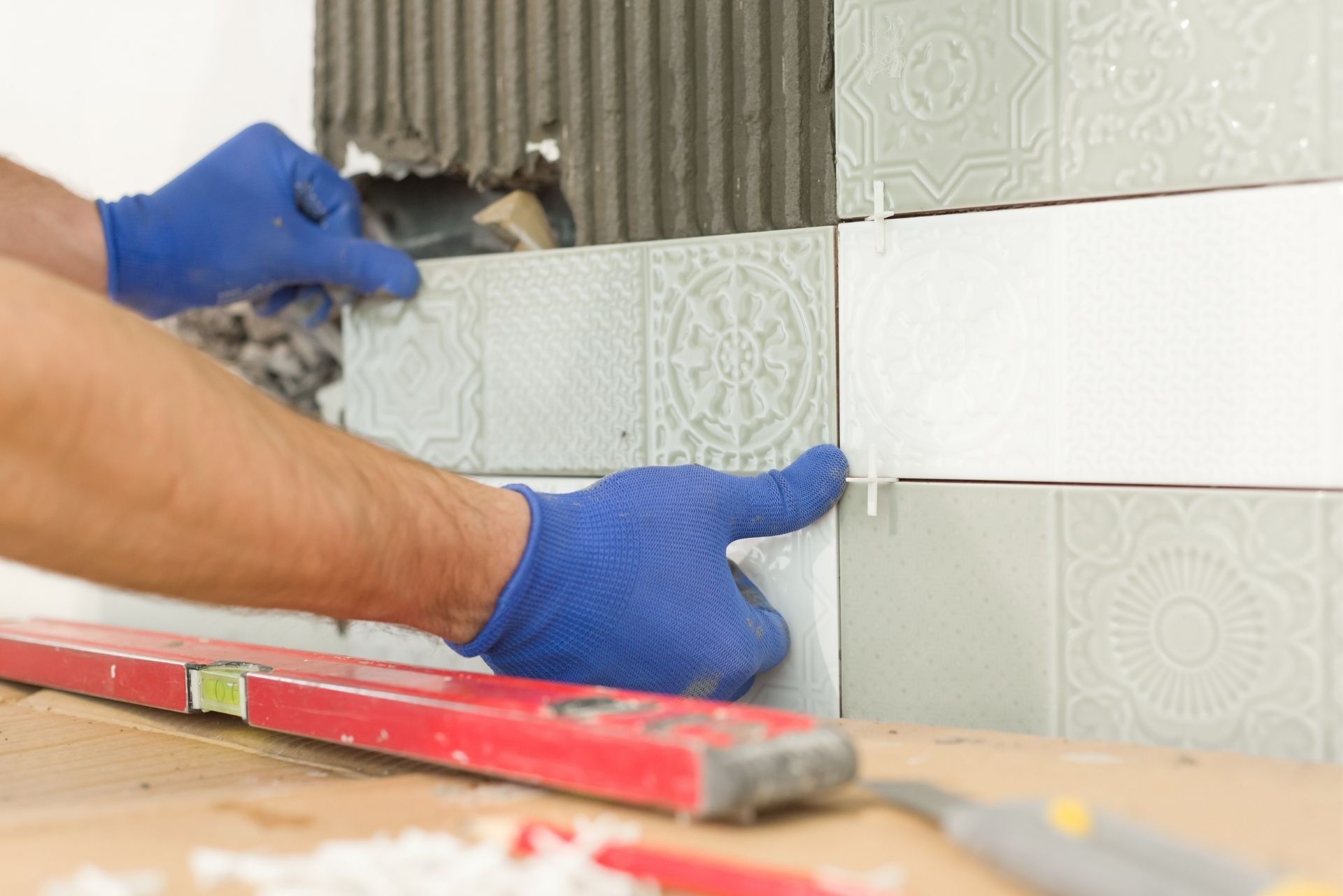
A single cracked tile in a shower surround might seem minor, but when water seeps behind it and rots the subfloor, a homeowner's repair bill can climb past $15,000. If you're the tile setter who installed it, you could be on the hook for every dollar. That scenario plays out more often than most contractors expect, and a basic insurance policy won't always cover it.
Tile contractors face a unique set of risks that general construction policies tend to overlook. From substrate failures that emerge months after a job wraps up to a $4,000 wet saw stolen from a job site, the exposures are real and specific to this trade. The right insurance package for tile setters needs to address general liability, workmanship disputes, substrate preparation problems, coverage for materials in transit, protection for specialized tools, and completed operations claims that surface long after you've moved on to the next project. Getting this wrong can mean paying out of pocket for claims that should have been covered, or worse, losing your business entirely.
Understanding what you actually need requires breaking down each coverage type and how it applies to tile and stone installation work specifically. A general contractor's policy template won't cut it. Here's what matters and why.
Why Standard General Liability Isn't Enough for Tile Setters
General liability is the foundation of any contractor's insurance program, and for tile installers, the median cost runs roughly $59 to $89 per month. That's affordable, but the real question isn't what it costs: it's what it actually covers. Most tile setters assume their GL policy handles everything that could go wrong on a job. It doesn't.
Standard general liability covers third-party bodily injury and property damage that happens during your operations. If a homeowner trips over your tile cutter and breaks a wrist, your GL policy responds. But the gap between what GL covers and what tile contractors actually need is significant, and that gap is where expensive claims live.
Understanding General Liability vs. Workmanship Coverage
Your GL policy is designed to cover accidents, not the quality of your work. If tiles crack because you mixed thinset incorrectly or failed to account for deflection in a floor system, that's a workmanship issue. Standard GL policies typically exclude damage to your own work product. You need specific endorsements or a separate professional liability component to cover installation errors and the resulting property damage.
This distinction catches a lot of tile contractors off guard. They assume "property damage" coverage means any property damage, but insurers draw a clear line between damage you cause accidentally and damage that results from faulty workmanship.
The Difference Between Bodily Injury and Property Damage
Bodily injury claims are straightforward: someone gets hurt on your job site or because of your work. Property damage under GL covers harm to someone else's property caused by your operations, like accidentally dropping a bucket of grout on a client's hardwood floor. But damage to the tile itself, or to the substrate you prepared, falls outside standard property damage coverage in most GL policies.
For tile contractors in Louisiana, where humidity and moisture create constant challenges for installations, this distinction matters even more. Water intrusion claims are common, and they rarely fit neatly into a basic GL policy's property damage provision.

Addressing High-Risk Exposure: Substrate Failure and Workmanship
Substrate failure is one of the most expensive and contentious claims a tile contractor can face. When tiles pop, crack, or debond because the substrate wasn't properly prepared, the finger-pointing starts fast. Construction defect claims have surged in recent years, and tile installation problems are a frequent trigger.
The challenge is that substrate issues often involve shared responsibility. Maybe the general contractor poured a slab that wasn't flat enough. Maybe the tile setter didn't use the right uncoupling membrane. Sorting out liability takes time and money, and without the right coverage, you're paying your own legal fees while it gets figured out.
Professional Liability for Installation Errors
Professional liability, sometimes called errors and omissions coverage, protects you when your work doesn't meet standards. For tile setters, this could mean failing to follow the TCNA Handbook specifications for a particular installation method, using the wrong adhesive for large-format porcelain, or not accounting for thermal expansion in an exterior application.
These aren't accidents. They're mistakes in judgment or execution, and they require a different type of coverage than what GL provides. If you're working on commercial projects or high-end residential jobs, professional liability coverage isn't optional: it's essential.
The Financial Impact of Substrate Preparation Issues
A substrate failure on a 500-square-foot bathroom remodel could easily cost $8,000 to $12,000 to tear out and redo. Scale that up to a commercial lobby or a pool deck, and you're looking at six-figure claims. The materials alone for premium porcelain or natural stone can run $15 to $40 per square foot, and that's before labor.
In the New Orleans area, where many older homes sit on pier-and-beam foundations with significant movement, substrate preparation is especially critical. An agency like Chabert Insurance: The Ehrhardt Agency that understands Louisiana's specific construction challenges can help you identify the right coverage for these high-risk scenarios before a claim forces the issue.
Protecting Assets with Installation Floaters and Tool Coverage
Your tools and the materials you transport to job sites represent a significant investment. A standard business property policy covers items at your shop or office, but tile contractors spend most of their time on location. That's where inland marine insurance and installation floaters come in.
Inland Marine: Safeguarding Wet Saws and Specialized Tools
A quality wet saw costs $1,500 to $5,000. Laser levels, tile cutters, mixing drills, and leveling systems add up quickly. Inland marine insurance covers your tools and equipment while they're in transit or at a job site, not just sitting in your warehouse.
Here's what a solid inland marine policy should cover for tile contractors:
- Wet saws, bridge saws, and rail cutting systems
- Laser levels, moisture meters, and testing equipment
- Mixing stations and thinset application tools
- Hand tools, trowels, and specialty items
- Equipment stored in your work vehicle overnight
Theft from job sites and vehicles is a real problem, and replacement costs add up fast. Without inland marine coverage, you're self-insuring every tool you own the moment it leaves your shop.
Installation Floaters for High-Value Materials on Site
An installation floater covers materials and supplies that have been delivered to a job site but haven't been installed yet. If you're working with imported marble, handmade ceramic, or large-format gauged porcelain panels, a single pallet of material could be worth $5,000 or more.
Fire, theft, vandalism, and even water damage from a burst pipe can destroy materials sitting on site. Your client's homeowner's policy won't cover your materials, and your GL policy doesn't either. An installation floater fills that gap. The National Tile Contractors Association recommends that members carry this type of coverage, particularly for commercial and high-end residential work.
Completed Operations: Protection After the Job is Done
Completed operations coverage is the part of your insurance that protects you after you've finished a job and left the site. This is where many tile contractors are most vulnerable, because tile installation failures often don't show up for months or even years.
A shower that wasn't properly waterproofed might not leak for six months. Tiles installed over an improperly prepared substrate might hold for a year before they start cracking. Construction defect claims frequently emerge well after the work is complete, and without completed operations coverage, your insurer has no obligation to defend you.
In Louisiana, the prescriptive period for construction defect claims can extend several years from the date the defect is discovered. That means a job you finished in 2024 could generate a claim in 2027 or later. Your completed operations coverage needs to remain active during that entire window. This is one of the most commonly misunderstood aspects of tile contractor insurance, and getting it wrong can be devastating.
Comparing Essential Coverage Types for Tile Contractors
| Coverage Type | What It Protects | Common Tile Setter Scenario | Typical Cost Range |
|---|---|---|---|
| General Liability | Third-party injury and property damage during operations | Client trips over materials on site | $59-$89/month |
| Professional Liability | Errors in workmanship or installation methods | Wrong membrane used, causing water damage | $75-$150/month |
| Inland Marine | Tools and equipment in transit or on site | Wet saw stolen from job site | $30-$75/month |
| Installation Floater | Materials delivered but not yet installed | Vandalism destroys $6,000 in marble tile | Varies by project value |
| Completed Operations | Claims arising after job completion | Shower leaks 8 months after installation | Included in GL or added |
| Commercial Auto | Vehicles used for business | Work van in accident while hauling materials | $100-$250/month |
This breakdown shows why a single policy rarely covers everything a tile setter needs. Working with a knowledgeable local agency like Chabert Insurance: The Ehrhardt Agency helps you build a package that addresses each of these exposures without paying for coverage you don't need.
Common Questions About Tile Setting Insurance
Do I need insurance if I only do small residential jobs? Yes. Even a small bathroom remodel can generate a water damage claim worth tens of thousands of dollars. Most homeowners and general contractors also require proof of insurance before they'll hire you.
Does my general liability policy cover work I did last year? Only if your completed operations coverage is active. If you let your policy lapse or switch carriers without ensuring continuity, prior work may not be covered.
What's the difference between an installation floater and inland marine? Inland marine covers your tools and equipment. An installation floater specifically covers materials and supplies that belong to you or are in your care at a job site before installation.
Will my insurance cover me if I don't follow TCNA Handbook standards? Your insurer will likely still defend you, but failing to follow industry-recognized installation standards could weaken your position in a claim and potentially lead to a coverage dispute.
Do I need separate coverage for each job site? Not typically. Most policies cover all your active job sites, but high-value commercial projects may require a project-specific installation floater.
Is workers' compensation required for tile contractors in Louisiana? If you have one or more employees, Louisiana requires workers' compensation coverage. Even sole proprietors should consider it, since many general contractors won't let you on site without it.
Making the Right Choice for Your Flooring Business
Tile installation is skilled, physical work with financial risks that extend far beyond the job site. The right insurance program protects your tools, your materials, your reputation, and your livelihood: both during active projects and for years after you've moved on.
Don't assume a generic contractor policy covers the specific exposures tile setters face. Substrate failures, workmanship disputes, stolen equipment, and completed operations claims each require targeted coverage. Skipping any one of them creates a gap that could cost you far more than the premium.
If you're a tile contractor in the New Orleans or Mandeville area, Chabert Insurance: The Ehrhardt Agency can walk you through the coverage options that fit your specific operation. Whether you're a one-person crew doing residential bathrooms or a team handling commercial installations, the right policy structure makes the difference between a manageable claim and a business-ending one. Reach out for a personalized review of your current coverage and find out where the gaps are before they find you.
On this page
Fully licensed
Chabert Insurance: The Ehrhardt Agency is a fully licensed independent insurance agency serving individuals, families, and businesses across Louisiana and Mississippi.
From our offices in Mandeville and New Orleans, we proudly serve clients in Mandeville, Covington, New Orleans, Kenner, Metairie, Harahan, River Ridge, and Slidell, as well as the Westbank and St. Bernard Parish, and communities throughout Louisiana and Mississippi. As an independent agency, our team works with a wide range of top-rated carriers to provide personal and commercial coverage — home, auto, flood, commercial, life, and more — built around the real needs of the people and businesses we protect.
OTHER INSURANCE COVERAGE

About the Author
Ryan J. Ehrhardt
Owner / Licensed Agent
I'm Ryan J. Ehrhardt, owner and licensed agent at Chabert Insurance: The Ehrhardt Agency. I lead our team across our Mandeville and New Orleans offices, and I work with families and business owners every day to find coverage that fits their lives. I believe insurance should be simple to understand, so I take the time to explain your options in plain language before you decide.
As an independent agent, I answer to you, not to a single carrier. That means I can shop your policy across many companies and focus on what protects you best. When you call our office, you reach a real person who knows your account. I would be glad to review your coverage and help you feel confident about it.


[CONFIRM name]
Google review · Mandeville office
Home, Auto, Flood, Commercial & Life Insurance
Insurance built around your life in Louisiana
We compare coverage across many carriers and build one program that protects everything you own.

Home Insurance
Cover the cost to rebuild your house, replace your belongings, and answer a liability claim against your household.
Auto Insurance
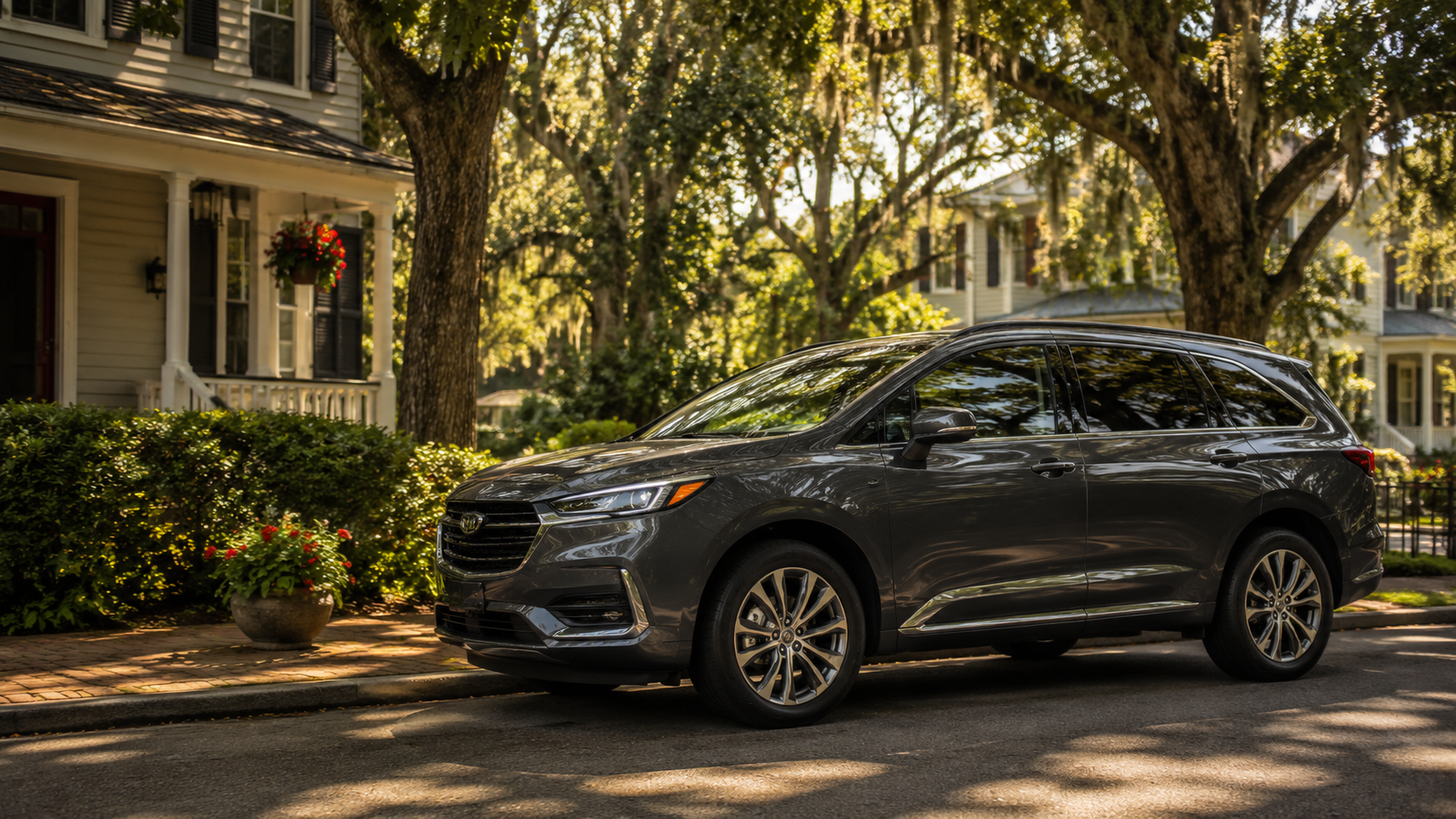
Protect your vehicles with liability, collision, and uninsured motorist limits that hold up after a serious Louisiana wreck.
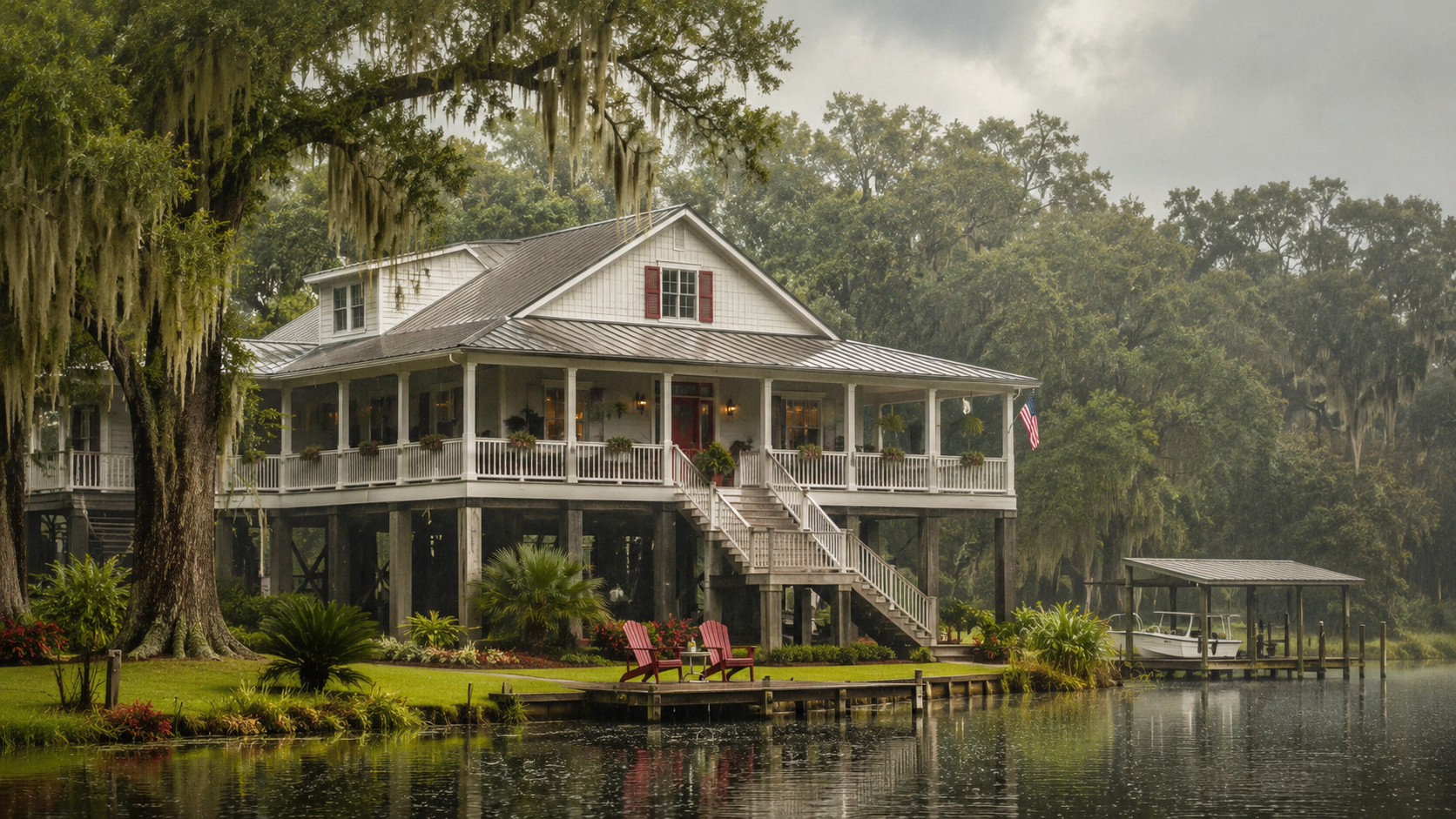
Flood Insurance
Your homeowners policy excludes flood. We quote NFIP and private options for your building and its contents.

Commercial Insurance
Liability, property, workers' compensation, and commercial auto for Louisiana businesses, priced against how your company operates.

Life Insurance
Replace the income your family depends on, with term and permanent options priced across several carriers.

Umbrella Insurance
Add a layer of liability protection above your auto and home limits, usually for a modest premium.
Ruston
Baton Rouge
Mandeville
Gretna
Louisiana Home Insurance
Home insurance built around where you live
Home insurance is our specialty. We write homeowners policies across Louisiana and price them against the wind, hail, and flood risk in your parish.
Areas we cover
Commercial Insurance for Louisiana Businesses
Coverage that keeps your business running
We build commercial programs around how your company actually operates, then compare carriers on price and claim service.

General Liability
Covers claims of bodily injury or property damage that come from your day-to-day operations.

Commercial Property
Protects your building, equipment, and inventory against fire, storm, theft, and other covered losses.

Workers' Compensation
Pays medical care and lost wages when an employee is hurt on the job, as Louisiana requires.
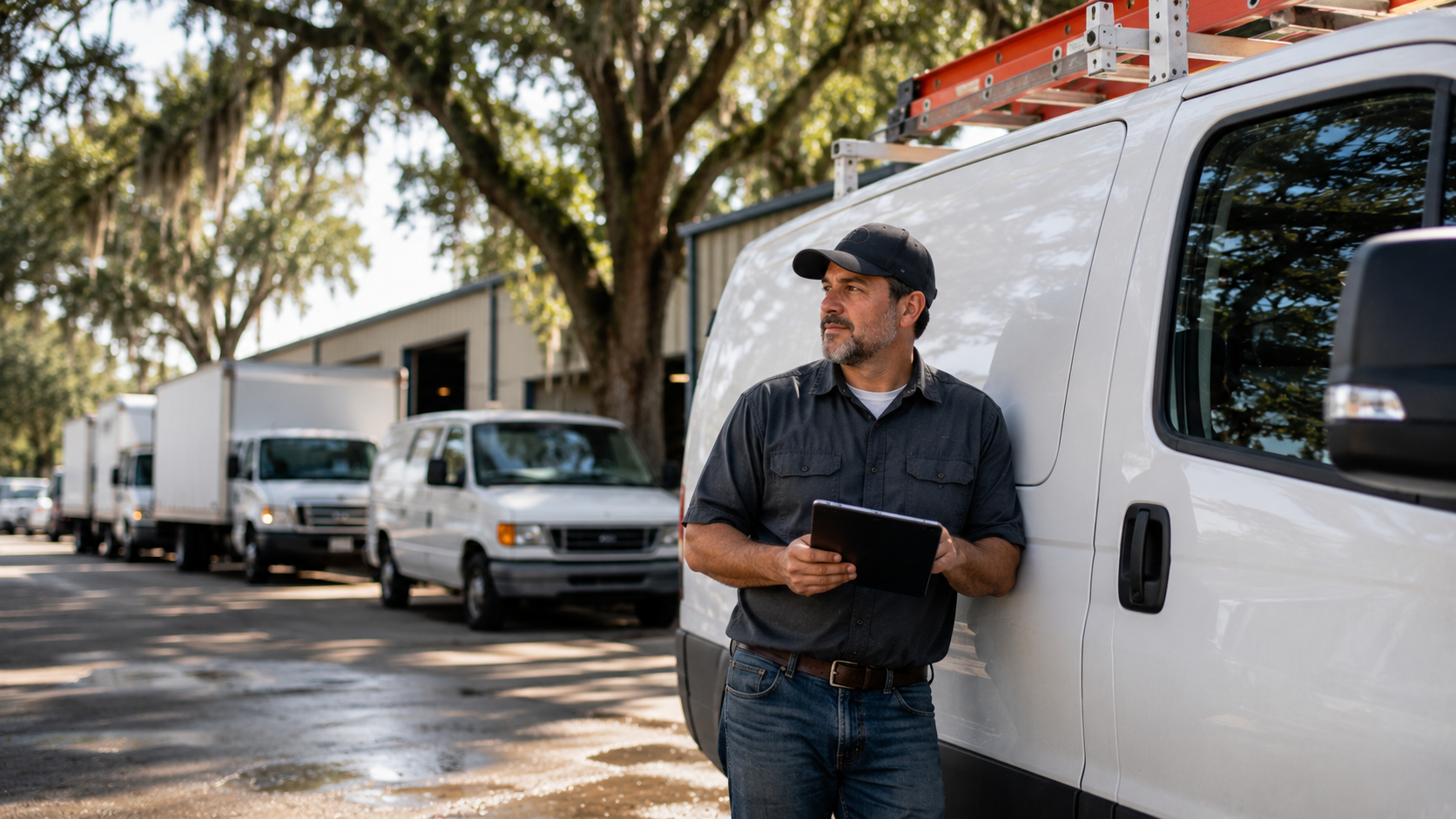
Commercial Auto
Covers the vehicles your business owns, along with the employees who drive them for work.

Professional Liability
Covers claims that your professional advice or services caused a client a financial loss.

Cyber Liability
Handles breach response, notification costs, and liability after customer data is exposed.
[CONFIRM name]
Google review · Mandeville office
Business Insurance by Industry
Specialized coverage for your line of work
Every trade carries its own risks. We know the coverage these Louisiana businesses need and where the gaps usually sit.
Plumbers
Liability, tools, and commercial auto coverage built for water damage claims and job-site risk.
Restaurants
Property, liquor liability, and spoilage coverage for kitchens, dining rooms, and your staff.
Real Estate Investors
Landlord property, liability, and vacancy coverage for rentals, flips, and multi-unit buildings.
[CONFIRM name]
Google review · Mandeville office
How to Get Insured in 4 Steps
Getting covered is simple
You talk to a licensed agent from the first call to the annual review.

1
Tell us about you
Share what you want to protect. A licensed agent asks about your home, vehicles, family, or business and gathers the details carriers need.
2
We shop our carriers
We compare options across the markets we represent and look at price, coverage limits, and how each carrier handles claims.
3
Review your choices
We explain coverage and price in plain language, side by side, so you can see the trade-offs before you choose.
4
Get covered
Your policy starts, you get your documents, and we review the coverage with you each year.
5-Star Rated by Louisiana Clients
What our clients say
Louisiana families and business owners rate us 5 stars for clear advice and fast answers.
139+ five-star reviews across our Mandeville and New Orleans offices
[CONFIRM name]
Google review · Mandeville office
Louisiana Insurance Questions, Answered
Questions clients ask us
Short answers to what people ask before they switch agencies.
What does an independent insurance agency do?
An independent agency represents many carriers instead of one. We gather your information once, compare policies across those companies, and recommend the option that fits your coverage needs and budget. You keep the same agent as your policies change.
Which types of insurance does Chabert offer?
We write home, auto, flood, life, umbrella, and boat policies for individuals, plus general liability, property, workers' compensation, commercial auto, business interruption, and cyber coverage for businesses. One team handles both sides of your account.
Do you serve both Louisiana and Mississippi?
Yes. Our agents are licensed in Louisiana and Mississippi [CONFIRM license numbers]. We work from offices in Mandeville and New Orleans and serve clients across both states by phone, email, and in person.
How do you find me a competitive rate?
We send your details to the carriers we represent and compare what comes back. We look at premium, coverage limits, deductibles, and available discounts such as bundling auto with home, then show you the options together.
Can I manage my policy online?
Yes. Our Client Portal, powered by GloveBox, holds your policy documents, ID cards, and billing links in one place. You can also request a policy change or certificate from our Client Center page.
How do I start a quote or file a claim?
Call 504-326-6526 or fill out the quote form on this page and an agent will follow up. To report a claim, use the Report a Claim page or call the office and we will start the process with your carrier.
[REVIEW_WIDGET] — connect a review aggregator (Elfsight, EmbedSocial, Trustindex, or Duda Reviews) to pull both Google Business Profiles and Facebook into one rotating feed. The cards below stand in until it is live.

Louisiana Insurance Tips & News
Insurance tips and local news
Practical guidance from our agents on coverage, claims, and living with Louisiana weather.
[CONFIRM name]
Google review · Mandeville office
Serving Louisiana & Mississippi
Licensed across Louisiana and Mississippi
Visit either office or handle everything by phone and email. Same team, same records, both states.
Louisiana
Offices in Mandeville and New Orleans, serving the North Shore, greater New Orleans, and beyond.
Mississippi
Licensed for personal and commercial policies across the state.
Mandeville Office
240 Dalwill Dr, Suite B, Mandeville, LA 70471
Office hours: Monday – Friday, 8:00 a.m. – 5:00 p.m.
New Orleans Office
824 Elmwood Park Blvd, Suite 145, New Orleans, LA 70123
Office hours: Monday – Friday, 8:00 a.m. – 5:00 p.m.