
Variant Insurance Group is a licensed independent insurance agency in Minnesota. [CONFIRM license #.]
Get a Quote
Variant Insurance Group is a licensed independent insurance agency serving Minnesota families and businesses.
From our office in Maple Plain, our team works with many of Minnesota's top-rated carriers so your home, auto, life, and business coverage fits your real needs. We serve families and businesses across Minnesota.
New title
New title
Ten years after the catastrophic 2016 floods, Baton Rouge property owners are still learning hard lessons about flood risk, insurance gaps, and the false comfort of living in a so-called low-risk zone. Thousands of homeowners who thought they didn't need coverage lost everything when the Amite and Comite Rivers overwhelmed neighborhoods that had never flooded before. That disaster reshaped how locals think about flood insurance, and the changes happening right now - from FEMA's Risk Rating 2.0 to the ongoing Comite Diversion Canal project - are rewriting the rules again.
Whether you're weighing NFIP policies against private flood options, trying to understand your elevation certificate, or wondering how a major infrastructure project might affect your premiums, you need clear answers. East Baton Rouge Parish remains one of the riskiest counties in the nation for home insurance claims, and the decisions you make today about flood coverage will determine how protected your investment is tomorrow. This guide breaks down what Baton Rouge property owners should understand about Zone X claims, the diversion canal's progress, and how to choose the right policy for your situation.
The 2016 Flood Legacy: Why Zone X is No Longer a Guarantee
The August 2016 flood wasn't a hurricane. It was a slow-moving low-pressure system that dumped over 20 inches of rain across parts of East Baton Rouge Parish in 48 hours. The Amite and Comite Rivers crested at levels nobody had modeled, and neighborhoods that had never seen water in their streets were suddenly under several feet of it. This event fundamentally changed how Baton Rouge residents think about flood risk zones.
Lessons from the Amite and Comite River Overflow
The Amite River reached a record crest of 46.2 feet at Denham Springs, shattering the previous record by more than four feet. The Comite River behaved similarly, overwhelming its banks and pushing water into subdivisions across the northern and eastern parts of the parish. What made this flood so devastating wasn't just the volume of water - it was where that water went. Entire neighborhoods in Baton Rouge that had been classified as minimal-risk zones were inundated, catching residents completely off guard. Many homeowners had lived in their properties for decades without ever experiencing flooding.
The Reality of Uninsured Losses in 'Low-Risk' Areas
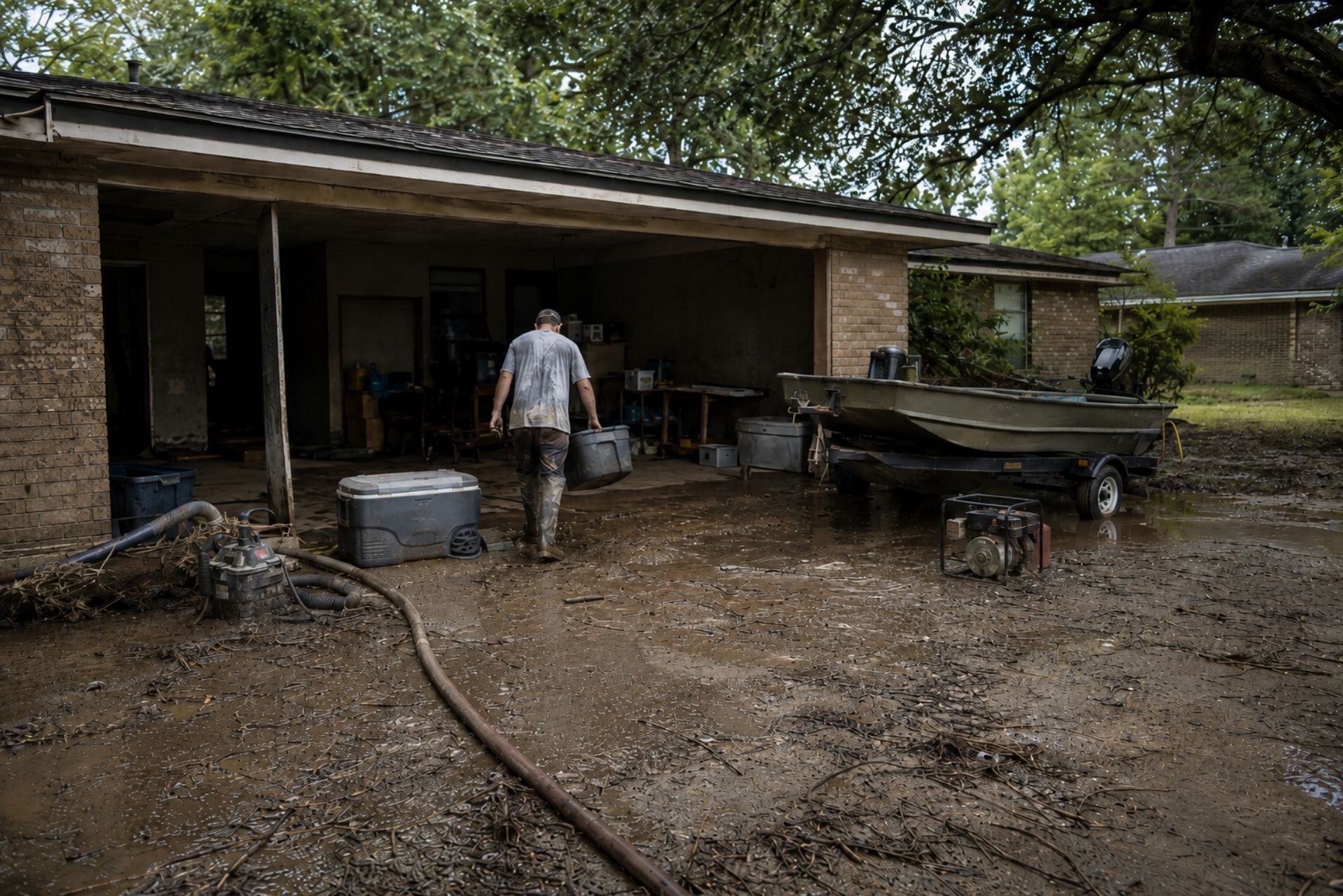
Roughly 80% of the homes flooded in 2016 sat outside high-risk flood zones. That means the vast majority of affected homeowners had no flood insurance at all. FEMA's Individual Assistance program provided some relief, but the average grant covered only a fraction of actual repair costs. Homeowners who carried standard homeowner's policies quickly discovered that flood damage is always excluded - no exceptions. The total economic damage exceeded $10 billion across the region, and many families are still recovering financially. The lesson was brutal but clear: your flood zone designation tells you about statistical probability, not about whether your home can actually flood.
Comparing Flood Risk: Zone AE vs. Zone X in East Baton Rouge
Understanding your flood zone designation matters because it affects both your insurance requirements and your premiums. Zone AE properties sit within the 100-year floodplain, meaning FEMA estimates a 1% annual chance of flooding. Zone X properties fall outside that boundary. But as 2016 proved, "outside the floodplain" doesn't mean "safe from flooding." You can check your property's current flood zone designation and risk factors using FEMA's updated maps, though keep in mind these maps are periodically revised.
Comparison Table: Mandatory vs. Preferred Risk Coverage
| Feature | Zone AE (High Risk) | Zone X (Moderate/Low Risk) |
|---|---|---|
| Flood insurance required by lender? | Yes, if federally backed mortgage | No (but strongly recommended) |
| Average annual NFIP premium | $1,200 - $3,500+ | $400 - $800 (Preferred Risk) |
| Coverage available? | Standard NFIP or private flood | NFIP Preferred Risk or private flood |
| Elevation certificate needed? | Usually required for rating | Not typically required |
| 2016 flood impact | Expected flooding occurred | Unexpected flooding devastated uninsured owners |
| Risk Rating 2.0 impact | Premiums may increase or decrease | Some properties saw significant increases |
The gap between "required" and "recommended" cost thousands of Baton Rouge homeowners dearly. If you're in Zone X and your lender doesn't require flood insurance, that's a business decision on their part - not a safety guarantee for yours.
The Comite River Diversion Canal: Impact on Future Premiums
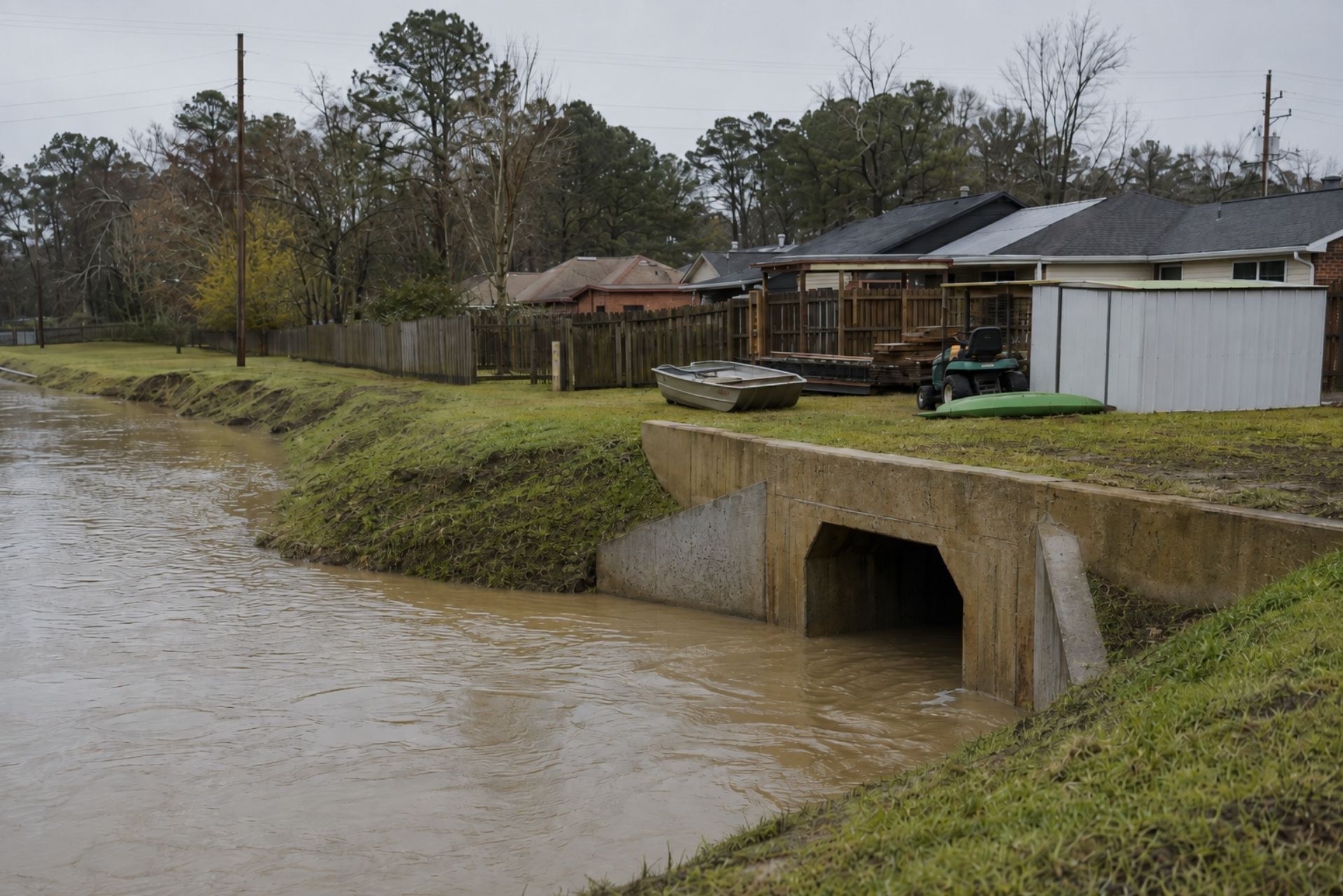
The Comite River Diversion Canal is the single largest flood mitigation project in East Baton Rouge Parish history. Designed to redirect floodwaters from the Comite River into the Mississippi River before they reach populated areas, this project has been in various stages of planning and construction for decades. The canal is currently 67% complete as of August 2026, with over 900 acres cleared and graded for the channel alignment.
How Infrastructure Projects Affect FEMA Flood Maps
When large-scale flood control infrastructure comes online, FEMA typically conducts new flood studies and revises its Flood Insurance Rate Maps (FIRMs). Properties that were previously in Zone AE could potentially be reclassified to Zone X once the diversion canal is operational and FEMA certifies its protective capacity. That reclassification can dramatically reduce insurance costs. Some homeowners in areas protected by certified levees and diversion projects have seen premium reductions of 50% or more after map revisions. The catch is that FEMA map updates often lag behind actual construction completion by several years.
Timeline and Expectations for Baton Rouge Property Owners
The project's projected completion date is 2028, though funding delays have pushed timelines before. Once complete, the canal should reduce flood stages on the Comite River by several feet during major rain events - the kind of reduction that could have prevented much of the 2016 damage in northern Baton Rouge and Central. Don't expect immediate premium relief, though. FEMA will need to conduct post-construction flood studies, and the map revision process typically takes two to four years after a project is certified.
Property owners along the Comite River corridor should start conversations with their insurance agents now about how to position themselves for potential savings. An agency like Chabert Insurance: The Ehrhardt Agency, with deep roots in the Louisiana market, can help you track these developments and adjust your coverage strategy as the project progresses.
Navigating Private Flood Insurance vs. the NFIP
The National Flood Insurance Program has been the default option for decades, but private flood insurance has grown significantly since 2016. Private carriers now write policies that often match or exceed NFIP coverage limits, and in some cases, they offer better pricing - especially for properties that Risk Rating 2.0 has repriced upward.
NFIP policies max out at $250,000 for residential building coverage and $100,000 for contents. If your home is worth more than that, you'll need excess flood coverage regardless. Private carriers can write higher limits in a single policy, which simplifies the process. They also tend to offer shorter waiting periods - sometimes as little as 10 to 15 days compared to the NFIP's standard 30-day waiting period.
That said, NFIP policies come with federal backing, which means claims payment is guaranteed. Some private carriers have less established track records in catastrophic events. The right choice depends on your property's specific risk profile, your home's value, and your comfort level with the carrier.
Understanding Risk Rating 2.0 and Local Pricing
FEMA's Risk Rating 2.0 methodology, fully implemented in 2023, changed how premiums are calculated. Instead of relying primarily on flood zone maps, the new system considers individual property characteristics: distance to water, flood frequency, building type, foundation type, and replacement cost. For many Baton Rouge homeowners, this meant premium increases. Properties near the Amite River or in low-lying areas of the parish saw some of the steepest jumps.
The city of Baton Rouge has actively worked to help residents understand these changes and explore their options. One practical step is getting an elevation certificate, even if you're in Zone X. This document, prepared by a licensed surveyor, records your property's elevation relative to the Base Flood Elevation. Under Risk Rating 2.0, a favorable elevation can still help lower your premium, and it gives you concrete data to share with private carriers who may offer better rates.
Working with a local agent who understands how Risk Rating 2.0 affects Baton Rouge properties specifically makes a real difference. Chabert Insurance: The Ehrhardt Agency regularly helps clients compare NFIP and private flood quotes side by side, factoring in local risk data that national carriers sometimes miss.
Common Questions About Baton Rouge Flood Coverage
FAQ: Do I need flood insurance if I'm in Zone X? How much does it cost in Baton Rouge? Does my mortgage require it? How long is the waiting period?
Do I need flood insurance if I'm in Zone X? Your lender won't require it, but you absolutely should carry it. Over 25% of all NFIP claims come from properties outside high-risk zones, and 2016 proved that Baton Rouge's Zone X areas are far from immune.
How much does flood insurance cost in Baton Rouge? Zone X Preferred Risk policies through the NFIP typically run $400 to $800 per year. Zone AE properties pay $1,200 to $3,500 or more depending on elevation and building characteristics. Private flood policies vary widely, so comparing quotes from multiple carriers is worth the effort.
Does my mortgage require flood insurance? Only if your property is in a Special Flood Hazard Area (Zone AE, AO, VE, etc.) and you have a federally backed mortgage. Zone X properties don't trigger this requirement, but that doesn't mean you don't need coverage.
How long is the waiting period? NFIP policies have a standard 30-day waiting period before coverage takes effect. Some private carriers offer 10 to 15-day waiting periods. If you're buying or refinancing a home, the waiting period is waived when flood insurance is required at closing.
Will the Comite Diversion Canal lower my premiums? Potentially, but not immediately. Once the canal is complete and FEMA revises its flood maps, properties in the protected area may qualify for lower-risk designations. That process will likely extend into 2030 or beyond.
Should I get an elevation certificate even if I'm not required to? Yes. It costs $300 to $600 and gives you data that can lower your premium or help you negotiate better rates with private carriers.
Protecting Your Baton Rouge Investment Long-Term
The 2016 flood was a defining moment for Baton Rouge property owners, and its lessons haven't expired. Flood risk in East Baton Rouge Parish is real regardless of what zone your property sits in, and the financial consequences of being uninsured are severe. The Comite Diversion Canal will eventually reduce risk for thousands of properties, but construction timelines remain fluid, and FEMA map updates will follow years after completion.
Your best protection right now is a combination of the right insurance policy, an up-to-date elevation certificate, and a relationship with an agent who understands the local market. Whether you choose NFIP or private flood coverage, make sure your limits actually reflect your home's replacement cost. Don't assume Zone X means you're safe - that assumption cost Baton Rouge homeowners billions in 2016.
If you're unsure where to start, reach out to a local agency like Chabert Insurance: The Ehrhardt Agency for a personalized review of your property's flood risk and coverage options. The best time to buy flood insurance is before you need it, and in Baton Rouge, that means now.
On this page
Fully licensed
Chabert Insurance: The Ehrhardt Agency is a fully licensed independent insurance agency serving individuals, families, and businesses across Louisiana and Mississippi.
From our offices in Mandeville and New Orleans, we proudly serve clients in Mandeville, Covington, New Orleans, Kenner, Metairie, Harahan, River Ridge, and Slidell, as well as the Westbank and St. Bernard Parish, and communities throughout Louisiana and Mississippi. As an independent agency, our team works with a wide range of top-rated carriers to provide personal and commercial coverage — home, auto, flood, commercial, life, and more — built around the real needs of the people and businesses we protect.
FLOOD INSURANCE BY CITY

About the Author
Ryan J. Ehrhardt
Owner / Licensed Agent
I'm Ryan J. Ehrhardt, owner and licensed agent at Chabert Insurance: The Ehrhardt Agency. I lead our team across our Mandeville and New Orleans offices, and I work with families and business owners every day to find coverage that fits their lives. I believe insurance should be simple to understand, so I take the time to explain your options in plain language before you decide.
As an independent agent, I answer to you, not to a single carrier. That means I can shop your policy across many companies and focus on what protects you best. When you call our office, you reach a real person who knows your account. I would be glad to review your coverage and help you feel confident about it.


[CONFIRM name]
Google review · Mandeville office
Home, Auto, Flood, Commercial & Life Insurance
Insurance built around your life in Louisiana
We compare coverage across many carriers and build one program that protects everything you own.
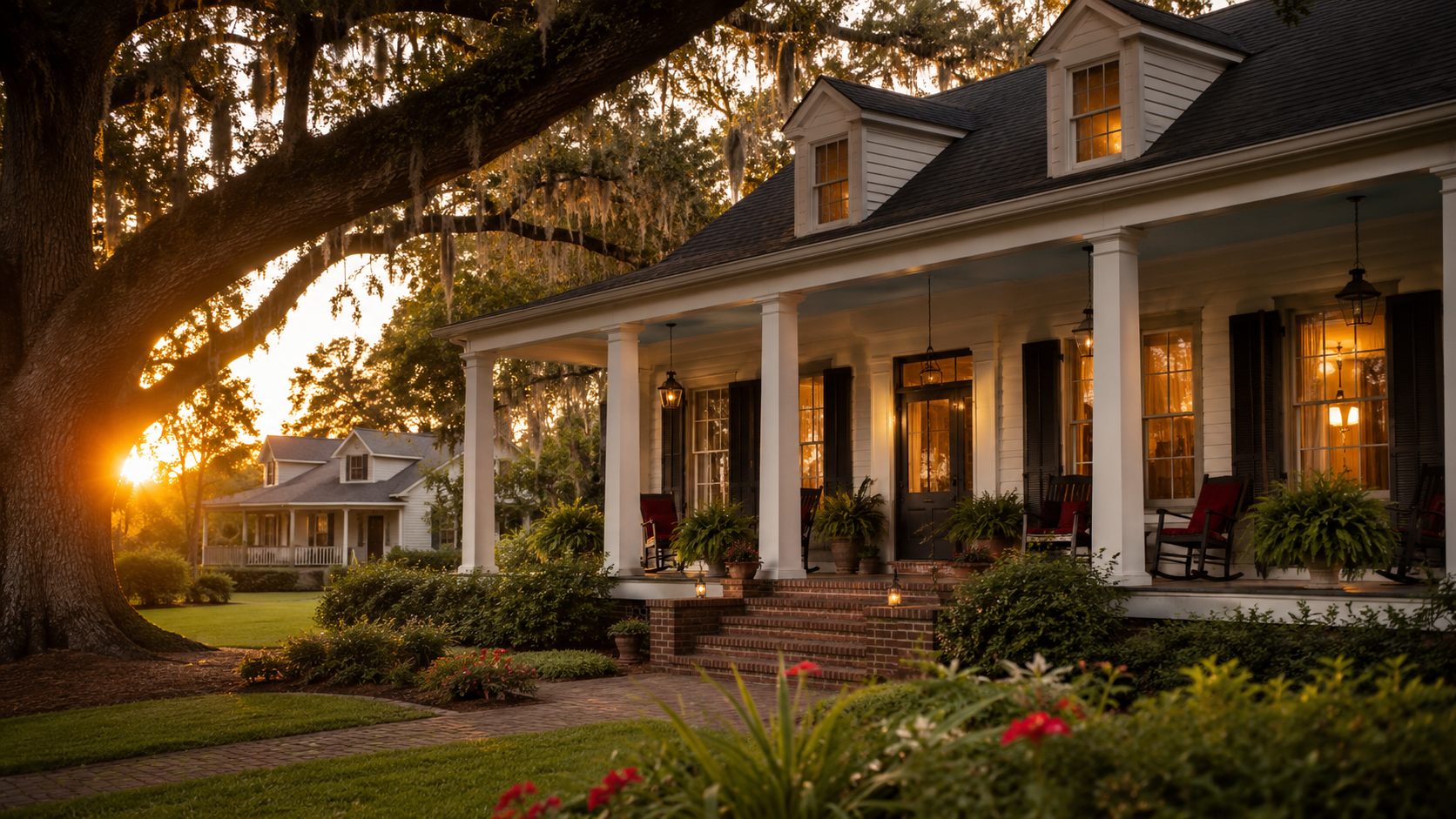
Home Insurance
Cover the cost to rebuild your house, replace your belongings, and answer a liability claim against your household.
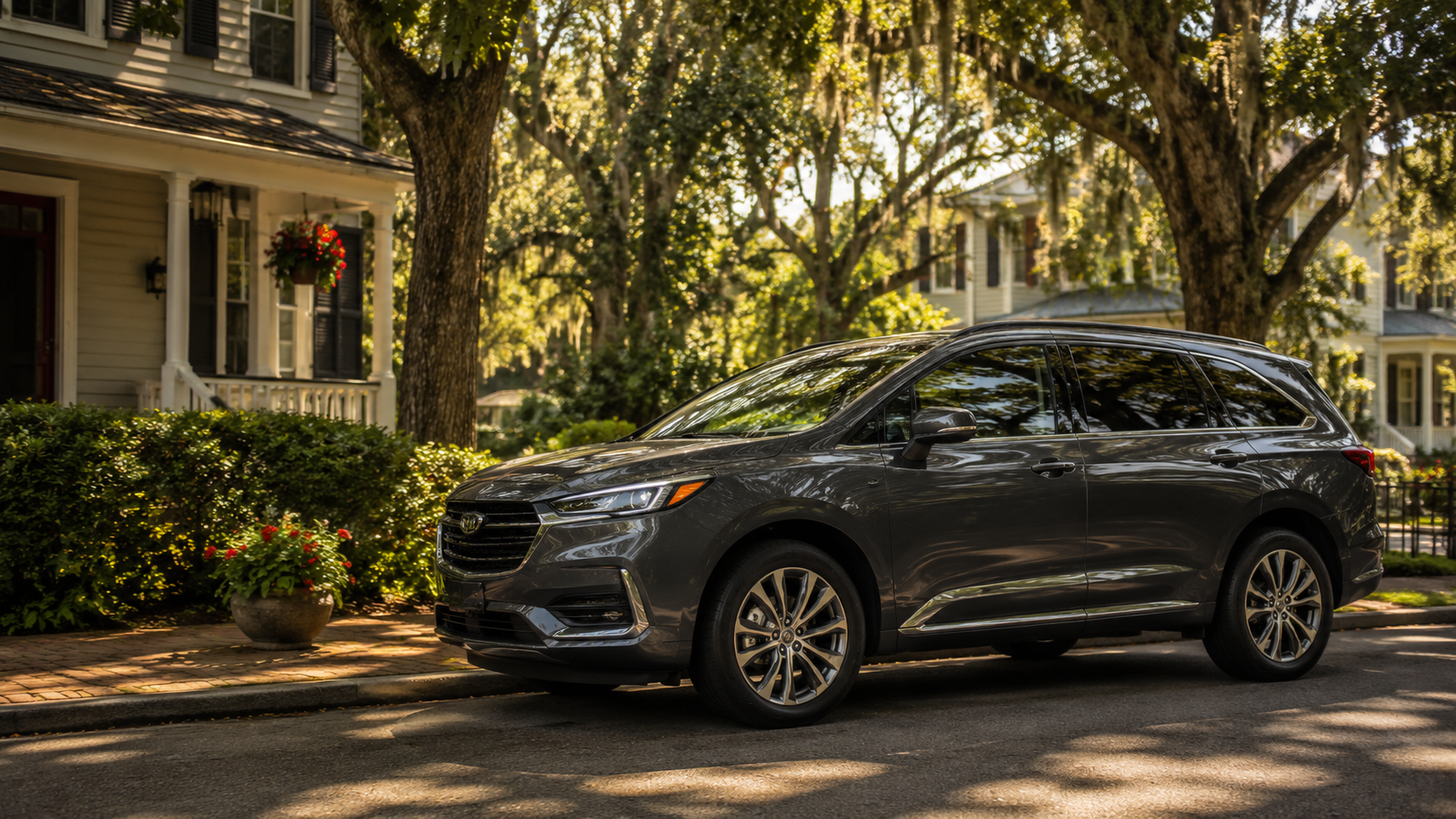
Auto Insurance
Protect your vehicles with liability, collision, and uninsured motorist limits that hold up after a serious Louisiana wreck.
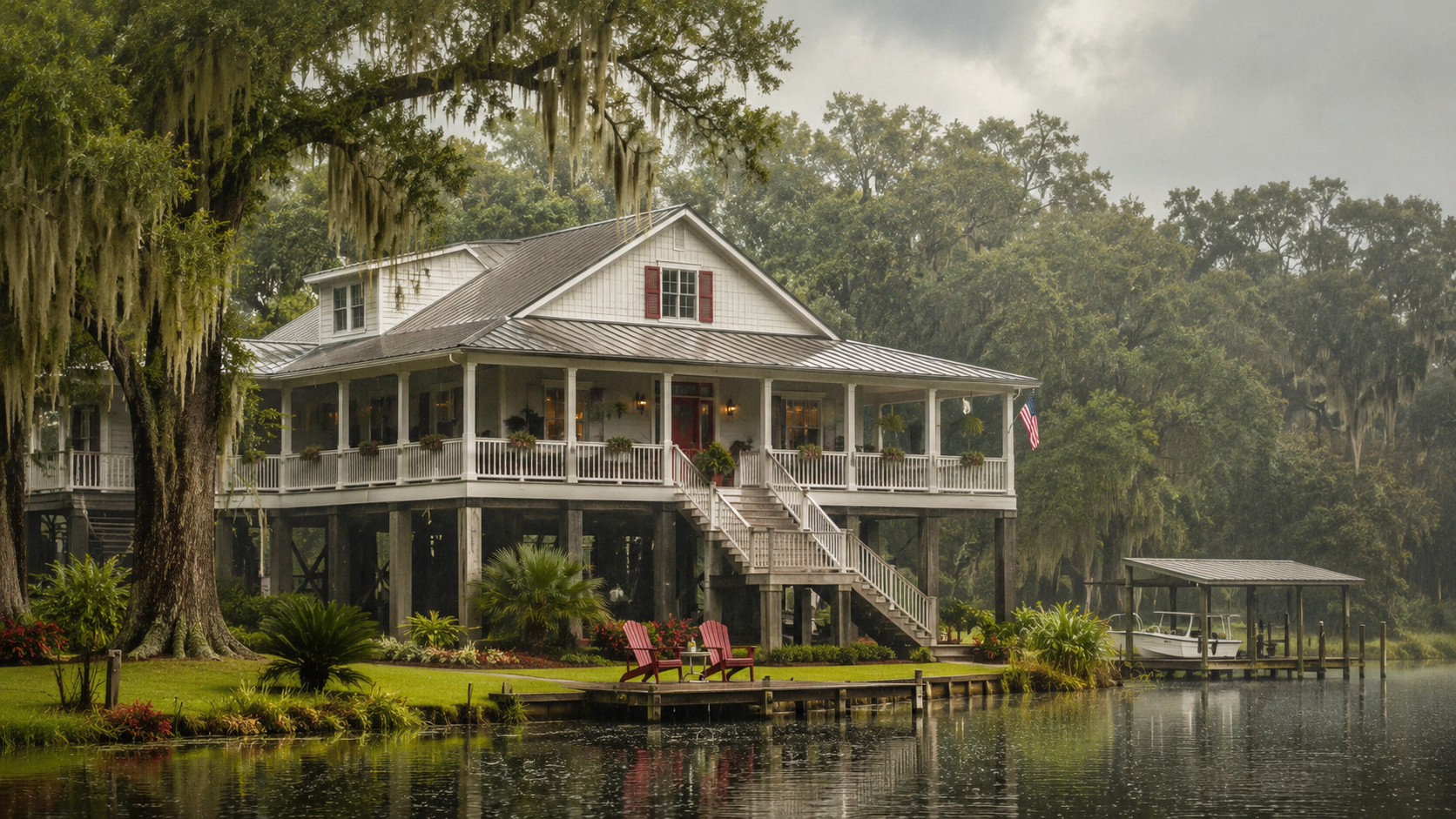
Flood Insurance
Your homeowners policy excludes flood. We quote NFIP and private options for your building and its contents.

Commercial Insurance
Liability, property, workers' compensation, and commercial auto for Louisiana businesses, priced against how your company operates.

Life Insurance
Replace the income your family depends on, with term and permanent options priced across several carriers.

Umbrella Insurance
Add a layer of liability protection above your auto and home limits, usually for a modest premium.
Ruston
Baton Rouge
Mandeville
Gretna
Louisiana Home Insurance
Home insurance built around where you live
Home insurance is our specialty. We write homeowners policies across Louisiana and price them against the wind, hail, and flood risk in your parish.
Areas we cover
Commercial Insurance for Louisiana Businesses
Coverage that keeps your business running
We build commercial programs around how your company actually operates, then compare carriers on price and claim service.

General Liability
Covers claims of bodily injury or property damage that come from your day-to-day operations.
Commercial Property
Protects your building, equipment, and inventory against fire, storm, theft, and other covered losses.

Workers' Compensation
Pays medical care and lost wages when an employee is hurt on the job, as Louisiana requires.

Commercial Auto
Covers the vehicles your business owns, along with the employees who drive them for work.

Professional Liability
Covers claims that your professional advice or services caused a client a financial loss.

Cyber Liability
Handles breach response, notification costs, and liability after customer data is exposed.
[CONFIRM name]
Google review · Mandeville office
Business Insurance by Industry
Specialized coverage for your line of work
Every trade carries its own risks. We know the coverage these Louisiana businesses need and where the gaps usually sit.
Plumbers
Liability, tools, and commercial auto coverage built for water damage claims and job-site risk.
Restaurants
Property, liquor liability, and spoilage coverage for kitchens, dining rooms, and your staff.
Real Estate Investors
Landlord property, liability, and vacancy coverage for rentals, flips, and multi-unit buildings.
[CONFIRM name]
Google review · Mandeville office
How to Get Insured in 4 Steps
Getting covered is simple
You talk to a licensed agent from the first call to the annual review.

1
Tell us about you
Share what you want to protect. A licensed agent asks about your home, vehicles, family, or business and gathers the details carriers need.
2
We shop our carriers
We compare options across the markets we represent and look at price, coverage limits, and how each carrier handles claims.
3
Review your choices
We explain coverage and price in plain language, side by side, so you can see the trade-offs before you choose.
4
Get covered
Your policy starts, you get your documents, and we review the coverage with you each year.
5-Star Rated by Louisiana Clients
What our clients say
Louisiana families and business owners rate us 5 stars for clear advice and fast answers.
139+ five-star reviews across our Mandeville and New Orleans offices