

Variant Insurance Group is a licensed independent insurance agency in Minnesota. [CONFIRM license #.]
Get a Quote
Variant Insurance Group is a licensed independent insurance agency serving Minnesota families and businesses.
From our office in Maple Plain, our team works with many of Minnesota's top-rated carriers so your home, auto, life, and business coverage fits your real needs. We serve families and businesses across Minnesota.
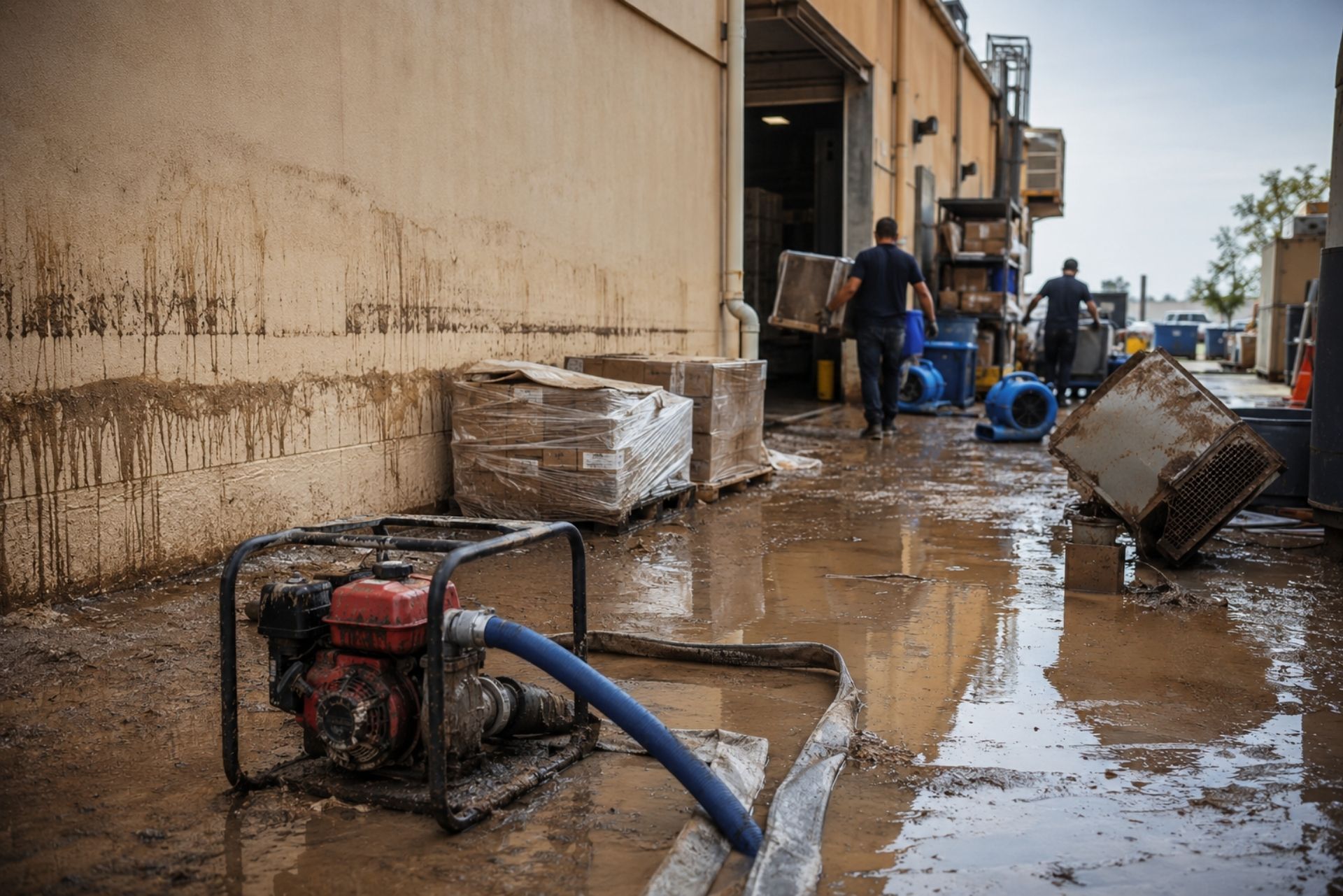
A single flood event can destroy millions of dollars in commercial property, inventory, and revenue in a matter of hours. For business owners in flood-prone areas like New Orleans and Mandeville, the federal flood program provides a foundation of coverage, but it often leaves significant gaps. The NFIP caps commercial building coverage at $500,000 and contents at the same amount, which means a warehouse, restaurant, or retail space worth $1.5 million or more is drastically underinsured from day one. That gap between what the federal program covers and what a flood actually costs you is where commercial flood insurance structuring becomes critical.
Understanding how NFIP commercial limits interact with excess flood layers, contents coverage, and business income protection isn't optional for property owners in Louisiana. It's essential. The NFIP faces a congressional reauthorization deadline of September 30, 2026, adding uncertainty to an already complex coverage picture. If your building's replacement value exceeds what the federal program will pay, the financial exposure falls entirely on you. This guide breaks down exactly how these coverage layers work, where the federal program falls short, and what private market options exist to close those gaps for commercial buildings the NFIP underinsures.
The NFIP Ceiling: Why Standard Federal Limits Fall Short for Commercial Property
The NFIP was designed as a public safety net, not a comprehensive commercial insurance solution. For most commercial buildings in flood zones, the program's maximum payout doesn't come close to covering full replacement costs. That mismatch creates a dangerous false sense of security for business owners who assume their federal policy handles everything.
Breaking Down the $500,000 Cap on Building and Contents
Under the NFIP, commercial properties can carry a maximum of $500,000 in building coverage and $500,000 in contents coverage. That's $1 million total, and it hasn't changed in decades despite rising construction costs and property values. A mid-sized office building in New Orleans might cost $2 million to rebuild. A manufacturing facility with specialized equipment could run three or four times that amount.
The gap is real and widespread. Flood insurance statistics show that commercial properties in high-risk zones frequently carry replacement values well beyond what the NFIP will reimburse. If your building is worth $1.8 million and you're capped at $500,000, you're personally responsible for $1.3 million after a total loss. That's not a theoretical risk in South Louisiana: it's a planning scenario every commercial property owner should model.
The Replacement Cost vs. Actual Cash Value Problem
The NFIP offers replacement cost coverage only for single-family residential properties. For commercial buildings, claims are typically settled on an actual cash value basis, which factors in depreciation. A 15-year-old roof that costs $200,000 to replace might only pay out $80,000 under ACV terms.
This depreciation penalty compounds the cap problem. You're already limited to $500,000 on the building, and then the payout gets reduced further by the age and condition of your property's components. For older commercial buildings common throughout the New Orleans metro area, ACV settlements can leave owners with a fraction of what they need to rebuild. It's one of the most misunderstood aspects of federal flood coverage, and it catches business owners off guard after every major storm.
Strategic Layering with Excess Flood Insurance
When federal limits aren't enough, excess flood insurance fills the gap between the NFIP ceiling and your building's actual value. This isn't a replacement for the federal policy: it's a second layer that activates once the NFIP pays its maximum.
How Excess Layers Sit Atop the Primary NFIP Policy
An excess flood policy typically requires you to maintain a primary NFIP policy at its maximum available limits. Once a flood loss exceeds the NFIP's $500,000 building cap or $500,000 contents cap, the excess layer picks up the remaining covered damages. Think of it as stacking coverage: the NFIP handles the first $500,000, and the excess policy covers from $500,001 up to whatever limit you've purchased.
Agents who specialize in this space, like the team at Chabert Insurance: The Ehrhardt Agency, can help you structure the right amount of excess coverage based on your building's actual replacement cost. The key is matching your total insured value to reality, not just buying the minimum required by your lender.
Capacity and Limits in the Private Surplus Lines Market
The private surplus lines market has expanded significantly in recent years. Carriers now offer excess flood limits ranging from $1 million to $50 million or more for larger commercial risks. The flood insurance market has seen growing private carrier participation as demand for higher limits increases.
Pricing varies based on flood zone, elevation, building construction, and claims history. A concrete block building elevated above the base flood elevation in Mandeville will pay far less than a slab-on-grade wood-frame structure in a low-lying New Orleans neighborhood. Surplus lines carriers also offer more flexible terms than the NFIP, including replacement cost valuation on commercial buildings, which alone can be worth the premium difference.
Protecting Operations: Business Income and Extra Expense Coverage
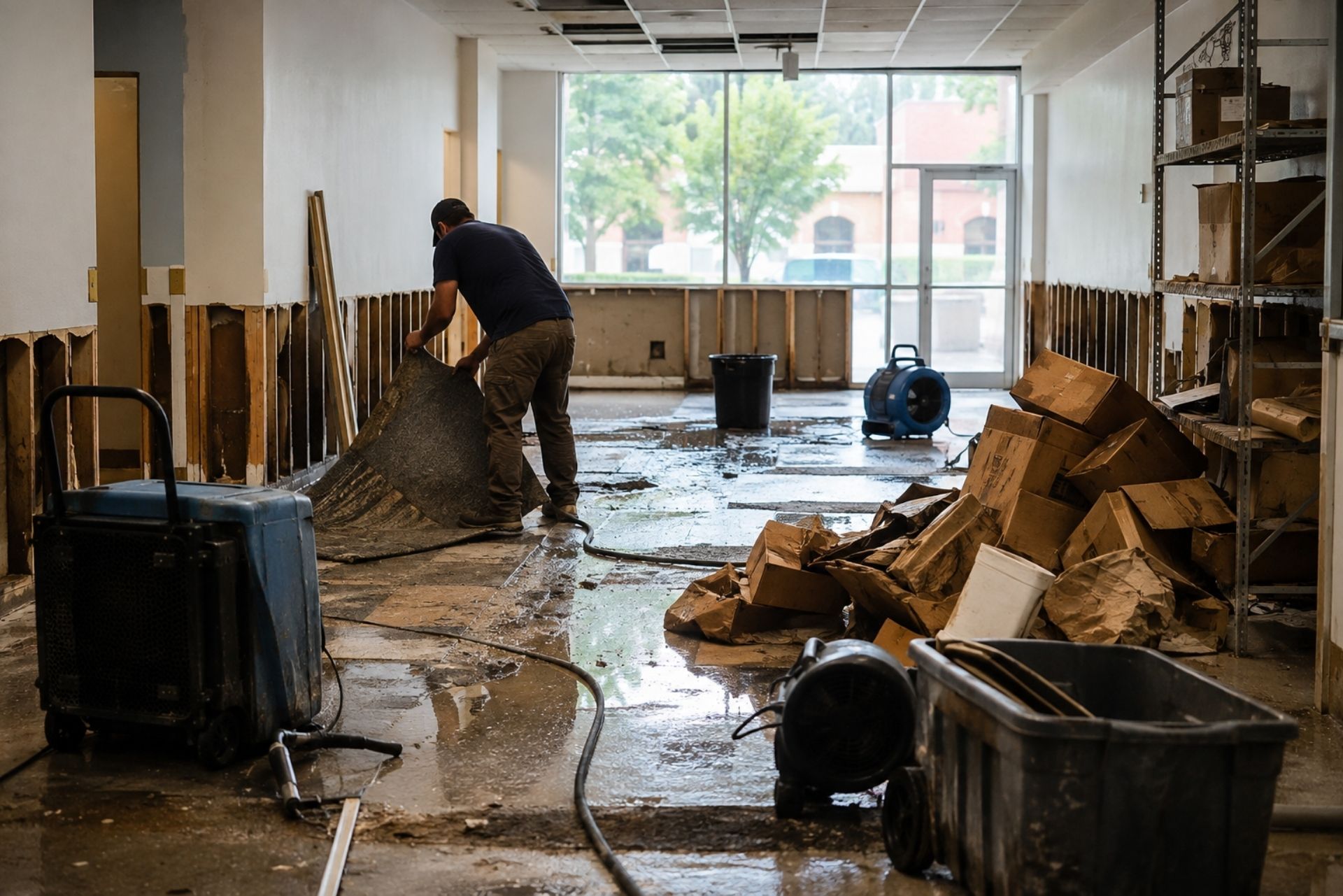
Flood damage doesn't just destroy buildings and equipment: it shuts down your revenue stream. The NFIP provides zero coverage for lost business income or the extra costs of relocating while your property is repaired.
Filling the NFIP Gap for Lost Profits and Relocation Costs
Business income coverage from flood pays for the net profits you would have earned during the period your business can't operate due to flood damage. Extra expense coverage reimburses the costs of temporary relocation: renting alternative space, moving equipment, expediting repairs. For a restaurant that generates $40,000 per month in revenue, even a three-month closure means $120,000 in lost income on top of physical damage costs.
This coverage is only available through private market policies. No version of the NFIP includes business interruption protection. If you're a commercial property owner relying solely on a federal flood policy, your income exposure is completely uncovered. That's a gap that has forced businesses to close permanently after major floods in Louisiana.
Waiting Periods and Restoration Timelines
Most business income flood policies include a waiting period, typically 72 hours from the date of the flood event. After that waiting period, coverage kicks in and continues until your property is restored to operational condition, up to the policy's stated limit. Some policies cap the restoration period at 12 months; others extend to 18 or 24 months.
Pay close attention to how "restoration period" is defined in your policy. Some forms measure it from the date of loss, while others start the clock when repairs actually begin. In post-hurricane scenarios where contractor availability is limited, that distinction can mean the difference between full recovery and a significant shortfall.
Comparing Federal vs. Private Market Capabilities
The differences between NFIP and private flood coverage are stark for commercial properties. Here's a side-by-side look at the key distinctions.
Comparison Table: NFIP Limitations vs. Private Market Solutions
| Coverage Feature | NFIP Commercial Policy | Private/Excess Flood Policy |
|---|---|---|
| Building Limit | $500,000 maximum | $1M to $50M+ available |
| Contents Limit | $500,000 maximum | Matches actual inventory value |
| Valuation Method | Actual Cash Value | Replacement Cost available |
| Business Income | Not covered | Available with customizable limits |
| Extra Expense | Not covered | Available for relocation costs |
| Waiting Period | 30-day waiting period for new policies | Varies; often shorter |
| Basement Coverage | Very limited | Broader coverage options |
| Loss of Rents | Not covered | Available for landlords |
The private market's ability to offer replacement cost, business income, and higher limits makes it the only viable option for commercial buildings that the federal program underinsures. The commercial property insurance market has seen rate softening in 2026, which means some businesses may find private flood coverage more affordable than in prior years.
Valuing Commercial Contents and Specialized Equipment
Building coverage gets most of the attention, but contents losses can be equally devastating. The NFIP's $500,000 contents cap doesn't account for the actual value inside many commercial properties.
Inventory, Machinery, and Tenant Improvements
A medical office with MRI equipment, a print shop with industrial presses, or a retailer with seasonal inventory can easily exceed $500,000 in contents value. Tenant improvements: custom build-outs, specialized electrical systems, walk-in coolers: also fall under contents coverage and are subject to the same cap.
Getting an accurate contents valuation requires more than a rough estimate. You need a current inventory of all equipment, fixtures, stock, and improvements, along with replacement cost figures for each category. The team at Chabert Insurance: The Ehrhardt Agency regularly helps commercial clients in the New Orleans and Mandeville areas build these inventories to ensure their excess flood layers match their actual exposure. Without this step, you're guessing at coverage, and guesses tend to be wrong in the worst possible direction.
Common Questions About Commercial Flood Gaps
Do I need an NFIP policy before I can buy excess flood coverage? Most excess flood carriers require you to maintain the NFIP at maximum limits as the primary layer. Some private carriers now offer standalone policies, but they're less common for commercial risks.
Can I get flood coverage for a building in a high-risk zone if the NFIP won't write it? Yes. The private surplus lines market can often cover properties that are difficult to place through the NFIP, though premiums will reflect the higher risk.
Does my commercial property policy already include flood? Almost certainly not. Standard commercial property policies exclude flood damage. You need a separate flood policy, whether NFIP or private.
What happens if the NFIP isn't reauthorized before September 30, 2026? The program faces a reauthorization deadline that could disrupt new policy issuance if Congress doesn't act. Existing policies remain in force, but new policies and renewals could be delayed.
How quickly can I get a private flood policy in place? Private flood policies can often bind within days, compared to the NFIP's standard 30-day waiting period for new policies.
Is business income coverage expensive? Premiums depend on your revenue, restoration timeline, and flood risk. For many businesses, the cost is modest relative to the income you'd lose during a three-to-six-month shutdown.
Before You Buy a Policy: Assessing Your Total Risk Exposure
Getting commercial flood coverage right starts with understanding your full exposure, not just your building value. You need to account for the structure, its contents, any tenant improvements, your monthly revenue, and the realistic timeline for post-flood repairs in your area. In South Louisiana, where contractor demand spikes after every major storm, restoration timelines stretch far beyond what most business owners expect.
Start by getting a current replacement cost appraisal for your building. Update your contents inventory annually. Calculate how many months of lost income your business could survive without insurance support. Then work with an agent who understands flood insurance trends and the private market landscape to structure a program that closes every gap.
The NFIP provides a floor of protection, but for commercial properties worth more than $500,000, it's only the starting point. Excess flood layers, contents coverage matched to real values, and business income protection are the pieces that turn a partial safety net into actual financial security. If you own or lease commercial property in the New Orleans or Mandeville area, reach out to Chabert Insurance: The Ehrhardt Agency for a coverage review that accounts for every layer of risk your business faces.
On this page
Fully licensed
Chabert Insurance: The Ehrhardt Agency is a fully licensed independent insurance agency serving individuals, families, and businesses across Louisiana and Mississippi.
From our offices in Mandeville and New Orleans, we proudly serve clients in Mandeville, Covington, New Orleans, Kenner, Metairie, Harahan, River Ridge, and Slidell, as well as the Westbank and St. Bernard Parish, and communities throughout Louisiana and Mississippi. As an independent agency, our team works with a wide range of top-rated carriers to provide personal and commercial coverage — home, auto, flood, commercial, life, and more — built around the real needs of the people and businesses we protect.
OTHER INSURANCE COVERAGE

About the Author
Ryan J. Ehrhardt
Owner / Licensed Agent
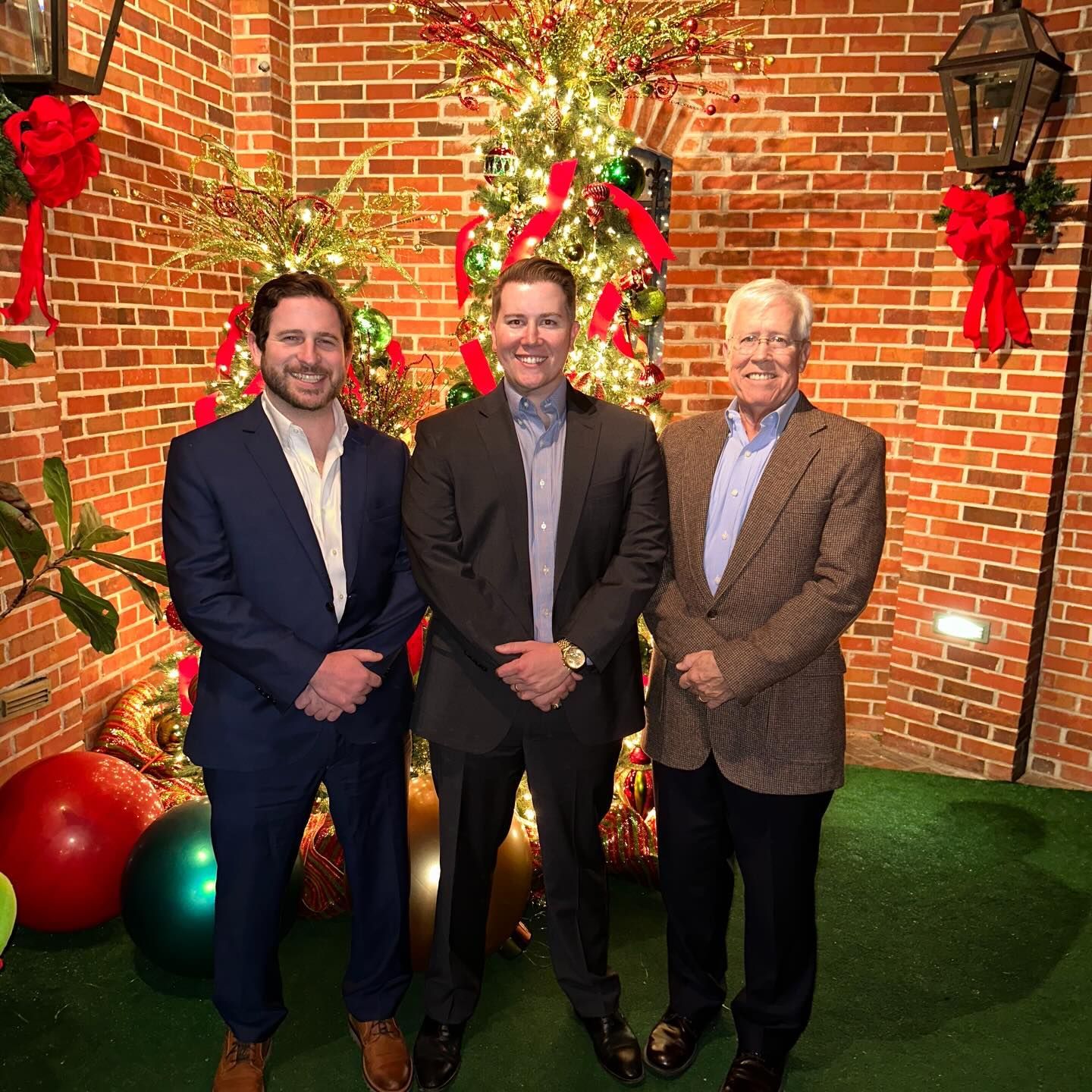
I'm Ryan J. Ehrhardt, owner and licensed agent at Chabert Insurance: The Ehrhardt Agency. I lead our team across our Mandeville and New Orleans offices, and I work with families and business owners every day to find coverage that fits their lives. I believe insurance should be simple to understand, so I take the time to explain your options in plain language before you decide.
As an independent agent, I answer to you, not to a single carrier. That means I can shop your policy across many companies and focus on what protects you best. When you call our office, you reach a real person who knows your account. I would be glad to review your coverage and help you feel confident about it.

[CONFIRM name]
Google review · Mandeville office
Home, Auto, Flood, Commercial & Life Insurance
Insurance built around your life in Louisiana
We compare coverage across many carriers and build one program that protects everything you own.
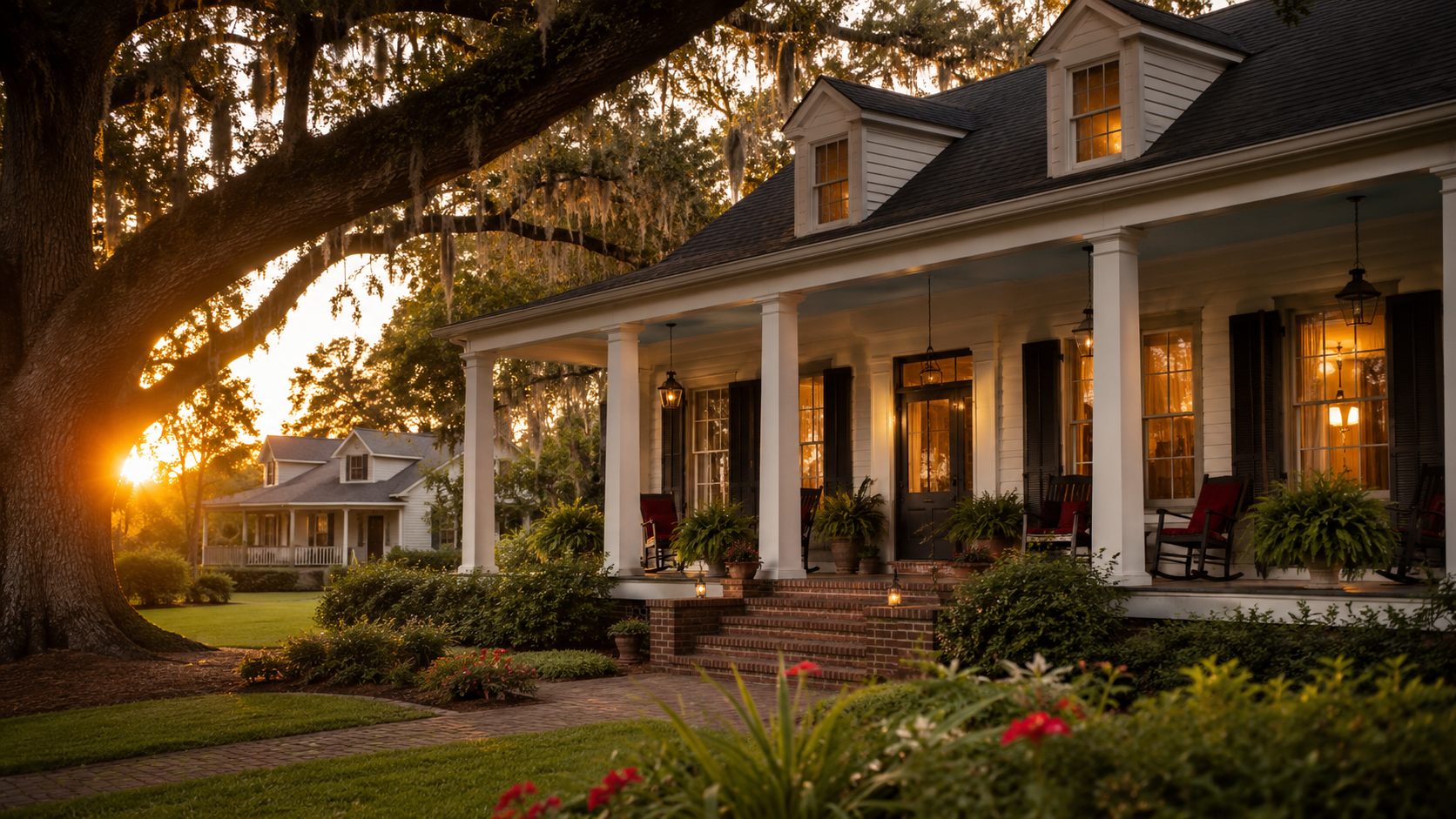
Home Insurance
Cover the cost to rebuild your house, replace your belongings, and answer a liability claim against your household.
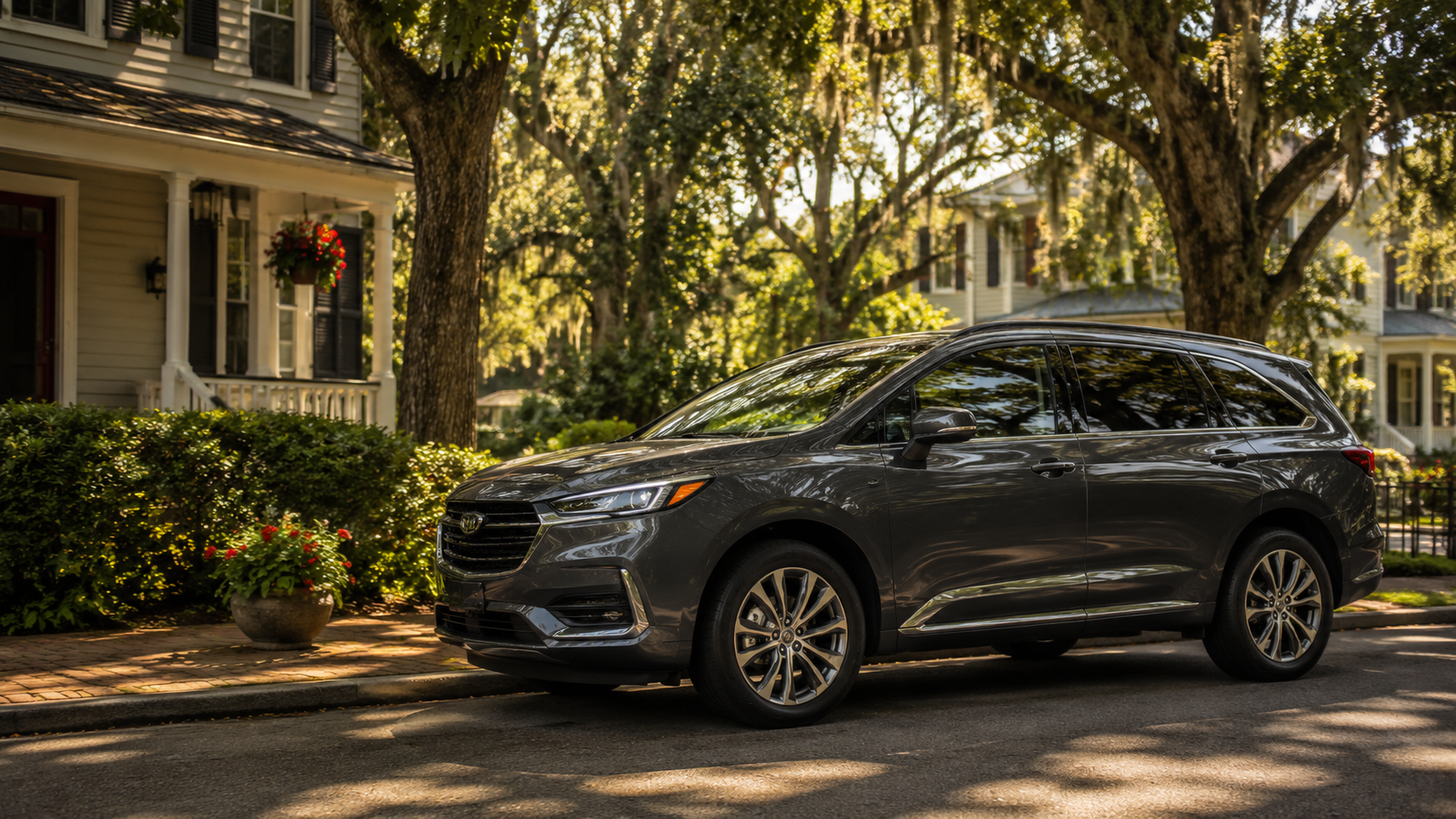
Auto Insurance
Protect your vehicles with liability, collision, and uninsured motorist limits that hold up after a serious Louisiana wreck.
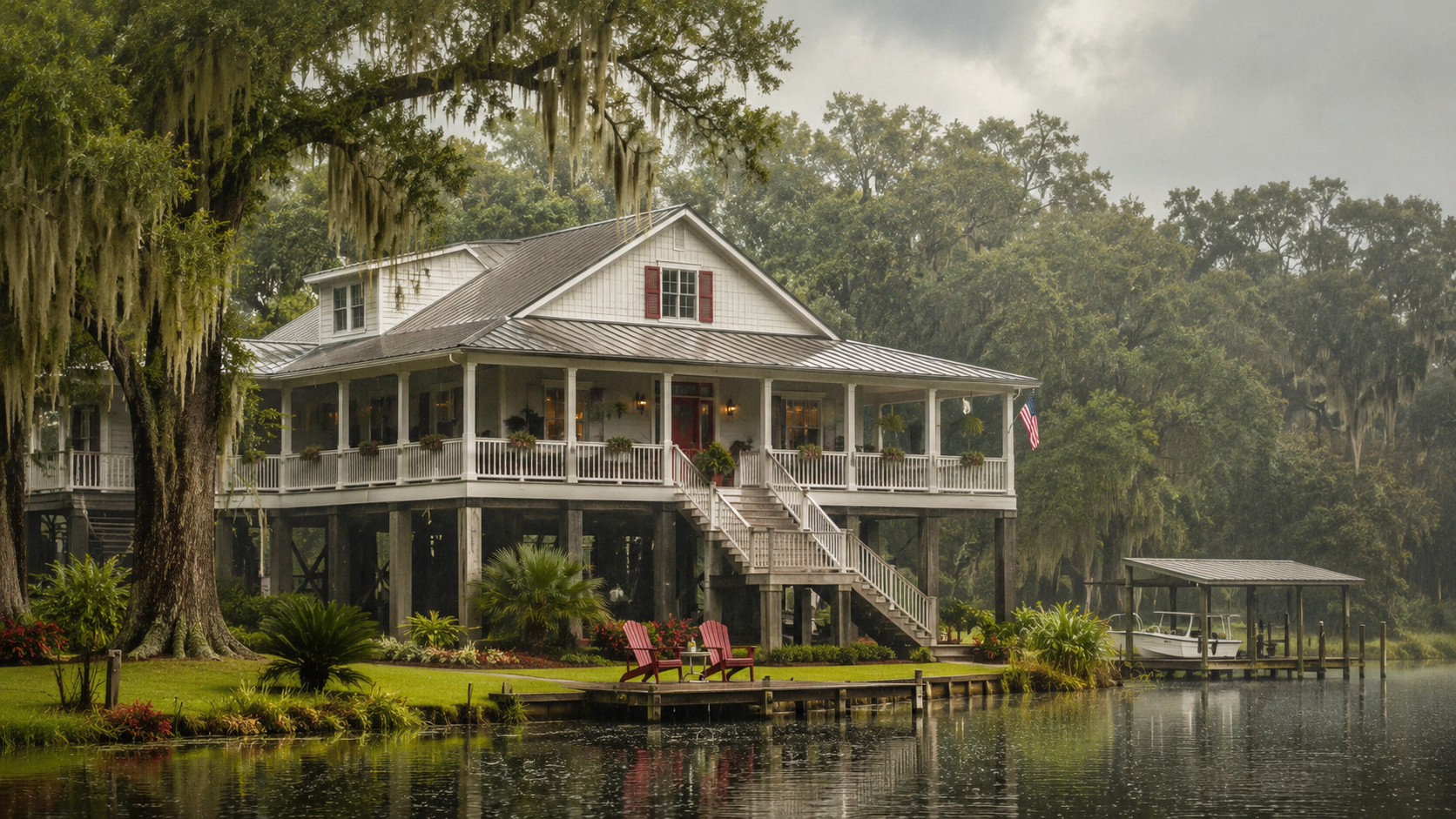
Flood Insurance
Your homeowners policy excludes flood. We quote NFIP and private options for your building and its contents.

Commercial Insurance
Liability, property, workers' compensation, and commercial auto for Louisiana businesses, priced against how your company operates.

Life Insurance
Replace the income your family depends on, with term and permanent options priced across several carriers.

Umbrella Insurance
Add a layer of liability protection above your auto and home limits, usually for a modest premium.
Ruston
Baton Rouge
Mandeville
Gretna
Louisiana Home Insurance
Home insurance built around where you live
Home insurance is our specialty. We write homeowners policies across Louisiana and price them against the wind, hail, and flood risk in your parish.
Areas we cover
[CONFIRM name]
Google review · Mandeville office
Business Insurance by Industry
Specialized coverage for your line of work
Every trade carries its own risks. We know the coverage these Louisiana businesses need and where the gaps usually sit.
Plumbers
Liability, tools, and commercial auto coverage built for water damage claims and job-site risk.
Restaurants
Property, liquor liability, and spoilage coverage for kitchens, dining rooms, and your staff.
Real Estate Investors
Landlord property, liability, and vacancy coverage for rentals, flips, and multi-unit buildings.
[CONFIRM name]
Google review · Mandeville office
How to Get Insured in 4 Steps
Getting covered is simple
You talk to a licensed agent from the first call to the annual review.

1
Tell us about you
Share what you want to protect. A licensed agent asks about your home, vehicles, family, or business and gathers the details carriers need.
2
We shop our carriers
We compare options across the markets we represent and look at price, coverage limits, and how each carrier handles claims.
3
Review your choices
We explain coverage and price in plain language, side by side, so you can see the trade-offs before you choose.
4
Get covered
Your policy starts, you get your documents, and we review the coverage with you each year.
5-Star Rated by Louisiana Clients
What our clients say
Louisiana families and business owners rate us 5 stars for clear advice and fast answers.
139+ five-star reviews across our Mandeville and New Orleans offices