Louisiana Home Insurance

Variant Insurance Group is a licensed independent insurance agency in Minnesota. [CONFIRM license #.]
Get a Quote
Variant Insurance Group is a licensed independent insurance agency serving Minnesota families and businesses.
From our office in Maple Plain, our team works with many of Minnesota's top-rated carriers so your home, auto, life, and business coverage fits your real needs. We serve families and businesses across Minnesota.
Every year, thousands of Louisiana homeowners discover the hard way that their standard home insurance policy won't pay a dime for flood damage. A single inch of floodwater can cause more than $25,000 in damage to a home, and yet many property owners assume they're covered until the water is already inside. Whether you live steps from Lake Pontchartrain or on higher ground in Mandeville, understanding how flood insurance works, what it covers, and what your homeowners policy specifically excludes is essential to protecting your investment. This guide breaks down the key differences between NFIP and private flood coverage, explains how flood zones and base flood elevation affect your rates, walks through elevation certificates, and clarifies the 30-day waiting period that catches so many people off guard. If you've been putting off this decision, now is the time to get informed.
Why Standard Homeowners Insurance Isn't Enough for Floods
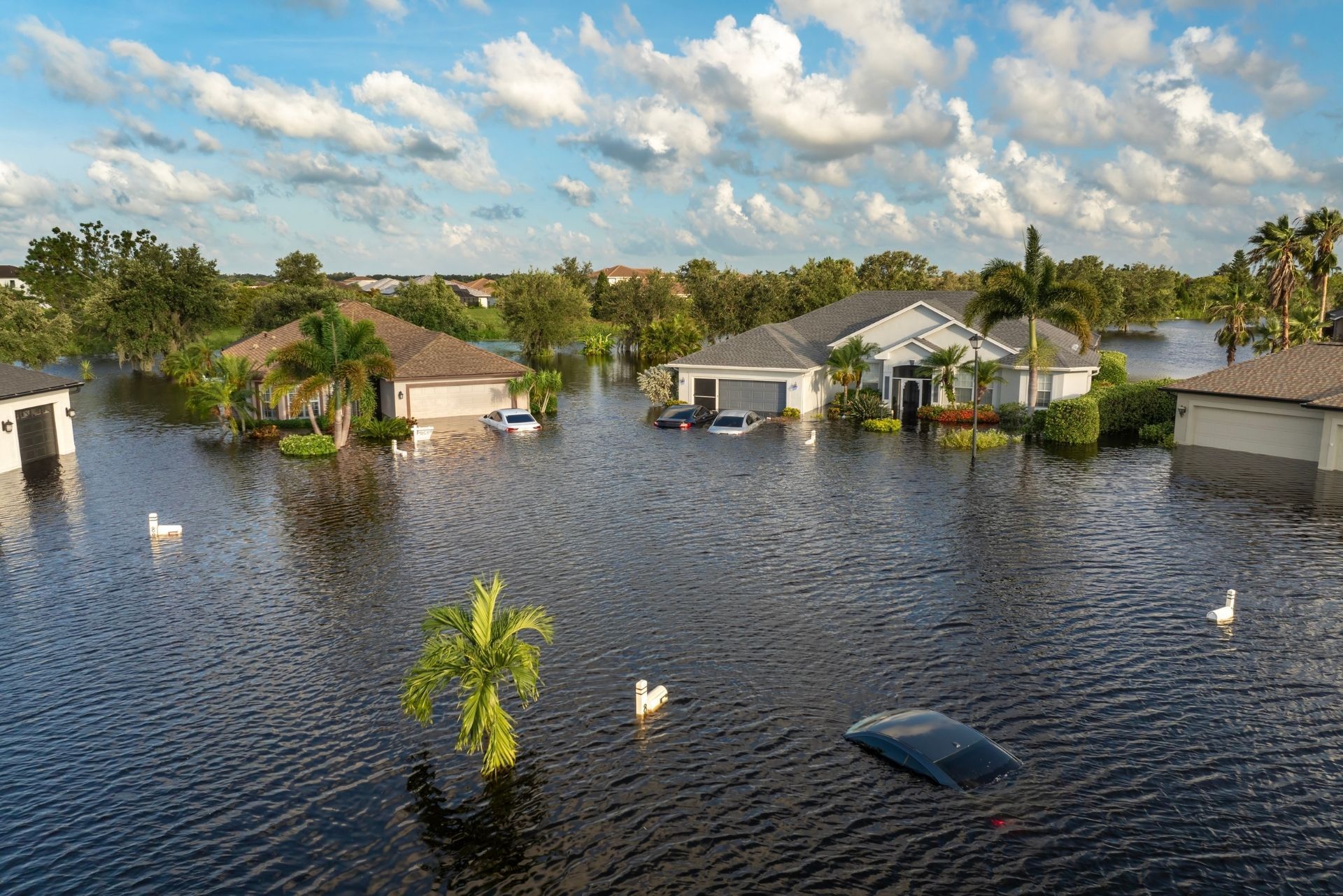
Most homeowners in the New Orleans and Mandeville areas carry a standard homeowners policy and assume it handles anything water-related. That assumption is wrong, and it's one of the most expensive mistakes a property owner can make. Your homeowners policy and your flood policy are two entirely separate products, written by different underwriters, with different claims processes. Confusing the two can leave you financially exposed during hurricane season or even after a heavy afternoon thunderstorm that overwhelms local drainage.
The Difference Between Water Damage and Flooding
Your homeowners policy typically covers "water damage" caused by sudden, accidental events inside the home: a burst pipe, an overflowing washing machine, or a leaking water heater. Flooding, by contrast, is defined by FEMA as a temporary condition where water covers normally dry land from an external source, such as rising rivers, storm surge, or overwhelmed drainage systems. That distinction matters enormously. If a storm pushes water up through your yard and into your living room, that's a flood, and your homeowners insurer will deny the claim.
Common Exclusions in Standard Policies
Standard homeowners policies in Louisiana exclude flood damage in every case, without exception. They also exclude sewer backup unless you've purchased a separate endorsement, and they won't cover earth movement or mudflow caused by flooding. Even wind-driven rain has limits: if the water entered because the wind created an opening in your roof, you might be covered, but if it simply rose from the ground, you're not. These exclusions are why flood insurance is a separate, essential purchase for anyone living in a flood-prone region.
NFIP Versus Private Flood Insurance
For decades, the National Flood Insurance Program was the only real option for homeowners seeking flood coverage. That's changed significantly. The private residential flood insurance market has grown at an annual rate of 20% since 2020, while total NFIP policies in force have declined. Homeowners now have genuine choices, and understanding the trade-offs between government-backed and private options can save you thousands of dollars or protect you from gaps in coverage.
Comparison Chart: Government vs. Private Options
| Feature | NFIP | Private Flood Insurance |
|---|---|---|
| Max Building Coverage | $250,000 | Often $500,000+ |
| Max Contents Coverage | $100,000 | Varies; often higher |
| Replacement Cost | Available for building only | Often available for building and contents |
| Loss of Use Coverage | Not included | Often included |
| Pricing Model | Risk Rating 2.0 (FEMA) | Proprietary risk models |
| Accepted by All Lenders | Yes | Most, but verify with your lender |
| Waiting Period | 30 days (with exceptions) | Varies; some as short as 10-14 days |
Private carriers can sometimes offer lower premiums across many regions because they use their own risk models rather than FEMA's. That said, not every private policy is created equal. Some have exclusion clauses or caps that the NFIP doesn't. Working with an agent who understands both options, like the team at Chabert Insurance: The Ehrhardt Agency, helps you compare apples to apples rather than guessing.
The 30-Day Waiting Period Rule
Here's where timing becomes critical. NFIP policies carry a mandatory 30-day waiting period before coverage takes effect. You can't buy a policy on Monday and file a claim on Tuesday. There are a few exceptions: if you're purchasing or refinancing a home, the policy can take effect immediately. Some lender-required purchases also qualify for shorter waiting periods.
Private flood policies sometimes have shorter waiting periods, though many still impose a 10- to 15-day gap. The takeaway is clear: don't wait until a named storm is in the Gulf to start shopping. By then, it's too late. If you're a Louisiana homeowner without flood coverage, the waiting period rules mean hurricane season preparation starts no later than May.
Understanding Flood Zones and Base Flood Elevation (BFE)
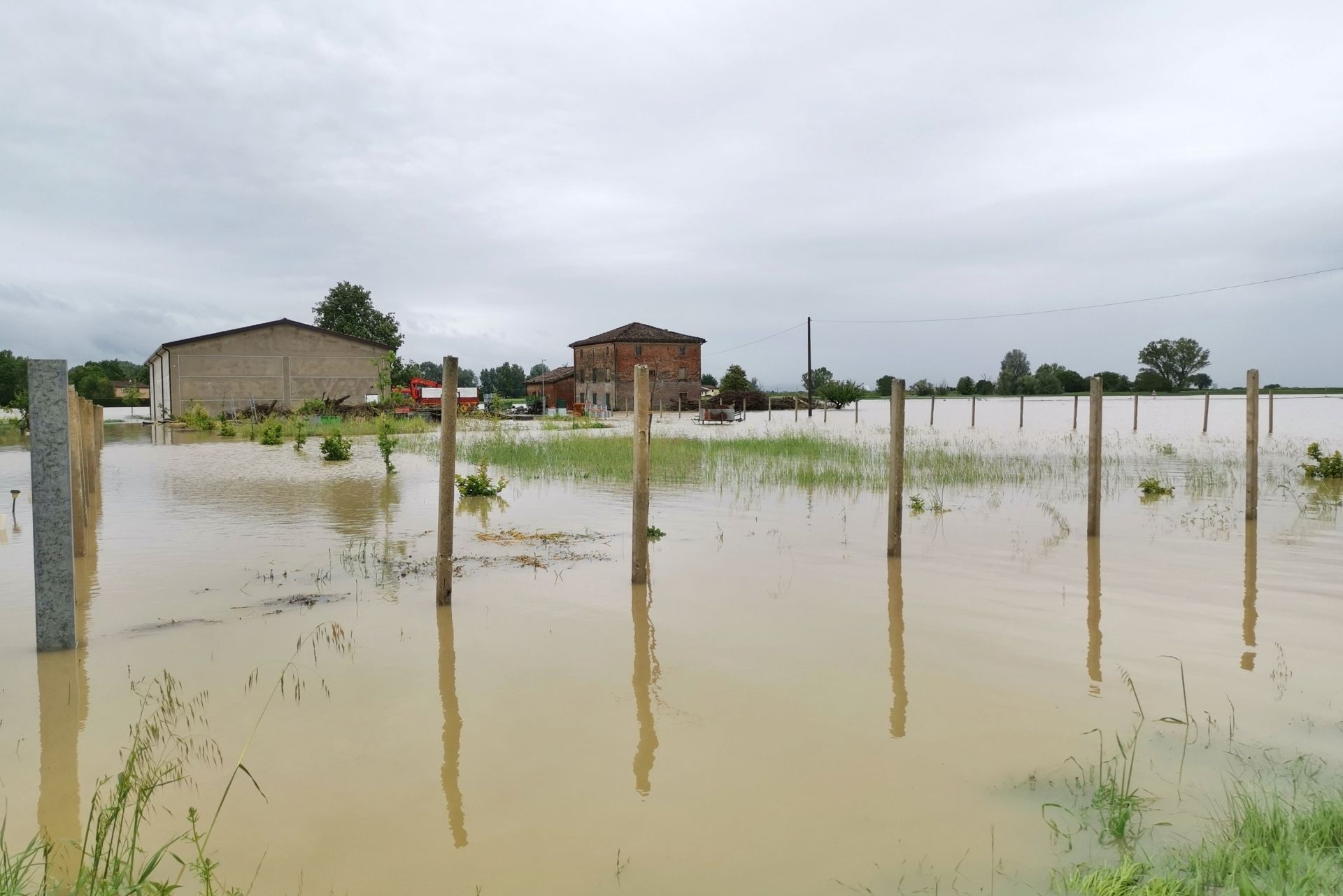
Your flood zone designation and base flood elevation are two of the biggest factors determining your flood insurance premium. They also dictate whether your mortgage lender requires you to carry flood insurance at all. FEMA periodically updates flood maps, and new determinations in 2026 may reclassify your property, so it's worth checking your current status even if you've lived in the same home for years.
High-Risk vs. Moderate-to-Low Risk Zones
FEMA designates flood zones using letter codes. The ones you'll encounter most often in the New Orleans and Mandeville areas include:
- Zone A and AE: High-risk areas with a 1% annual chance of flooding (the "100-year floodplain"). If you have a federally backed mortgage, flood insurance is mandatory here.
- Zone X (shaded): Moderate risk, with a 0.2% annual chance. Insurance isn't required but is strongly recommended.
- Zone X (unshaded): Minimal risk. Most lenders won't require coverage, but roughly 25% of all flood claims come from these zones.
Living in a moderate- or low-risk zone doesn't mean you're safe. It means you're statistically less likely to flood in any given year. Over a 30-year mortgage, a home in a shaded X zone still has a meaningful chance of experiencing at least one flood event.
How BFE Impacts Your Risk Profile
Base flood elevation is the height that floodwater is expected to reach during a 1% annual-chance flood event. If your home's lowest floor sits below the BFE, you're considered higher risk, and your premiums will reflect that. Under FEMA's Risk Rating 2.0 methodology, individual property characteristics like distance to water, flood frequency, and building elevation all feed into your rate calculation.
For homeowners in low-lying parts of New Orleans, BFE can be the single biggest driver of cost. A home sitting two feet above BFE might pay a fraction of what a neighbor pays whose home sits one foot below. This is exactly why elevation data matters so much.
The Role of Elevation Certificates in Lowering Premiums
An elevation certificate is a document prepared by a licensed surveyor or engineer that records your property's elevation relative to the base flood elevation. It's one of the most powerful tools you have for potentially reducing your flood insurance costs, and many homeowners don't even know it exists.
If your home sits higher than the BFE, an elevation certificate provides the documented proof that can translate into significant premium savings. The cost of obtaining one typically runs between $300 and $600, depending on your area and the surveyor, but the annual savings on your premium can easily exceed that amount in the first year alone.
Under Risk Rating 2.0, FEMA uses more granular data than it did in the past, but an elevation certificate still plays a role in confirming your property's specifics. Private insurers also use this data in their underwriting. At Chabert Insurance: The Ehrhardt Agency, we regularly help clients determine whether an elevation certificate could lower their rates before they commit to the expense of hiring a surveyor.
When You Need an Elevation Certificate
You should seriously consider getting one if any of these apply:
- Your home is in a high-risk flood zone (A or AE) and you believe it sits at or above BFE.
- You're buying a new home and want accurate flood insurance quotes before closing.
- Your flood map has been updated recently, and you suspect your risk classification may have changed.
- You're comparing NFIP and private flood quotes and want both carriers to price your risk accurately.
If your home was built after your community adopted its first flood map, the builder may have already obtained an elevation certificate. Check with your local building department before paying for a new one.
Common Questions About Flood Coverage
FAQ: Do I really need flood insurance if I'm not in a high-risk zone?
Yes. About one in four flood insurance claims come from moderate- and low-risk areas. In Louisiana especially, heavy rainfall and poor drainage can cause flooding almost anywhere. Policies in lower-risk zones are also significantly cheaper, so the cost-to-protection ratio is excellent.
FAQ: How much does the average flood policy cost?
NFIP premiums average around $900 per year nationally, but Louisiana homeowners often pay more due to regional risk factors. Private flood policies can sometimes come in lower, depending on your property's elevation and proximity to water. Getting quotes from both NFIP and private carriers is the best way to find your actual number.
FAQ: Does flood insurance cover my basement and belongings?
NFIP policies cover structural elements in basements (foundation walls, electrical systems, water heaters) but won't cover finished walls, flooring, or personal belongings stored below ground. Private policies vary: some offer broader basement coverage. Always read the fine print on what counts as a "basement" versus a "lowest elevated floor."
FAQ: Can I get insurance if my house has flooded before?
Yes. Both NFIP and most private carriers will insure previously flooded homes. Your premium will likely be higher, and some private carriers may decline coverage for properties with multiple prior claims, but options exist. An experienced local agent can help you find the best fit.
FAQ: What happens if I buy a policy today and it floods tomorrow?
Your claim will be denied. NFIP policies have a 30-day waiting period, and most private policies have a waiting period of at least 10 to 15 days. The only common exceptions are policies tied to a new home purchase or mortgage refinance, where coverage can begin immediately.
Making the Right Choice for Your Property
Flood insurance isn't optional in Louisiana: it's a financial necessity, whether your lender requires it or not. The gap between what your homeowners policy covers and what a flood can actually cost you is enormous, and that gap only closes with a dedicated flood policy.
Start by checking your flood zone designation and understanding your base flood elevation. Consider whether an elevation certificate could save you money. Compare NFIP and private flood options side by side, paying attention to coverage limits, waiting periods, and what's included beyond the basics.
If you're in the New Orleans or Mandeville area, the team at Chabert Insurance: The Ehrhardt Agency can walk you through your specific risk profile and help you find the right coverage at the right price. Don't wait until storm season is already here. The 30-day waiting period means the best time to act is right now, before you need it.
On this page
Fully licensed
Chabert Insurance: The Ehrhardt Agency is a fully licensed independent insurance agency serving individuals, families, and businesses across Louisiana and Mississippi.
From our offices in Mandeville and New Orleans, we proudly serve clients in Mandeville, Covington, New Orleans, Kenner, Metairie, Harahan, River Ridge, and Slidell, as well as the Westbank and St. Bernard Parish, and communities throughout Louisiana and Mississippi. As an independent agency, our team works with a wide range of top-rated carriers to provide personal and commercial coverage — home, auto, flood, commercial, life, and more — built around the real needs of the people and businesses we protect.

About the Author
Ryan J. Ehrhardt
Owner / Licensed Agent
I'm Ryan J. Ehrhardt, owner and licensed agent at Chabert Insurance: The Ehrhardt Agency. I lead our team across our Mandeville and New Orleans offices, and I work with families and business owners every day to find coverage that fits their lives. I believe insurance should be simple to understand, so I take the time to explain your options in plain language before you decide.
As an independent agent, I answer to you, not to a single carrier. That means I can shop your policy across many companies and focus on what protects you best. When you call our office, you reach a real person who knows your account. I would be glad to review your coverage and help you feel confident about it.


[CONFIRM name]
Google review · Mandeville office
Home, Auto, Flood, Commercial & Life Insurance
Insurance built around your life in Louisiana
We compare coverage across many carriers and build one program that protects everything you own.
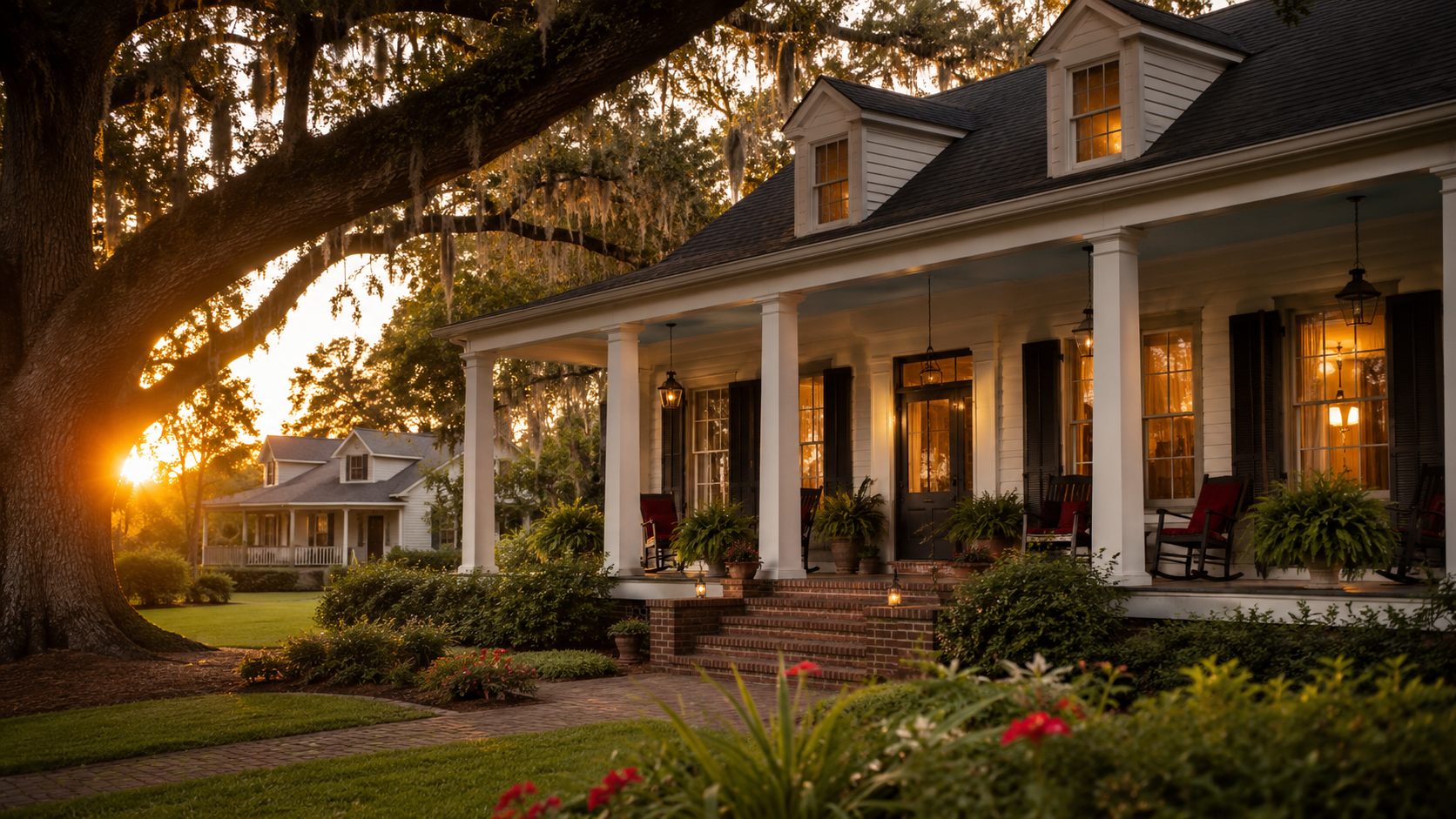
Home Insurance
Cover the cost to rebuild your house, replace your belongings, and answer a liability claim against your household.
Auto Insurance
Protect your vehicles with liability, collision, and uninsured motorist limits that hold up after a serious Louisiana wreck.
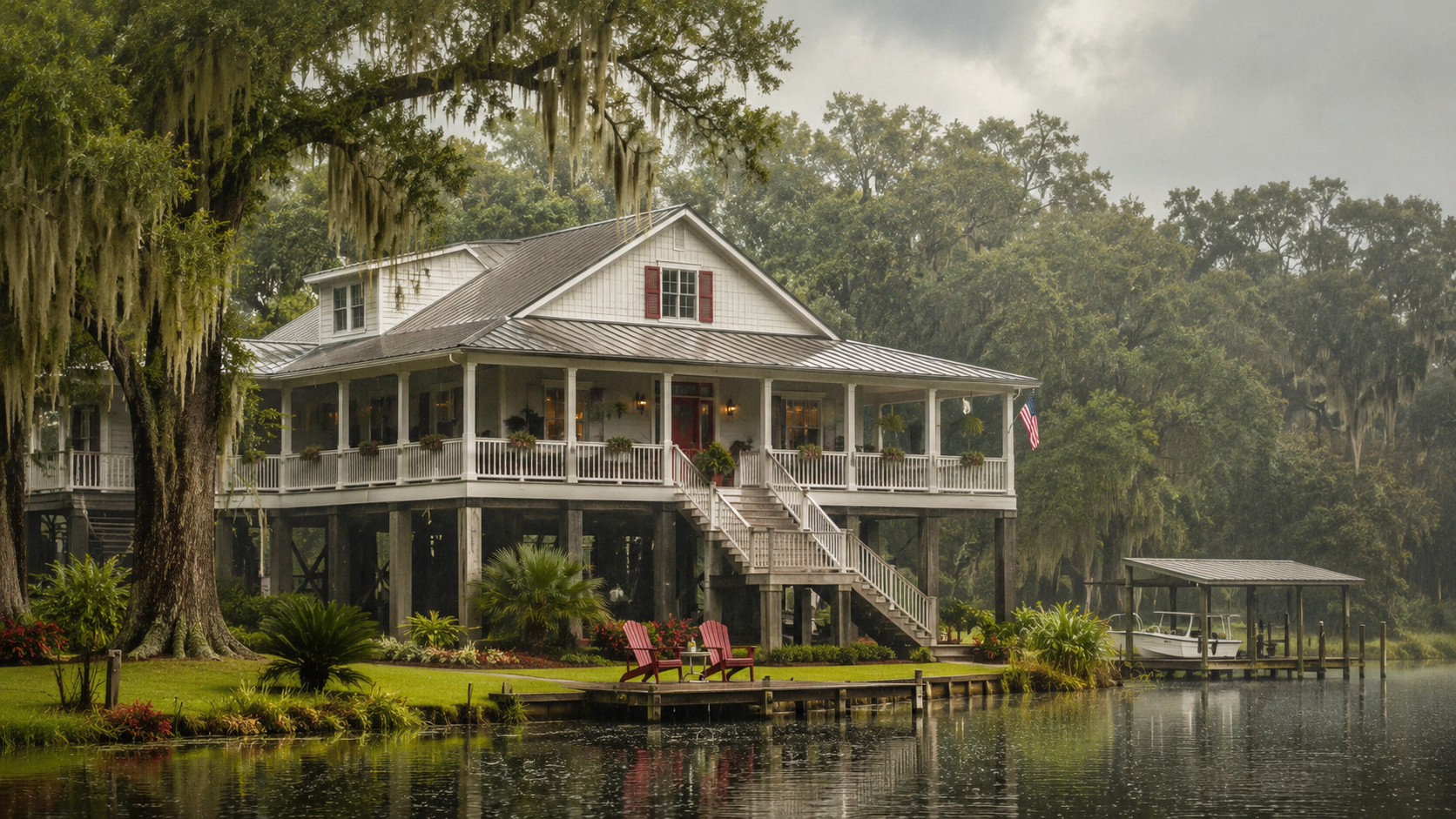
Flood Insurance
Your homeowners policy excludes flood. We quote NFIP and private options for your building and its contents.

Commercial Insurance
Liability, property, workers' compensation, and commercial auto for Louisiana businesses, priced against how your company operates.

Life Insurance
Replace the income your family depends on, with term and permanent options priced across several carriers.

Umbrella Insurance
Add a layer of liability protection above your auto and home limits, usually for a modest premium.
Ruston
Baton Rouge
Mandeville
Gretna
Louisiana Home Insurance
Home insurance built around where you live
Home insurance is our specialty. We write homeowners policies across Louisiana and price them against the wind, hail, and flood risk in your parish.
Areas we cover
[CONFIRM name]
Google review · Mandeville office
Business Insurance by Industry
Specialized coverage for your line of work
Every trade carries its own risks. We know the coverage these Louisiana businesses need and where the gaps usually sit.
Plumbers
Liability, tools, and commercial auto coverage built for water damage claims and job-site risk.
Restaurants
Property, liquor liability, and spoilage coverage for kitchens, dining rooms, and your staff.
Real Estate Investors
Landlord property, liability, and vacancy coverage for rentals, flips, and multi-unit buildings.
[CONFIRM name]
Google review · Mandeville office
How to Get Insured in 4 Steps
Getting covered is simple
You talk to a licensed agent from the first call to the annual review.

1
Tell us about you
Share what you want to protect. A licensed agent asks about your home, vehicles, family, or business and gathers the details carriers need.
2
We shop our carriers
We compare options across the markets we represent and look at price, coverage limits, and how each carrier handles claims.
3
Review your choices
We explain coverage and price in plain language, side by side, so you can see the trade-offs before you choose.
4
Get covered
Your policy starts, you get your documents, and we review the coverage with you each year.
5-Star Rated by Louisiana Clients
What our clients say
Louisiana families and business owners rate us 5 stars for clear advice and fast answers.
139+ five-star reviews across our Mandeville and New Orleans offices