
Variant Insurance Group is a licensed independent insurance agency in Minnesota. [CONFIRM license #.]
Get a Quote
Variant Insurance Group is a licensed independent insurance agency serving Minnesota families and businesses.
From our office in Maple Plain, our team works with many of Minnesota's top-rated carriers so your home, auto, life, and business coverage fits your real needs. We serve families and businesses across Minnesota.
A single ransomware attack can shut down your business for weeks. A phishing email can trick your controller into wiring $200,000 to a criminal's account. A stolen laptop with unencrypted client data can trigger notification requirements across multiple states. These aren't hypothetical scenarios: they're the kinds of claims Louisiana businesses file every year. Cyber liability insurance exists to cover the financial fallout from these events, but not every policy responds the same way. The difference between a policy that actually protects you and one that leaves you exposed often comes down to understanding what's covered, what's excluded, and where the gaps hide.
The global average cost of a data breach hit a record $4.99 million in 2026, and small to mid-size businesses bear a disproportionate share of that pain. If you're running a business in New Orleans or Mandeville, you can't afford to treat cyber coverage as an afterthought. This guide breaks down how cyber insurance responds to ransomware, data breach costs, funds transfer fraud, social engineering, business interruption, and third-party privacy liability so you can make a confident decision about what your business actually needs.
Understanding Cyber Liability Insurance and Why It Matters
Cyber liability insurance is a specialized policy designed to cover losses that stem from digital threats: hacking, data theft, system outages, fraud, and privacy violations. Your general liability or property policy wasn't built for these risks, and in most cases, it explicitly excludes them. A cyber policy fills that gap with coverage tailored to the way modern businesses actually operate.
What makes cyber insurance tricky is that it's not a single, standardized product. Policies vary wildly between carriers. One insurer's base form might include social engineering coverage, while another treats it as an optional endorsement with a sublimit. Some policies respond to ransomware payments; others cap extortion coverage or require pre-approval from the carrier before you pay a dime. The policy language matters more here than in almost any other line of insurance.
For Louisiana businesses specifically, the state's data breach notification law (La. R.S. 51:3074) requires you to notify affected residents "in the most expedient time possible." That means you need a policy that covers forensic investigation, legal counsel, and notification costs from day one of a breach: not 60 days later after a waiting period expires. The right cyber policy acts as both a financial backstop and an incident response playbook.

First-Party Coverage: Protecting Your Own Assets
First-party cyber coverage pays for your own losses: the direct costs your business absorbs when an incident hits. Think of it as the part of the policy that keeps your doors open and your bank account intact while you recover. This is where most of the action happens for small and mid-size businesses because the immediate out-of-pocket expenses from a cyber event can be staggering.
Ransomware and Data Breach Response Costs
Ransomware remains one of the most common and expensive cyber threats facing businesses. The median ransom demand continued climbing in 2026, and the total cost of an attack goes far beyond the ransom itself. You're also paying for forensic investigators to determine how the attackers got in, legal counsel to assess your notification obligations, credit monitoring for affected individuals, and public relations support to manage reputational damage.
A strong cyber policy covers all of these data breach response costs under first-party insuring agreements. Most policies break this into two buckets: cyber extortion (the ransom payment and negotiation costs) and breach response (forensics, notification, credit monitoring, and crisis management). One thing to keep in mind: many carriers now require you to contact their incident response hotline before engaging your own vendors. If you hire a forensics firm that isn't on the carrier's approved panel, you may end up paying out of pocket.
The cost of breach response alone can easily exceed $150 per compromised record. For a business holding 10,000 customer records, that's $1.5 million before you even consider the ransom.
Business Interruption and Lost Income Recovery
When a cyberattack takes your systems offline, you're not just dealing with recovery costs: you're losing revenue every hour. Cyber business interruption coverage reimburses your lost income and covers extra expenses you incur to maintain operations during the downtime. This might include renting temporary server capacity, paying overtime to staff working manual workarounds, or covering the cost of a temporary point-of-sale system.
Most policies apply a waiting period (typically 8 to 12 hours) before business interruption coverage kicks in. That waiting period functions like a deductible measured in time rather than dollars. Some carriers offer buydown options to reduce it to as little as one hour, which can be worth the added premium for businesses that can't afford any downtime: think restaurants processing hundreds of credit card transactions daily or medical practices that rely on electronic health records.
A key detail many policyholders miss is whether their coverage extends to dependent business interruption. If your cloud provider or payment processor goes down due to a cyber event, your business suffers even though your own systems are fine. Not every policy covers this, so ask specifically.

Crime and Financial Fraud Endorsements
Fraud has surpassed ransomware as the top source of cyber insurance claims in recent years. Criminals don't always need to hack your systems: sometimes they just need to trick the right person. Crime and financial fraud endorsements address the gap between traditional cyber coverage and the human-error-driven losses that keep CFOs up at night.
Social Engineering vs. Funds Transfer Fraud
These two terms get confused constantly, and the distinction matters for your coverage. Funds transfer fraud occurs when a hacker gains unauthorized access to your systems and initiates a wire transfer. Social engineering fraud happens when a criminal manipulates an employee into voluntarily sending money: usually by impersonating a vendor, executive, or client through a spoofed email.
Here's why the difference is critical: many base cyber policies cover funds transfer fraud but exclude social engineering unless you add a specific endorsement. And social engineering sublimits are often much lower than the main policy limit: $100,000 or $250,000 versus a $1 million aggregate. If your accounts payable team processes large wire transfers, that sublimit might not be enough.
| Funds Transfer Fraud | Social Engineering Fraud | |
|---|---|---|
| How it works | Hacker accesses systems directly | Criminal tricks employee into acting |
| System compromise required? | Yes | No |
| Typical base policy coverage | Usually included | Often excluded or sublimited |
| Common sublimit | Full policy limit | $100K-$250K |
| Verification requirement | Varies | Callback verification often required |
At Chabert Insurance: The Ehrhardt Agency, we've seen Louisiana businesses lose six figures to social engineering schemes that their existing policies didn't cover. A common scenario: a controller receives an email that appears to come from the company owner requesting an urgent wire transfer. The money is gone within hours, and the business discovers too late that their policy required a callback verification protocol they never implemented.
Third-Party Privacy Liability: Defending Against Lawsuits
Third-party coverage protects you when someone else sues you or a regulator comes knocking after a cyber incident. If customer data is exposed and affected individuals file a class action, your third-party privacy liability coverage pays for defense costs, settlements, and judgments. It also covers regulatory proceedings: fines, penalties, and the cost of responding to investigations by state attorneys general or federal agencies.
This coverage is especially relevant for businesses that handle sensitive personal information: healthcare providers bound by HIPAA, financial services firms, law offices, and any company storing payment card data. One in four malicious breaches now involves AI-enabled attack methods, making these incidents more sophisticated and harder to detect before significant data exposure occurs.
Louisiana's Consumer Privacy Act and breach notification statute create specific obligations that trigger third-party exposure. If you fail to notify affected residents promptly or don't have reasonable security measures in place, you face both regulatory penalties and private lawsuits. Your cyber policy's third-party coverage should align with these state-specific requirements.
Comparison: First-Party vs. Third-Party Coverage Limits
Understanding how your policy splits its limits between first-party and third-party coverage helps you avoid unpleasant surprises during a claim.
| First-Party Coverage | Third-Party Coverage | |
|---|---|---|
| Pays for | Your own losses | Claims others bring against you |
| Examples | Ransomware, forensics, lost income | Lawsuits, regulatory fines, settlements |
| Typical limit structure | Shared aggregate or separate sublimits | Shared aggregate or separate sublimits |
| Retention (deductible) | Usually $2,500-$25,000 | Usually $5,000-$50,000 |
| Who benefits | Your business directly | Claimants, regulators |
Some policies use a single shared aggregate limit for both first-party and third-party claims. That means a large ransomware payment could eat into the limit available to defend a subsequent lawsuit. Other carriers offer separate towers of coverage. If your business faces meaningful exposure on both sides, separate limits provide better protection. The cyber risk environment heading into 2026 and beyond makes this structural question more important than ever.
Common Questions About Cyber Insurance
Does my general liability policy cover cyber attacks?
Almost certainly not. Most commercial general liability policies contain specific cyber and data exclusions. Even if your CGL doesn't explicitly exclude cyber events, courts have consistently ruled that electronic data isn't "tangible property" under standard policy language. You need a standalone cyber policy or a dedicated cyber endorsement.
Will insurance pay the ransom if my files are locked?
Most cyber policies with an extortion coverage grant will reimburse ransom payments, including cryptocurrency. The catch is that carriers typically require you to contact them before paying, and they'll often bring in a negotiation firm to reduce the demand. Some policies also exclude payments to sanctioned entities, so the carrier's compliance team will screen the threat actor before authorizing payment.
How much coverage does a small business actually need?
A common starting point for small businesses is $1 million in aggregate coverage, which aligns with recent claims data showing that most small business cyber claims fall below that threshold. That said, businesses handling large volumes of personal data or processing significant wire transfers may need $2 million to $5 million. Your agent at Chabert Insurance can help you model your exposure based on your specific operations and revenue.
Does this cover me if an employee makes a mistake?
Yes, most cyber policies cover incidents caused by employee negligence: accidentally clicking a phishing link, misconfiguring a firewall, or losing an unencrypted device. Social engineering coverage also responds when an employee is tricked into transferring funds. The key requirement is that the employee acted in good faith. Intentional misconduct by employees is excluded.
Making the Right Choice for Your Business
Cyber insurance isn't a checkbox: it's a financial safety net that needs to match your actual risk profile. A restaurant in the French Quarter processing thousands of credit card transactions has different exposure than a Mandeville law firm storing privileged client communications. Both need coverage, but the policy structure, limits, and endorsements should reflect their unique vulnerabilities.
Start by mapping your digital assets and processes. How much personal data do you store? Do you process wire transfers? How dependent are you on your IT systems for daily revenue? These questions shape the coverage you need. Then look beyond the premium to the policy details: waiting periods, sublimits on social engineering, panel requirements for vendors, and whether business interruption extends to dependent systems.
The team at Chabert Insurance: The Ehrhardt Agency works with Louisiana businesses every day to build cyber coverage that fits. If you're unsure whether your current policy actually responds to the threats that keep you up at night, reach out for a coverage review. A 30-minute conversation now is worth far more than discovering a gap during a claim.
On this page
Fully licensed
Chabert Insurance: The Ehrhardt Agency is a fully licensed independent insurance agency serving individuals, families, and businesses across Louisiana and Mississippi.
From our offices in Mandeville and New Orleans, we proudly serve clients in Mandeville, Covington, New Orleans, Kenner, Metairie, Harahan, River Ridge, and Slidell, as well as the Westbank and St. Bernard Parish, and communities throughout Louisiana and Mississippi. As an independent agency, our team works with a wide range of top-rated carriers to provide personal and commercial coverage — home, auto, flood, commercial, life, and more — built around the real needs of the people and businesses we protect.
OTHER INSURANCE COVERAGE

About the Author
Ryan J. Ehrhardt
Owner / Licensed Agent
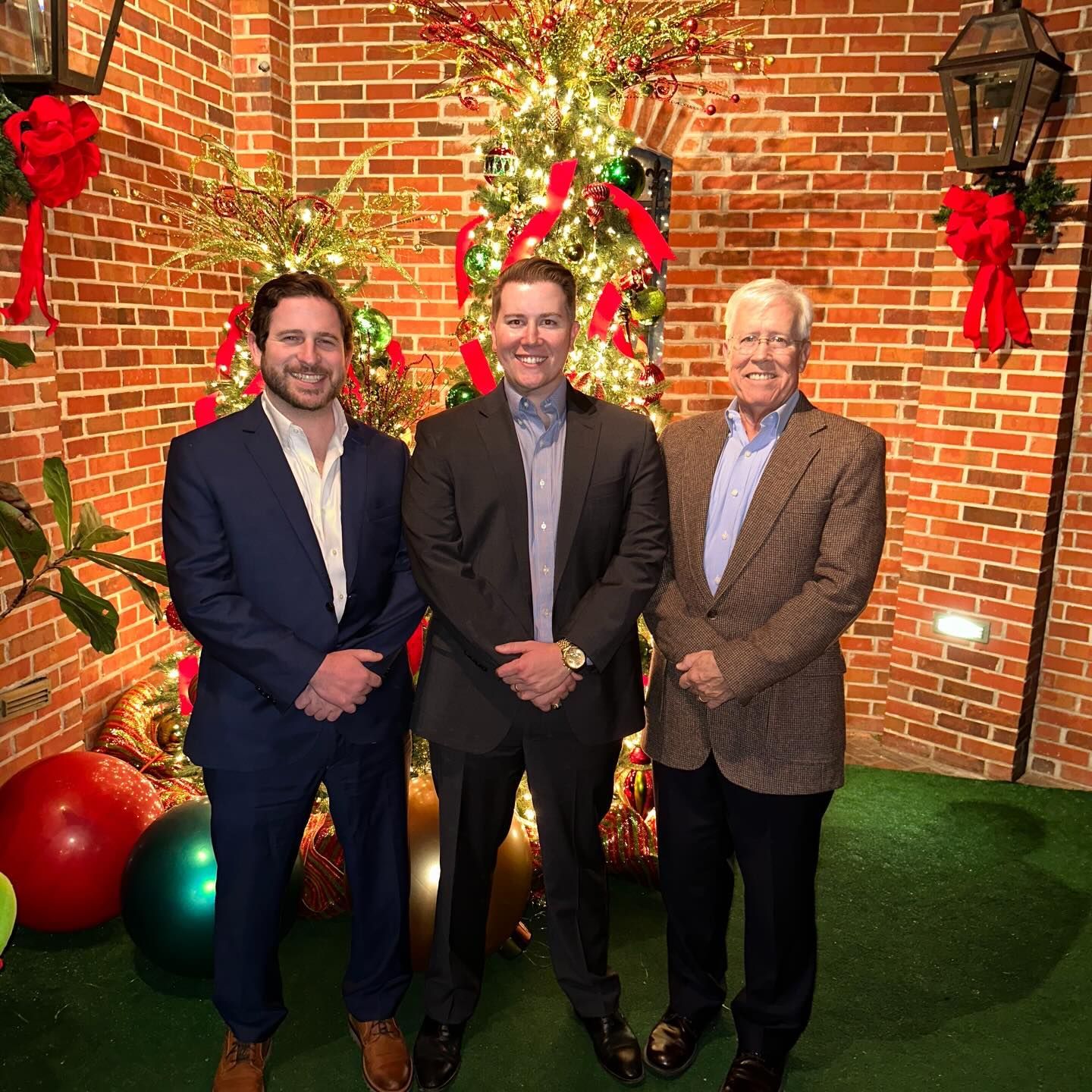
I'm Ryan J. Ehrhardt, owner and licensed agent at Chabert Insurance: The Ehrhardt Agency. I lead our team across our Mandeville and New Orleans offices, and I work with families and business owners every day to find coverage that fits their lives. I believe insurance should be simple to understand, so I take the time to explain your options in plain language before you decide.
As an independent agent, I answer to you, not to a single carrier. That means I can shop your policy across many companies and focus on what protects you best. When you call our office, you reach a real person who knows your account. I would be glad to review your coverage and help you feel confident about it.

[CONFIRM name]
Google review · Mandeville office
Home, Auto, Flood, Commercial & Life Insurance
Insurance built around your life in Louisiana
We compare coverage across many carriers and build one program that protects everything you own.

Home Insurance
Cover the cost to rebuild your house, replace your belongings, and answer a liability claim against your household.
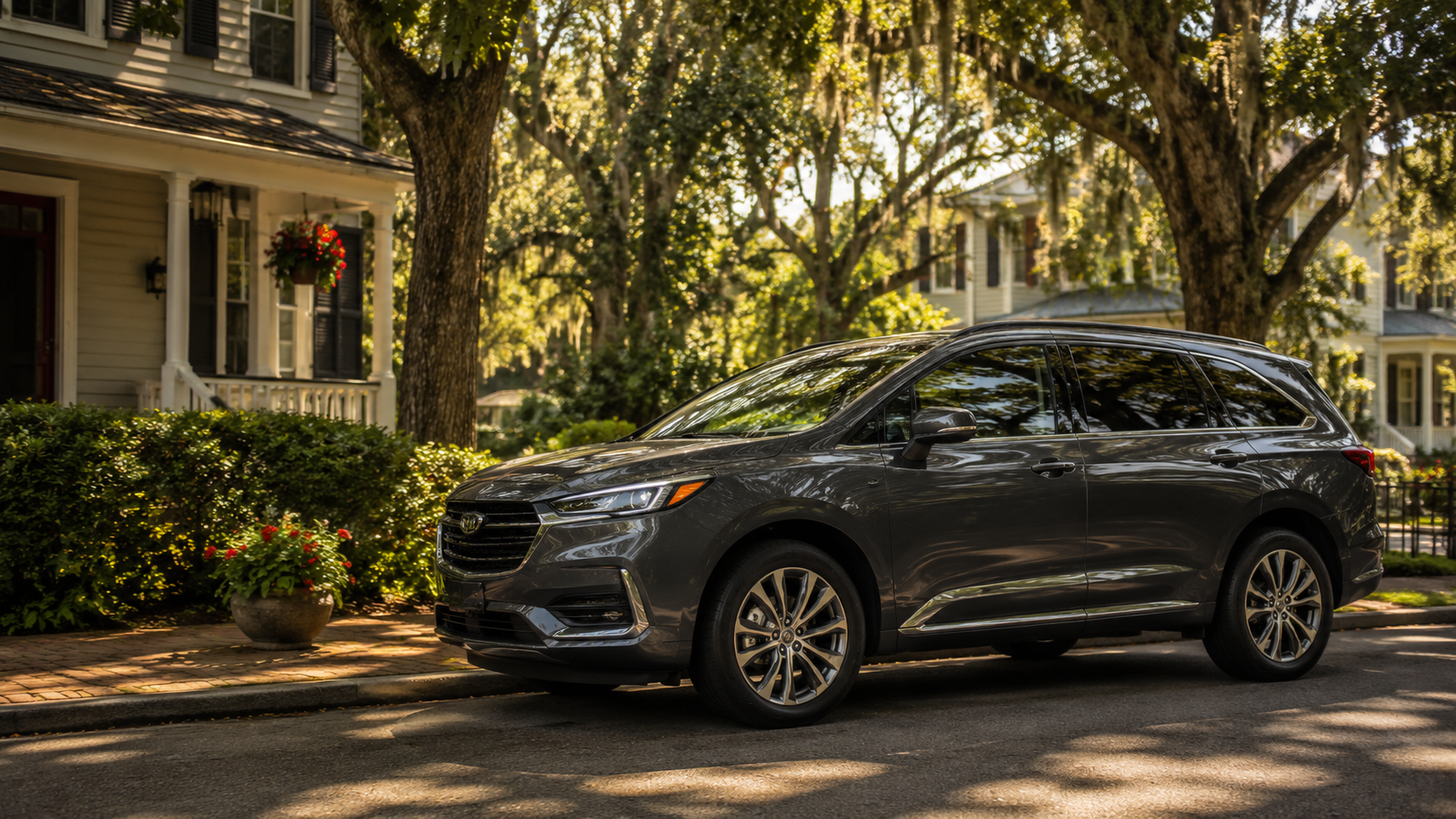
Auto Insurance
Protect your vehicles with liability, collision, and uninsured motorist limits that hold up after a serious Louisiana wreck.

Flood Insurance
Your homeowners policy excludes flood. We quote NFIP and private options for your building and its contents.

Commercial Insurance
Liability, property, workers' compensation, and commercial auto for Louisiana businesses, priced against how your company operates.

Life Insurance
Replace the income your family depends on, with term and permanent options priced across several carriers.

Umbrella Insurance
Add a layer of liability protection above your auto and home limits, usually for a modest premium.
Ruston
Baton Rouge
Mandeville
Gretna
Louisiana Home Insurance
Home insurance built around where you live
Home insurance is our specialty. We write homeowners policies across Louisiana and price them against the wind, hail, and flood risk in your parish.
Areas we cover
Commercial Insurance for Louisiana Businesses
Coverage that keeps your business running
We build commercial programs around how your company actually operates, then compare carriers on price and claim service.

General Liability
Covers claims of bodily injury or property damage that come from your day-to-day operations.
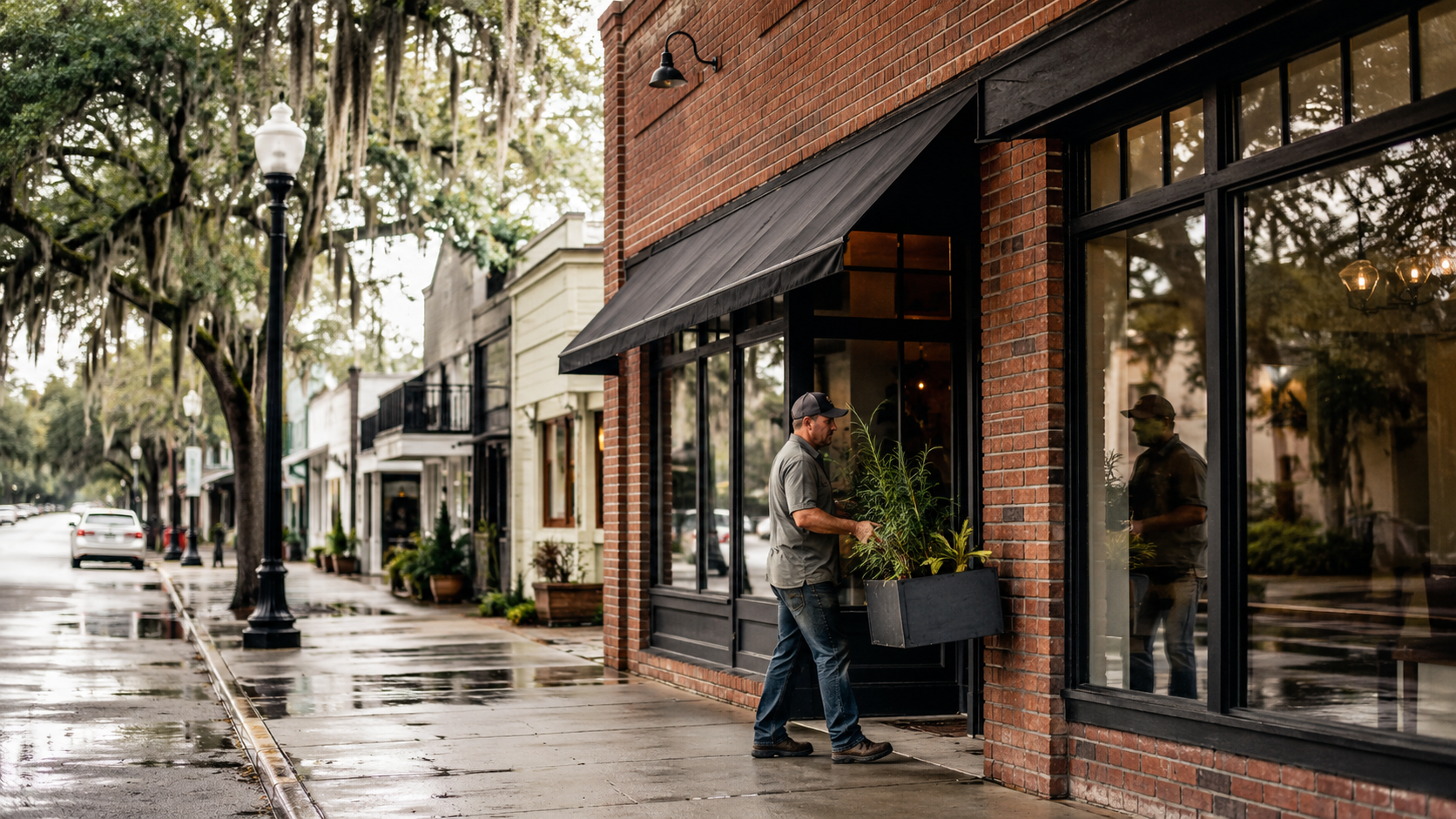
Commercial Property
Protects your building, equipment, and inventory against fire, storm, theft, and other covered losses.

Workers' Compensation
Pays medical care and lost wages when an employee is hurt on the job, as Louisiana requires.
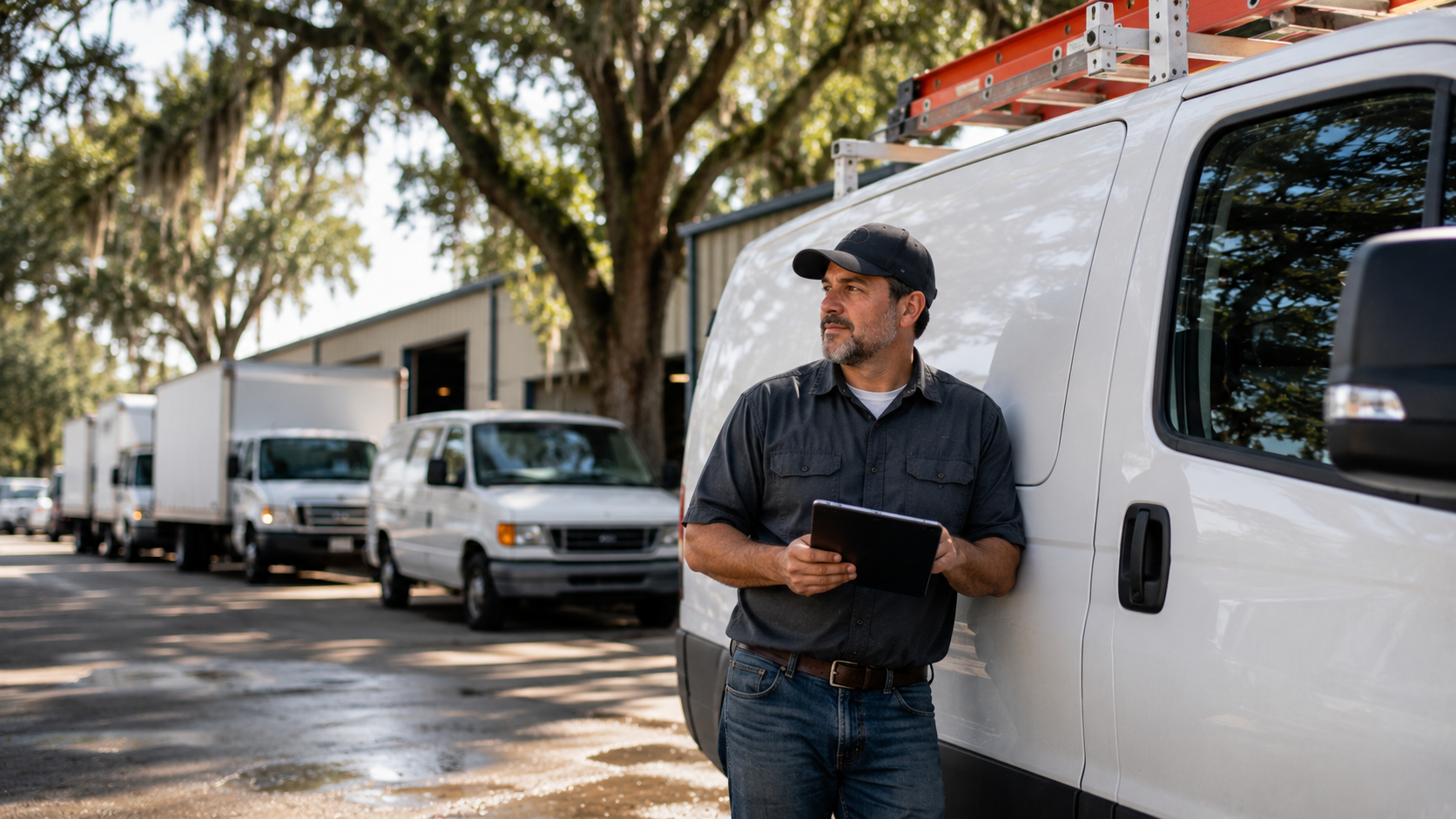
Commercial Auto
Covers the vehicles your business owns, along with the employees who drive them for work.

Professional Liability
Covers claims that your professional advice or services caused a client a financial loss.

Cyber Liability
Handles breach response, notification costs, and liability after customer data is exposed.
[CONFIRM name]
Google review · Mandeville office
Business Insurance by Industry
Specialized coverage for your line of work
Every trade carries its own risks. We know the coverage these Louisiana businesses need and where the gaps usually sit.
Plumbers
Liability, tools, and commercial auto coverage built for water damage claims and job-site risk.
Restaurants
Property, liquor liability, and spoilage coverage for kitchens, dining rooms, and your staff.
Real Estate Investors
Landlord property, liability, and vacancy coverage for rentals, flips, and multi-unit buildings.
[CONFIRM name]
Google review · Mandeville office
How to Get Insured in 4 Steps
Getting covered is simple
You talk to a licensed agent from the first call to the annual review.

1
Tell us about you
Share what you want to protect. A licensed agent asks about your home, vehicles, family, or business and gathers the details carriers need.
2
We shop our carriers
We compare options across the markets we represent and look at price, coverage limits, and how each carrier handles claims.
3
Review your choices
We explain coverage and price in plain language, side by side, so you can see the trade-offs before you choose.
4
Get covered
Your policy starts, you get your documents, and we review the coverage with you each year.
5-Star Rated by Louisiana Clients
What our clients say
Louisiana families and business owners rate us 5 stars for clear advice and fast answers.
139+ five-star reviews across our Mandeville and New Orleans offices