
Variant Insurance Group is a licensed independent insurance agency in Minnesota. [CONFIRM license #.]
Get a Quote
Variant Insurance Group is a licensed independent insurance agency serving Minnesota families and businesses.
From our office in Maple Plain, our team works with many of Minnesota's top-rated carriers so your home, auto, life, and business coverage fits your real needs. We serve families and businesses across Minnesota.
Owning a single rental property is one thing. Managing a portfolio of rentals, a couple of fix-and-flip projects, and a vacant lot or two is something else entirely. Each asset type carries its own risk profile, and a standard homeowner's policy won't cover any of them. Insurance for real estate investors requires a layered approach: dwelling property forms for rentals, builders risk for active renovations, loss of rents coverage to protect cash flow, and blanket portfolio limits that simplify administration as you scale. If you're investing in the New Orleans or Mandeville markets, where hurricanes, flooding, and aging building stock compound these risks, getting the right coverage structure isn't optional. It's the difference between a minor setback and a financial catastrophe. The good news? Global commercial property insurance rates fell by 12% in Q2 2026, and the U.S. market has followed that softening trend. That means investors who shop strategically right now can lock in better premiums than they've seen in years. But lower rates don't help if you're buying the wrong coverage. This guide breaks down how each policy type works, where the gaps hide, and how to build a program that actually matches your portfolio.
Understanding Core Coverage for Real Estate Assets
Real estate investors need insurance that's designed for non-owner-occupied properties. Your personal homeowner's policy explicitly excludes properties you don't live in, and trying to stretch it to cover a rental is a fast way to get a claim denied. The foundation of investor insurance starts with dwelling property policies and general liability coverage, two distinct products that work together to protect your buildings and shield you from lawsuits.
Dwelling Property (DP-1, DP-2, DP-3) for Rental Units
Dwelling property policies come in three tiers, and the differences matter more than most investors realize. A DP-1 is a named-peril, actual cash value policy: it covers only specific listed risks like fire and lightning, and it pays out based on depreciated value. A DP-2 adds broader named perils (like falling objects or weight of ice and snow) and typically pays on a replacement cost basis for the structure. A DP-3 is the most comprehensive option, covering all risks unless specifically excluded in the policy language.
For Louisiana investors, the choice between these forms has real consequences. A DP-1 might save you $300 to $500 a year on a $200,000 property, but it won't cover water damage from a burst pipe or wind-driven rain that doesn't technically qualify as a named storm. DP-3 policies offer open-peril protection that catches the scenarios a DP-1 misses. If you're holding rentals long-term, especially older properties in New Orleans, a DP-3 with a reasonable deductible is almost always the smarter investment.
General Liability: Protecting Against Third-Party Claims
Your dwelling policy covers the building. It doesn't cover the tenant who slips on a broken step and sues you for medical bills. General liability insurance fills that gap, covering bodily injury and property damage claims from third parties. Most investor policies include $300,000 to $1,000,000 in liability limits per occurrence, though landlords with multiple units should consider a commercial general liability (CGL) policy or an umbrella for higher limits. In Louisiana, where litigation rates run above the national average, carrying at least $1,000,000 per occurrence is a practical minimum. If you own four or more units, an umbrella policy that sits on top of your underlying liability limits gives you an extra layer of protection for a relatively modest premium, often $200 to $400 per year per million in coverage.
Insuring Active Projects and Transitioning Assets
Not every property in your portfolio is occupied and producing rent. Fix-and-flip projects and vacant holdings create insurance gaps that standard dwelling policies don't address. These transitional assets need specialized coverage.
Builders Risk for Fix-and-Flip Renovations
A builders risk policy covers a property during active construction or renovation. It protects the structure, materials on-site, and sometimes materials in transit against risks like fire, theft, vandalism, and weather damage. If you're gutting a shotgun double in Mid-City or rehabbing a raised cottage in Old Mandeville, this is the policy that keeps you whole if something goes wrong mid-project.
Builders risk premiums typically run between 1% and 5% of total construction costs, depending on the scope of work, location, and policy term. A $150,000 renovation might cost $1,500 to $7,500 to insure. These policies are written for a specific project duration, usually 6 to 12 months, with extensions available if your timeline slips. One common mistake: assuming your dwelling policy covers renovation work. It doesn't. Most DP policies exclude properties under major renovation, and a claim filed during an uncovered rehab will be denied.
The Risks and Requirements of Vacant Property Coverage
Vacant properties are among the hardest assets to insure. Most standard policies define a property as vacant if it's been unoccupied for 30 to 60 days, and many either exclude vacant properties entirely or reduce coverage by 15% or more. The logic is straightforward: vacant buildings attract vandalism, undetected water leaks, and squatters.
If you're holding a property between tenants or waiting for permits before starting a renovation, you need a vacant property endorsement or a standalone vacant dwelling policy. These typically cost 50% to 100% more than a standard DP policy for the same property, but the alternative is carrying no effective coverage at all. In the New Orleans market, where properties can sit vacant during hurricane season, this isn't a risk you want to self-insure. An agent familiar with the Louisiana market, like the team at Chabert Insurance: The Ehrhardt Agency, can help you find vacant property coverage that doesn't leave you exposed during transition periods.

Protecting Cash Flow with Loss of Rents Insurance
A fire doesn't just damage your building. It stops your rental income for months while repairs happen. Loss of rents coverage, sometimes called fair rental value or business income coverage, reimburses you for the rental income you would have collected during a covered loss. Most policies pay for 12 months of lost rent, though some cap the benefit at a percentage of the dwelling coverage limit.
Here's where investors often miscalculate: they insure the structure but ignore the income stream. If you're collecting $2,000 per month on a duplex and a kitchen fire makes both units uninhabitable for six months, that's $12,000 in lost revenue on top of your repair costs. Loss of rents coverage typically adds 5% to 10% to your annual premium, making it one of the most cost-effective endorsements available. For investors carrying mortgages on their rental properties, this coverage is essentially non-negotiable. Your lender doesn't care that your building burned: the mortgage payment is still due. Budgeting for this coverage is a critical part of rental property financial planning that too many investors skip.
Scaling with Blanket Portfolio Policies
Once you own five or more properties, managing individual policies for each one becomes an administrative headache. Blanket portfolio policies solve this by consolidating your holdings under a single policy with shared limits.
Consolidating Multiple Properties Under One Limit
A blanket policy sets one aggregate coverage limit across all your properties instead of assigning individual limits to each. If you own ten properties worth $200,000 each, a blanket limit of $2,000,000 covers the entire portfolio. The advantage is flexibility: if one property suffers a total loss, the full blanket limit is available, rather than being capped at a per-property amount that might fall short after construction costs spike.
This structure is especially valuable in Louisiana, where post-storm construction costs can exceed pre-loss estimates by 20% to 30%. A blanket limit absorbs that variance without requiring you to carry inflated individual limits on every property. The team at Chabert Insurance: The Ehrhardt Agency regularly structures blanket programs for investors with holdings across the greater New Orleans and Northshore areas, tailoring sub-limits and deductibles to match each investor's risk tolerance.
Simplified Reporting and Per-Location Sub-limits
Blanket policies also streamline your reporting obligations. Instead of tracking renewal dates, coverage changes, and claims across a dozen separate policies, you manage one policy with one renewal date. Most blanket programs include per-location sub-limits for specific coverages like loss of rents or liability, so you still have granular control over how much coverage applies to each property. Many insurers offer quarterly or annual reporting options, where you update your property schedule as you buy and sell assets. This keeps your coverage current without requiring a new policy every time you close on a property.
Comparison: Standard DP Policies vs. Commercial Portfolios
| Feature | Individual DP Policies | Blanket Portfolio Policy |
|---|---|---|
| Best for | 1-4 properties | 5+ properties |
| Coverage limits | Per-property | Shared across portfolio |
| Admin burden | Multiple renewals, multiple claims processes | Single policy, single renewal |
| Flexibility | Limited: each property locked to its own limit | High: blanket limit absorbs cost overruns |
| Cost per property | Higher individual premiums | Lower per-unit cost at scale |
| Loss of rents | Added per policy | Included with sub-limits |
| Vacancy handling | Separate endorsement needed per property | Often built into portfolio terms |
Investors with smaller portfolios often start with individual DP-3 policies and transition to a blanket program as they grow. The crossover point where a blanket policy becomes more cost-effective varies by market and carrier, but five properties is a common threshold.
Common Questions About Investor Insurance
Do I need a separate policy for each rental property? Not necessarily. If you own fewer than five properties, individual DP policies work fine. Once you scale beyond that, a blanket portfolio policy is usually more efficient and often cheaper per unit.
Will my homeowner's policy cover a property I rent out? No. Homeowner's policies exclude non-owner-occupied properties. You need a dwelling property policy (DP-1, DP-2, or DP-3) specifically designed for rentals.
How long can a property sit vacant before coverage lapses? Most policies define vacancy as 30 to 60 consecutive days without occupancy. After that, coverage may be reduced or voided entirely unless you add a vacant property endorsement.
Is builders risk insurance required for a fix-and-flip? Lenders almost always require it. Even if you're paying cash, going without builders risk on a renovation project means you're self-insuring against fire, theft, and storm damage during the most vulnerable phase of ownership.
Does loss of rents coverage pay if I can't find a tenant? No. Loss of rents only applies when a covered peril (fire, storm, etc.) makes the property uninhabitable. Normal vacancy between tenants isn't covered.
What liability limits should I carry as a landlord? A minimum of $1,000,000 per occurrence is standard. Landlords with larger portfolios should consider an umbrella policy for an additional $1,000,000 to $5,000,000 in coverage. Louisiana's litigation environment makes higher limits worth the cost.
Before You Buy a Policy
Getting insurance right as a real estate investor means matching each property's risk profile to the correct coverage type. Rentals need dwelling property policies with loss of rents endorsements. Active rehabs need builders risk. Vacant holdings need specialized vacancy coverage. And once your portfolio grows, a blanket policy saves money and simplifies everything.
The Louisiana market adds its own wrinkles: hurricane exposure, flood zone requirements, and older building stock that's expensive to repair. Working with a local agency that understands these specifics, like Chabert Insurance: The Ehrhardt Agency in New Orleans and Mandeville, means you're not guessing about whether your coverage actually fits your portfolio. Take an inventory of your current holdings, identify any gaps between what you own and what you've insured, and talk to an agent who can build a program around your actual risk. The premiums you pay today are a fraction of the losses you'd face without the right protection in place.
On this page
Fully licensed
Chabert Insurance: The Ehrhardt Agency is a fully licensed independent insurance agency serving individuals, families, and businesses across Louisiana and Mississippi.
From our offices in Mandeville and New Orleans, we proudly serve clients in Mandeville, Covington, New Orleans, Kenner, Metairie, Harahan, River Ridge, and Slidell, as well as the Westbank and St. Bernard Parish, and communities throughout Louisiana and Mississippi. As an independent agency, our team works with a wide range of top-rated carriers to provide personal and commercial coverage — home, auto, flood, commercial, life, and more — built around the real needs of the people and businesses we protect.
OTHER INSURANCE COVERAGE

About the Author
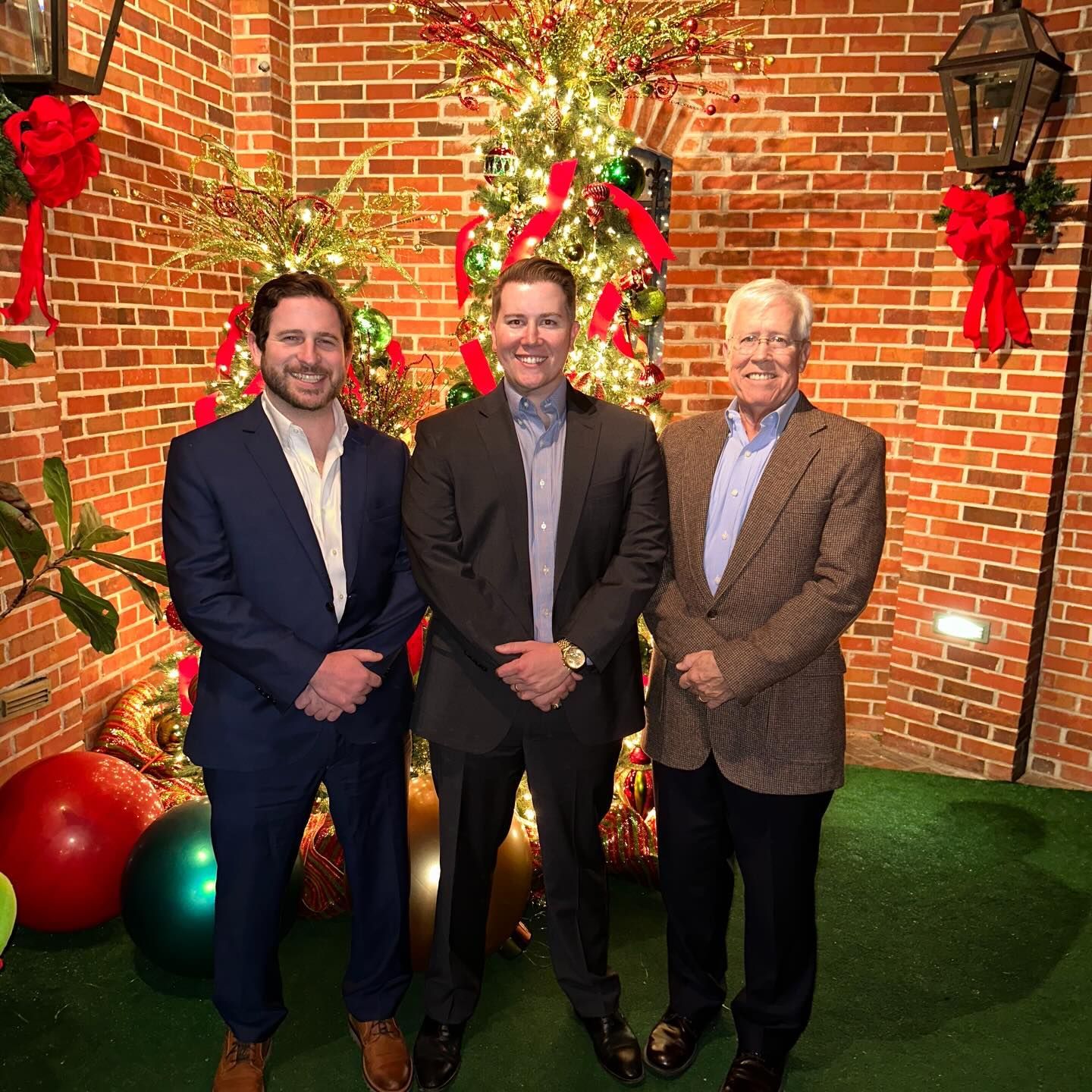
Ryan J. Ehrhardt
Owner / Licensed Agent
I'm Ryan J. Ehrhardt, owner and licensed agent at Chabert Insurance: The Ehrhardt Agency. I lead our team across our Mandeville and New Orleans offices, and I work with families and business owners every day to find coverage that fits their lives. I believe insurance should be simple to understand, so I take the time to explain your options in plain language before you decide.
As an independent agent, I answer to you, not to a single carrier. That means I can shop your policy across many companies and focus on what protects you best. When you call our office, you reach a real person who knows your account. I would be glad to review your coverage and help you feel confident about it.


[CONFIRM name]
Google review · Mandeville office
Home, Auto, Flood, Commercial & Life Insurance
Insurance built around your life in Louisiana
We compare coverage across many carriers and build one program that protects everything you own.
Home Insurance
Cover the cost to rebuild your house, replace your belongings, and answer a liability claim against your household.
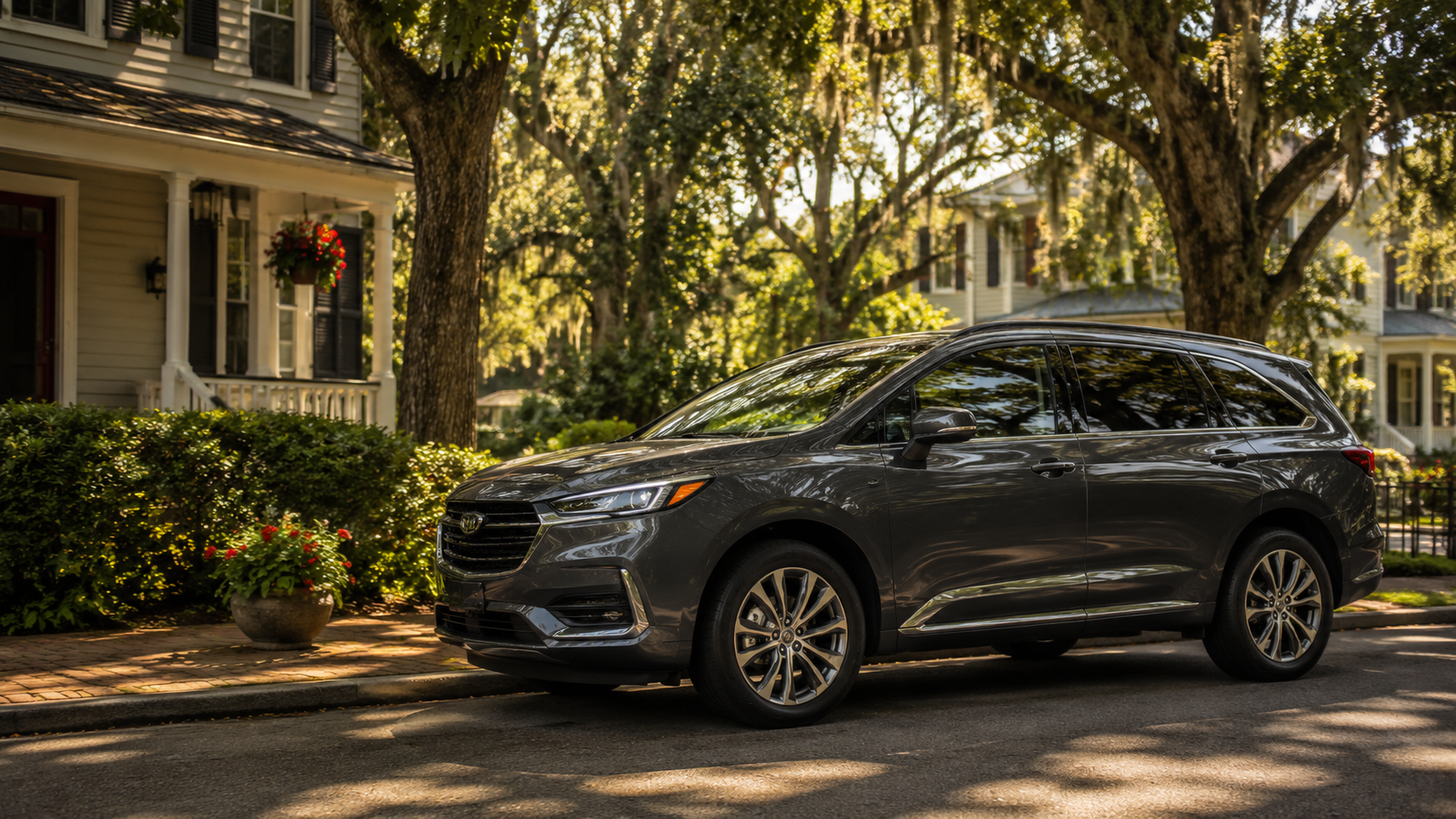
Auto Insurance
Protect your vehicles with liability, collision, and uninsured motorist limits that hold up after a serious Louisiana wreck.
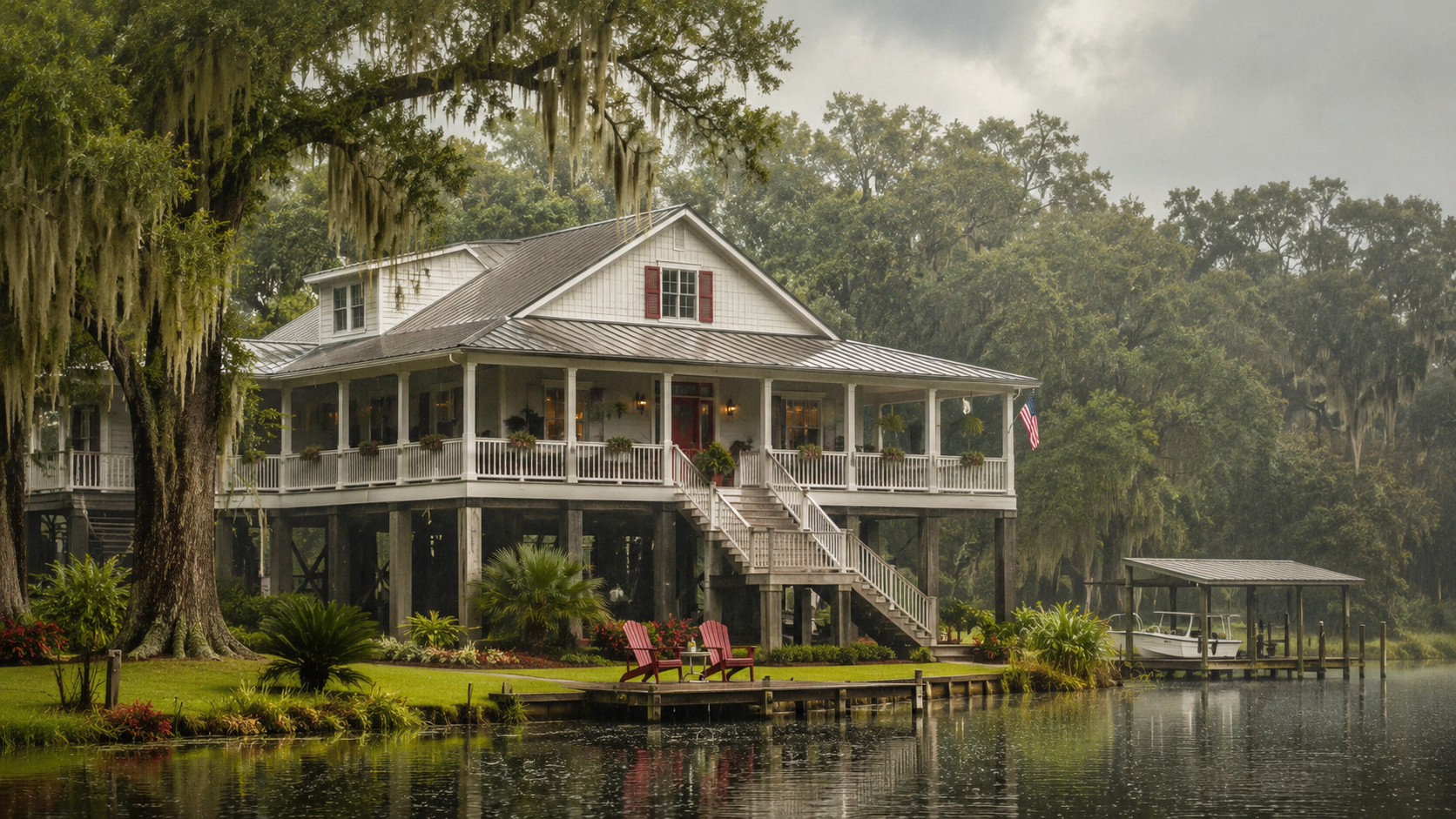
Flood Insurance
Your homeowners policy excludes flood. We quote NFIP and private options for your building and its contents.

Commercial Insurance
Liability, property, workers' compensation, and commercial auto for Louisiana businesses, priced against how your company operates.

Life Insurance
Replace the income your family depends on, with term and permanent options priced across several carriers.

Umbrella Insurance
Add a layer of liability protection above your auto and home limits, usually for a modest premium.
Ruston
Baton Rouge
Mandeville
Gretna
Louisiana Home Insurance
Home insurance built around where you live
Home insurance is our specialty. We write homeowners policies across Louisiana and price them against the wind, hail, and flood risk in your parish.
Areas we cover
Commercial Insurance for Louisiana Businesses
Coverage that keeps your business running
We build commercial programs around how your company actually operates, then compare carriers on price and claim service.

General Liability
Covers claims of bodily injury or property damage that come from your day-to-day operations.

Commercial Property
Protects your building, equipment, and inventory against fire, storm, theft, and other covered losses.

Workers' Compensation
Pays medical care and lost wages when an employee is hurt on the job, as Louisiana requires.
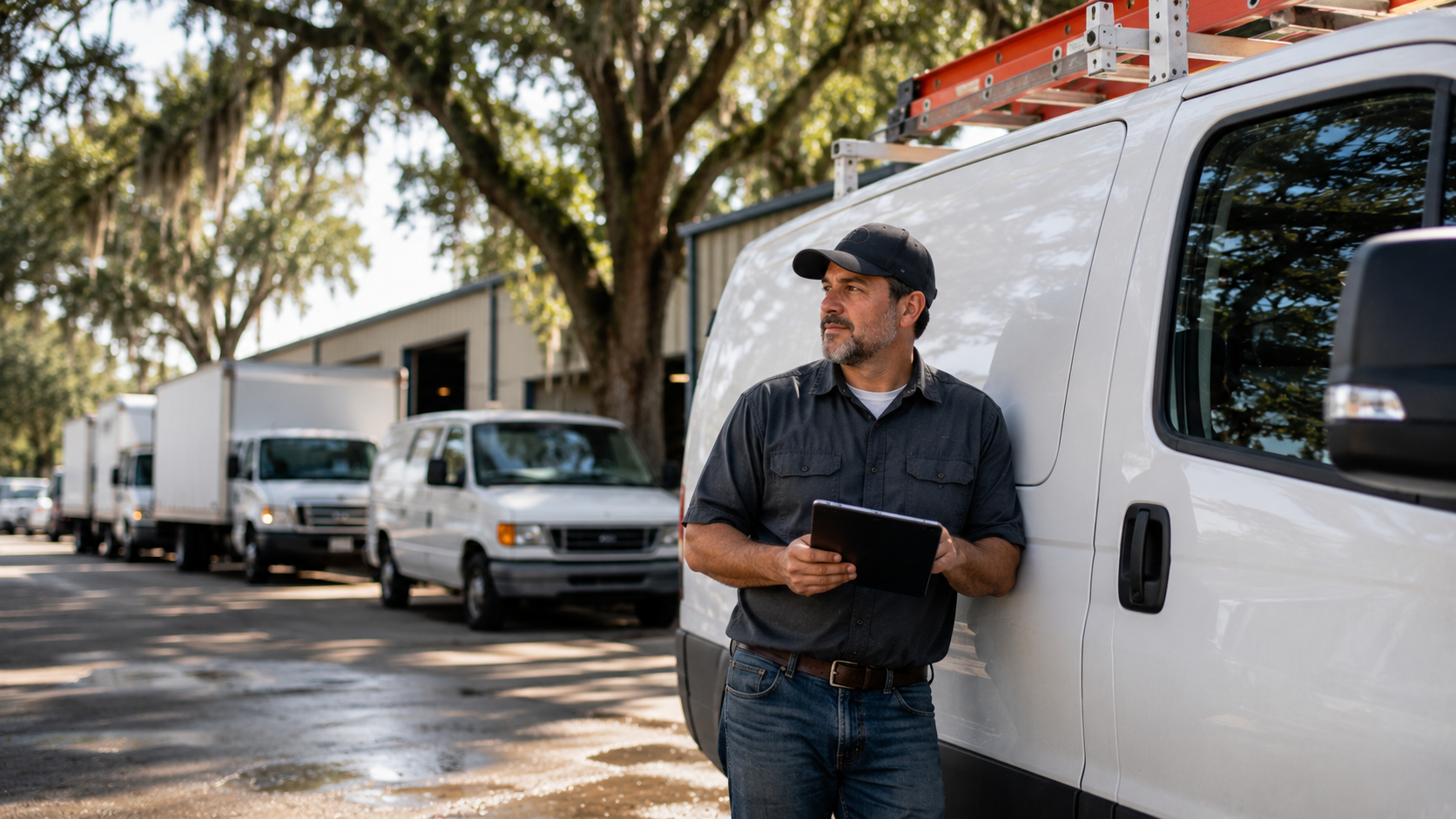
Commercial Auto
Covers the vehicles your business owns, along with the employees who drive them for work.

Professional Liability
Covers claims that your professional advice or services caused a client a financial loss.

Cyber Liability
Handles breach response, notification costs, and liability after customer data is exposed.
[CONFIRM name]
Google review · Mandeville office
Business Insurance by Industry
Specialized coverage for your line of work
Every trade carries its own risks. We know the coverage these Louisiana businesses need and where the gaps usually sit.
Plumbers
Liability, tools, and commercial auto coverage built for water damage claims and job-site risk.
Restaurants
Property, liquor liability, and spoilage coverage for kitchens, dining rooms, and your staff.
Real Estate Investors
Landlord property, liability, and vacancy coverage for rentals, flips, and multi-unit buildings.
[CONFIRM name]
Google review · Mandeville office
How to Get Insured in 4 Steps
Getting covered is simple
You talk to a licensed agent from the first call to the annual review.

1
Tell us about you
Share what you want to protect. A licensed agent asks about your home, vehicles, family, or business and gathers the details carriers need.
2
We shop our carriers
We compare options across the markets we represent and look at price, coverage limits, and how each carrier handles claims.
3
Review your choices
We explain coverage and price in plain language, side by side, so you can see the trade-offs before you choose.
4
Get covered
Your policy starts, you get your documents, and we review the coverage with you each year.
5-Star Rated by Louisiana Clients
What our clients say
Louisiana families and business owners rate us 5 stars for clear advice and fast answers.
139+ five-star reviews across our Mandeville and New Orleans offices