
Variant Insurance Group is a licensed independent insurance agency in Minnesota. [CONFIRM license #.]
Get a Quote
Variant Insurance Group is a licensed independent insurance agency serving Minnesota families and businesses.
From our office in Maple Plain, our team works with many of Minnesota's top-rated carriers so your home, auto, life, and business coverage fits your real needs. We serve families and businesses across Minnesota.
Roofing is one of the most dangerous trades in the country, and insurers know it. Between falls from steep pitches, burns from torch-down applications, and the constant threat of weather-related damage across Louisiana, the insurance profile for a roofing contractor looks nothing like that of a general handyman or interior remodeler. Your premiums reflect that risk, and understanding exactly why they're so high is the first step toward controlling costs without sacrificing coverage. Whether you're running a crew out of New Orleans or bidding on commercial jobs in Mandeville, the way your policy is structured around class codes, completed operations, subcontractor certificates, equipment floaters, and workers' compensation will determine whether a single claim strengthens your business or shuts it down. This guide breaks down each of those critical coverage areas so you can make smarter decisions about your roofing contractor insurance and keep your focus on the work itself.
Understanding Risk: Height and Heat Class Codes
Insurance carriers classify roofing contractors using specific codes that reflect the type of work performed and the dangers involved. These class codes directly drive your premium calculations. Two factors matter most: the height at which your crews operate and whether your jobs involve hot-work applications like torching or heating materials. Getting classified under the wrong code can mean overpaying by thousands, or worse, having a claim denied because your actual work didn't match your policy.
The Difference Between Low-Slope and Steep-Slope Classifications
Low-slope roofing (think flat commercial roofs and membrane systems) and steep-slope work (residential shingle and tile) carry different risk profiles. Steep-slope work generally commands higher premiums because fall severity increases with pitch angle. Carriers and underwriters use height-based risk tiers that can shift your classification and your costs significantly. A crew working exclusively on single-story flat roofs in Metairie won't face the same exposure as one replacing slate on three-story homes in the Garden District.
Your ISO class code (typically 5551 for roofing) is the starting point, but endorsements and sub-classifications refine it further. If you do both low-slope and steep-slope work, make sure your agent documents the split accurately. Misclassification during an audit can trigger surprise premium adjustments that hit your cash flow hard.
How Hot-Work and Torch-Down Applications Impact Premiums
Torch-applied roofing systems create fire exposure that cold-applied methods don't. If your crews use open flames for modified bitumen or any hot-tar process, your general liability premium will reflect that added hazard. OSHA's 2026 heat illness prevention enforcement rules add another layer of compliance cost, since roofing crews working in extreme heat now face stricter monitoring requirements.
Carriers may exclude hot-work entirely or require separate endorsements. Some insurers won't write a roofing policy at all if torch-down represents more than a certain percentage of your revenue. Be upfront with your agent about the methods you use. A policy that excludes hot-work won't help you when a torch ignites underlying decking material.
Protecting Your Work with Completed Operations Coverage
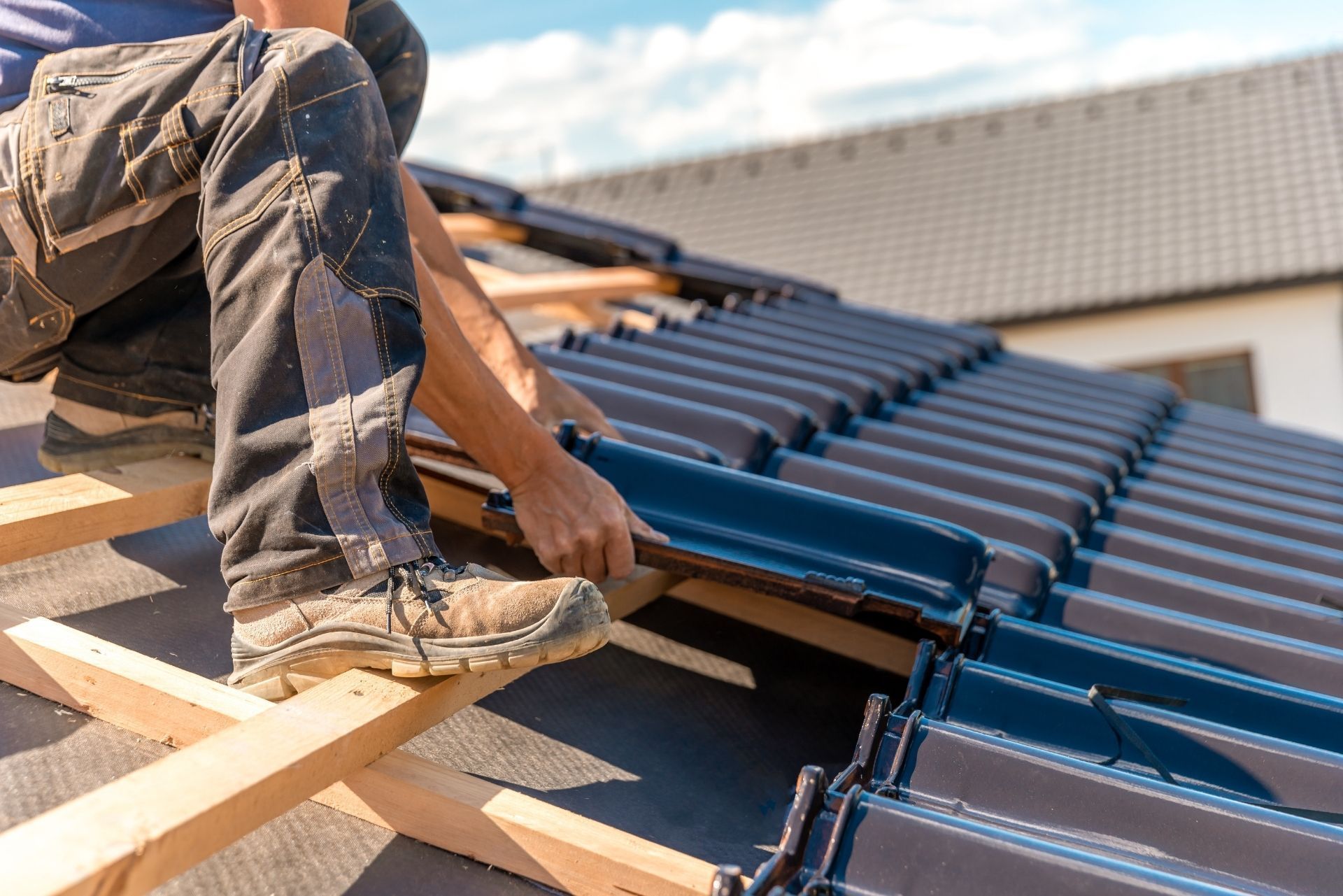
Your liability doesn't end when the last shingle goes down. Completed operations coverage protects you against claims arising from work you've already finished, and for roofers, this is where some of the most expensive claims originate. A roof that leaks six months after installation, causing mold damage to a homeowner's attic, falls squarely into this category.
Coverage for Post-Installation Leaks and Structural Damage
Roof failures often don't show up immediately. Water intrusion can take weeks or months to become visible, and by then the damage can extend well beyond the roof itself: ruined insulation, warped framing, destroyed personal property. Completed operations coverage pays for third-party property damage and bodily injury caused by your finished work. Without it, you're personally on the hook for repair costs, legal defense, and potential judgments.
In Louisiana, where rising claim costs have pushed roof replacement expenses higher even as overall claims have declined, a single uninsured completed operations claim can easily exceed $50,000. That's a business-ending number for most small contractors.
General Liability vs. Completed Operations: A Comparison
Many roofers assume their general liability policy covers everything. It doesn't. Here's how the two differ:
| Coverage Type | What It Covers | When It Applies | Example |
|---|---|---|---|
| General Liability (Premises/Operations) | Injuries or damage during active work | While the job is in progress | A shingle falls and damages a parked ca |
| Completed Operations | Injuries or damage from finished work | After the job is done and accepted | A roof leak causes ceiling collapse two months later |
Most commercial general liability policies include completed operations, but limits, exclusions, and aggregate caps vary. Review your policy's completed operations aggregate separately from your general aggregate. They're not the same bucket of money.
Managing Subcontractor Risk and Certificates of Insurance
Hiring subcontractors is standard practice in roofing, especially during busy hurricane-prep seasons across the Gulf Coast. But every sub you bring onto a job site creates a liability chain that leads back to you. If a subcontractor's worker gets hurt on your job and that sub doesn't carry proper coverage, you'll likely absorb the claim.
Why Manual Audits Check for Subcontractor Coverage
Your insurer will audit your payroll and subcontractor payments annually. During that audit, any subcontractor who can't produce a valid certificate of insurance gets their payments reclassified as your payroll. That reclassification increases your premium retroactively, sometimes dramatically. A $40,000 payment to an uninsured sub could add several thousand dollars to your workers' comp bill at audit time.
The audit process specifically looks for certificates of insurance (COIs) that were active during the policy period. Keeping organized records isn't optional; it's a direct cost-control measure.
Common Pitfalls in Reviewing Subcontractor COIs
Not all COIs are created equal. A certificate might be current but list inadequate limits, exclude roofing operations, or lack completed operations coverage. Here are the most common mistakes contractors make:
- Accepting a COI without verifying the policy is still active on the date work begins
- Failing to confirm that the sub's policy includes your company as an additional insured
- Not checking whether the sub's workers' comp covers the specific class code for roofing
- Assuming a general contractor's certificate covers all downstream subs
At Chabert Insurance: The Ehrhardt Agency, we regularly help roofing contractors in the New Orleans and Mandeville areas set up COI tracking systems so nothing slips through during audit season. A few minutes of verification upfront can save you from a five-figure surprise later.
Tools and Equipment Floaters: Inland Marine for Roofers
Roofing equipment is expensive, mobile, and constantly exposed to theft and damage. Your commercial property policy typically covers items at your business location, but it won't protect a $15,000 nail gun compressor sitting in a trailer at a job site in Kenner. That's where inland marine coverage, often called a tools and equipment floater, fills the gap.
Protecting Assets in Transit and at Job Sites
An equipment floater covers your tools, machinery, and materials while they're being transported between locations or stored at active job sites. Theft from job sites and vehicle break-ins are persistent risks in the roofing industry, and replacing specialty equipment out of pocket can stall your projects for weeks. Floater policies typically cover theft, vandalism, fire, and certain weather-related losses regardless of where the equipment is located.
For Louisiana roofers, this coverage is especially relevant during storm season when equipment may be staged at multiple sites simultaneously.
Scheduled vs. Unscheduled Equipment Coverage
You have two basic options for structuring your floater:
- Scheduled coverage lists each piece of equipment individually with its own insured value. This works well for high-value items like aerial lifts, generators, and specialized cutting tools.
- Unscheduled coverage provides a blanket limit that applies to all qualifying equipment without itemizing each piece. This is simpler to manage but may cap individual item payouts.
Most roofing contractors benefit from a hybrid approach: scheduling their most valuable assets while keeping a blanket limit for hand tools and smaller items. Your agent should review your equipment inventory at least annually to make sure coverage keeps pace with what you actually own.
Why Workers Compensation is Non-Negotiable in Roofing
Workers' compensation for roofing contractors is among the most expensive of any trade. The base rate for Class Code 5551 starts around $6.75 per $100 of payroll in some states and climbs much higher in others. Louisiana's rates reflect the state's claim frequency and severity patterns, and roofing consistently sits near the top.
The math is straightforward: roofers face fall hazards, heat exposure, repetitive strain injuries, and tool-related accidents at rates that dwarf most other construction trades. OSHA penalties for safety violations now exceed $16,000 per serious violation, and employers with inadequate heat illness prevention plans face additional scrutiny under 2026 enforcement standards.
Skipping workers' comp isn't just illegal in Louisiana for employers with one or more employees; it's a financial gamble with catastrophic downside. A single fall from a two-story roof can generate medical bills exceeding $200,000, and without coverage, that liability lands directly on you. Maintaining a strong safety program, investing in fall protection equipment, and managing your experience modification rate are the most effective ways to control these costs over time.
Common Questions About Roofing Insurance
Does my general liability policy automatically include completed operations? Most standard CGL policies include completed operations coverage, but limits and exclusions vary. Always confirm your completed operations aggregate with your agent, as it's separate from your general liability aggregate.
Can I reduce my workers' comp premium? Yes. A clean safety record lowers your experience modification rate over time. Drug testing programs, formal safety training, and return-to-work programs can also qualify you for premium credits with many carriers.
What happens if a subcontractor doesn't have insurance? Your insurer will treat the sub's payments as your payroll during the annual audit, increasing your premium. You may also be held liable for any injuries the sub's workers sustain on your job.
Do I need a separate policy for my equipment? Your commercial property policy likely doesn't cover equipment away from your premises. An inland marine floater extends protection to tools and machinery at job sites and in transit.
How do class codes affect my premium? Your class code reflects the type of work you perform and its associated risk level. Roofing class codes carry some of the highest rates in construction. Accurate classification prevents audit surprises and ensures claims are covered.
Are OSHA heat rules changing my insurance costs? Indirectly, yes. Federal contractors face new heat illness prevention requirements in 2026, and insurers increasingly factor compliance history into underwriting decisions. A heat-related incident with no prevention plan in place strengthens a negligence claim against you.
Making the Right Choice for Your Roofing Business
Roofing contractor insurance isn't a single policy; it's a coordinated set of coverages that address the specific hazards your crews face every day. Height and heat class codes determine your baseline cost. Completed operations coverage protects you long after the job wraps up. Subcontractor certificates keep audit surprises at bay. Equipment floaters safeguard the tools that keep your business running. And workers' compensation, while expensive, stands between you and financial ruin after a serious injury.
The difference between a policy that actually protects you and one that just checks a box often comes down to how well your agent understands roofing. At Chabert Insurance: The Ehrhardt Agency, we work with roofing contractors across the New Orleans and Mandeville areas who need coverage built around real job-site conditions, not generic templates. If you're unsure whether your current policy addresses all five of these critical areas, a coverage review with a local agent who knows the Louisiana market can reveal gaps before a claim doe
On this page
Fully licensed
Chabert Insurance: The Ehrhardt Agency is a fully licensed independent insurance agency serving individuals, families, and businesses across Louisiana and Mississippi.
From our offices in Mandeville and New Orleans, we proudly serve clients in Mandeville, Covington, New Orleans, Kenner, Metairie, Harahan, River Ridge, and Slidell, as well as the Westbank and St. Bernard Parish, and communities throughout Louisiana and Mississippi. As an independent agency, our team works with a wide range of top-rated carriers to provide personal and commercial coverage — home, auto, flood, commercial, life, and more — built around the real needs of the people and businesses we protect.
OTHER INSURANCE COVERAGE
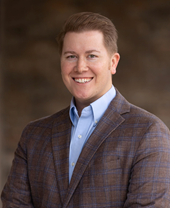
About the Author
Ryan J. Ehrhardt
Owner / Licensed Agent
I'm Ryan J. Ehrhardt, owner and licensed agent at Chabert Insurance: The Ehrhardt Agency. I lead our team across our Mandeville and New Orleans offices, and I work with families and business owners every day to find coverage that fits their lives. I believe insurance should be simple to understand, so I take the time to explain your options in plain language before you decide.
As an independent agent, I answer to you, not to a single carrier. That means I can shop your policy across many companies and focus on what protects you best. When you call our office, you reach a real person who knows your account. I would be glad to review your coverage and help you feel confident about it.

[CONFIRM name]
Google review · Mandeville office
Home, Auto, Flood, Commercial & Life Insurance
Insurance built around your life in Louisiana
We compare coverage across many carriers and build one program that protects everything you own.
Home Insurance
Cover the cost to rebuild your house, replace your belongings, and answer a liability claim against your household.
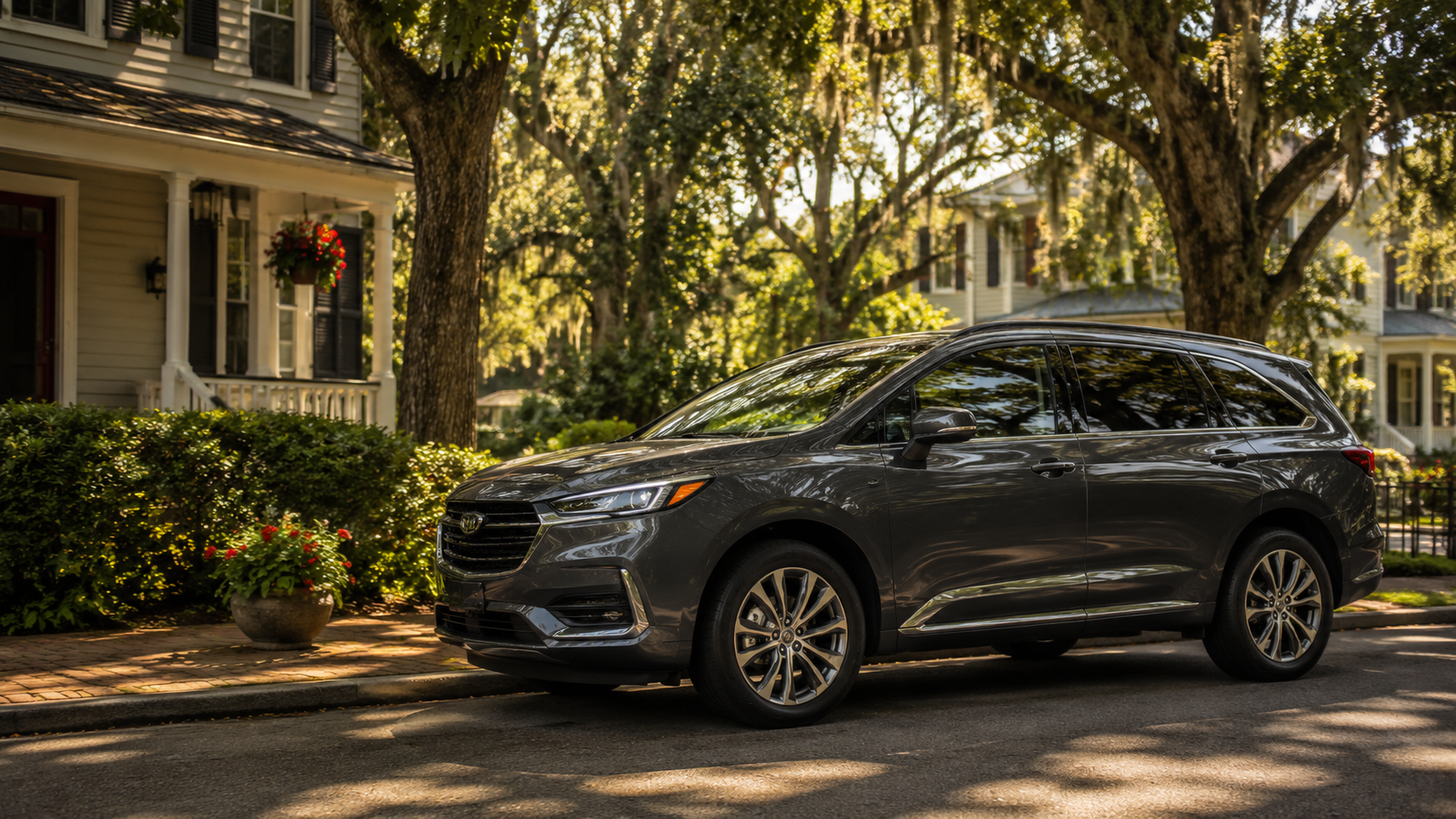
Auto Insurance
Protect your vehicles with liability, collision, and uninsured motorist limits that hold up after a serious Louisiana wreck.
Flood Insurance
Your homeowners policy excludes flood. We quote NFIP and private options for your building and its contents.
Commercial Insurance
Liability, property, workers' compensation, and commercial auto for Louisiana businesses, priced against how your company operates.

Life Insurance
Replace the income your family depends on, with term and permanent options priced across several carriers.

Umbrella Insurance
Add a layer of liability protection above your auto and home limits, usually for a modest premium.
Ruston
Baton Rouge
Mandeville
Gretna
Louisiana Home Insurance
Home insurance built around where you live
Home insurance is our specialty. We write homeowners policies across Louisiana and price them against the wind, hail, and flood risk in your parish.
Areas we cover
Commercial Insurance for Louisiana Businesses
Coverage that keeps your business running
We build commercial programs around how your company actually operates, then compare carriers on price and claim service.

General Liability
Covers claims of bodily injury or property damage that come from your day-to-day operations.
Commercial Property
Protects your building, equipment, and inventory against fire, storm, theft, and other covered losses.
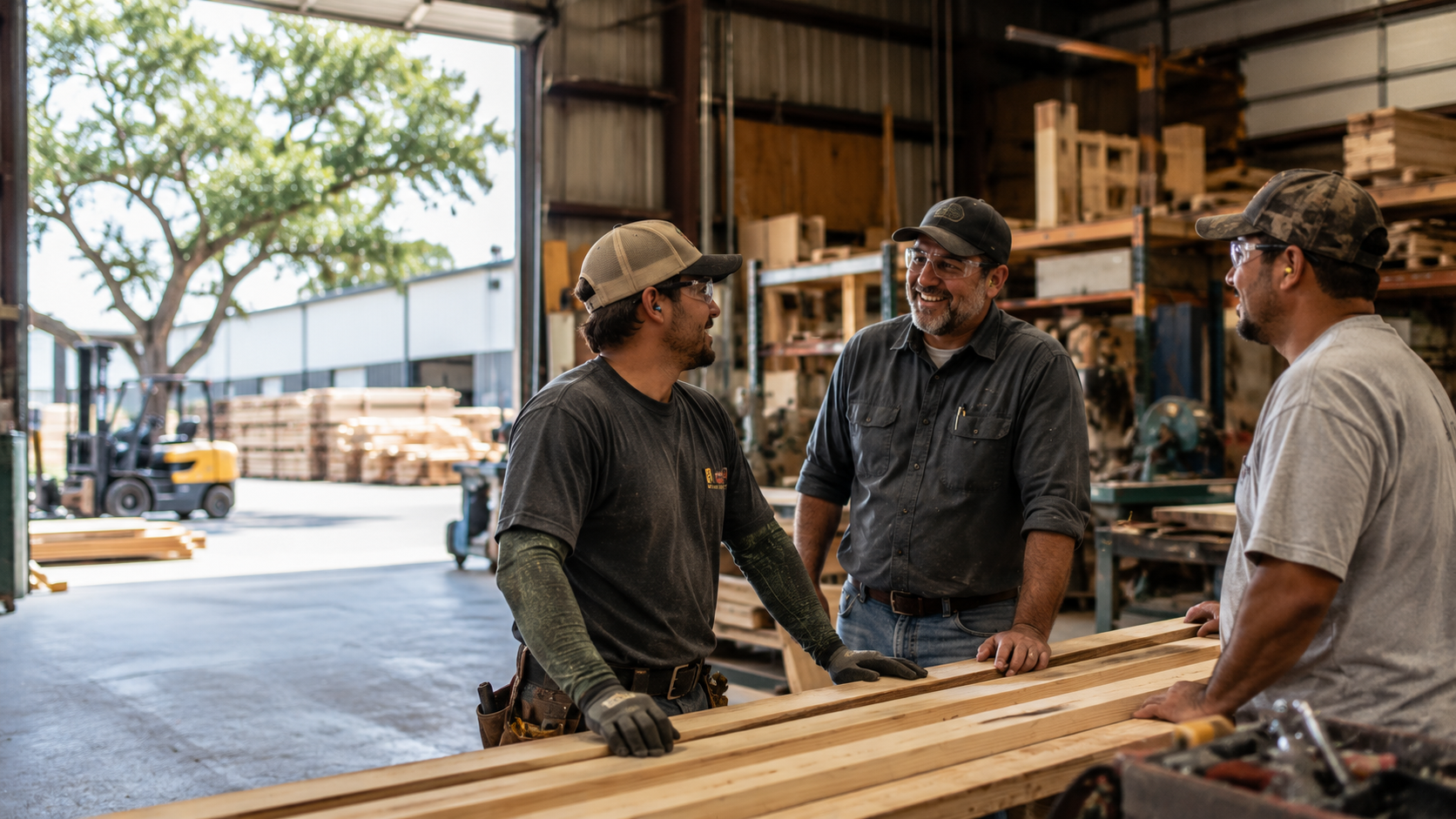
Workers' Compensation
Pays medical care and lost wages when an employee is hurt on the job, as Louisiana requires.
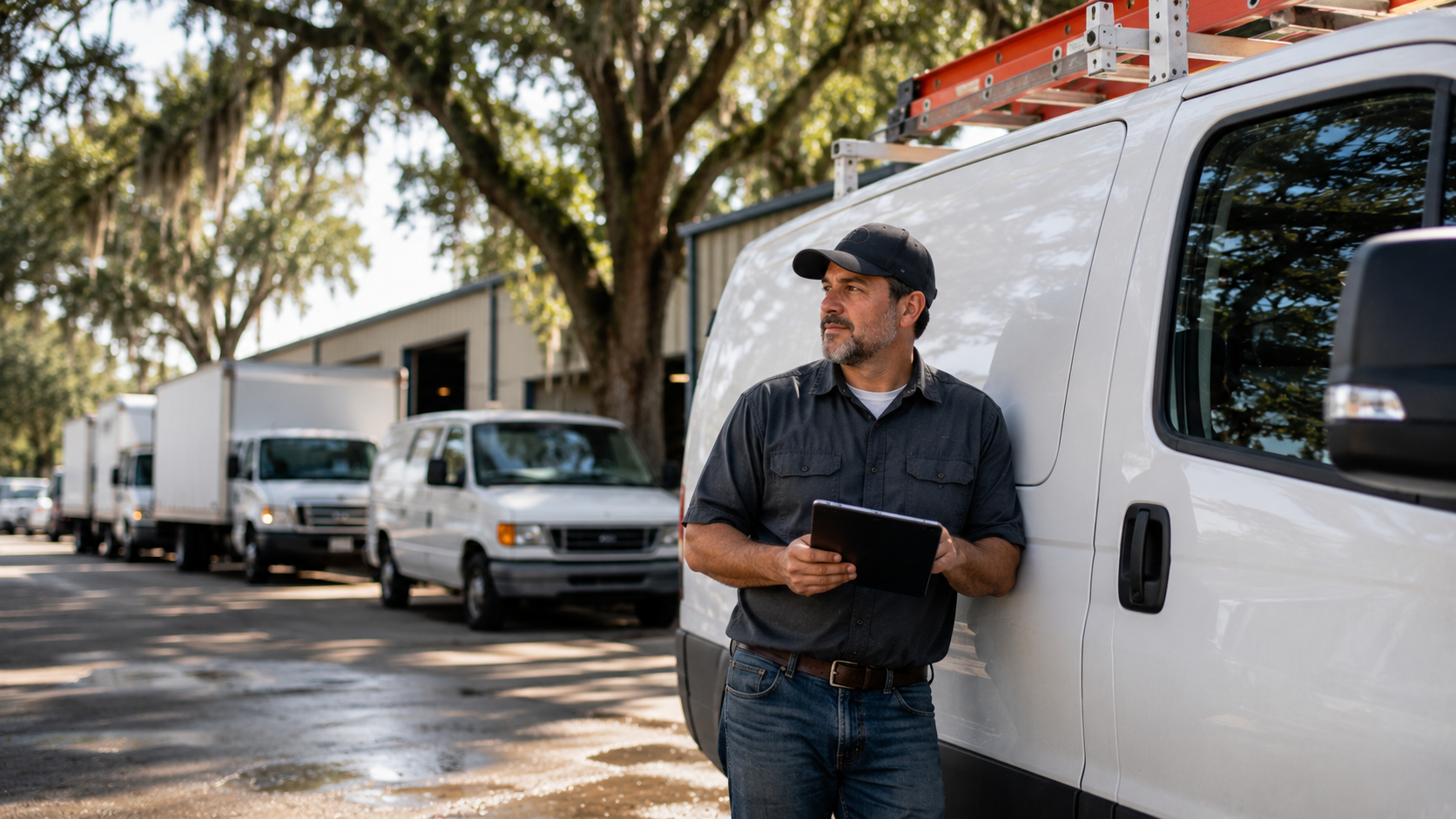
Commercial Auto
Covers the vehicles your business owns, along with the employees who drive them for work.

Professional Liability
Covers claims that your professional advice or services caused a client a financial loss.

Cyber Liability
Handles breach response, notification costs, and liability after customer data is exposed.
[CONFIRM name]
Google review · Mandeville office
Business Insurance by Industry
Specialized coverage for your line of work
Every trade carries its own risks. We know the coverage these Louisiana businesses need and where the gaps usually sit.
Plumbers
Liability, tools, and commercial auto coverage built for water damage claims and job-site risk.
Restaurants
Property, liquor liability, and spoilage coverage for kitchens, dining rooms, and your staff.
Real Estate Investors
Landlord property, liability, and vacancy coverage for rentals, flips, and multi-unit buildings.
[CONFIRM name]
Google review · Mandeville office
How to Get Insured in 4 Steps
Getting covered is simple
You talk to a licensed agent from the first call to the annual review.

1
Tell us about you
Share what you want to protect. A licensed agent asks about your home, vehicles, family, or business and gathers the details carriers need.
2
We shop our carriers
We compare options across the markets we represent and look at price, coverage limits, and how each carrier handles claims.
3
Review your choices
We explain coverage and price in plain language, side by side, so you can see the trade-offs before you choose.
4
Get covered
Your policy starts, you get your documents, and we review the coverage with you each year.
5-Star Rated by Louisiana Clients
What our clients say
Louisiana families and business owners rate us 5 stars for clear advice and fast answers.
139+ five-star reviews across our Mandeville and New Orleans offices