
Variant Insurance Group is a licensed independent insurance agency in Minnesota. [CONFIRM license #.]
Get a Quote
Variant Insurance Group is a licensed independent insurance agency serving Minnesota families and businesses.
From our office in Maple Plain, our team works with many of Minnesota's top-rated carriers so your home, auto, life, and business coverage fits your real needs. We serve families and businesses across Minnesota.
New title
New title
The Risk Assessment Shift for Insurers
Do I really need flood insurance if I'm not in a high-risk zone?
A fire rips through a 12-unit apartment building in Metairie on a Tuesday night. Every tenant is displaced, the roof is gone, and the city inspector flags three code violations that existed before the blaze. The owner now faces rebuilding costs, months of lost rental income, potential lawsuits from injured tenants, and mandatory code upgrades the original policy never anticipated. This scenario plays out across Louisiana more often than most landlords expect, and the difference between financial recovery and ruin comes down to how your multifamily property insurance is structured.
Whether you own a single duplex in Mandeville or a portfolio of apartment complexes across the New Orleans metro area, the coverage decisions you make today determine how well you survive tomorrow's claim. Building property, loss of rents, premises liability, ordinance or law upgrades, and portfolio deductible structures all work together as a system. Get one piece wrong and the whole thing can fall apart when you need it most. The good news: well-managed multifamily portfolios are seeing property rate reductions of 10% to 25% on average in 2026, which means now is a smart time to reassess your coverage and potentially lock in better pricing.
Essential Property Coverage for Multifamily Buildings
Your building is the foundation of your investment, and your property coverage should reflect its true value. A standard multifamily property policy covers the physical structure: walls, roof, plumbing, electrical, HVAC systems, and permanently installed fixtures. It also typically extends to common areas like lobbies, laundry rooms, parking structures, and landscaping.
One mistake duplex and apartment owners make is underinsuring the building itself. Construction costs in the Greater New Orleans area have climbed steadily, and what it cost to build your property ten years ago won't cover a rebuild today. Your agent should run a replacement cost estimate annually, not just at policy inception. Skipping this step is how owners end up with a 30% coverage gap after a hurricane.
Comparing Actual Cash Value vs. Replacement Cost
The choice between actual cash value (ACV) and replacement cost value (RCV) affects every claim you'll ever file. ACV pays what the damaged property is worth at the time of loss, factoring in depreciation. A 15-year-old roof on a duplex might only be valued at 40% of a new roof under ACV.
RCV, on the other hand, pays to replace damaged property with new materials of similar kind and quality, without deducting for depreciation. The premium difference is real: you'll pay more for RCV. But the claim difference is dramatic. On a $200,000 building loss, ACV might pay $130,000 while RCV pays the full $200,000. For income-producing property, RCV is almost always the smarter investment.
Understanding Ordinance or Law Coverage for Older Buildings
Many apartment buildings and duplexes in New Orleans were built decades ago under older building codes. After a covered loss, the city may require you to bring the entire structure up to current codes, not just repair the damaged portion. Standard property policies don't cover these mandatory upgrades.
Ordinance or law coverage fills this gap. It typically has three components: coverage for the loss in value of the undamaged portion of the building, the cost to demolish the undamaged portion if required, and the increased cost of construction to meet current codes. For pre-1970s buildings, this endorsement can add 25% to 50% in additional claim recovery. If your building has knob-and-tube wiring, lead paint, or outdated fire suppression, this coverage isn't optional: it's essential.
Protecting Cash Flow with Loss of Rents Coverage
Rental income doesn't stop being a financial obligation just because a fire or storm makes your units uninhabitable. Your mortgage, property taxes, and insurance premiums keep coming due. Loss of rents coverage (sometimes called business income or rental value coverage) replaces the rental income you lose while your property is being repaired or rebuilt.
This coverage typically kicks in after a covered loss makes units untenantable and continues for a set period, usually 12 months, though some policies offer 18 or 24 months. For a 20-unit apartment building generating $16,000 per month in gross rents, a 10-month rebuild means $160,000 in lost income. Without this coverage, that loss comes straight out of your pocket.
One detail Louisiana landlords should watch: make sure your policy covers the period of restoration, not just a flat dollar amount. A flat cap might run out before repairs are complete, especially given the commercial property insurance trends shaping 2026 and the contractor delays common after regional storm events.
Managing Risk with Premises Liability and Medical Payments
Owning rental property means owning the risk that someone gets hurt on your premises. Premises liability coverage protects you when a tenant, guest, or delivery person is injured on your property and holds you responsible. Medical payments coverage works alongside it, paying small injury claims regardless of fault, which can prevent minor incidents from becoming lawsuits.
Standard liability limits for multifamily properties typically start at $1 million per occurrence, but many landlords carry a commercial umbrella that pushes total coverage to $2 million or higher. In a state like Louisiana, where personal injury litigation is common, skimping on liability limits is a gamble most owners can't afford.
Common Liability Triggers: Slip and Falls to Security Issues
The most frequent liability claims on apartment properties fall into predictable categories. Slip-and-fall incidents on wet walkways, broken stairs, or poorly lit parking lots account for a large share. Negligent security claims arise when a tenant is assaulted and argues the owner failed to provide adequate lighting, locks, or security measures.
Dog bite incidents from other tenants' pets, swimming pool injuries, and exposure to mold or lead paint round out the list. Each of these claims can generate six-figure settlements. Your best defense is a combination of proper maintenance, documented inspections, and sufficient liability limits. A local agency like Chabert Insurance: The Ehrhardt Agency can help you identify the specific liability exposures tied to your property type and neighborhood.
Comparison: Basic vs. Special Form Coverage
The type of peril form on your policy determines what's covered and what isn't. Here's how the two most common forms compare:
| Feature | Basic (Named Perils) Form | Special (Open Perils) Form |
|---|---|---|
| Perils Covered | Only perils specifically listed (fire, lightning, windstorm, hail, explosion, etc.) | All perils except those specifically excluded |
| Theft Inclusion | Not included unless added by endorsement | Included as a covered peril |
| Burden of Proof | Owner must prove the loss was caused by a named peril | Insurer must prove an exclusion applies |
| Water Damage | Limited to specific scenarios (e.g., fire suppression discharge) | Broader coverage for sudden/accidental water damage |
| Cost Impact | Lower premiums: typically 15-25% less | Higher premiums but significantly fewer coverage gaps |
| Best For | Budget-conscious owners with newer buildings in low-risk areas | Most multifamily owners, especially those with older buildings |
For most apartment and duplex owners in Louisiana, the special form is worth the extra premium. Hurricane-related exclusions still apply under both forms (flood requires a separate policy), but the special form catches the unexpected losses that named-peril policies miss. Real estate owners who've shifted to this broader coverage are finding meaningful savings and fewer surprises during claims.
Portfolio Deductible Structures for Multiple Locations
Once you own more than one rental property, how your deductibles are structured starts to matter significantly. The right deductible arrangement can save thousands on premiums while keeping your out-of-pocket exposure manageable after a loss.
The Benefits of a Master Policy for Duplex Owners
Instead of carrying separate policies for each duplex or small apartment building, a master policy bundles all your properties under one contract. This approach typically offers lower total premiums, simplified renewals, and consistent coverage terms across your entire portfolio.
For duplex owners in the New Orleans and Mandeville areas, a master policy also eliminates the risk of coverage gaps between properties. You won't accidentally let one policy lapse or discover that Building A has ordinance or law coverage while Building B doesn't. A single policy reviewed annually with your agent at Chabert Insurance: The Ehrhardt Agency keeps everything aligned.
Per-Occurrence vs. Per-Building Deductibles
A per-building deductible means you pay a separate deductible for each property that sustains damage. If a hurricane damages four of your six buildings, you're paying four deductibles. A per-occurrence deductible means you pay one deductible for the entire event, regardless of how many buildings are affected.
Per-occurrence deductibles usually come with slightly higher premiums, but they cap your exposure during widespread events. For Louisiana property owners who face hurricane season every year, this structure often makes more financial sense. The multifamily market trends for 2026 show more carriers offering flexible deductible options to attract well-maintained portfolios.
Frequently Asked Questions About Multifamily Insurance
Do I need a commercial policy for a small duplex?
If you live in one unit and rent the other, a standard homeowner's policy with a landlord endorsement might suffice. But if both units are rented out, most carriers require a commercial dwelling or landlord policy. Your agent can clarify which applies to your situation.
How long does Loss of Rents coverage usually last?
Most policies provide 12 months of rental income replacement, though 18- and 24-month options exist. Given the insurance cost factors affecting multifamily rental properties in 2026, choosing a longer restoration period is worth considering, especially if your building is older or in a high-demand contractor market.
Does my insurance cover tenant damage to the units?
Generally, no. Your property policy covers damage from covered perils like fire or storms, not intentional or negligent damage caused by tenants. That's what security deposits and tenant screening are for. Tenants should carry their own renters insurance for their belongings.
What does Ordinance or Law coverage actually pay for?
It covers three things: the value lost when undamaged portions of a building must be demolished to comply with codes, the demolition costs themselves, and the increased construction costs to bring the rebuilt structure up to current building standards.
Can I have one deductible for my entire apartment portfolio?
Yes. A master policy or portfolio program can include a single per-occurrence deductible that applies across all your properties. This is particularly valuable for owners with multiple buildings in the same geographic area exposed to the same weather events.
Making the Right Choice for Your Investment
Insuring multifamily property correctly requires more than picking the cheapest quote. Every coverage element: building valuation, loss of rents, liability, ordinance or law, and deductible structure plays a specific role in protecting your investment and your cash flow. Getting these pieces right means fewer surprises during claims and more confidence between them.
Louisiana's insurance market has unique pressures, from hurricane exposure to aging building stock to evolving building codes. Working with a local agency that understands these realities, like Chabert Insurance: The Ehrhardt Agency in New Orleans and Mandeville, gives you access to carriers and structures that national brokers often overlook. The insurance landscape is shifting in favor of well-managed portfolios, and owners who review their coverage now stand to benefit most.
Take a hard look at your current policies. Compare your building valuations to actual reconstruction costs. Confirm your loss of rents period matches a realistic rebuild timeline. And if you own more than one property, ask about portfolio deductible options that could reduce both your premiums and your risk.
On this page
Fully licensed
Chabert Insurance: The Ehrhardt Agency is a fully licensed independent insurance agency serving individuals, families, and businesses across Louisiana and Mississippi.
From our offices in Mandeville and New Orleans, we proudly serve clients in Mandeville, Covington, New Orleans, Kenner, Metairie, Harahan, River Ridge, and Slidell, as well as the Westbank and St. Bernard Parish, and communities throughout Louisiana and Mississippi. As an independent agency, our team works with a wide range of top-rated carriers to provide personal and commercial coverage — home, auto, flood, commercial, life, and more — built around the real needs of the people and businesses we protect.
OTHER INSURANCE COVERAGE

About the Author
Ryan J. Ehrhardt
Owner / Licensed Agent
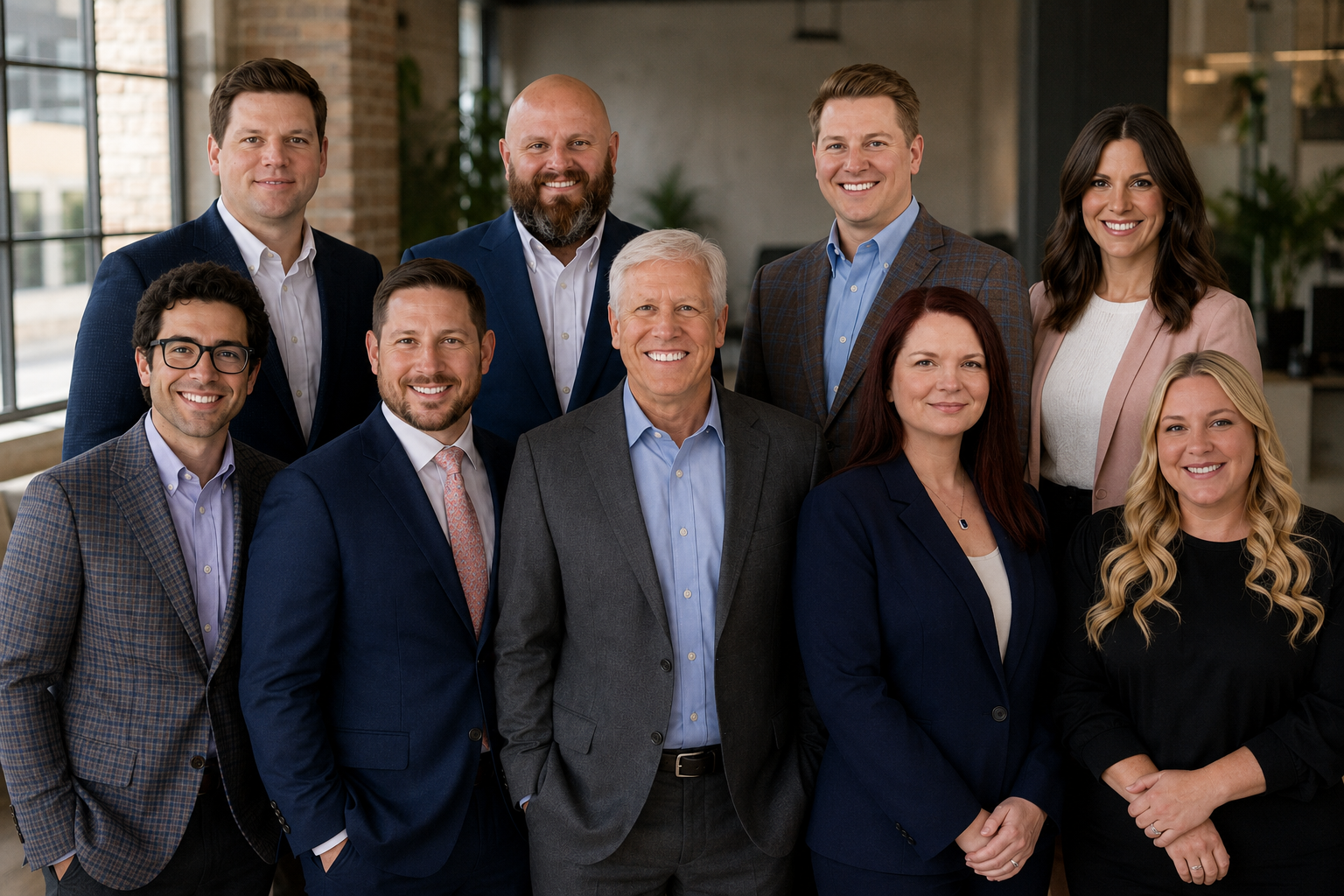
I'm Ryan J. Ehrhardt, owner and licensed agent at Chabert Insurance: The Ehrhardt Agency. I lead our team across our Mandeville and New Orleans offices, and I work with families and business owners every day to find coverage that fits their lives. I believe insurance should be simple to understand, so I take the time to explain your options in plain language before you decide.
As an independent agent, I answer to you, not to a single carrier. That means I can shop your policy across many companies and focus on what protects you best. When you call our office, you reach a real person who knows your account. I would be glad to review your coverage and help you feel confident about it.

[CONFIRM name]
Google review · Mandeville office
Home, Auto, Flood, Commercial & Life Insurance
Insurance built around your life in Louisiana
We compare coverage across many carriers and build one program that protects everything you own.
Home Insurance
Cover the cost to rebuild your house, replace your belongings, and answer a liability claim against your household.
Auto Insurance
Protect your vehicles with liability, collision, and uninsured motorist limits that hold up after a serious Louisiana wreck.
Flood Insurance
Your homeowners policy excludes flood. We quote NFIP and private options for your building and its contents.
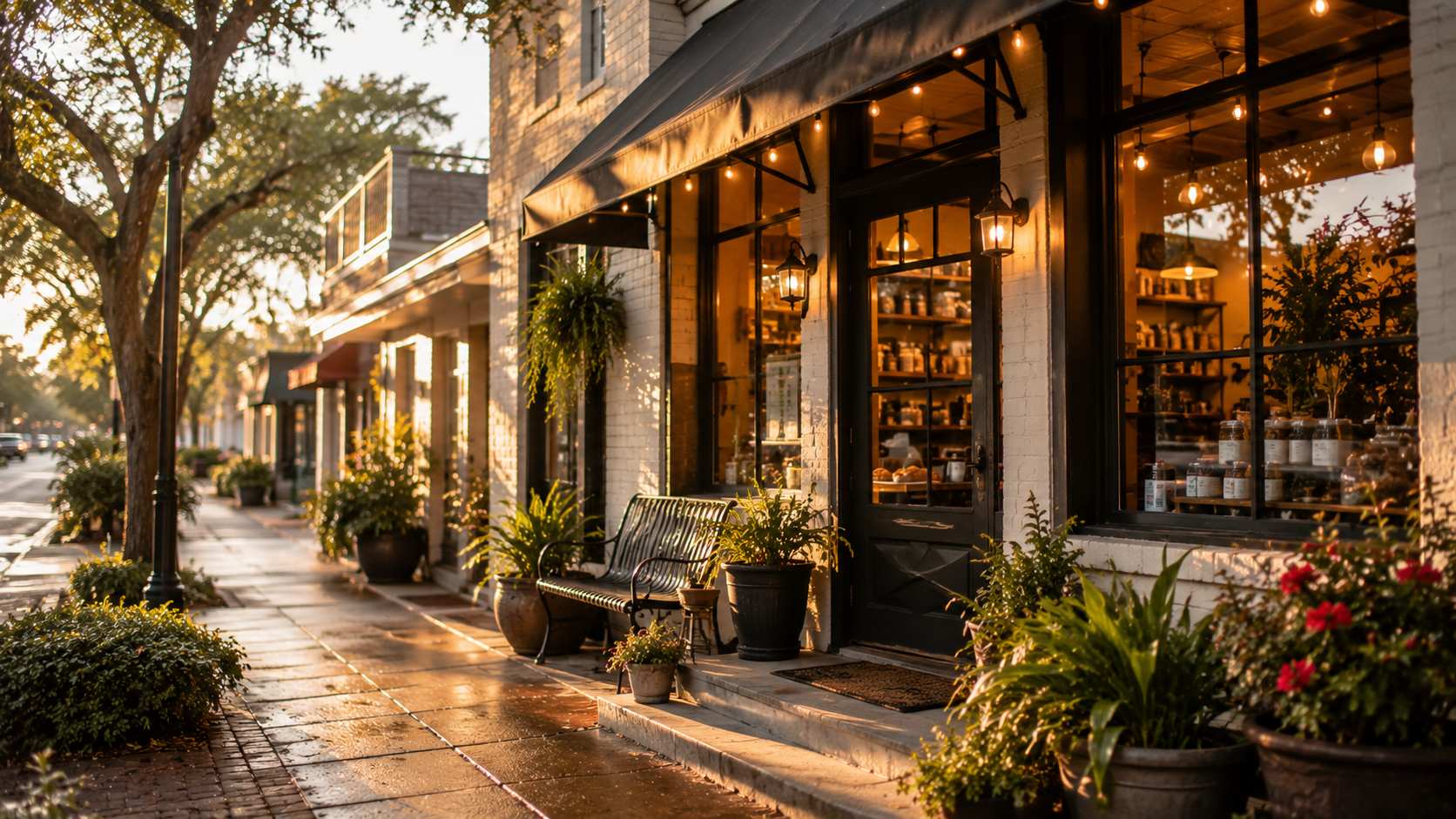
Commercial Insurance
Liability, property, workers' compensation, and commercial auto for Louisiana businesses, priced against how your company operates.
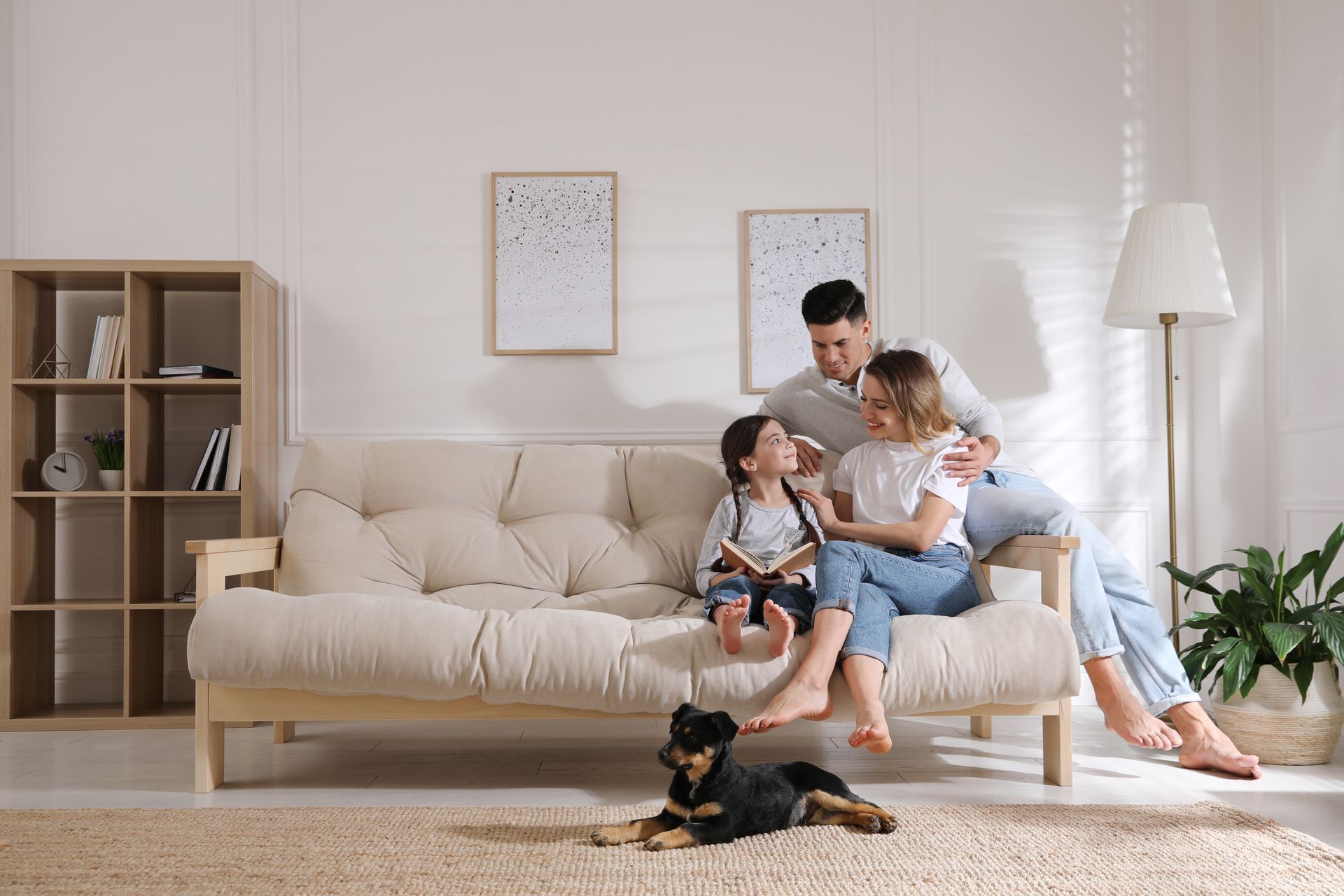
Life Insurance
Replace the income your family depends on, with term and permanent options priced across several carriers.

Umbrella Insurance
Add a layer of liability protection above your auto and home limits, usually for a modest premium.
Ruston
Baton Rouge
Mandeville
Gretna
Louisiana Home Insurance
Home insurance built around where you live
Home insurance is our specialty. We write homeowners policies across Louisiana and price them against the wind, hail, and flood risk in your parish.
Areas we cover
Commercial Insurance for Louisiana Businesses
Coverage that keeps your business running
We build commercial programs around how your company actually operates, then compare carriers on price and claim service.

General Liability
Covers claims of bodily injury or property damage that come from your day-to-day operations.
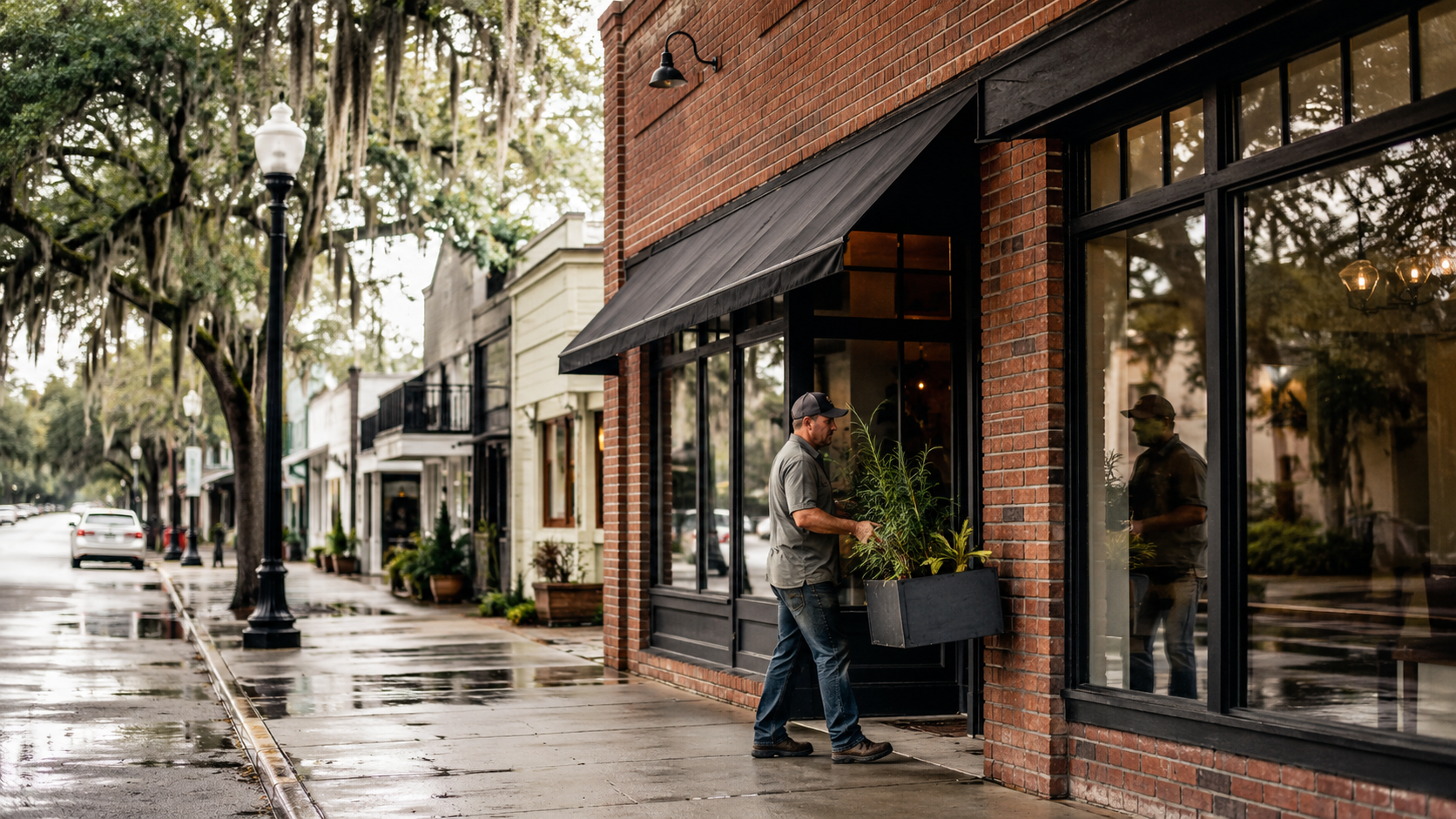
Commercial Property
Protects your building, equipment, and inventory against fire, storm, theft, and other covered losses.

Workers' Compensation
Pays medical care and lost wages when an employee is hurt on the job, as Louisiana requires.
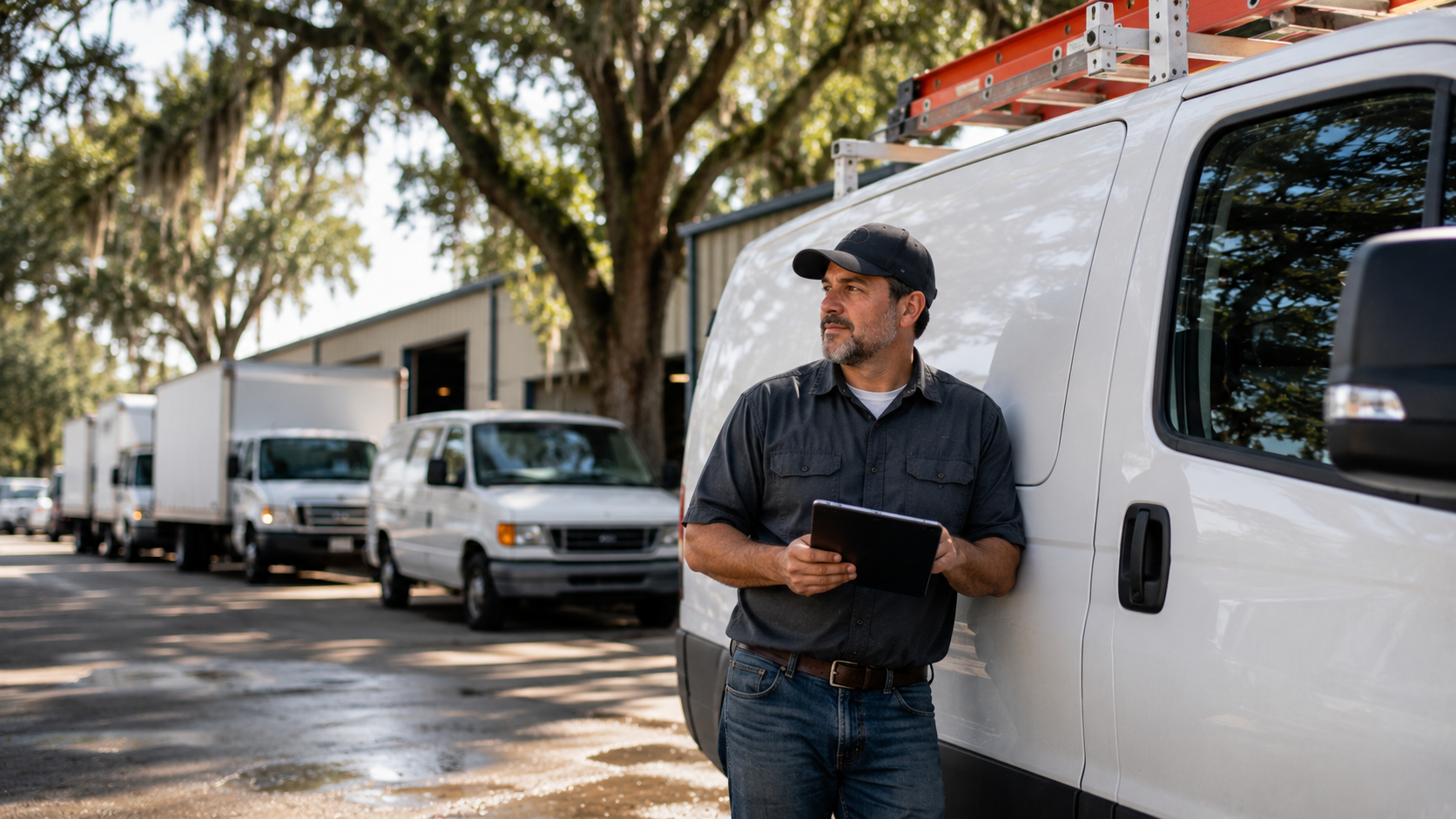
Commercial Auto
Covers the vehicles your business owns, along with the employees who drive them for work.

Professional Liability
Covers claims that your professional advice or services caused a client a financial loss.

Cyber Liability
Handles breach response, notification costs, and liability after customer data is exposed.
[CONFIRM name]
Google review · Mandeville office
Business Insurance by Industry
Specialized coverage for your line of work
Every trade carries its own risks. We know the coverage these Louisiana businesses need and where the gaps usually sit.
Plumbers
Liability, tools, and commercial auto coverage built for water damage claims and job-site risk.
Restaurants
Property, liquor liability, and spoilage coverage for kitchens, dining rooms, and your staff.
Real Estate Investors
Landlord property, liability, and vacancy coverage for rentals, flips, and multi-unit buildings.
[CONFIRM name]
Google review · Mandeville office
How to Get Insured in 4 Steps
Getting covered is simple
You talk to a licensed agent from the first call to the annual review.

1
Tell us about you
Share what you want to protect. A licensed agent asks about your home, vehicles, family, or business and gathers the details carriers need.
2
We shop our carriers
We compare options across the markets we represent and look at price, coverage limits, and how each carrier handles claims.
3
Review your choices
We explain coverage and price in plain language, side by side, so you can see the trade-offs before you choose.
4
Get covered
Your policy starts, you get your documents, and we review the coverage with you each year.
5-Star Rated by Louisiana Clients
What our clients say
Louisiana families and business owners rate us 5 stars for clear advice and fast answers.
139+ five-star reviews across our Mandeville and New Orleans offices