
Variant Insurance Group is a licensed independent insurance agency in Minnesota. [CONFIRM license #.]
Get a Quote
Variant Insurance Group is a licensed independent insurance agency serving Minnesota families and businesses.
From our office in Maple Plain, our team works with many of Minnesota's top-rated carriers so your home, auto, life, and business coverage fits your real needs. We serve families and businesses across Minnesota.
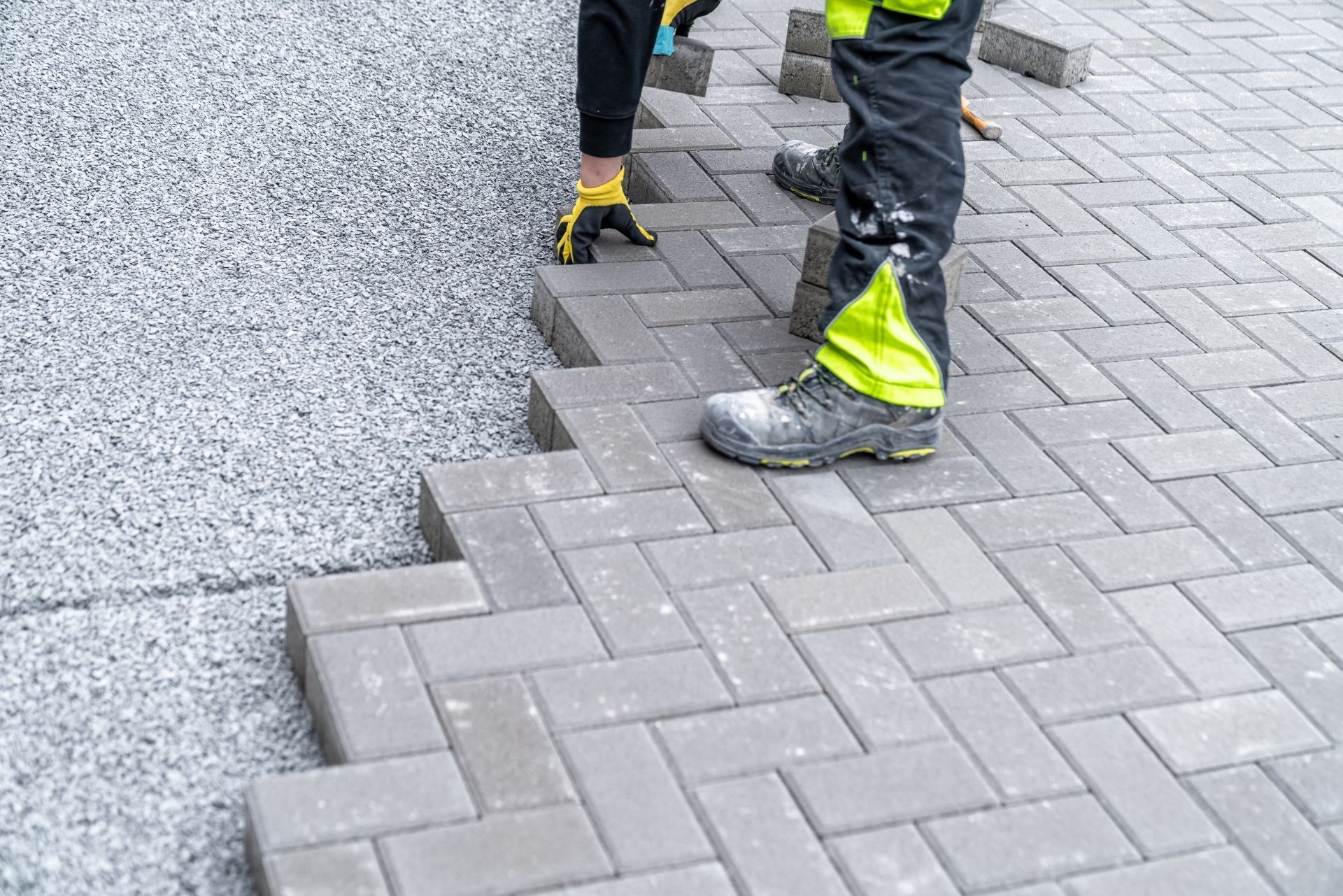
A single paving job can put hundreds of thousands of dollars at risk before the first load of hot mix ever hits the ground. Between heavy equipment rolling down public roads, crews directing traffic around active work zones, and the long-tail liability that comes with pavement expected to last a decade or more, asphalt contractors face a risk profile that off-the-shelf business insurance simply can't handle. The right insurance program for a paving contractor needs to address general liability, road and highway exposure, equipment protection, commercial auto, traffic control liability, and completed operations coverage - all working together without dangerous gaps.
Louisiana contractors know this pressure well. State DOT contracts, municipal overlay projects in New Orleans, and private parking lot work in Mandeville each carry their own bonding and insurance requirements. Miss a coverage detail, and you could lose a bid or, worse, face an uncovered claim that shuts down your business. Understanding how each coverage piece fits together isn't just smart planning: it's the difference between growing your company and gambling with it.
This guide breaks down the specific insurance coverages asphalt and paving contractors need, explains how specialized policies differ from standard ones, and highlights the long-term liability issues that catch too many contractors off guard.
Essential Insurance Coverages for Paving and Asphalt Businesses
Paving operations create a unique mix of exposures that standard contractor policies often miss. Your crews work in public rights-of-way, operate equipment worth six figures, and leave behind finished work that property owners expect to perform for years. Each of these exposures requires its own coverage layer, and they need to be coordinated so there's no gap between where one policy ends and another begins.
A typical paving operation needs at minimum: commercial general liability, commercial auto, inland marine (equipment floaters), workers' compensation, and umbrella/excess liability. But the details within each of those policies matter far more than simply having them on the shelf. Exclusions for work in public roadways, sublimits on hot materials, and pollution exclusions for asphalt fumes can hollow out a policy that looks adequate on paper.
General Liability for Site Damage and Injuries
Your general liability policy is the foundation. It covers third-party bodily injury and property damage claims arising from your operations. For paving contractors, that includes scenarios like a pedestrian stepping into an unmarked trench, hot asphalt splashing onto a parked car, or a property owner claiming your crew damaged underground utilities during milling.
Standard GL policies written for general contractors often include exclusions for work performed in public roadways or for damage caused by vibration from heavy rollers. You need a policy specifically endorsed for paving and road construction operations. Pay close attention to the "products-completed operations" aggregate, which is separate from your general aggregate: we'll cover that in detail later.
One common mistake Louisiana paving contractors make is carrying the state-minimum $300,000 per-occurrence limit. Most municipal contracts in Orleans and St. Tammany parishes require $1 million per occurrence and $2 million aggregate at a minimum. A recent $30 million settlement involving asphalt contractor fraud shows just how high the stakes can climb.
Commercial Auto for Heavy Trucks and Pavers
Paving contractors don't drive sedans to the job site. Your fleet likely includes dump trucks, tandem-axle haulers, lowboy trailers, and possibly a pickup or two. Commercial auto insurance for paving operations needs to account for the weight of these vehicles, the materials they carry, and the fact that they often operate in active work zones alongside civilian traffic.
Hired and non-owned auto coverage is critical if you ever use subcontracted haulers or if employees drive personal vehicles for company business. Motor truck cargo coverage protects the hot mix or aggregate you're hauling if it's damaged or lost in transit. Fleet safety programs are becoming a bigger factor in premium calculations: predictive analytics and driver monitoring are increasingly common tools insurers want to see in 2026.
Inland Marine: Protecting Your Equipment Floaters
Your asphalt paver, milling machine, rollers, and skid steers don't stay in one place. They move from job to job, sit on trailers overnight, and sometimes get staged at locations you don't own. Standard property insurance covers equipment at a fixed location: it won't help when your $400,000 paver is stolen from a job site in Metairie.
An inland marine equipment floater provides coverage for mobile equipment on an agreed-value or replacement-cost basis, regardless of where it's located. Make sure your policy covers equipment in transit, rented equipment you're responsible for, and newly acquired equipment with an automatic coverage window. Deductibles on equipment floaters typically range from $1,000 to $5,000 per item, so factor that into your cost analysis.
Managing Risks in Road and Highway Work
Road and highway projects carry exposures that parking lot overlays simply don't. You're working feet away from vehicles traveling at highway speeds, often at night, and the consequences of an incident can be catastrophic. Your insurance program needs to specifically address these elevated risks.
Traffic Control and Third-Party Liability
Traffic control liability is one of the most overlooked exposures in paving. If your company sets up lane closures, deploys flaggers, or places temporary barriers, you're accepting responsibility for the safety of every driver passing through that zone. A single failure in traffic control setup can lead to multi-vehicle accidents with injuries or fatalities.
The BUILD America 250 Act, a $580 billion surface transportation reauthorization bill, expands eligibility for positive protective barriers in work zones. This legislation reflects growing federal concern about work zone safety, and it's likely to raise the standard of care expected from contractors. Improved work zone safety requirements under this bill mean paving contractors should review their traffic control procedures and insurance coverage now, before new standards take effect.
Your GL policy should include or be endorsed for traffic control operations. Some insurers offer standalone traffic control liability policies for contractors who perform significant highway work.
Municipal and DOT Contract Requirements
Government contracts come with strict insurance specifications. Louisiana DOTD projects typically require $1 million per-occurrence GL, $1 million commercial auto, and an umbrella policy of $5 million or more. You'll also need to name the government entity as an additional insured on your GL and auto policies.
The BUILD America 250 Act's expanded infrastructure spending is expected to increase the volume of state and local paving contracts over the next several years. Contractors who can meet these insurance requirements will be positioned to bid on more work. Those who can't will watch from the sidelines.
Working with a local agency that understands Louisiana's specific contract requirements makes a real difference here. Chabert Insurance: The Ehrhardt Agency regularly helps paving contractors in the New Orleans and Mandeville areas structure their programs to meet DOT and municipal specifications without overpaying for unnecessary coverage.

Coverage Comparison: Standard vs. Specialized Paving Policies
Not all contractor insurance policies are created equal. A policy written for a general contractor or a home remodeler won't adequately cover the specific risks a paving operation faces. The differences show up in exclusions, sublimits, and the types of claims the insurer is willing to handle.
Comparison Table: Coverage Limits and Scope
| Coverage Area | Standard Contractor Policy | Specialized Paving Policy |
|---|---|---|
| Public roadway work | Often excluded or sublimited | Included with full limits |
| Hot materials liability | Excluded or pollution exclusion applies | Covered, including asphalt fume exposure |
| Equipment floaters | Basic scheduled coverage | Agreed value, blanket options, transit included |
| Traffic control liability | Not included | Endorsed or standalone option |
| Completed operations | Minimal aggregate, short tail | Higher aggregate, extended reporting options |
| Commercial auto (heavy trucks) | Limited to standard GVW classes | Rated for dump trucks, lowboys, pavers |
| Additional insured for DOT | May not meet contract specs | Tailored endorsements for government work |
The premium difference between a standard and specialized policy might be 15-25%, but the coverage difference is enormous. A paving contractor paying less for a general policy is really just self-insuring the gaps.
Completed Operations and Long-Term Liability
Your liability doesn't end when the last roller pass is finished and the cones come down. Completed operations coverage protects you against claims arising from work you've already finished: a parking lot that develops potholes six months after paving, a road surface that fails under normal traffic loads, or drainage issues caused by improper grading.
Addressing Pavement Failure and Warranty Claims
Pavement failure claims are among the most expensive a paving contractor can face. A municipality that hired you to overlay two miles of roadway won't hesitate to file a claim if the surface deteriorates prematurely. These claims often involve engineering experts, core samples, and arguments about mix design, compaction, and subgrade preparation.
Your completed operations coverage needs to carry adequate limits: ideally matching your per-occurrence limit. Many standard policies carry a products-completed operations aggregate that's separate from (and sometimes lower than) the general aggregate. Make sure yours is sufficient for the size of projects you take on.
Statutes of repose vary by state and can significantly affect how long you remain exposed to claims after project completion. Louisiana's statute of repose for construction is generally five years from substantial completion, but contract warranties and certain negligence claims can extend your exposure window. Maintaining completed operations coverage for several years after finishing major projects is essential.
Common Questions About Paving Insurance
How much does insurance cost for a small paving company? A small operation with three to five employees, a couple of trucks, and under $1 million in revenue typically pays between $15,000 and $35,000 annually for a full insurance package. Highway work and higher revenue push premiums up significantly.
Do I need separate pollution liability for asphalt work? Often, yes. Standard GL policies exclude pollution claims, and asphalt fumes, diesel spills, and sealcoat runoff can all trigger pollution exclusions. A contractor's pollution liability policy fills this gap.
Can I use my personal auto insurance for my dump truck? No. Personal auto policies exclude vehicles used for commercial purposes, and they won't cover vehicles over a certain weight. You need a commercial auto policy rated for your specific fleet.
What's the difference between an equipment floater and a business property policy? A business property policy covers items at a fixed location. An equipment floater covers mobile equipment wherever it goes: job sites, in transit, or stored off-premises.
Does my GL policy cover damage from vibration during milling or compaction? Many standard policies exclude vibration damage. You need a policy that specifically includes or endorses coverage for vibration, settlement, and subsidence caused by your operations.
How do additional insured requirements work on government contracts? The government entity is added to your GL and sometimes your auto policy as an additional insured. This gives them coverage under your policy for claims arising from your work on their project.
Making the Right Choice for Your Paving Crew
Insurance for paving contractors isn't something you can set up once and forget. Your coverage needs to evolve as you take on larger projects, add equipment, hire more crew members, and expand into highway work. The federal infrastructure spending outlined in the BUILD America 250 Act means more paving contracts are coming, and the contractors who win those bids will be the ones with insurance programs that meet the requirements.
Start by reviewing your current policies against the coverage areas outlined here. Look for exclusions related to roadway work, hot materials, traffic control, and vibration. Check your completed operations aggregate and make sure it's adequate for your project sizes. Then talk to an agent who actually understands paving operations.
Chabert Insurance: The Ehrhardt Agency works with asphalt contractors across the New Orleans and Mandeville areas to build insurance programs that fit both the work you're doing now and the contracts you're chasing. A 30-minute policy review can reveal gaps you didn't know existed, and fixing them before a claim hits is always cheaper than finding out the hard way.
On this page
Fully licensed
Chabert Insurance: The Ehrhardt Agency is a fully licensed independent insurance agency serving individuals, families, and businesses across Louisiana and Mississippi.
From our offices in Mandeville and New Orleans, we proudly serve clients in Mandeville, Covington, New Orleans, Kenner, Metairie, Harahan, River Ridge, and Slidell, as well as the Westbank and St. Bernard Parish, and communities throughout Louisiana and Mississippi. As an independent agency, our team works with a wide range of top-rated carriers to provide personal and commercial coverage — home, auto, flood, commercial, life, and more — built around the real needs of the people and businesses we protect.
OTHER INSURANCE COVERAGE

About the Author
Ryan J. Ehrhardt
Owner / Licensed Agent
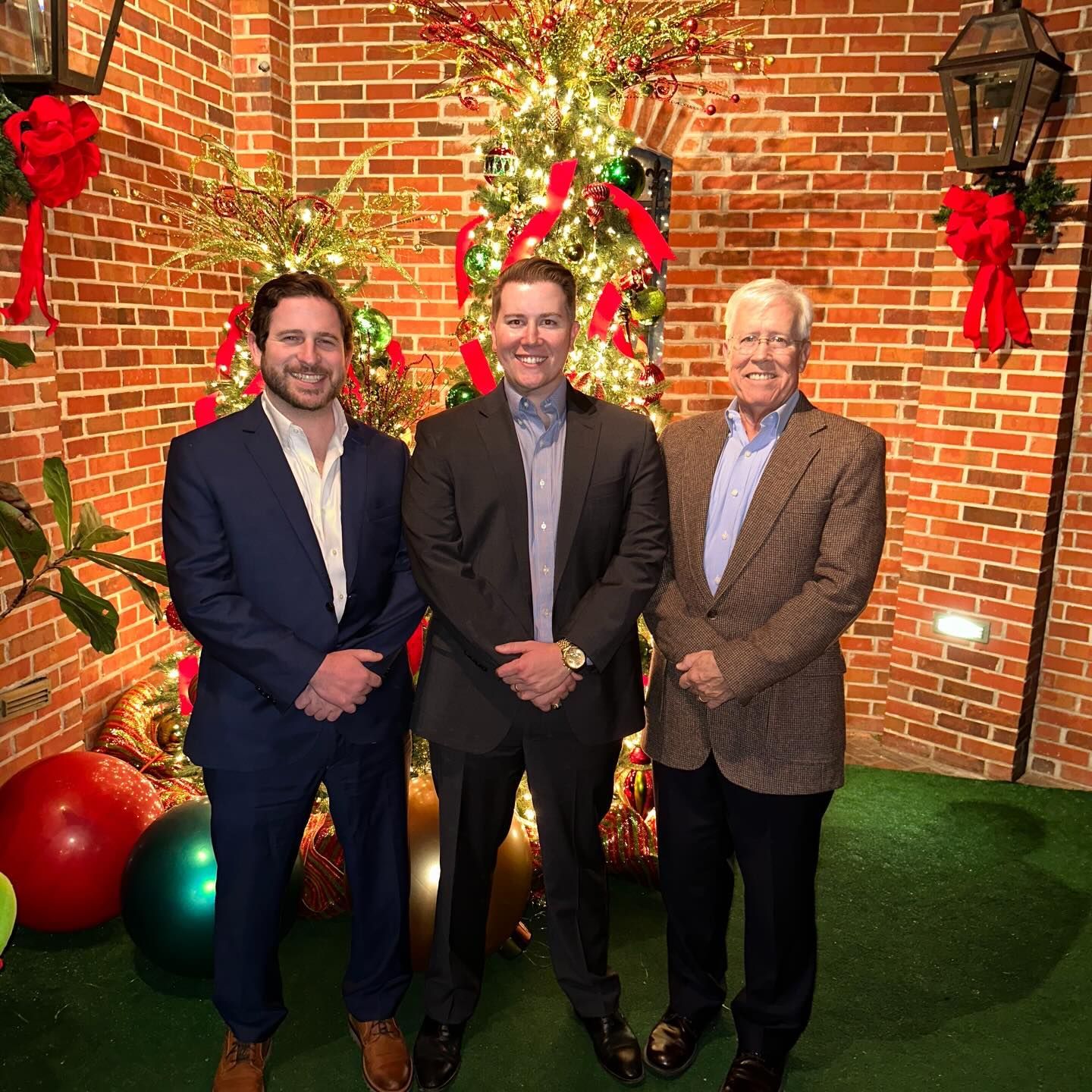
I'm Ryan J. Ehrhardt, owner and licensed agent at Chabert Insurance: The Ehrhardt Agency. I lead our team across our Mandeville and New Orleans offices, and I work with families and business owners every day to find coverage that fits their lives. I believe insurance should be simple to understand, so I take the time to explain your options in plain language before you decide.
As an independent agent, I answer to you, not to a single carrier. That means I can shop your policy across many companies and focus on what protects you best. When you call our office, you reach a real person who knows your account. I would be glad to review your coverage and help you feel confident about it.

[CONFIRM name]
Google review · Mandeville office
Home, Auto, Flood, Commercial & Life Insurance
Insurance built around your life in Louisiana
We compare coverage across many carriers and build one program that protects everything you own.
Home Insurance
Cover the cost to rebuild your house, replace your belongings, and answer a liability claim against your household.
Auto Insurance
Protect your vehicles with liability, collision, and uninsured motorist limits that hold up after a serious Louisiana wreck.
Flood Insurance
Your homeowners policy excludes flood. We quote NFIP and private options for your building and its contents.
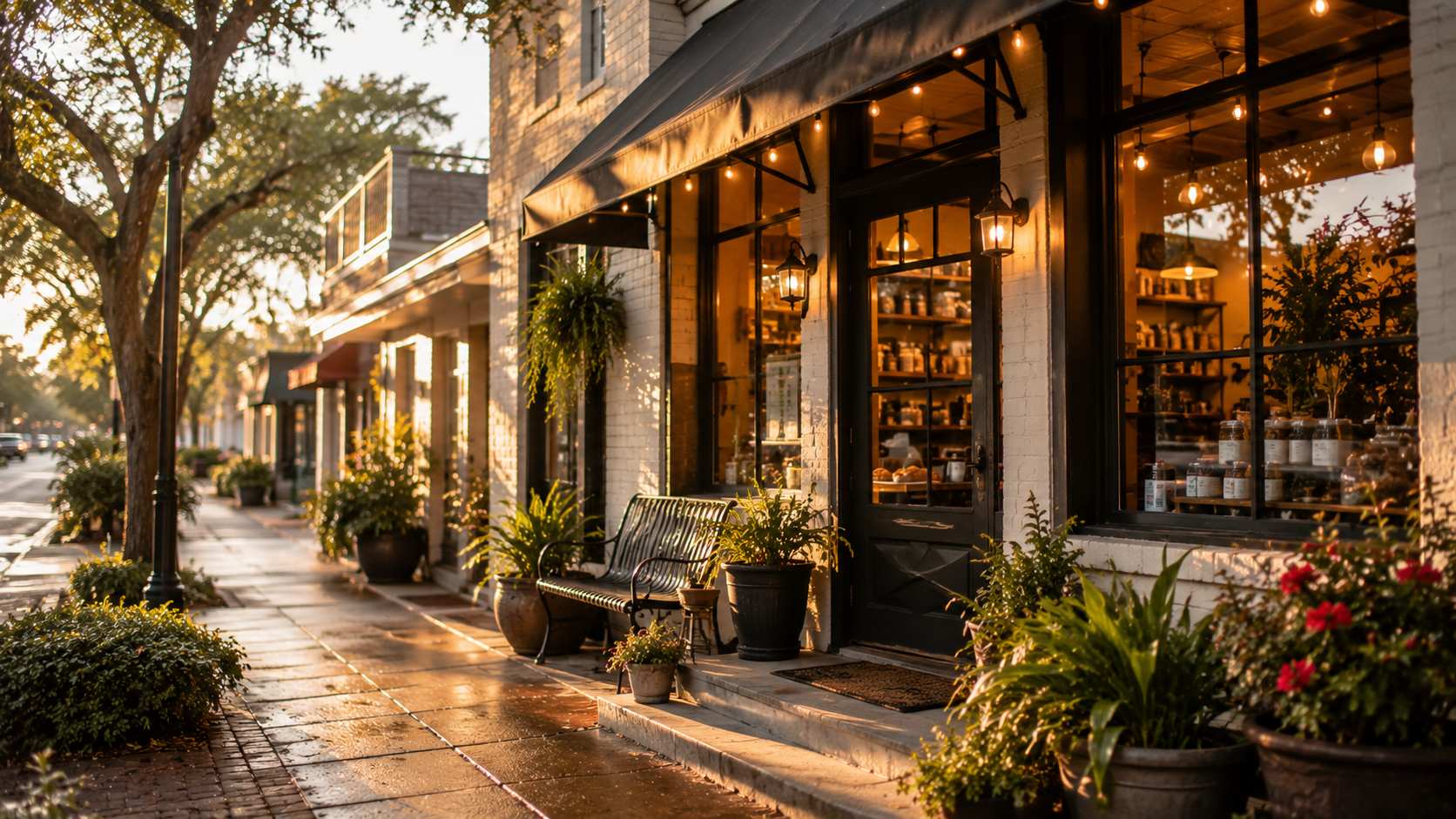
Commercial Insurance
Liability, property, workers' compensation, and commercial auto for Louisiana businesses, priced against how your company operates.

Life Insurance
Replace the income your family depends on, with term and permanent options priced across several carriers.

Umbrella Insurance
Add a layer of liability protection above your auto and home limits, usually for a modest premium.
Ruston
Baton Rouge
Mandeville
Gretna
Louisiana Home Insurance
Home insurance built around where you live
Home insurance is our specialty. We write homeowners policies across Louisiana and price them against the wind, hail, and flood risk in your parish.
Areas we cover
Commercial Insurance for Louisiana Businesses
Coverage that keeps your business running
We build commercial programs around how your company actually operates, then compare carriers on price and claim service.

General Liability
Covers claims of bodily injury or property damage that come from your day-to-day operations.
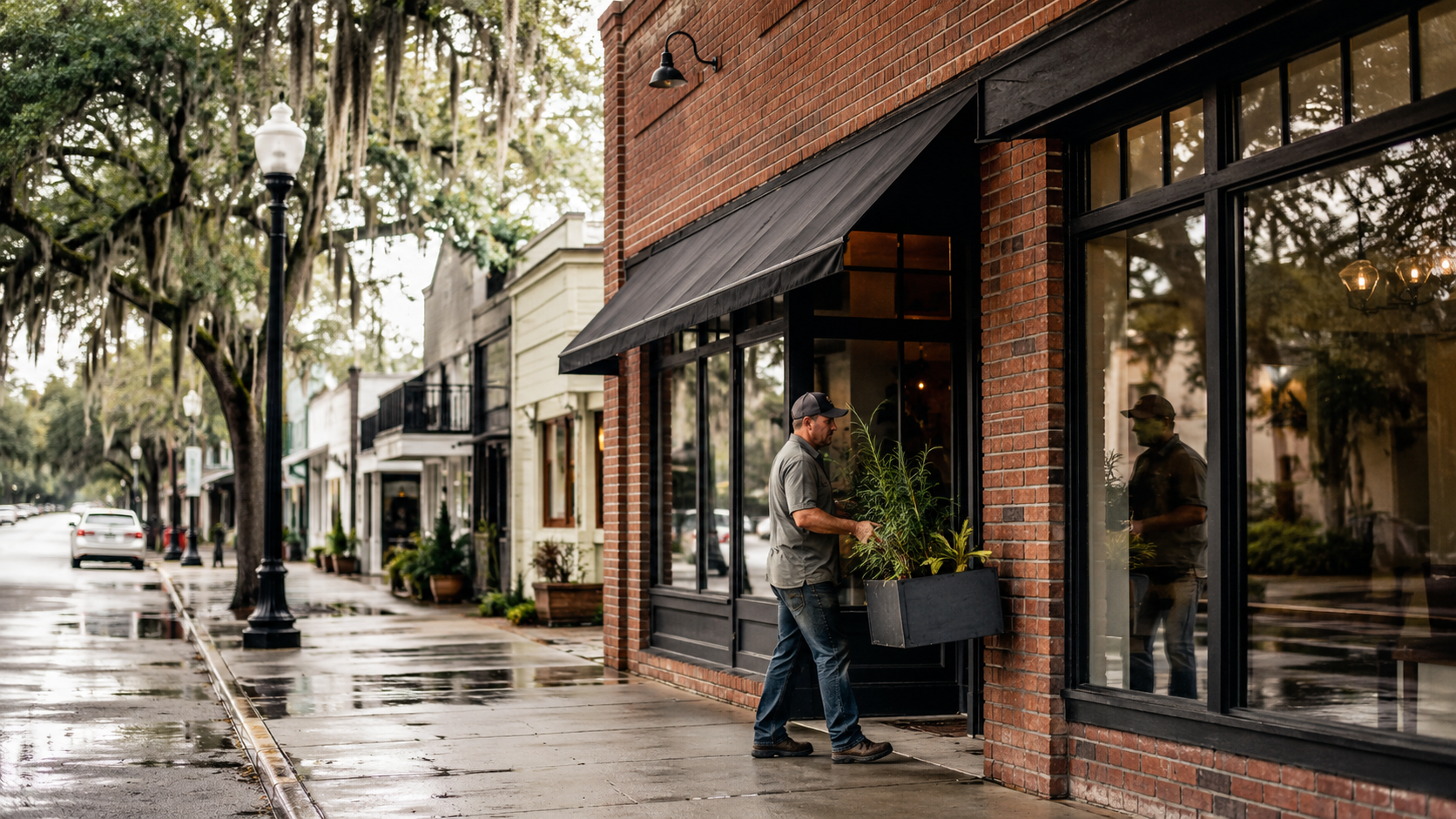
Commercial Property
Protects your building, equipment, and inventory against fire, storm, theft, and other covered losses.
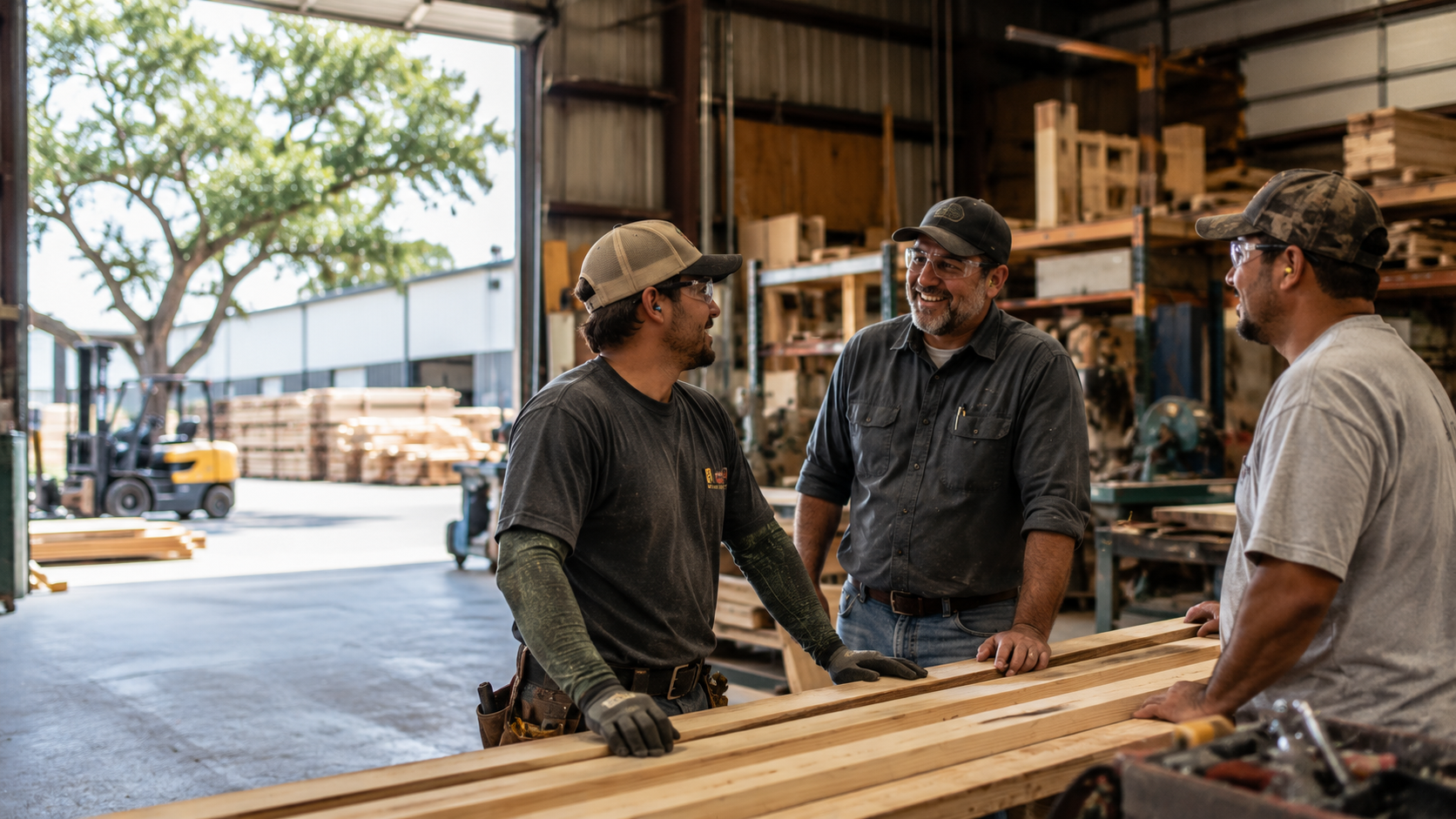
Workers' Compensation
Pays medical care and lost wages when an employee is hurt on the job, as Louisiana requires.
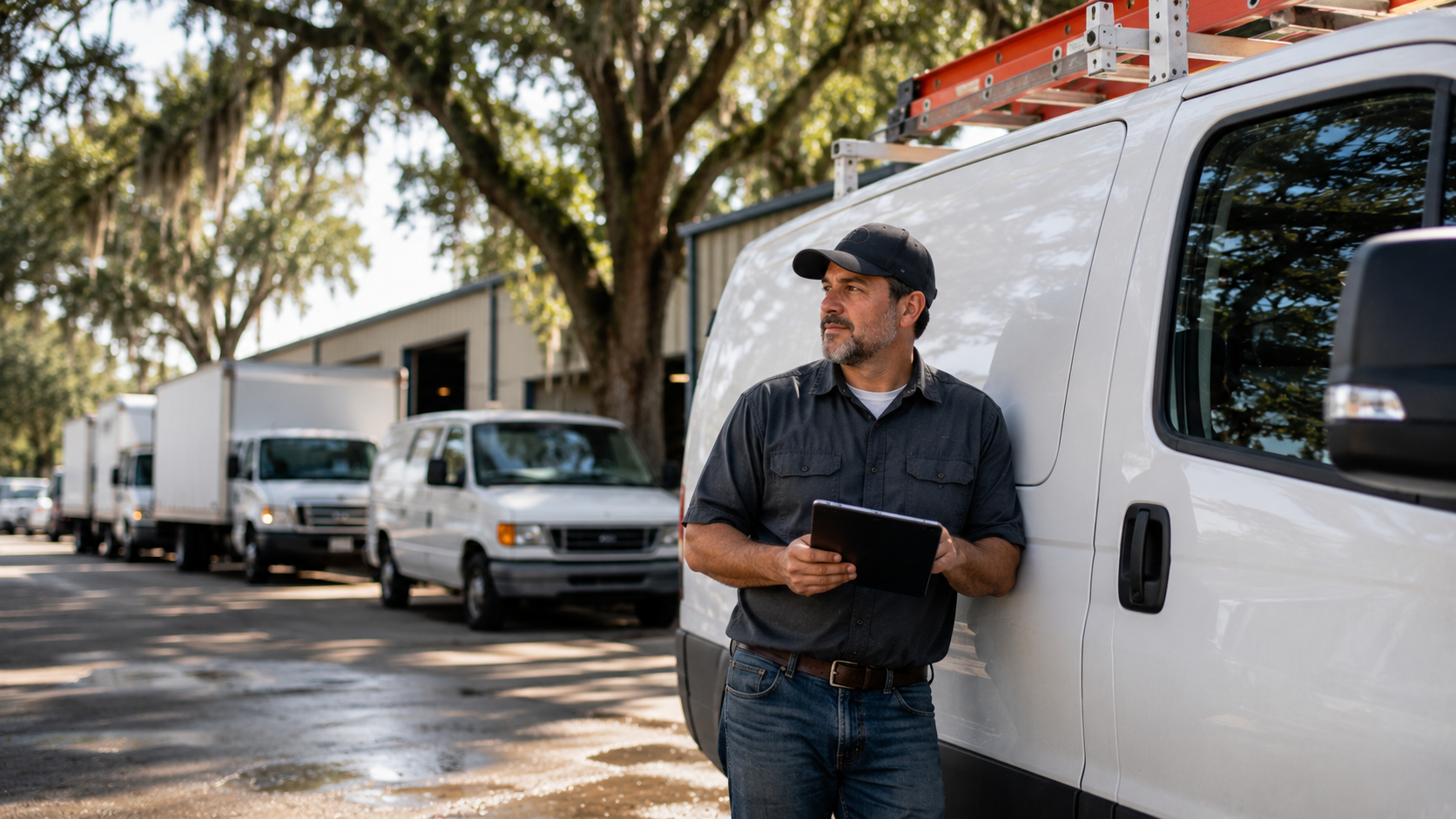
Commercial Auto
Covers the vehicles your business owns, along with the employees who drive them for work.

Professional Liability
Covers claims that your professional advice or services caused a client a financial loss.

Cyber Liability
Handles breach response, notification costs, and liability after customer data is exposed.
[CONFIRM name]
Google review · Mandeville office
Business Insurance by Industry
Specialized coverage for your line of work
Every trade carries its own risks. We know the coverage these Louisiana businesses need and where the gaps usually sit.
Plumbers
Liability, tools, and commercial auto coverage built for water damage claims and job-site risk.
Restaurants
Property, liquor liability, and spoilage coverage for kitchens, dining rooms, and your staff.
Real Estate Investors
Landlord property, liability, and vacancy coverage for rentals, flips, and multi-unit buildings.
[CONFIRM name]
Google review · Mandeville office
How to Get Insured in 4 Steps
Getting covered is simple
You talk to a licensed agent from the first call to the annual review.

1
Tell us about you
Share what you want to protect. A licensed agent asks about your home, vehicles, family, or business and gathers the details carriers need.
2
We shop our carriers
We compare options across the markets we represent and look at price, coverage limits, and how each carrier handles claims.
3
Review your choices
We explain coverage and price in plain language, side by side, so you can see the trade-offs before you choose.
4
Get covered
Your policy starts, you get your documents, and we review the coverage with you each year.
5-Star Rated by Louisiana Clients
What our clients say
Louisiana families and business owners rate us 5 stars for clear advice and fast answers.
139+ five-star reviews across our Mandeville and New Orleans offices