
Variant Insurance Group is a licensed independent insurance agency in Minnesota. [CONFIRM license #.]
Get a Quote
Variant Insurance Group is a licensed independent insurance agency serving Minnesota families and businesses.
From our office in Maple Plain, our team works with many of Minnesota's top-rated carriers so your home, auto, life, and business coverage fits your real needs. We serve families and businesses across Minnesota.
New title
New title
Umbrella Insurance: The Ultimate Safety Net
Accidental vs. Intentional Tenant Damage
Does my homeowners policy cover my home office equipment?
Board members don't typically need separate individual policies for board service if the association carries adequate D&O coverage. That said, you should confirm your D&O policy covers all current and former board members and doesn't contain exclusions that could leave gaps.
Common Questions About HOA Insurance Coverage
FAQ: Do I need a separate appraisal for every single silver spoon?
FAQ: Am I covered if I accidentally drop a piece of fine art?
FAQ: Why is windstorm insurance so much more expensive for parks?
FAQ: What happens if a storm destroys my tenant's home but not my land?
Do HOA board members need their own individual insurance?
The board may need to levy a special assessment against all owners to cover the shortfall. This creates financial strain and often leads to disputes. Keeping reserves funded and deductibles manageable is the best way to avoid this scenario.
Usually not. The HOA's master policy typically covers common areas and building structure up to the bare walls. Interior finishes, personal property, and improvements you've made are your responsibility under your individual HO-6 condo policy.
At least annually, and after any major renovation, new amenity addition, or significant change in property values. Louisiana boards should also review limits before hurricane season each year.
They're similar but not identical. A fidelity bond specifically covers theft or dishonest acts by people entrusted with association funds. Crime insurance is broader and may cover forgery, computer fraud, and third-party theft. Many associations carry both.
What happens if our HOA doesn't have enough money in reserves for a claim?
Does the HOA policy cover damage inside my individual unit?
How often should our board review our insurance limits?
Is a fidelity bond the same thing as theft insurance?
A vendor booth at a New Orleans jazz festival or a Mandeville farmers market can generate solid weekend revenue, but one slip-and-fall or allergic reaction can erase months of profit. Event organizers know this, which is why most require proof of vendor liability insurance before they'll hand over booth space. Understanding what coverage you actually need - from general liability limits and additional insured endorsements to product liability and same-day certificate issuance - keeps you from scrambling the week before an event.
Whether you're selling handmade candles, crawfish étouffée, or custom jewelry, the insurance requirements on your vendor application aren't optional checkboxes. They're contractual obligations. Miss one detail, and you could lose your spot entirely. The good news: once you understand what organizers are asking for and why, getting the right policy in place is straightforward. This guide breaks down each requirement so you can focus on what you do best - running your booth and serving customers.
Why Event Organizers Require Vendor Liability Insurance
Event organizers carry their own liability policies, but those policies don't cover the actions of individual vendors. If a customer trips over your tent stakes or gets sick from your food, the organizer doesn't want their insurance footing the bill. That's why virtually every event application includes an insurance requirement.
From the organizer's perspective, requiring vendor insurance shifts financial responsibility to the party that controls the risk. Cities like Austin publish detailed event planning guides that outline vendor insurance expectations, and Louisiana municipalities follow similar frameworks. If you're vending at any permitted event in the New Orleans metro area, expect an insurance requirement on the application.
The requirement also protects you. Without your own policy, a single claim could result in out-of-pocket costs that bankrupt a small operation. A $15,000 medical bill from a customer injury isn't uncommon, and legal defense costs can double or triple that figure fast.
Common General Liability Limits ($1M vs $2M)
Most event organizers require a minimum of $1 million per occurrence and $2 million in aggregate general liability coverage. The per-occurrence limit is the maximum your insurer will pay for a single incident. The aggregate is the total your policy will pay during the entire policy period.
Some smaller community events accept $1 million aggregate, but larger festivals - think French Quarter Fest or Voodoo Music + Arts Experience - almost always require the $2 million aggregate. If you're planning to vend at multiple events per year, the higher limit gives you flexibility without needing to upgrade mid-season.
Here's a practical consideration: the price difference between $1M and $2M aggregate is often modest. For many vendors, it's an extra $50 to $150 annually. Paying a bit more upfront saves you from being turned away at higher-profile events.
Understanding the Additional Insured Endorsement
An additional insured endorsement adds the event organizer (and sometimes the venue owner or city) to your policy as a covered party. This doesn't give them their own policy - it extends a layer of your coverage to protect them against claims arising from your activities at their event.
Think of it this way: if a customer sues both you and the festival organizer because your booth display collapsed, the additional insured endorsement means your policy helps defend the organizer too. Without it, the organizer's own insurance has to respond, and they'll likely come after you for reimbursement anyway.
Most standard vendor policies allow you to add additional insureds at no extra charge or for a small fee. The key is making sure the endorsement names the correct legal entity. "Crescent City Festival LLC" and "Crescent City Festival Inc." are different entities in the eyes of an insurer. Double-check the exact name on your vendor application before requesting the endorsement.

Protection Against Product-Related Claims
General liability covers bodily injury and property damage at your booth, but it doesn't always cover claims tied directly to your products. If someone has an allergic reaction to your homemade soap or breaks a tooth on a piece of your candy, that's a product liability claim - and it requires specific coverage.
Product-related claims are among the most common vendor insurance issues. A single batch of contaminated food or a defective craft item can trigger multiple claims from different customers, quickly eating through your coverage limits. This is especially relevant in Louisiana, where food vendors are a staple at nearly every outdoor event.
Product Liability for Food and Craft Vendors
Food vendors face the highest product liability exposure. Foodborne illness claims can involve multiple affected customers, health department investigations, and significant medical costs. If you're operating a food booth, your policy needs explicit product liability coverage - not just general liability with a vague product endorsement.
Craft and beauty product vendors aren't off the hook either. Handmade beauty and cosmetic vendors in 2026 typically require a $2 million product liability aggregate, with annual insurance packages starting around $400 for art and craft vendors depending on the products sold. Jewelry, candles, skincare items, and children's toys all carry product liability risk.
Food truck operators need specialized coverage that accounts for both the vehicle and the food service. Policies designed for mobile food operations bundle auto, general liability, and product liability into a single package, which simplifies compliance with event requirements.
General Liability vs. Product Liability Comparison
Understanding the difference between these two coverage types prevents gaps that could leave you exposed.
| Feature | General Liability | Product Liability |
|---|---|---|
| What it covers | Bodily injury, property damage at your booth | Injury or damage caused by your product |
| Example claim | Customer trips on your power cord | Customer gets sick from your food |
| Typical limit | $1M per occurrence / $2M aggregate | $1M-$2M aggregate |
| Who needs it | Every vendor | Vendors selling consumable or physical products |
| Usually included in standard policy? | Yes | Sometimes - verify with your insurer |
| Common exclusions | Intentional acts, employee injuries | Known defects, recalled products |
Some policies bundle both coverages together, while others require a separate product liability endorsement. At Chabert Insurance: The Ehrhardt Agency, we regularly help Louisiana vendors confirm that their policies include both coverage types before event season kicks off. A quick policy review can reveal gaps that aren't obvious from reading the declarations page alone.

Comparison: Short-Term vs. Annual Vendor Policies
Choosing between a short-term event policy and an annual vendor policy depends on how often you vend. If you're doing one or two events per year, a short-term policy makes financial sense. But the math shifts quickly once you hit three or more events annually.
Short-term policies typically cover a single event for one to three days and cost between $75 and $200 per event. Annual policies run $300 to $800 or more depending on your product type and coverage limits. Do three events a year at $150 each, and you've already spent $450 - more than many annual policies cost.
Annual policies also simplify paperwork. You don't need to purchase new coverage and request a new certificate for every event. Your COI stays valid all year, and adding additional insureds for different events is usually a quick phone call or online request. For vendors working the Louisiana festival circuit from spring through fall, an annual policy is almost always the better value.
One thing to keep in mind: some short-term policies don't include product liability. They cover slip-and-fall type incidents at your booth but exclude claims from products you sell. Always confirm what's included before assuming a cheap event policy has you fully covered.
How to Get a Same-Day Certificate of Insurance (COI)
A certificate of insurance is the document proving you have coverage. It lists your policy details, coverage limits, and any additional insureds. Event organizers typically require a COI submitted days or weeks before the event, but last-minute situations happen constantly.
Same-day COI issuance is available through many insurers, especially those with online platforms. The process is straightforward: you purchase or activate your policy, provide the additional insured information, and the insurer generates a certificate electronically. Many vendors receive their COI within hours, sometimes within minutes.
Working with a local agency like Chabert Insurance: The Ehrhardt Agency speeds up this process because your agent already understands what Louisiana event organizers expect. Instead of navigating an online portal and hoping you selected the right options, you can call your agent, explain which event you're attending, and have a properly formatted COI in your inbox the same day. Insurance pricing trends in 2026 have pushed more carriers toward digital issuance, making same-day turnaround the norm rather than the exception.
Information Needed for Instant Approval
Have this information ready before you request your COI:
- Your full legal business name (must match your vendor application)
- The event organizer's legal entity name for the additional insured endorsement
- Event name, dates, and venue address
- Your product or service description
- Any specific coverage limits the organizer requires
- The email address where the organizer wants the COI sent
Missing any of these details delays the process. The most common holdup is an incorrect additional insured name. Pull the exact wording from your vendor contract - don't guess.
Common Questions About Vendor Coverage
Does my homeowner's insurance cover my vendor booth? No. Homeowner's policies exclude business activities. If you're selling products or services at an event, you need a separate commercial or vendor liability policy.
Can I share a policy with another vendor at the same booth? Generally not. Each vendor needs their own policy unless you're operating under a single registered business entity. Sharing a booth doesn't mean sharing liability.
What happens if I don't have insurance and someone gets hurt at my booth? You're personally liable for all damages, medical costs, and legal fees. Without insurance, a lawsuit could result in wage garnishment, asset seizure, or bankruptcy.
Do I need insurance for a free community event? Most organized events require it regardless of whether they charge admission. Even free festivals on public property typically mandate vendor insurance as part of the permit process.
How far in advance should I get my policy? At least two weeks before your first event is ideal. This gives you time to resolve any issues with your COI or additional insured endorsements. Same-day options exist for emergencies, but planning ahead reduces stress.
Is vendor insurance tax-deductible? Yes. Vendor liability insurance premiums are a deductible business expense. Keep your receipts and policy documents for your records.
Making the Right Choice for Your Booth
Getting vendor liability insurance right means matching your coverage to what organizers require and what your products demand. Start with a general liability policy that meets the standard $1M/$2M limits. Add product liability if you sell anything customers consume, wear, or use. Confirm that your insurer can issue same-day certificates with additional insured endorsements so you're never scrambling before an event.
Louisiana's festival season is long and packed with opportunities. From Mardi Gras to fall harvest markets, vendors who have their insurance sorted early spend less time on paperwork and more time earning revenue. If you're unsure whether your current policy meets event requirements, reach out to a local agent who knows the Louisiana market and can review your coverage against what organizers actually ask for.
Your booth is your business. Protect it the same way you'd protect any other investment - with the right coverage, the right limits, and the right documentation ready to go.
On this page
Fully licensed
Chabert Insurance: The Ehrhardt Agency is a fully licensed independent insurance agency serving individuals, families, and businesses across Louisiana and Mississippi.
From our offices in Mandeville and New Orleans, we proudly serve clients in Mandeville, Covington, New Orleans, Kenner, Metairie, Harahan, River Ridge, and Slidell, as well as the Westbank and St. Bernard Parish, and communities throughout Louisiana and Mississippi. As an independent agency, our team works with a wide range of top-rated carriers to provide personal and commercial coverage — home, auto, flood, commercial, life, and more — built around the real needs of the people and businesses we protect.
OTHER INSURANCE COVERAGE

About the Author
Ryan J. Ehrhardt
Owner / Licensed Agent
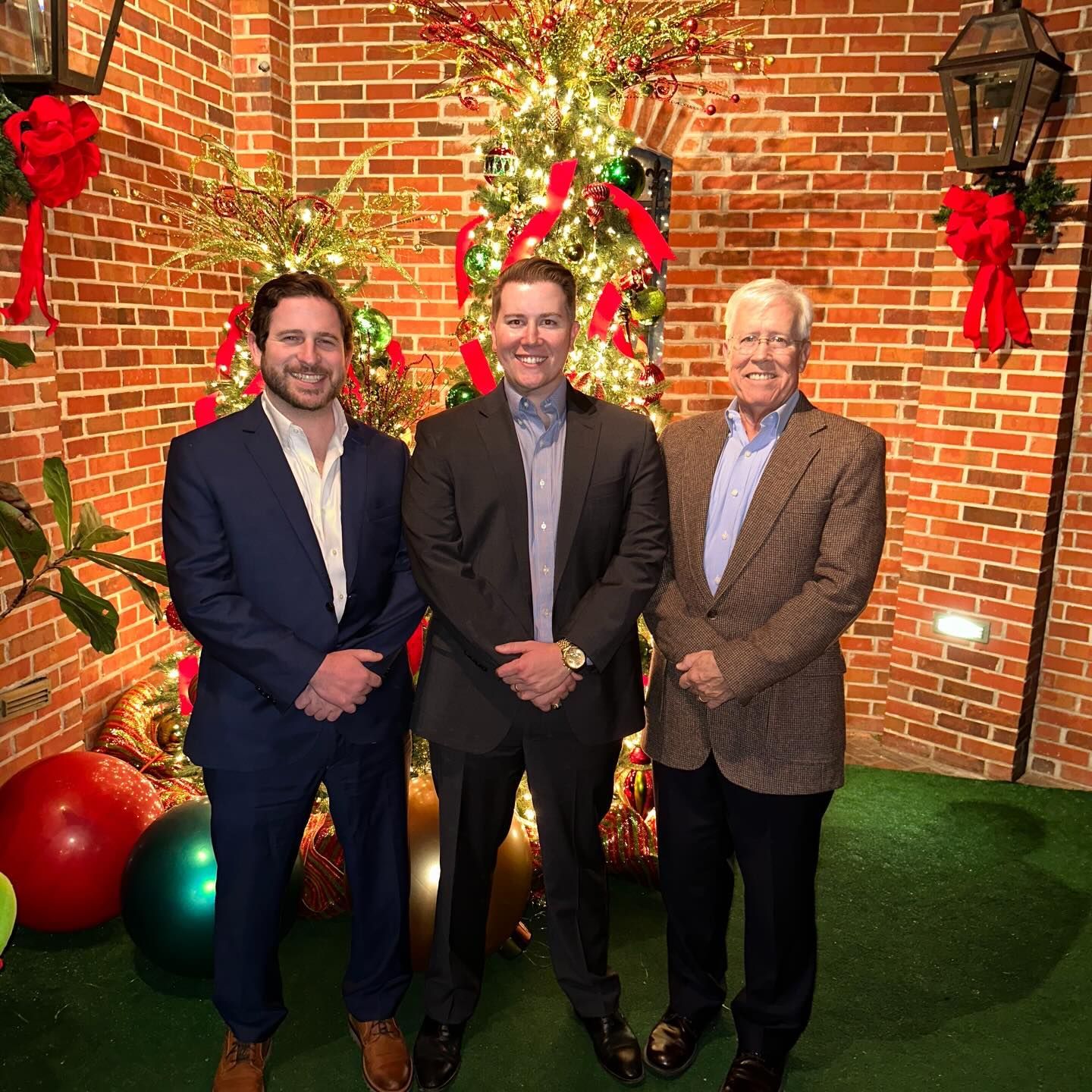
I'm Ryan J. Ehrhardt, owner and licensed agent at Chabert Insurance: The Ehrhardt Agency. I lead our team across our Mandeville and New Orleans offices, and I work with families and business owners every day to find coverage that fits their lives. I believe insurance should be simple to understand, so I take the time to explain your options in plain language before you decide.
As an independent agent, I answer to you, not to a single carrier. That means I can shop your policy across many companies and focus on what protects you best. When you call our office, you reach a real person who knows your account. I would be glad to review your coverage and help you feel confident about it.

[CONFIRM name]
Google review · Mandeville office
Home, Auto, Flood, Commercial & Life Insurance
Insurance built around your life in Louisiana
We compare coverage across many carriers and build one program that protects everything you own.
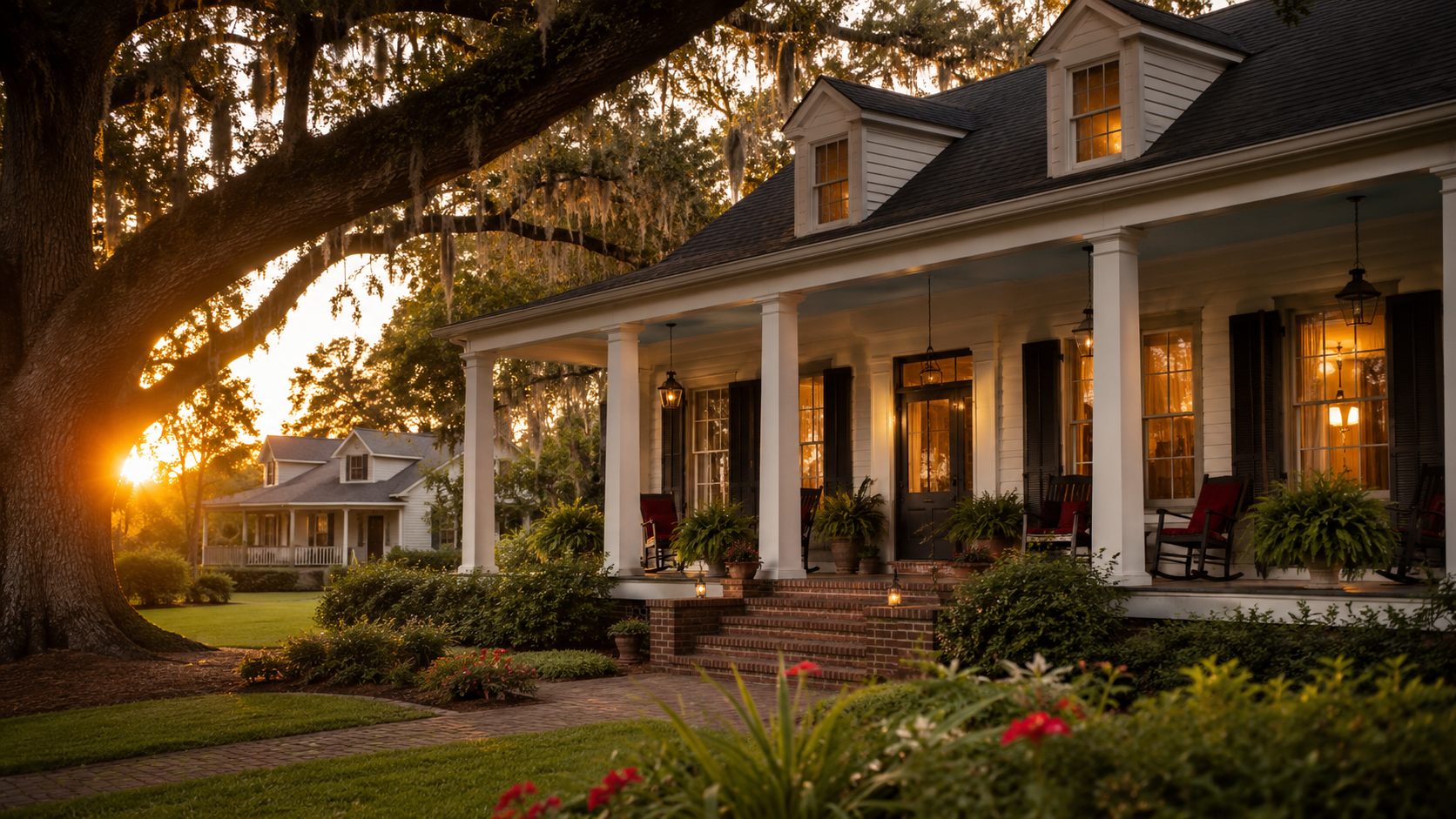
Home Insurance
Cover the cost to rebuild your house, replace your belongings, and answer a liability claim against your household.
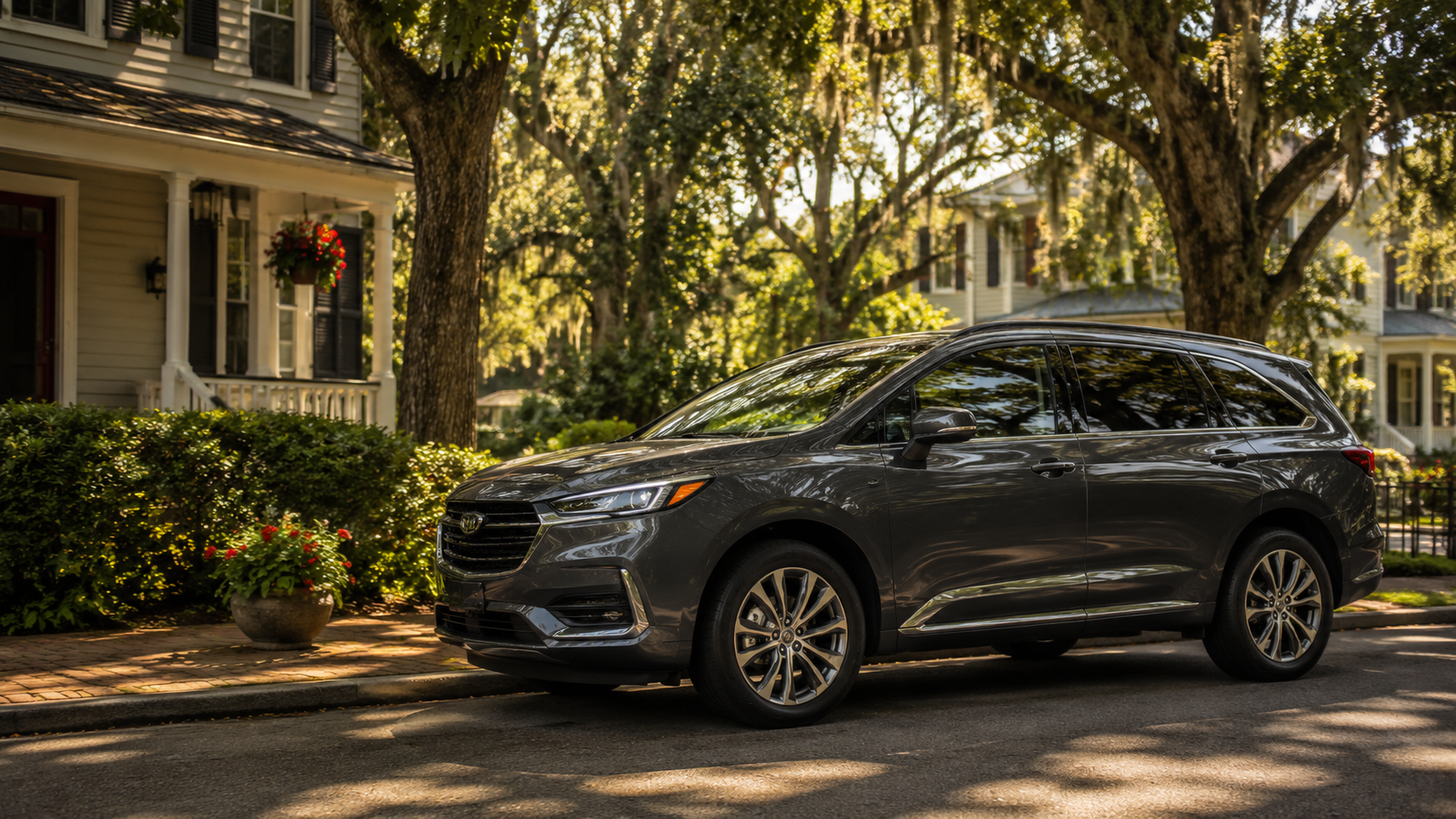
Auto Insurance
Protect your vehicles with liability, collision, and uninsured motorist limits that hold up after a serious Louisiana wreck.
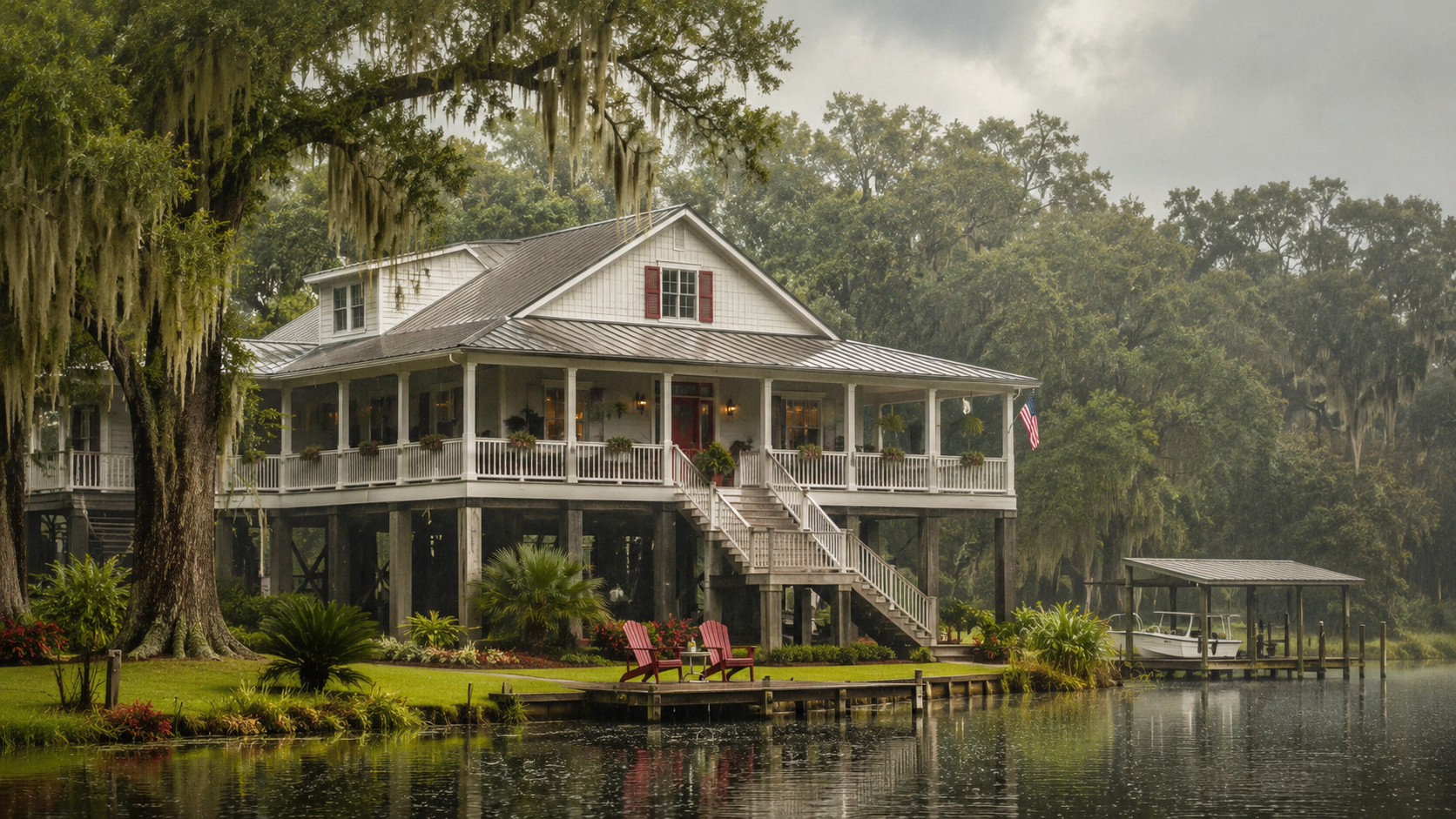
Flood Insurance
Your homeowners policy excludes flood. We quote NFIP and private options for your building and its contents.
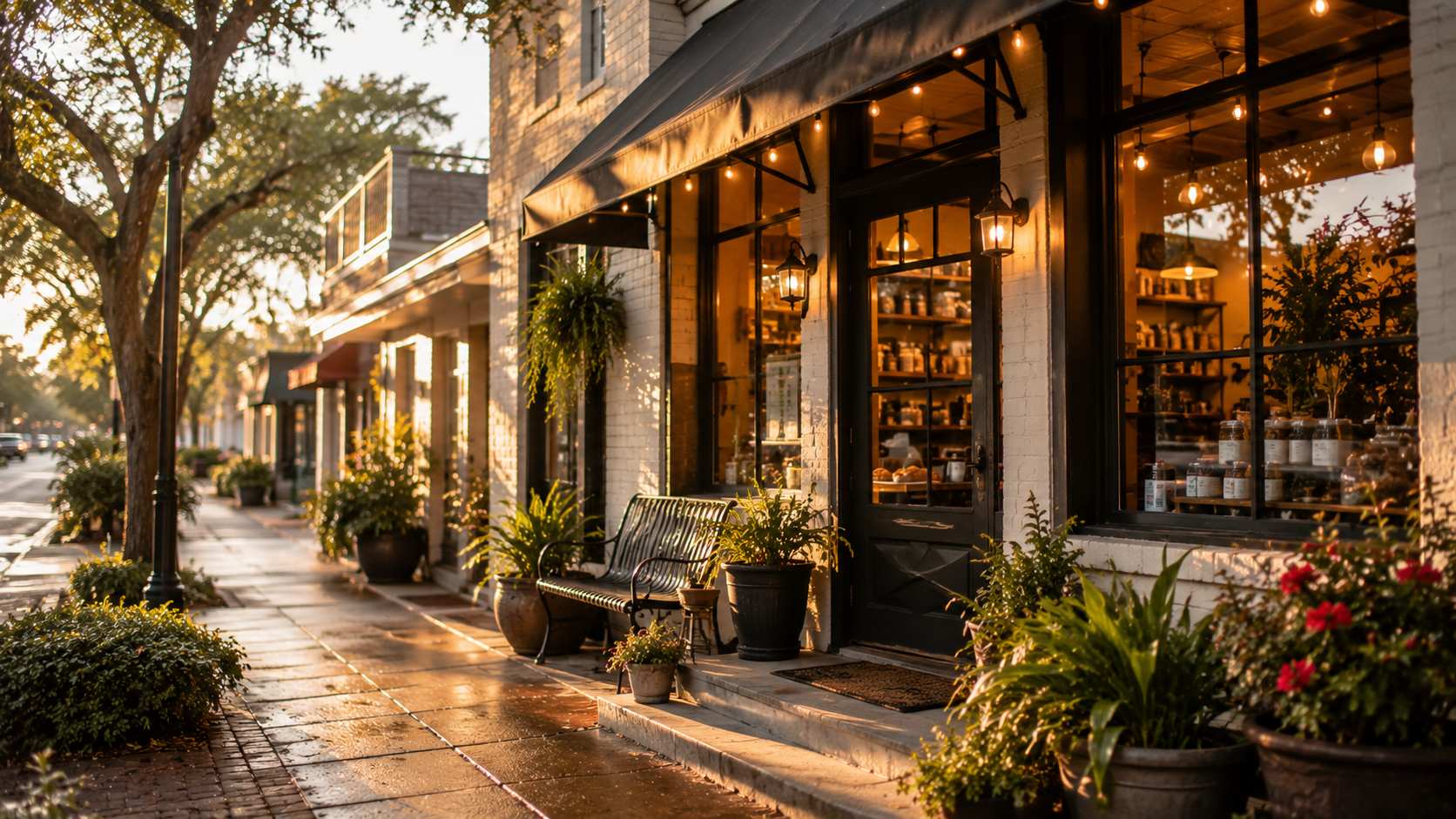
Commercial Insurance
Liability, property, workers' compensation, and commercial auto for Louisiana businesses, priced against how your company operates.

Life Insurance
Replace the income your family depends on, with term and permanent options priced across several carriers.

Umbrella Insurance
Add a layer of liability protection above your auto and home limits, usually for a modest premium.
Ruston
Baton Rouge
Mandeville
Gretna
Louisiana Home Insurance
Home insurance built around where you live
Home insurance is our specialty. We write homeowners policies across Louisiana and price them against the wind, hail, and flood risk in your parish.
Areas we cover
Commercial Insurance for Louisiana Businesses
Coverage that keeps your business running
We build commercial programs around how your company actually operates, then compare carriers on price and claim service.
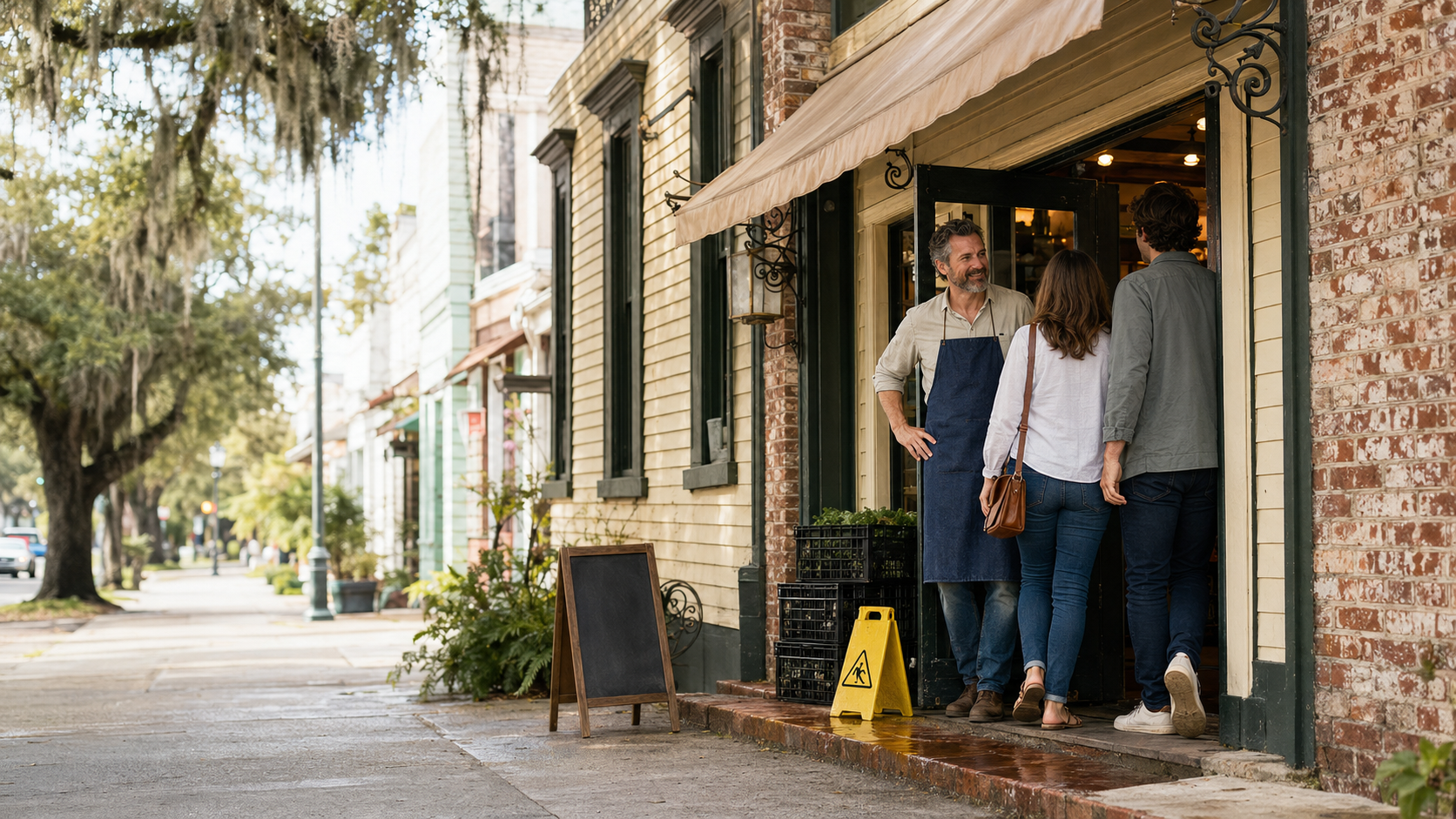
General Liability
Covers claims of bodily injury or property damage that come from your day-to-day operations.
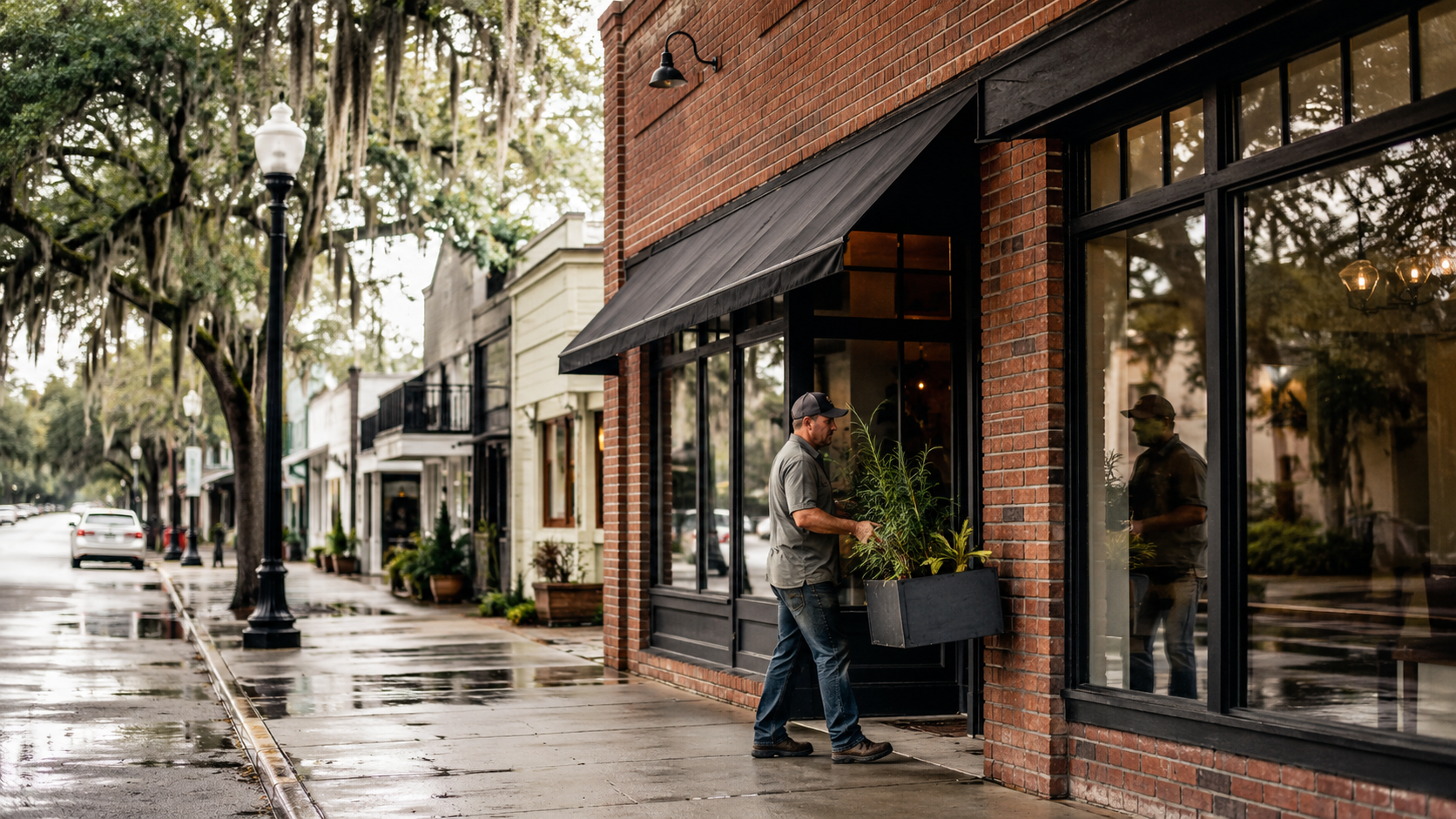
Commercial Property
Protects your building, equipment, and inventory against fire, storm, theft, and other covered losses.
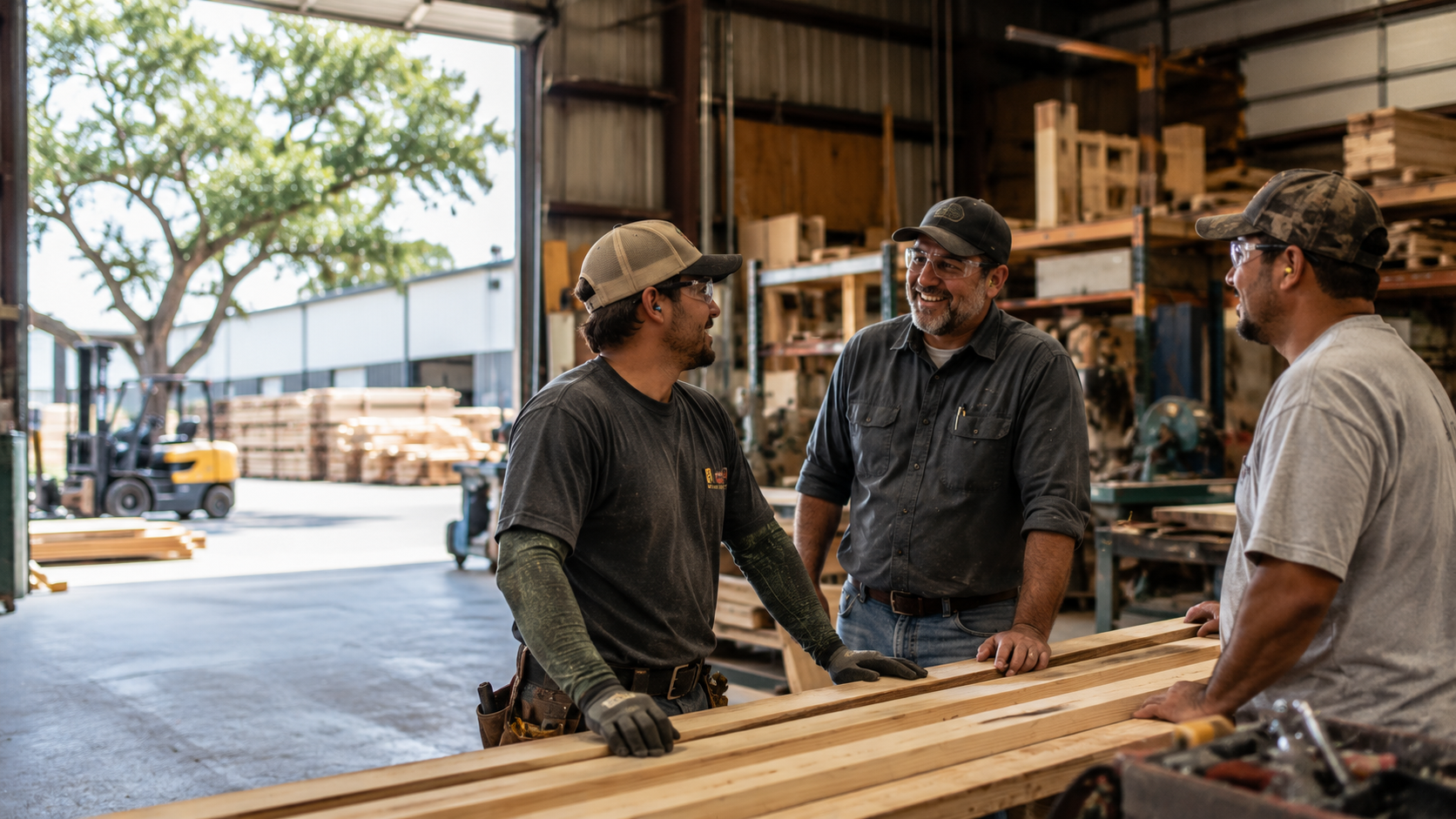
Workers' Compensation
Pays medical care and lost wages when an employee is hurt on the job, as Louisiana requires.
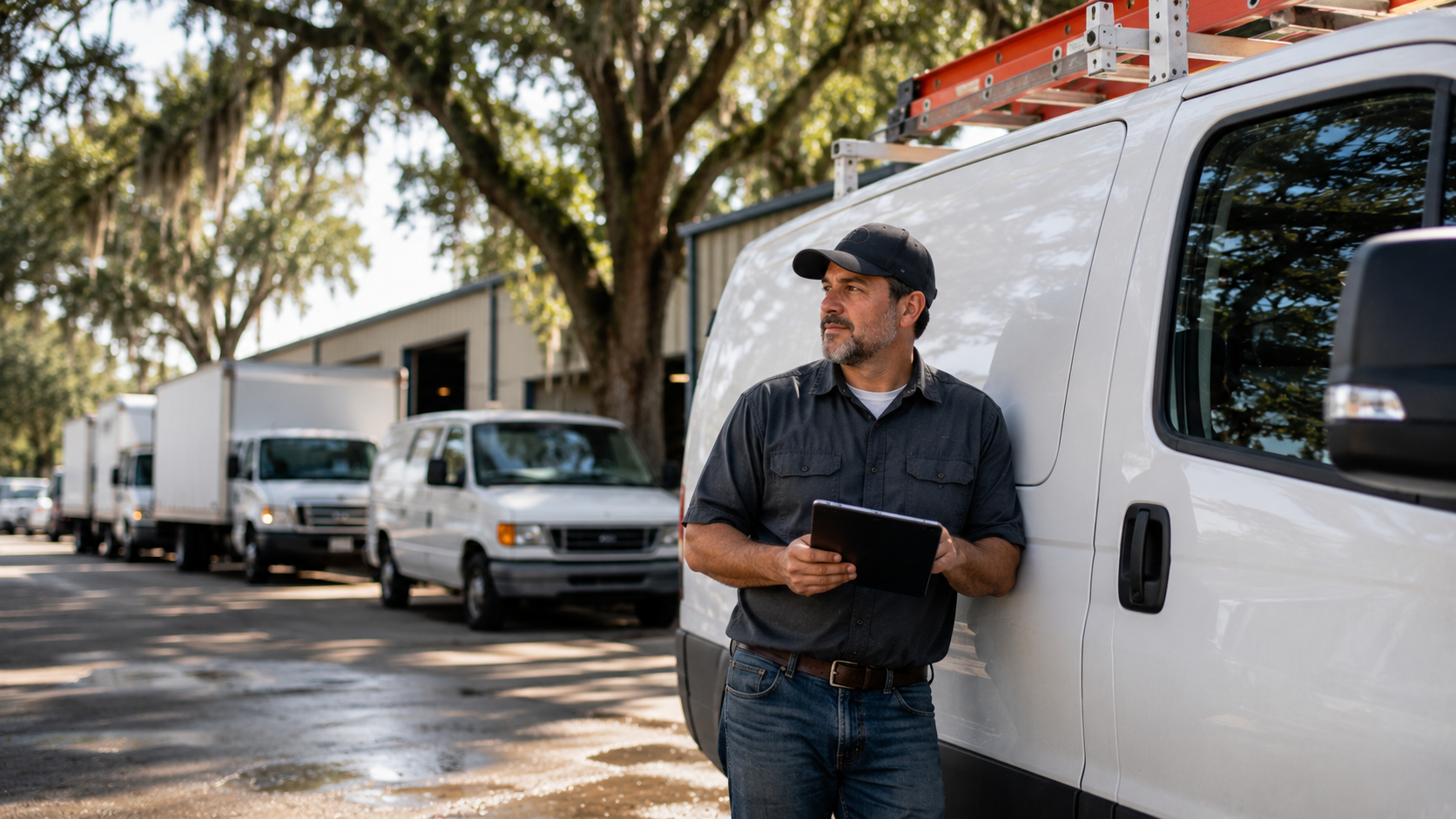
Commercial Auto
Covers the vehicles your business owns, along with the employees who drive them for work.
Professional Liability
Covers claims that your professional advice or services caused a client a financial loss.

Cyber Liability
Handles breach response, notification costs, and liability after customer data is exposed.
[CONFIRM name]
Google review · Mandeville office
Business Insurance by Industry
Specialized coverage for your line of work
Every trade carries its own risks. We know the coverage these Louisiana businesses need and where the gaps usually sit.
Plumbers
Liability, tools, and commercial auto coverage built for water damage claims and job-site risk.
Restaurants
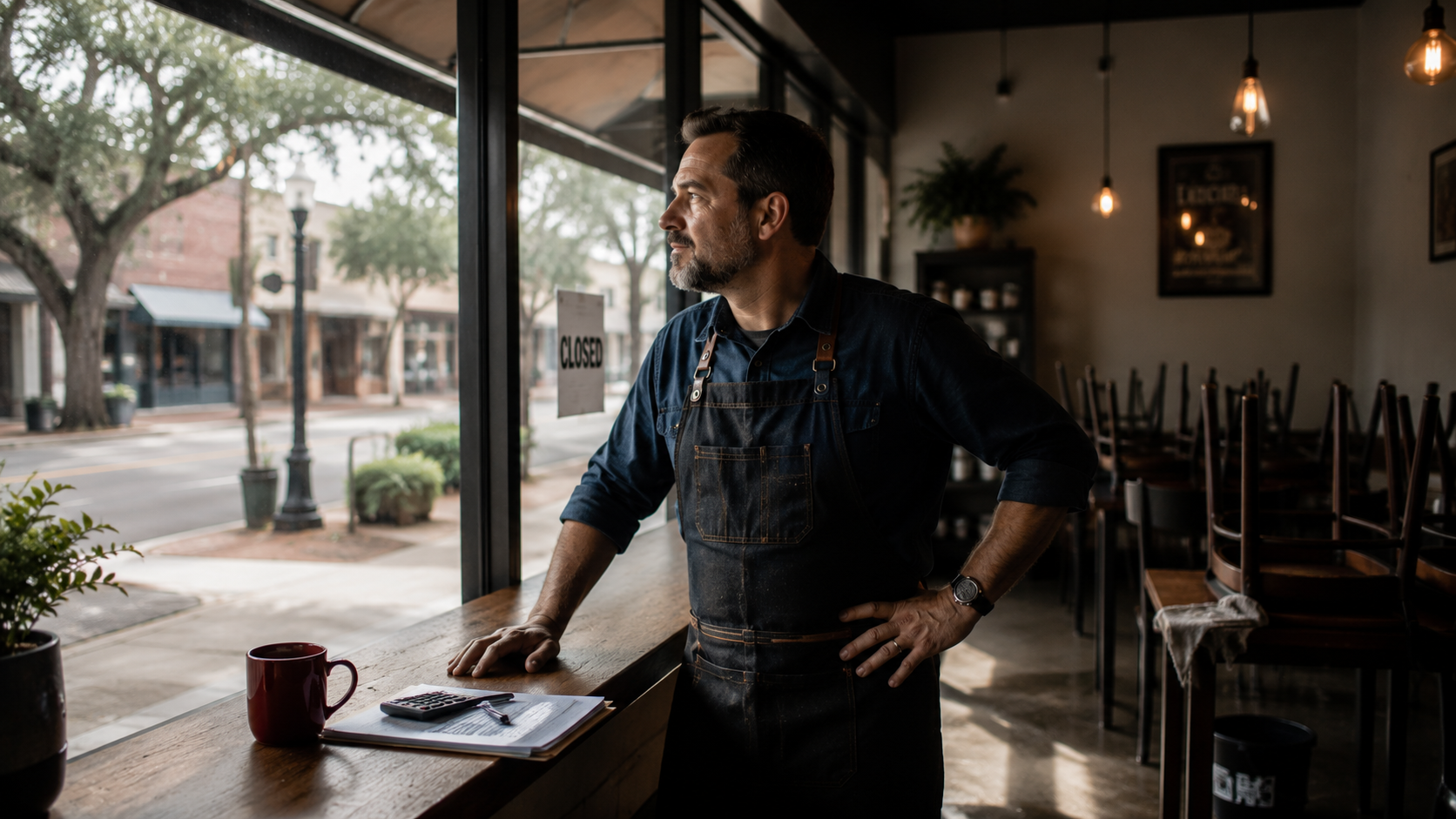
Property, liquor liability, and spoilage coverage for kitchens, dining rooms, and your staff.
Real Estate Investors
Landlord property, liability, and vacancy coverage for rentals, flips, and multi-unit buildings.
[CONFIRM name]
Google review · Mandeville office
How to Get Insured in 4 Steps
Getting covered is simple
You talk to a licensed agent from the first call to the annual review.
1
Tell us about you
Share what you want to protect. A licensed agent asks about your home, vehicles, family, or business and gathers the details carriers need.
2
We shop our carriers
We compare options across the markets we represent and look at price, coverage limits, and how each carrier handles claims.
3
Review your choices
We explain coverage and price in plain language, side by side, so you can see the trade-offs before you choose.
4
Get covered
Your policy starts, you get your documents, and we review the coverage with you each year.
5-Star Rated by Louisiana Clients
What our clients say
Louisiana families and business owners rate us 5 stars for clear advice and fast answers.
139+ five-star reviews across our Mandeville and New Orleans offices