
Variant Insurance Group is a licensed independent insurance agency in Minnesota. [CONFIRM license #.]
Get a Quote
Variant Insurance Group is a licensed independent insurance agency serving Minnesota families and businesses.
From our office in Maple Plain, our team works with many of Minnesota's top-rated carriers so your home, auto, life, and business coverage fits your real needs. We serve families and businesses across Minnesota.
A single post hole drilled in the wrong spot can rupture a gas line, trigger an evacuation, and saddle your fencing business with six figures in liability before lunch. Fence contractors face a surprisingly complex web of risks: underground utilities, disputed boundary lines, stolen equipment, and claims that surface months after a project wraps up. The right insurance program accounts for all of these exposures, not just the obvious ones.
Most general contractors carry a basic liability policy and call it a day. Fencing installers, though, operate in a niche where the work itself creates hazards that standard policies don't always cover well. You're driving auger bits into ground you can't see through, building permanent structures on property lines that neighbors may contest, and hauling expensive equipment between jobsites daily. Each of those activities demands specific coverage, and gaps in your policy can mean paying claims out of pocket.
Whether you run a two-person crew in Mandeville or manage multiple teams across the Greater New Orleans area, understanding what your insurance actually covers, and where it falls short, is the difference between a bad day and a business-ending one. This guide breaks down the five coverage areas that matter most to fencing professionals: general liability, completed operations, underground utility strike exposure, equipment floaters, and property line dispute protection.
Core Insurance Foundations for Fencing Contractors
Every fencing business needs a solid insurance foundation before layering on specialized coverage. Two policies form the backbone of that foundation: general liability and completed operations. These aren't optional extras. They're the minimum you need to bid on most jobs, satisfy permit requirements, and protect your personal assets from lawsuits.
Louisiana requires contractors to carry certain minimum coverages depending on the license type and project scope. If you're working residential jobs in Orleans or St. Tammany Parish, your clients and their HOAs will almost certainly ask for a certificate of insurance before you set the first post. Getting these two foundational pieces right gives you credibility and real financial protection.
General Liability: Protecting Against Third-Party Bodily Injury and Property Damage
General liability (GL) insurance covers bodily injury and property damage claims from third parties: people who aren't your employees. A neighbor's child trips over materials you left on a sidewalk. Your crew accidentally damages a client's sprinkler system while digging. A fence panel blows off during installation and dents a parked car. GL handles all of these.
Most fencing contractors carry $1 million per occurrence and $2 million aggregate limits, though larger commercial jobs may require higher amounts. Your GL policy also covers legal defense costs, which can run $50,000 or more even for frivolous claims. One thing to keep in mind: GL typically won't cover damage to your own work or equipment. That's where other policies come in.
Premiums for fence contractors in Louisiana generally run between $800 and $2,500 annually for a small operation, depending on revenue, crew size, and claims history. Agencies like Chabert Insurance: The Ehrhardt Agency can help you find the right limits for your specific operation rather than defaulting to a one-size-fits-all policy.
Completed Operations: Coverage After the Fence is Built
Here's where many fencing contractors get caught off guard. Your GL policy's completed operations component covers claims that arise after you've finished a job and left the site. A fence you installed three months ago collapses during a storm and injures someone. A gate latch you mounted fails, and a toddler wanders into a pool area. These claims hit your completed operations coverage.
This coverage is especially critical for fence installers because your work is permanent and structural. A poorly set post or an improperly tensioned chain-link fence can fail weeks or months later. Without completed operations coverage, you'd be personally liable for those injuries and damages. Most GL policies include completed operations, but you need to verify the limits and confirm there's no sunset clause that cuts off coverage after a specific period. Fencing contractors often face unique insurance requirements that differ from general construction trades.

Managing High-Risk Fencing Exposures
Beyond the basics, fencing work creates two high-risk exposures that standard policies handle poorly: underground utility strikes and property line disputes. Both can generate claims that dwarf the value of the original fence job.
Underground Utility Strike Coverage: Avoiding Costly Pipe and Cable Damage
Driving posts into the ground is the core of what you do, and it's also your biggest liability exposure. Underground utility damage costs the U.S. economy $83.2 billion annually as of August 2026, and fence contractors contribute a meaningful share of those incidents. A single strike on a gas main can cost $50,000 to $200,000 in repairs, emergency response, and third-party damages.
Louisiana's 811 "Call Before You Dig" law requires you to request utility locates before any excavation. But here's the catch: locate marks aren't always accurate, and private utilities like irrigation lines, septic systems, and private electrical runs often aren't marked at all. Even when you follow every protocol, strikes happen. The trends in utility damage reporting show that excavation-related incidents continue to rise despite increased awareness campaigns.
Your GL policy may cover some utility strike damage, but many policies include exclusions for underground work or cap payouts at levels that won't cover a major gas or fiber optic line repair. You need to review your policy's underground utility exclusion language carefully. Some insurers offer endorsements that specifically cover utility strikes, and they're worth every dollar. Reducing underground utility strike risks starts with proper locate procedures but doesn't end there: your insurance needs to fill the gap when prevention fails.
If you're unsure whether your current policy covers utility strikes, that's exactly the kind of question a local agency with Louisiana market expertise can answer quickly. Chabert Insurance: The Ehrhardt Agency works with fencing contractors across the New Orleans and Mandeville areas to identify these gaps before they become claims.
Professional Liability and Property Line Disputes
Property line disputes are a uniquely frustrating exposure for fence contractors. You build a fence exactly where the client tells you to, and six weeks later, the neighbor's surveyor says it's 18 inches over the property line. Now the neighbor wants the fence removed, the client wants you to pay for a survey, and everyone's threatening to sue everyone else.
Standard GL policies don't cover this well because it's not bodily injury or property damage: it's a dispute over the accuracy of your work placement. Professional liability insurance, sometimes called errors and omissions (E&O), covers claims arising from mistakes in your professional services. For fence contractors, this means coverage when a fence is installed in the wrong location based on incorrect measurements, outdated survey pins, or client-provided boundary information that turns out to be wrong.
E&O policies for fence contractors typically cost $500 to $1,500 annually and can save you from five- or six-figure legal costs. Even if you aren't at fault, defending yourself in a boundary dispute requires attorneys, surveyors, and time away from paying work.
Protecting Your Physical Assets
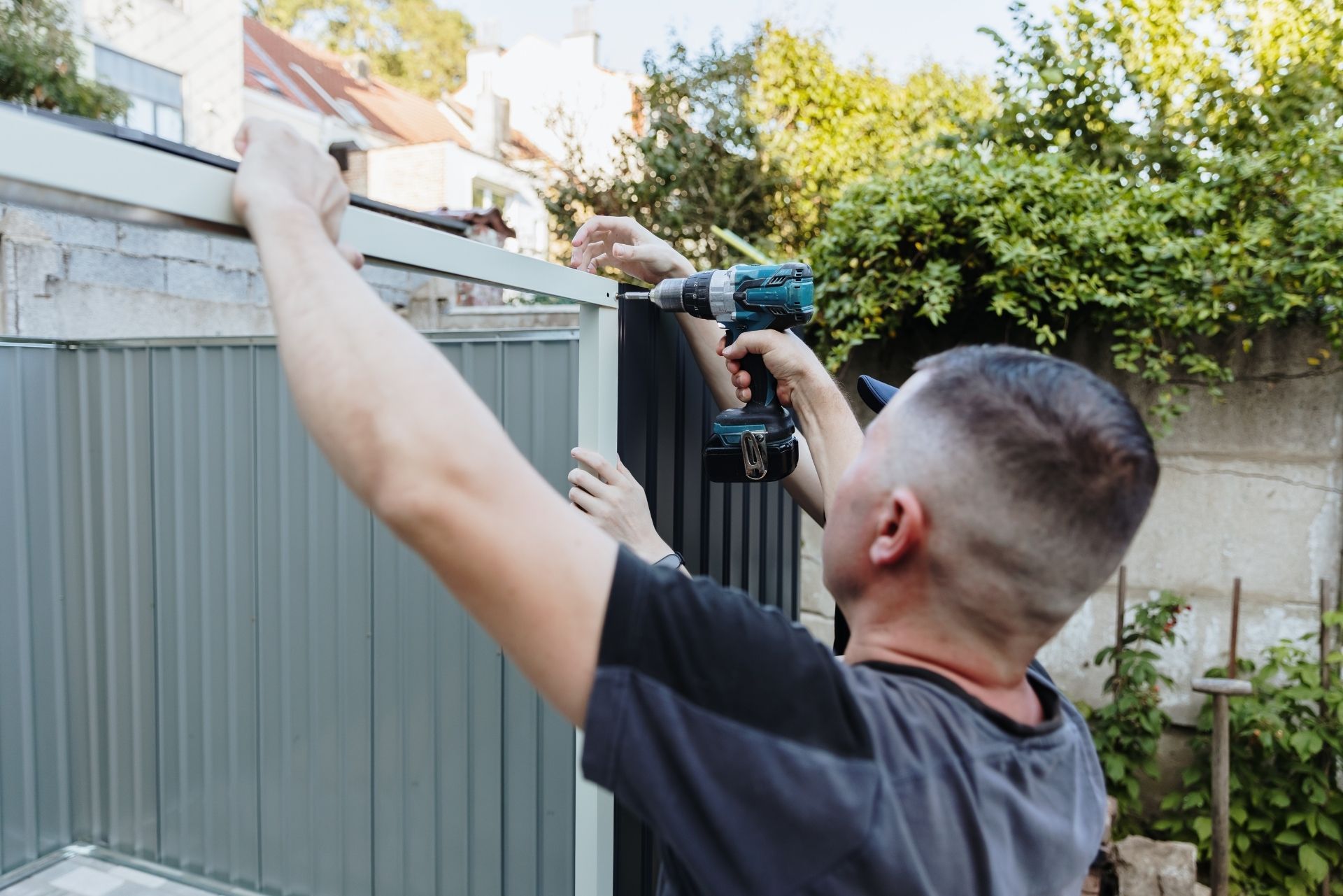
Your tools and equipment are how you make money. Losing them to theft, accident, or breakdown can shut down your operation for days or weeks.
Equipment Floaters: Coverage for Augers, Tools, and Skid Steers in Transit
A standard business property policy covers equipment at your shop or yard. But fence contractors rarely keep everything in one place. Your augers, post drivers, compressors, and hand tools travel between jobsites daily, often sitting on open trailers overnight. An equipment floater (also called an inland marine policy) covers your tools and machinery wherever they are: on the road, at a jobsite, or stored at a client's property.
Construction equipment theft continues to climb in 2026, with smaller contractors being disproportionately targeted because they're less likely to have GPS tracking or secured storage. A skid steer alone can cost $30,000 to $70,000 to replace. Even replacing a full trailer of hand tools, auger bits, and a post driver can run $8,000 to $15,000.
Equipment floaters typically cost 1% to 3% of the total insured value annually. For a $50,000 equipment schedule, that's $500 to $1,500 per year: a fraction of what a single theft would cost you out of pocket. Theft statistics from 2026 confirm that unsecured jobsites remain prime targets, making this coverage essential rather than optional.
Commercial Auto vs. Inland Marine Coverage
Fence contractors often confuse commercial auto insurance with inland marine (equipment floater) coverage. They cover different things, and you likely need both.
Commercial auto covers your trucks and trailers while they're on the road. If your work truck is in an accident, commercial auto pays for vehicle repairs, medical bills, and liability claims. But it typically won't cover the equipment inside or on the trailer. That's where your inland marine floater picks up. If your trailer full of tools is stolen from a jobsite, commercial auto won't help: your equipment floater will.
One common mistake: assuming your personal auto policy covers your work truck. In Louisiana, if you're using a vehicle for business purposes and you file a claim under a personal policy, the insurer can deny it. Make sure every vehicle used for your fencing business is on a commercial auto policy.
Comparison of Standard vs. Specialized Fencing Coverage
| Coverage Area | Standard GL Policy | Specialized Fencing Package |
|---|---|---|
| Third-party bodily injury | Covered | Covered |
| Property damage at jobsite | Covered | Covered |
| Completed operations | Often included with limits | Higher limits, longer tail |
| Underground utility strikes | Often excluded or sublimited | Covered via endorsement |
| Property line disputes | Not covered | Covered under E&O add-on |
| Equipment in transit | Not covered | Covered via inland marine floater |
| Rented equipment | Rarely covered | Available as endorsement |
| Employee injuries | Requires separate workers' comp | Requires separate workers' comp |
The gap between standard and specialized coverage is where most fence contractor claims fall through. A policy built specifically for your trade closes those gaps.
Common Questions About Fencing Insurance
Do I need insurance if I'm a one-person fencing operation? Yes. Louisiana requires contractor insurance regardless of crew size, and a single claim without coverage can wipe out your personal savings. Even solo operators face the same utility strike and liability risks as larger crews.
How much does fence contractor insurance typically cost? A basic GL policy runs $800 to $2,500 annually for small operations. Adding equipment floaters, E&O, and commercial auto brings most fencing businesses to $3,000 to $7,000 per year total, depending on revenue and crew size.
Does my insurance cover damage to underground utilities? It depends on your policy. Many standard GL policies exclude or sublimit underground utility damage. You'll need to check for specific exclusions and potentially add an endorsement. Utility strike liability for fence contractors is a well-documented coverage gap.
Will my policy cover a fence I built that falls down later? Completed operations coverage handles this. Verify your policy includes it and check whether there's a time limit on how long after project completion you're covered.
What if a client tells me to build on the wrong property line? You can still be named in the lawsuit. E&O coverage protects you when the placement turns out to be incorrect, regardless of who provided the boundary information.
Do I need separate coverage for rented equipment like mini excavators? Usually, yes. Your equipment floater covers owned tools. Rented equipment often requires a separate endorsement or a rental company's damage waiver. Check both your policy and the rental agreement.
Making the Right Choice for Your Business
Fence contractor insurance isn't a single policy: it's a combination of coverages tailored to the specific risks your business faces every day. General liability and completed operations form the foundation. Underground utility strike endorsements, equipment floaters, and professional liability coverage fill the gaps that standard policies leave open.
The smartest move is working with an agency that understands both the fencing trade and the Louisiana market. Chabert Insurance: The Ehrhardt Agency specializes in helping contractors across New Orleans and Mandeville build insurance programs that match their actual risk profile, not a generic template. Get your policies reviewed before your next big project, and make sure every post hole you dig is backed by coverage that actually protects your business.
On this page
Fully licensed
Chabert Insurance: The Ehrhardt Agency is a fully licensed independent insurance agency serving individuals, families, and businesses across Louisiana and Mississippi.
From our offices in Mandeville and New Orleans, we proudly serve clients in Mandeville, Covington, New Orleans, Kenner, Metairie, Harahan, River Ridge, and Slidell, as well as the Westbank and St. Bernard Parish, and communities throughout Louisiana and Mississippi. As an independent agency, our team works with a wide range of top-rated carriers to provide personal and commercial coverage — home, auto, flood, commercial, life, and more — built around the real needs of the people and businesses we protect.
OTHER INSURANCE COVERAGE

About the Author
Ryan J. Ehrhardt
Owner / Licensed Agent
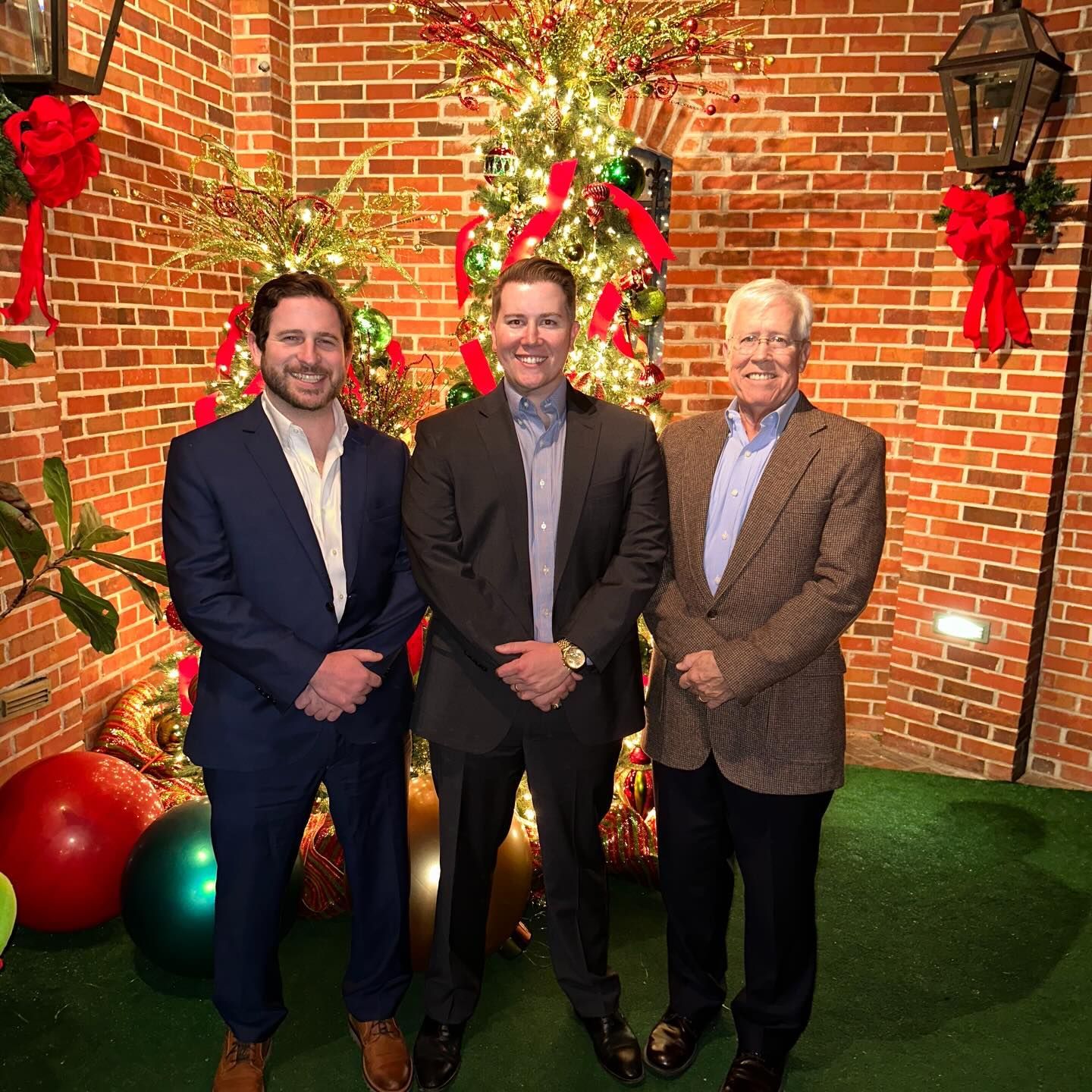
I'm Ryan J. Ehrhardt, owner and licensed agent at Chabert Insurance: The Ehrhardt Agency. I lead our team across our Mandeville and New Orleans offices, and I work with families and business owners every day to find coverage that fits their lives. I believe insurance should be simple to understand, so I take the time to explain your options in plain language before you decide.
As an independent agent, I answer to you, not to a single carrier. That means I can shop your policy across many companies and focus on what protects you best. When you call our office, you reach a real person who knows your account. I would be glad to review your coverage and help you feel confident about it.

[CONFIRM name]
Google review · Mandeville office
Home, Auto, Flood, Commercial & Life Insurance
Insurance built around your life in Louisiana
We compare coverage across many carriers and build one program that protects everything you own.
Home Insurance
Cover the cost to rebuild your house, replace your belongings, and answer a liability claim against your household.
Auto Insurance
Protect your vehicles with liability, collision, and uninsured motorist limits that hold up after a serious Louisiana wreck.
Flood Insurance
Your homeowners policy excludes flood. We quote NFIP and private options for your building and its contents.

Commercial Insurance
Liability, property, workers' compensation, and commercial auto for Louisiana businesses, priced against how your company operates.

Life Insurance
Replace the income your family depends on, with term and permanent options priced across several carriers.

Umbrella Insurance
Add a layer of liability protection above your auto and home limits, usually for a modest premium.
Ruston
Baton Rouge
Mandeville
Gretna
Louisiana Home Insurance
Home insurance built around where you live
Home insurance is our specialty. We write homeowners policies across Louisiana and price them against the wind, hail, and flood risk in your parish.
Areas we cover
Commercial Insurance for Louisiana Businesses
Coverage that keeps your business running
We build commercial programs around how your company actually operates, then compare carriers on price and claim service.

General Liability
Covers claims of bodily injury or property damage that come from your day-to-day operations.
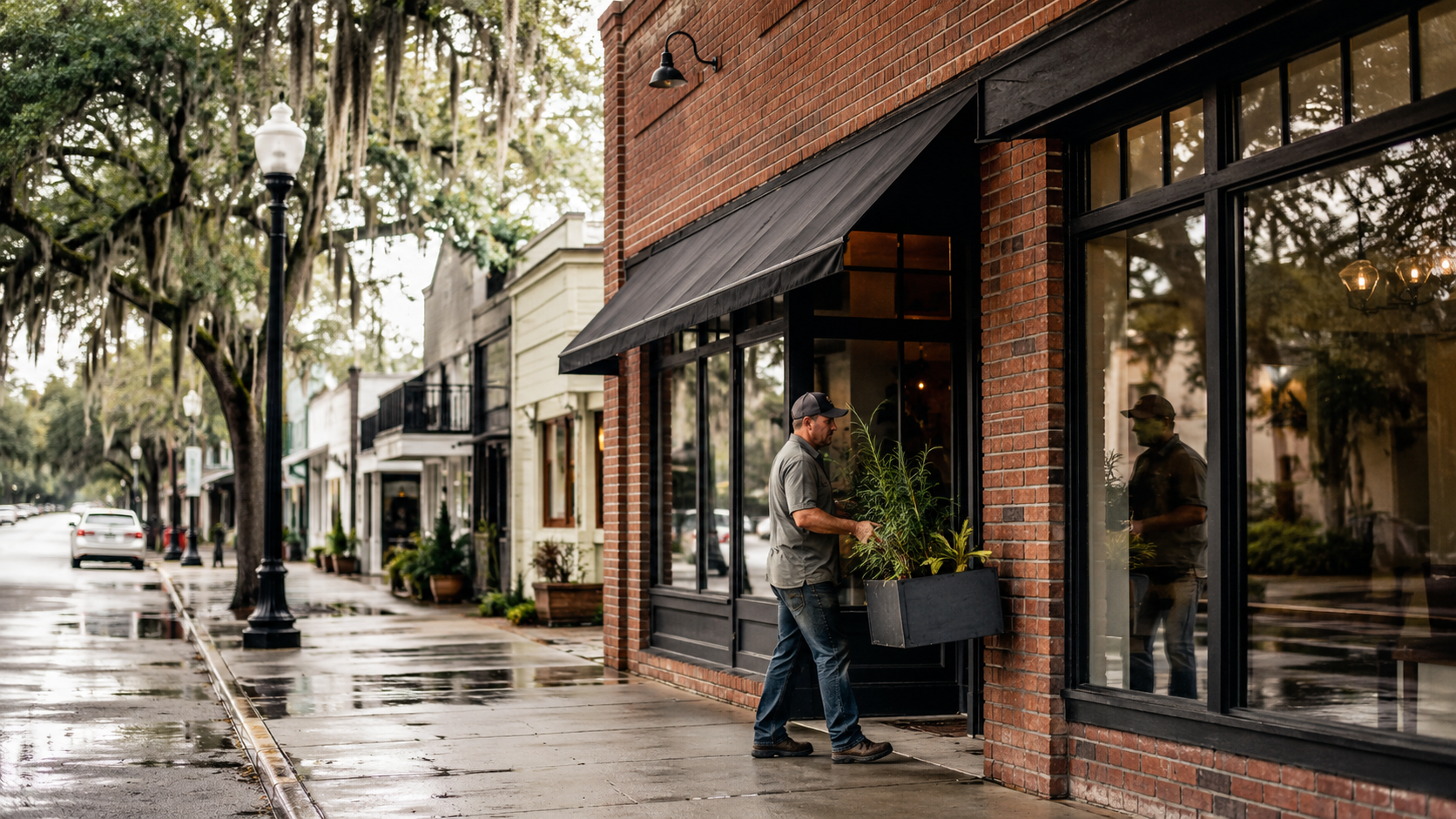
Commercial Property
Protects your building, equipment, and inventory against fire, storm, theft, and other covered losses.
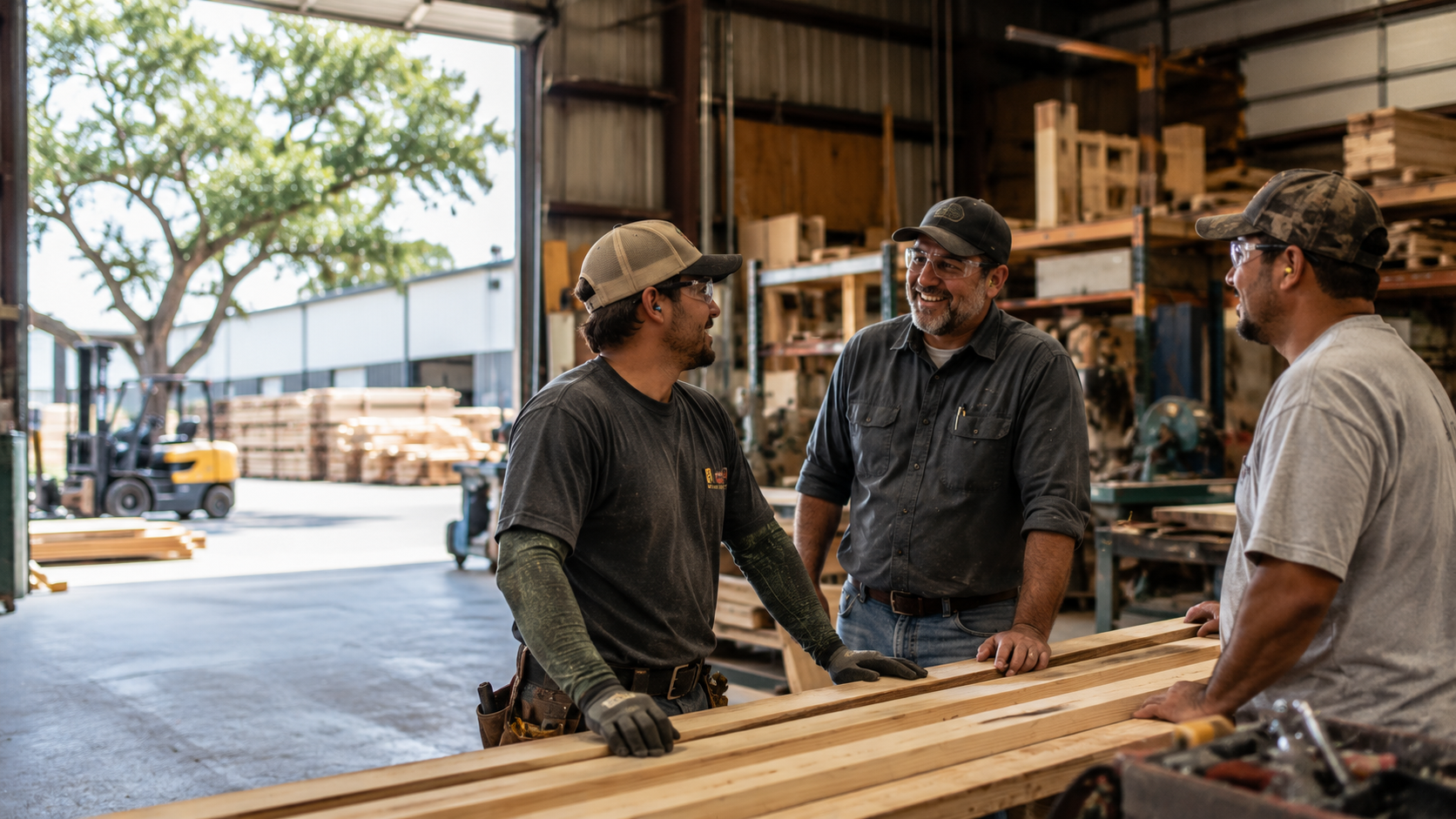
Workers' Compensation
Pays medical care and lost wages when an employee is hurt on the job, as Louisiana requires.
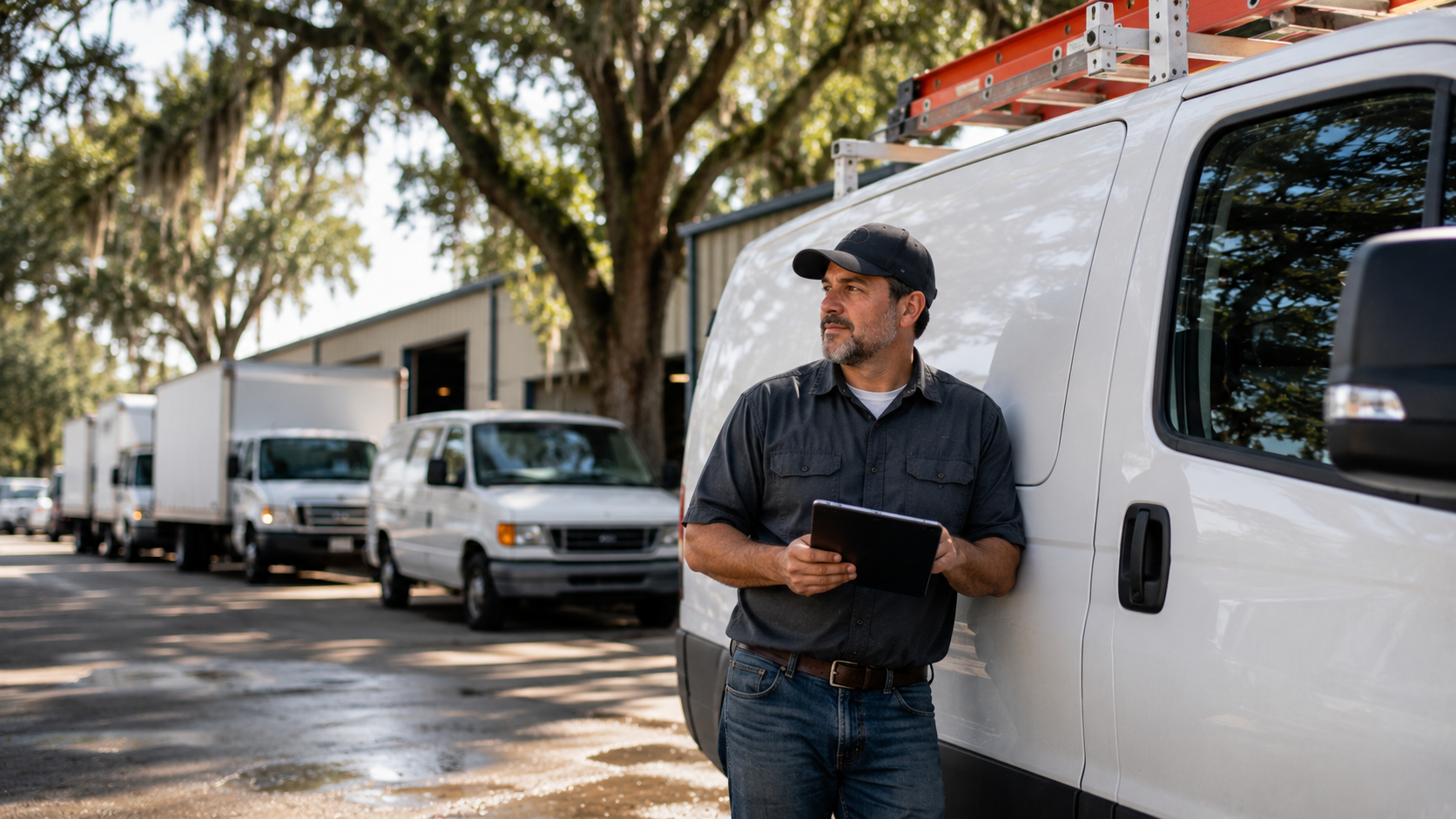
Commercial Auto
Covers the vehicles your business owns, along with the employees who drive them for work.

Professional Liability
Covers claims that your professional advice or services caused a client a financial loss.

Cyber Liability
Handles breach response, notification costs, and liability after customer data is exposed.
[CONFIRM name]
Google review · Mandeville office
Business Insurance by Industry
Specialized coverage for your line of work
Every trade carries its own risks. We know the coverage these Louisiana businesses need and where the gaps usually sit.
Plumbers
Liability, tools, and commercial auto coverage built for water damage claims and job-site risk.
Restaurants
Property, liquor liability, and spoilage coverage for kitchens, dining rooms, and your staff.
Real Estate Investors
Landlord property, liability, and vacancy coverage for rentals, flips, and multi-unit buildings.
[CONFIRM name]
Google review · Mandeville office
How to Get Insured in 4 Steps
Getting covered is simple
You talk to a licensed agent from the first call to the annual review.

1
Tell us about you
Share what you want to protect. A licensed agent asks about your home, vehicles, family, or business and gathers the details carriers need.
2
We shop our carriers
We compare options across the markets we represent and look at price, coverage limits, and how each carrier handles claims.
3
Review your choices
We explain coverage and price in plain language, side by side, so you can see the trade-offs before you choose.
4
Get covered
Your policy starts, you get your documents, and we review the coverage with you each year.
5-Star Rated by Louisiana Clients
What our clients say
Louisiana families and business owners rate us 5 stars for clear advice and fast answers.
139+ five-star reviews across our Mandeville and New Orleans offices