
Variant Insurance Group is a licensed independent insurance agency in Minnesota. [CONFIRM license #.]
Get a Quote
Variant Insurance Group is a licensed independent insurance agency serving Minnesota families and businesses.
From our office in Maple Plain, our team works with many of Minnesota's top-rated carriers so your home, auto, life, and business coverage fits your real needs. We serve families and businesses across Minnesota.
New title
New title
Umbrella Insurance: The Ultimate Safety Net
Accidental vs. Intentional Tenant Damage
Does my homeowners policy cover my home office equipment?
Board members don't typically need separate individual policies for board service if the association carries adequate D&O coverage. That said, you should confirm your D&O policy covers all current and former board members and doesn't contain exclusions that could leave gaps.
Common Questions About HOA Insurance Coverage
FAQ: Do I need a separate appraisal for every single silver spoon?
FAQ: Am I covered if I accidentally drop a piece of fine art?
FAQ: Why is windstorm insurance so much more expensive for parks?
FAQ: What happens if a storm destroys my tenant's home but not my land?
Do HOA board members need their own individual insurance?
The board may need to levy a special assessment against all owners to cover the shortfall. This creates financial strain and often leads to disputes. Keeping reserves funded and deductibles manageable is the best way to avoid this scenario.
Usually not. The HOA's master policy typically covers common areas and building structure up to the bare walls. Interior finishes, personal property, and improvements you've made are your responsibility under your individual HO-6 condo policy.
At least annually, and after any major renovation, new amenity addition, or significant change in property values. Louisiana boards should also review limits before hurricane season each year.
They're similar but not identical. A fidelity bond specifically covers theft or dishonest acts by people entrusted with association funds. Crime insurance is broader and may cover forgery, computer fraud, and third-party theft. Many associations carry both.
What happens if our HOA doesn't have enough money in reserves for a claim?
Does the HOA policy cover damage inside my individual unit?
How often should our board review our insurance limits?
Is a fidelity bond the same thing as theft insurance?
A single sign installation job can expose your business to a dozen different liability scenarios before the crew even leaves the site. A neon channel letter set worth $15,000 could shatter during a crane lift. A passerby could be struck by a falling bolt from a 40-foot elevation. Faulty wiring behind a backlit monument sign could spark a fire months after you've cashed the final check. Sign contractor insurance isn't a single policy you buy off the shelf: it's a layered program built around the specific hazards your crews face every day, from electrical connections to crane operations to the finished product itself. Understanding how general liability, height and crane exposure, electrical work coverage, installation floaters, and completed operations fit together is the difference between running a protected business and gambling with your livelihood.
Core Liability Protection for Sign Contractors
Every sign company needs a foundation of coverage that addresses the most common claims. Two policies form this base: commercial general liability and completed operations coverage. They work together, but they protect you at different stages of a project, and confusing the two is one of the most frequent mistakes sign installers make.
General Liability: Protecting Against Third-Party Injury and Property Damage
Your commercial general liability (CGL) policy is the first line of defense when someone outside your company gets hurt or their property is damaged because of your work. If a pedestrian trips over your staging equipment in a parking lot, or your crew accidentally cracks a storefront window while positioning a channel letter set, CGL responds to those claims.
For sign contractors in Louisiana, CGL also covers your legal defense costs, which can pile up quickly even if the underlying claim turns out to be baseless. A standard CGL policy typically carries $1 million per occurrence and $2 million aggregate limits, though larger commercial projects often require higher limits or an umbrella policy.
One thing to keep in mind: CGL covers bodily injury and property damage that happens during your active operations. It doesn't cover the sign itself, your tools, or damage that shows up after you've finished the job. Those gaps are filled by other parts of your insurance program.
Completed Operations: Why Coverage Doesn't End When the Sign is Mounted
Here's where many sign contractors get caught off guard. Your CGL policy's completed operations coverage kicks in after you've finished a job and left the site. If a sign you installed six months ago detaches from a building facade during a storm because of a mounting defect, completed operations is the coverage that responds.
This matters enormously in Louisiana, where hurricane-force winds and heavy rain test every installation. OSHA's updated penalty schedule for 2026 means that regulatory scrutiny on installation quality has intensified, and a sign failure that injures someone can trigger both a liability claim and a regulatory investigation.
Completed operations coverage typically stays active for the duration of your policy period, but you need to maintain it continuously. If you let your policy lapse and a claim surfaces from a job you did two years ago, you could be completely exposed. Many sign contractors carry completed operations coverage for at least three to five years after finishing major installations.
Managing High-Risk Exposures: Height, Cranes, and Electrical Work
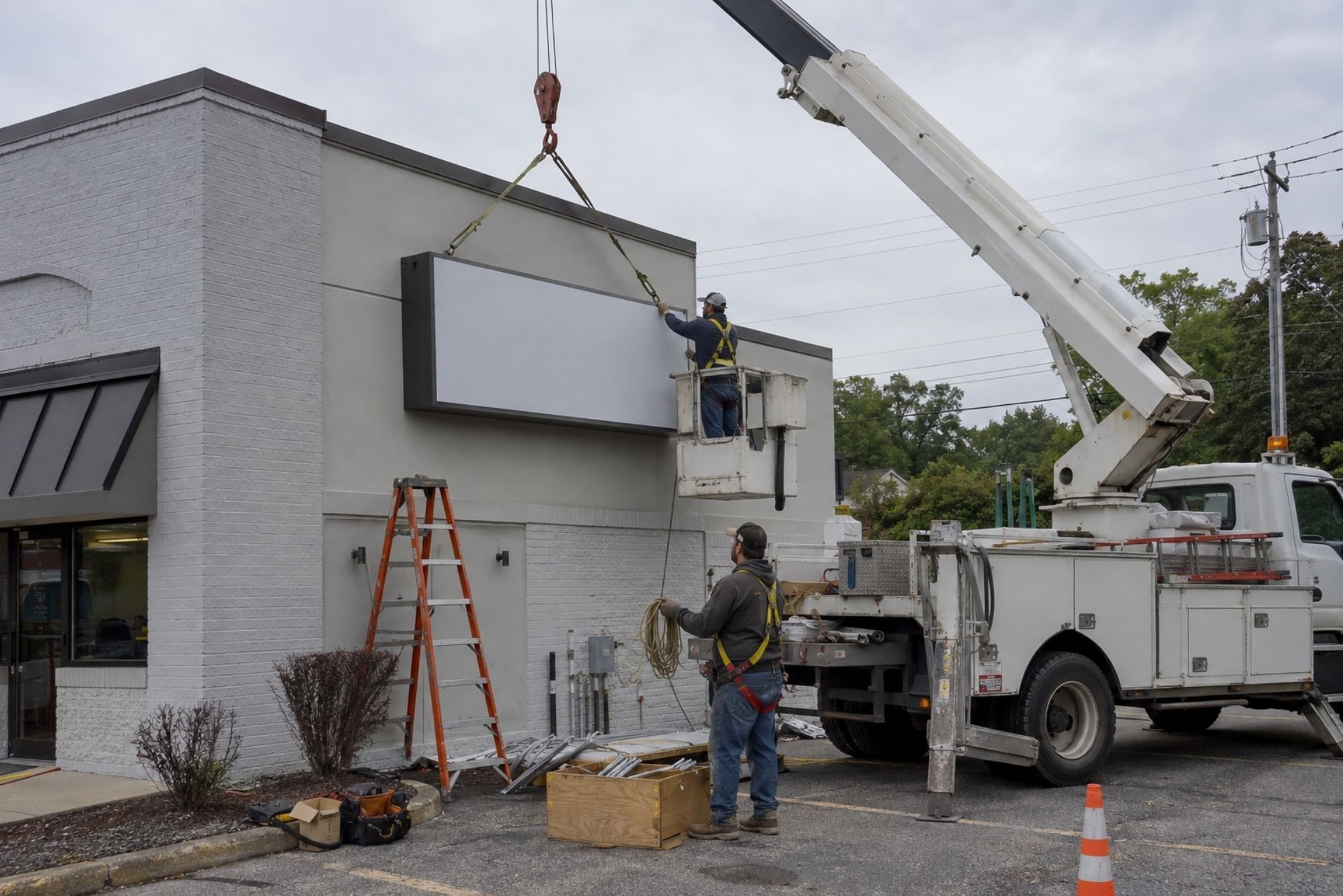
The work that makes sign installation profitable is also what makes it dangerous. Working at elevation, operating cranes, and handling electrical connections each carry their own set of risks that standard general liability alone won't fully address.
Height and Crane Liability: Risks of Falling Objects and Structural Failure
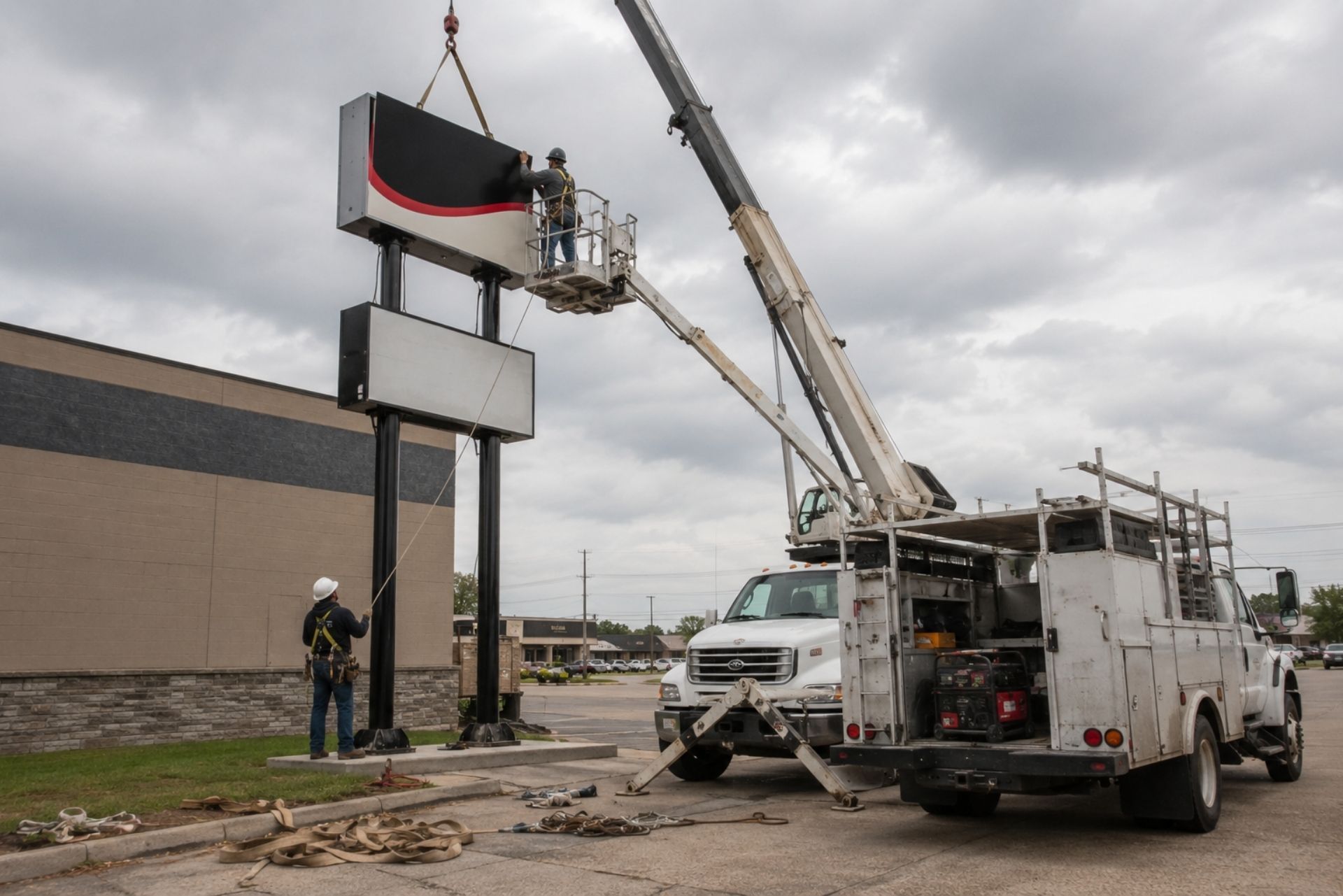
Falls remain one of the most cited OSHA violations across all construction trades, and sign installation is no exception. Your crews regularly work at heights that most contractors never reach, and the objects they're handling are heavy, awkward, and expensive.
Insurers now use a 10-meter (30-foot) height threshold as a critical underwriting pivot point, where exceeding that elevation significantly increases your premium and may require specialized endorsements. If your company routinely installs pylon signs, highway billboards, or building-mounted signage above 30 feet, expect your insurer to ask detailed questions about your safety protocols, equipment maintenance records, and crew certifications.
Crane operations add another layer of risk. A crane failure during a sign lift can cause catastrophic property damage and serious injuries. Your insurance program should include:
- Hired and non-owned equipment liability if you rent cranes
- Rigging failure coverage for slings, shackles, and cables
- Structural engineering sign-off documentation for large installations
- Workers' compensation with adequate limits for high-elevation work
The construction industry in 2026 faces rising insurance costs and tighter underwriting standards, which means sign contractors who can demonstrate strong safety programs often secure better rates than those who can't.
Electrical Work Liability: Hazards of Faulty Wiring and Fire Risks
Most sign installations involve some degree of electrical work, whether it's wiring LED modules, connecting neon transformers, or running conduit for illuminated cabinet signs. Electrical work liability protects you if faulty wiring causes a fire, electrical shock, or property damage.
This coverage is critical because electrical failures often don't manifest immediately. A loose connection behind a sign face might not cause a problem for months, then overheat and ignite surrounding materials. The average electrician insurance policy costs between $1,200 and $3,000 annually depending on your volume and claims history, though sign contractors with mixed trade exposure may pay more.
Louisiana requires licensed electrical work for most commercial sign installations. If your crew performs electrical connections without proper licensing, your insurer could deny a claim based on a policy exclusion for unlicensed work. At Chabert Insurance: The Ehrhardt Agency, we regularly help sign contractors in the New Orleans and Mandeville areas verify that their policies align with Louisiana's licensing requirements, preventing gaps that could leave them unprotected.
Electrical liability claims can also trigger broader contractor risk assessments that affect your future insurability. A single fire claim from faulty wiring can follow your business for years.
Protecting Assets in Transit and During Installation
Your liability policies protect you from claims by others. But what about your own property: the signs you've fabricated, the tools in your truck, the specialized equipment your business depends on?
Installation Floaters: Coverage for High-Value Signs Before They Are Secured
An installation floater (sometimes called a builder's risk or course of construction policy) covers the sign itself from the moment it leaves your shop until it's fully installed and accepted by the customer. This is property coverage for work in progress.
Consider a typical scenario: your crew fabricates a $25,000 illuminated monument sign, loads it onto a flatbed, and transports it across town. During unloading, a strap fails and the sign drops, cracking the cabinet and destroying the LED modules inside. Without an installation floater, that loss comes straight out of your pocket. Your CGL policy won't cover it because it's your own property, not third-party damage.
Installation floaters typically cover:
- Damage during transport from shop to job site
- Theft from a job site before installation is complete
- Weather damage to signs staged outdoors awaiting installation
- Accidental breakage during the mounting process
The policy usually terminates when the sign is fully installed and the customer accepts it. After that point, the sign becomes the property owner's responsibility to insure.
Inland Marine: Protecting Tools and Mobile Equipment on the Move
Your bucket trucks, welding rigs, bending equipment, and hand tools travel with your crews every day. A standard commercial property policy only covers items at your listed business location. Inland marine insurance fills the gap by covering tools and equipment wherever they go.
For sign contractors, this often includes portable generators, scaffolding systems, channel letter benders, electrical testing equipment, and vehicle-mounted cranes. If a truck-mounted crane is damaged in a collision on the way to a job, inland marine can cover the repair or replacement of the crane itself (separate from the vehicle's auto insurance).
Inland marine policies can be written on a scheduled basis, where you list specific high-value items, or on a blanket basis that covers all tools and equipment up to a set limit. Most sign companies benefit from a combination of both approaches.
Comparison of Standard vs. Specialized Sign Contractor Coverage
Coverage Comparison Table: General Liability vs. Specialized Endorsements
| Coverage Area | Standard CGL Policy | Specialized Sign Contractor Program |
|---|---|---|
| Third-party bodily injury | Covered | Covered |
| Third-party property damage | Covered | Covered |
| Completed operations | Often included, may have sublimits | Full limits, extended reporting available |
| Height/crane exposure | May exclude work above 30 feet | Endorsed for specific elevation thresholds |
| Electrical work liability | Often excluded or sublimited | Included with licensed work requirement |
| Installation floater | Not included | Available as endorsement or standalone |
| Inland marine (tools/equipment) | Not included | Available as endorsement or standalone |
| Rigging and lifting equipment | Typically excluded | Covered with maintenance documentation |
| LED/neon component damage | Not covered | Covered under installation floater |
The gap between standard and specialized coverage is significant. A general contractor's off-the-shelf CGL policy will leave a sign company exposed on nearly every front that makes the trade unique. Working with an agency that understands these distinctions, like Chabert Insurance: The Ehrhardt Agency in Louisiana, helps you build a program that actually matches your risk profile.
Common Questions About Sign Installation Insurance
FAQ: What new installers need to know about costs and requirements
How much does sign contractor insurance cost? Premiums vary widely based on your revenue, crew size, and the types of signs you install. A small shop doing ground-level monument signs might pay $3,000 to $5,000 annually for a basic program. Companies doing high-rise and electrical work can expect $8,000 to $15,000 or more.
Do I need separate electrical liability coverage? If your crews perform any electrical connections, yes. Many standard CGL policies exclude or sublimit electrical work. A standalone electrical liability endorsement or policy ensures you're covered if wiring causes a fire or shock injury.
What's the difference between an installation floater and inland marine? An installation floater covers the sign you're building or installing for a customer. Inland marine covers your own tools and equipment. You likely need both.
Does my policy cover crane rentals? Your CGL may not automatically cover liability arising from rented crane operations. You'll need a hired equipment endorsement and should verify that the crane rental company's insurance doesn't leave gaps. OSHA's common violations list frequently includes crane safety infractions, so proper coverage and compliance go hand in hand.
Are there Louisiana-specific requirements I should know about? Louisiana requires workers' compensation for most employers and has specific licensing requirements for electrical work on commercial signs. The state's hurricane exposure also means your completed operations coverage needs to account for wind-related sign failures.
How long should I carry completed operations coverage? At minimum, maintain it for the statute of limitations period in your state. In Louisiana, that's typically one year for property damage and one year for personal injury, but contractual obligations on commercial projects often require longer coverage periods.
Making the Right Choice for Your Sign Business
Your sign company faces a combination of risks that few other trades share: heavy objects at dangerous heights, live electrical work, expensive custom products in transit, and liability that extends well beyond the installation date. A patchwork of generic policies won't hold up when a real claim hits.
The right insurance program layers general liability, completed operations, height and crane endorsements, electrical work coverage, installation floaters, and inland marine into a cohesive package. Each piece addresses a specific exposure that the others don't. The construction insurance market in 2026 is tightening, which means getting properly covered now is smarter than waiting for a claim to reveal your gaps.
If you're a sign installer in the New Orleans or Mandeville area, reach out to Chabert Insurance: The Ehrhardt Agency for a coverage review tailored to your specific operations. A 30-minute conversation about your current policies could save you from a six-figure claim down the road.
On this page
Fully licensed
Chabert Insurance: The Ehrhardt Agency is a fully licensed independent insurance agency serving individuals, families, and businesses across Louisiana and Mississippi.
From our offices in Mandeville and New Orleans, we proudly serve clients in Mandeville, Covington, New Orleans, Kenner, Metairie, Harahan, River Ridge, and Slidell, as well as the Westbank and St. Bernard Parish, and communities throughout Louisiana and Mississippi. As an independent agency, our team works with a wide range of top-rated carriers to provide personal and commercial coverage — home, auto, flood, commercial, life, and more — built around the real needs of the people and businesses we protect.
OTHER INSURANCE COVERAGE

About the Author
Ryan J. Ehrhardt
Owner / Licensed Agent
I'm Ryan J. Ehrhardt, owner and licensed agent at Chabert Insurance: The Ehrhardt Agency. I lead our team across our Mandeville and New Orleans offices, and I work with families and business owners every day to find coverage that fits their lives. I believe insurance should be simple to understand, so I take the time to explain your options in plain language before you decide.
As an independent agent, I answer to you, not to a single carrier. That means I can shop your policy across many companies and focus on what protects you best. When you call our office, you reach a real person who knows your account. I would be glad to review your coverage and help you feel confident about it.
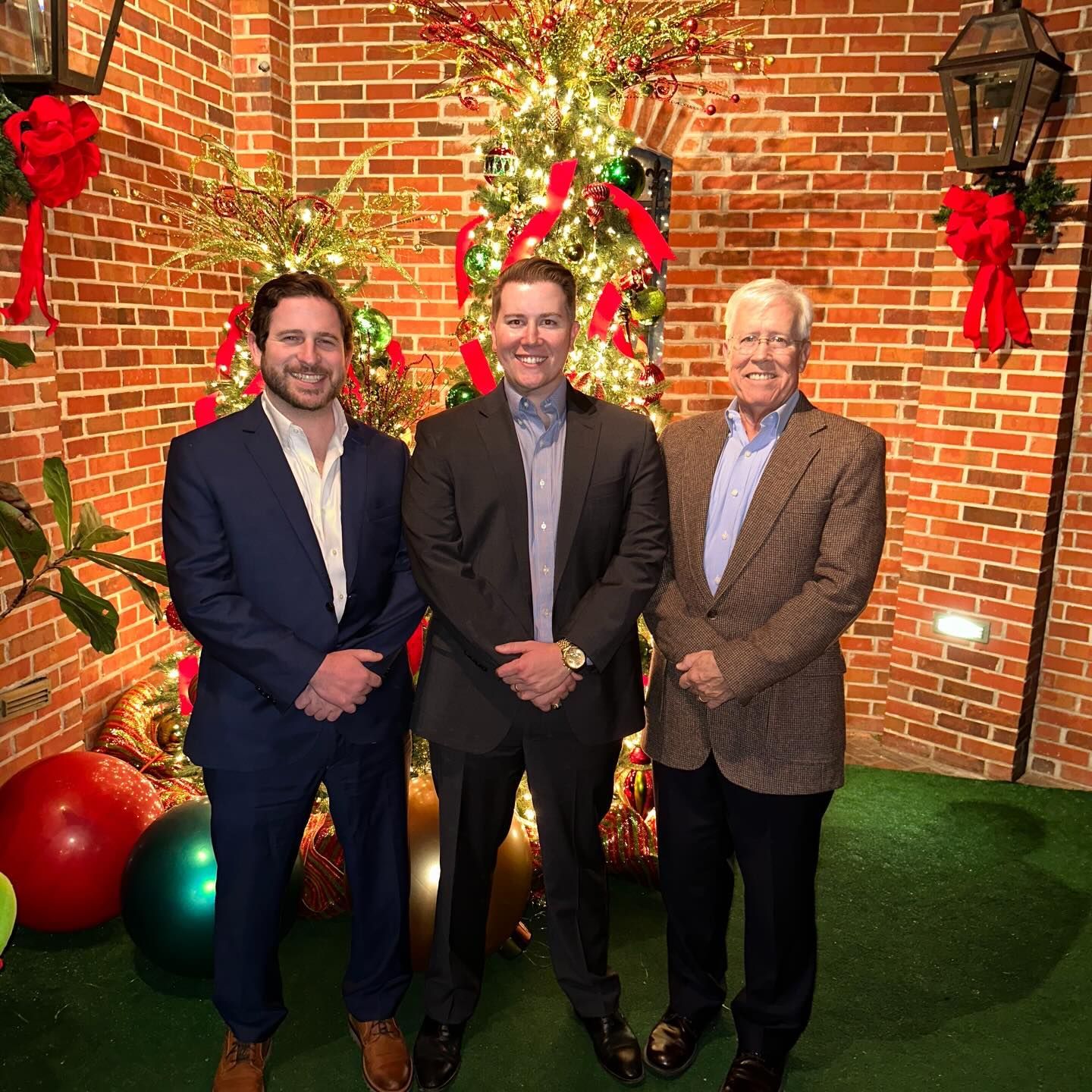
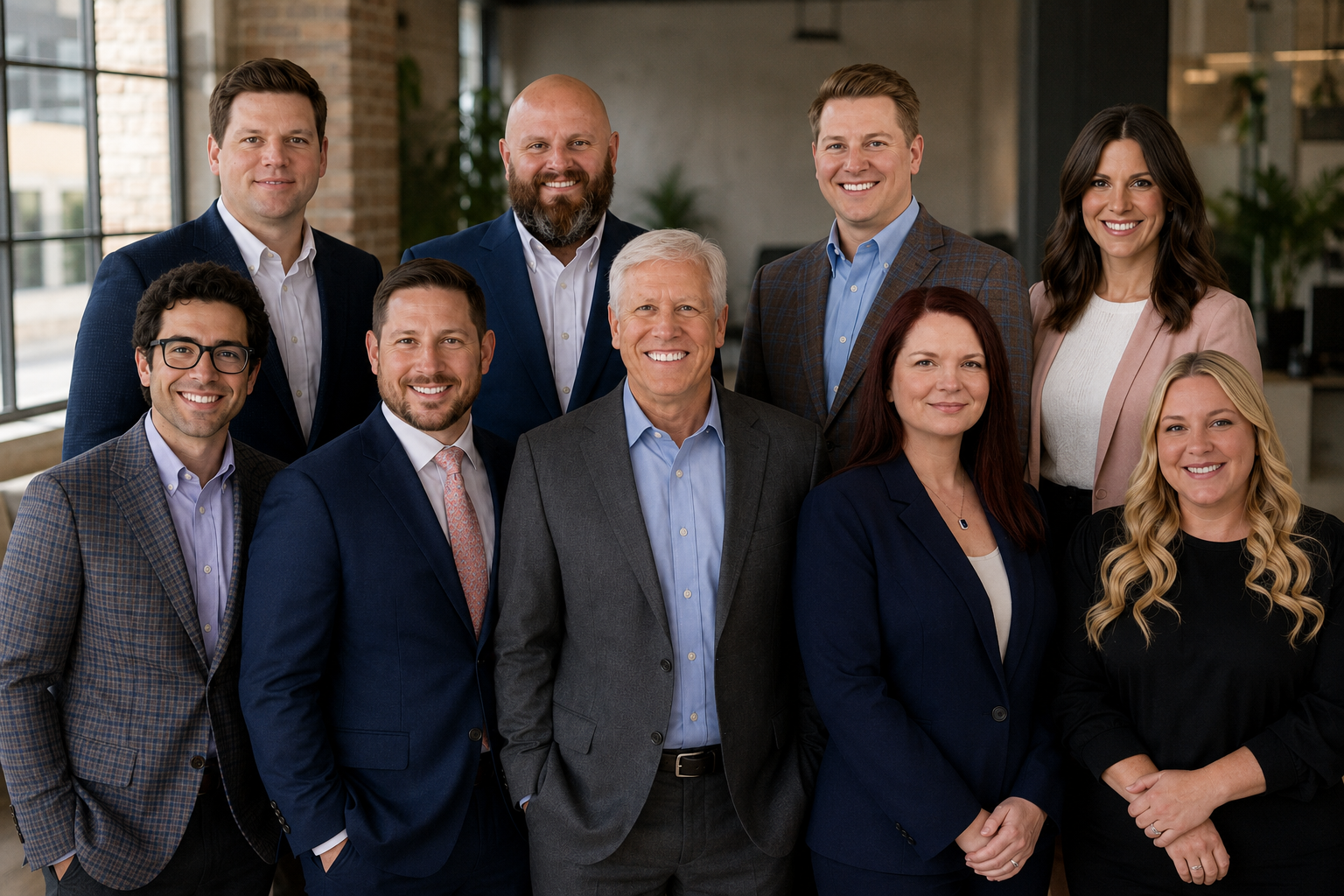

[CONFIRM name]
Google review · Mandeville office
Home, Auto, Flood, Commercial & Life Insurance
Insurance built around your life in Louisiana
We compare coverage across many carriers and build one program that protects everything you own.

Home Insurance
Cover the cost to rebuild your house, replace your belongings, and answer a liability claim against your household.
Auto Insurance
Protect your vehicles with liability, collision, and uninsured motorist limits that hold up after a serious Louisiana wreck.
Flood Insurance
Your homeowners policy excludes flood. We quote NFIP and private options for your building and its contents.

Commercial Insurance
Liability, property, workers' compensation, and commercial auto for Louisiana businesses, priced against how your company operates.

Life Insurance
Replace the income your family depends on, with term and permanent options priced across several carriers.

Umbrella Insurance
Add a layer of liability protection above your auto and home limits, usually for a modest premium.
Ruston
Baton Rouge
Mandeville
Gretna
Louisiana Home Insurance
Home insurance built around where you live
Home insurance is our specialty. We write homeowners policies across Louisiana and price them against the wind, hail, and flood risk in your parish.
Areas we cover
Commercial Insurance for Louisiana Businesses
Coverage that keeps your business running
We build commercial programs around how your company actually operates, then compare carriers on price and claim service.

General Liability
Covers claims of bodily injury or property damage that come from your day-to-day operations.
Commercial Property
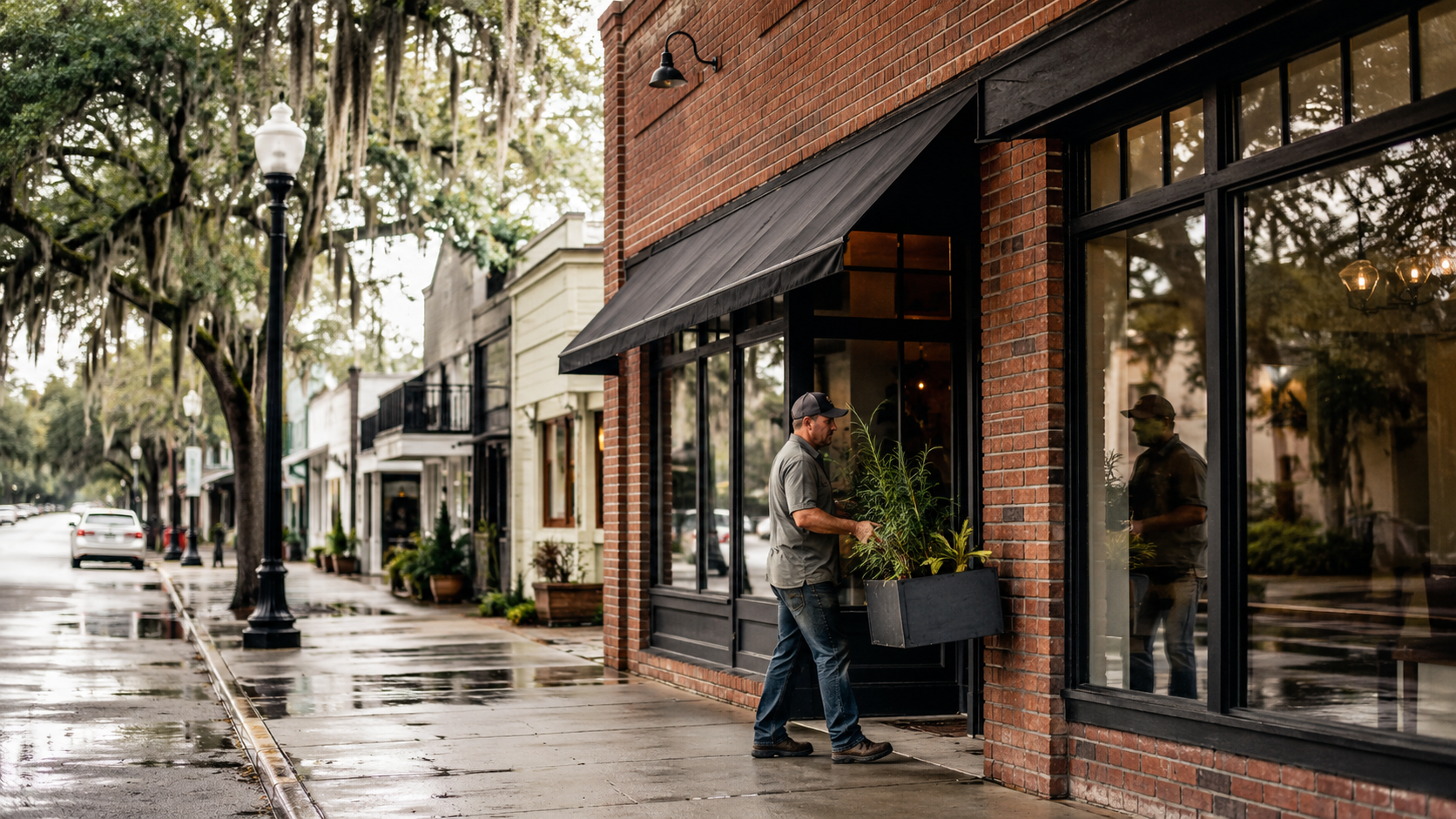
Protects your building, equipment, and inventory against fire, storm, theft, and other covered losses.
Workers' Compensation
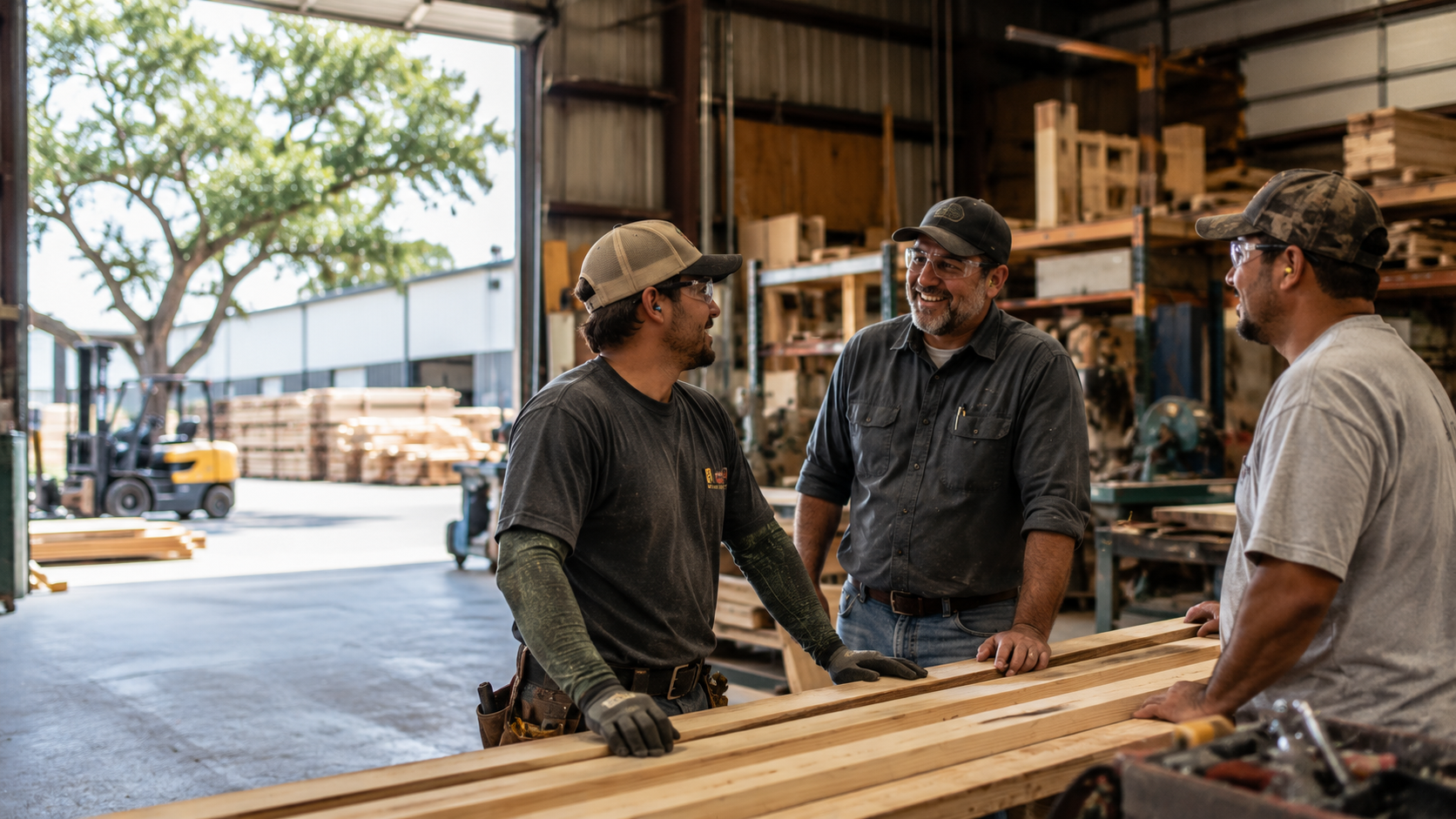
Pays medical care and lost wages when an employee is hurt on the job, as Louisiana requires.
Commercial Auto
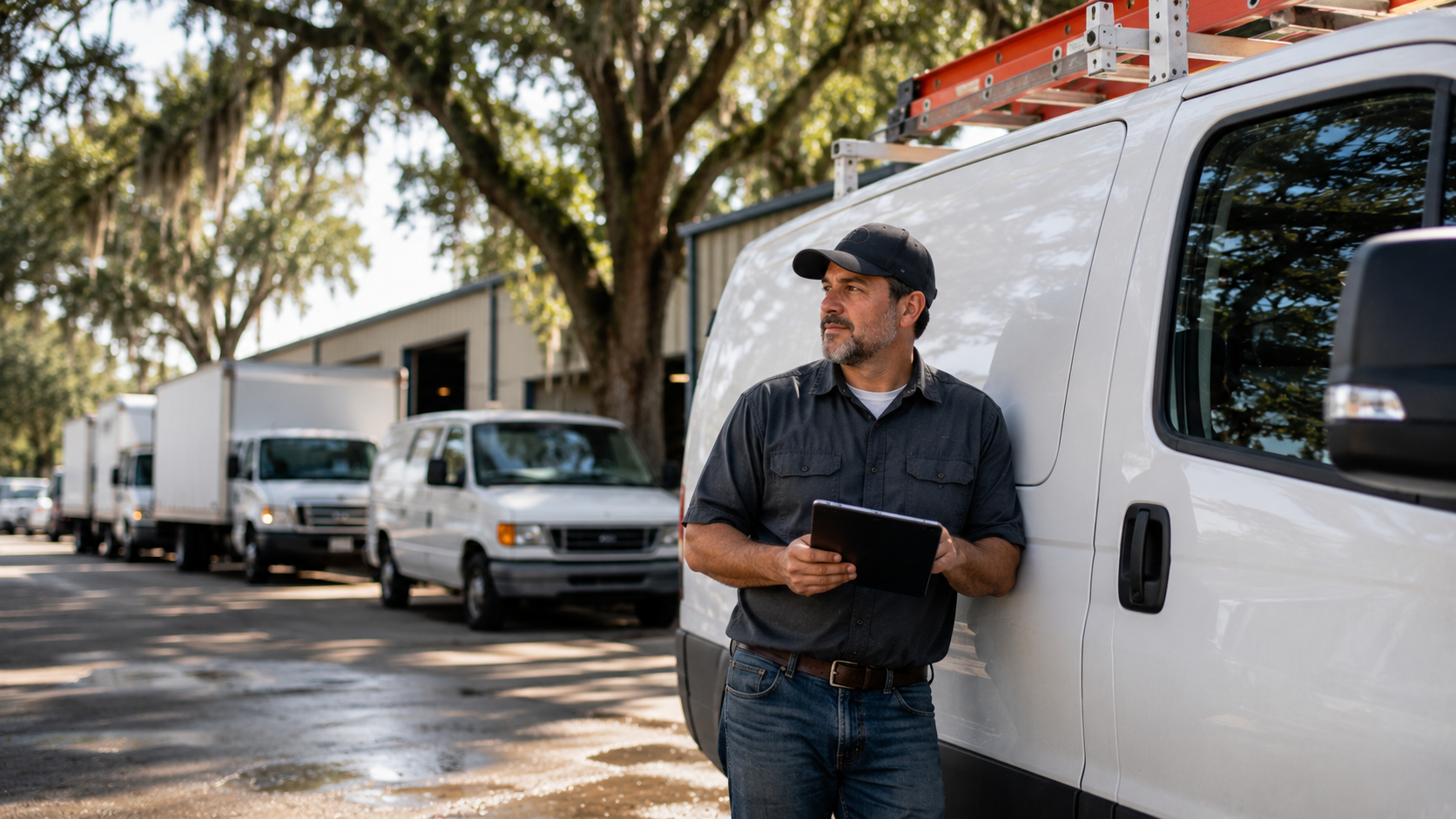
Covers the vehicles your business owns, along with the employees who drive them for work.

Professional Liability
Covers claims that your professional advice or services caused a client a financial loss.

Cyber Liability
Handles breach response, notification costs, and liability after customer data is exposed.
[CONFIRM name]
Google review · Mandeville office
Business Insurance by Industry
Specialized coverage for your line of work
Every trade carries its own risks. We know the coverage these Louisiana businesses need and where the gaps usually sit.
Plumbers
Liability, tools, and commercial auto coverage built for water damage claims and job-site risk.
Restaurants
Property, liquor liability, and spoilage coverage for kitchens, dining rooms, and your staff.
Real Estate Investors
Landlord property, liability, and vacancy coverage for rentals, flips, and multi-unit buildings.
[CONFIRM name]
Google review · Mandeville office
How to Get Insured in 4 Steps
Getting covered is simple
You talk to a licensed agent from the first call to the annual review.

1
Tell us about you
Share what you want to protect. A licensed agent asks about your home, vehicles, family, or business and gathers the details carriers need.
2
We shop our carriers
We compare options across the markets we represent and look at price, coverage limits, and how each carrier handles claims.
3
Review your choices
We explain coverage and price in plain language, side by side, so you can see the trade-offs before you choose.
4
Get covered
Your policy starts, you get your documents, and we review the coverage with you each year.
5-Star Rated by Louisiana Clients
What our clients say
Louisiana families and business owners rate us 5 stars for clear advice and fast answers.
139+ five-star reviews across our Mandeville and New Orleans offices