
Variant Insurance Group is a licensed independent insurance agency in Minnesota. [CONFIRM license #.]
Get a Quote
Variant Insurance Group is a licensed independent insurance agency serving Minnesota families and businesses.
From our office in Maple Plain, our team works with many of Minnesota's top-rated carriers so your home, auto, life, and business coverage fits your real needs. We serve families and businesses across Minnesota.
New title
New title
Umbrella Insurance: The Ultimate Safety Net
Accidental vs. Intentional Tenant Damage
Does my homeowners policy cover my home office equipment?
Your lakehouse on the Northshore sits empty for weeks at a time. Your fishing camp in Grand Isle sees action only on long weekends. That Gulf Coast cottage you inherited? It's been unoccupied since last Thanksgiving. Each of these properties represents a different kind of risk than your primary home, and insurance carriers know it. Understanding why second homes, vacation properties, and seasonal camps are underwritten differently can save you from surprise claim denials and coverage gaps. The factors that matter most include occupancy rules, seasonal vacancy windows, water shutoff requirements, and whether you rent the property out. Roughly 35% of claim denials on secondary properties stem from unreported changes in use or occupancy, a statistic that should give any second-home owner pause. If you own property in Louisiana, where hurricane exposure, humidity, and flood zones add extra layers of complexity, these distinctions become even more critical. This guide walks through the specific underwriting differences, policy requirements, and practical steps you can take to protect your investment, whether it's a camp on the bayou or a condo on the coast.
Understanding Why Secondary Homes Carry Higher Risk
Insurance carriers don't price secondary home policies higher out of spite. They do it because the data consistently shows these properties generate more frequent and more severe claims than primary residences. The reasons are straightforward: nobody's home to catch a small problem before it becomes a catastrophe.
The Impact of Low Occupancy on Underwriting
A water heater leak in your Mandeville home gets caught the same day. That same leak in your Gulf Shores vacation condo might run for three weeks before anyone notices. Seasonal and secondary homes experience 40% higher burglary rates than primary residences, and water damage claims are significantly larger because leaks go undetected longer.
Underwriters evaluate how many days per year you actually occupy the property. A home used 200 days a year gets treated very differently from one used 30 days. The fewer days you're present, the higher the premium, because there's nobody to spot a roof leak, a broken window, or a failing HVAC system before damage escalates.
Location-Specific Hazards: Coastal vs. Remote Properties
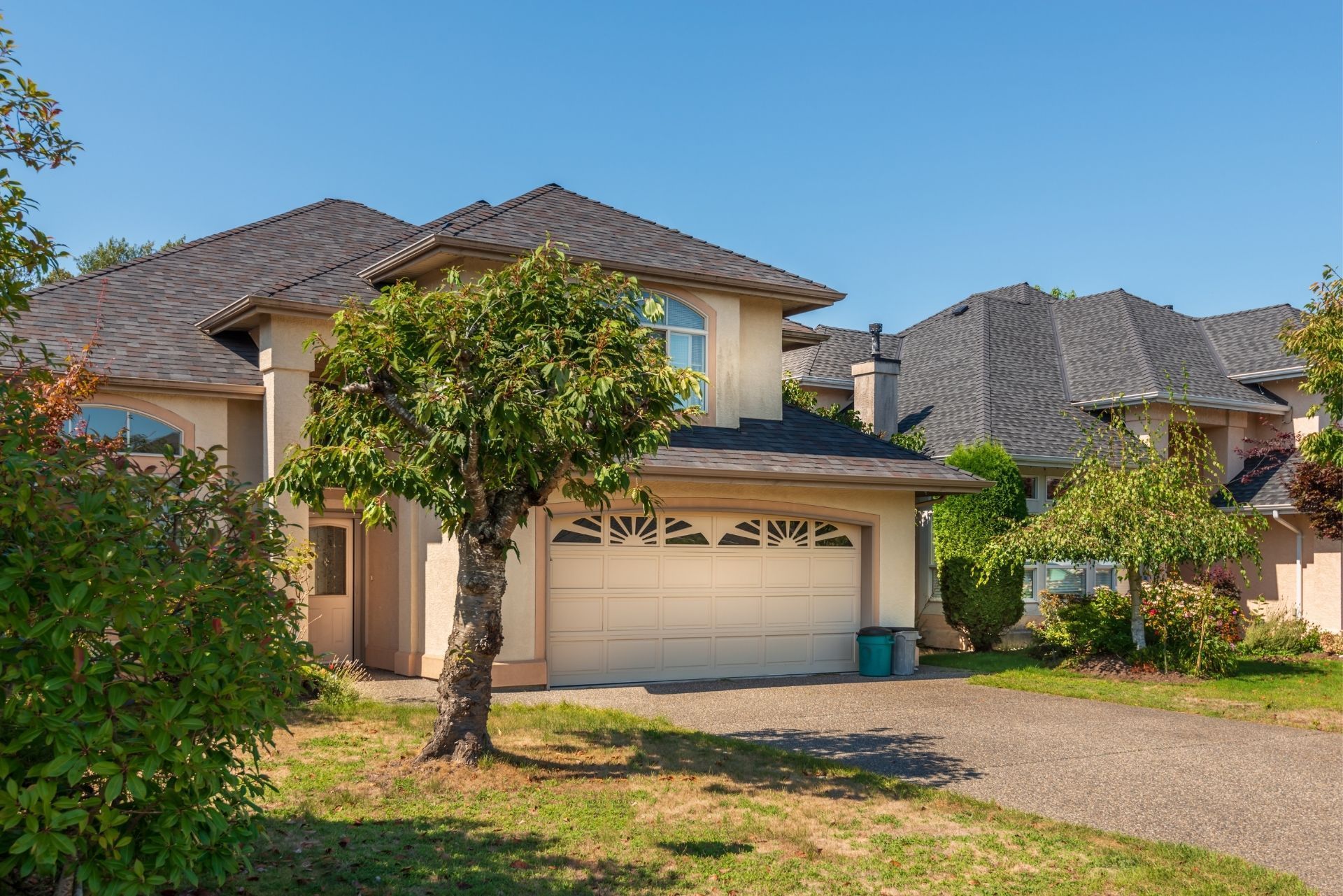
Second homes tend to cluster in places that are beautiful but risky. Coastal Louisiana properties face hurricane wind, storm surge, and flood exposure. Remote hunting camps sit on unpaved roads where fire departments may take 45 minutes to respond. Island properties might lack municipal water pressure for firefighting.
Each of these location factors affects your coverage options and pricing. A camp deep in Terrebonne Parish isn't going to carry the same policy structure as a condo in the French Quarter. Carriers assign protection class ratings based on proximity to fire stations and hydrants, and remote properties often land in the most expensive categories.
Occupancy Rules and Seasonal Vacancy Clauses
Your policy's occupancy language matters more than most people realize. The difference between "vacant" and "unoccupied" isn't just semantics: it determines whether your claim gets paid.
Defining Vacant vs. Unoccupied Status
A vacant property has no personal belongings inside and nobody living there. An unoccupied property still contains your furniture and belongings, but nobody's been staying there recently. Most insurers treat vacancy far more harshly. A furnished camp you visit monthly is unoccupied. A stripped-down property you're trying to sell is vacant.
This distinction matters because vacancy triggers specific policy exclusions that don't apply to unoccupied homes. Vandalism, glass breakage, and sometimes even water damage get excluded once a property crosses the vacancy threshold. Keeping furniture and personal items in the home helps maintain its "unoccupied" rather than "vacant" classification.
The 30-to-60 Day Vacancy Exclusion
Most standard homeowners policies include a vacancy clause that kicks in after 30 to 60 consecutive days without an occupant. Once that window closes, your coverage shrinks dramatically. Vandalism claims are typically the first exclusion to activate, followed by water damage and sometimes liability.
For Louisiana second-home owners who close up camp from November through March, this creates a real problem. You're unprotected during the exact months when freeze damage and winter storms pose the greatest threat. Some carriers offer vacancy endorsements that extend coverage, but they come at a cost. Others require documented property checks every 14 to 30 days during vacant periods, which means arranging for a neighbor, caretaker, or property manager to physically inspect the home.
Mandatory Maintenance and Water Shutoff Requirements
Carriers don't just charge more for secondary homes: they also impose maintenance obligations that don't exist on primary residence policies. Failing to meet these requirements can void your coverage entirely.
Winterization Protocols for Cold-Weather Camps
Louisiana doesn't get Minnesota winters, but hard freezes absolutely happen. The January 2025 cold snap reminded plenty of camp owners that pipes burst in the South too. Many secondary home policies require you to either maintain heat at a minimum temperature (usually 55°F) or completely shut off and drain the water system when the property will be unoccupied during cold months.
Draining the system means more than turning off the main valve. It includes draining the water heater, blowing out supply lines, and adding antifreeze to drain traps. If you skip these steps and a pipe bursts, your insurer has grounds to deny the claim. At Chabert Insurance: The Ehrhardt Agency, we've seen this exact scenario play out with camp owners along the Tchefuncte River who assumed their policies would cover freeze damage without conditions.
Smart Home Technology and Leak Detection Discounts
The good news is that technology has created new options for monitoring unoccupied properties. Wi-Fi-enabled water leak sensors, smart thermostats, and security cameras can alert you to problems in real time. Several carriers now offer premium discounts of 5% to 15% for properties equipped with automatic water shutoff systems and leak detection devices.
A $200 smart water valve that automatically shuts off supply when it detects a leak can prevent tens of thousands in damage. Pair it with a temperature monitor that alerts you when indoor temps drop below 45°F, and you've addressed two of the biggest risks underwriters worry about. These devices don't replace the need for physical inspections, but they give you a critical early warning system.
Comparison: Primary Home vs. Secondary Home Coverage
The differences between insuring your everyday home and your weekend getaway are substantial. Understanding them helps you avoid assumptions that lead to coverage gaps.
Table: Coverage Limits and Policy Forms
| Feature | Primary Home Policy | Secondary Home Policy |
|---|---|---|
| Policy Form | HO-3 (open perils) | HO-3 or DP-3 (varies by carrier) |
| Vacancy Clause | 60 days typical | 30-60 days; stricter enforcement |
| Water Damage | Standard coverage | May require shutoff compliance |
| Liability Limits | $100K-$500K typical | Same range, but rental use excluded |
| Premium vs. Primary | Baseline | 20%-40% higher on average |
| Rental Use | Not addressed | Requires endorsement or separate policy |
| Maintenance Requirements | Minimal | Winterization, inspections often mandated |
Some carriers won't write secondary homes on the same HO-3 form used for primary residences. Instead, they'll offer a DP-3 (dwelling policy) that provides similar but not identical coverage. The DP-3 typically covers the structure on an open-perils basis but may limit contents coverage to named perils only. Ask your agent specifically which form you're getting.
Insuring Your Property for Short-Term Rentals
Renting your second home through platforms like Airbnb or VRBO has become a significant income source for Louisiana property owners, especially in the New Orleans market. But rental activity creates insurance complications that catch many owners off guard.
Why Standard Homeowners Policies Exclude Business Activity
Your standard homeowners policy, whether primary or secondary, excludes business activity conducted on the premises. The moment you accept payment from a guest, you've crossed from personal use into commercial use. If that guest slips on your stairs and sues, your personal liability coverage likely won't respond.
This isn't a gray area. Carriers have denied rental-related claims consistently, and courts have generally upheld those denials. Even occasional rental, say two weeks during Jazz Fest, can trigger the business activity exclusion if you haven't disclosed it to your insurer.
Liability Extensions for Airbnb and VRBO Hosts
Several options exist for covering rental exposure. Some carriers offer a rental endorsement that can be added to your existing policy for properties rented fewer than a set number of days per year. Others require a separate landlord or commercial dwelling policy once rental frequency exceeds that threshold.
Airbnb and VRBO both offer host protection programs, but these function as excess coverage with significant limitations. They shouldn't be your primary protection. A dedicated short-term rental policy covers property damage, liability, loss of rental income, and even guest-caused damage: gaps that platform programs typically don't fill. Our team at Chabert Insurance works with several carriers that specialize in Louisiana short-term rental coverage, particularly for the New Orleans and Northshore markets where rental demand stays strong year-round.
Frequently Asked Questions About Secondary Home Insurance
FAQ: Can I just add my second home to my current policy?
No. Secondary properties require their own separate policy. You can often get a multi-policy discount by insuring both homes with the same carrier, but each property needs its own declarations page and coverage terms.
FAQ: What happens if a pipe bursts while I'm away?
Coverage depends on whether you met your policy's maintenance requirements. If your policy requires water shutoff during vacancy and you didn't comply, the claim will likely be denied. If you followed all required protocols and the pipe still failed, you should be covered for the resulting water damage.
FAQ: Do I need special insurance for a remote hunting camp?
Often, yes. Remote camps may not qualify for standard homeowners forms due to distance from fire protection, access limitations, or construction type. A dwelling fire policy or specialty camp policy may be your best option, and coverage terms will reflect the property's unique risks.
FAQ: Does 'replacement cost' coverage apply to vacation homes?
It can, but not all carriers offer replacement cost on secondary properties. Some will only provide actual cash value coverage, which deducts depreciation. If your camp has a 20-year-old roof, ACV coverage pays far less than replacement cost would. Ask your agent to confirm which valuation method your policy uses.
FAQ: How does renting out my cabin affect my rates?
Expect a rate increase of 15% to 30% or more, depending on rental frequency and the number of guests. Occasional rental with proper endorsements costs less than year-round short-term rental coverage. The key is disclosing rental activity before a claim, not after.
Making the Right Choice for Your Property
Insuring a second home, camp, or vacation property requires more thought than simply duplicating your primary home coverage. The occupancy patterns, location risks, maintenance obligations, and potential rental use all shape what kind of policy you need and what it will cost.
Start by being honest with your agent about how you actually use the property. A camp you visit twice a year needs different coverage than a beach house you use every other weekend. Disclose any rental activity upfront, even if it's just a few weekends a year. Install water shutoff devices and leak sensors to reduce both your risk and your premium. And read your vacancy clause carefully so you know exactly when your coverage narrows.
The team at Chabert Insurance: The Ehrhardt Agency understands the specific challenges Louisiana second-home owners face, from hurricane deductibles to flood zone requirements to short-term rental regulations in Orleans Parish. If you own a secondary property and aren't sure your current coverage is adequate, a policy review with a local agent who knows this market can reveal gaps before a claim does. That conversation is worth having now, not after a storm or a burst pipe forces the issue.
On this page
Fully licensed
Chabert Insurance: The Ehrhardt Agency is a fully licensed independent insurance agency serving individuals, families, and businesses across Louisiana and Mississippi.
From our offices in Mandeville and New Orleans, we proudly serve clients in Mandeville, Covington, New Orleans, Kenner, Metairie, Harahan, River Ridge, and Slidell, as well as the Westbank and St. Bernard Parish, and communities throughout Louisiana and Mississippi. As an independent agency, our team works with a wide range of top-rated carriers to provide personal and commercial coverage — home, auto, flood, commercial, life, and more — built around the real needs of the people and businesses we protect.

About the Author
Ryan J. Ehrhardt
Owner / Licensed Agent
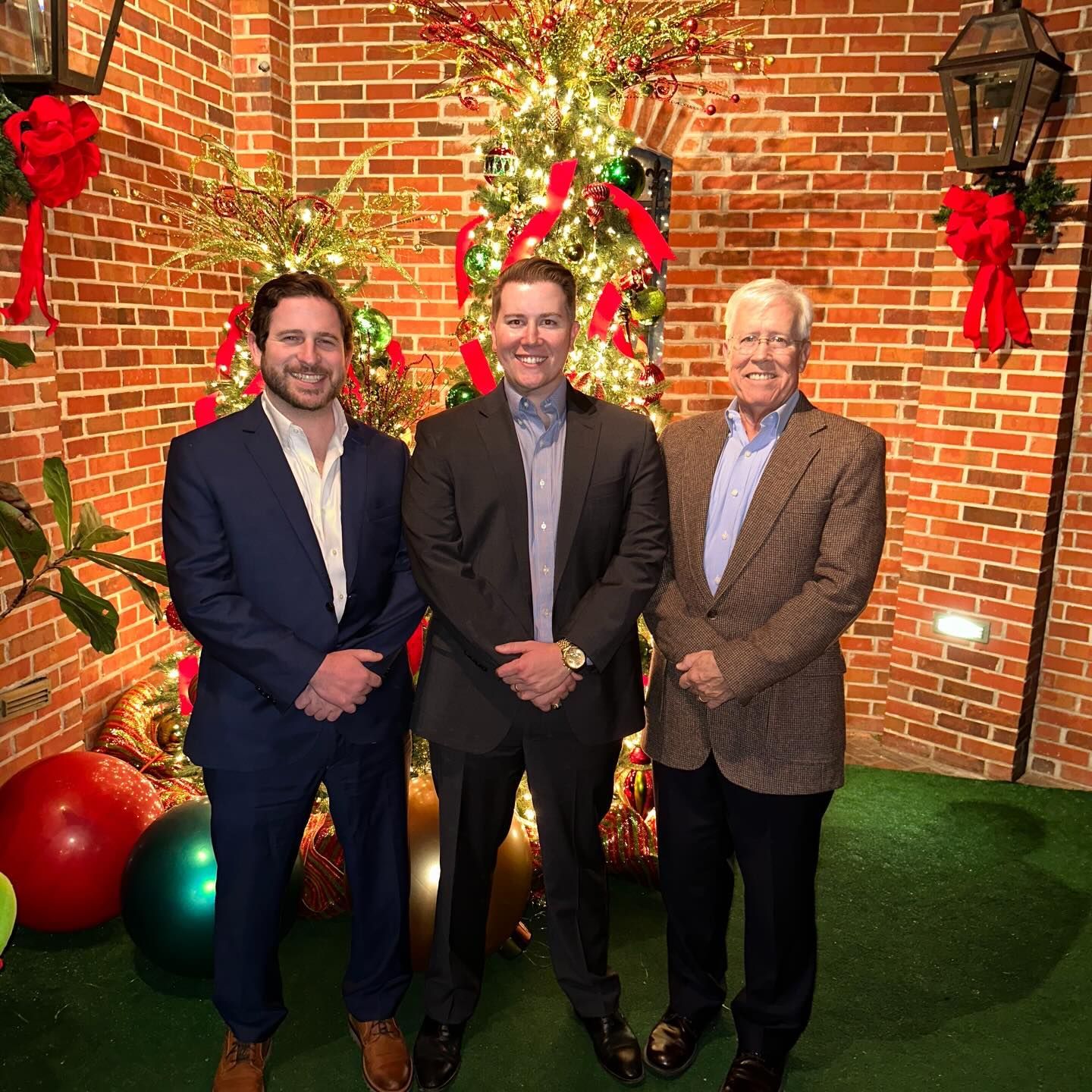
I'm Ryan J. Ehrhardt, owner and licensed agent at Chabert Insurance: The Ehrhardt Agency. I lead our team across our Mandeville and New Orleans offices, and I work with families and business owners every day to find coverage that fits their lives. I believe insurance should be simple to understand, so I take the time to explain your options in plain language before you decide.
As an independent agent, I answer to you, not to a single carrier. That means I can shop your policy across many companies and focus on what protects you best. When you call our office, you reach a real person who knows your account. I would be glad to review your coverage and help you feel confident about it.


[CONFIRM name]
Google review · Mandeville office
Home, Auto, Flood, Commercial & Life Insurance
Insurance built around your life in Louisiana
We compare coverage across many carriers and build one program that protects everything you own.
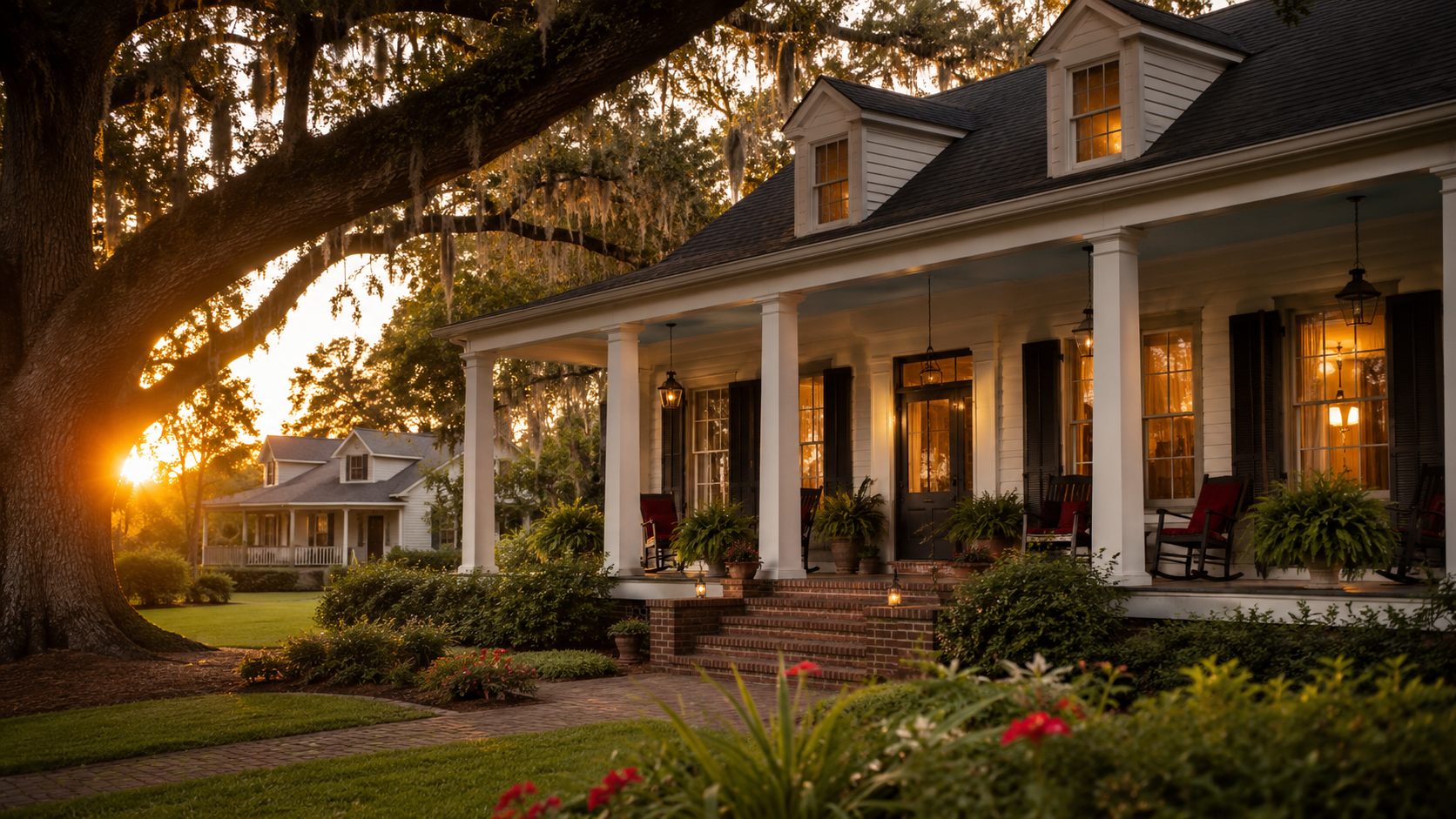
Home Insurance
Cover the cost to rebuild your house, replace your belongings, and answer a liability claim against your household.
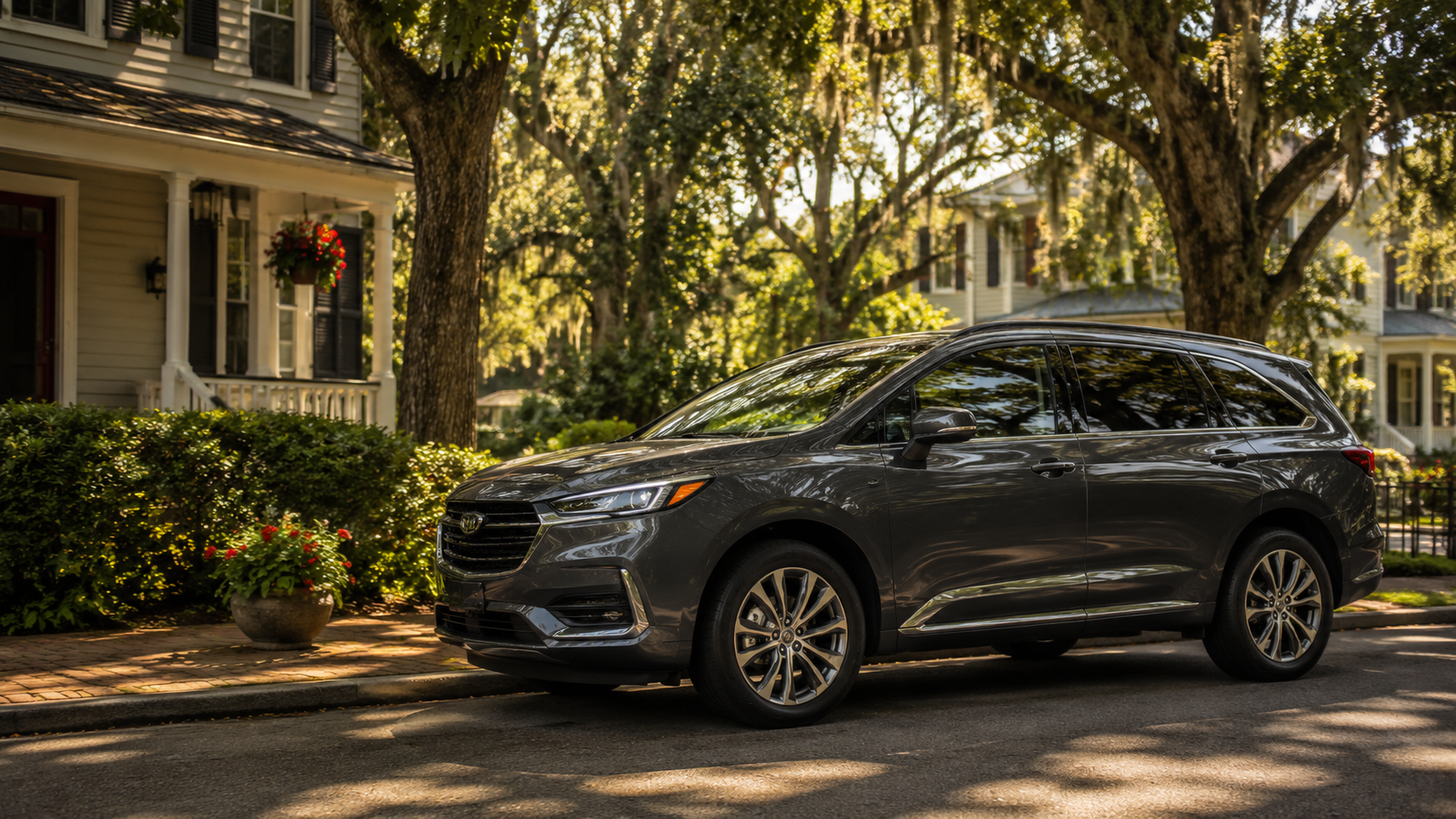
Auto Insurance
Protect your vehicles with liability, collision, and uninsured motorist limits that hold up after a serious Louisiana wreck.
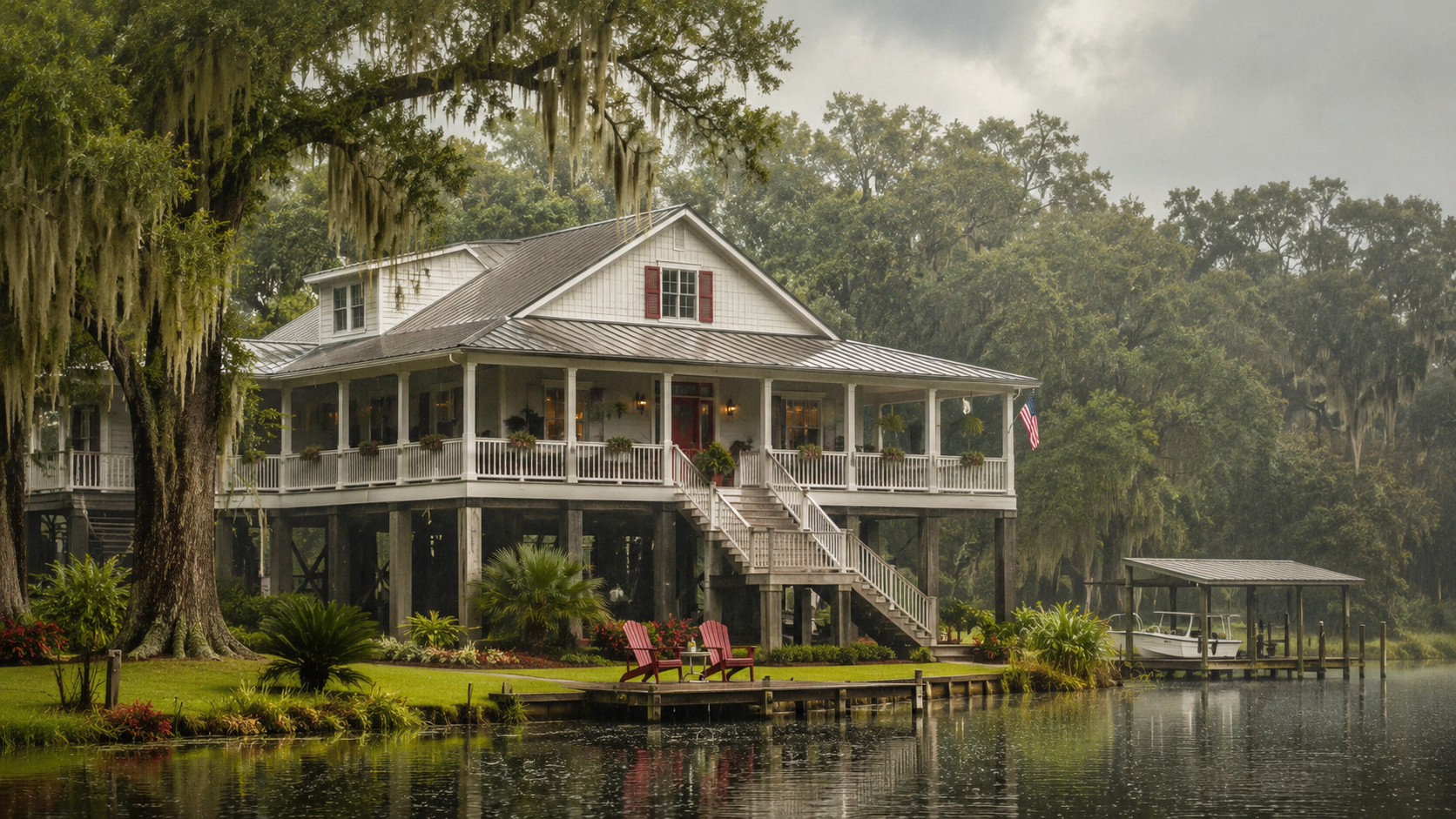
Flood Insurance
Your homeowners policy excludes flood. We quote NFIP and private options for your building and its contents.
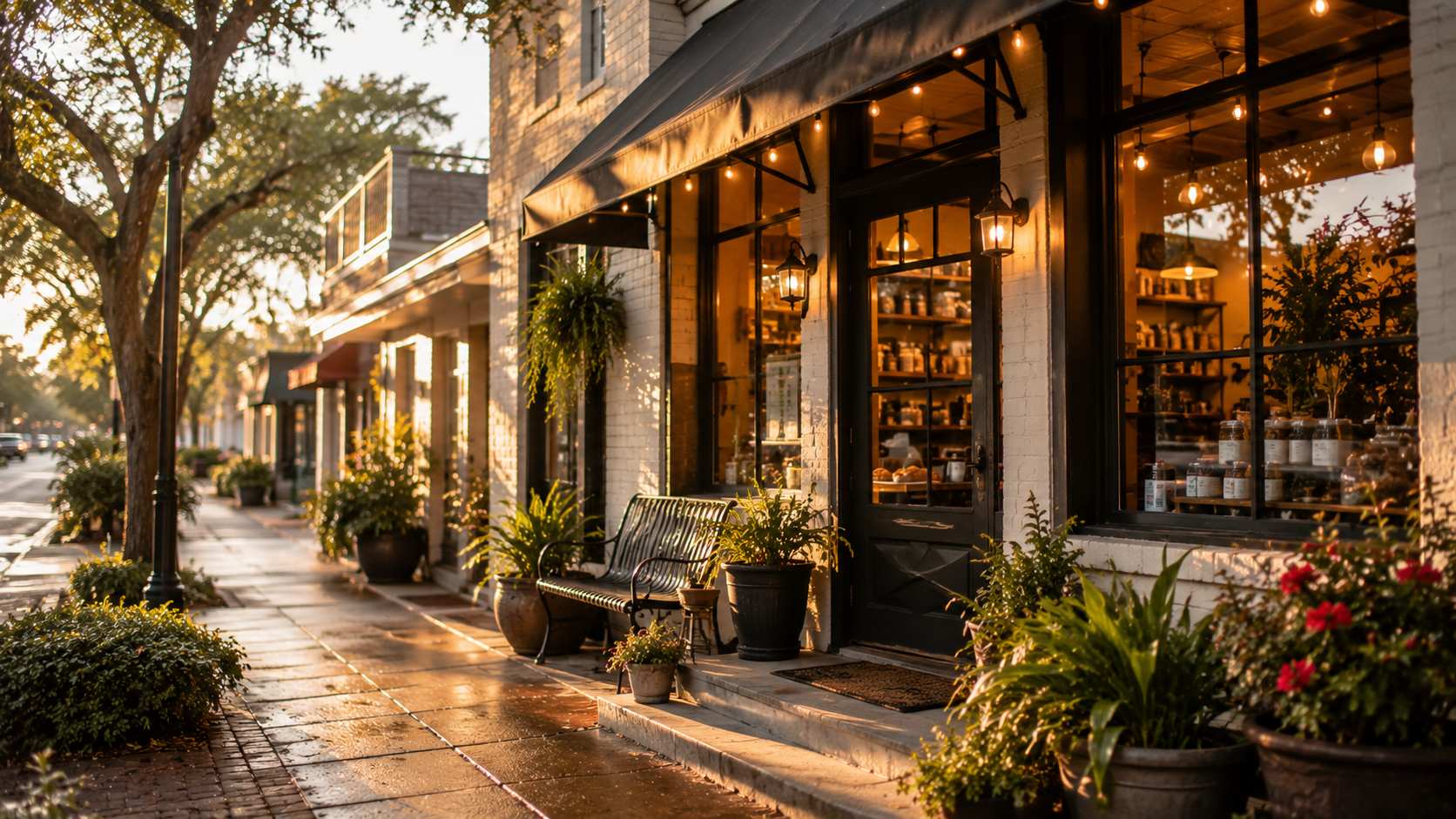
Commercial Insurance
Liability, property, workers' compensation, and commercial auto for Louisiana businesses, priced against how your company operates.
Life Insurance
Replace the income your family depends on, with term and permanent options priced across several carriers.

Umbrella Insurance
Add a layer of liability protection above your auto and home limits, usually for a modest premium.
Ruston
Baton Rouge
Mandeville
Gretna
Louisiana Home Insurance
Home insurance built around where you live
Home insurance is our specialty. We write homeowners policies across Louisiana and price them against the wind, hail, and flood risk in your parish.
Areas we cover
Commercial Insurance for Louisiana Businesses
Coverage that keeps your business running
We build commercial programs around how your company actually operates, then compare carriers on price and claim service.
General Liability
Covers claims of bodily injury or property damage that come from your day-to-day operations.
Commercial Property
Protects your building, equipment, and inventory against fire, storm, theft, and other covered losses.

Workers' Compensation
Pays medical care and lost wages when an employee is hurt on the job, as Louisiana requires.
Commercial Auto
Covers the vehicles your business owns, along with the employees who drive them for work.
Professional Liability
Covers claims that your professional advice or services caused a client a financial loss.

Cyber Liability
Handles breach response, notification costs, and liability after customer data is exposed.
[CONFIRM name]
Google review · Mandeville office
Business Insurance by Industry
Specialized coverage for your line of work
Every trade carries its own risks. We know the coverage these Louisiana businesses need and where the gaps usually sit.
Plumbers
Liability, tools, and commercial auto coverage built for water damage claims and job-site risk.
Restaurants
Property, liquor liability, and spoilage coverage for kitchens, dining rooms, and your staff.
Real Estate Investors
Landlord property, liability, and vacancy coverage for rentals, flips, and multi-unit buildings.
[CONFIRM name]
Google review · Mandeville office
How to Get Insured in 4 Steps
Getting covered is simple
You talk to a licensed agent from the first call to the annual review.

1
Tell us about you
Share what you want to protect. A licensed agent asks about your home, vehicles, family, or business and gathers the details carriers need.
2
We shop our carriers
We compare options across the markets we represent and look at price, coverage limits, and how each carrier handles claims.
3
Review your choices
We explain coverage and price in plain language, side by side, so you can see the trade-offs before you choose.
4
Get covered
Your policy starts, you get your documents, and we review the coverage with you each year.
5-Star Rated by Louisiana Clients
What our clients say
Louisiana families and business owners rate us 5 stars for clear advice and fast answers.
139+ five-star reviews across our Mandeville and New Orleans offices