
Variant Insurance Group is a licensed independent insurance agency in Minnesota. [CONFIRM license #.]
Get a Quote
Variant Insurance Group is a licensed independent insurance agency serving Minnesota families and businesses.
From our office in Maple Plain, our team works with many of Minnesota's top-rated carriers so your home, auto, life, and business coverage fits your real needs. We serve families and businesses across Minnesota.
Owning rental property in Louisiana comes with a unique set of risks that a standard homeowners policy simply won't cover. From hurricane damage to tenant disputes, the exposure you face as a landlord demands a policy built specifically for income-producing properties. Landlord insurance protects your tenant-occupied property across several critical areas: the dwelling itself, liability for injuries on your premises, lost rental income, damage caused by tenants, and the strategic value of requiring renters coverage in the lease. Each of these layers works differently, and understanding how they interact can save you thousands of dollars and countless headaches. Premiums for single-family rentals typically range from $800 to $3,000 per year, though Louisiana's storm exposure can push costs toward the higher end of that spectrum. Whether you own a shotgun double in New Orleans or a lakefront rental in Mandeville, the coverage decisions you make now will shape how well you weather the next claim.
Understanding Dwelling Property Coverage for Landlords
Dwelling property coverage is the foundation of any landlord policy. It pays to repair or rebuild the physical structure of your rental if it's damaged by a covered peril like fire, windstorm, or hail. This coverage extends to attached structures such as garages and porches, and it can also include detached structures like sheds or fences under a separate coverage section.
The amount of dwelling coverage you carry should reflect the full replacement cost of the building, not its market value or what you paid for it. In South Louisiana, where construction costs have climbed steadily since 2020, underinsuring your rental is one of the most common and costly mistakes landlords make. Review your policy limits annually and adjust for inflation.
The Difference Between DP-1, DP-2, and DP-3 Policies
Not all dwelling policies offer the same level of protection. The differences between DP-1, DP-2, and DP-3 forms matter significantly for how claims get paid.
| Feature | DP-1 | DP-2 | DP-3 |
|---|---|---|---|
| Peril Coverage | Named perils only (basic) | Broader named perils | Open perils (all risks unless excluded) |
| Loss Settlement | Actual cash value | Actual cash value | Replacement cost |
| Best For | Older/lower-value rentals | Mid-range properties | Higher-value investments |
| Premium | Lowest | Moderate | Highest |
A DP-1 policy only covers a short list of perils and pays claims based on depreciated value. A DP-3 policy, by contrast, covers any peril that isn't specifically excluded, and it pays replacement cost. For most landlords with properties worth protecting, the DP-3 is the right choice despite its higher premium.
Protecting the Structure vs. Landlord-Owned Personal Property
Your dwelling coverage protects the building. But what about the appliances, tools, or furnishings you provide for tenants? Landlord-owned personal property coverage handles those items separately. If you've installed a washer, dryer, or window units in your rental, this coverage reimburses you when they're damaged by a covered event.
Keep a detailed inventory with photos and receipts. Without documentation, you'll have a much harder time proving the value of what was lost. Most policies cap this coverage at a percentage of your dwelling limit, so check whether the default amount is enough for what you own.

Mitigating Risk with Premises Liability and Medical Payments
Liability coverage is arguably the most important part of your landlord policy after the dwelling itself. If a tenant or visitor is injured on your property due to a hazardous condition you failed to address, you could face a lawsuit that dwarfs the value of the property. Liability insurance for rental property owners has become one of the most expensive line items in a landlord's operating budget, and costs continue to rise in 2026.
Most landlord policies include a medical payments component as well. This pays smaller injury claims (typically up to $5,000) regardless of fault, which can prevent minor incidents from escalating into lawsuits.
How Liability Coverage Handles Tenant and Visitor Injuries
Your premises liability coverage kicks in when someone is injured because of a condition you're responsible for maintaining. A broken stair railing, a slippery walkway, or a collapsing porch are classic examples. The policy covers legal defense costs, settlements, and judgments up to your coverage limit.
Standard limits start at $100,000, but carrying at least $300,000 to $500,000 is a smarter move for most landlords. An umbrella policy can extend that protection into the millions for relatively little additional cost. A local agency like Chabert Insurance: The Ehrhardt Agency can help you evaluate your exposure based on the specific property type and neighborhood.
Comparison: General Liability vs. Premises Liability
These terms get confused often, but they serve different purposes.
- Premises liability covers injuries and property damage that occur on or because of your rental property. It's the standard coverage included in landlord policies.
- General liability is a broader commercial coverage that protects against claims arising from your business operations, advertising, and other activities beyond the physical property.
If you own one or two rentals, premises liability within your landlord policy is usually sufficient. Once you're managing multiple properties or operating through an LLC, a separate commercial general liability policy may be worth considering.
Replacing Income with Loss of Rent Coverage
A fire, hurricane, or major plumbing failure can make your rental uninhabitable for weeks or months. During that time, you're still paying the mortgage, taxes, and insurance, but no rent is coming in. Loss of rent coverage (sometimes called fair rental value coverage) fills that gap by reimbursing you for the income you would have received.
This coverage typically pays out for up to 12 months or until the property is repaired, whichever comes first. It only applies when the loss of habitability results from a covered peril, so read your policy's exclusions carefully. Flood damage, for instance, won't trigger this coverage unless you carry a separate flood policy.
Triggering Fair Rental Value After a Covered Loss
Fair rental value is calculated based on what comparable properties in your area rent for, not necessarily what your tenant was paying. If your tenant was getting a below-market deal, you might actually receive more from the insurance payout than your usual rental income.
To trigger this coverage, you'll need to file a claim showing that the property is uninhabitable due to a covered event. Keep records of your lease terms, rental amounts, and any communications with tenants about the displacement. Rent guarantee insurance is a related but separate product: multifamily operators pay varying rates depending on portfolio size and tenant risk profiles.
Navigating Tenant-Caused Damage and Security Deposits
Tenant damage is one of the most frustrating realities of being a landlord. The question of whether your insurance covers it depends almost entirely on the type of damage and your specific policy language. Standard landlord policies are not designed to cover normal wear and tear or routine maintenance issues.
Security deposits provide a first line of defense, but Louisiana law caps what you can charge and dictates strict timelines for returning deposits. If damage exceeds the deposit amount, you'll need to decide whether to file a claim, pursue the tenant in court, or absorb the cost.
Accidental Damage vs. Intentional Vandalism
This distinction is critical. If a tenant accidentally starts a kitchen fire by leaving the stove on, your dwelling coverage will likely pay for the repairs. The damage was unintentional, and fire is a covered peril. However, tenant-caused damage from intentional acts like punching holes in walls, ripping out fixtures, or trashing the unit before moving out is typically excluded from standard policies.
Some insurers offer vandalism or malicious mischief endorsements that extend coverage to intentional tenant damage, but these come with higher premiums and often carry separate deductibles. If you've had problem tenants before, this endorsement is worth the extra cost. Thorough screening and move-in/move-out inspections remain your best preventive tools.
Why Requiring Renters Insurance in the Lease is Essential
One of the smartest moves a landlord can make costs nothing: require your tenants to carry renters insurance as a condition of the lease. This single clause can dramatically reduce your exposure and prevent disputes after a loss. Most renters policies cost tenants between $15 and $30 per month, making it an affordable requirement.
A renters policy covers the tenant's personal belongings, provides them with liability protection, and can pay for temporary housing if the unit becomes uninhabitable. Without it, tenants often look to the landlord to replace their belongings or cover their relocation costs, neither of which your landlord policy is designed to handle.
Shifting Liability for Tenant Personal Belongings
Your landlord policy explicitly excludes your tenant's personal property. If a pipe bursts and ruins their furniture, electronics, and clothing, that's their financial responsibility. But if they don't have renters insurance, they may try to hold you liable or file complaints.
By requiring renters coverage in the lease, you create a clear boundary. The tenant's policy handles their stuff; your policy handles the building. This separation reduces confusion and conflict when claims arise. Include specific minimum coverage amounts in your lease language, such as $20,000 in personal property and $100,000 in liability.
Verification Strategies for Property Managers
Requiring renters insurance means nothing if you don't verify compliance. Here are practical ways to stay on top of it:
- Request a certificate of insurance before handing over the keys
- Ask to be listed as an "interested party" so you receive cancellation notices
- Set calendar reminders to check policy renewals annually
- Use property management software that tracks insurance documents automatically
The team at Chabert Insurance: The Ehrhardt Agency often works with local landlords to set up systems that make verification simple and consistent across multiple properties.
Common Questions About Landlord Insurance
Does landlord insurance cover my tenant's stolen bike?
No. Your landlord policy covers the building and your property inside it, not your tenant's belongings. The tenant would need their own renters insurance to file a claim for stolen personal items.
What happens if my rental is vacant for a long time?
Most landlord policies reduce or eliminate coverage after 30 to 60 days of vacancy. You may need a separate vacant property endorsement or policy. Notify your insurer anytime a unit sits empty beyond your policy's vacancy threshold.
Can I require my tenant to name me as 'Additional Interest'?
Yes, and you should. Being listed as an additional interest on your tenant's renters policy means you'll be notified if the policy is canceled or lapses. It doesn't give you coverage under their policy, but it keeps you informed.
Does this policy cover me if a tenant sues for wrongful eviction?
Typically, no. Landlord insurance covers bodily injury and property damage claims, not legal disputes over lease enforcement or eviction proceedings. You'd need a separate landlord legal liability policy or consult an attorney for that type of protection.
Before You Buy a Policy
Getting the right landlord insurance means understanding how each coverage component protects a different piece of your investment. Dwelling coverage rebuilds the structure. Liability coverage defends you against injury claims. Loss of rent coverage keeps income flowing during repairs. And requiring renters insurance in the lease shifts the right risks to the right party.
Don't assume a standard homeowners policy will protect a property you're renting out, because it won't. Talk to an agent who understands Louisiana's specific risks, from hurricane season to high humidity damage. Chabert Insurance: The Ehrhardt Agency works with landlords across New Orleans and Mandeville to build coverage that fits the property, the tenants, and the budget. Get your policy reviewed before your next lease signing, not after your next claim.
On this page
Fully licensed
Chabert Insurance: The Ehrhardt Agency is a fully licensed independent insurance agency serving individuals, families, and businesses across Louisiana and Mississippi.
From our offices in Mandeville and New Orleans, we proudly serve clients in Mandeville, Covington, New Orleans, Kenner, Metairie, Harahan, River Ridge, and Slidell, as well as the Westbank and St. Bernard Parish, and communities throughout Louisiana and Mississippi. As an independent agency, our team works with a wide range of top-rated carriers to provide personal and commercial coverage — home, auto, flood, commercial, life, and more — built around the real needs of the people and businesses we protect.

About the Author
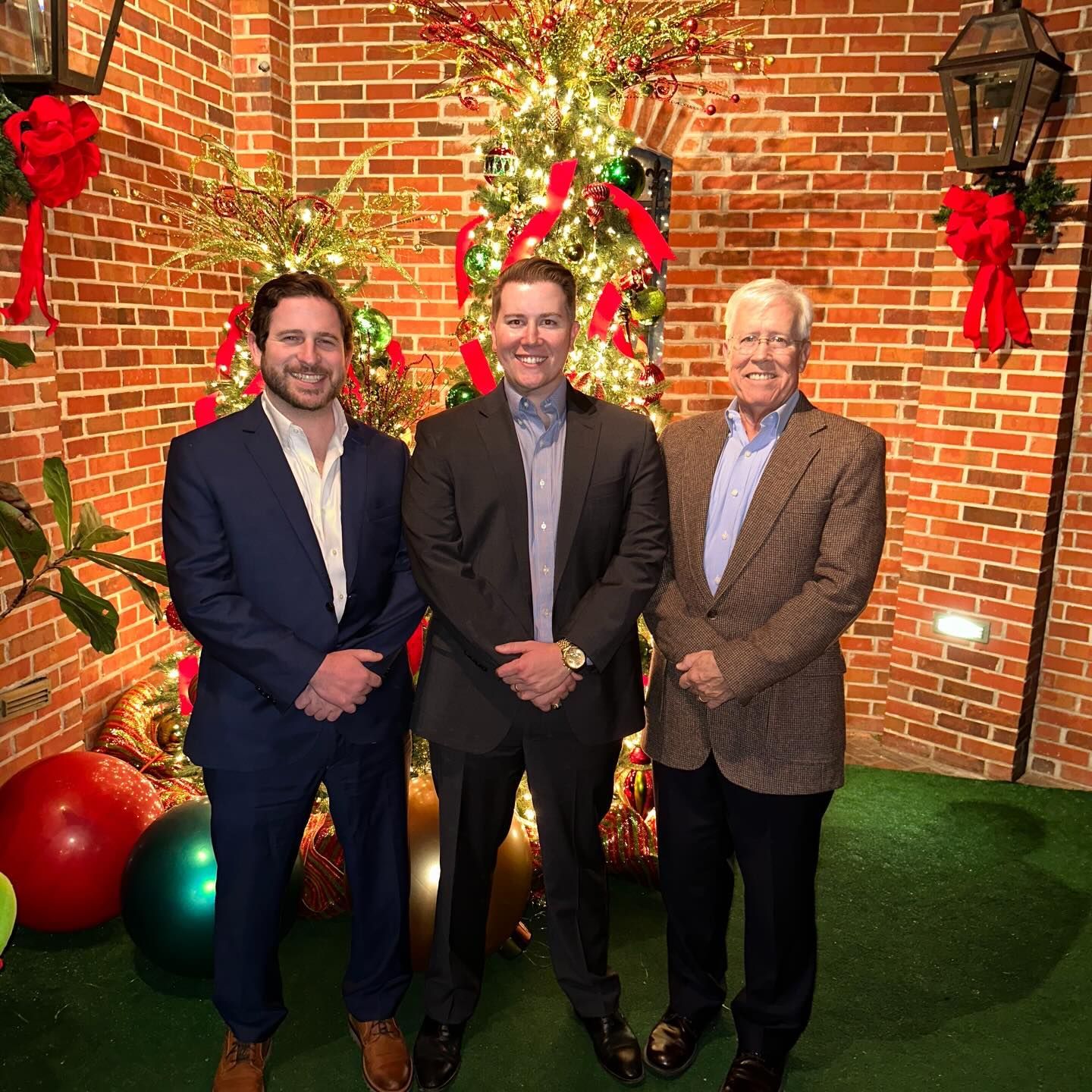
Ryan J. Ehrhardt
Owner / Licensed Agent
I'm Ryan J. Ehrhardt, owner and licensed agent at Chabert Insurance: The Ehrhardt Agency. I lead our team across our Mandeville and New Orleans offices, and I work with families and business owners every day to find coverage that fits their lives. I believe insurance should be simple to understand, so I take the time to explain your options in plain language before you decide.
As an independent agent, I answer to you, not to a single carrier. That means I can shop your policy across many companies and focus on what protects you best. When you call our office, you reach a real person who knows your account. I would be glad to review your coverage and help you feel confident about it.


[CONFIRM name]
Google review · Mandeville office
Home, Auto, Flood, Commercial & Life Insurance
Insurance built around your life in Louisiana
We compare coverage across many carriers and build one program that protects everything you own.
Home Insurance
Cover the cost to rebuild your house, replace your belongings, and answer a liability claim against your household.
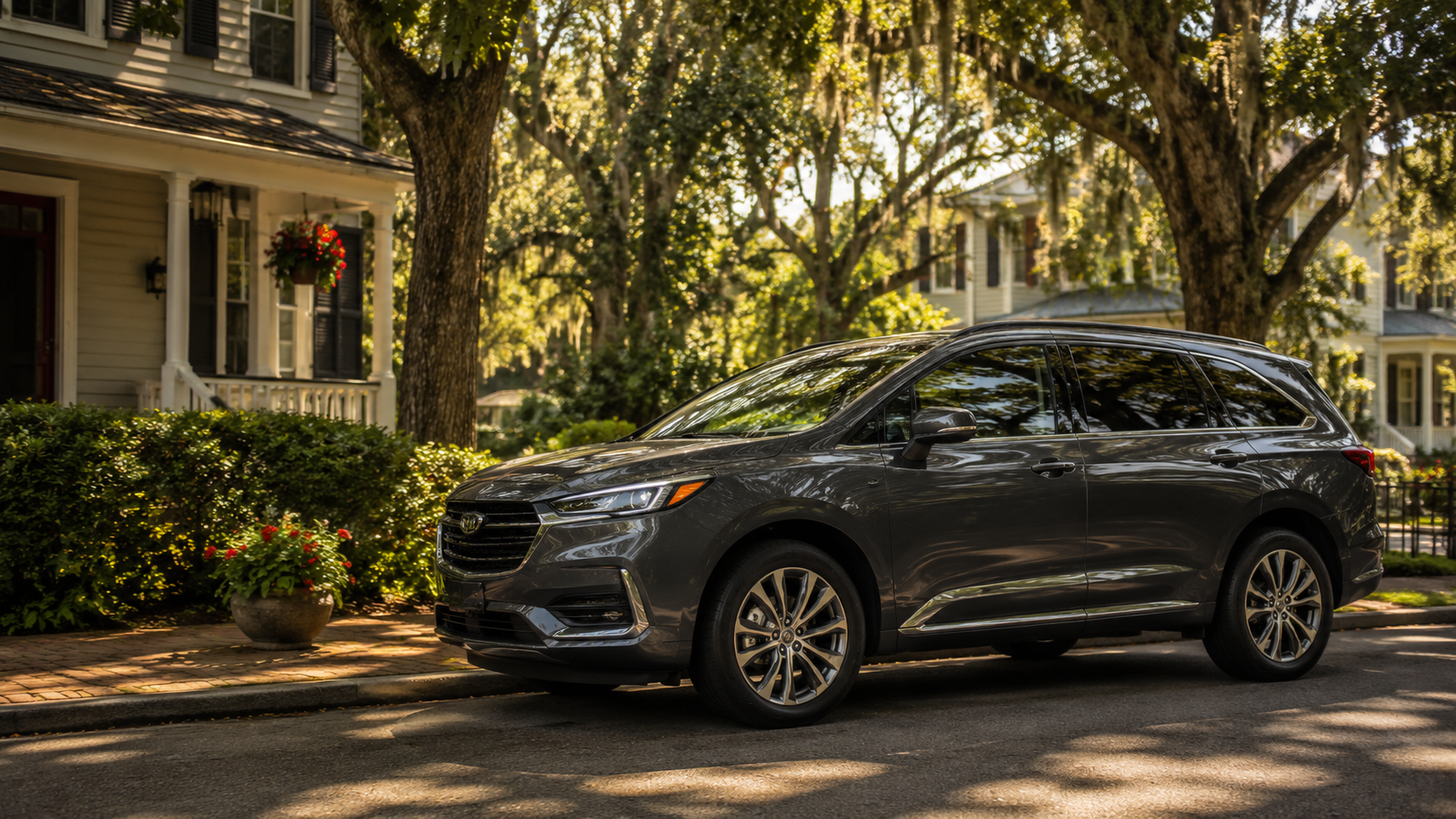
Auto Insurance
Protect your vehicles with liability, collision, and uninsured motorist limits that hold up after a serious Louisiana wreck.
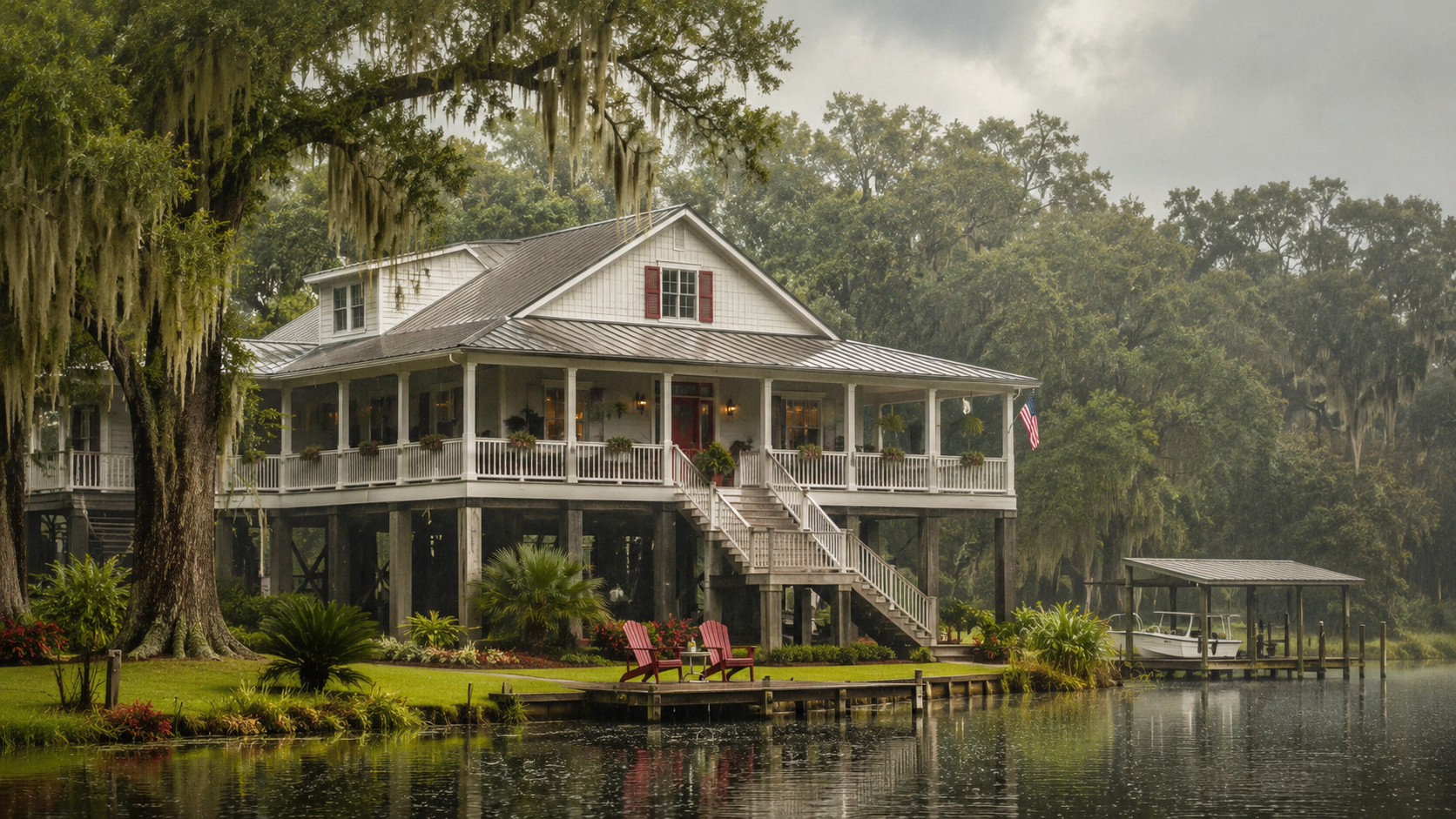
Flood Insurance
Your homeowners policy excludes flood. We quote NFIP and private options for your building and its contents.

Commercial Insurance
Liability, property, workers' compensation, and commercial auto for Louisiana businesses, priced against how your company operates.

Life Insurance
Replace the income your family depends on, with term and permanent options priced across several carriers.

Umbrella Insurance
Add a layer of liability protection above your auto and home limits, usually for a modest premium.
Ruston
Baton Rouge
Mandeville
Gretna
Louisiana Home Insurance
Home insurance built around where you live
Home insurance is our specialty. We write homeowners policies across Louisiana and price them against the wind, hail, and flood risk in your parish.
Areas we cover
[CONFIRM name]
Google review · Mandeville office
Business Insurance by Industry
Specialized coverage for your line of work
Every trade carries its own risks. We know the coverage these Louisiana businesses need and where the gaps usually sit.
Plumbers
Liability, tools, and commercial auto coverage built for water damage claims and job-site risk.
Restaurants
Property, liquor liability, and spoilage coverage for kitchens, dining rooms, and your staff.
Real Estate Investors
Landlord property, liability, and vacancy coverage for rentals, flips, and multi-unit buildings.
[CONFIRM name]
Google review · Mandeville office
How to Get Insured in 4 Steps
Getting covered is simple
You talk to a licensed agent from the first call to the annual review.

1
Tell us about you
Share what you want to protect. A licensed agent asks about your home, vehicles, family, or business and gathers the details carriers need.
2
We shop our carriers
We compare options across the markets we represent and look at price, coverage limits, and how each carrier handles claims.
3
Review your choices
We explain coverage and price in plain language, side by side, so you can see the trade-offs before you choose.
4
Get covered
Your policy starts, you get your documents, and we review the coverage with you each year.
5-Star Rated by Louisiana Clients
What our clients say
Louisiana families and business owners rate us 5 stars for clear advice and fast answers.
139+ five-star reviews across our Mandeville and New Orleans offices