
Variant Insurance Group is a licensed independent insurance agency in Minnesota. [CONFIRM license #.]
Get a Quote
Variant Insurance Group is a licensed independent insurance agency serving Minnesota families and businesses.
From our office in Maple Plain, our team works with many of Minnesota's top-rated carriers so your home, auto, life, and business coverage fits your real needs. We serve families and businesses across Minnesota.
New title
New title
Umbrella Insurance: The Ultimate Safety Net
Accidental vs. Intentional Tenant Damage
Does my homeowners policy cover my home office equipment?
FAQ: Do I need a separate appraisal for every single silver spoon?
FAQ: Am I covered if I accidentally drop a piece of fine art?
Investing in driver safety training pays off in two ways: fewer accidents and lower premiums. Defensive driving courses, annual safety meetings, and documented training programs signal to underwriters that you take risk management seriously.
Telematics devices that monitor speed, braking, and idle time are increasingly popular with livery insurers. Some carriers offer 5-15% premium discounts for fleets that install GPS-based monitoring and maintain good scores. The 2026 insurance forecast suggests telematics adoption will continue growing as insurers seek better data to price risk accurately. If you haven't explored telematics yet, ask your agent about programs that reward safe driving behavior.
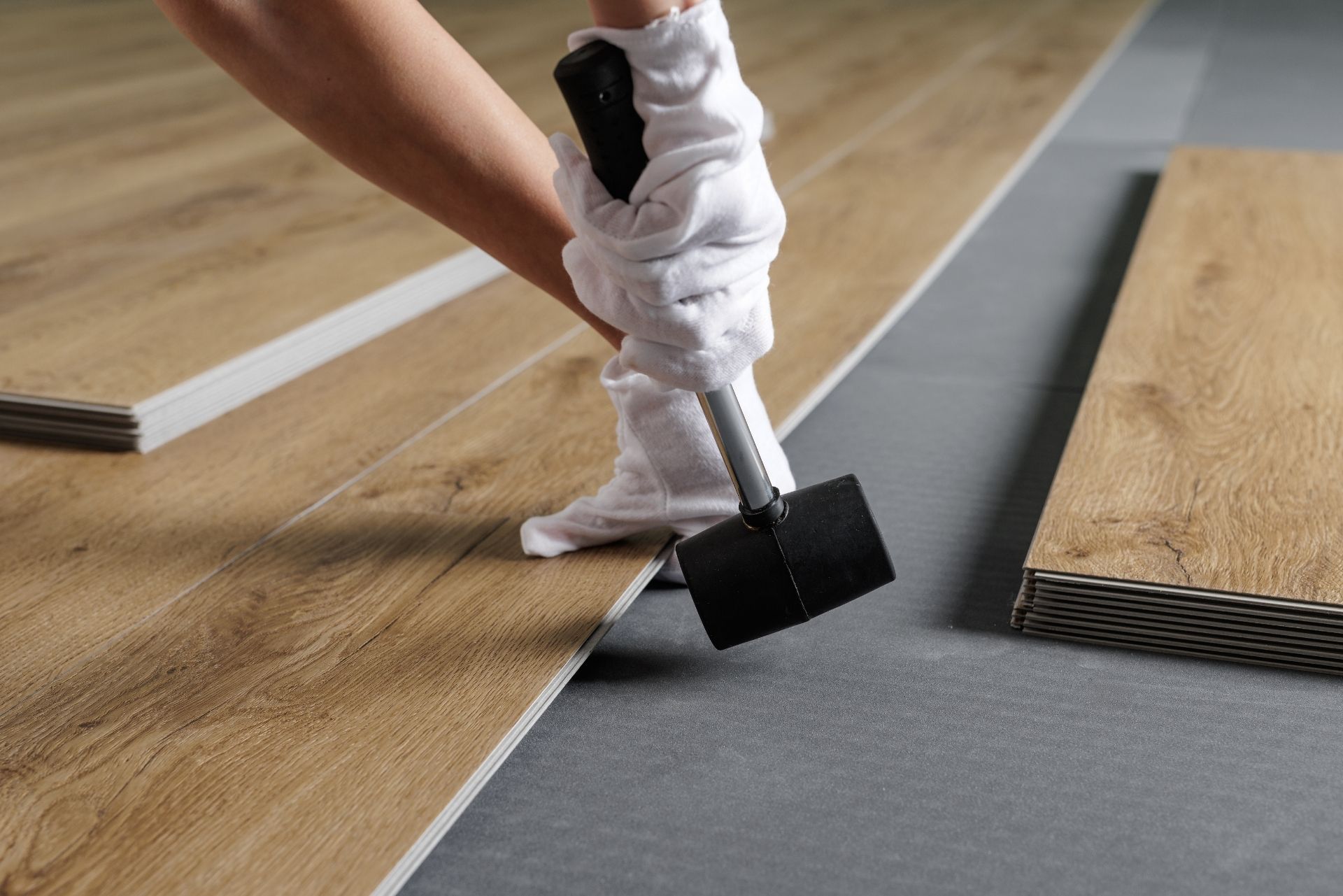
A single misapplied adhesive can ruin $15,000 worth of engineered hardwood in a client's living room. A moisture issue beneath a subfloor can turn a finished project into a warranty nightmare six months after you've cashed the check. For flooring contractors working across Louisiana, these aren't hypothetical risks: they're Tuesday.
Insurance for floor installers covers far more ground than a standard contractor policy. Between general liability, installation floaters, adhesive and moisture damage exposure, tools coverage, and completed operations, the right combination of policies can mean the difference between absorbing a costly claim and closing your doors. Solo flooring installers pay a median of about $63 per month for general liability alone, with costs climbing as crew size and project scope increase. That's a modest investment compared to the financial exposure of even one uninsured claim.
Whether you're running a two-person crew out of Mandeville or managing a team handling commercial installs across New Orleans, understanding what your policy actually covers, and what it doesn't, is essential. The flooring trade has risks that generic contractor insurance simply wasn't designed to address. Here's what you need to know to protect your business properly.
Essential Insurance Coverages for Flooring Professionals
Flooring contractors face a distinct combination of property damage risks, bodily injury exposure, and post-installation liability that sets them apart from general trades. A roofer worries about wind and falls. A flooring installer worries about chemical reactions, moisture migration, and claims that surface months after project completion.
The two foundational coverages every floor installer needs are general liability and completed operations. But how they work, and where they fall short for your trade, matters more than simply having them listed on a certificate of insurance.
General Liability: Protecting Against Third-Party Risks
General liability (GL) is the backbone of any contractor's insurance program. It covers bodily injury and property damage claims from third parties: a homeowner who trips over your tools, a client's antique table scratched during a move, or water damage from a supply line you accidentally nicked.
For flooring contractors, GL claims often involve damage to a client's existing property during installation. Think gouged baseboards, paint scuffs on walls, or a heavy tile pallet dropped through a weak spot in a subfloor. These incidents happen on active job sites, and GL responds to them.
What GL doesn't typically cover is damage to your own work product. If you install 800 square feet of luxury vinyl plank and it starts peeling because of a prep failure, your general liability policy likely won't pay to redo it. That's a critical distinction many installers miss until it's too late.
Completed Operations: Why Coverage Matters After the Job is Done
Completed operations coverage picks up where your active job site liability ends. Once you've finished a project and the client signs off, this coverage protects you against claims arising from your finished work. A floor that buckles three months later, grout that cracks and causes a trip hazard, or adhesive fumes that trigger a health complaint: these all fall under completed operations.
This coverage is a standard part of most commercial GL policies, but it's often misunderstood. Many flooring contractors assume their liability ends when they leave the job site. It doesn't. In Louisiana, clients can file claims for defective workmanship well after project completion.
If you're working as a subcontractor, general contractors almost always require proof of completed operations coverage before you set foot on their site. Without it, you won't get the job.
Managing Specialized Flooring Risks: Moisture and Adhesives
Louisiana's climate creates specific hazards for flooring work. High humidity, flood-prone geography, and older building stock mean moisture and chemical exposure risks are constant companions on the job.
The Moisture Damage Endorsement: Mitigating Subfloor Issues
Moisture is the silent killer of flooring installations. A concrete slab with excessive moisture vapor emissions can destroy a hardwood floor from underneath within weeks. In the New Orleans area, where humidity levels regularly exceed 70%, subfloor moisture testing isn't optional: it's survival.
Standard GL policies rarely cover damage caused by moisture conditions you failed to detect or address before installation. A moisture damage endorsement fills that gap. It can cover claims when installed flooring fails due to subfloor moisture issues, even if you performed testing that showed acceptable levels at the time.
The construction insurance market has tightened considerably through 2025 and 2026, making these endorsements harder to find and more expensive. That said, skipping this coverage in a humid climate like Louisiana's is a gamble most flooring businesses can't afford to take. A single moisture-related claim on a commercial job can easily exceed $50,000.
Adhesive and Chemical Exposure Liability
Flooring adhesives, sealants, and finishes contain volatile organic compounds (VOCs) that can cause respiratory issues, skin reactions, and property damage. If a client or building occupant claims health problems from adhesive fumes after your installation, you're looking at a liability claim that could include medical costs and property remediation.
Chemical exposure claims are increasing across the construction trades. Your GL policy may cover some of these incidents, but policies with specific pollution or chemical exclusions could leave you exposed. Ask your agent whether your policy includes or excludes pollution-related claims from construction adhesives. In many cases, you'll need a separate pollution liability endorsement.
Proper ventilation, PPE use, and documentation of product safety data sheets won't prevent every claim, but they strengthen your defense if one arises. Agencies like Chabert Insurance: The Ehrhardt Agency, with deep roots in the Louisiana market, can help you identify these coverage gaps before they become expensive lessons.

Protecting Your Assets: Tools and Materials in Transit
Your tools and materials are your livelihood. They're also vulnerable every time they leave your shop.
Inland Marine and Tools Coverage: Beyond the Workshop
Flooring contractors carry thousands of dollars in specialized equipment: floor scrapers, moisture meters, power stretchers, tile saws, and adhesive applicators. A standard business property policy covers these items at your shop or warehouse. It typically does not cover them at a job site, in your truck, or in transit between locations.
Inland marine insurance fills that gap. It covers tools and equipment while they're being transported or used at temporary locations. Construction site theft has been rising steadily, and flooring tools left in work vans overnight are prime targets.
A tools and equipment policy usually costs between $300 and $800 per year depending on the total value you need to insure. Given that a single professional-grade floor sander can cost $3,000 or more, the math speaks for itself.
Installation Floaters: Coverage for High-Value Flooring Materials
An installation floater is different from tools coverage. It protects the materials you've purchased for a specific job: the hardwood planks, porcelain tiles, or rolls of commercial carpet sitting in your warehouse or staged at a client's property before installation begins.
Once those materials are installed, they become part of the building and fall under different coverage. But between purchase and installation, they're your financial responsibility. A burst pipe at a staging area, a theft from an unlocked job site, or fire damage to stored materials can wipe out your profit margin on a project instantly.
Installation floaters are especially important for contractors handling high-end materials. If you're installing $20-per-square-foot engineered hardwood in a Garden District home, you can't afford to eat the replacement cost because your policy didn't cover materials in transit.
Comparison: Standard General Liability vs. Flooring-Specific Policies
Not all contractor policies are built the same. Here's how a standard GL policy stacks up against one tailored for flooring professionals:
| Coverage Area | Standard GL Policy | Flooring-Specific Policy |
|---|---|---|
| Third-party bodily injury | Covered | Covered |
| Damage to client property during work | Covered | Covered |
| Completed operations | Usually included | Included with higher limits |
| Moisture/subfloor damage claims | Typically excluded | Available via endorsement |
| Adhesive/chemical exposure | Often excluded under pollution clause | Endorsement available |
| Tools at job site | Not covered | Inland marine add-on |
| Materials in transit | Not covered | Installation floater add-on |
| Faulty workmanship (your own work) | Excluded | May be partially covered |
The difference is clear. A generic policy leaves significant gaps that are specific to flooring work. Working with an agency that understands these nuances, like the team at Chabert Insurance: The Ehrhardt Agency in New Orleans and Mandeville, means you're less likely to discover a gap at the worst possible moment.
Common Questions About Flooring Insurance
Does my general liability cover floor buckling months later?
Not directly. Floor buckling after project completion falls under your completed operations coverage, which is typically part of your GL policy but has its own limits and conditions. If the buckling resulted from a moisture condition, you may also need a moisture damage endorsement to be fully covered.
What is the difference between an installation floater and a tool rider?
An installation floater covers materials purchased for a specific job: tile, hardwood, carpet, underlayment. A tool rider (inland marine policy) covers your equipment and tools. They protect different assets, and most flooring contractors need both.
Do I need special insurance for hardwood vs. carpet installation?
The core coverages are similar, but hardwood and tile installers face higher moisture and adhesive exposure risks. Your insurer may adjust premiums or require additional endorsements based on the types of flooring you primarily install. Carpet installers generally face lower material damage risk but similar liability exposure.
How much coverage do I need to work as a subcontractor?
Most general contractors in Louisiana require subcontractors to carry at least $1 million per occurrence and $2 million aggregate in general liability. Flooring-specific insurance requirements can vary by project, but these minimums are standard. Some commercial projects require higher limits, which you can meet through an umbrella policy.
Making the Right Choice for Your Flooring Business
The right insurance package for a flooring contractor isn't a single policy: it's a combination of coverages tailored to how you actually work. General liability and completed operations form the foundation. Moisture and adhesive endorsements address your trade-specific exposures. Inland marine and installation floaters protect the tools and materials that keep your business running.
If you're installing floors anywhere in Louisiana, your climate and building conditions create risks that contractors in drier states simply don't face. A policy built for a general handyman won't account for subfloor moisture migration or VOC exposure claims.
Take stock of your current coverage. Review your exclusions, not just your declarations page. And talk to an agent who knows the flooring trade and the Louisiana market well enough to spot the gaps before a claim does. The team at Chabert Insurance: The Ehrhardt Agency works with contractors across New Orleans and Mandeville every day, helping them build coverage that actually matches their risk profile. A quick conversation now can save you from a six-figure headache later.
On this page
Fully licensed
Chabert Insurance: The Ehrhardt Agency is a fully licensed independent insurance agency serving individuals, families, and businesses across Louisiana and Mississippi.
From our offices in Mandeville and New Orleans, we proudly serve clients in Mandeville, Covington, New Orleans, Kenner, Metairie, Harahan, River Ridge, and Slidell, as well as the Westbank and St. Bernard Parish, and communities throughout Louisiana and Mississippi. As an independent agency, our team works with a wide range of top-rated carriers to provide personal and commercial coverage — home, auto, flood, commercial, life, and more — built around the real needs of the people and businesses we protect.
OTHER INSURANCE COVERAGE

About the Author
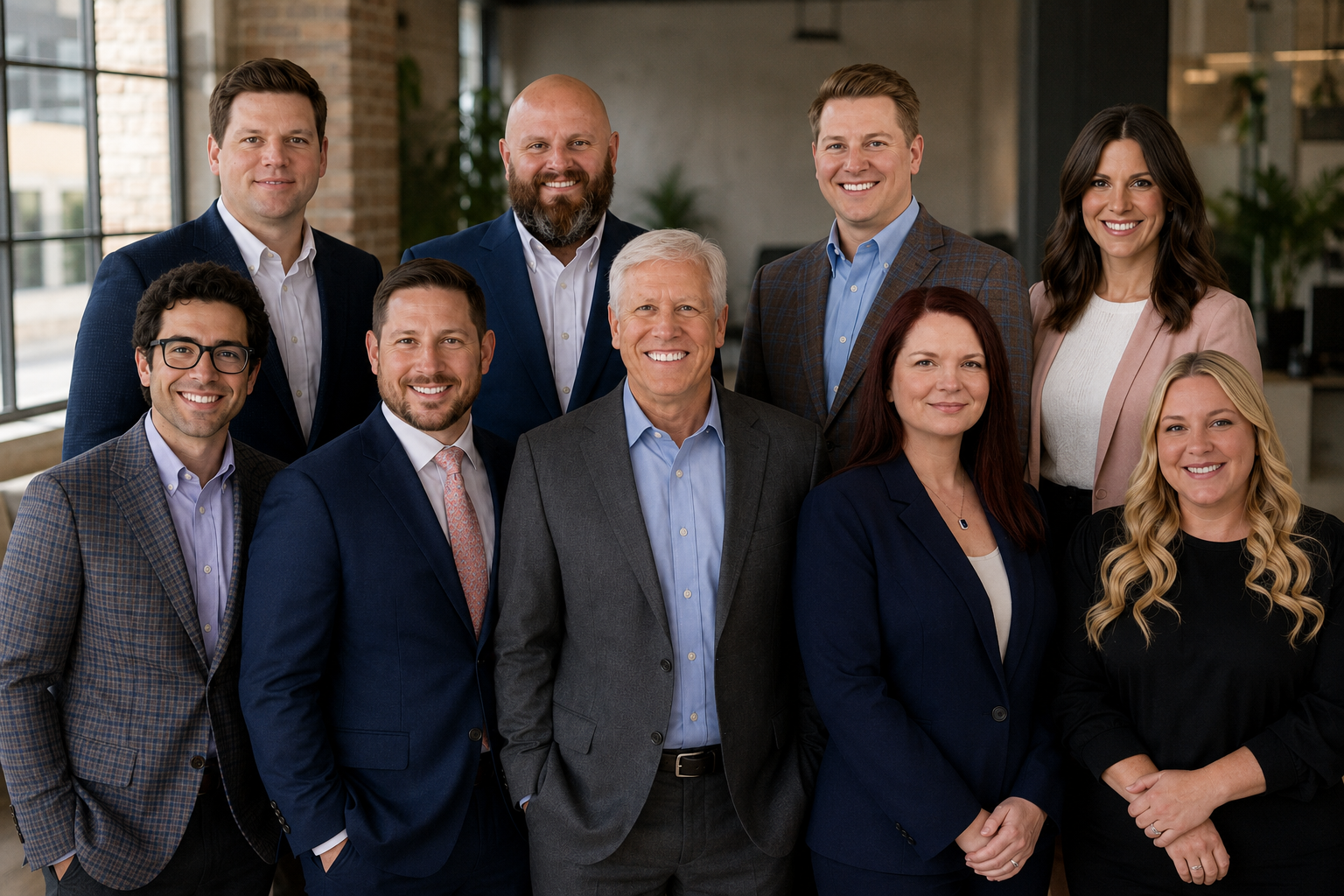
Ryan J. Ehrhardt
Owner / Licensed Agent
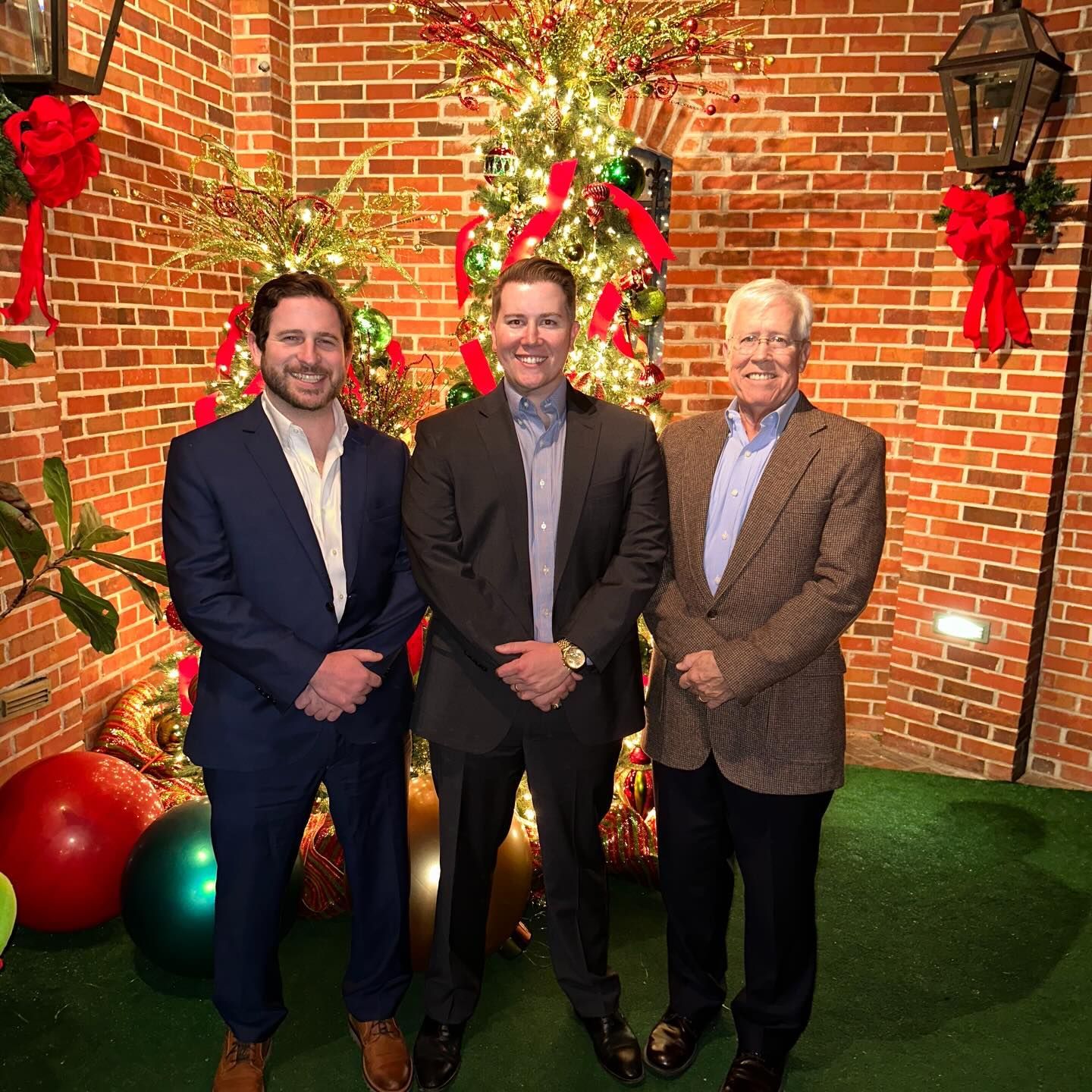
I'm Ryan J. Ehrhardt, owner and licensed agent at Chabert Insurance: The Ehrhardt Agency. I lead our team across our Mandeville and New Orleans offices, and I work with families and business owners every day to find coverage that fits their lives. I believe insurance should be simple to understand, so I take the time to explain your options in plain language before you decide.
As an independent agent, I answer to you, not to a single carrier. That means I can shop your policy across many companies and focus on what protects you best. When you call our office, you reach a real person who knows your account. I would be glad to review your coverage and help you feel confident about it.

[CONFIRM name]
Google review · Mandeville office
Home, Auto, Flood, Commercial & Life Insurance
Insurance built around your life in Louisiana
We compare coverage across many carriers and build one program that protects everything you own.

Home Insurance
Cover the cost to rebuild your house, replace your belongings, and answer a liability claim against your household.
Auto Insurance
Protect your vehicles with liability, collision, and uninsured motorist limits that hold up after a serious Louisiana wreck.
Flood Insurance
Your homeowners policy excludes flood. We quote NFIP and private options for your building and its contents.

Commercial Insurance
Liability, property, workers' compensation, and commercial auto for Louisiana businesses, priced against how your company operates.

Life Insurance
Replace the income your family depends on, with term and permanent options priced across several carriers.

Umbrella Insurance
Add a layer of liability protection above your auto and home limits, usually for a modest premium.
Ruston
Baton Rouge
Mandeville
Gretna
Louisiana Home Insurance
Home insurance built around where you live
Home insurance is our specialty. We write homeowners policies across Louisiana and price them against the wind, hail, and flood risk in your parish.
Areas we cover
Commercial Insurance for Louisiana Businesses
Coverage that keeps your business running
We build commercial programs around how your company actually operates, then compare carriers on price and claim service.

General Liability
Covers claims of bodily injury or property damage that come from your day-to-day operations.
Commercial Property
Protects your building, equipment, and inventory against fire, storm, theft, and other covered losses.
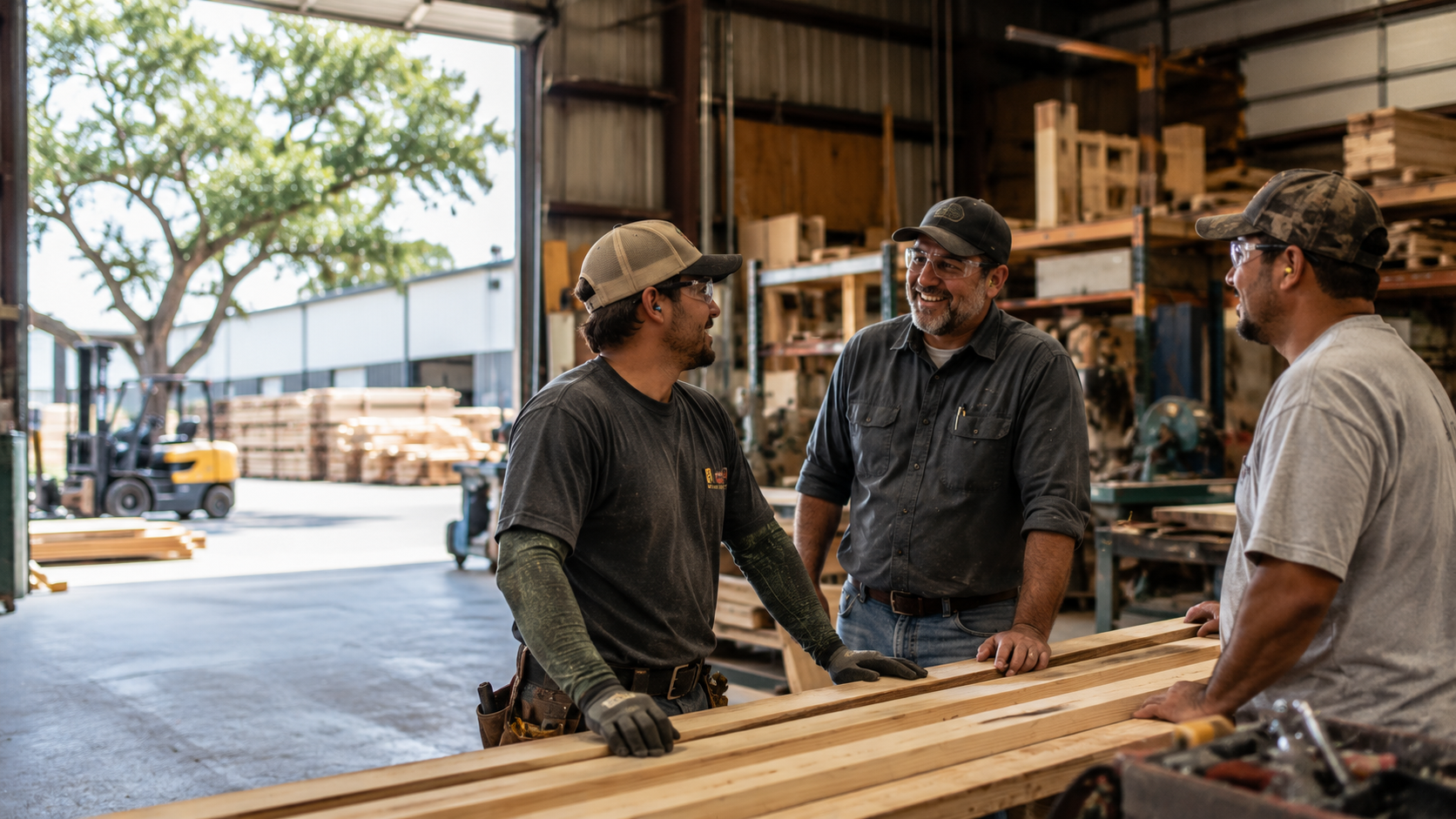
Workers' Compensation
Pays medical care and lost wages when an employee is hurt on the job, as Louisiana requires.
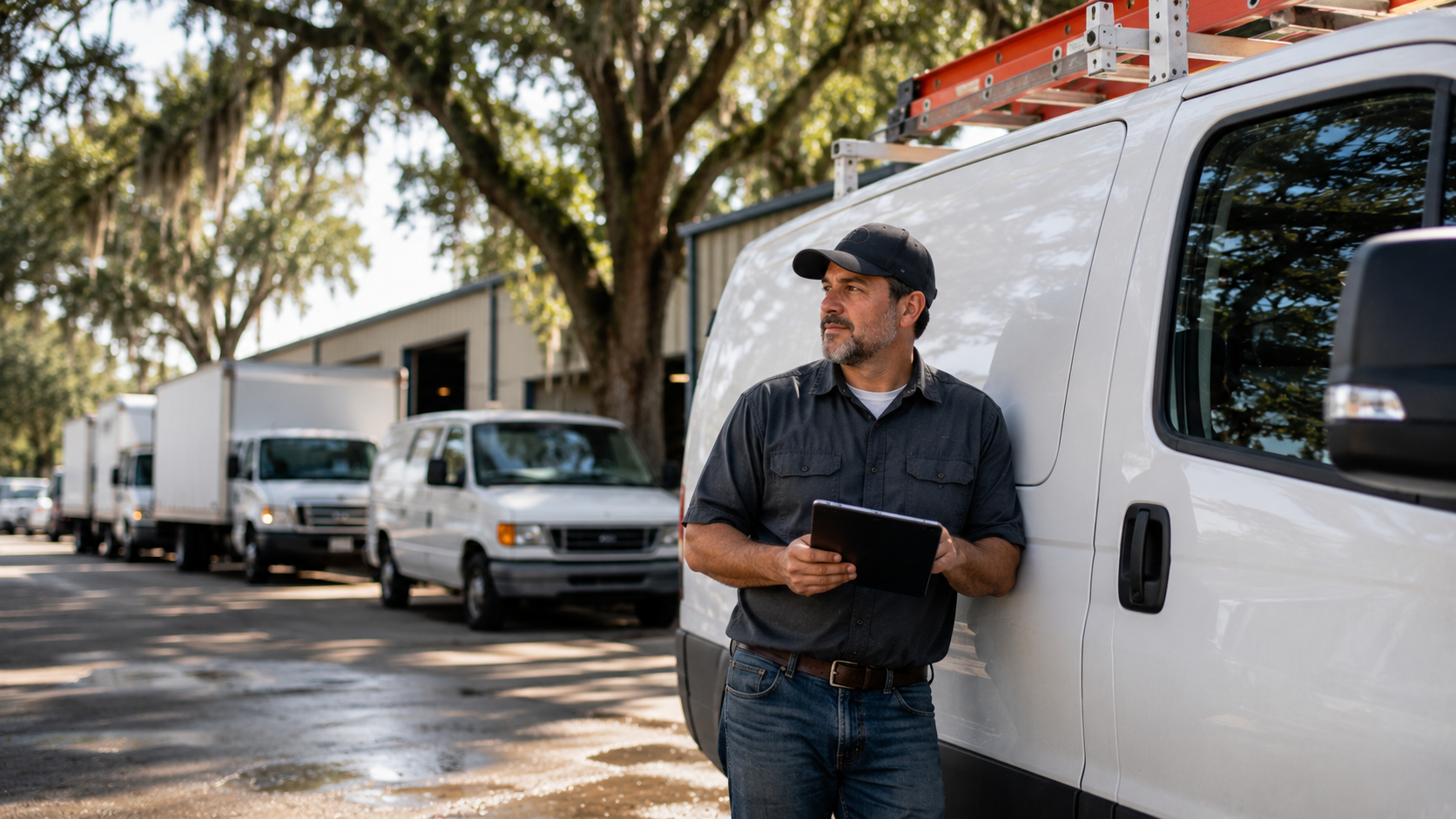
Commercial Auto
Covers the vehicles your business owns, along with the employees who drive them for work.

Professional Liability
Covers claims that your professional advice or services caused a client a financial loss.

Cyber Liability
Handles breach response, notification costs, and liability after customer data is exposed.
[CONFIRM name]
Google review · Mandeville office
Business Insurance by Industry
Specialized coverage for your line of work
Every trade carries its own risks. We know the coverage these Louisiana businesses need and where the gaps usually sit.
Plumbers
Liability, tools, and commercial auto coverage built for water damage claims and job-site risk.
Restaurants
Property, liquor liability, and spoilage coverage for kitchens, dining rooms, and your staff.
Real Estate Investors
Landlord property, liability, and vacancy coverage for rentals, flips, and multi-unit buildings.
[CONFIRM name]
Google review · Mandeville office
How to Get Insured in 4 Steps
Getting covered is simple
You talk to a licensed agent from the first call to the annual review.

1
Tell us about you
Share what you want to protect. A licensed agent asks about your home, vehicles, family, or business and gathers the details carriers need.
2
We shop our carriers
We compare options across the markets we represent and look at price, coverage limits, and how each carrier handles claims.
3
Review your choices
We explain coverage and price in plain language, side by side, so you can see the trade-offs before you choose.
4
Get covered
Your policy starts, you get your documents, and we review the coverage with you each year.
5-Star Rated by Louisiana Clients
What our clients say
Louisiana families and business owners rate us 5 stars for clear advice and fast answers.
139+ five-star reviews across our Mandeville and New Orleans offices