
Variant Insurance Group is a licensed independent insurance agency in Minnesota. [CONFIRM license #.]
Get a Quote
Variant Insurance Group is a licensed independent insurance agency serving Minnesota families and businesses.
From our office in Maple Plain, our team works with many of Minnesota's top-rated carriers so your home, auto, life, and business coverage fits your real needs. We serve families and businesses across Minnesota.
New title
New title
Umbrella Insurance: The Ultimate Safety Net
Accidental vs. Intentional Tenant Damage
Does my homeowners policy cover my home office equipment?
FAQ: Do I need a separate appraisal for every single silver spoon?
FAQ: Am I covered if I accidentally drop a piece of fine art?
FAQ: Why is windstorm insurance so much more expensive for parks?
FAQ: What happens if a storm destroys my tenant's home but not my land?
A cracked driveway, a settling foundation, a pump truck that clips a homeowner's fence on the way out: these are the kinds of claims that can put a concrete contractor out of business in a single season. Insurance for concrete professionals isn't a one-size-fits-all purchase. Flatwork crews face different exposures than foundation specialists, and a standard commercial policy often leaves dangerous gaps in coverage. Louisiana's expansive clay soils, high water tables, and hurricane-season flooding make these risks even more acute for contractors working in the New Orleans and Mandeville areas.
The right insurance package for a concrete contractor typically includes general liability, commercial auto, equipment coverage, and completed operations protection, but the details matter more than the broad categories. Cracking and settlement claims, for example, are a frequent source of denied coverage because many standard policies treat them as excluded workmanship defects. The median monthly premium for concrete contractor general liability runs about $119, with workers' compensation adding roughly $240 per month. Those numbers climb quickly once you add specialized endorsements, but going without them can cost far more. This guide breaks down each coverage type, explains common exclusions, and helps you build a policy that actually protects your business.
Essential Insurance Coverages for Concrete Professionals
Concrete work creates a unique risk profile. You're pouring permanent materials on someone else's property, operating heavy equipment in tight residential lots, and leaving behind work that needs to perform for decades. A single coverage type can't address all of those exposures. You need a layered approach that accounts for what happens during the pour, on the road, and years after the job is done.
General Liability: Protecting Against Jobsite Accidents
General liability (GL) is the foundation of any concrete contractor's insurance program. It covers third-party bodily injury and property damage that occur during your operations. If a homeowner trips over your rebar stakes or a subcontractor's vibrator damages an adjacent wall, your GL policy responds.
For Louisiana contractors, GL policies typically need to carry at least $1 million per occurrence and $2 million aggregate. Many general contractors and municipalities require these minimums before you can bid on a project. The construction insurance market in 2026 has seen moderate rate increases, so shopping your policy annually is worth the effort. One thing to keep in mind: GL covers accidents during active work, but it doesn't automatically cover problems that show up after you've finished the job. That's where completed operations comes in.
Commercial Auto: Beyond Personal Vehicle Policies
Your personal auto policy won't cover a dump truck hauling ready-mix or a crew cab pulling a trailer full of forms. Commercial auto insurance covers vehicles owned by or used for your business, including liability for accidents and physical damage to the trucks themselves.
In Louisiana, commercial auto minimums are set by state law, but most concrete contractors need higher limits. A loaded concrete pump truck can cause catastrophic damage in a collision. If your employees drive their own vehicles to jobsites, you'll also want hired and non-owned auto coverage, which fills the gap when a worker causes an accident in a personal vehicle while on the clock. The cost varies widely based on fleet size, driver records, and the types of vehicles you operate.
Equipment Floaters for Pumps, Mixers, and Tools
Standard property insurance covers your office and maybe your shop, but it typically excludes equipment that moves from site to site. An equipment floater (also called an inland marine policy) covers mobile tools and machinery like concrete pumps, power trowels, laser screeds, and vibrators against theft, vandalism, and accidental damage.
Concrete pumps alone can cost $200,000 or more to replace. A floater policy protects these assets wherever they travel, whether they're on a jobsite in Metairie or parked at your yard in Mandeville. Make sure your policy covers rented or leased equipment too, since many rental agreements require proof of coverage before you can take a machine off the lot.
Navigating Cracking and Settlement Endorsements
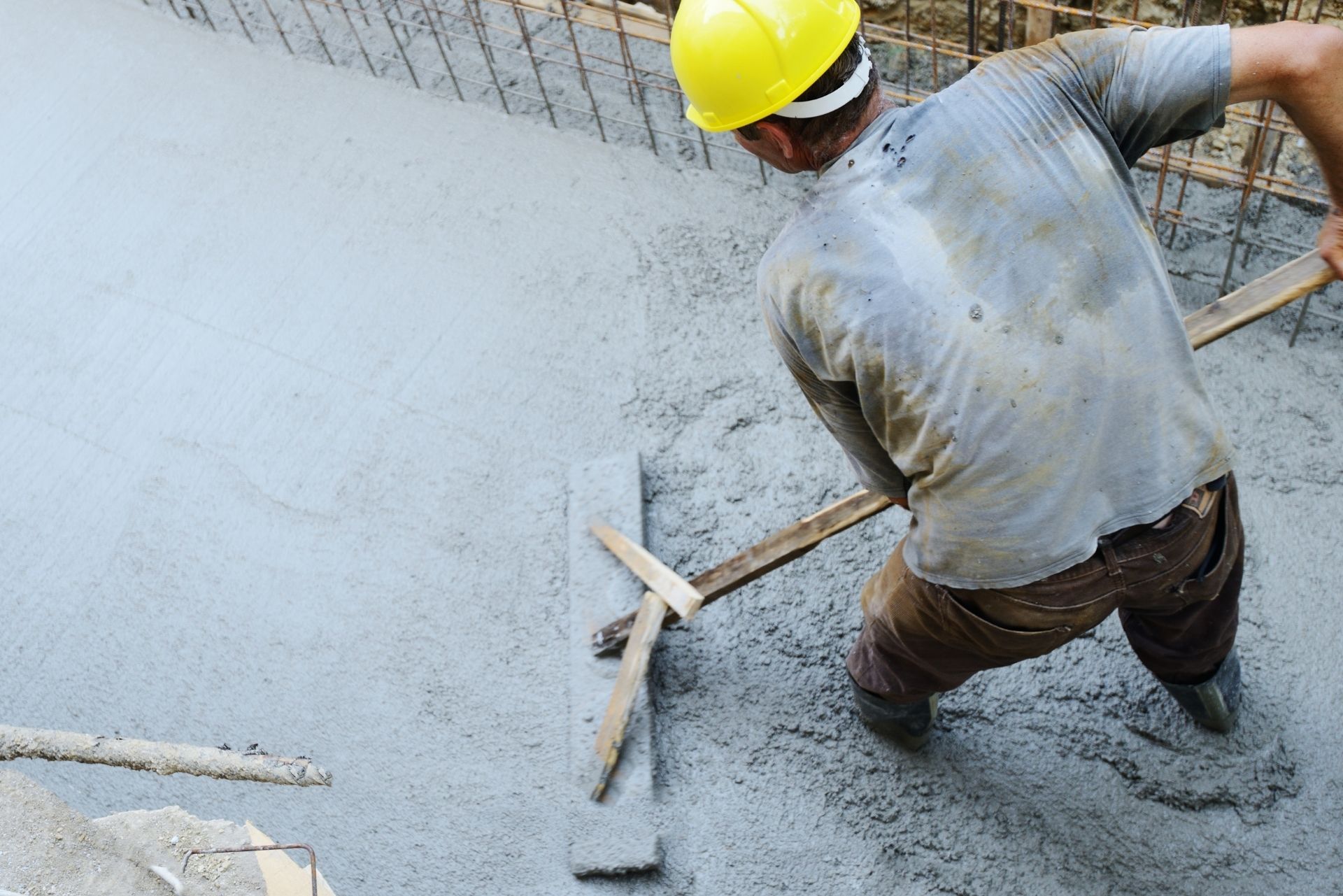
Cracking and settlement claims are among the most contentious issues in concrete contractor insurance. These claims typically involve property damage that appears weeks, months, or even years after the work is completed, and they sit in a gray area between faulty workmanship and natural soil movement.
Why Standard GL Policies Often Exclude Foundation Movement
Most standard GL policies contain exclusions for "your work" and "your product," meaning damage caused by the work you performed is not covered. If a foundation you poured develops cracks due to improper mix design or inadequate reinforcement, your basic GL policy will likely deny the claim.
This is a major gap for foundation contractors. You can add a "products-completed operations" endorsement (more on that below), but even then, many carriers exclude earth movement, settlement, and subsidence. In Louisiana, where construction industry trends show rising claims costs, these exclusions are enforced aggressively. You need to read your policy's exclusion language carefully and work with an agent who understands concrete-specific risks.
The Difference Between Workmanship Issues and Soil Subsidence
Here's where claims get complicated. If a slab cracks because you didn't install control joints at proper intervals, that's a workmanship defect. If it cracks because the underlying soil expanded or compressed, that's subsidence. Your insurer treats these very differently.
Workmanship defects are generally excluded from GL policies but can sometimes be covered under a completed operations endorsement. Soil subsidence is often excluded entirely unless you purchase a specific earth movement endorsement. In the New Orleans area, where the soil conditions are notoriously unpredictable, this distinction matters enormously. A local agency like Chabert Insurance: The Ehrhardt Agency can help you identify which endorsements your carrier offers for these specific exposures, since not every insurer writes them.
Understanding Completed Operations for Flatwork
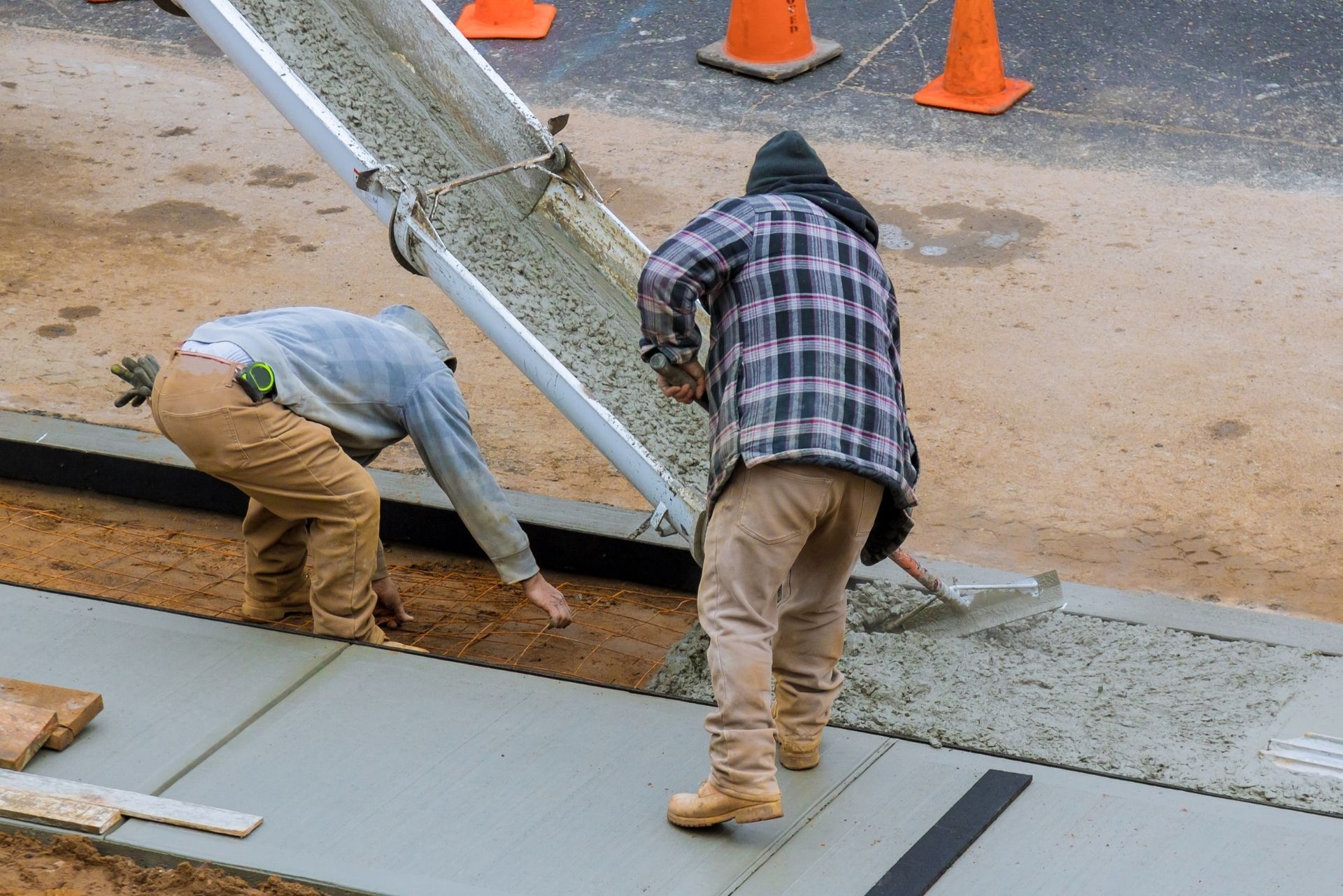
Flatwork, including driveways, sidewalks, patios, and garage floors, creates long-tail liability. Problems don't always show up during the pour. They can appear months or years later as curing, settling, and weather cycles take their toll.
Liability Risks After the Concrete Has Cured
Completed operations coverage extends your GL policy to cover claims arising from work you've already finished. Without it, you're only protected while you're actively on the jobsite. Once you pull your tools and move on, your standard GL stops responding.
A homeowner who trips on a heaved sidewalk section two years after you poured it will file a claim against your completed operations coverage. If you don't have it, you're paying out of pocket. This coverage also protects you if a flatwork project fails structurally, like a driveway that spalls and deteriorates because of a finishing error. The construction insurance outlook for 2026 suggests that completed operations claims are increasing, driven partly by rising material costs that make repairs more expensive.
Statute of Repose: How Long Are You Liable?
Louisiana's statute of repose limits how long after project completion a claim can be filed against you. For most construction work in Louisiana, this period is five years from substantial completion. That means you could face a claim for a foundation you poured in 2021 as late as 2026.
Your completed operations coverage needs to remain active for the full duration of this window. Dropping it after you finish a project leaves you exposed. Some contractors mistakenly cancel this coverage when business slows down, only to face a claim from a prior job with no insurance to back them up. Keep your completed operations endorsement in force continuously, even during slow seasons.
Comparison: Standard vs. Specialized Concrete Coverage
| Coverage Feature | Standard GL Policy | Specialized Concrete Package |
|---|---|---|
| Third-party bodily injury | Included | Included |
| Property damage during work | Included | Included |
| Completed operations | Often excluded or limited | Included with broader terms |
| Cracking/settlement claims | Typically excluded | Available via endorsement |
| Equipment floater | Not included | Bundled or available |
| Earth movement/subsidence | Excluded | Available via endorsement |
| Commercial auto | Separate policy required | Can be bundled |
| Typical monthly GL cost | ~$119 | $150-$250+ depending on endorsements |
How Much Does Concrete Contractor Insurance Cost in Louisiana?
Pricing depends on your annual revenue, crew size, claims history, and the specific types of work you perform. A small flatwork crew with $300,000 in annual revenue will pay significantly less than a foundation contractor running $2 million in projects per year.
The general liability cost for concrete contractors averages around $119 per month nationally, but Louisiana rates can run higher due to the state's litigation climate and weather-related risks. Bundling your GL, commercial auto, and equipment floater into a single business owner's policy (BOP) or contractor's package can reduce your total premium by 10-15% compared to buying each policy separately.
Common Questions About Concrete Insurance
Do I need insurance if I only do residential flatwork? Yes. Even small residential jobs carry liability. A cracked sidewalk or a trip-and-fall injury can generate claims that exceed $50,000 easily.
Does my GL policy cover rework or warranty repairs? No. GL covers damage to third-party property, not the cost of redoing your own work. You'll need to budget for warranty repairs separately.
What's the difference between an equipment floater and an inland marine policy? They're essentially the same thing. "Equipment floater" is the common name for an inland marine policy that covers mobile tools and machinery.
Can I get insurance if I've had prior claims? Yes, though your options may be more limited and your premiums higher. An experienced agent can help place coverage with carriers that specialize in contractors with claims history.
Does workers' comp cover subcontractors? Only if they're classified as your employees. Independent subcontractors should carry their own workers' comp. If they don't and get hurt on your site, your policy may end up covering the claim.
Is completed operations coverage the same as a warranty? No. A warranty is a contractual promise you make to fix defects. Completed operations is insurance that covers third-party claims for bodily injury or property damage caused by your finished work.
Mistakes That Lead to Denied Claims
The most common reason concrete contractors see claims denied isn't a lack of coverage. It's a lack of the right coverage. Contractors frequently assume their GL policy covers everything, only to discover exclusions for subsidence, completed operations, or equipment after a loss occurs.
Another frequent mistake is underreporting revenue to lower premiums. If your policy is written for $200,000 in annual revenue but you actually did $500,000, your carrier can reduce your claim payout proportionally. Be honest about your numbers. The premium difference is small compared to the risk of a short-paid claim.
State-Specific Considerations for Louisiana Contractors
Louisiana's legal environment creates specific insurance challenges for concrete contractors. The state follows a "direct action" statute, meaning injured parties can sue your insurance company directly without suing you first. This tends to increase claim frequency and settlement amounts.
The risks and insurance options shaping construction in 2026 include rising material costs, labor shortages, and more severe weather events. For contractors in the New Orleans metro, flood exposure adds another layer of complexity. Your concrete work may survive a flood, but your equipment, vehicles, and business income may not. Talk with your agent about how flood insurance fits into your overall risk management plan.
Getting the Right Policy Structure
Not every insurance agency understands the nuances of concrete contractor coverage. A generalist agent might sell you a standard contractor's GL policy and call it done, leaving you exposed on completed operations, settlement claims, and equipment losses.
Working with a local agency that knows Louisiana's construction market, like Chabert Insurance: The Ehrhardt Agency in New Orleans and Mandeville, gives you access to carriers and endorsements that generalist agencies may not offer. The right agent will review your operations, identify your specific exposures, and build a policy package that matches the work you actually do.
Before You Buy a Policy
Your concrete business faces risks that generic contractor policies aren't designed to handle. Cracking and settlement exclusions, completed operations gaps, and inadequate equipment coverage are the three areas where concrete contractors get burned most often. Before you sign a policy, ask your agent to walk through every exclusion in writing. Request certificates that specifically list completed operations, and verify that your equipment schedule reflects your actual inventory.
The difference between a $1,200 annual premium and a $2,400 one might be the endorsement that saves your business from a $150,000 claim. Spend the money on proper coverage now. Get in touch with Chabert Insurance: The Ehrhardt Agency to review your current policy or build one from scratch. Their team understands the Louisiana market and the specific risks that flatwork and foundation contractors face every day.
On this page
Fully licensed
Chabert Insurance: The Ehrhardt Agency is a fully licensed independent insurance agency serving individuals, families, and businesses across Louisiana and Mississippi.
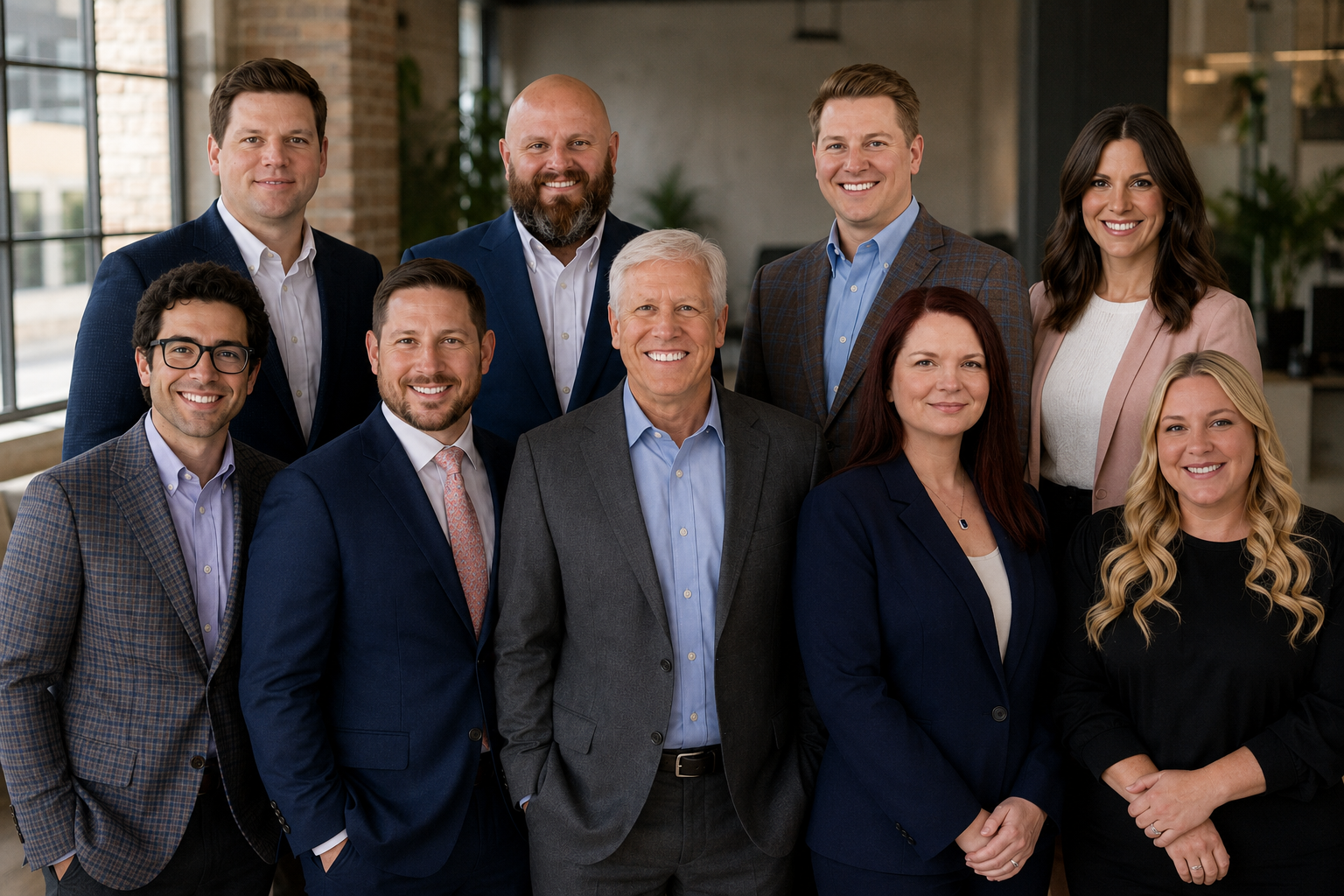
From our offices in Mandeville and New Orleans, we proudly serve clients in Mandeville, Covington, New Orleans, Kenner, Metairie, Harahan, River Ridge, and Slidell, as well as the Westbank and St. Bernard Parish, and communities throughout Louisiana and Mississippi. As an independent agency, our team works with a wide range of top-rated carriers to provide personal and commercial coverage — home, auto, flood, commercial, life, and more — built around the real needs of the people and businesses we protect.
OTHER INSURANCE COVERAGE

About the Author
Ryan J. Ehrhardt
Owner / Licensed Agent
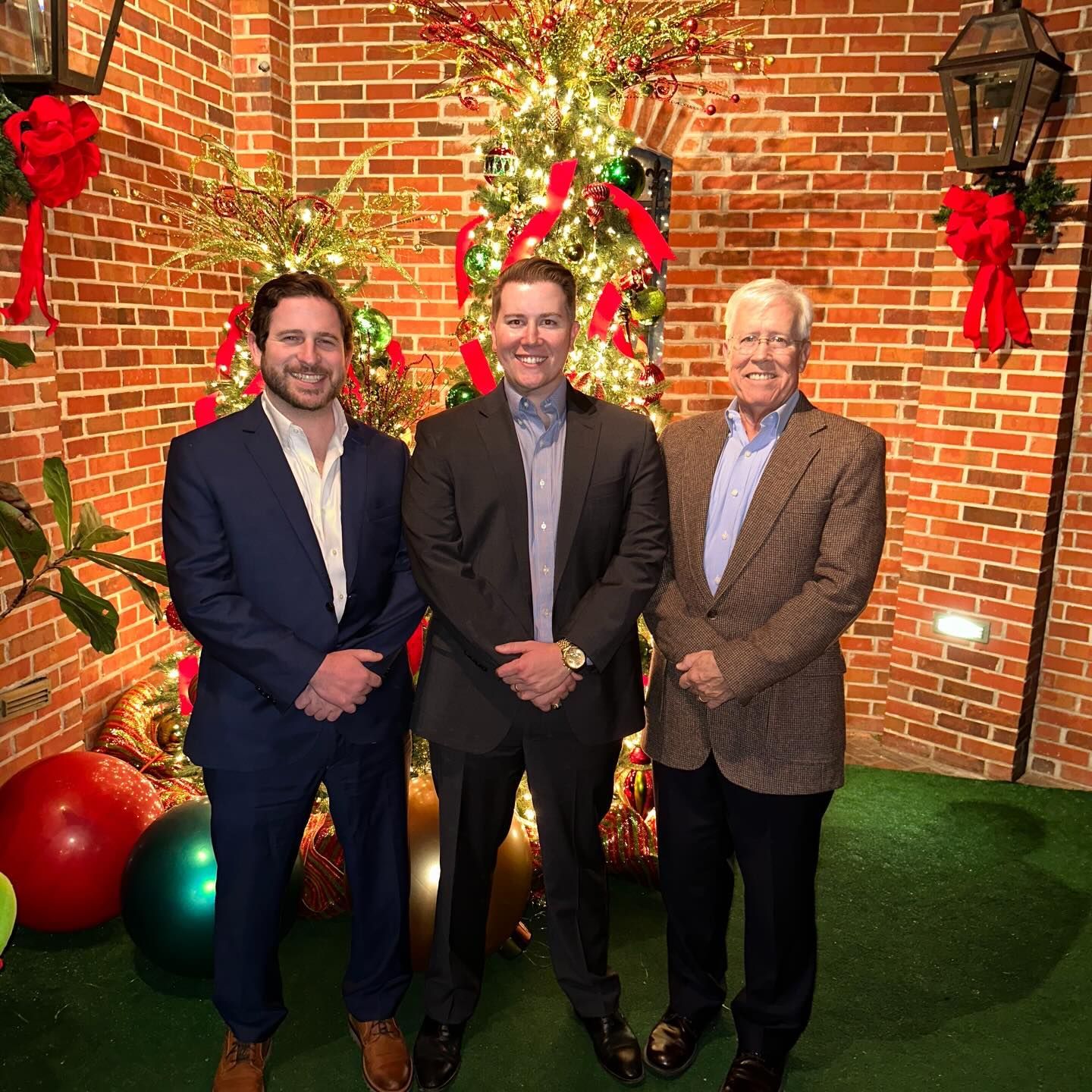
I'm Ryan J. Ehrhardt, owner and licensed agent at Chabert Insurance: The Ehrhardt Agency. I lead our team across our Mandeville and New Orleans offices, and I work with families and business owners every day to find coverage that fits their lives. I believe insurance should be simple to understand, so I take the time to explain your options in plain language before you decide.
As an independent agent, I answer to you, not to a single carrier. That means I can shop your policy across many companies and focus on what protects you best. When you call our office, you reach a real person who knows your account. I would be glad to review your coverage and help you feel confident about it.

[CONFIRM name]
Google review · Mandeville office
Home, Auto, Flood, Commercial & Life Insurance
Insurance built around your life in Louisiana
We compare coverage across many carriers and build one program that protects everything you own.
Home Insurance
Cover the cost to rebuild your house, replace your belongings, and answer a liability claim against your household.
Auto Insurance
Protect your vehicles with liability, collision, and uninsured motorist limits that hold up after a serious Louisiana wreck.
Flood Insurance
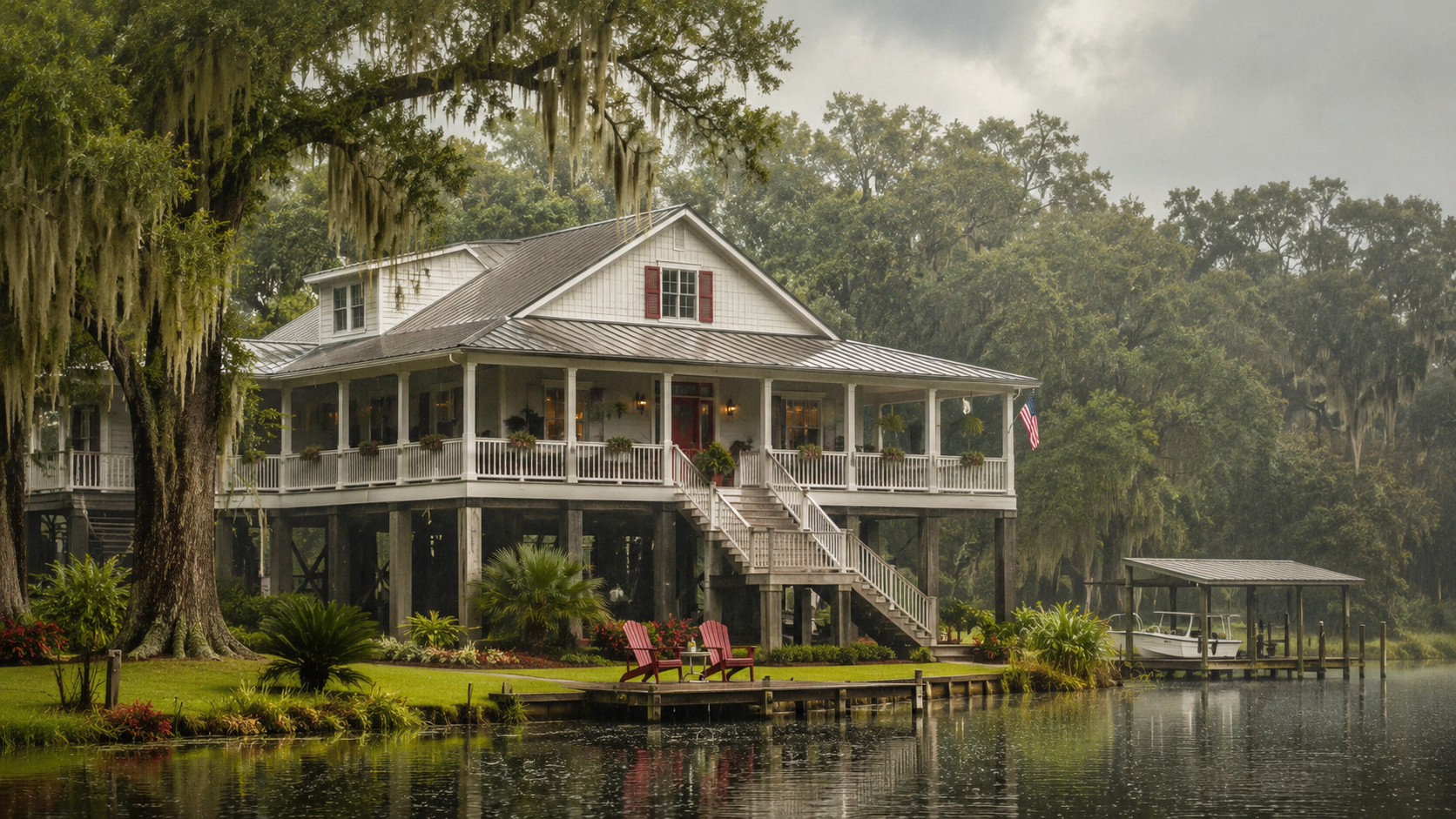
Your homeowners policy excludes flood. We quote NFIP and private options for your building and its contents.

Commercial Insurance
Liability, property, workers' compensation, and commercial auto for Louisiana businesses, priced against how your company operates.

Life Insurance
Replace the income your family depends on, with term and permanent options priced across several carriers.

Umbrella Insurance
Add a layer of liability protection above your auto and home limits, usually for a modest premium.
Ruston
Baton Rouge
Mandeville
Gretna
Louisiana Home Insurance
Home insurance built around where you live
Home insurance is our specialty. We write homeowners policies across Louisiana and price them against the wind, hail, and flood risk in your parish.
Areas we cover
Commercial Insurance for Louisiana Businesses
Coverage that keeps your business running
We build commercial programs around how your company actually operates, then compare carriers on price and claim service.

General Liability
Covers claims of bodily injury or property damage that come from your day-to-day operations.
Commercial Property
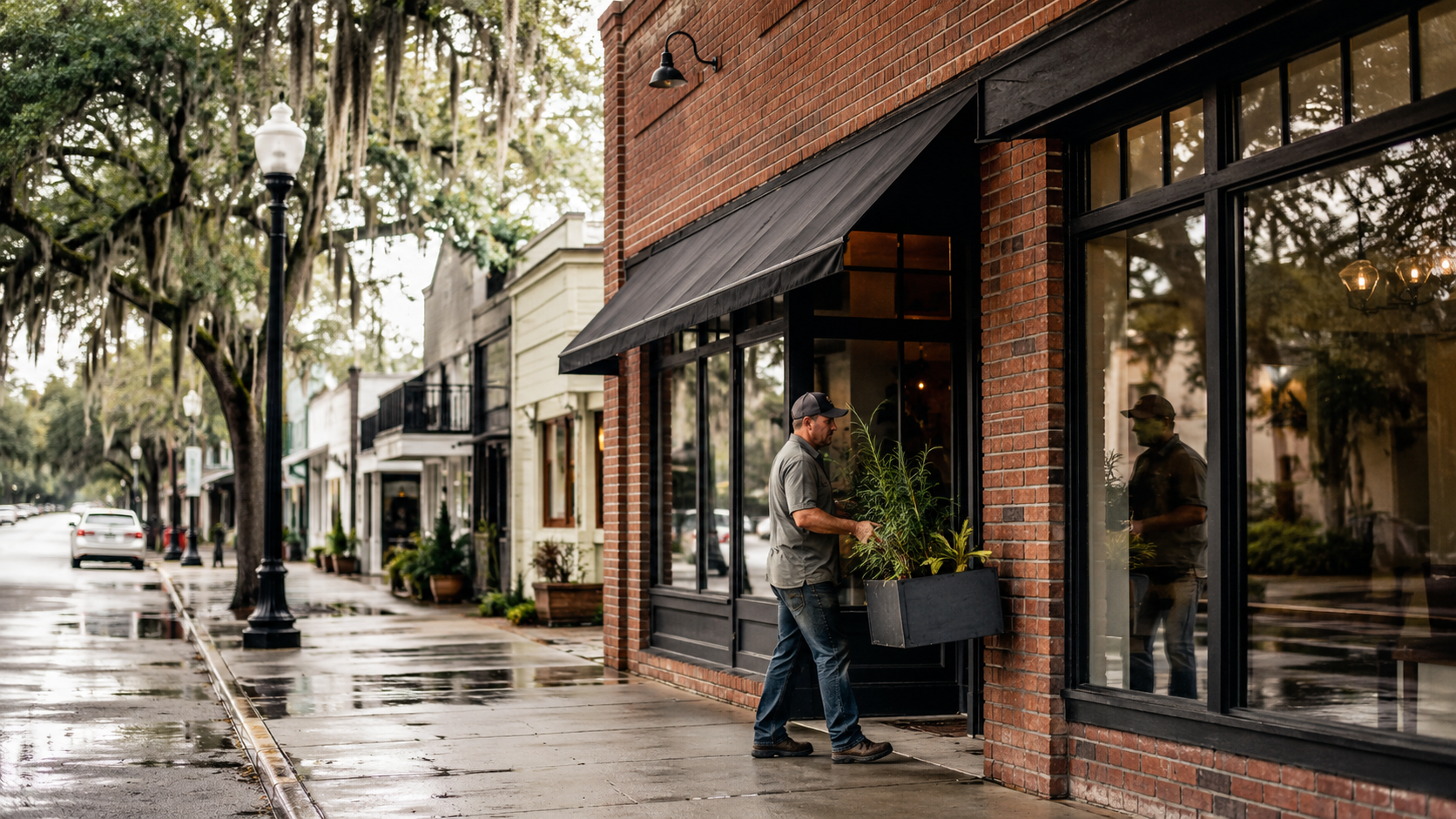
Protects your building, equipment, and inventory against fire, storm, theft, and other covered losses.
Workers' Compensation
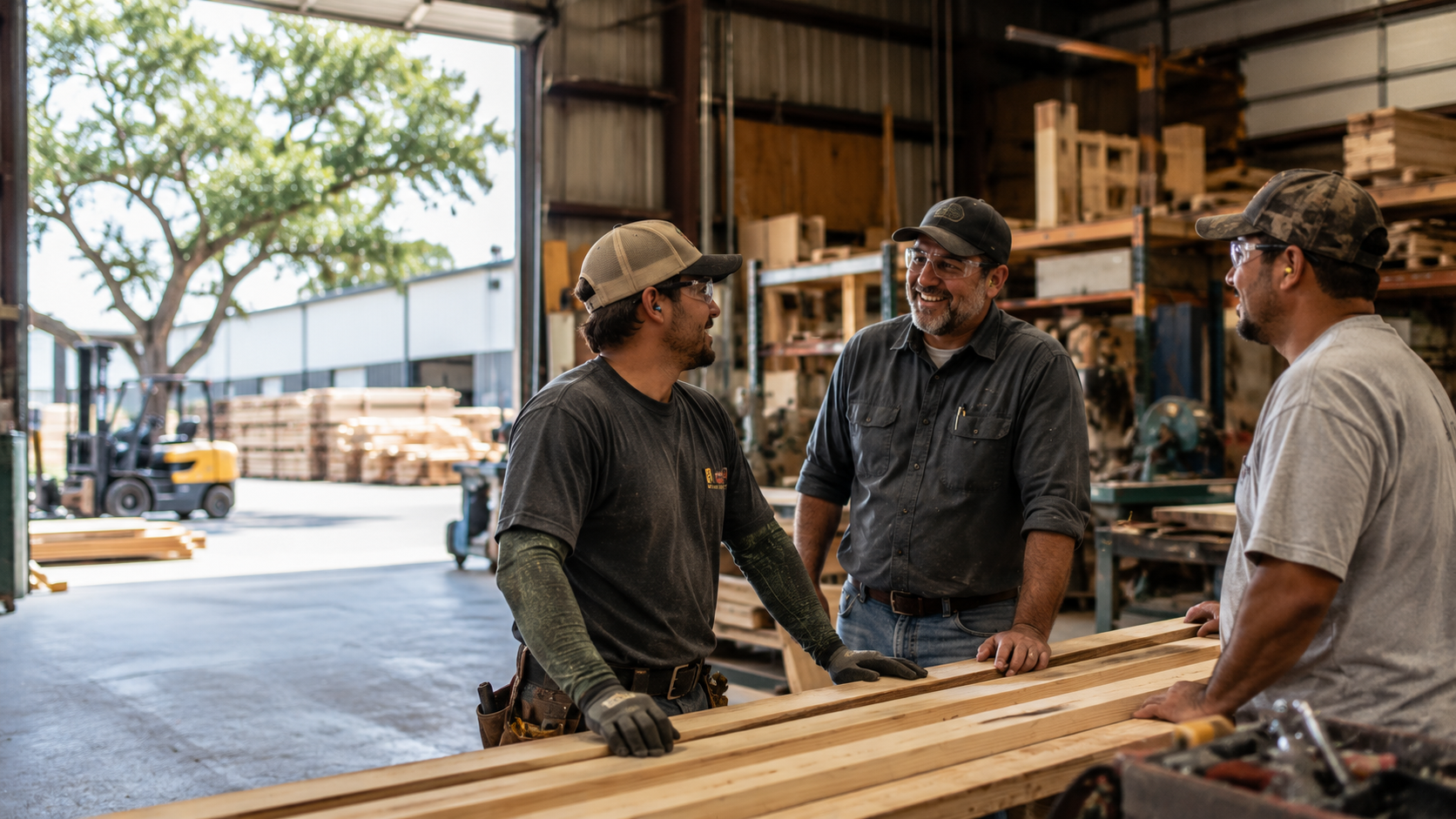
Pays medical care and lost wages when an employee is hurt on the job, as Louisiana requires.
Commercial Auto
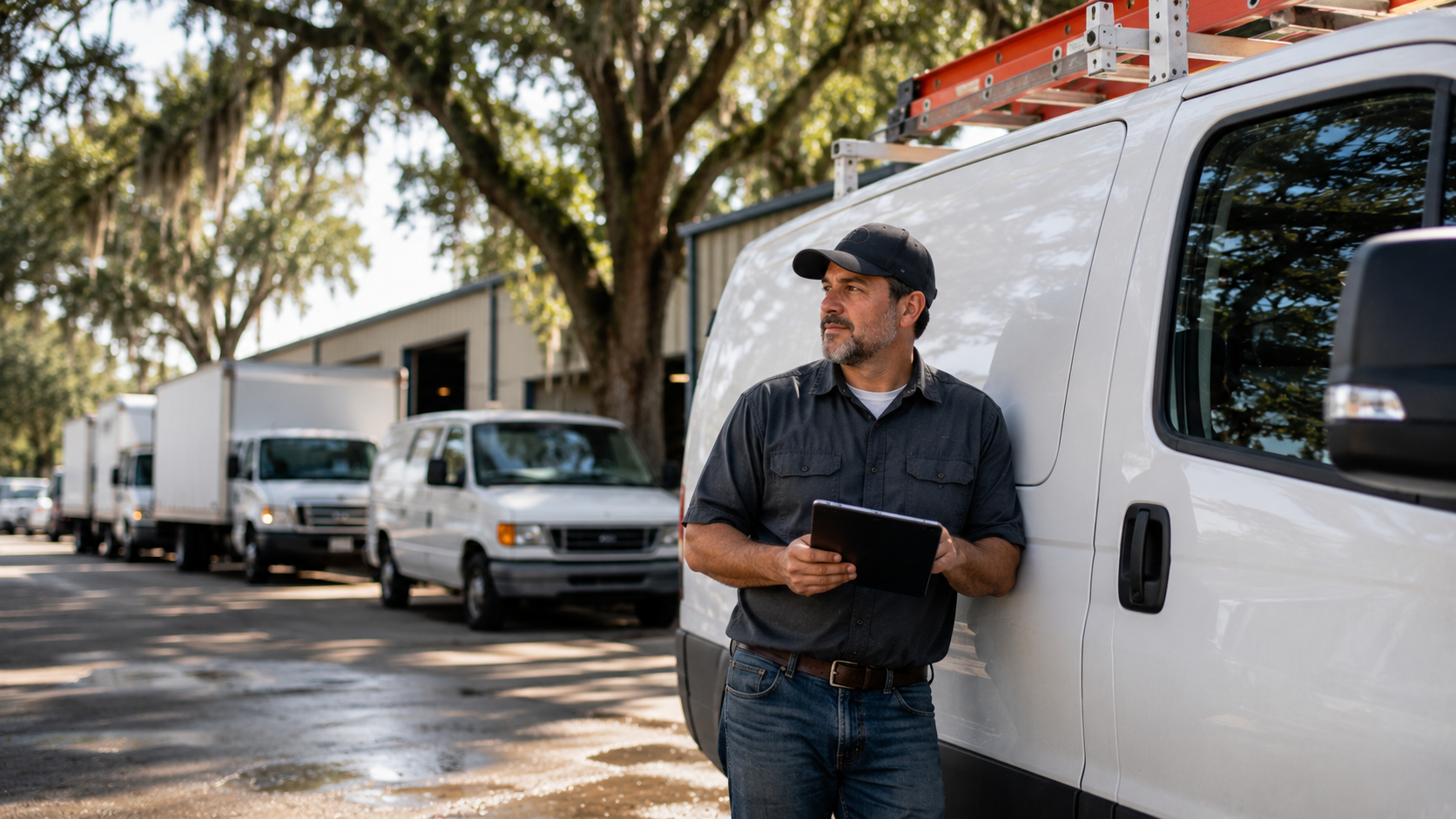
Covers the vehicles your business owns, along with the employees who drive them for work.

Professional Liability
Covers claims that your professional advice or services caused a client a financial loss.

Cyber Liability
Handles breach response, notification costs, and liability after customer data is exposed.
[CONFIRM name]
Google review · Mandeville office
Business Insurance by Industry
Specialized coverage for your line of work
Every trade carries its own risks. We know the coverage these Louisiana businesses need and where the gaps usually sit.
Plumbers
Liability, tools, and commercial auto coverage built for water damage claims and job-site risk.
Restaurants
Property, liquor liability, and spoilage coverage for kitchens, dining rooms, and your staff.
Real Estate Investors
Landlord property, liability, and vacancy coverage for rentals, flips, and multi-unit buildings.
[CONFIRM name]
Google review · Mandeville office
How to Get Insured in 4 Steps
Getting covered is simple
You talk to a licensed agent from the first call to the annual review.

1
Tell us about you
Share what you want to protect. A licensed agent asks about your home, vehicles, family, or business and gathers the details carriers need.
2
We shop our carriers
We compare options across the markets we represent and look at price, coverage limits, and how each carrier handles claims.
3
Review your choices
We explain coverage and price in plain language, side by side, so you can see the trade-offs before you choose.
4
Get covered
Your policy starts, you get your documents, and we review the coverage with you each year.
5-Star Rated by Louisiana Clients
What our clients say
Louisiana families and business owners rate us 5 stars for clear advice and fast answers.
139+ five-star reviews across our Mandeville and New Orleans offices
[CONFIRM name]
Google review · Mandeville office
Louisiana Insurance Questions, Answered
Questions clients ask us
Short answers to what people ask before they switch agencies.
What does an independent insurance agency do?
An independent agency represents many carriers instead of one. We gather your information once, compare policies across those companies, and recommend the option that fits your coverage needs and budget. You keep the same agent as your policies change.
Which types of insurance does Chabert offer?
We write home, auto, flood, life, umbrella, and boat policies for individuals, plus general liability, property, workers' compensation, commercial auto, business interruption, and cyber coverage for businesses. One team handles both sides of your account.
Do you serve both Louisiana and Mississippi?
Yes. Our agents are licensed in Louisiana and Mississippi [CONFIRM license numbers]. We work from offices in Mandeville and New Orleans and serve clients across both states by phone, email, and in person.
How do you find me a competitive rate?
We send your details to the carriers we represent and compare what comes back. We look at premium, coverage limits, deductibles, and available discounts such as bundling auto with home, then show you the options together.
Can I manage my policy online?
Yes. Our Client Portal, powered by GloveBox, holds your policy documents, ID cards, and billing links in one place. You can also request a policy change or certificate from our Client Center page.
How do I start a quote or file a claim?
Call 504-326-6526 or fill out the quote form on this page and an agent will follow up. To report a claim, use the Report a Claim page or call the office and we will start the process with your carrier.
[REVIEW_WIDGET] — connect a review aggregator (Elfsight, EmbedSocial, Trustindex, or Duda Reviews) to pull both Google Business Profiles and Facebook into one rotating feed. The cards below stand in until it is live.

Louisiana Insurance Tips & News
Insurance tips and local news
Practical guidance from our agents on coverage, claims, and living with Louisiana weather.
[CONFIRM name]
Google review · Mandeville office
Serving Louisiana & Mississippi
Licensed across Louisiana and Mississippi
Visit either office or handle everything by phone and email. Same team, same records, both states.
Louisiana
Offices in Mandeville and New Orleans, serving the North Shore, greater New Orleans, and beyond.
Mississippi
Licensed for personal and commercial policies across the state.
Mandeville Office
240 Dalwill Dr, Suite B, Mandeville, LA 70471
Office hours: Monday – Friday, 8:00 a.m. – 5:00 p.m.
New Orleans Office
824 Elmwood Park Blvd, Suite 145, New Orleans, LA 70123
Office hours: Monday – Friday, 8:00 a.m. – 5:00 p.m.