
Variant Insurance Group is a licensed independent insurance agency in Minnesota. [CONFIRM license #.]
Get a Quote
Variant Insurance Group is a licensed independent insurance agency serving Minnesota families and businesses.
From our office in Maple Plain, our team works with many of Minnesota's top-rated carriers so your home, auto, life, and business coverage fits your real needs. We serve families and businesses across Minnesota.
New title
New title
Umbrella Insurance: The Ultimate Safety Net
Accidental vs. Intentional Tenant Damage
Does my homeowners policy cover my home office equipment?
FAQ: Do I need a separate appraisal for every single silver spoon?
FAQ: Am I covered if I accidentally drop a piece of fine art?
Investing in driver safety training pays off in two ways: fewer accidents and lower premiums. Defensive driving courses, annual safety meetings, and documented training programs signal to underwriters that you take risk management seriously.
Telematics devices that monitor speed, braking, and idle time are increasingly popular with livery insurers. Some carriers offer 5-15% premium discounts for fleets that install GPS-based monitoring and maintain good scores. The 2026 insurance forecast suggests telematics adoption will continue growing as insurers seek better data to price risk accurately. If you haven't explored telematics yet, ask your agent about programs that reward safe driving behavior.
A single lawsuit from a jobsite injury can cost a general contractor hundreds of thousands of dollars, and that's before attorneys get involved. For GCs operating in Louisiana, where hurricane season compounds property risks and social inflation keeps pushing verdict amounts higher, the right insurance program isn't optional: it's the foundation your business stands on. Understanding what coverage you actually need across general liability, subcontractor requirements, risk transfer mechanisms, builders risk, completed operations, and wrap-up programs separates contractors who survive a bad claim from those who don't. Whether you're running residential renovations in Mandeville or managing a commercial build in New Orleans, the stakes are real and the gaps in your coverage might be bigger than you think.
The Core of Protection: General Liability and Completed Operations
Commercial general liability (CGL) is the policy most GCs think of first, and for good reason. It covers third-party bodily injury, property damage, and personal injury claims that arise from your operations. But a standard CGL policy has two distinct coverage parts that many contractors don't fully understand, and the difference matters when a claim hits.
Understanding Bodily Injury and Property Damage Coverage
Your CGL's premises and operations coverage applies while work is actively happening. If a pedestrian trips over materials on your jobsite, or a subcontractor's crew damages an adjacent building, this is the coverage that responds. Most policies carry per-occurrence limits of $1 million and general aggregate limits of $2 million, though larger projects often demand higher limits through umbrella or excess policies.
One thing to keep in mind: social inflation has been running at roughly 5.4% annually in the U.S. as of 2026. That means jury awards and settlement amounts are climbing faster than standard inflation, which directly affects how much coverage you should carry. A $1 million per-occurrence limit that felt comfortable five years ago may not stretch far enough today.
Completed Operations: Protecting Your Business After the Job is Done
Completed operations coverage kicks in after you've finished a project and moved off the site. If a balcony railing you installed fails two years later and someone is injured, this is the part of your CGL that pays. Many GCs underestimate this exposure because the claim arrives long after the project wraps. Louisiana's prescriptive period for construction defects can extend years beyond project completion, meaning your completed operations coverage needs remain critical well after final inspection. Don't let your policy lapse between projects: that gap could leave you exposed to claims from work you did months or years ago.

Managing Subcontractor Risks and Insurance Requirements
Most general contractors don't self-perform every trade on a project. You're hiring electricians, plumbers, roofers, and concrete crews, and each one of them brings risk onto your jobsite. Your subcontractor insurance requirements are your first line of defense against claims that originate from their work.
Verifying Certificates of Insurance and Minimum Limits
Before any sub sets foot on your site, you should have a current certificate of insurance (COI) on file. That certificate needs to confirm active CGL coverage, workers' compensation, and auto liability at minimum. Here's where many GCs get tripped up: a COI is just a snapshot. It doesn't guarantee the policy won't be cancelled next week.
Set minimum limits that match your project's risk profile. For most commercial work in Louisiana, that means requiring at least $1 million per occurrence and $2 million aggregate on CGL, plus statutory workers' comp limits. Tracking these certificates manually across dozens of subs is a headache, which is why many firms now use automated verification platforms to flag lapses before they become problems.
The Importance of Additional Insured Status
Getting named as an additional insured on your subcontractors' policies is non-negotiable. This endorsement means their insurance responds first if a claim arises from their work, protecting your own policy's loss history and keeping your premiums from spiking. Without it, you could be left defending a claim with your own coverage even though your sub caused the damage. Make sure the additional insured endorsement covers both ongoing and completed operations: some standard forms only cover one.

Contractual Risk Transfer: Shifting Liability Effectively
Insurance policies are only part of the equation. Your subcontract agreements are where you formally allocate risk between parties, and poorly drafted language can leave you holding liability you thought you'd transferred.
Indemnity Agreements and Hold Harmless Clauses
A well-written indemnification clause requires the subcontractor to defend and hold you harmless for claims arising from their work. Louisiana has an anti-indemnity statute (La. R.S. 9:2780.1) that voids broad-form indemnity clauses in construction contracts, so your agreements need to be carefully drafted to comply with state law. You can still require intermediate-form indemnity, which covers the sub's negligence but not your sole negligence. A practical guide to contractual risk transfer in construction can help you understand where these boundaries fall.
Primary and Non-Contributory Language
This clause requires your subcontractor's insurance to pay first on a claim before your policy contributes anything. Without primary and non-contributory language in both the subcontract and the sub's policy endorsement, insurers may try to share the loss proportionally, dragging your policy into claims that should have been handled entirely by the sub's carrier. Pair this with a waiver of subrogation endorsement to prevent the sub's insurer from coming after you to recover what they paid out.
Builders Risk vs. General Liability: Knowing the Difference
These two policies protect very different things, and confusing them is a common and costly mistake. Your CGL covers liability to third parties. Builders risk covers the physical structure you're building. Both are essential, but they don't overlap.
Comparison Chart: Property Protection vs. Liability Protection
| Feature | Builders Risk | General Liability |
|---|---|---|
| What it covers | Physical damage to the structure under construction | Third-party bodily injury and property damage claims |
| Trigger | Named perils (fire, wind, theft, vandalism) or all-risk | Negligence or fault during or after operations |
| Who benefits | Project owner, GC, and subs with insurable interest | The insured GC (and additional insureds) |
| Duration | Project-specific: starts at groundbreaking, ends at substantial completion | Annual policy, renewed each year |
| Louisiana consideration | Hurricane and flood exclusions are standard: separate coverage needed | Subject to social inflation trends driving up claim costs |
| Typical limits | Set to total completed value of the project | $1M per occurrence / $2M aggregate (standard) |
The builders risk market has seen tightening over recent years, especially for coastal projects in states like Louisiana. Expect underwriters to scrutinize your hurricane mitigation plans and may require higher deductibles for wind and named-storm damage. If you're building anywhere near the Gulf Coast, talk to an agent who understands these regional nuances. Chabert Insurance: The Ehrhardt Agency works with GCs across New Orleans and Mandeville who face exactly these challenges, and local expertise makes a real difference when placing builders risk coverage in a tough market.
Wrap-Up Programs: OCIP and CCIP Explained
On larger projects, individual policies for every contractor on site can create coverage gaps, duplicate premiums, and administrative chaos. Wrap-up insurance programs solve this by consolidating coverage under a single policy.
Consolidating Coverage for Large-Scale Projects
An Owner Controlled Insurance Program (OCIP) is purchased and managed by the project owner. A Contractor Controlled Insurance Program (CCIP) is purchased and managed by the general contractor. Both provide CGL, workers' comp, and sometimes excess liability for all enrolled parties on the project.
Wrap-ups typically make financial sense on projects valued at $50 million or more, though some programs work on smaller projects depending on the structure. The benefits include volume purchasing power, uniform coverage terms, and a single claims management process. The downside is administrative complexity: you'll need a dedicated insurance administrator, and enrollment of every sub requires careful coordination.
For GCs considering a CCIP, the construction insurance marketplace has been evolving with rising loss costs and tighter capacity in certain lines. Understanding current market conditions before committing to a wrap-up structure is essential.
Common Questions About General Contractor Insurance
Frequently Asked Questions for New GCs
- Do I need both general liability and builders risk? Yes. General liability covers injury and damage claims from third parties. Builders risk covers physical damage to the structure itself. They protect against completely different losses.
- What happens if my subcontractor's insurance lapses mid-project? You could be held responsible for claims arising from their work. Require 30-day cancellation notice on all sub COIs and verify coverage status regularly.
- How much general liability coverage should a GC carry in Louisiana? Most commercial projects require at least $1 million per occurrence and $2 million aggregate. Larger projects or those with public entities involved often require $5 million or more through umbrella policies.
- Can I be sued for a subcontractor's mistake? Absolutely. As the GC, you have a duty to oversee the work. That's why additional insured endorsements and strong indemnification language are critical.
- Is flood damage covered under builders risk? Typically no. Standard builders risk policies exclude flood, which is a major concern for Louisiana projects. You'll need a separate flood policy, and NFIP or private flood options should be discussed with your agent.
- What's the difference between an OCIP and a CCIP? The main difference is who buys and controls the policy. An OCIP is owner-controlled; a CCIP is contractor-controlled. Both wrap all enrolled parties under one program.
Making the Right Choice for Your Firm
Getting your insurance program right as a general contractor isn't about buying the cheapest policy: it's about building a risk management strategy that holds up when something goes wrong. Your general liability, subcontractor requirements, contractual risk transfer provisions, builders risk, completed operations coverage, and wrap-up program decisions all work together as an interconnected system.
Start by auditing your current coverage against the contracts you're signing. Are your limits adequate given rising social inflation trends? Are your subcontract agreements enforceable under Louisiana law? Is your builders risk policy structured for coastal exposures?
These aren't questions you should answer alone. Working with an agency that understands both construction risk and the Louisiana market gives you a real advantage. Chabert Insurance: The Ehrhardt Agency helps general contractors in New Orleans and Mandeville build insurance programs that actually match the risks they face on the ground. Reach out for a coverage review: finding a gap before a claim does is always the better outcome.
On this page
Fully licensed
Chabert Insurance: The Ehrhardt Agency is a fully licensed independent insurance agency serving individuals, families, and businesses across Louisiana and Mississippi.
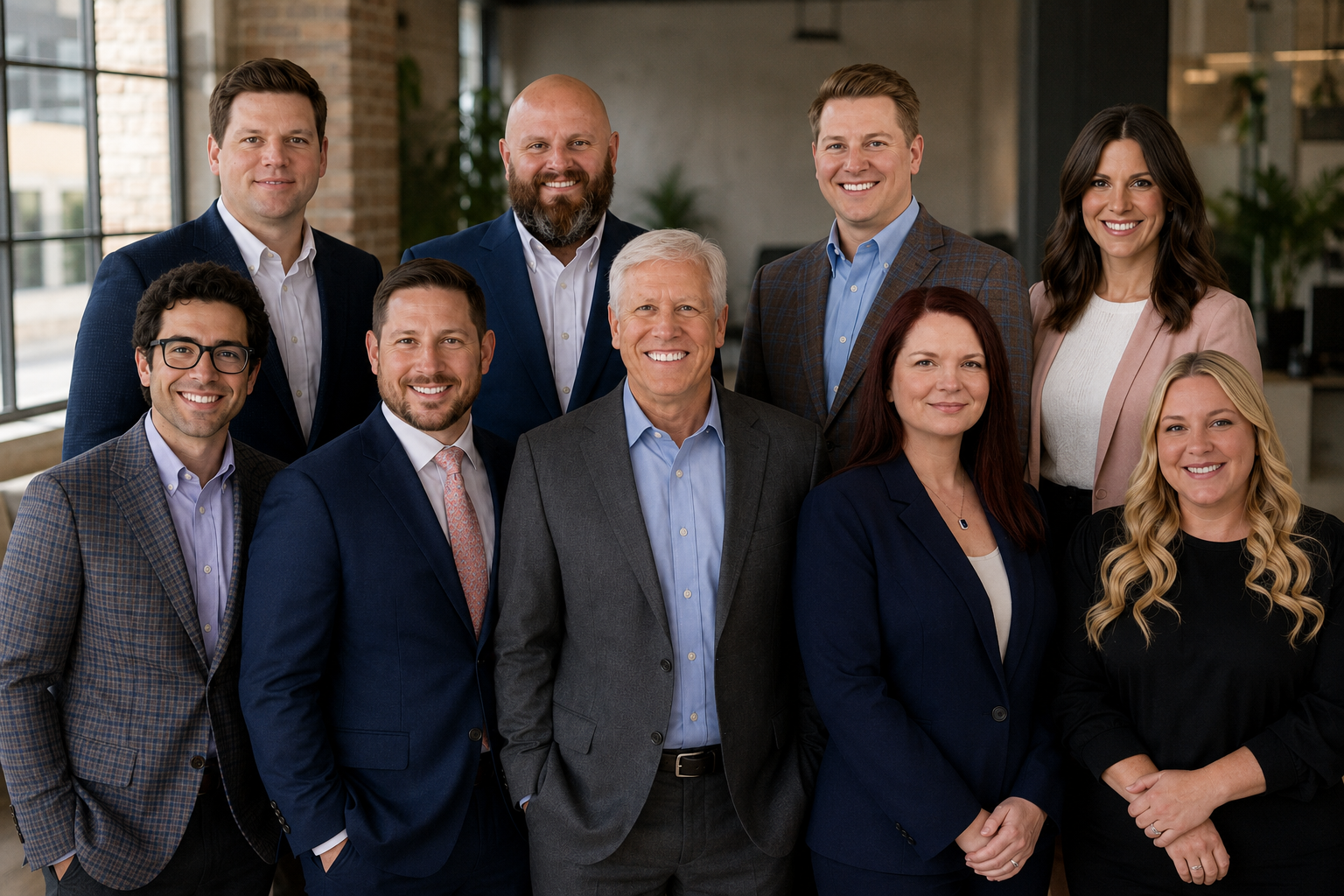
From our offices in Mandeville and New Orleans, we proudly serve clients in Mandeville, Covington, New Orleans, Kenner, Metairie, Harahan, River Ridge, and Slidell, as well as the Westbank and St. Bernard Parish, and communities throughout Louisiana and Mississippi. As an independent agency, our team works with a wide range of top-rated carriers to provide personal and commercial coverage — home, auto, flood, commercial, life, and more — built around the real needs of the people and businesses we protect.
OTHER INSURANCE COVERAGE

About the Author
Ryan J. Ehrhardt
Owner / Licensed Agent
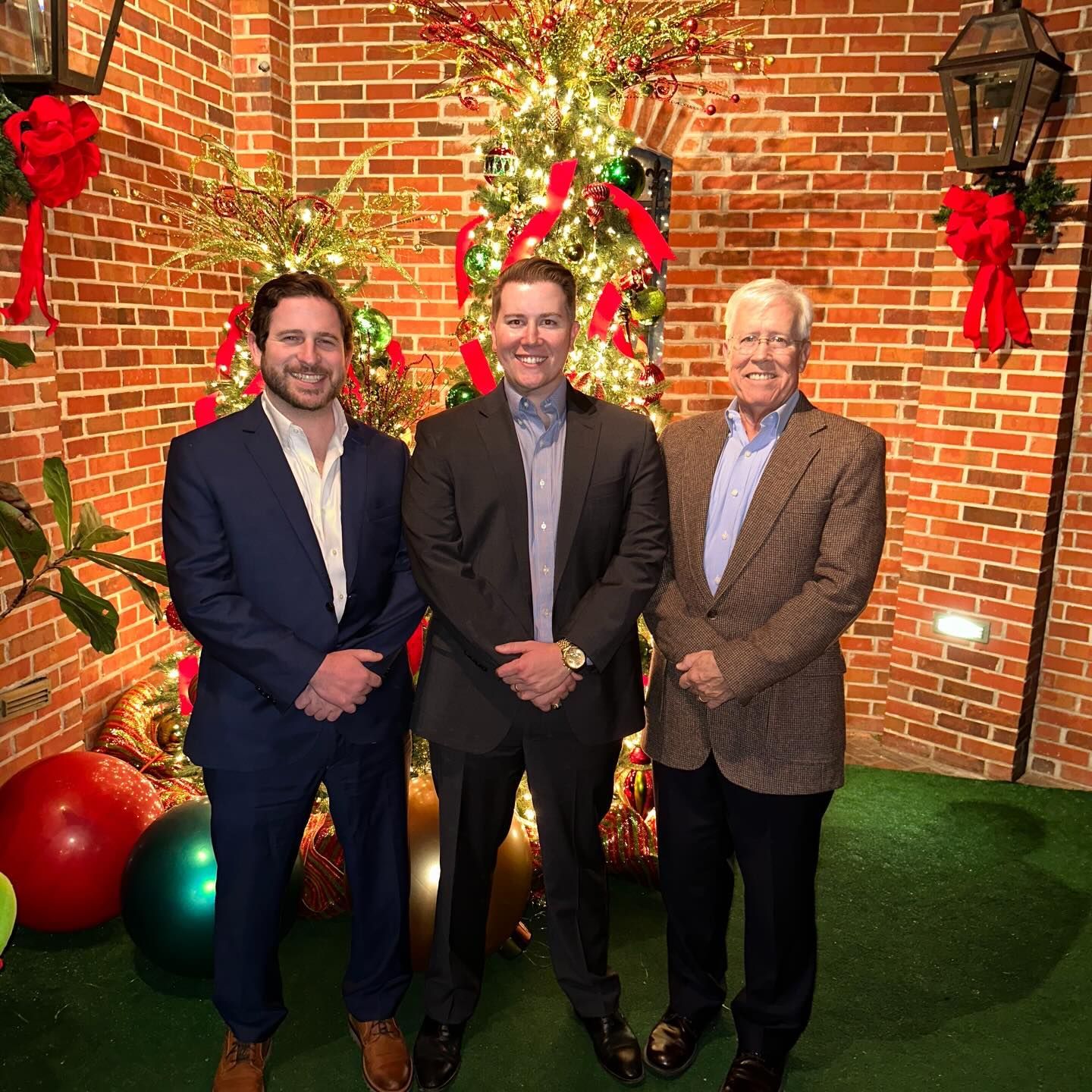
I'm Ryan J. Ehrhardt, owner and licensed agent at Chabert Insurance: The Ehrhardt Agency. I lead our team across our Mandeville and New Orleans offices, and I work with families and business owners every day to find coverage that fits their lives. I believe insurance should be simple to understand, so I take the time to explain your options in plain language before you decide.
As an independent agent, I answer to you, not to a single carrier. That means I can shop your policy across many companies and focus on what protects you best. When you call our office, you reach a real person who knows your account. I would be glad to review your coverage and help you feel confident about it.

[CONFIRM name]
Google review · Mandeville office
Home, Auto, Flood, Commercial & Life Insurance
Insurance built around your life in Louisiana
We compare coverage across many carriers and build one program that protects everything you own.
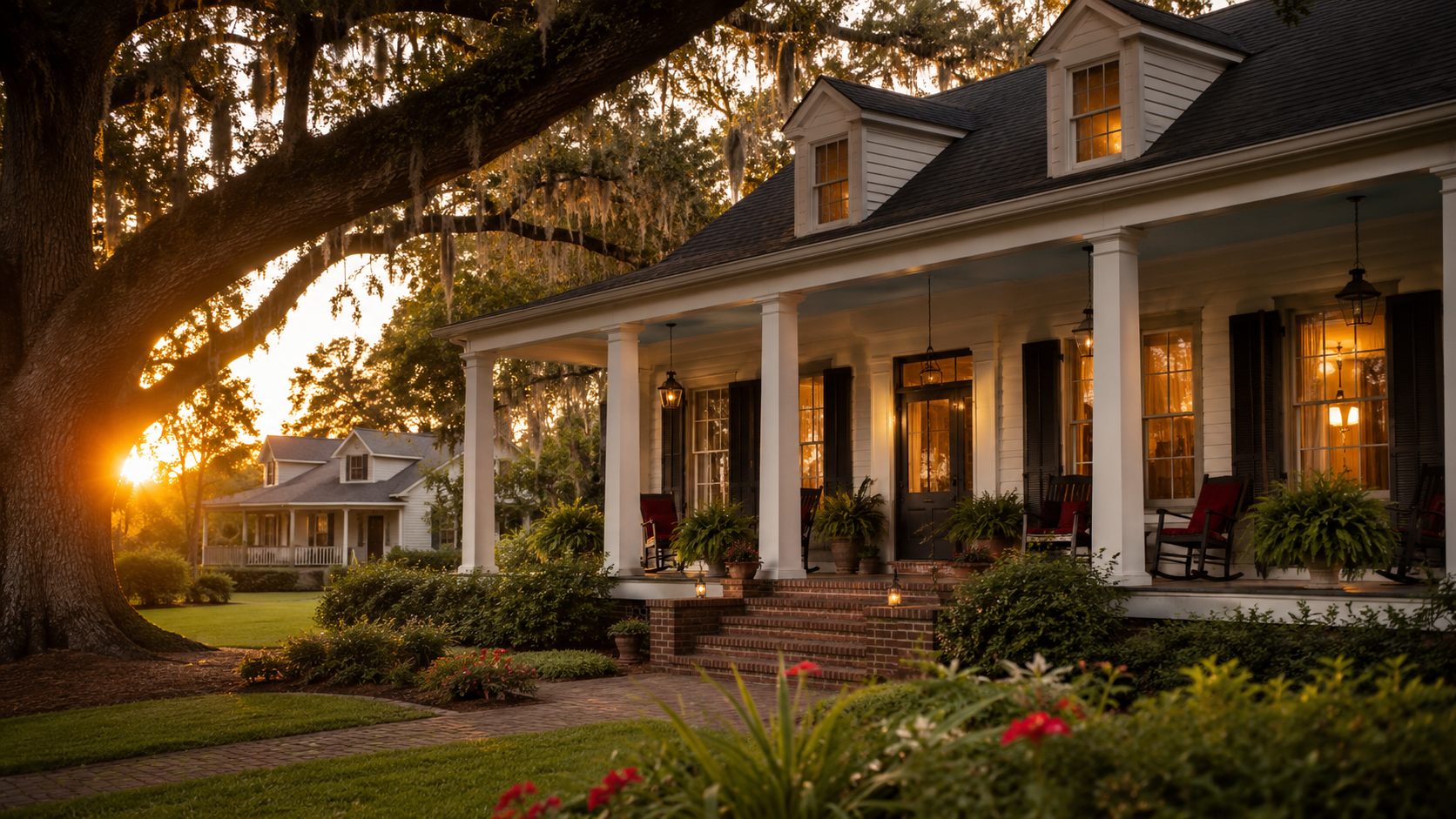
Home Insurance
Cover the cost to rebuild your house, replace your belongings, and answer a liability claim against your household.
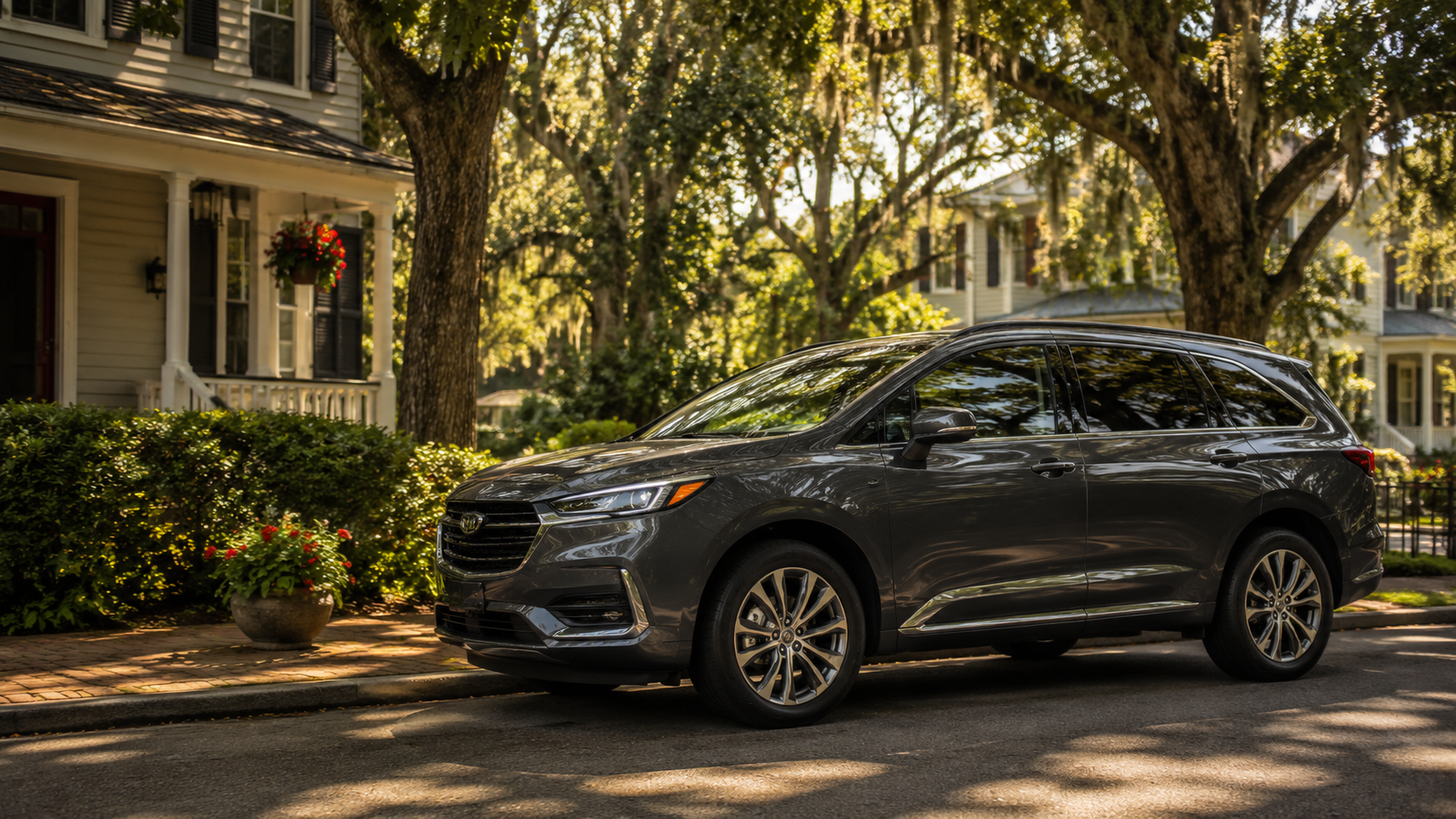
Auto Insurance
Protect your vehicles with liability, collision, and uninsured motorist limits that hold up after a serious Louisiana wreck.
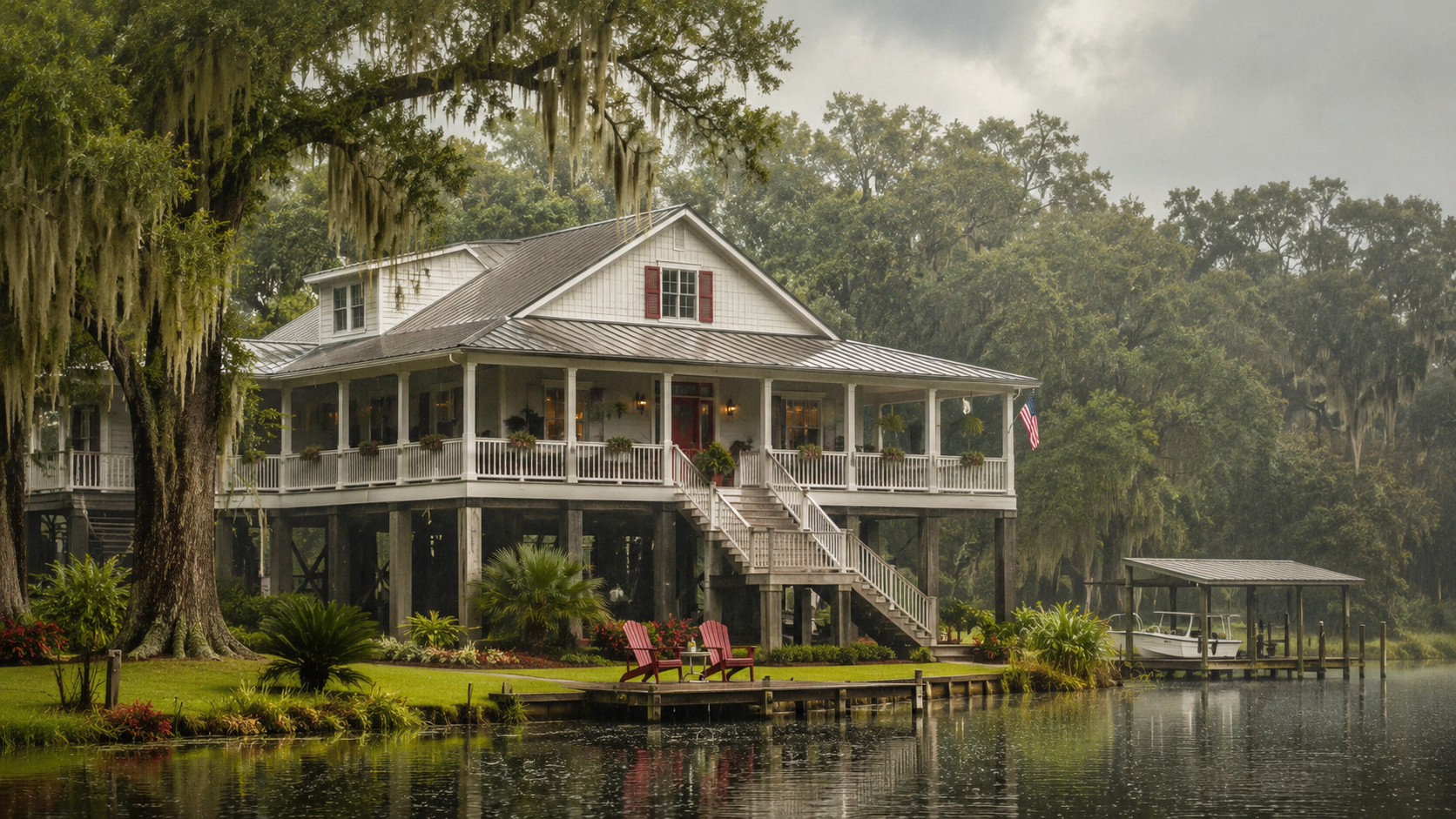
Flood Insurance
Your homeowners policy excludes flood. We quote NFIP and private options for your building and its contents.

Commercial Insurance
Liability, property, workers' compensation, and commercial auto for Louisiana businesses, priced against how your company operates.

Life Insurance
Replace the income your family depends on, with term and permanent options priced across several carriers.

Umbrella Insurance
Add a layer of liability protection above your auto and home limits, usually for a modest premium.
Ruston
Baton Rouge
Mandeville
Gretna
Louisiana Home Insurance
Home insurance built around where you live
Home insurance is our specialty. We write homeowners policies across Louisiana and price them against the wind, hail, and flood risk in your parish.
Areas we cover
Commercial Insurance for Louisiana Businesses
Coverage that keeps your business running
We build commercial programs around how your company actually operates, then compare carriers on price and claim service.

General Liability
Covers claims of bodily injury or property damage that come from your day-to-day operations.
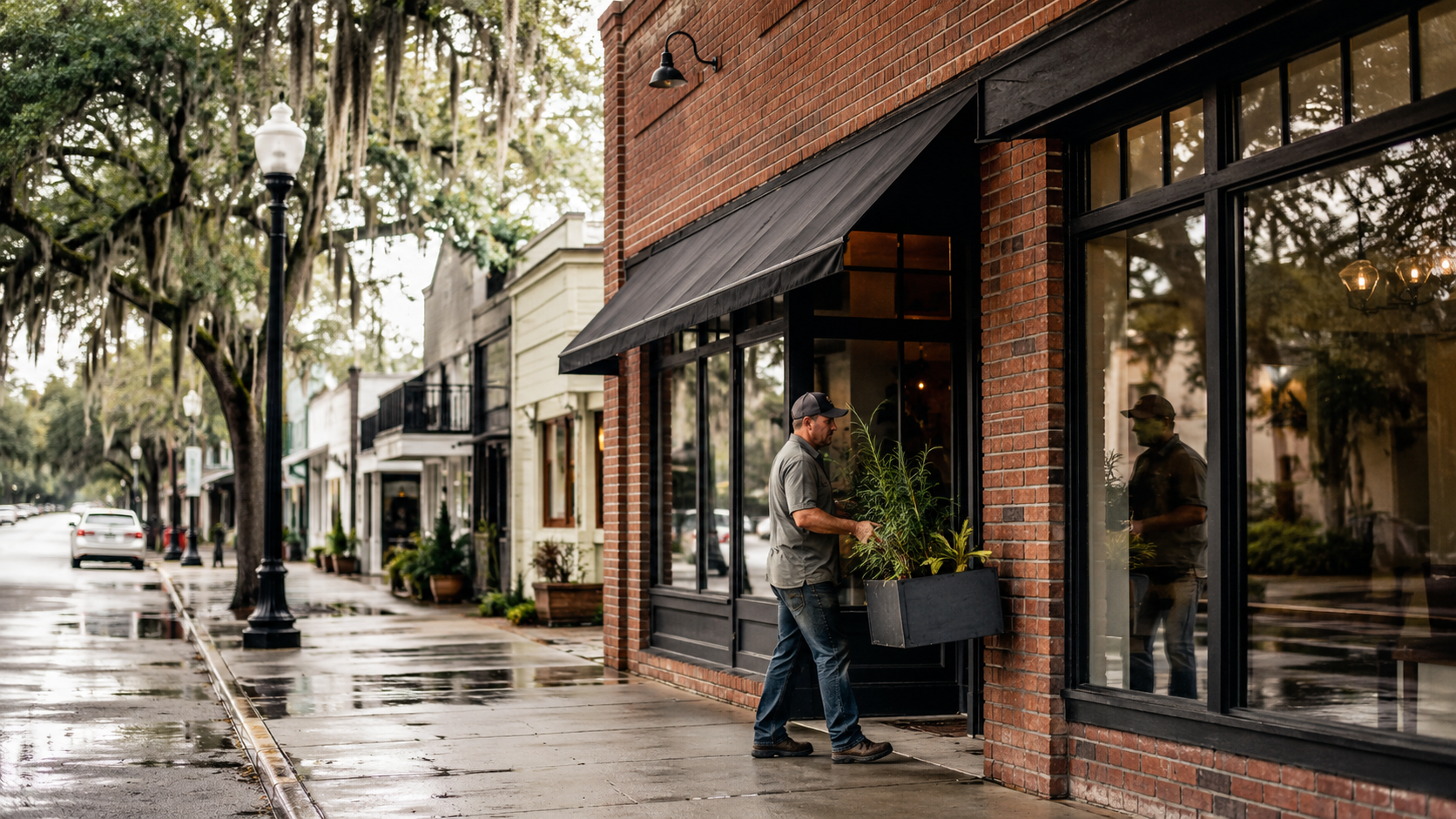
Commercial Property
Protects your building, equipment, and inventory against fire, storm, theft, and other covered losses.
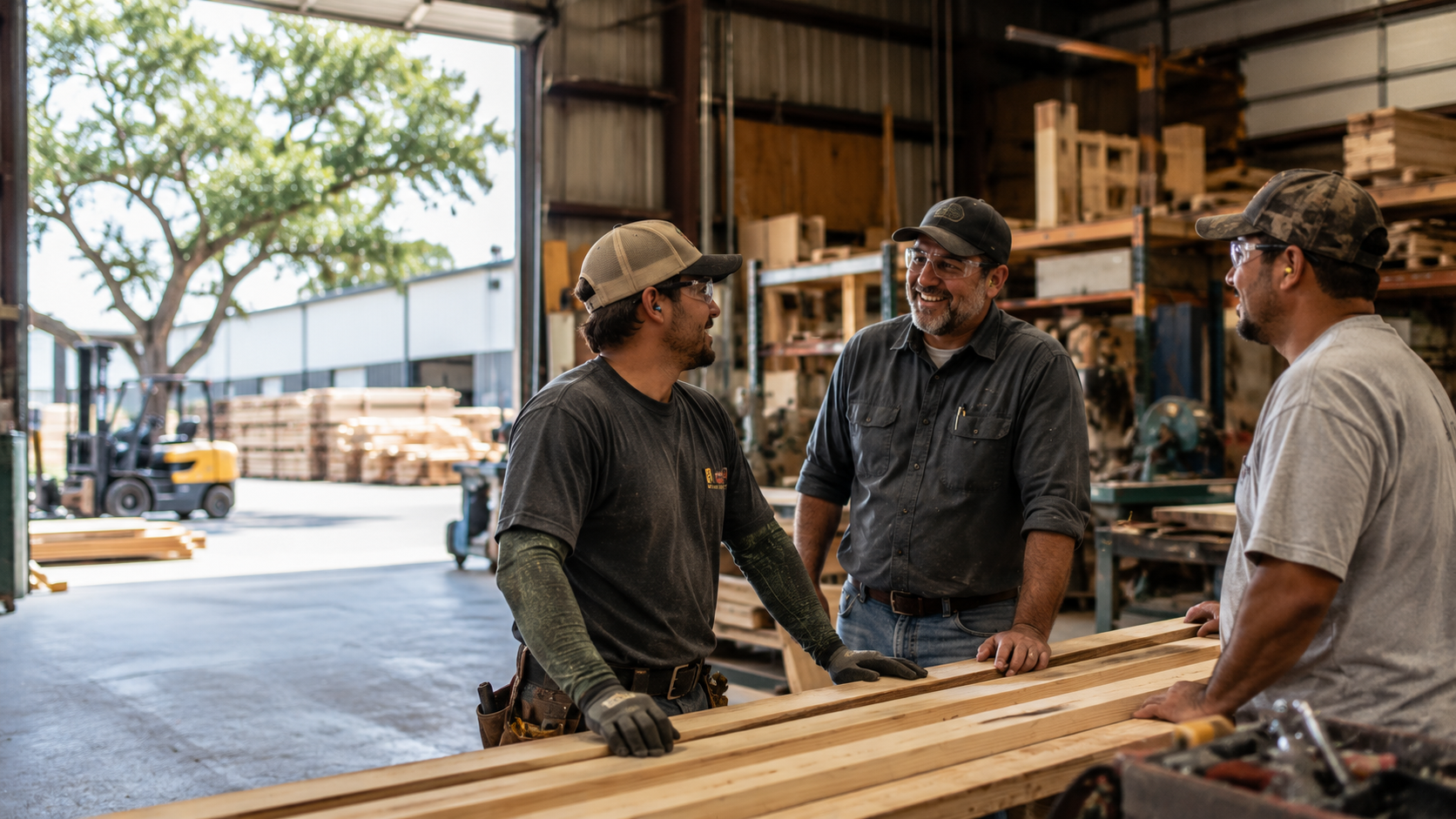
Workers' Compensation
Pays medical care and lost wages when an employee is hurt on the job, as Louisiana requires.
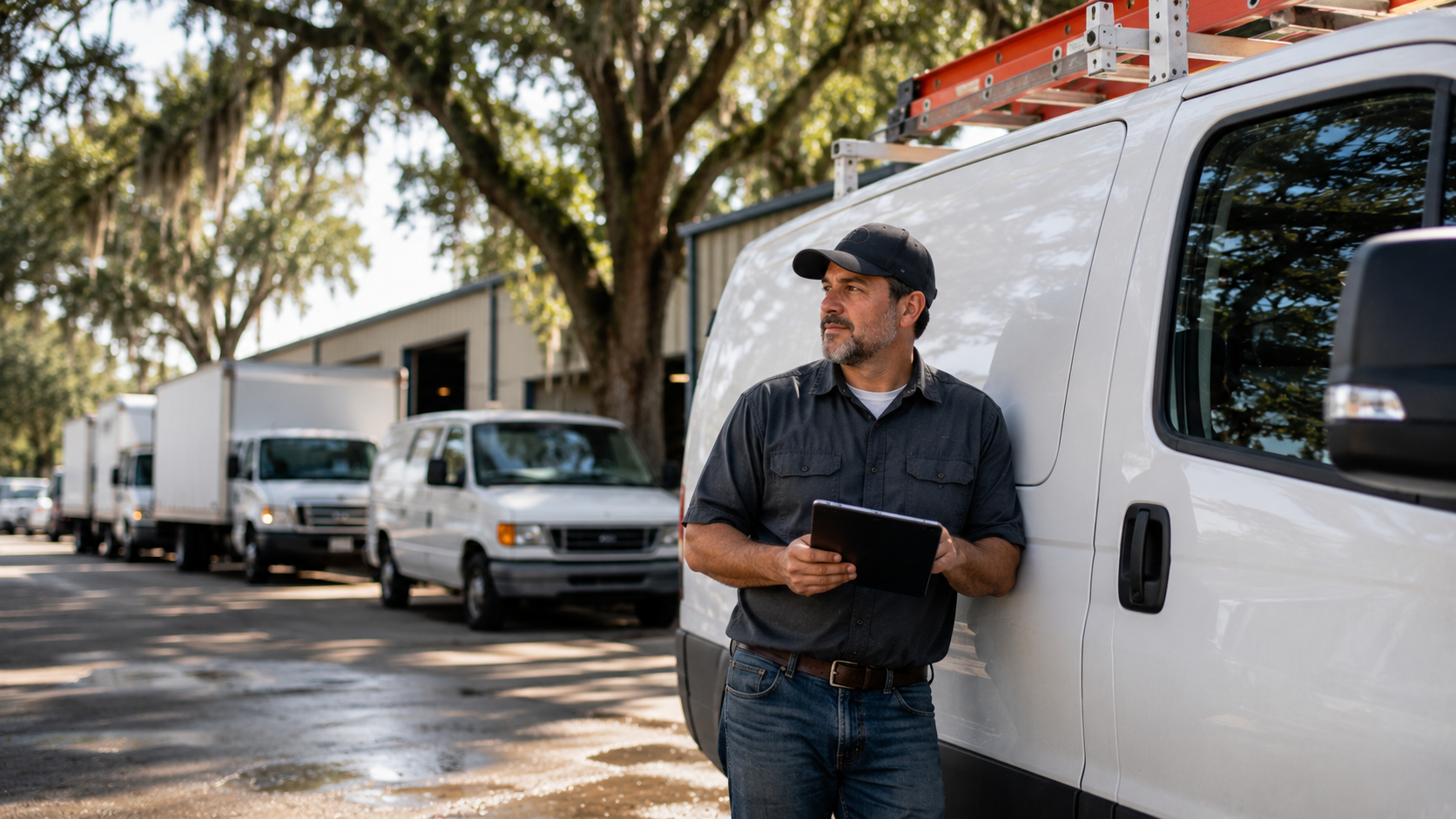
Commercial Auto
Covers the vehicles your business owns, along with the employees who drive them for work.

Professional Liability
Covers claims that your professional advice or services caused a client a financial loss.

Cyber Liability
Handles breach response, notification costs, and liability after customer data is exposed.
[CONFIRM name]
Google review · Mandeville office
Business Insurance by Industry
Specialized coverage for your line of work
Every trade carries its own risks. We know the coverage these Louisiana businesses need and where the gaps usually sit.
Plumbers
Liability, tools, and commercial auto coverage built for water damage claims and job-site risk.
Restaurants
Property, liquor liability, and spoilage coverage for kitchens, dining rooms, and your staff.
Real Estate Investors
Landlord property, liability, and vacancy coverage for rentals, flips, and multi-unit buildings.
[CONFIRM name]
Google review · Mandeville office
How to Get Insured in 4 Steps
Getting covered is simple
You talk to a licensed agent from the first call to the annual review.

1
Tell us about you
Share what you want to protect. A licensed agent asks about your home, vehicles, family, or business and gathers the details carriers need.
2
We shop our carriers
We compare options across the markets we represent and look at price, coverage limits, and how each carrier handles claims.
3
Review your choices
We explain coverage and price in plain language, side by side, so you can see the trade-offs before you choose.
4
Get covered
Your policy starts, you get your documents, and we review the coverage with you each year.
5-Star Rated by Louisiana Clients
What our clients say
Louisiana families and business owners rate us 5 stars for clear advice and fast answers.
139+ five-star reviews across our Mandeville and New Orleans offices