

Variant Insurance Group is a licensed independent insurance agency in Minnesota. [CONFIRM license #.]
Get a Quote
Variant Insurance Group is a licensed independent insurance agency serving Minnesota families and businesses.
From our office in Maple Plain, our team works with many of Minnesota's top-rated carriers so your home, auto, life, and business coverage fits your real needs. We serve families and businesses across Minnesota.
New title
New title
Do I really need flood insurance if I'm not in a high-risk zone?
A house sitting empty for a few months shouldn't feel like a crisis, but from an insurance perspective, it often becomes one. Maybe you've inherited a property across town, listed a home for sale and moved out, or you're planning a full gut renovation on a place in Lakeview. Whatever the reason, the moment your home goes unoccupied, your standard homeowners policy starts working against you. Understanding how vacant home insurance works, why standard policies stop covering empty houses, and what triggers a vacancy clause can save you from a devastating coverage gap.
Most homeowners don't realize the clock starts ticking the day they move out. Insurers view an empty house as a fundamentally different risk than one with people living inside. Pipes can burst and go unnoticed for weeks. Vandals target properties with no lights on at night. A small kitchen fire that someone would catch in minutes can consume an entire structure when nobody's there to call 911. The national average cost for a standalone vacant home policy runs about $4,202 per year, roughly five times what you'd pay for a standard homeowners premium. That price tag reflects the very real increase in risk. And if you skip the coverage entirely, you could be left holding the full cost of a claim your insurer refuses to pay.
The 30-to-60 Day Countdown: Why Standard Policies Stop Responding
Your homeowners policy doesn't just cover a building. It covers an occupied home. Most insurers build a vacancy provision directly into the policy language, and that provision creates a hard deadline. Once your home has been vacant for a set number of days, typically 30 or 60, specific coverages either shrink dramatically or disappear entirely.
The countdown begins the day the last resident moves out, not the day you notify your insurer. If you don't track this window carefully, you could file a claim months later only to discover your policy had already stopped responding.
The Definition of Vacancy vs. Unoccupancy
These two words aren't interchangeable in insurance language, and the distinction matters. A vacant home has no people and no furnishings. An unoccupied home still contains personal property but nobody is living there, like a furnished home whose owner is traveling for several months.
Most standard policies treat vacancy more harshly than unoccupancy. A fully furnished home where you're away on an extended trip may still qualify for coverage under certain conditions. But strip the furniture out and leave the property empty, and insurers consider it a much higher risk. The Insurance Information Institute explains the role of vacancy provisions in standard policies, and the takeaway is clear: once a home crosses into true vacancy, the rules change fast.
Common Exclusions Triggered by Empty Homes
After the vacancy period expires, your policy doesn't cancel outright. Instead, it quietly carves out some of the most common and expensive claim types. Vandalism and malicious mischief are almost always excluded. Glass breakage disappears. Theft coverage vanishes. Water damage from burst pipes or appliance leaks, one of the most frequent claims on empty properties, may be excluded or severely limited.
What remains is a skeleton of your original coverage. Fire and lightning typically survive. So does coverage for certain weather events. But the perils most likely to actually hit an empty house are precisely the ones your insurer stops covering.
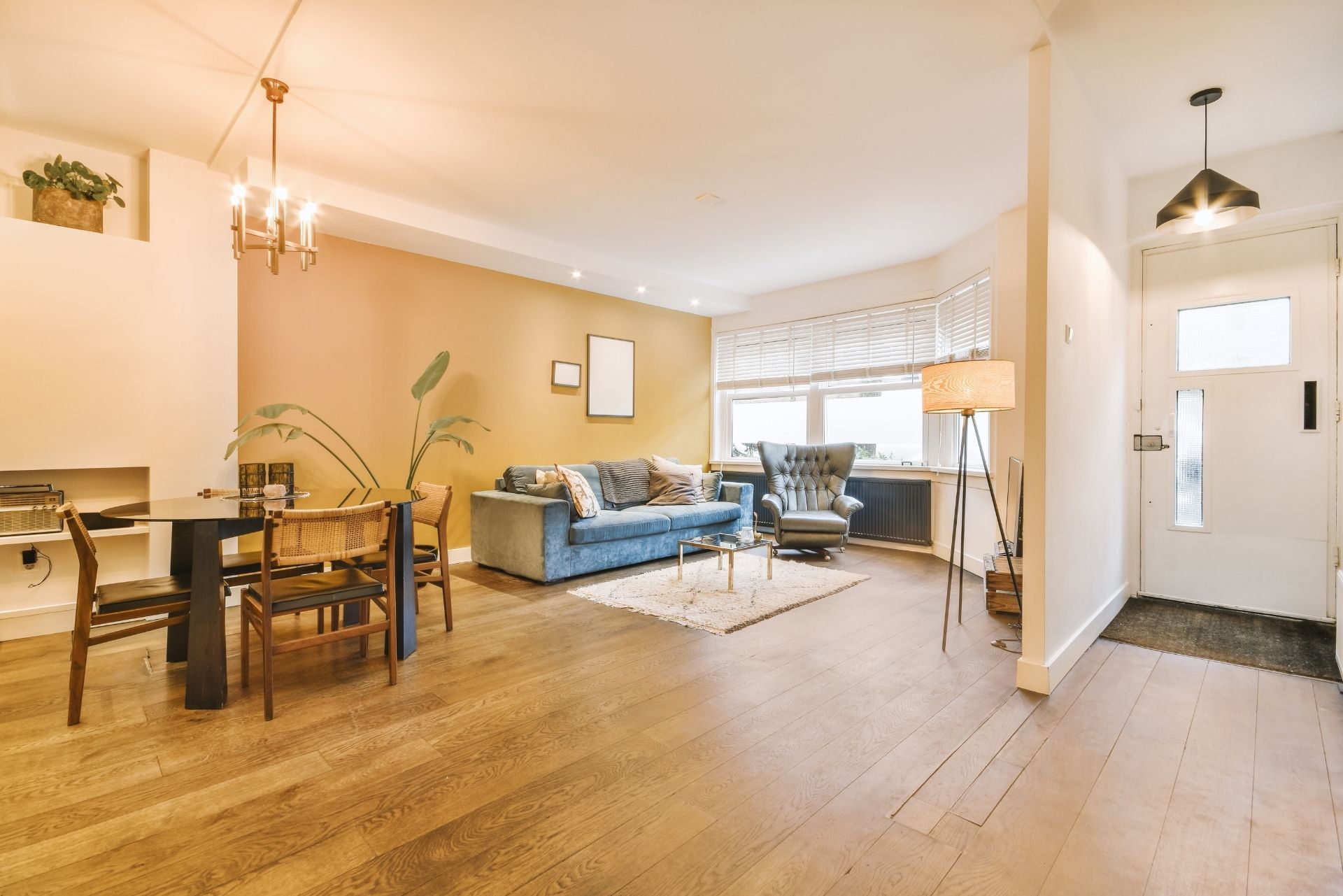
How the Vacancy Clause Works in Practice
The vacancy clause isn't buried in fine print as a technicality. It's a core underwriting tool that reflects how insurers price risk. Understanding the mechanics helps you see why simply keeping your existing policy active isn't enough.
The Risk Assessment Shift for Insurers
An occupied home benefits from constant human monitoring. Someone notices the water heater leaking. Someone scares off a trespasser. Someone turns off the stove. Remove that human presence, and the probability and severity of losses both increase sharply.
Insurers price policies based on expected loss frequency and severity. A LexisNexis analysis of home insurance trends shows that claims on vacant properties tend to be significantly larger than comparable claims on occupied homes, precisely because damage goes undetected longer. That's the math driving the vacancy clause.
Vandalism, Glass Breakage, and Water Damage Restrictions
Here's how the restriction typically works in practice. Say your home in Mandeville has been empty for 65 days. A pipe freezes and bursts during an unusual cold snap, flooding the first floor. You file a claim, expecting your homeowners policy to cover the $40,000 in damage. Your adjuster reviews the file, confirms the home has been vacant beyond the policy's 60-day threshold, and denies the water damage claim.
The same scenario plays out with vandalism. Broken windows, graffiti, stolen copper wiring: all common on empty properties, all excluded once the vacancy clause activates. Some policies also reduce payouts on covered perils by 15% after the vacancy period, even for losses that aren't fully excluded.
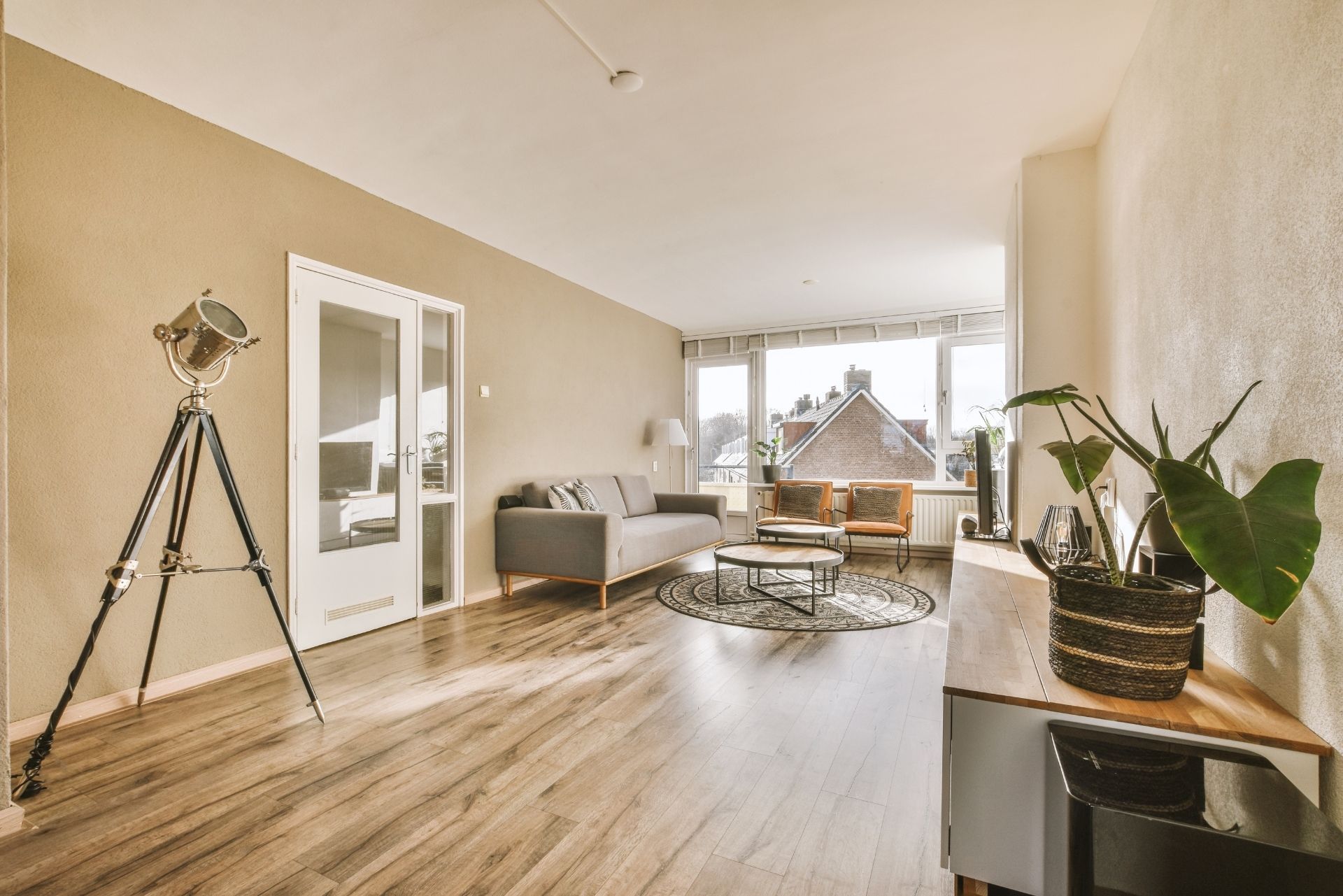
What a Specialized Vacant Home Policy Covers
A dedicated vacant property policy is designed specifically for the risks that standard homeowners coverage drops. These policies come in different forms, and choosing the right one depends on your situation and how long the home will sit empty.
Named Peril vs. Open Peril Forms
Named peril policies cover only the specific risks listed in the contract: fire, lightning, windstorm, hail, and a handful of others. If your loss doesn't match a named peril exactly, there's no coverage.
Open peril forms work the opposite way. They cover everything unless it's specifically excluded. Open peril vacant home policies cost more, but they provide broader protection. For homeowners in Louisiana, where hurricane season brings wind, rain, and flooding risks that don't always fit neatly into named categories, an open peril form often makes more sense. An agent at Chabert Insurance: The Ehrhardt Agency can walk you through which form fits your property and timeline.
Liability Protection for Empty Lots and Structures
Coverage for the physical structure is only half the equation. If a trespasser gets injured on your vacant property, or a delivery person trips on a broken step, you could face a lawsuit. Specialized vacant home policies typically include premises liability coverage, protecting you against bodily injury claims from people who enter your property.
This is especially relevant for homeowners reacting to rising property insurance costs by cutting coverage. Dropping liability protection on a vacant home is a risk that could cost far more than the premium savings.
Standard Homeowners vs. Vacant Home Coverage Comparison
| Coverage Feature | Standard Homeowners (Occupied) | Vacant Home Policy |
|---|---|---|
| Vandalism/Malicious Mischief | Covered | Covered |
| Water Damage (Burst Pipes) | Covered | Covered |
| Theft | Covered | Often excluded or limited |
| Glass Breakage | Covered | Covered |
| Fire and Lightning | Covered | Covered |
| Premises Liability | Covered | Covered |
| Vacancy Period Limit | 30-60 days, then exclusions apply | No vacancy time limit |
| Approximate Annual Cost | ~$800-$1,200 (Louisiana avg.) | ~$4,202 national avg. |
| Policy Term Flexibility | Annual | 3, 6, or 12 months |
The cost difference is real, but so is the coverage gap. Paying for a standard policy on a home that's been vacant for three months is like paying for insurance you can't actually use.
Renovation and Construction: When Vacancy Turns into a Builder's Risk
Renovation projects create a unique insurance problem. Your home is vacant, but it's also an active construction site. Standard vacant home policies don't always cover construction-related risks, and your homeowners policy certainly won't.
The Impact of Structural Changes on Coverage
Once you start tearing out walls, replacing roofing, or rewiring electrical systems, the nature of the risk changes again. Construction materials stored on-site create fire hazards. Open walls expose the structure to weather damage. Subcontractors bring their own liability risks onto your property.
Home renovations can significantly affect your existing insurance coverage, and many homeowners don't notify their insurer until it's too late. If you're gutting a property in New Orleans, your insurer needs to know before the demo crew shows up, not after a claim.
Adding a Renovation Endorsement
Some insurers offer a renovation or builder's risk endorsement that can be added to a vacant home policy. This endorsement typically covers the structure during construction, materials and supplies on-site, and liability for construction-related injuries.
For larger projects, a standalone builder's risk policy may be the better option. The 2026 builder's risk market has softened in some regions but remains tight in coastal areas, including Louisiana. Working with a local agency like Chabert Insurance: The Ehrhardt Agency that understands both the vacant property and construction insurance markets can help you avoid paying for overlapping coverage or, worse, having gaps between policies.
Common Questions About Insuring Empty Houses
How long can my house sit empty before I need a vacant home policy? Most standard policies trigger vacancy exclusions after 30 to 60 days. Check your specific policy language, because the countdown starts the day you move out.
Does my homeowners policy cover a house I'm trying to sell? Only if you're still living there or it's within the vacancy window. Once you move out and the home sits empty beyond the policy's threshold, key coverages stop responding on an empty house.
Can I just leave some furniture to avoid the vacancy clause? Leaving furniture may classify the home as "unoccupied" rather than "vacant," which some policies treat differently. But this isn't a guaranteed workaround. Insurers look at the totality of the situation, not just whether there's a couch in the living room.
Is vacant home insurance more expensive in Louisiana? Yes, generally. Hurricane exposure, flood risk, and higher-than-average claim frequency in coastal parishes push premiums above the national average.
Will my vacant home policy cover flood damage? No. Flood insurance requires a separate policy through the NFIP or a private flood insurer, whether your home is occupied or vacant.
Do I need vacant home insurance during a renovation? You need either a vacant home policy with a renovation endorsement or a standalone builder's risk policy. A standard homeowners policy won't cover construction-related losses on an empty property.
Making the Right Choice for Your Property
The gap between what homeowners assume their policy covers and what it actually pays on a vacant property is one of the most common and costly mistakes in residential insurance. A home sitting empty for just a few months can generate tens of thousands of dollars in uninsured losses if the vacancy clause has already kicked in.
Your best move is straightforward: check your policy's vacancy provision today. Know your deadline. If your home will be empty beyond that window, whether you're selling, renovating, or simply between tenants, get a dedicated vacant home policy in place before the clock runs out. For homeowners in New Orleans and Mandeville, Chabert Insurance: The Ehrhardt Agency can review your specific situation, compare vacant property and builder's risk options, and make sure you're not paying for coverage that won't actually protect you. Don't wait for a denied claim to find out your policy stopped working the day you moved out.
On this page
Fully licensed
Chabert Insurance: The Ehrhardt Agency is a fully licensed independent insurance agency serving individuals, families, and businesses across Louisiana and Mississippi.
From our offices in Mandeville and New Orleans, we proudly serve clients in Mandeville, Covington, New Orleans, Kenner, Metairie, Harahan, River Ridge, and Slidell, as well as the Westbank and St. Bernard Parish, and communities throughout Louisiana and Mississippi. As an independent agency, our team works with a wide range of top-rated carriers to provide personal and commercial coverage — home, auto, flood, commercial, life, and more — built around the real needs of the people and businesses we protect.

About the Author
Ryan J. Ehrhardt
Owner / Licensed Agent
I'm Ryan J. Ehrhardt, owner and licensed agent at Chabert Insurance: The Ehrhardt Agency. I lead our team across our Mandeville and New Orleans offices, and I work with families and business owners every day to find coverage that fits their lives. I believe insurance should be simple to understand, so I take the time to explain your options in plain language before you decide.
As an independent agent, I answer to you, not to a single carrier. That means I can shop your policy across many companies and focus on what protects you best. When you call our office, you reach a real person who knows your account. I would be glad to review your coverage and help you feel confident about it.



[CONFIRM name]
Google review · Mandeville office
Home, Auto, Flood, Commercial & Life Insurance
Insurance built around your life in Louisiana
We compare coverage across many carriers and build one program that protects everything you own.
Home Insurance
Cover the cost to rebuild your house, replace your belongings, and answer a liability claim against your household.
Auto Insurance
Protect your vehicles with liability, collision, and uninsured motorist limits that hold up after a serious Louisiana wreck.
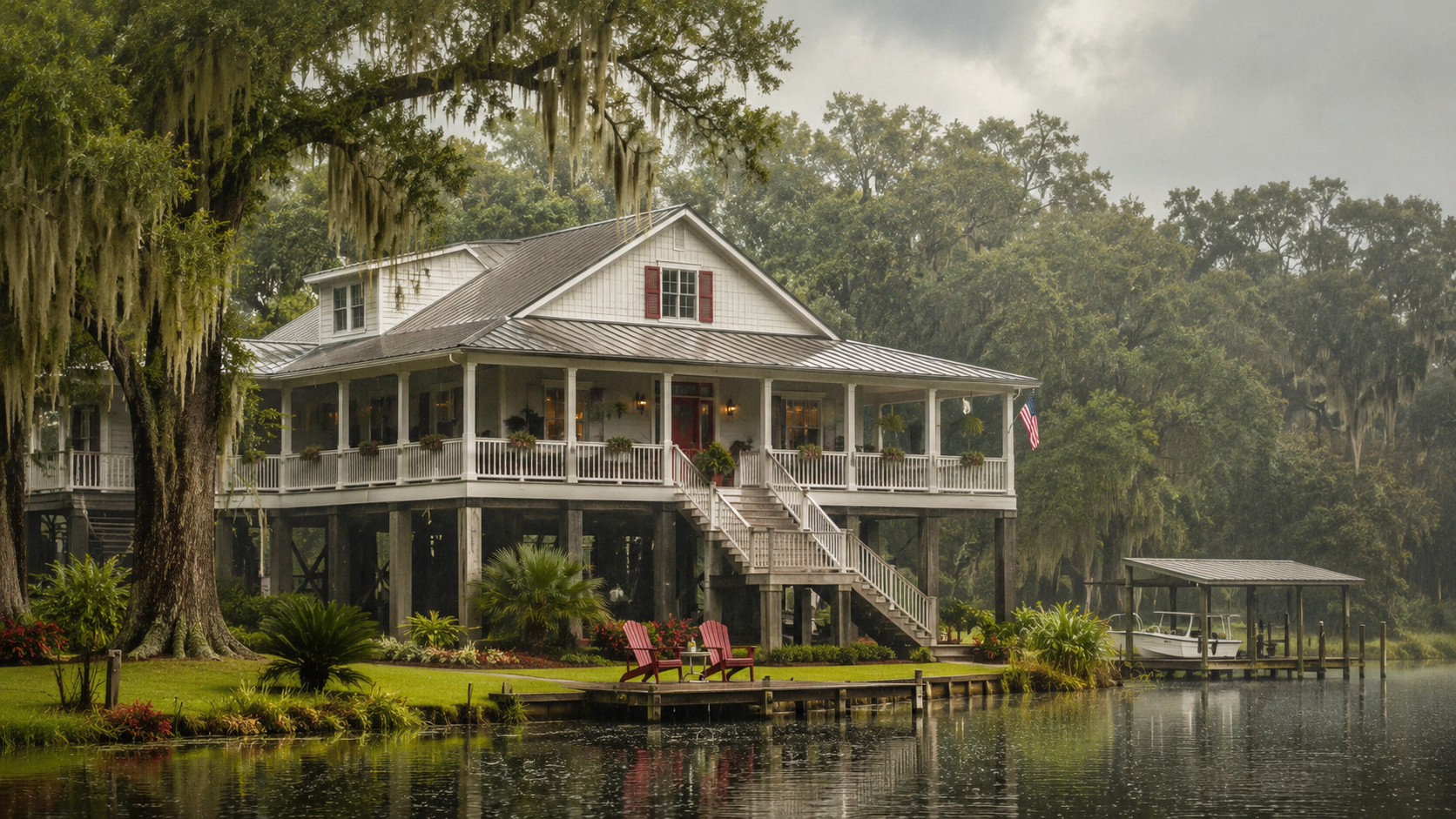
Flood Insurance
Your homeowners policy excludes flood. We quote NFIP and private options for your building and its contents.
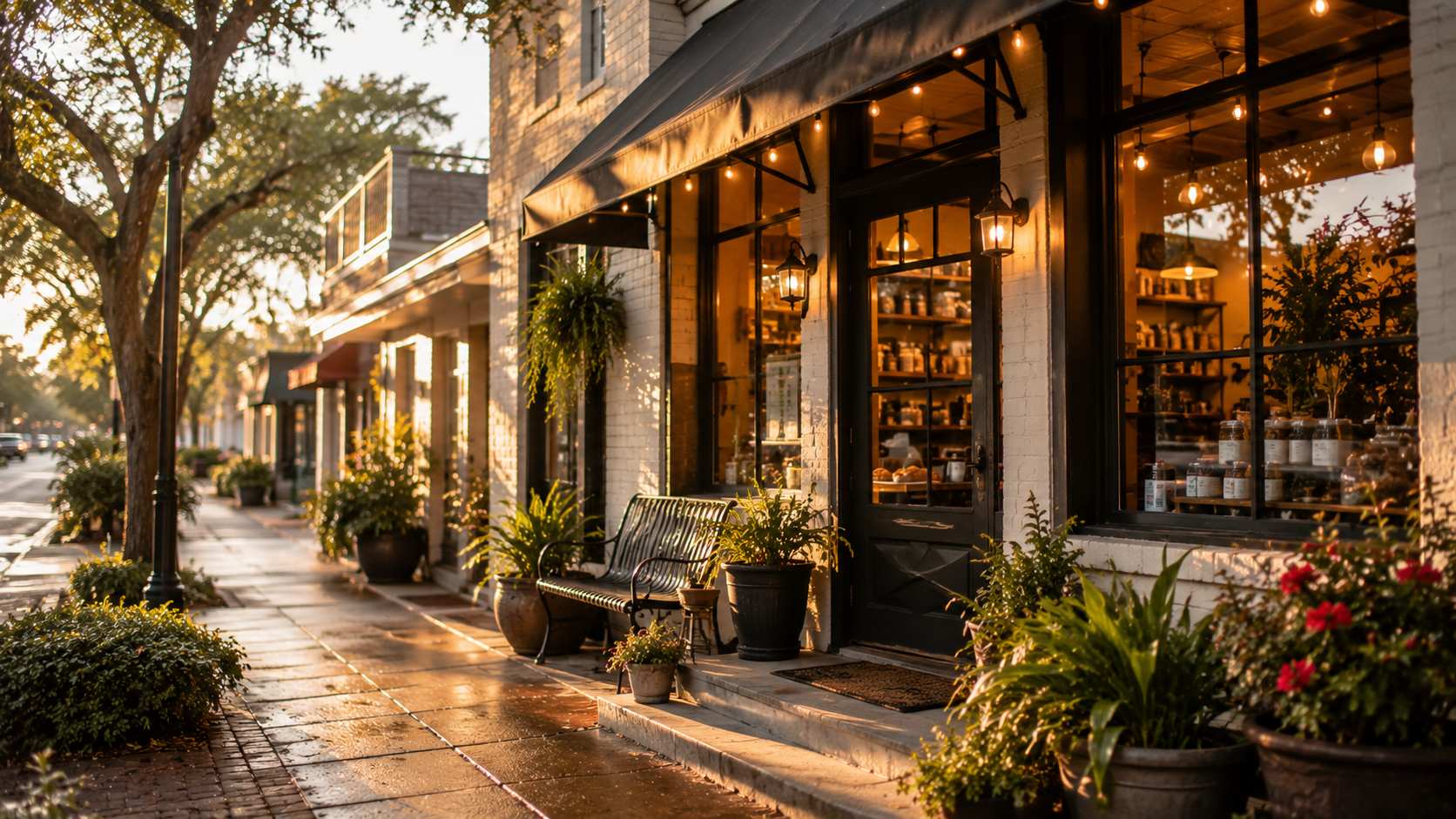
Commercial Insurance
Liability, property, workers' compensation, and commercial auto for Louisiana businesses, priced against how your company operates.

Life Insurance
Replace the income your family depends on, with term and permanent options priced across several carriers.

Umbrella Insurance
Add a layer of liability protection above your auto and home limits, usually for a modest premium.
Ruston
Baton Rouge
Mandeville
Gretna
Louisiana Home Insurance
Home insurance built around where you live
Home insurance is our specialty. We write homeowners policies across Louisiana and price them against the wind, hail, and flood risk in your parish.
Areas we cover
Commercial Insurance for Louisiana Businesses
Coverage that keeps your business running
We build commercial programs around how your company actually operates, then compare carriers on price and claim service.

General Liability
Covers claims of bodily injury or property damage that come from your day-to-day operations.
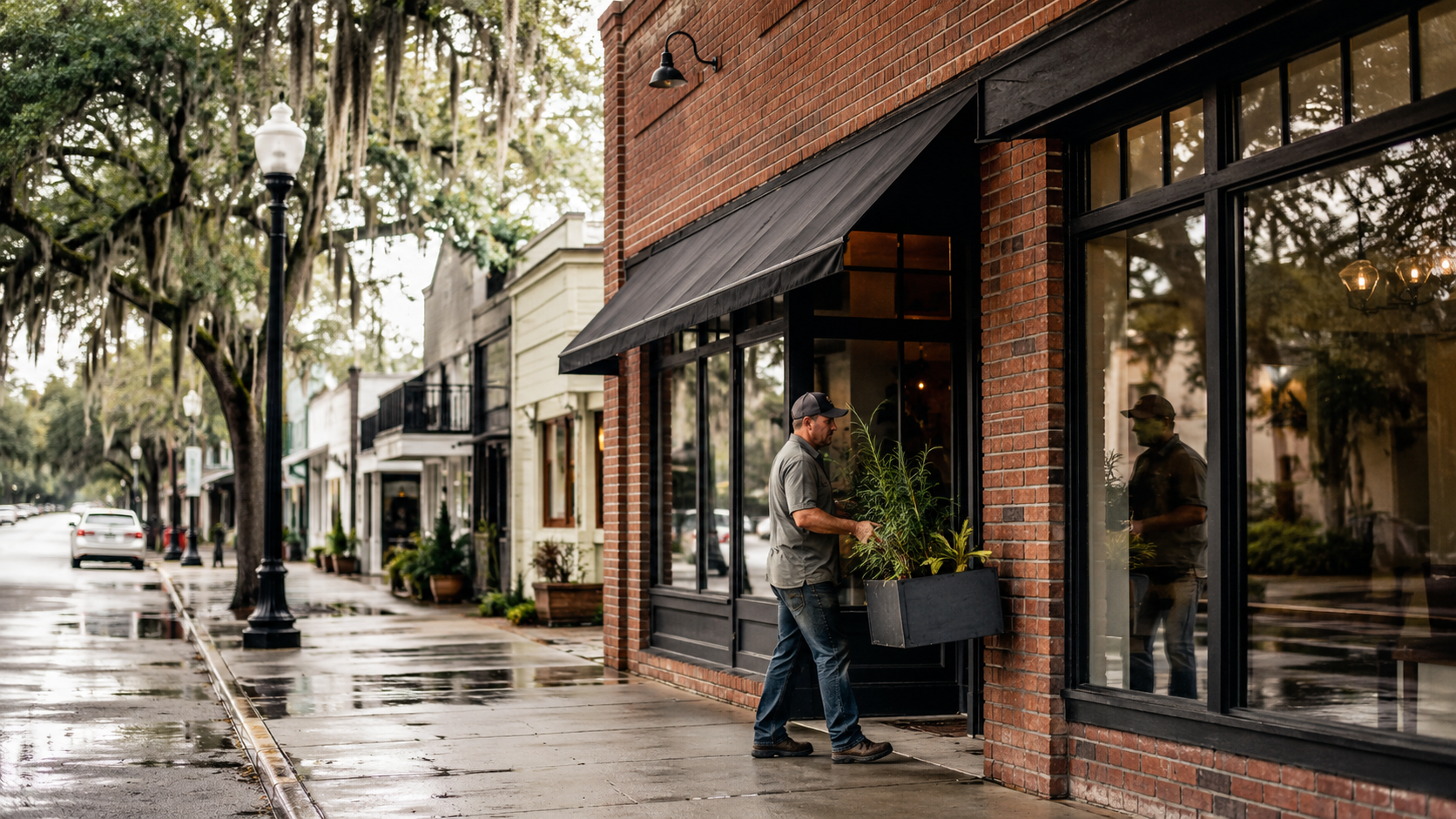
Commercial Property
Protects your building, equipment, and inventory against fire, storm, theft, and other covered losses.

Workers' Compensation
Pays medical care and lost wages when an employee is hurt on the job, as Louisiana requires.
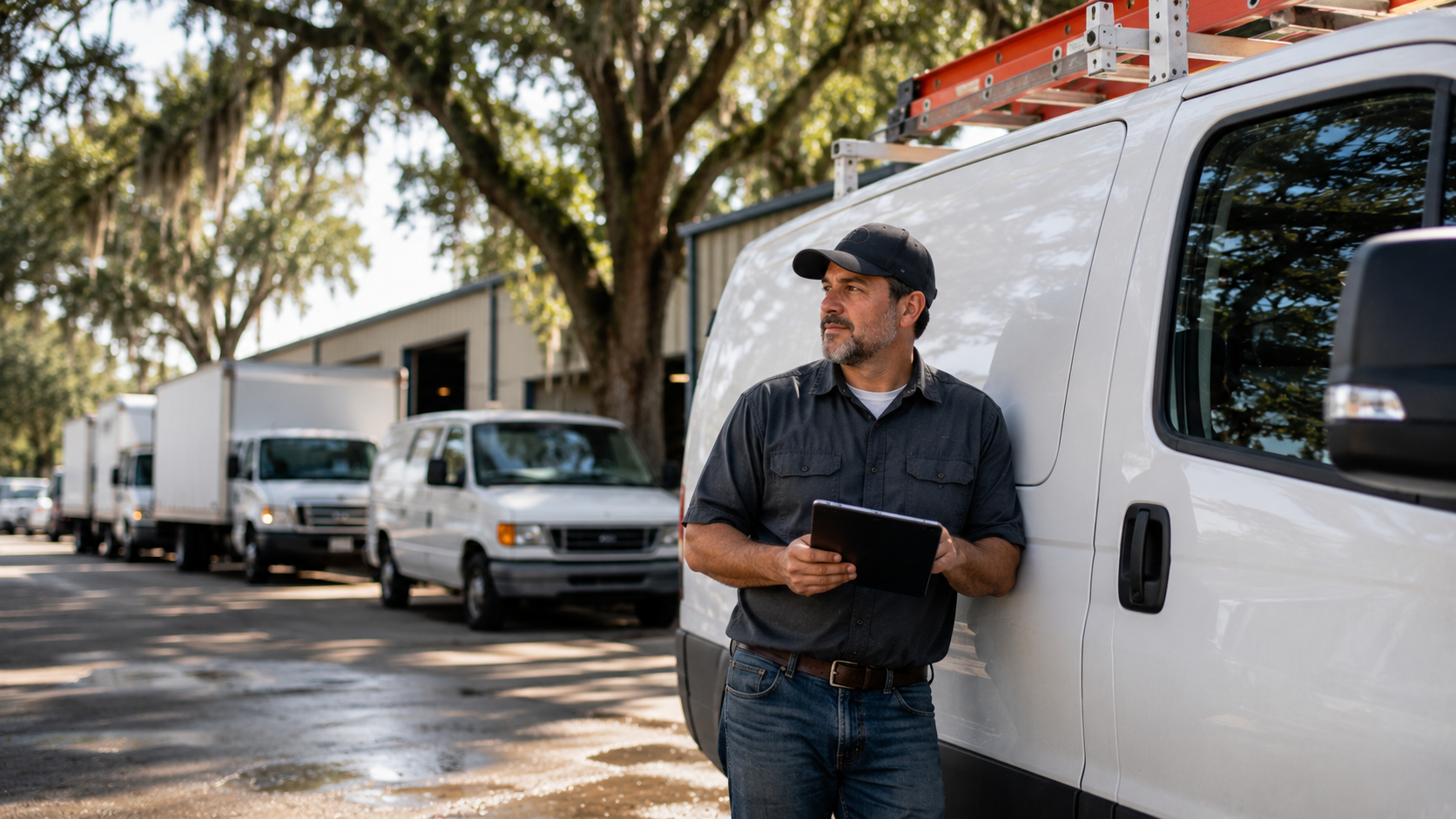
Commercial Auto
Covers the vehicles your business owns, along with the employees who drive them for work.

Professional Liability
Covers claims that your professional advice or services caused a client a financial loss.

Cyber Liability
Handles breach response, notification costs, and liability after customer data is exposed.
[CONFIRM name]
Google review · Mandeville office
Business Insurance by Industry
Specialized coverage for your line of work
Every trade carries its own risks. We know the coverage these Louisiana businesses need and where the gaps usually sit.
Plumbers
Liability, tools, and commercial auto coverage built for water damage claims and job-site risk.
Restaurants
Property, liquor liability, and spoilage coverage for kitchens, dining rooms, and your staff.
Real Estate Investors
Landlord property, liability, and vacancy coverage for rentals, flips, and multi-unit buildings.
[CONFIRM name]
Google review · Mandeville office
How to Get Insured in 4 Steps
Getting covered is simple
You talk to a licensed agent from the first call to the annual review.

1
Tell us about you
Share what you want to protect. A licensed agent asks about your home, vehicles, family, or business and gathers the details carriers need.
2
We shop our carriers
We compare options across the markets we represent and look at price, coverage limits, and how each carrier handles claims.
3
Review your choices
We explain coverage and price in plain language, side by side, so you can see the trade-offs before you choose.
4
Get covered
Your policy starts, you get your documents, and we review the coverage with you each year.
5-Star Rated by Louisiana Clients
What our clients say
Louisiana families and business owners rate us 5 stars for clear advice and fast answers.
139+ five-star reviews across our Mandeville and New Orleans offices