
Variant Insurance Group is a licensed independent insurance agency in Minnesota. [CONFIRM license #.]
Get a Quote
Variant Insurance Group is a licensed independent insurance agency serving Minnesota families and businesses.
From our office in Maple Plain, our team works with many of Minnesota's top-rated carriers so your home, auto, life, and business coverage fits your real needs. We serve families and businesses across Minnesota.
A single fire, a slip-and-fall lawsuit, or a burst pipe can shut down a small business for weeks. For owner-operators running a shop, restaurant, or office in New Orleans or Mandeville, the right insurance bundle can mean the difference between a temporary setback and permanent closure. Small business insurance built around a Business Owners Policy, or BOP, packages the three coverages most businesses need into one policy at a lower cost than buying each separately. But a BOP isn't a forever solution. As your revenue climbs, your headcount grows, or your operations become more complex, you'll eventually need standalone monoline policies to fill the gaps. This guide breaks down exactly how a BOP works, what it covers, and the signals that tell you it's time to move beyond bundled coverage.
Understanding the Business Owners Policy (BOP) Framework
A BOP is a pre-packaged insurance product designed for small to mid-sized businesses. It combines commercial property, general liability, and business income (also called business interruption) coverage into a single policy with one premium. Insurers created BOPs because most small businesses share a common risk profile: they own or lease space, they interact with the public, and they'd lose income if forced to close after a covered event.
Not every business qualifies. Eligibility depends on factors like industry type, square footage, revenue, and employee count. A 10-person accounting firm in Mandeville fits the mold. A chemical manufacturing plant with $20 million in annual sales does not. Most insurers cap BOP eligibility at around $5 million in revenue and 100 employees, though exact thresholds vary by carrier.
The Three Pillars: Property, Liability, and Income Protection
Think of a BOP as a three-legged stool. Commercial property coverage protects your building (if you own it), equipment, furniture, inventory, and signage. General liability covers claims from third parties: a customer who trips in your store, a vendor whose property you damage, or an advertising injury claim. Business income coverage replaces lost revenue and covers ongoing expenses like rent and payroll if a covered event forces you to temporarily close.
Each pillar addresses a different category of risk, and together they form a baseline of protection that most small operations need. Remove any one of them, and you've got a serious exposure.
Why Bundling Saves Small Businesses Money
Buying property, liability, and business income coverage as three separate monoline policies almost always costs more than bundling them. Insurers offer BOPs at a discount because packaging reduces their administrative costs: one underwriting process, one policy document, one renewal cycle. The savings get passed along to you.
For a typical small business, a BOP might run $500 to $3,000 per year depending on your industry, location, and coverage limits. Purchasing the same coverages individually could cost 20% to 30% more. In a year when roughly one-third of small businesses reported premium increases, that bundled discount matters even more. A local agency like Chabert Insurance: The Ehrhardt Agency can help you compare bundled vs. standalone pricing to see exactly where the savings land for your specific situation.

Deep Dive into BOP Coverage Components
General Liability: Protecting Against Third-Party Claims
General liability is the coverage you'll use most often, and the one you can't afford to skip. It responds to bodily injury claims (a delivery driver slips on your wet floor), property damage claims (your employee accidentally breaks a client's equipment), and personal/advertising injury claims (you're accused of slander or copyright infringement in your marketing).
Most BOPs include general liability limits of $1 million per occurrence and $2 million aggregate. If a customer sues you after falling in your Mandeville retail shop, this coverage pays for their medical bills, your legal defense, and any settlement or judgment, up to your policy limit. Without it, those costs come directly out of your business account.
Commercial Property: Safeguarding Buildings and Equipment
Your commercial property coverage protects the physical assets your business depends on. That includes the building itself (if you own it), tenant improvements you've made to a leased space, furniture, computers, inventory, and outdoor signage. Most BOP property coverage is written on a "special form" basis, meaning it covers all perils except those specifically excluded, like flood and earthquake.
In Louisiana, flood exclusions are a critical detail. A BOP won't cover water damage from storm surge or rising water. If your business sits in a flood-prone area of New Orleans, you'll need a separate flood policy. This is exactly the kind of gap that a local agent familiar with Louisiana's risk profile can flag before you have a claim.
Business Interruption: Replacing Lost Income During Repairs
This is the coverage most small business owners underestimate. If a fire guts your restaurant kitchen and you can't serve customers for three months, business interruption coverage pays for the income you would have earned during that period. It also covers continuing expenses like rent, loan payments, and employee wages so you can keep your team intact while you rebuild.
The coverage typically kicks in after a short waiting period (often 72 hours) and continues for a set restoration period, usually 12 months. Some BOPs also include "extra expense" coverage, which pays for costs above your normal operating expenses: renting temporary space, expediting equipment delivery, or setting up a pop-up location.

Comparison: BOP vs. Individual Monoline Policies
Here's a side-by-side look at how a bundled BOP stacks up against purchasing each coverage separately:
| Feature | BOP (Bundled) | Monoline Policies (Separate) |
|---|---|---|
| Coverages included | Property + GL + Business Income | Each purchased individually |
| Cost | Lower (bundled discount) | 20-30% higher on average |
| Customization | Limited; preset coverage forms | Full flexibility per policy |
| Coverage limits | Moderate; designed for small ops | Can be set much higher |
| Eligibility | Revenue/employee/industry caps | No eligibility restrictions |
| Policy management | One policy, one renewal | Multiple policies, multiple renewals |
| Best for | Businesses under $5M revenue | Growing or high-risk businesses |
The tradeoff is straightforward: BOPs save money and simplify administration, but they sacrifice flexibility. Monoline policies cost more and require more management, but they let you tailor limits, deductibles, and endorsements to your exact risk profile.
Signs Your Business Has Outgrown a BOP
High-Risk Operations and Specialized Industry Needs
BOPs are built for "standard" risks: offices, retail shops, small restaurants, and service businesses. If your operations involve significant hazards, like heavy construction, manufacturing with chemicals, or large-scale food processing, most carriers won't write you a BOP at all. Even if they will, the coverage forms may not address your specific exposures.
A contractor running a crew of 15 in New Orleans, for example, needs specialized inland marine coverage for tools and equipment in transit, plus higher liability limits than a standard BOP provides. Certain industries simply fall outside BOP eligibility because their risk profiles don't match the assumptions insurers bake into bundled pricing.
Revenue Thresholds and Employee Count Limits
Most carriers set hard eligibility caps for BOPs. Once your annual revenue exceeds $5 million, or your payroll supports more than 100 employees, you'll typically be pushed into standalone commercial policies. Some carriers draw the line even lower: $3 million in revenue or 50 employees.
These thresholds exist because larger businesses generate more claims, need higher limits, and have more complex exposures. A growing business that crosses these lines mid-policy may not get renewed on a BOP at the next cycle. Planning ahead with your agent ensures you're not scrambling for coverage when renewal comes around.
When to Transition to Monoline Coverage
The move from a BOP to monoline policies doesn't have to happen all at once. Many businesses take a phased approach: they keep their BOP in place while adding standalone policies for specific exposures the BOP doesn't cover well.
Here are common triggers for the transition:
- Your property values exceed the BOP's maximum coverage limits
- You need professional liability or errors and omissions coverage
- Your business operates from multiple locations across different states
- You've added fleet vehicles that require commercial auto coverage
- Carriers are repricing or non-renewing your bundled policy due to changing risk factors
Working with a local agency like Chabert Insurance: The Ehrhardt Agency gives you someone who can monitor your growth and recommend the right time to unbundle. The goal is to avoid coverage gaps during the transition.
Common Questions About Small Business Bundles
Do I still need a BOP if I work from home?
Yes, in most cases. Your homeowner's policy likely excludes business property and business liability claims. A BOP or an in-home business endorsement can fill that gap, especially if clients visit your home or you store inventory there.
Can I add extra coverage like Cyber or Professional Liability to a BOP?
Many carriers allow you to add endorsements to a BOP for things like cyber liability, hired and non-owned auto, or equipment breakdown. Professional liability (errors and omissions) is sometimes available as an add-on, but it's often better purchased as a standalone policy with limits tailored to your profession.
What is the main difference between General Liability and a BOP?
General liability is one component of a BOP. A standalone GL policy only covers third-party bodily injury, property damage, and advertising injury claims. A BOP wraps GL together with commercial property and business income coverage, giving you broader protection in a single package.
How do I know if my business is too large for a bundle?
If your revenue exceeds $3 to $5 million, you employ more than 50 to 100 people, or your industry involves specialized risks, you've likely outgrown a BOP. Your agent can run a coverage comparison to see whether monoline policies offer better protection at your current size.
Making the Right Choice for Your Growth Stage
A BOP gives most small businesses exactly what they need: solid property protection, general liability coverage, and business income replacement, all in one affordable package. Overall satisfaction with small commercial insurers rose 15 points in 2026 to a score of 713, a sign that carriers are getting better at serving this market. That said, a bundle only works when it matches your actual risk profile.
If you're running a small operation in New Orleans or Mandeville with modest revenue and a straightforward risk profile, a BOP is almost certainly your best starting point. Once you start adding locations, employees, or higher-risk services, it's time to have a serious conversation about monoline coverage. The worst position to be in is discovering your policy doesn't cover a claim after the damage is already done.
Reach out to Chabert Insurance: The Ehrhardt Agency to review your current coverage and figure out whether a BOP still fits or whether your business has grown into something that needs a more tailored approach. Getting that answer now is a lot cheaper than getting it after a loss.
On this page
Fully licensed
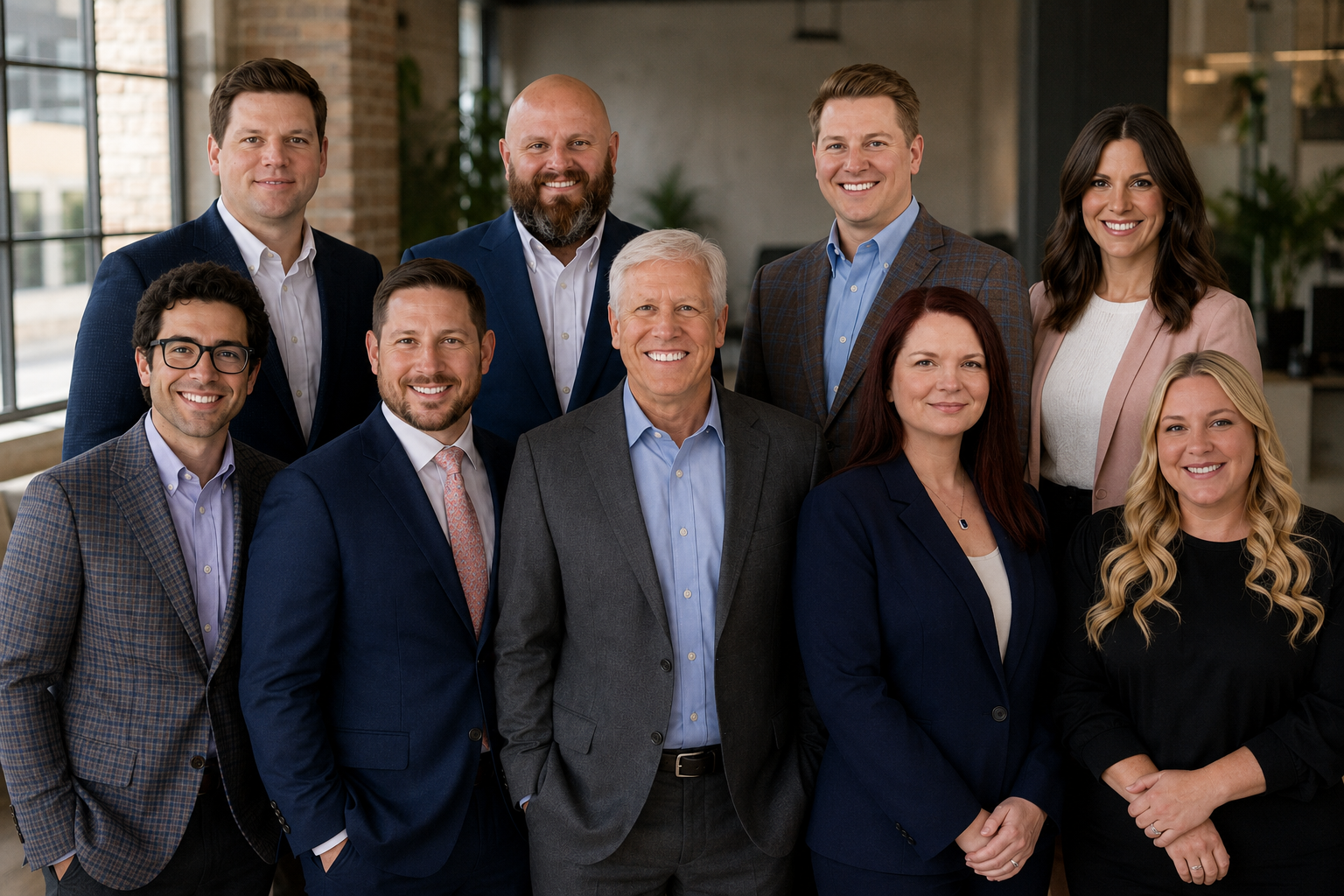
Chabert Insurance: The Ehrhardt Agency is a fully licensed independent insurance agency serving individuals, families, and businesses across Louisiana and Mississippi.
From our offices in Mandeville and New Orleans, we proudly serve clients in Mandeville, Covington, New Orleans, Kenner, Metairie, Harahan, River Ridge, and Slidell, as well as the Westbank and St. Bernard Parish, and communities throughout Louisiana and Mississippi. As an independent agency, our team works with a wide range of top-rated carriers to provide personal and commercial coverage — home, auto, flood, commercial, life, and more — built around the real needs of the people and businesses we protect.
OTHER INSURANCE COVERAGE

About the Author
Ryan J. Ehrhardt
Owner / Licensed Agent
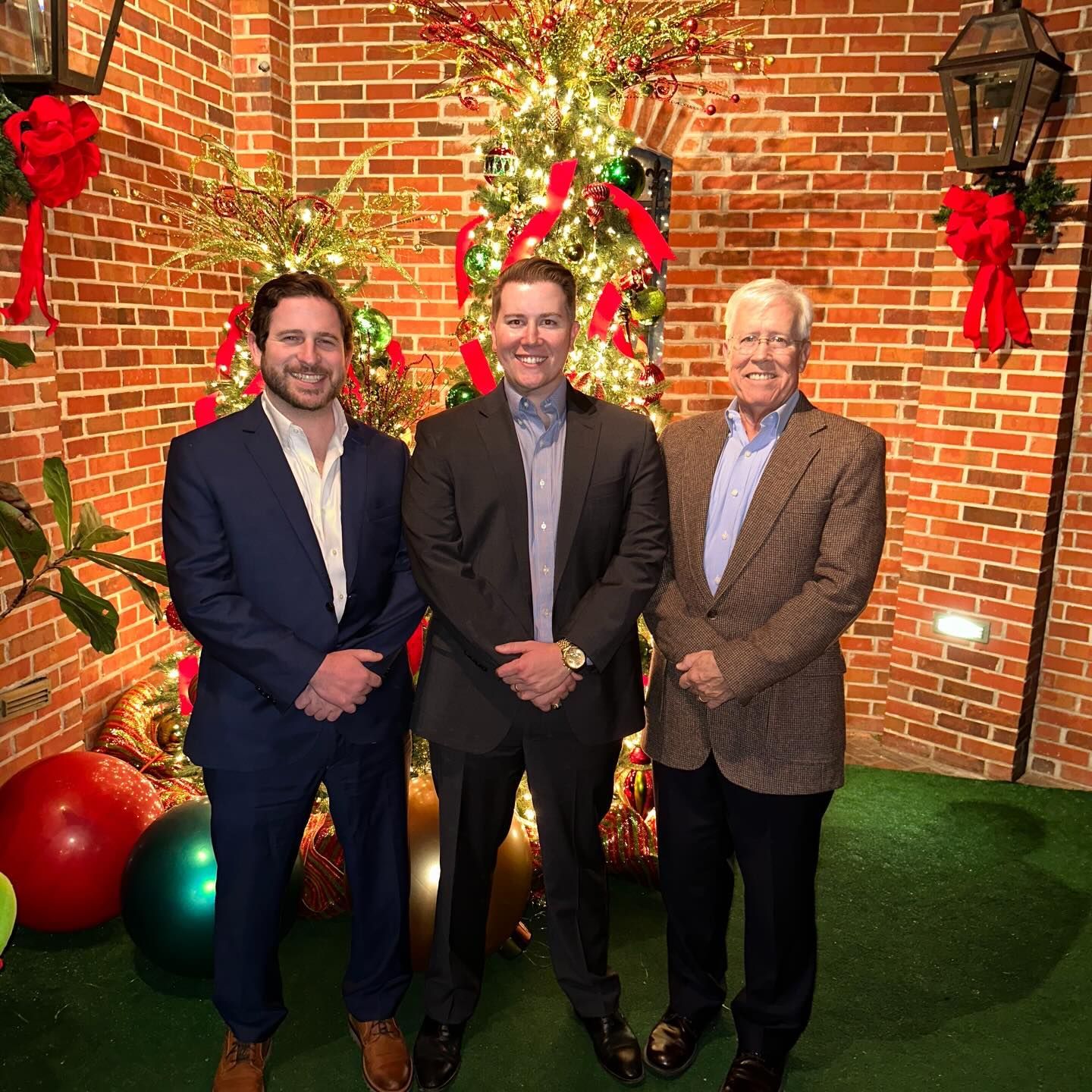
I'm Ryan J. Ehrhardt, owner and licensed agent at Chabert Insurance: The Ehrhardt Agency. I lead our team across our Mandeville and New Orleans offices, and I work with families and business owners every day to find coverage that fits their lives. I believe insurance should be simple to understand, so I take the time to explain your options in plain language before you decide.
As an independent agent, I answer to you, not to a single carrier. That means I can shop your policy across many companies and focus on what protects you best. When you call our office, you reach a real person who knows your account. I would be glad to review your coverage and help you feel confident about it.

[CONFIRM name]
Google review · Mandeville office
Home, Auto, Flood, Commercial & Life Insurance
Insurance built around your life in Louisiana
We compare coverage across many carriers and build one program that protects everything you own.
Home Insurance
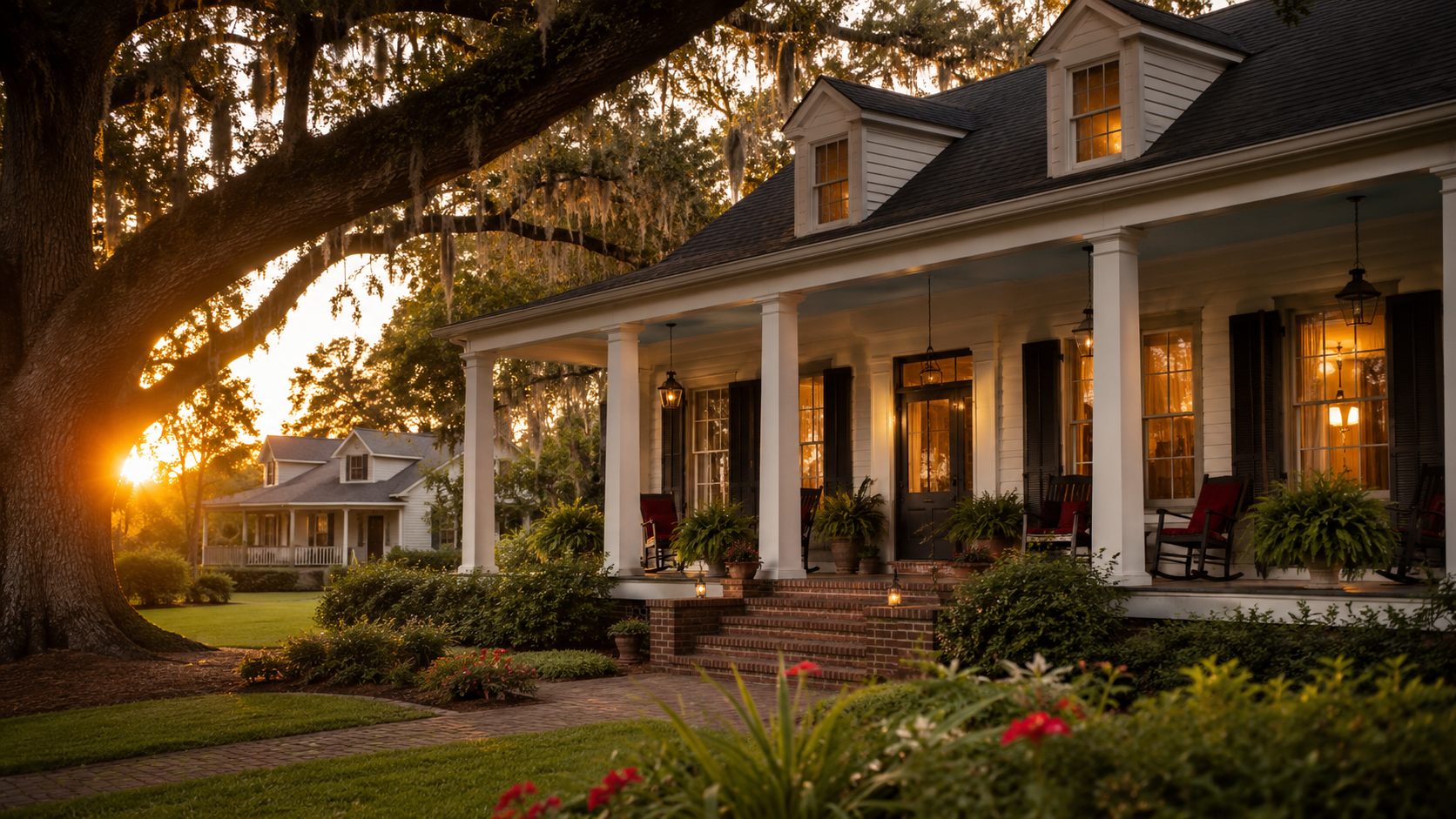
Cover the cost to rebuild your house, replace your belongings, and answer a liability claim against your household.
Auto Insurance
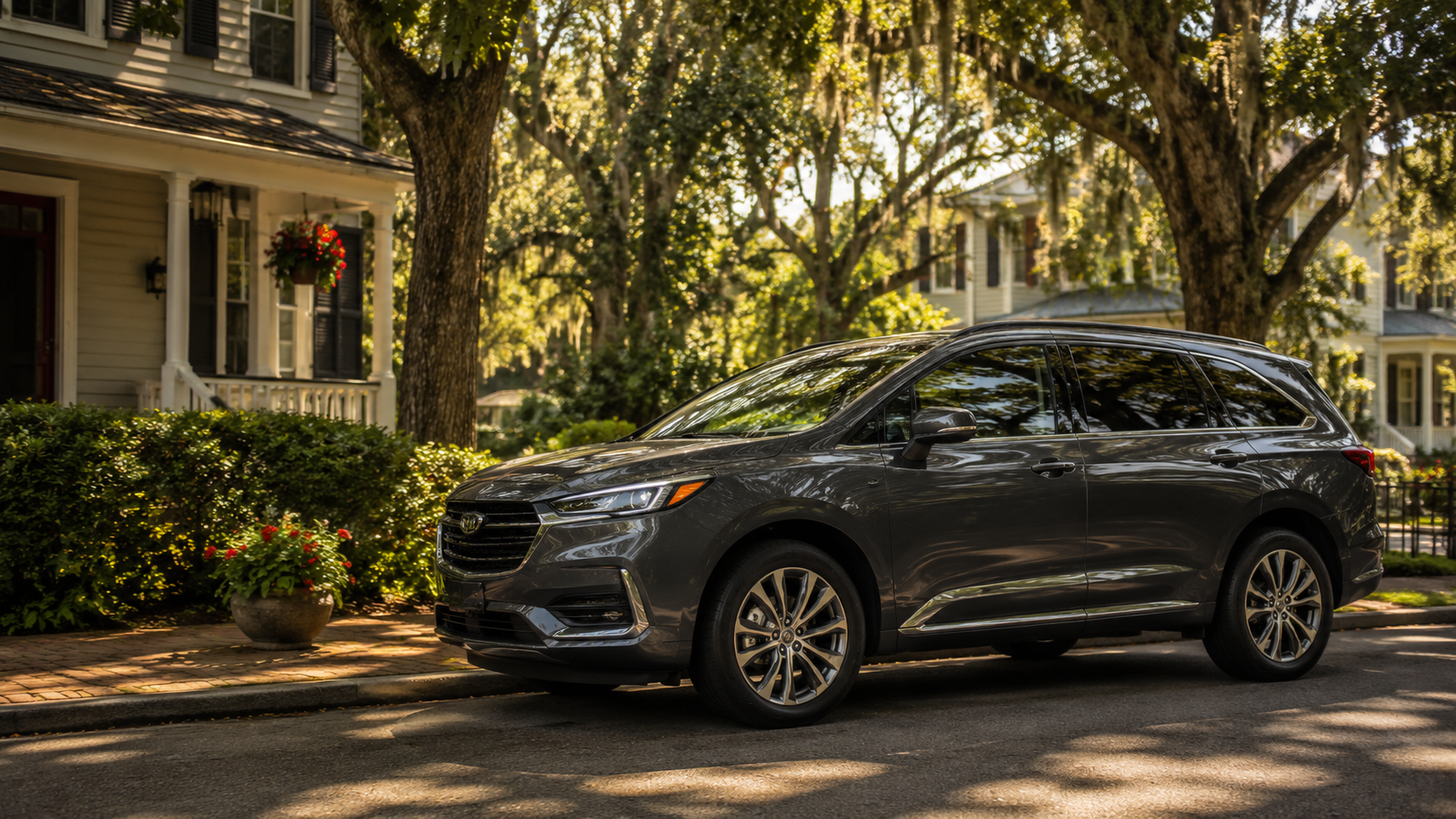
Protect your vehicles with liability, collision, and uninsured motorist limits that hold up after a serious Louisiana wreck.
Flood Insurance
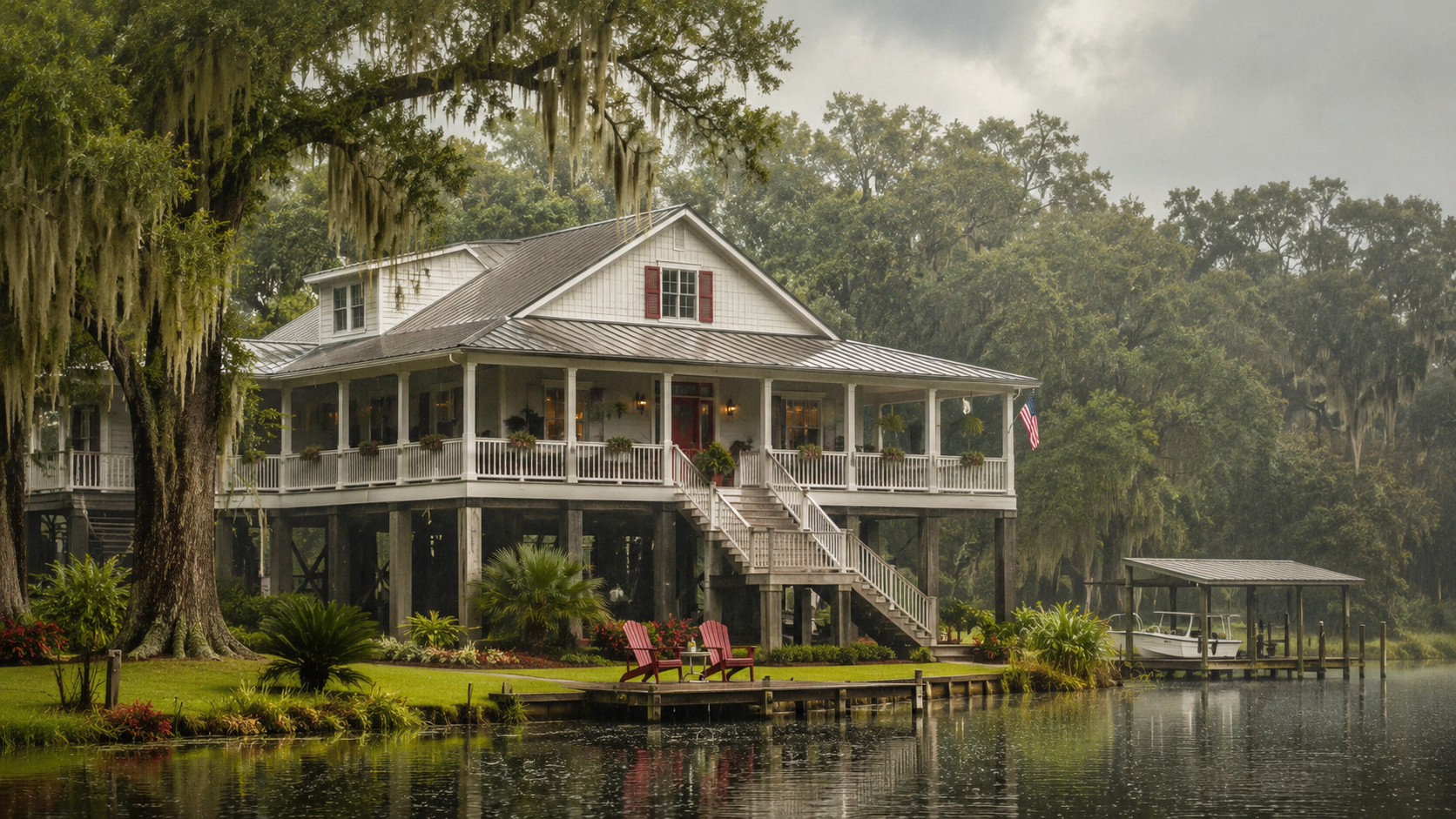
Your homeowners policy excludes flood. We quote NFIP and private options for your building and its contents.

Commercial Insurance
Liability, property, workers' compensation, and commercial auto for Louisiana businesses, priced against how your company operates.

Life Insurance
Replace the income your family depends on, with term and permanent options priced across several carriers.

Umbrella Insurance
Add a layer of liability protection above your auto and home limits, usually for a modest premium.
Ruston
Baton Rouge
Mandeville
Gretna
Louisiana Home Insurance
Home insurance built around where you live
Home insurance is our specialty. We write homeowners policies across Louisiana and price them against the wind, hail, and flood risk in your parish.
Areas we cover
Commercial Insurance for Louisiana Businesses
Coverage that keeps your business running
We build commercial programs around how your company actually operates, then compare carriers on price and claim service.

General Liability
Covers claims of bodily injury or property damage that come from your day-to-day operations.
Commercial Property
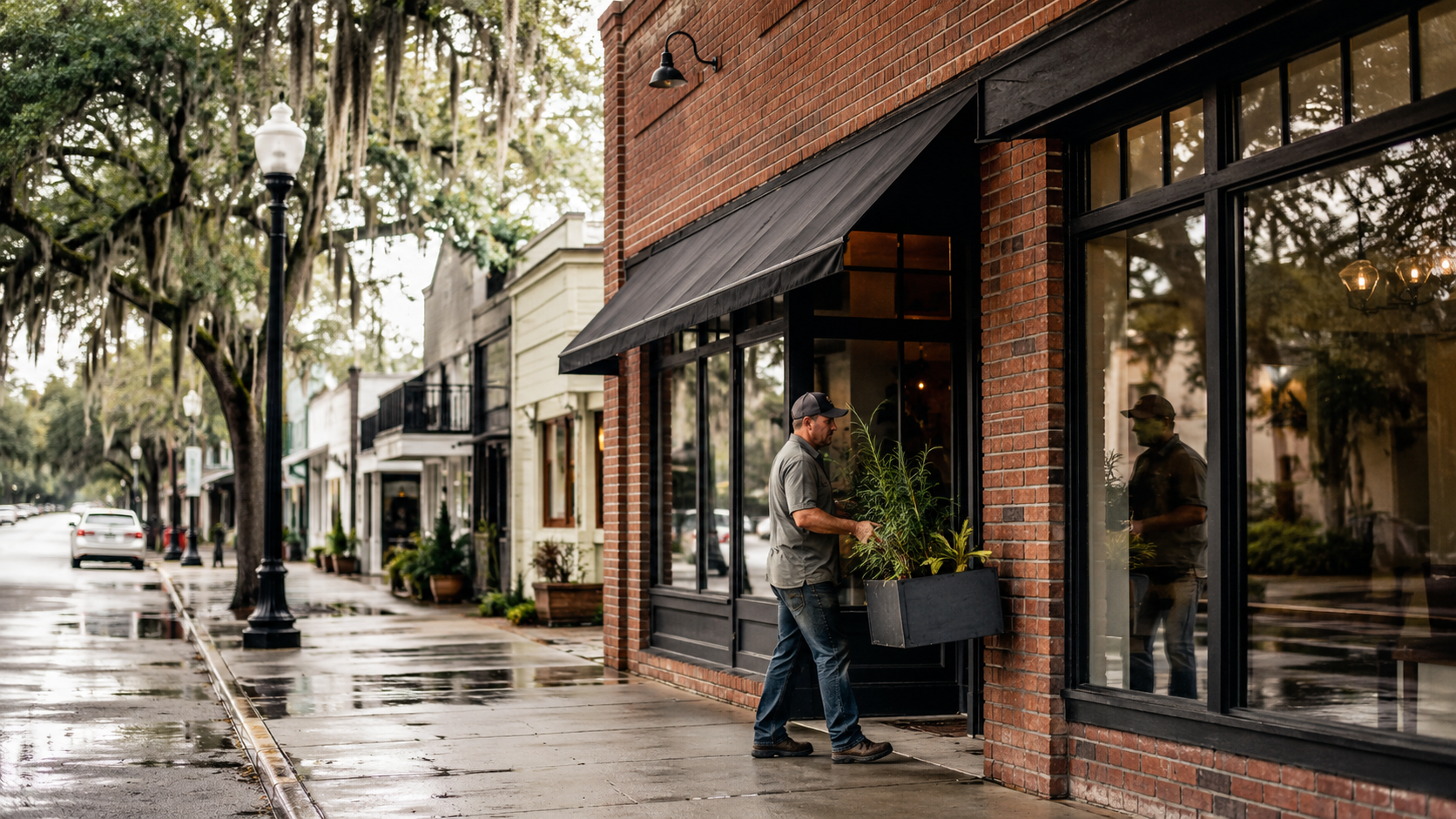
Protects your building, equipment, and inventory against fire, storm, theft, and other covered losses.

Workers' Compensation
Pays medical care and lost wages when an employee is hurt on the job, as Louisiana requires.
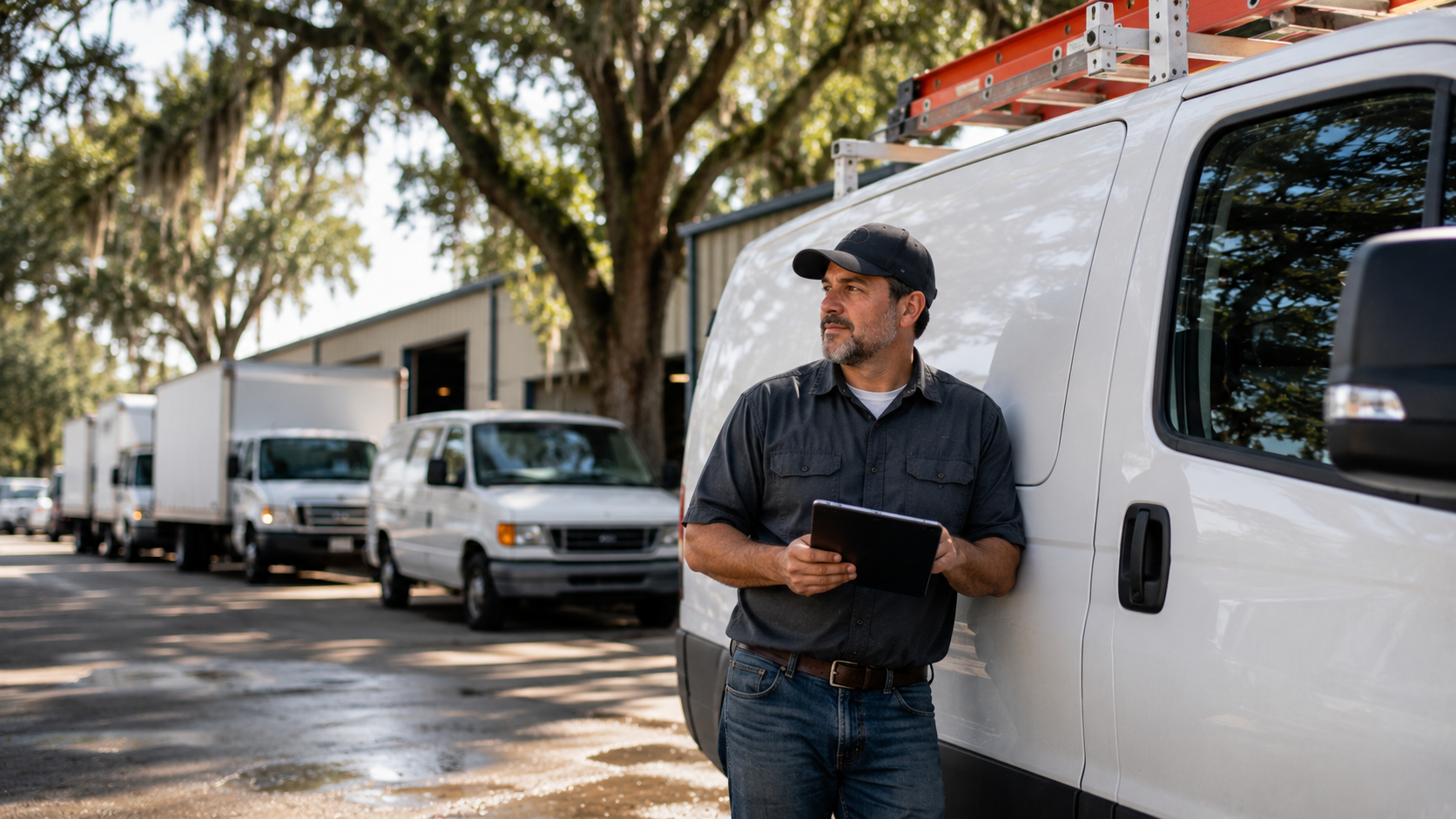
Commercial Auto
Covers the vehicles your business owns, along with the employees who drive them for work.
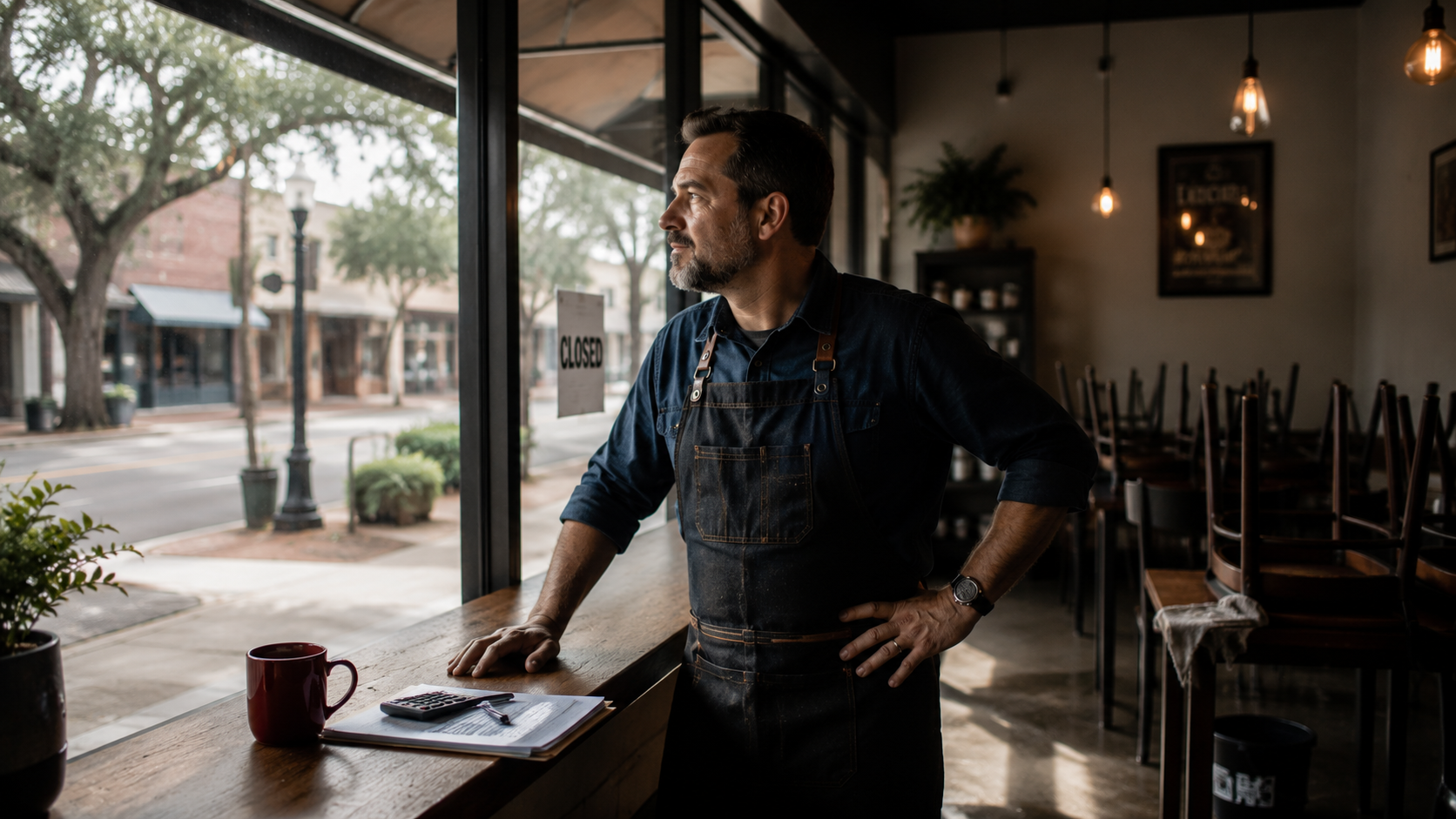
Professional Liability
Covers claims that your professional advice or services caused a client a financial loss.

Cyber Liability
Handles breach response, notification costs, and liability after customer data is exposed.
[CONFIRM name]
Google review · Mandeville office
Business Insurance by Industry
Specialized coverage for your line of work
Every trade carries its own risks. We know the coverage these Louisiana businesses need and where the gaps usually sit.
Plumbers
Liability, tools, and commercial auto coverage built for water damage claims and job-site risk.
Restaurants
Property, liquor liability, and spoilage coverage for kitchens, dining rooms, and your staff.
Real Estate Investors
Landlord property, liability, and vacancy coverage for rentals, flips, and multi-unit buildings.
[CONFIRM name]
Google review · Mandeville office
How to Get Insured in 4 Steps
Getting covered is simple
You talk to a licensed agent from the first call to the annual review.

1
Tell us about you
Share what you want to protect. A licensed agent asks about your home, vehicles, family, or business and gathers the details carriers need.
2
We shop our carriers
We compare options across the markets we represent and look at price, coverage limits, and how each carrier handles claims.
3
Review your choices
We explain coverage and price in plain language, side by side, so you can see the trade-offs before you choose.
4
Get covered
Your policy starts, you get your documents, and we review the coverage with you each year.
5-Star Rated by Louisiana Clients
What our clients say
Louisiana families and business owners rate us 5 stars for clear advice and fast answers.
139+ five-star reviews across our Mandeville and New Orleans offices