
Variant Insurance Group is a licensed independent insurance agency in Minnesota. [CONFIRM license #.]
Get a Quote
Variant Insurance Group is a licensed independent insurance agency serving Minnesota families and businesses.
From our office in Maple Plain, our team works with many of Minnesota's top-rated carriers so your home, auto, life, and business coverage fits your real needs. We serve families and businesses across Minnesota.
Louisiana sits below sea level in many areas, faces hurricane season every year, and has seen flood maps redrawn repeatedly after major storms. If you own property in New Orleans, Mandeville, or anywhere along the Gulf Coast, understanding your flood insurance options isn't optional: it's essential to protecting your investment. From NFIP policies and private flood alternatives to Risk Rating 2.0 pricing changes, elevation certificates, post-storm map revisions, and repetitive loss designations, Louisiana property owners face a unique set of challenges that demand informed decisions. The average Louisiana NFIP policy costs roughly $993 per year, about 8.5% higher than the national average. That number can vary wildly depending on your property's elevation, flood zone, and claims history. Getting the right coverage at the right price starts with understanding how all these pieces fit together.
Understanding Louisiana's Evolving Flood Risk Landscape
Louisiana's flood risk has never been static. Coastal erosion, subsidence, and increasingly intense storm patterns continue to reshape which areas face the greatest exposure. FEMA's Flood Insurance Rate Maps (FIRMs) have gone through multiple revisions in the past decade alone, and each update can reclassify entire neighborhoods overnight. For property owners in the New Orleans metro and Northshore communities, these shifts directly affect insurance requirements, premium costs, and property values.
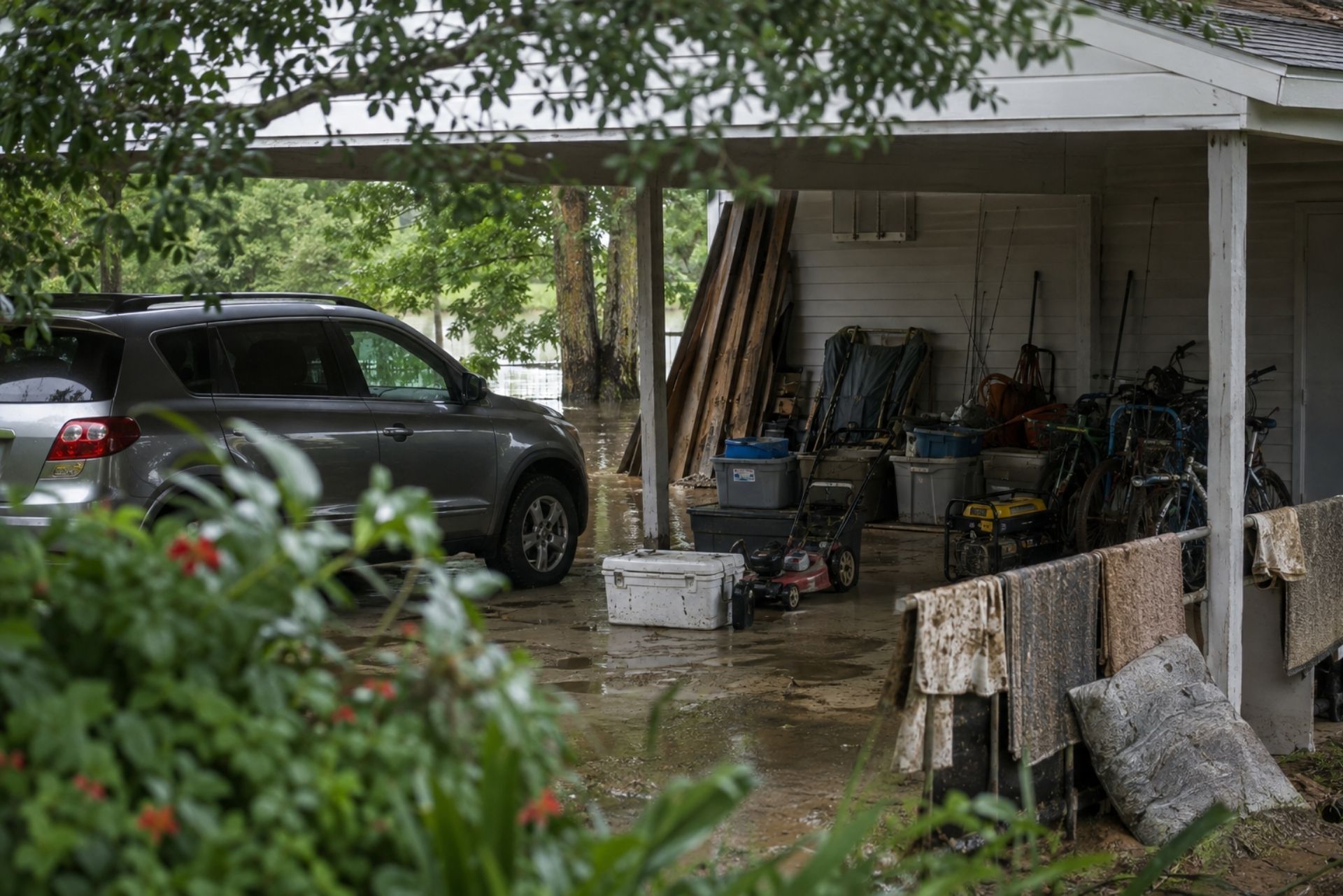
The state also contends with compound flooding: situations where storm surge, heavy rainfall, and river overflow converge simultaneously. This reality means that even properties historically considered low-risk can experience devastating flood events. Understanding your specific risk profile is the first step toward securing appropriate coverage.
The Impact of Risk Rating 2.0 on Local Premiums
FEMA's Risk Rating 2.0 methodology, fully implemented in 2023, replaced the decades-old system that relied primarily on flood zone designations. The new approach calculates premiums based on multiple variables: distance to a water source, flood frequency, property characteristics, cost to rebuild, and the type of flooding your property is most likely to experience.
For many Louisiana homeowners, this shift meant significant premium changes. Some properties in high-risk zones actually saw decreases because the old system overcharged them relative to their actual risk. Others, particularly those near rivers, bayous, or the coast, experienced sharp increases. FEMA caps annual increases at 18% per year for existing policyholders, but those incremental hikes compound quickly. A property facing the maximum increase will see premiums roughly double within four to five years.
How Elevation Certificates Influence Your Modern Rate
An Elevation Certificate (EC) documents your building's elevation relative to the Base Flood Elevation (BFE) established on FEMA's flood maps. Under Risk Rating 2.0, FEMA no longer requires ECs to rate policies, but having one can still work in your favor. If your property sits above the BFE, submitting an EC may result in a lower premium than FEMA's default estimate.
Getting an EC requires hiring a licensed surveyor, which typically costs $300 to $600 in Louisiana. For properties with favorable elevations, this investment can pay for itself within a single policy year. If you're buying a home, ask the seller whether an EC already exists: many Louisiana properties have them on file from previous transactions or past flood insurance applications.
Comparing NFIP Policies and Private Market Options
The National Flood Insurance Program remains the most common source of flood coverage in Louisiana, but the private flood insurance market has expanded significantly. Each option has distinct advantages worth weighing carefully.
| Feature | NFIP | Private Flood |
|---|---|---|
| Max Dwelling Coverage | $250,000 | $1M+ (varies by carrier) |
| Max Contents Coverage | $100,000 | $500K+ (varies by carrier) |
| Loss of Use / ALE | Not included | Often included |
| Basement Coverage | Very limited | Broader options available |
| Pricing Basis | Risk Rating 2.0 | Carrier-specific models |
| Claims Payment Speed | Often slower | Typically faster |
| ICC Coverage | Up to $30,000 | Varies by policy |
Private flood policies can offer broader coverage, higher limits, and sometimes lower premiums. The private flood insurance market has grown substantially as more carriers enter Louisiana. That said, private carriers can also choose not to renew your policy, while NFIP coverage is guaranteed as long as your community participates in the program.
What Louisiana Property Owners Should Consider Before Choosing a Policy
Your decision between NFIP and private flood coverage depends on several factors specific to your property and financial situation. If your home's value exceeds $250,000, NFIP's dwelling limit may leave you underinsured. A private policy or an excess flood policy layered on top of NFIP can close that gap. For properties in lower-risk zones, private carriers sometimes offer premiums 20-30% below NFIP rates.
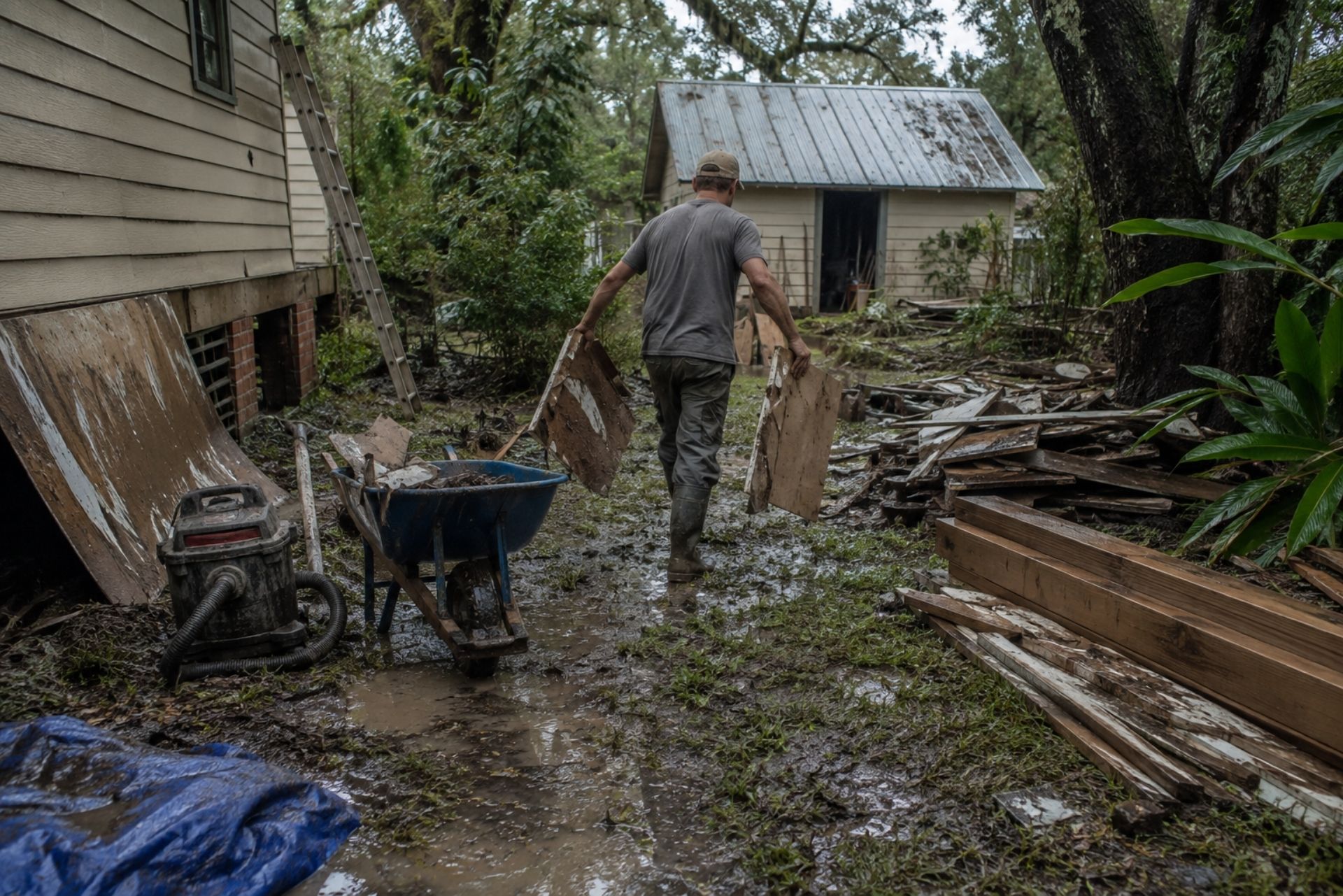
One common mistake is choosing based on price alone. A cheaper policy that excludes loss of use coverage could leave you paying out of pocket for temporary housing after a flood: a cost that easily reaches $10,000 or more over several months. Working with a local agency like Chabert Insurance: The Ehrhardt Agency, which handles both NFIP and private flood placements, gives you a side-by-side comparison tailored to your property's specific risk profile.
Coverage Limits and Excess Flood Protection
Standard NFIP policies cap residential coverage at $250,000 for the structure and $100,000 for contents. For many homes in New Orleans' Lakeview, Gentilly, or Old Metairie neighborhoods, those limits fall short of replacement cost. Excess flood insurance fills the gap by providing additional coverage above your primary policy's limits.
Excess policies are available through private carriers and typically cost less per dollar of coverage than the underlying policy. If your home would cost $450,000 to rebuild, you'd want at least $200,000 in excess coverage on top of your NFIP policy. Some homeowners in Mandeville and Covington have found that a single private flood policy with higher built-in limits is more cost-effective than stacking NFIP plus excess coverage. Your agent can run both scenarios to determine the best fit.
Navigating Post-Storm Map Revisions and FIRMs
After major flooding events, FEMA frequently revises its Flood Insurance Rate Maps to reflect new data. Louisiana has experienced multiple rounds of map updates following hurricanes Katrina, Isaac, Ida, and subsequent storms. These revisions can dramatically change your flood zone designation and, with it, your insurance requirements and costs.
Map revisions typically take years to finalize. FEMA issues preliminary maps, holds community comment periods, and then publishes final maps. During this window, property owners can submit Letters of Map Amendment (LOMA) or Letters of Map Revision (LOMR) if they believe their property has been incorrectly classified. A successful LOMA can remove a mandatory flood insurance requirement and significantly reduce premiums.
What Happens When Your Property is Re-Zoned
If your property moves from a moderate-risk Zone X into a high-risk Zone AE, your mortgage lender will require you to purchase flood insurance. This can add hundreds or thousands of dollars to your annual housing costs with relatively little warning. Conversely, if your property moves out of a high-risk zone, you may no longer be required to carry coverage, though keeping a policy is still strongly recommended.
Properties that shift into higher-risk zones after a map revision often qualify for a Preferred Risk Policy (PRP) rate for the first year, easing the financial transition. After that initial period, rates adjust to reflect the new zone designation. Monitoring FEMA's map update schedule and attending community meetings about preliminary maps gives you time to prepare.
Grandfathering Rules for Long-term Property Owners
Grandfathering historically allowed property owners who maintained continuous NFIP coverage to keep premium rates based on their original flood zone, even after map changes moved them to a higher-risk zone. Under Risk Rating 2.0, traditional grandfathering based on zone designations has been phased out. Premiums now reflect actual risk regardless of when you purchased your policy.
This change hit long-term policyholders hard in some areas. If you've held continuous coverage for decades and are seeing steady increases, it's worth reviewing whether a private flood policy might offer better value. The 18% annual cap on NFIP increases provides some cushion, but it doesn't prevent eventual alignment with full-risk pricing.
Managing Repetitive Loss Properties in Louisiana
Louisiana has one of the highest concentrations of repetitive loss properties in the country. These are buildings that have filed multiple flood claims, and they represent a disproportionate share of NFIP payouts. If your property carries this designation, it affects your premiums, your eligibility for certain programs, and your options for mitigation funding.
Defining Repetitive Loss (RL) and Severe Repetitive Loss (SRL)
A Repetitive Loss property is one that has received two or more NFIP claims of $1,000 or more within any 10-year period. A Severe Repetitive Loss property meets a higher threshold: four or more claims exceeding $5,000 each, or two or more claims where the cumulative payments exceed the property's fair market value.
These designations follow the property, not the owner. If you purchase a home with an RL or SRL history, you inherit that status. This is critical during real estate transactions: always request a property's NFIP claims history before closing. Louisiana law requires certain disclosures, but buyers should independently verify flood claim records.
Mitigation Grants and Elevation Assistance Programs
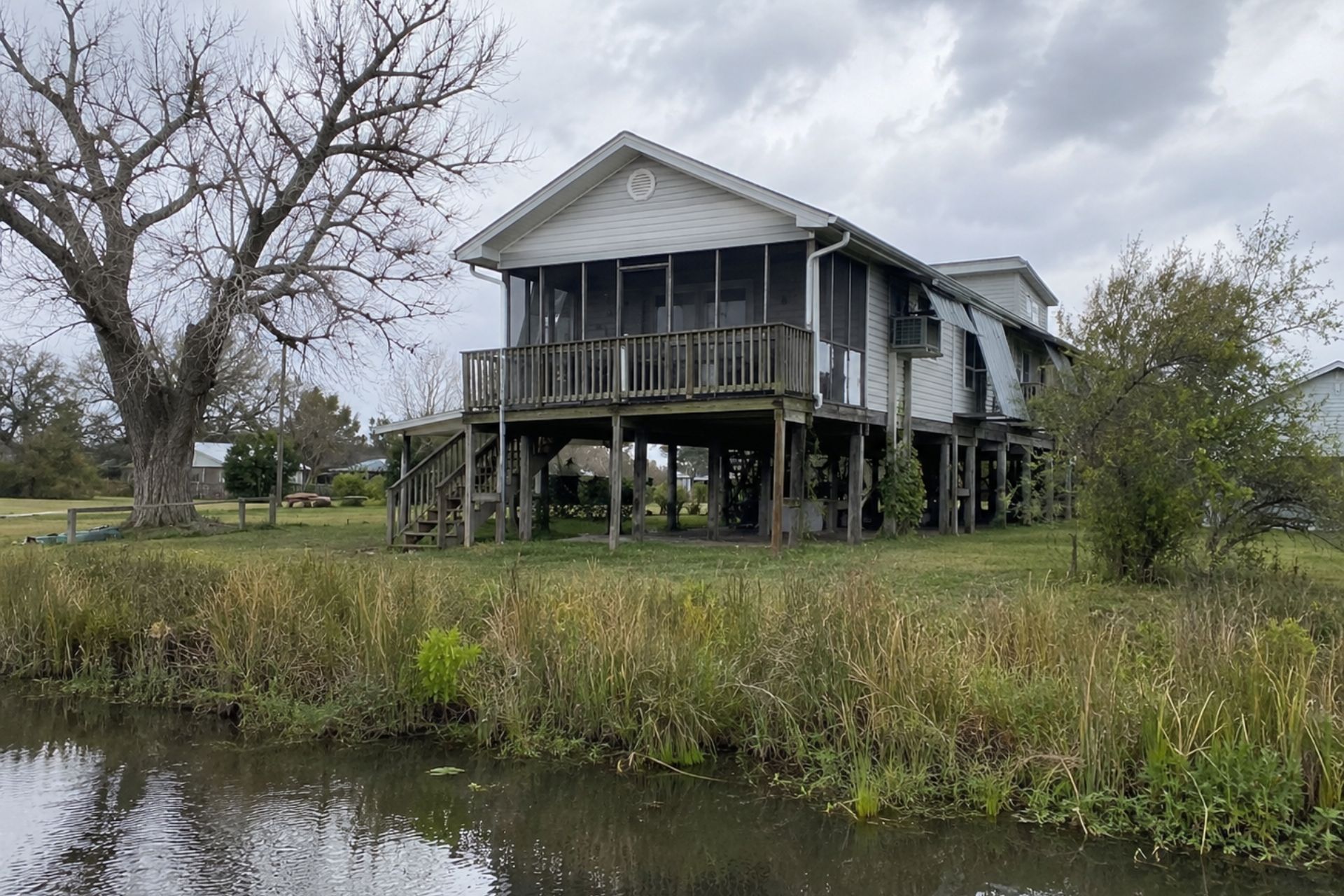
Property owners with RL or SRL designations may qualify for FEMA mitigation grants through the Flood Mitigation Assistance (FMA) program. These grants can cover up to 100% of the cost to elevate your home, with SRL properties receiving priority funding. Home elevation in Louisiana typically costs between $30,000 and $80,000 depending on the structure type and height required.
Louisiana's state programs, administered through the Governor's Office of Homeland Security and Emergency Preparedness, also offer elevation assistance and mitigation resources for qualifying homeowners. The application process is competitive and can take months, but the financial benefit is substantial. Elevating a repetitive loss property can reduce annual premiums by 50% or more while dramatically reducing future flood damage.
Frequently Asked Questions About Louisiana Flood Coverage
Is flood insurance required if I'm not in a high-risk zone?
If you have a federally backed mortgage and your property is in a high-risk zone (A or V zones), flood insurance is mandatory. In moderate- or low-risk zones, it's not required but still recommended. Roughly 25% of all NFIP claims come from properties outside high-risk areas.
How long is the waiting period before my policy starts?
NFIP policies have a standard 30-day waiting period from the date of purchase. Exceptions exist for policies purchased at closing on a new mortgage or after a map revision that newly requires coverage. Private flood policies sometimes offer shorter waiting periods, occasionally as few as 10-14 days.
Does my homeowners insurance cover any water damage?
Standard homeowners policies cover sudden internal water damage, like a burst pipe. They do not cover flood damage: meaning water that enters your home from outside due to rising water, storm surge, or overflowing bodies of water. You need a separate flood policy for that protection.
What should I do if my premiums suddenly double?
First, verify that your policy details are accurate: square footage, foundation type, number of floors, and elevation data. Errors in these fields can inflate your premium. Then request quotes from both NFIP and private carriers. An independent agent familiar with flood insurance in Louisiana can identify whether you're overpaying and recommend alternatives.
Can I switch from NFIP to a private policy easily?
Yes. You can cancel an NFIP policy and receive a prorated refund for the unused portion. Make sure your private policy is bound and effective before canceling NFIP coverage to avoid any gap. If you later want to return to NFIP, you can, but you'll face the standard 30-day waiting period and current Risk Rating 2.0 pricing.
Making the Right Choice for Your Property
Flood insurance decisions in Louisiana aren't one-size-fits-all. Your elevation, flood zone, claims history, property value, and risk tolerance all shape the right approach. The key is understanding what you're buying, why your premium is what it is, and whether better options exist.
Review your policy annually, especially after map revisions or major storms. Keep your elevation certificate on file. If you're on the repetitive loss list, explore mitigation grants that could lower your long-term costs. And if you're unsure whether your current coverage matches your actual risk, the team at Chabert Insurance: The Ehrhardt Agency can walk you through your options with the local expertise that makes a real difference. Protecting your Louisiana property starts with making informed choices: not just buying the first policy you're offered.
On this page
Fully licensed
Chabert Insurance: The Ehrhardt Agency is a fully licensed independent insurance agency serving individuals, families, and businesses across Louisiana and Mississippi.
From our offices in Mandeville and New Orleans, we proudly serve clients in Mandeville, Covington, New Orleans, Kenner, Metairie, Harahan, River Ridge, and Slidell, as well as the Westbank and St. Bernard Parish, and communities throughout Louisiana and Mississippi. As an independent agency, our team works with a wide range of top-rated carriers to provide personal and commercial coverage — home, auto, flood, commercial, life, and more — built around the real needs of the people and businesses we protect.
FLOOD INSURANCE BY CITY
New Orleans Louisiana Flood Insurance
Baton Rouge Louisiana Flood Insurance
Shreveport Louisiana Flood Insurance
Metairie Louisiana Flood Insurance
Lafayette Louisiana Flood Insurance
Lake Charles Louisiana Flood Insurance
Kenner Louisiana Flood Insurance
Bossier City Louisiana Flood Insurance
Monroe Louisiana Flood Insurance
Alexandria Louisiana Flood Insurance
Houma Louisiana Flood Insurance
Marrero Louisiana Flood Insurance
New Iberia Louisiana Flood Insurance
LaPlace Louisiana Flood Insurance
Slidell Louisiana Flood Insurance
Central Louisiana Flood Insurance
Prairieville Louisiana Flood Insurance
Sulphur Louisiana Flood Insurance
Hammond Louisiana Flood Insurance
Harvey Louisiana Flood Insurance
Youngsville Louisiana Flood Insurance
Zachary Louisiana Flood Insurance
Chalmette Louisiana Flood Insurance
Thibodaux Louisiana Flood Insurance
West Monroe Louisiana Flood Insurance
Gretna Louisiana Flood Insurance
Opelousas Louisiana Flood Insurance
Broussard Louisiana Flood Insurance
River Ridge Louisiana Flood Insurance
Natchitoches Louisiana Flood Insurance
Mandeville Louisiana Flood Insurance
Gonzales Louisiana Flood Insurance
Denham Springs Louisiana Flood Insurance
Destrehan Louisiana Flood Insurance
Covington Louisiana Flood Insurance
Morgan City Louisiana Flood Insurance
Jennings Louisiana Flood Insurance
Harahan Louisiana Flood Insurance
Luling Louisiana Flood Insurance
Walker Louisiana Flood Insurance
Belle Chasse Louisiana Flood Insurance
Westwego Louisiana Flood Insurance
Reserve Louisiana Flood Insurance
Raceland Louisiana Flood Insurance
Larose Louisiana Flood Insurance
Galliano Louisiana Flood Insurance
Ponchatoula Louisiana Flood Insurance
Geismar Louisiana Flood Insurance
Norco Louisiana Flood Insurance

About the Author
Ryan J. Ehrhardt
Owner / Licensed Agent
I'm Ryan J. Ehrhardt, owner and licensed agent at Chabert Insurance: The Ehrhardt Agency. I lead our team across our Mandeville and New Orleans offices, and I work with families and business owners every day to find coverage that fits their lives. I believe insurance should be simple to understand, so I take the time to explain your options in plain language before you decide.
As an independent agent, I answer to you, not to a single carrier. That means I can shop your policy across many companies and focus on what protects you best. When you call our office, you reach a real person who knows your account. I would be glad to review your coverage and help you feel confident about it.

[CONFIRM name]
Google review · Mandeville office
Home, Auto, Flood, Commercial & Life Insurance
Insurance built around your life in Louisiana
We compare coverage across many carriers and build one program that protects everything you own.
Home Insurance
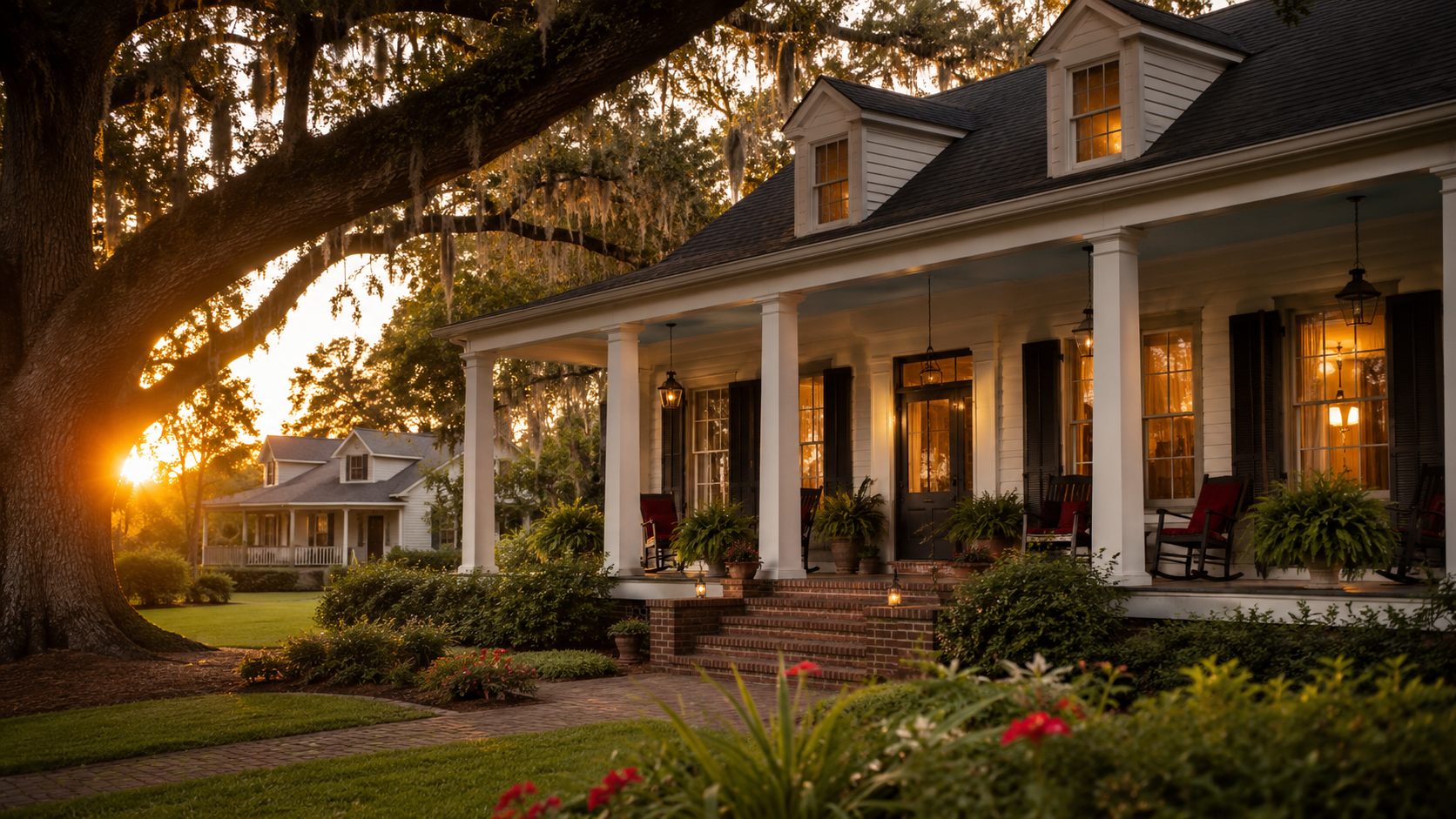
Cover the cost to rebuild your house, replace your belongings, and answer a liability claim against your household.
Auto Insurance
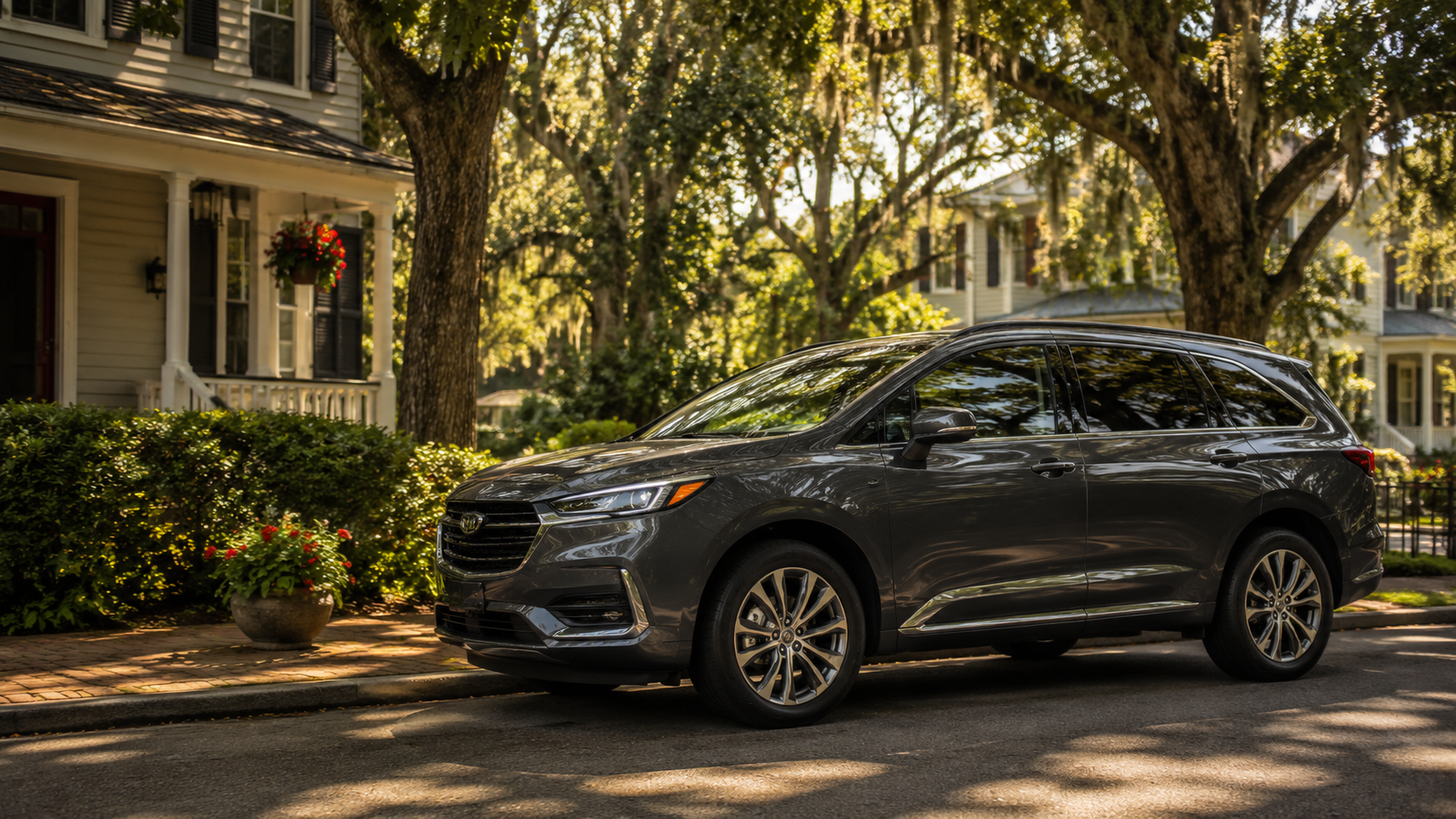
Protect your vehicles with liability, collision, and uninsured motorist limits that hold up after a serious Louisiana wreck.
Flood Insurance
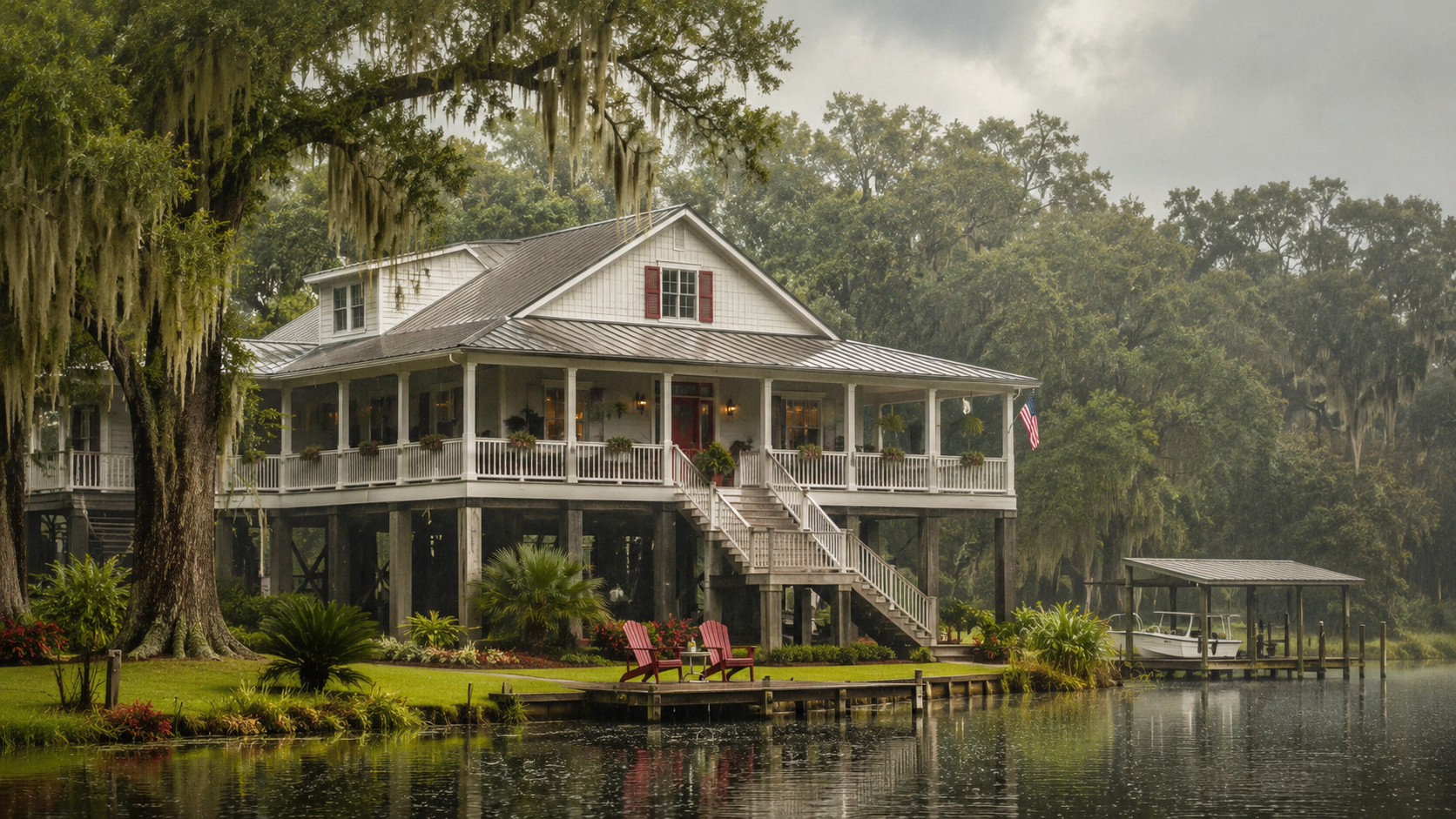
Your homeowners policy excludes flood. We quote NFIP and private options for your building and its contents.

Commercial Insurance
Liability, property, workers' compensation, and commercial auto for Louisiana businesses, priced against how your company operates.

Life Insurance
Replace the income your family depends on, with term and permanent options priced across several carriers.

Umbrella Insurance
Add a layer of liability protection above your auto and home limits, usually for a modest premium.
Ruston
Baton Rouge
Mandeville
Gretna
Louisiana Home Insurance
Home insurance built around where you live
Home insurance is our specialty. We write homeowners policies across Louisiana and price them against the wind, hail, and flood risk in your parish.
Areas we cover
[CONFIRM name]
Google review · Mandeville office
Business Insurance by Industry
Specialized coverage for your line of work
Every trade carries its own risks. We know the coverage these Louisiana businesses need and where the gaps usually sit.
Plumbers
Liability, tools, and commercial auto coverage built for water damage claims and job-site risk.
Restaurants
Property, liquor liability, and spoilage coverage for kitchens, dining rooms, and your staff.
Real Estate Investors
Landlord property, liability, and vacancy coverage for rentals, flips, and multi-unit buildings.
[CONFIRM name]
Google review · Mandeville office
How to Get Insured in 4 Steps
Getting covered is simple
You talk to a licensed agent from the first call to the annual review.

1
Tell us about you
Share what you want to protect. A licensed agent asks about your home, vehicles, family, or business and gathers the details carriers need.
2
We shop our carriers
We compare options across the markets we represent and look at price, coverage limits, and how each carrier handles claims.
3
Review your choices
We explain coverage and price in plain language, side by side, so you can see the trade-offs before you choose.
4
Get covered
Your policy starts, you get your documents, and we review the coverage with you each year.
5-Star Rated by Louisiana Clients
What our clients say
Louisiana families and business owners rate us 5 stars for clear advice and fast answers.
139+ five-star reviews across our Mandeville and New Orleans offices
[CONFIRM name]
Google review · Mandeville office
Louisiana Insurance Questions, Answered
Questions clients ask us
Short answers to what people ask before they switch agencies.
What does an independent insurance agency do?
An independent agency represents many carriers instead of one. We gather your information once, compare policies across those companies, and recommend the option that fits your coverage needs and budget. You keep the same agent as your policies change.
Which types of insurance does Chabert offer?
We write home, auto, flood, life, umbrella, and boat policies for individuals, plus general liability, property, workers' compensation, commercial auto, business interruption, and cyber coverage for businesses. One team handles both sides of your account.
Do you serve both Louisiana and Mississippi?
Yes. Our agents are licensed in Louisiana and Mississippi [CONFIRM license numbers]. We work from offices in Mandeville and New Orleans and serve clients across both states by phone, email, and in person.
How do you find me a competitive rate?
We send your details to the carriers we represent and compare what comes back. We look at premium, coverage limits, deductibles, and available discounts such as bundling auto with home, then show you the options together.
Can I manage my policy online?
Yes. Our Client Portal, powered by GloveBox, holds your policy documents, ID cards, and billing links in one place. You can also request a policy change or certificate from our Client Center page.
How do I start a quote or file a claim?
Call 504-326-6526 or fill out the quote form on this page and an agent will follow up. To report a claim, use the Report a Claim page or call the office and we will start the process with your carrier.
[REVIEW_WIDGET] — connect a review aggregator (Elfsight, EmbedSocial, Trustindex, or Duda Reviews) to pull both Google Business Profiles and Facebook into one rotating feed. The cards below stand in until it is live.
Louisiana Insurance Tips & News
Insurance tips and local news
Practical guidance from our agents on coverage, claims, and living with Louisiana weather.

[CONFIRM name]
Google review · Mandeville office
Serving Louisiana & Mississippi
Licensed across Louisiana and Mississippi
Visit either office or handle everything by phone and email. Same team, same records, both states.
Louisiana
Offices in Mandeville and New Orleans, serving the North Shore, greater New Orleans, and beyond.
Mississippi
Licensed for personal and commercial policies across the state.
Mandeville Office
240 Dalwill Dr, Suite B, Mandeville, LA 70471
Office hours: Monday – Friday, 8:00 a.m. – 5:00 p.m.
New Orleans Office
824 Elmwood Park Blvd, Suite 145, New Orleans, LA 70123
Office hours: Monday – Friday, 8:00 a.m. – 5:00 p.m.