
Variant Insurance Group is a licensed independent insurance agency in Minnesota. [CONFIRM license #.]
Get a Quote
Variant Insurance Group is a licensed independent insurance agency serving Minnesota families and businesses.
From our office in Maple Plain, our team works with many of Minnesota's top-rated carriers so your home, auto, life, and business coverage fits your real needs. We serve families and businesses across Minnesota.
A single misapplied batch of spray foam can trigger an off-gassing complaint that costs more than your rig. A torch used near fiberglass batts can ignite framing in seconds. And a callback from a homeowner whose walls are sweating moisture two years after installation? That's a completed operations claim waiting to happen. Insulation work carries risks that standard business policies weren't built to handle, and the wrong coverage gap can shut down a small crew overnight.
Insurance for insulation contractors needs to address the specific hazards tied to chemical exposure, fire during application, expensive mobile equipment, and liability that extends well beyond the job site. The contractor insurance market was valued at $26.4 billion in 2025 and continues to grow as underwriters develop more specialized products for trades like yours. Whether you're blowing cellulose in attics across Mandeville or spraying closed-cell foam in New Orleans commercial builds, understanding what coverage you actually need - and what your current policy likely excludes - is the difference between staying in business and folding after one bad claim. This guide breaks down the core policies insulation installers should carry, the specialty endorsements that matter most, and how to avoid the coverage gaps that catch contractors off guard.
Core Insurance Needs for Modern Insulation Contractors
Every insulation installer needs a foundation of coverage that protects against the most common exposures: bodily injury to third parties, property damage at the job site, and claims arising from work you've already completed. These aren't optional extras. Most general contractors won't even let you on site without proof of general liability and completed operations coverage, and Louisiana requires certain minimums before you can pull permits on commercial projects.
The challenge is that insulation work doesn't fit neatly into a generic contractor policy. Your risks look different from a framing crew's or a plumber's. Spray foam installers face chemical exposure claims. Blown-in crews work in confined attic spaces with electrical hazards. And nearly every insulation job creates latent risk: problems that don't surface until months or years after the work is done. Building a policy that actually protects you means layering the right coverages together, not just buying the cheapest general liability quote you can find.
General Liability and Property Damage Limits
General liability (GL) is your baseline. It covers third-party bodily injury and property damage that occurs during your operations. If a homeowner trips over your hose line and breaks a wrist, GL pays the claim. If your crew accidentally damages drywall or existing HVAC ductwork during installation, GL covers the repair costs. Most policies also include personal and advertising injury protection.
For insulation contractors, general liability insurance typically costs between $500 and $2,000 per year depending on your revenue, crew size, and the type of insulation you install. Spray foam contractors generally pay higher premiums than fiberglass or cellulose installers because underwriters view the chemical and fire risks as more severe. A common starting point is $1 million per occurrence with a $2 million aggregate, though many commercial GCs require you to carry $2 million per occurrence before they'll add you to a project.
One thing to keep in mind: standard GL policies often exclude pollution-related claims. That exclusion matters enormously for spray foam contractors, and we'll get into why below.
Completed Operations: Protecting Against Future Claims
Your liability doesn't end when you pack up your rig. Completed operations coverage protects you against claims that arise after you've finished a job and left the site. For insulation contractors, this is arguably the most critical piece of your policy.
Consider a scenario where you spray foam a crawl space, and six months later the homeowner reports persistent headaches and respiratory irritation. They hire an indoor air quality consultant who finds elevated isocyanate levels. That's a completed operations claim, and without this coverage, you're paying out of pocket for medical bills, remediation, and legal defense. Moisture problems caused by improperly installed vapor barriers, thermal bridging failures, and mold growth behind insulation are all examples of claims that surface well after the project wraps. Your completed operations coverage should mirror your GL limits, and you should confirm it's included rather than excluded in your policy form.
Managing Specialized Spray Foam and Off-Gassing Risks
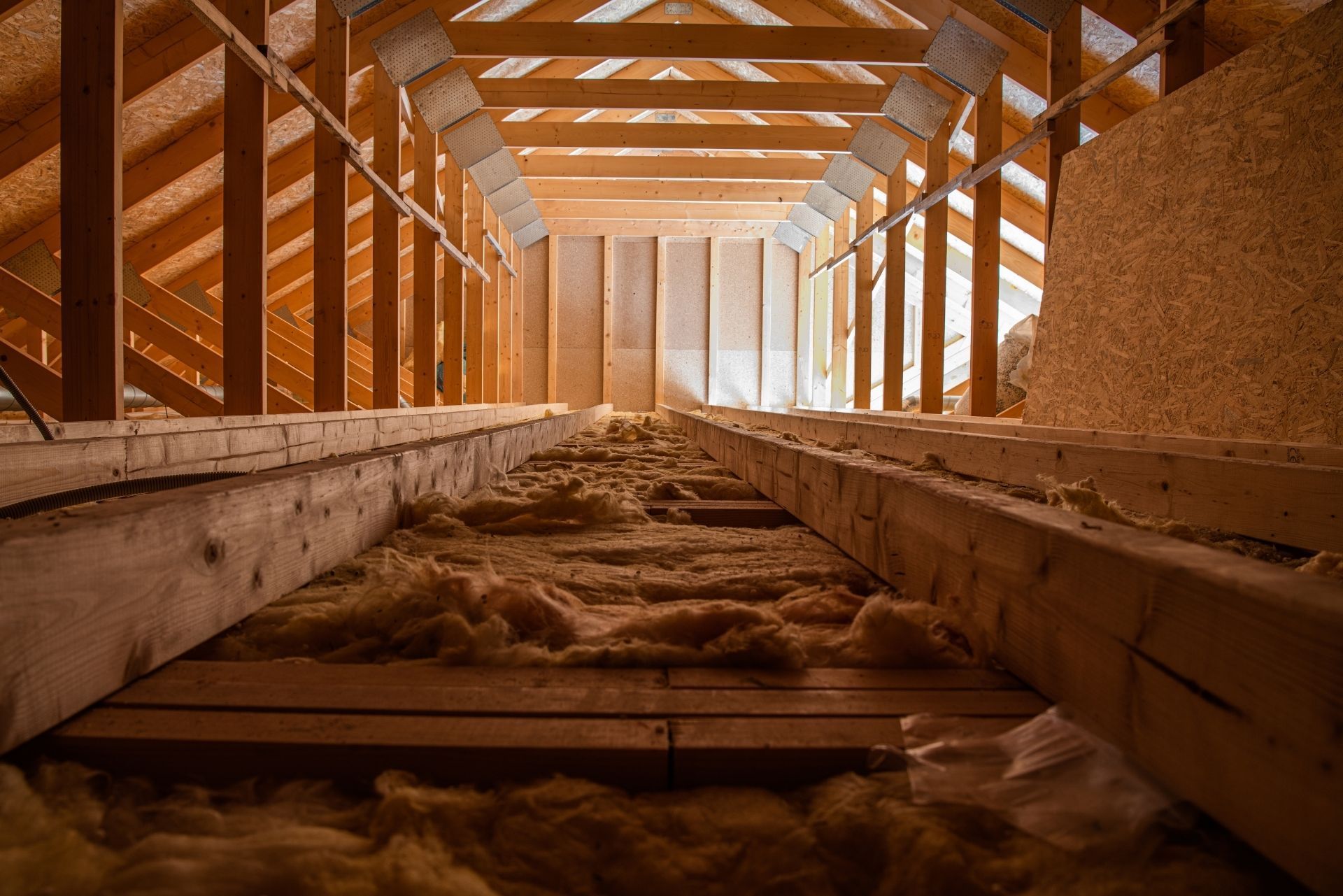
Spray polyurethane foam (SPF) is one of the highest-performing insulation products on the market, but it also carries some of the highest liability risks. The chemicals involved, particularly methylene diphenyl diisocyanate (MDI), are known respiratory sensitizers that can cause serious health effects in both workers and building occupants. Standard GL policies almost universally exclude pollution and chemical exposure claims, which means a spray foam contractor relying solely on basic liability coverage has a dangerous blind spot.
Pollution Liability and Chemical Exposure Coverage
Pollution liability insurance fills the gap that your GL policy creates. It covers claims related to the release, dispersal, or discharge of pollutants, including the chemical vapors produced during and after spray foam application. The EPA has raised health concerns about spray foam insulation, specifically around improper mixing ratios and inadequate ventilation during curing, which can lead to prolonged off-gassing.
A dedicated pollution liability policy, sometimes called a contractor's pollution liability (CPL) policy, covers bodily injury and property damage caused by these chemical exposures. It also typically covers cleanup costs if a regulatory agency gets involved. For spray foam installers in Louisiana, where high humidity can slow curing times and increase off-gassing risk, this coverage isn't a luxury. It's a business necessity. Chabert Insurance: The Ehrhardt Agency works with insulation contractors across the New Orleans and Mandeville areas to match CPL policies to the specific chemicals and application methods each crew uses.
Off-Gassing Claims and Third-Party Bodily Injury
Off-gassing claims are among the fastest-growing liability exposures for SPF contractors. A building occupant who wasn't properly evacuated during application, a tenant in an adjacent unit who reports chemical odors, or a worker on another trade's crew who develops respiratory symptoms: all of these can generate third-party bodily injury claims tied to chemical off-gassing.
These claims are expensive. Defense costs alone can run $50,000 to $100,000 before a case even reaches settlement. Proper personal protective equipment for your crew reduces worker exposure, but it doesn't eliminate your liability to third parties. Your pollution liability policy should explicitly cover off-gassing events, both during application and during the curing period that follows. Ask your agent whether the policy covers "completed pollution events" as well as "ongoing operations," because some forms only cover one or the other.
Fire Hazards and Heat-Related Risks During Application
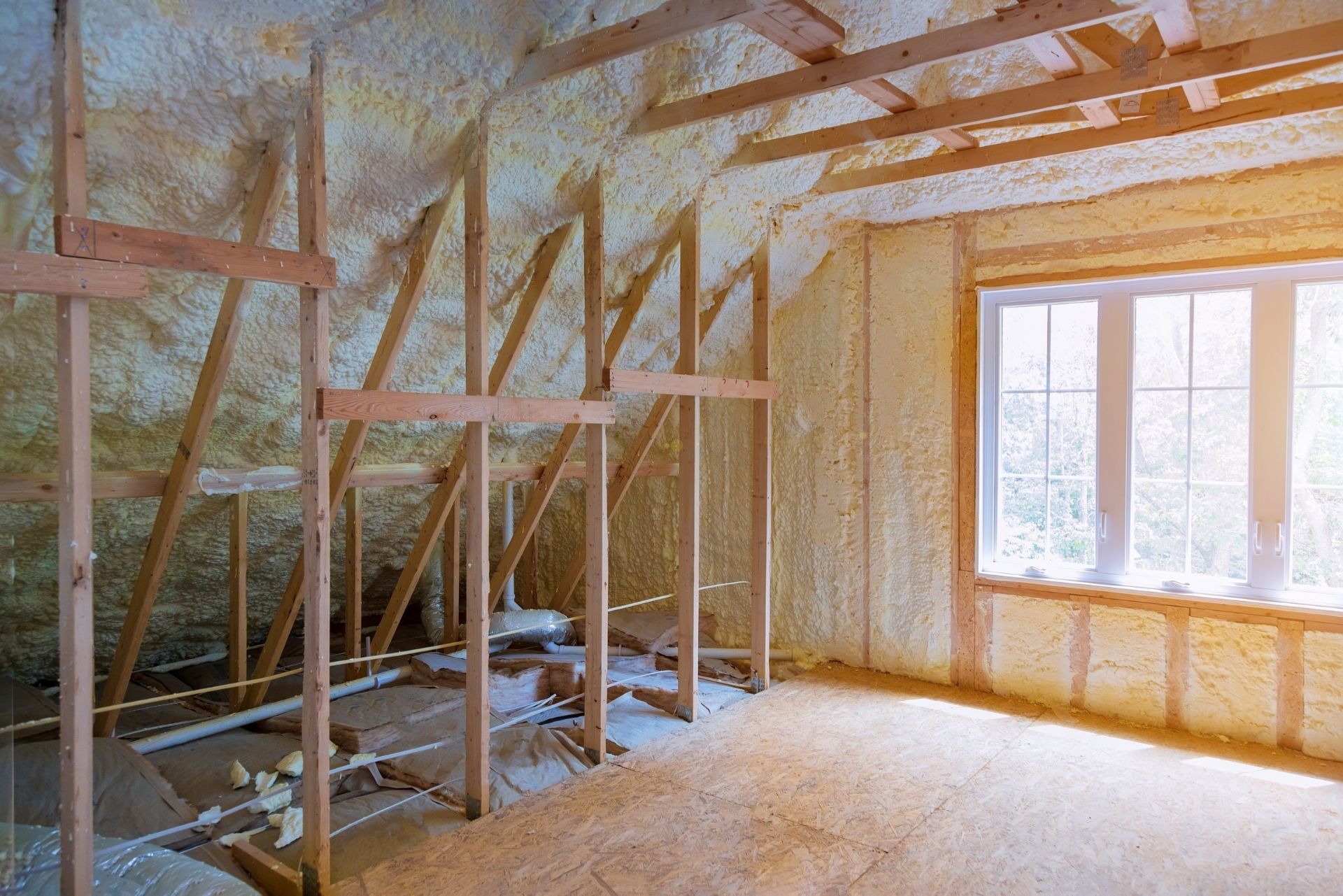
Insulation installation involves multiple fire ignition sources. Spray foam generates exothermic heat during the chemical reaction. Open-cell foam can reach temperatures above 200°F if applied too thickly in a single pass. Fiberglass batt installation near recessed lighting or knob-and-tube wiring creates ignition risk. And any crew using torches or heat guns for vapor barrier sealing is introducing open flame into a space filled with combustible materials.
Exothermic Reaction Safety and Fire Legal Liability
Fire legal liability coverage pays for damage to property you don't own that's caused by fire originating from your operations. Most GL policies include some fire legal liability, but the sublimits are often low: $50,000 or $100,000. If your spray foam application ignites framing in a $400,000 home, that sublimit won't come close to covering the damage.
Spray foam fires caused by exothermic reactions are well-documented in the industry, and they tend to happen when installers apply foam too thick in confined spaces or fail to monitor substrate temperatures. You should request fire legal liability limits of at least $300,000, and consider an umbrella policy if you're working on larger commercial or multi-family projects. Your safety protocols matter too: proper pass thickness, temperature monitoring, and fire extinguisher placement all reduce risk and can lower your premiums.
Protecting Rigs, Blowers, and Field Equipment
A spray foam rig represents a significant capital investment. Proportioning units, heated hose sets, compressors, and generators can easily total $50,000 to $150,000. Blown-in insulation machines, while less expensive, still cost several thousand dollars to replace. This equipment travels with you to every job site, which means it's exposed to theft, vehicle accidents, weather damage, and vandalism on a daily basis.
Inland Marine Insurance for Mobile Rigs
Your commercial auto policy covers the vehicle itself, but it typically won't cover the specialized equipment mounted on or towed behind it. Inland marine insurance is designed specifically for tools, equipment, and materials in transit or stored at temporary locations. For insulation contractors, an inland marine policy covers your proportioner, hoses, blowers, generators, and any other equipment that moves between job sites.
The cost is generally reasonable: contractor equipment coverage often runs 1% to 3% of the total insured value annually. So a $100,000 spray foam rig might cost $1,000 to $3,000 per year to insure. Make sure your policy covers equipment while it's on your truck, at the job site, and in storage. Some policies exclude theft from unlocked vehicles, so review those conditions carefully.
Comparing Coverage: General Liability vs. Pollution Liability
Many insulation contractors assume their general liability policy handles everything. It doesn't. The distinction between GL and pollution liability is one of the most misunderstood areas in contractor insurance, and it's where costly gaps hide.
Comparison Chart: Standard GL vs. Specialized Foam Endorsements
| Coverage Feature | Standard General Liability | Pollution Liability / CPL |
|---|---|---|
| Slip-and-fall at job site | Covered | Not applicable |
| Property damage during install | Covered | Not applicable |
| Chemical vapor exposure | Typically excluded | Covered |
| Off-gassing after completion | Excluded | Covered (if completed ops included) |
| Regulatory cleanup costs | Excluded | Covered |
| Fire from exothermic reaction | May be covered (check sublimits) | Not typically covered |
| Third-party respiratory injury | Excluded if pollution-related | Covered |
| Completed operations claims | Covered (non-pollution) | Covered (pollution-related) |
This table makes one thing clear: you need both policies working together. A GL policy without pollution liability leaves your biggest spray foam risks uncovered. A CPL policy without GL leaves basic premises and operations claims unaddressed. The team at Chabert Insurance: The Ehrhardt Agency can help you build a package that covers both sides without paying for overlapping coverage you don't need.
Frequently Asked Questions About Insulation Insurance
Do I need special insurance just for spray foam?
Yes. Standard general liability policies exclude pollution and chemical exposure claims, which are the primary risks associated with spray foam installation. You'll need a contractor's pollution liability policy in addition to your GL coverage.
What does completed operations insurance actually cover?
It covers claims arising from your finished work after you've left the job site. Examples include moisture damage from improperly installed vapor barriers, mold growth behind insulation, and off-gassing symptoms reported weeks or months after application.
Will my regular auto policy cover my insulation rig?
No. Personal and standard commercial auto policies cover the vehicle, not the specialized equipment mounted on it. You need inland marine insurance to protect your proportioner, hoses, blowers, and other field equipment.
How does pollution liability help with off-gassing claims?
Pollution liability covers bodily injury and property damage caused by chemical releases, including spray foam off-gassing. It pays for medical claims, legal defense, and any required environmental cleanup. Without it, these claims come out of your pocket.
Are fire risks covered under basic general liability?
Partially. GL policies include fire legal liability, but the sublimits are often too low for serious incidents. If a spray foam exothermic reaction ignites a structure, a $50,000 sublimit won't cover the damage. Request higher limits or add an umbrella policy.
Making the Right Choice for Your Installation Business
Getting insurance right as an insulation contractor means understanding that your risks don't look like other trades' risks. Chemical exposure, fire during application, expensive mobile equipment, and long-tail completed operations claims all demand specific coverage solutions. A bare-bones GL policy might satisfy a permit requirement, but it won't protect your business when a real claim hits.
Start by auditing your current coverage against the risks outlined here. If you're spraying foam without pollution liability, you're one off-gassing complaint away from a financial crisis. If your rig isn't covered by inland marine, a single theft could sideline your operations for months. And if your completed operations limits don't match your GL limits, you're exposed to the claims that take the longest to surface and cost the most to resolve.
Chabert Insurance: The Ehrhardt Agency specializes in helping Louisiana insulation contractors build coverage packages that actually match their work. Whether you're running a two-person crew in Mandeville or managing multiple spray foam rigs across the Greater New Orleans area, the right policy structure protects your livelihood and lets you focus on the work itself. Reach out for a coverage review tailored to your specific operations.
On this page
Fully licensed
Chabert Insurance: The Ehrhardt Agency is a fully licensed independent insurance agency serving individuals, families, and businesses across Louisiana and Mississippi.
From our offices in Mandeville and New Orleans, we proudly serve clients in Mandeville, Covington, New Orleans, Kenner, Metairie, Harahan, River Ridge, and Slidell, as well as the Westbank and St. Bernard Parish, and communities throughout Louisiana and Mississippi. As an independent agency, our team works with a wide range of top-rated carriers to provide personal and commercial coverage — home, auto, flood, commercial, life, and more — built around the real needs of the people and businesses we protect.
OTHER INSURANCE COVERAGE

About the Author
Ryan J. Ehrhardt
Owner / Licensed Agent
I'm Ryan J. Ehrhardt, owner and licensed agent at Chabert Insurance: The Ehrhardt Agency. I lead our team across our Mandeville and New Orleans offices, and I work with families and business owners every day to find coverage that fits their lives. I believe insurance should be simple to understand, so I take the time to explain your options in plain language before you decide.
As an independent agent, I answer to you, not to a single carrier. That means I can shop your policy across many companies and focus on what protects you best. When you call our office, you reach a real person who knows your account. I would be glad to review your coverage and help you feel confident about it.


[CONFIRM name]
Google review · Mandeville office
Home, Auto, Flood, Commercial & Life Insurance
Insurance built around your life in Louisiana
We compare coverage across many carriers and build one program that protects everything you own.

Home Insurance
Cover the cost to rebuild your house, replace your belongings, and answer a liability claim against your household.

Auto Insurance
Protect your vehicles with liability, collision, and uninsured motorist limits that hold up after a serious Louisiana wreck.

Flood Insurance
Your homeowners policy excludes flood. We quote NFIP and private options for your building and its contents.

Commercial Insurance
Liability, property, workers' compensation, and commercial auto for Louisiana businesses, priced against how your company operates.

Life Insurance
Replace the income your family depends on, with term and permanent options priced across several carriers.

Umbrella Insurance
Add a layer of liability protection above your auto and home limits, usually for a modest premium.
Ruston
Baton Rouge
Mandeville
Gretna
Louisiana Home Insurance
Home insurance built around where you live
Home insurance is our specialty. We write homeowners policies across Louisiana and price them against the wind, hail, and flood risk in your parish.
Areas we cover
Commercial Insurance for Louisiana Businesses
Coverage that keeps your business running
We build commercial programs around how your company actually operates, then compare carriers on price and claim service.

General Liability
Covers claims of bodily injury or property damage that come from your day-to-day operations.

Commercial Property
Protects your building, equipment, and inventory against fire, storm, theft, and other covered losses.

Workers' Compensation
Pays medical care and lost wages when an employee is hurt on the job, as Louisiana requires.
Commercial Auto
Covers the vehicles your business owns, along with the employees who drive them for work.

Professional Liability
Covers claims that your professional advice or services caused a client a financial loss.

Cyber Liability
Handles breach response, notification costs, and liability after customer data is exposed.
[CONFIRM name]
Google review · Mandeville office
Business Insurance by Industry
Specialized coverage for your line of work
Every trade carries its own risks. We know the coverage these Louisiana businesses need and where the gaps usually sit.
Plumbers
Liability, tools, and commercial auto coverage built for water damage claims and job-site risk.
Restaurants
Property, liquor liability, and spoilage coverage for kitchens, dining rooms, and your staff.
Real Estate Investors
Landlord property, liability, and vacancy coverage for rentals, flips, and multi-unit buildings.
[CONFIRM name]
Google review · Mandeville office
How to Get Insured in 4 Steps
Getting covered is simple
You talk to a licensed agent from the first call to the annual review.

1
Tell us about you
Share what you want to protect. A licensed agent asks about your home, vehicles, family, or business and gathers the details carriers need.
2
We shop our carriers
We compare options across the markets we represent and look at price, coverage limits, and how each carrier handles claims.
3
Review your choices
We explain coverage and price in plain language, side by side, so you can see the trade-offs before you choose.
4
Get covered
Your policy starts, you get your documents, and we review the coverage with you each year.
5-Star Rated by Louisiana Clients
What our clients say
Louisiana families and business owners rate us 5 stars for clear advice and fast answers.
139+ five-star reviews across our Mandeville and New Orleans offices