
Variant Insurance Group is a licensed independent insurance agency in Minnesota. [CONFIRM license #.]
Get a Quote
Variant Insurance Group is a licensed independent insurance agency serving Minnesota families and businesses.
From our office in Maple Plain, our team works with many of Minnesota's top-rated carriers so your home, auto, life, and business coverage fits your real needs. We serve families and businesses across Minnesota.
New title
New title
New Orleans sits in a bowl. Most of the city rests below sea level, surrounded by Lake Pontchartrain, the Mississippi River, and a network of canals that would flood entire neighborhoods without constant mechanical intervention. If you own property here, flood insurance isn't optional: it's essential. But the way your premium gets calculated depends on factors most property owners never think about, from the reliability of century-old pump stations to the specific soil beneath your foundation. Understanding how New Orleans flood insurance works, why certain neighborhoods remain vulnerable, what your flood zone designation really means, and whether a private policy might save you money can make a real difference in what you pay and how well you're protected. The average NFIP premium in New Orleans hovers around $774, but property owners in high-risk areas like Lakeview frequently pay $2,000 or more. That gap isn't random. It reflects a complex interplay of infrastructure, geography, and federal risk modeling that every NOLA homeowner should understand. Whether you're buying your first home in Mid-City or refinancing a rental in the Marigny, the details below will help you make smarter decisions about your flood coverage.
The Relationship Between the S&WB Pump System and Your Flood Premium
New Orleans depends on the Sewerage & Water Board's drainage system more than almost any other factor to keep streets and homes dry during heavy rain. The city's 24 pump stations are responsible for moving billions of gallons of water out of the bowl and into Lake Pontchartrain. When those pumps work at full capacity, your neighborhood drains. When they don't, water backs up fast.
The S&WB has invested heavily in recent years. The agency's ongoing pumping and power modernization projects aim to bring aging turbines and generators up to modern standards. But the system still has vulnerabilities. A single turbine failure during a summer thunderstorm can mean the difference between wet streets and flooded living rooms, especially in low-lying areas that depend entirely on mechanical drainage.
How Pump Station Reliability Impacts Community Rating System Scores
FEMA's Community Rating System (CRS) rewards cities that take proactive steps to reduce flood risk. New Orleans has worked to improve its CRS classification, which translates directly into premium discounts for property owners. A better CRS score means lower flood insurance costs across the parish.
The catch is that CRS scores reflect the entire community's mitigation efforts, not just pump performance. Floodplain management, public outreach, stormwater regulations, and building codes all factor in. Still, pump reliability is a core piece. Every time the S&WB demonstrates improved drainage capacity, it strengthens the city's case for a better rating, and that helps your wallet.
The Role of the HSDRRS Levee System in Risk Rating 2.0
FEMA's Risk Rating 2.0 methodology, which replaced the old zone-based pricing model, now considers individual property characteristics alongside community infrastructure. The Hurricane and Storm Damage Risk Reduction System (HSDRRS), the $14.5 billion post-Katrina levee and floodwall upgrade, plays a major role in how FEMA assesses risk for properties inside the protection perimeter.
Properties protected by the HSDRRS generally receive lower risk scores under Risk Rating 2.0 because the system is designed to handle a 100-year storm surge event. But FEMA doesn't treat levee protection as absolute. The agency factors in the probability of levee overtopping or failure, which means you still carry some residual risk in your premium calculation. New Orleans entered the 2025 hurricane season with a stronger drainage system, but major infrastructure risks remain, and FEMA's models account for that uncertainty.
Why Lakeview and Gentilly Face Persistent Flood Threats
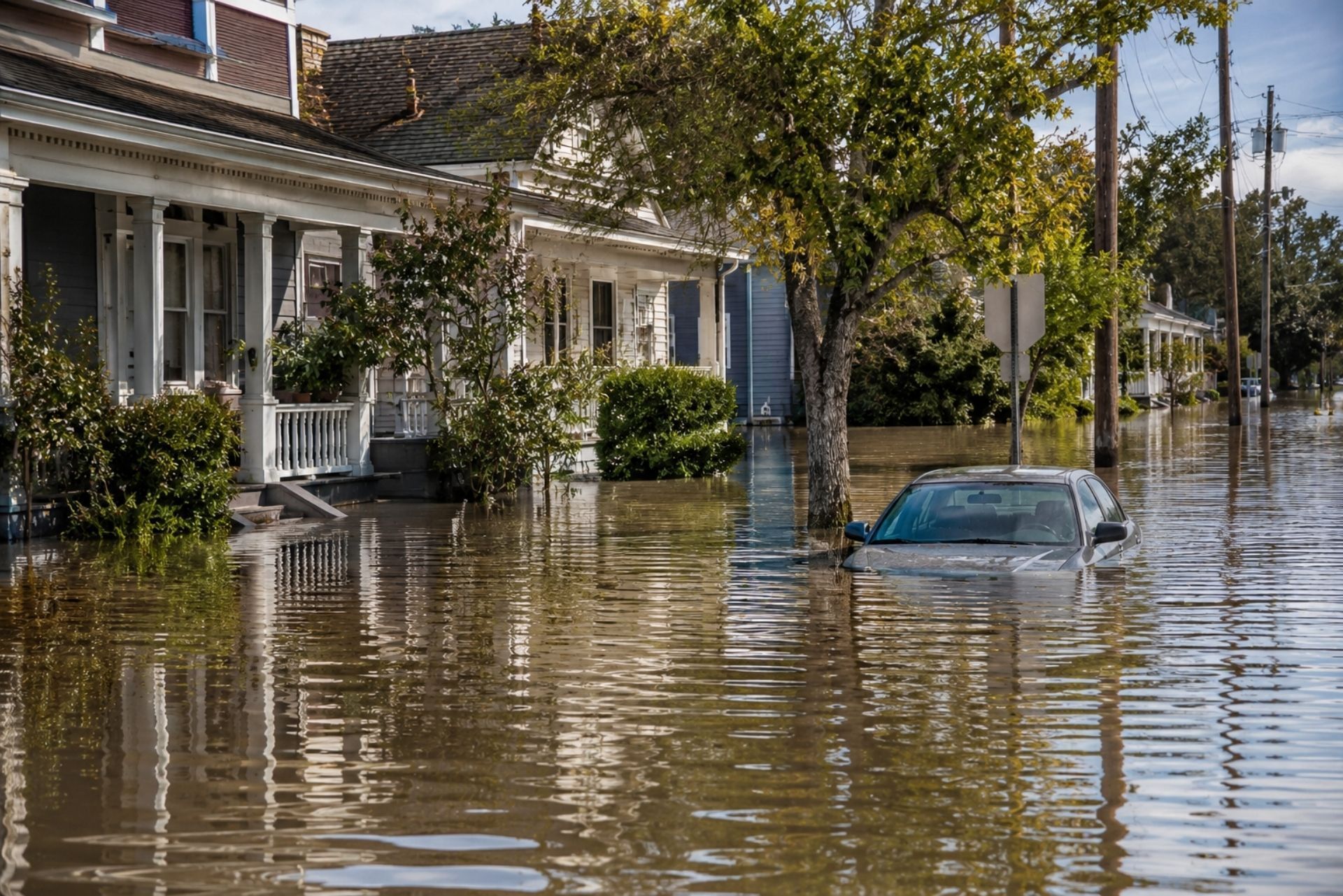
These two neighborhoods share a frustrating reality: they flood during heavy rain events even when the levees hold and no hurricane is anywhere near the Gulf. The reasons are geological and infrastructural, not just bad luck.
Lakeview and Gentilly sit in some of the lowest terrain in the city, with elevations that dip several feet below sea level in spots. Their proximity to the 17th Street Canal and London Avenue Canal, both sites of catastrophic failures during Katrina, adds another layer of risk that FEMA's models capture. Even with the rebuilt floodwalls, these areas depend almost entirely on the pump system to remove rainwater. A three-inch-per-hour rainfall event, which happens multiple times each summer, can overwhelm local drainage capacity before the pumps catch up.
Subsidance and Soil Composition in Below-Sea-Level Neighborhoods
Subsidence is the slow sinking of ground over time, and it's a persistent problem across New Orleans. Lakeview and Gentilly are particularly affected because they were built on drained swampland with organic-rich soils that compress as they dry out. This process doesn't stop. Properties in these neighborhoods continue to sink, which means your home's elevation relative to the base flood elevation can change over the years.
That matters for your flood insurance premium because Risk Rating 2.0 weighs your property's elevation heavily. A home that was a foot above base flood elevation when it was built might now be at or below it. Getting a current elevation certificate is one of the smartest moves you can make. The city's hazard mitigation resources outline the specific flood risks facing different neighborhoods and can help you understand where your property stands.
The Difference Between River Flooding and Flash Rainfall Events
Most people think of flooding in New Orleans as a hurricane problem. River flooding from the Mississippi and storm surge from the lake are real threats, but flash rainfall causes far more frequent damage. A slow-moving thunderstorm dumping six inches of rain in two hours will flood Gentilly streets regardless of what the river is doing.
This distinction matters for insurance because FEMA rates these risks differently under Risk Rating 2.0. River flooding and coastal surge risk are modeled separately from rainfall-driven interior flooding. Your premium reflects all of these inputs. A property in Lakeview might have low river flood risk but high interior drainage risk, which still results in an elevated premium. Understanding this helps you evaluate whether your current coverage matches your actual exposure.
Understanding Zone X: Why Being 'Behind a Levee' Isn't a Guarantee
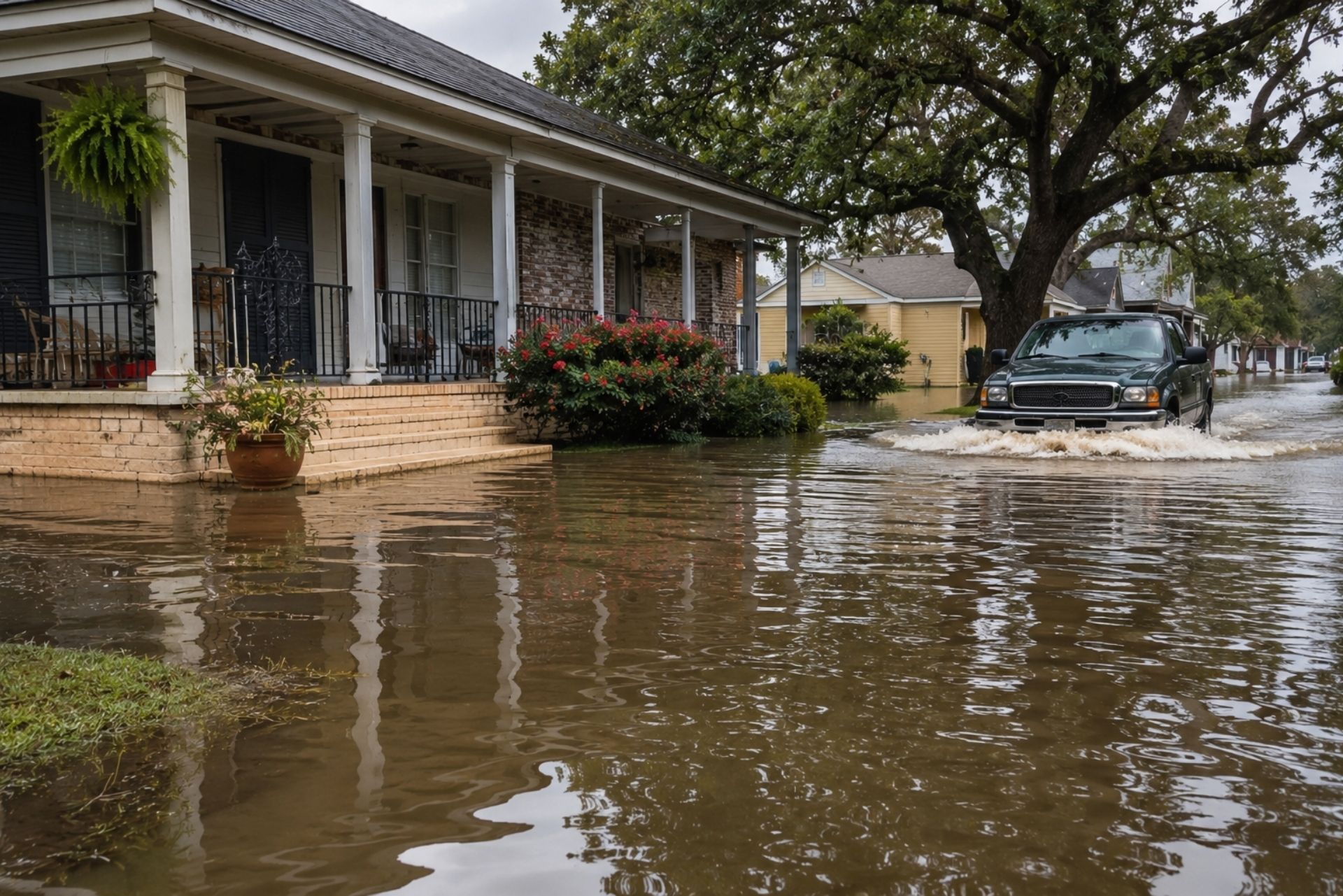
Zone X is FEMA's designation for areas with moderate-to-low flood risk, and large portions of New Orleans fall into this category specifically because the HSDRRS levee system provides 100-year flood protection. Many property owners see Zone X on their flood map and assume they don't need flood insurance. That assumption has cost thousands of homeowners dearly.
Zone X behind a levee means FEMA has accredited the levee system as meeting certain engineering standards. It does not mean your property can't flood. Interior drainage flooding, levee overtopping during extreme events, and pump failures can all put water in a Zone X home. Roughly 25% of all NFIP flood claims come from properties outside high-risk zones.
If your mortgage lender doesn't require flood insurance because you're in Zone X, that's a financial decision, not a risk assessment. Flood insurance in Zone X is typically much cheaper than in high-risk zones, often under $500 per year through the NFIP. Skipping it to save a few hundred dollars annually is a gamble that doesn't make sense given New Orleans' unique vulnerabilities. An agency like Chabert Insurance: The Ehrhardt Agency, with deep knowledge of the local market, can help you understand exactly what Zone X means for your specific property and whether your current coverage leaves gaps.
Comparison: NFIP vs. Private Flood Insurance in New Orleans
The National Flood Insurance Program has been the default for decades, but private flood insurance has grown significantly in Louisiana. Private carriers now offer policies that can match or exceed NFIP coverage, sometimes at lower premiums, especially for properties that Risk Rating 2.0 has priced aggressively.
Private flood policies shine for homeowners whose NFIP premiums jumped under Risk Rating 2.0. If your home is valued above the NFIP's $250,000 building coverage cap, a private policy can fill that gap. Private carriers also tend to offer faster claims processing and more flexible coverage options. On the flip side, flood insurance requirements in Louisiana can be complex, and not every private policy meets lender requirements. Always verify with your mortgage company before switching.
Table: Coverage Limits and Waiting Periods
| Feature | NFIP | Private Flood |
|---|---|---|
| Max Building Coverage | $250,000 | $1M+ (varies by carrier) |
| Max Contents Coverage | $100,000 | $500K+ (varies by carrier) |
| Waiting Period | 30 days | 10-15 days (some offer immediate) |
| Basement Coverage | Limited | Often broader |
| Loss of Use | Not included | Often included |
| ICC Coverage | Up to $30,000 | Varies, often higher |
| Premium Range (NOLA avg) | $774-$3,000+ | Competitive; often lower for low-risk |
Private flood costs can differ significantly from NFIP over time, so comparing quotes from both is essential. Chabert Insurance: The Ehrhardt Agency works with multiple carriers and can run side-by-side comparisons so you're not leaving money on the table.
New Orleans Flood Insurance FAQs
Do I need flood insurance if I'm in Zone X? It's not legally required without a federally backed mortgage mandate, but roughly one in four flood claims comes from moderate- or low-risk zones. In New Orleans, skipping it is risky.
Will my premium go down if I elevate my home? Yes. Elevation is one of the most effective ways to reduce your flood premium under Risk Rating 2.0. Even raising a home one or two feet can produce significant savings.
How long do I have to wait before my policy kicks in? NFIP policies have a standard 30-day waiting period. Some private carriers offer shorter waiting periods, sometimes as few as 10 days.
Does my homeowners insurance cover flooding? No. Standard homeowners policies in Louisiana exclude flood damage entirely. You need a separate flood policy.
Can my flood premium increase every year? Under Risk Rating 2.0, premiums can increase up to 18% annually for most policyholders until they reach the full actuarial rate. Some properties have seen substantial year-over-year increases.
Is private flood insurance accepted by my lender? Most lenders accept private flood policies that meet certain federal standards, but you should confirm with your specific lender before making a switch.
Protecting Your NOLA Property Investment
Flood insurance in New Orleans isn't a box to check: it's a financial strategy. Your premium reflects a mix of infrastructure reliability, soil conditions, elevation, and federal risk modeling that's unique to this city. Whether you're behind a levee in Zone X or sitting in a high-risk zone in Gentilly, the right policy protects your largest investment from the most common natural disaster in Louisiana.
Don't assume your current coverage is adequate or that you're getting the best rate. Risk Rating 2.0 changed the math for thousands of New Orleans property owners, and both NFIP and private options continue to evolve. Reach out to Chabert Insurance: The Ehrhardt Agency for a personalized flood insurance review. Their team understands the local risks, from pump station reliability to subsidence patterns, and can match you with coverage that fits your property and your budget. A 15-minute conversation now could save you thousands when the next storm rolls through.
On this page
Fully licensed
Chabert Insurance: The Ehrhardt Agency is a fully licensed independent insurance agency serving individuals, families, and businesses across Louisiana and Mississippi.
From our offices in Mandeville and New Orleans, we proudly serve clients in Mandeville, Covington, New Orleans, Kenner, Metairie, Harahan, River Ridge, and Slidell, as well as the Westbank and St. Bernard Parish, and communities throughout Louisiana and Mississippi. As an independent agency, our team works with a wide range of top-rated carriers to provide personal and commercial coverage — home, auto, flood, commercial, life, and more — built around the real needs of the people and businesses we protect.
FLOOD INSURANCE BY CITY

About the Author
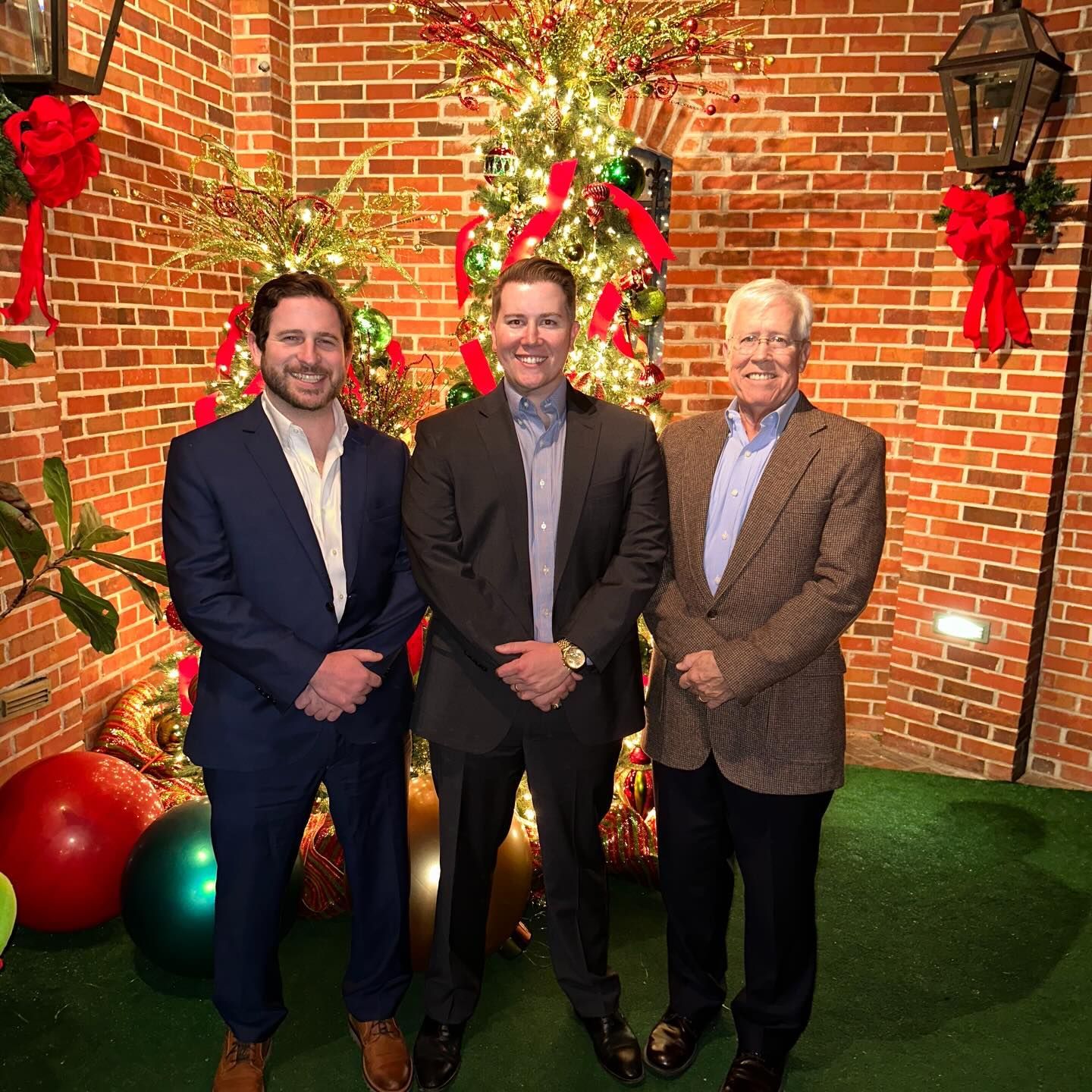
Ryan J. Ehrhardt
Owner / Licensed Agent
I'm Ryan J. Ehrhardt, owner and licensed agent at Chabert Insurance: The Ehrhardt Agency. I lead our team across our Mandeville and New Orleans offices, and I work with families and business owners every day to find coverage that fits their lives. I believe insurance should be simple to understand, so I take the time to explain your options in plain language before you decide.
As an independent agent, I answer to you, not to a single carrier. That means I can shop your policy across many companies and focus on what protects you best. When you call our office, you reach a real person who knows your account. I would be glad to review your coverage and help you feel confident about it.

[CONFIRM name]
Google review · Mandeville office
Home, Auto, Flood, Commercial & Life Insurance
Insurance built around your life in Louisiana
We compare coverage across many carriers and build one program that protects everything you own.
Home Insurance
Cover the cost to rebuild your house, replace your belongings, and answer a liability claim against your household.
Auto Insurance
Protect your vehicles with liability, collision, and uninsured motorist limits that hold up after a serious Louisiana wreck.
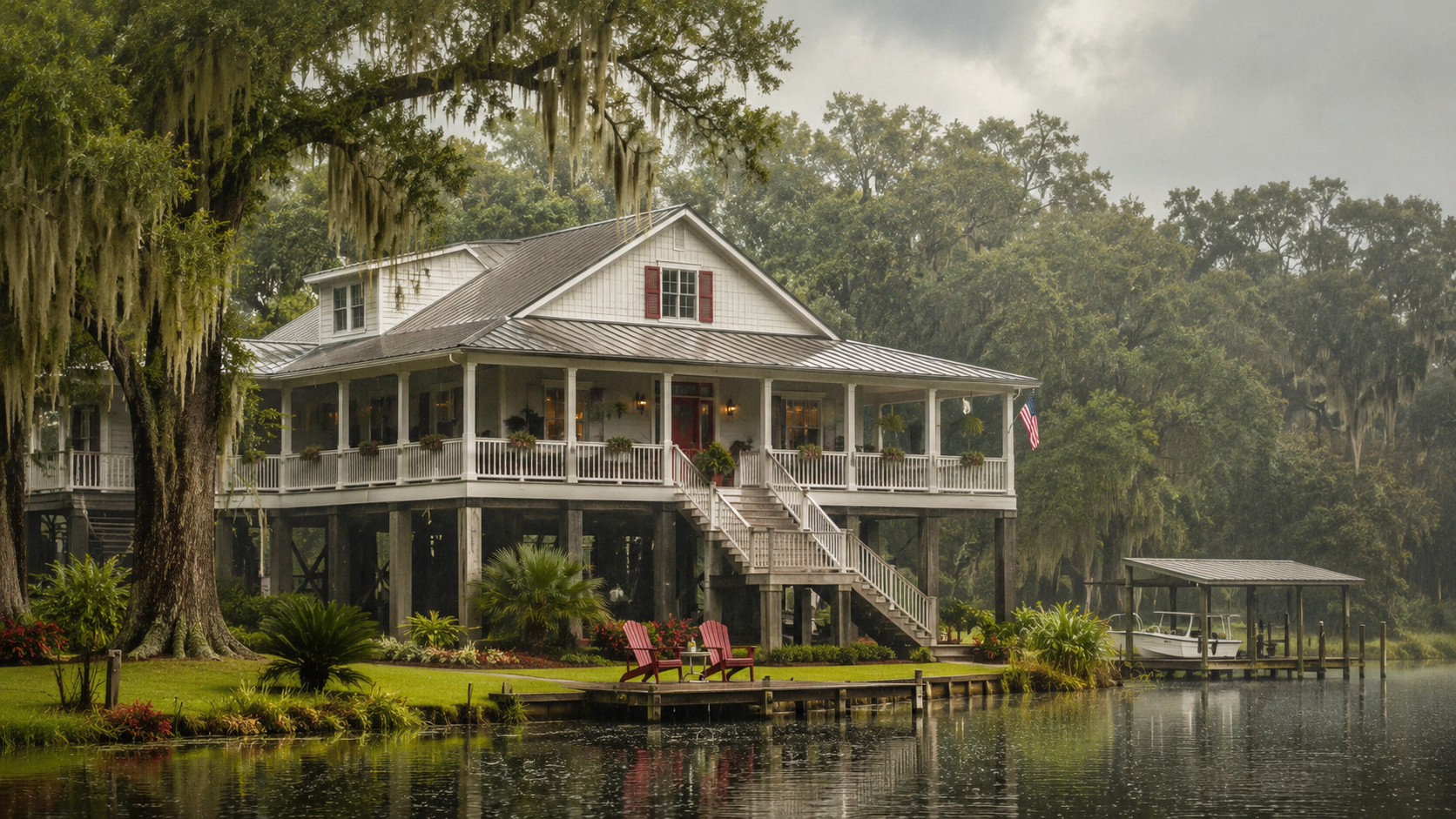
Flood Insurance
Your homeowners policy excludes flood. We quote NFIP and private options for your building and its contents.

Commercial Insurance
Liability, property, workers' compensation, and commercial auto for Louisiana businesses, priced against how your company operates.

Life Insurance
Replace the income your family depends on, with term and permanent options priced across several carriers.

Umbrella Insurance
Add a layer of liability protection above your auto and home limits, usually for a modest premium.
Ruston
Baton Rouge
Mandeville
Gretna
Louisiana Home Insurance
Home insurance built around where you live
Home insurance is our specialty. We write homeowners policies across Louisiana and price them against the wind, hail, and flood risk in your parish.
Areas we cover
Commercial Insurance for Louisiana Businesses
Coverage that keeps your business running
We build commercial programs around how your company actually operates, then compare carriers on price and claim service.

General Liability
Covers claims of bodily injury or property damage that come from your day-to-day operations.
Commercial Property
Protects your building, equipment, and inventory against fire, storm, theft, and other covered losses.

Workers' Compensation
Pays medical care and lost wages when an employee is hurt on the job, as Louisiana requires.

Commercial Auto
Covers the vehicles your business owns, along with the employees who drive them for work.

Professional Liability
Covers claims that your professional advice or services caused a client a financial loss.

Cyber Liability
Handles breach response, notification costs, and liability after customer data is exposed.
[CONFIRM name]
Google review · Mandeville office
Business Insurance by Industry
Specialized coverage for your line of work
Every trade carries its own risks. We know the coverage these Louisiana businesses need and where the gaps usually sit.
Plumbers
Liability, tools, and commercial auto coverage built for water damage claims and job-site risk.
Restaurants
Property, liquor liability, and spoilage coverage for kitchens, dining rooms, and your staff.
Real Estate Investors
Landlord property, liability, and vacancy coverage for rentals, flips, and multi-unit buildings.
[CONFIRM name]
Google review · Mandeville office
How to Get Insured in 4 Steps
Getting covered is simple
You talk to a licensed agent from the first call to the annual review.

1
Tell us about you
Share what you want to protect. A licensed agent asks about your home, vehicles, family, or business and gathers the details carriers need.
2
We shop our carriers
We compare options across the markets we represent and look at price, coverage limits, and how each carrier handles claims.
3
Review your choices
We explain coverage and price in plain language, side by side, so you can see the trade-offs before you choose.
4
Get covered
Your policy starts, you get your documents, and we review the coverage with you each year.
5-Star Rated by Louisiana Clients
What our clients say
Louisiana families and business owners rate us 5 stars for clear advice and fast answers.
139+ five-star reviews across our Mandeville and New Orleans offices
[CONFIRM name]
Google review · Mandeville office
Louisiana Insurance Questions, Answered
Questions clients ask us
Short answers to what people ask before they switch agencies.
What does an independent insurance agency do?
An independent agency represents many carriers instead of one. We gather your information once, compare policies across those companies, and recommend the option that fits your coverage needs and budget. You keep the same agent as your policies change.
Which types of insurance does Chabert offer?
We write home, auto, flood, life, umbrella, and boat policies for individuals, plus general liability, property, workers' compensation, commercial auto, business interruption, and cyber coverage for businesses. One team handles both sides of your account.
Do you serve both Louisiana and Mississippi?
Yes. Our agents are licensed in Louisiana and Mississippi [CONFIRM license numbers]. We work from offices in Mandeville and New Orleans and serve clients across both states by phone, email, and in person.
How do you find me a competitive rate?
We send your details to the carriers we represent and compare what comes back. We look at premium, coverage limits, deductibles, and available discounts such as bundling auto with home, then show you the options together.
Can I manage my policy online?
Yes. Our Client Portal, powered by GloveBox, holds your policy documents, ID cards, and billing links in one place. You can also request a policy change or certificate from our Client Center page.
How do I start a quote or file a claim?
Call 504-326-6526 or fill out the quote form on this page and an agent will follow up. To report a claim, use the Report a Claim page or call the office and we will start the process with your carrier.
[REVIEW_WIDGET] — connect a review aggregator (Elfsight, EmbedSocial, Trustindex, or Duda Reviews) to pull both Google Business Profiles and Facebook into one rotating feed. The cards below stand in until it is live.

Louisiana Insurance Tips & News
Insurance tips and local news
Practical guidance from our agents on coverage, claims, and living with Louisiana weather.
[CONFIRM name]
Google review · Mandeville office
Serving Louisiana & Mississippi
Licensed across Louisiana and Mississippi
Visit either office or handle everything by phone and email. Same team, same records, both states.
Louisiana
Offices in Mandeville and New Orleans, serving the North Shore, greater New Orleans, and beyond.
Mississippi
Licensed for personal and commercial policies across the state.
Mandeville Office
240 Dalwill Dr, Suite B, Mandeville, LA 70471
Office hours: Monday – Friday, 8:00 a.m. – 5:00 p.m.
New Orleans Office
824 Elmwood Park Blvd, Suite 145, New Orleans, LA 70123
Office hours: Monday – Friday, 8:00 a.m. – 5:00 p.m.