
Variant Insurance Group is a licensed independent insurance agency in Minnesota. [CONFIRM license #.]
Get a Quote
Variant Insurance Group is a licensed independent insurance agency serving Minnesota families and businesses.
From our office in Maple Plain, our team works with many of Minnesota's top-rated carriers so your home, auto, life, and business coverage fits your real needs. We serve families and businesses across Minnesota.
A single grease fire can shut down a restaurant for weeks. A customer's slip on a wet floor can trigger a lawsuit that drains your operating account. A hurricane knocking out power for days can spoil thousands of dollars in perishable inventory. For food service operators in Louisiana, these aren't hypotheticals: they're Tuesday.
Restaurant insurance isn't a single policy. It's a collection of coverages designed to address the specific, overlapping risks that come with running a food service business. Property damage, bodily injury claims, alcohol-related incidents, equipment failures, and lost income all demand their own protections. The challenge is knowing which coverages you actually need and how they fit together.
The good news? Commercial property premiums decreased by an average of 6.3% in Q2 2026, representing the largest market softening in years. That means now is a smart time to evaluate your coverage, lock in better rates, and close any gaps before the next storm season hits. Whether you run a fine dining spot in the French Quarter or a quick-service restaurant in Mandeville, understanding what each coverage does and why it matters will save you real money and real headaches.
Core Protection: General Liability and Property Insurance
These two coverages form the foundation of any restaurant insurance program. Without them, you're exposed to the most common and most expensive claims food service operators face. Think of general liability and commercial property as the walls and roof of your insurance portfolio: everything else builds on top.
Most insurers bundle these into a Business Owner's Policy, or BOP, which typically costs less than purchasing each coverage separately. But a BOP isn't always enough. Restaurants with high foot traffic, outdoor dining areas, or older buildings often need higher limits or additional endorsements.
General Liability: Protecting Against Slip-and-Falls
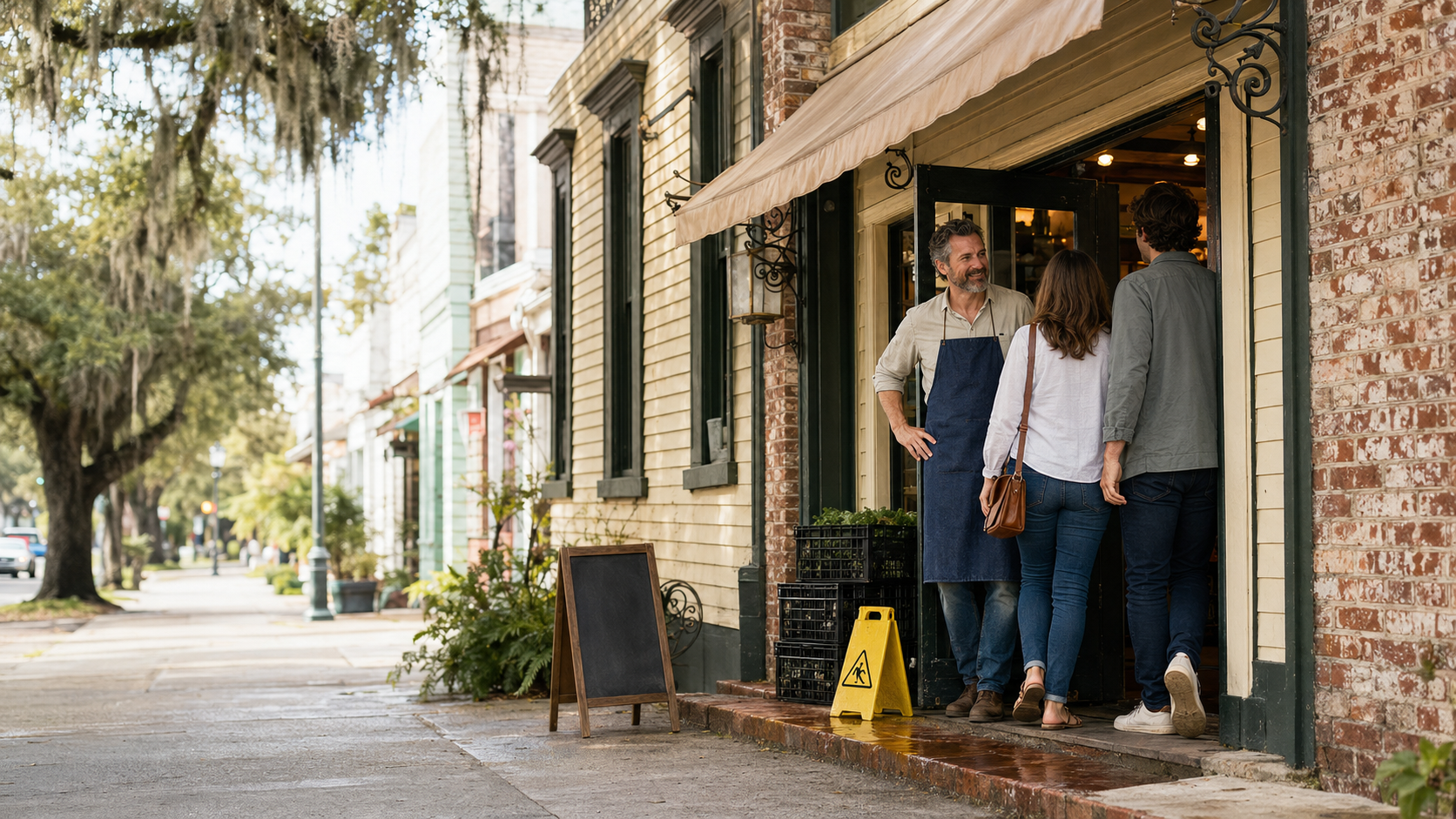
General liability covers third-party bodily injury and property damage claims. For restaurants, the most frequent claims involve slip-and-fall injuries, foodborne illness, and damage to a customer's personal property. A patron trips over a loose floor mat, breaks a wrist, and sues for medical costs and pain and suffering. Your GL policy responds to that.
Standard policies carry $1 million per occurrence and $2 million aggregate limits, but busy restaurants should consider higher limits. Restaurants are among the top five industries for slip-and-fall claims, and settlements regularly exceed $50,000. An umbrella policy can extend your limits without dramatically increasing your premium.
One common mistake: assuming GL covers everything. It doesn't cover employee injuries (that's workers' comp), alcohol-related incidents (that's liquor liability), or your own property damage (that's commercial property). Each gap needs its own solution.
Commercial Property: Securing Your Building and Contents
Commercial property insurance covers your building (if you own it), equipment, furniture, signage, and inventory against perils like fire, windstorm, theft, and vandalism. In Louisiana, flood and hurricane damage typically require separate policies or endorsements, which is a critical distinction that catches many operators off guard.
Your policy should cover replacement cost, not actual cash value. The difference matters: replacement cost pays what it takes to buy new equipment, while actual cash value depreciates your 10-year-old commercial oven down to a fraction of what a new one costs. Working with a local agency like Chabert Insurance: The Ehrhardt Agency can help you get the valuation right, especially given Louisiana's unique storm exposure.
Specialized Food Service Risks: Spoilage and Liquor Liability
Beyond the basics, restaurants face risks that other businesses simply don't. Serving alcohol and storing large quantities of perishable food create exposures that standard policies won't cover without specific endorsements or standalone policies.
Liquor Liability: Managing Alcohol-Related Incidents
If you serve, sell, or allow alcohol consumption on your premises, you need liquor liability coverage. Louisiana's dram shop laws hold establishments liable when an intoxicated patron causes injury or property damage after being served. Several states have updated their liquor liability statutes in 2026, reflecting a broader trend toward stricter enforcement.
Liquor liability is excluded from standard GL policies. You'll need either a separate liquor liability policy or an endorsement added to your GL. The cost depends on your alcohol sales as a percentage of total revenue: a bar-heavy restaurant pays significantly more than a family dining spot that serves the occasional glass of wine.
Training your staff through programs like TIPS or ServSafe Alcohol can reduce your premiums and, more importantly, reduce the likelihood of a claim. Insurers reward proactive risk management.
Spoilage Coverage: Protecting Your Inventory Investment
A power outage lasting 48 hours can destroy $10,000 or more in perishable inventory. Spoilage coverage (sometimes called food contamination coverage) reimburses you for inventory lost due to equipment malfunction, power failure, or contamination.
Standard property policies often exclude or severely limit spoilage losses. A dedicated spoilage endorsement typically costs between $100 and $500 annually, which is a fraction of what a single loss event can cost. The endorsement usually covers mechanical breakdown of refrigeration equipment, power outages caused by covered perils, and contamination from a covered event.
Keep detailed inventory records. Insurers require documentation of what was lost and its value. Restaurants that can't prove their losses often receive reduced payouts. A simple weekly inventory log goes a long way during a claim.
Maintaining Operations: Equipment Breakdown and Business Income
Restaurant equipment works hard, and when it fails, the consequences ripple through every part of your operation. Pair that with the lost revenue during a forced closure, and you've got a financial crisis that can outlast the physical damage.
Equipment Breakdown: Beyond Standard Wear and Tear
Commercial ovens, walk-in coolers, HVAC systems, and POS terminals are the backbone of your operation. Equipment breakdown coverage (sometimes called boiler and machinery insurance) pays for repairs or replacement when mechanical, electrical, or pressure system failures occur. The hospitality sector faces elevated equipment risks due to the constant, heavy use these systems endure.
Standard property insurance covers damage from external events like fire or storms. It doesn't cover internal mechanical failure. When your walk-in compressor burns out on a Friday night in July, equipment breakdown coverage is what pays for the emergency repair and the spoiled food inside.
This coverage often includes the cost of temporary rental equipment, expediting expenses for rush repairs, and even the cost of a health department-mandated shutdown if equipment failure creates a food safety issue.
Business Income: Replacing Revenue During Forced Closures
Business income insurance (also called business interruption coverage) replaces lost revenue and covers ongoing expenses when a covered event forces you to close. Rent, loan payments, payroll for key employees, and utilities don't stop just because your dining room is gutted by a kitchen fire.
The coverage typically kicks in after a waiting period (usually 72 hours) and continues until you resume normal operations or reach your policy's time limit. Business income claims require thorough documentation of your revenue history and ongoing fixed expenses. Keep at least 12 months of financial records accessible at all times.
One nuance worth knowing: "extended business income" coverage continues paying after you reopen, recognizing that it takes time to rebuild your customer base. This extension can be the difference between surviving a major loss and closing permanently.
Meeting Legal Mandates: Workers' Compensation
Louisiana law requires workers' compensation coverage for virtually all employers, including restaurants with even a single employee. The penalties for non-compliance include fines, criminal charges, and personal liability for any workplace injuries.
Restaurant workers face above-average injury rates. Burns, cuts, repetitive strain injuries, and slips are daily hazards in kitchens and dining rooms. Workers' comp pays for medical treatment, rehabilitation, and a portion of lost wages for injured employees, regardless of fault. The 2026 State of the Line report shows that food service remains one of the higher-risk classification codes for workers' comp.
Your premium is based on your payroll, your classification code, and your experience modification rate (or "mod"). A clean claims history lowers your mod and your premiums. Investing in safety training, non-slip mats, cut-resistant gloves, and proper lifting techniques pays for itself through lower insurance costs and fewer disruptions.
Comparing Coverage Needs by Restaurant Type
Not every restaurant needs the same insurance package. Here's how coverage priorities shift based on your operation:
| Coverage | Quick Service | Full Service | Bar/Nightclub | Catering |
|---|---|---|---|---|
| General Liability | Required | Required | Required | Required |
| Commercial Property | Standard | Higher limits | Higher limits | Lower (often mobile) |
| Liquor Liability | Rarely needed | Usually needed | Essential | Depends on service |
| Spoilage | Moderate | High priority | Low priority | High priority |
| Equipment Breakdown | Important | Critical | Important | Important |
| Business Income | Moderate | High priority | High priority | Moderate |
| Workers' Comp | Required | Required | Required | Required |
| Commercial Auto | Rarely needed | Rarely needed | Rarely needed | Essential |
Catering operations should also carry commercial auto insurance and may need event-specific liability coverage. Bars and nightclubs typically pay the highest liquor liability premiums due to their alcohol-heavy revenue mix. The hospitality industry report from Baldwin breaks down these distinctions in greater detail.
Common Questions for Restaurant Owners
How much does restaurant insurance cost per year? Most small to mid-size restaurants pay between $3,000 and $12,000 annually for a comprehensive package. Cost depends on location, size, revenue, number of employees, and whether you serve alcohol.
Does my landlord's insurance cover my restaurant? No. Your landlord's policy covers the building structure, not your equipment, inventory, or liability. You need your own commercial policy.
Do I need liquor liability if I only serve beer and wine? Yes. Any alcohol service creates liability exposure. Beer and wine-only establishments typically pay lower premiums than those with full bar service, but the risk still exists.
What's the difference between spoilage coverage and equipment breakdown? Equipment breakdown pays to repair or replace the failed equipment. Spoilage coverage pays for the food lost because of the failure. You often need both.
Can I bundle all my restaurant coverages into one policy? A BOP bundles property and general liability. Liquor liability, workers' comp, and commercial auto are typically separate policies. An independent agent can package them from the same carrier for potential discounts.
Is business income coverage worth it for a small restaurant? Absolutely. Even a two-week closure can cost a small restaurant $20,000 to $40,000 in lost revenue and ongoing expenses. The coverage typically costs a few hundred dollars annually.
Before You Buy a Policy
Getting the right insurance for your restaurant means understanding your specific risks, not just checking boxes on a generic application. A fine dining establishment in New Orleans faces different exposures than a po'boy shop in Mandeville, and your coverage should reflect that.
Start by auditing your current policies against the coverages outlined above. Look for gaps, especially around spoilage, equipment breakdown, and business income, which are the three most commonly overlooked protections in food service. Review your limits annually as your revenue and equipment values change.
Working with a local agency that understands Louisiana's insurance market makes a real difference. Chabert Insurance: The Ehrhardt Agency specializes in helping food service operators build coverage packages that match their actual risk profile, not a one-size-fits-all template. Reach out for a policy review and make sure your restaurant is protected before the next unexpected event hits.
On this page
Fully licensed
Chabert Insurance: The Ehrhardt Agency is a fully licensed independent insurance agency serving individuals, families, and businesses across Louisiana and Mississippi.
From our offices in Mandeville and New Orleans, we proudly serve clients in Mandeville, Covington, New Orleans, Kenner, Metairie, Harahan, River Ridge, and Slidell, as well as the Westbank and St. Bernard Parish, and communities throughout Louisiana and Mississippi. As an independent agency, our team works with a wide range of top-rated carriers to provide personal and commercial coverage — home, auto, flood, commercial, life, and more — built around the real needs of the people and businesses we protect.
OTHER INSURANCE COVERAGE
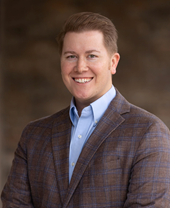
About the Author
Ryan J. Ehrhardt
Owner / Licensed Agent
I'm Ryan J. Ehrhardt, owner and licensed agent at Chabert Insurance: The Ehrhardt Agency. I lead our team across our Mandeville and New Orleans offices, and I work with families and business owners every day to find coverage that fits their lives. I believe insurance should be simple to understand, so I take the time to explain your options in plain language before you decide.
As an independent agent, I answer to you, not to a single carrier. That means I can shop your policy across many companies and focus on what protects you best. When you call our office, you reach a real person who knows your account. I would be glad to review your coverage and help you feel confident about it.

[CONFIRM name]
Google review · Mandeville office
Home, Auto, Flood, Commercial & Life Insurance
Insurance built around your life in Louisiana
We compare coverage across many carriers and build one program that protects everything you own.
Home Insurance
Cover the cost to rebuild your house, replace your belongings, and answer a liability claim against your household.
Auto Insurance
Protect your vehicles with liability, collision, and uninsured motorist limits that hold up after a serious Louisiana wreck.
Flood Insurance
Your homeowners policy excludes flood. We quote NFIP and private options for your building and its contents.
Commercial Insurance
Liability, property, workers' compensation, and commercial auto for Louisiana businesses, priced against how your company operates.
Life Insurance
Replace the income your family depends on, with term and permanent options priced across several carriers.
Umbrella Insurance
Add a layer of liability protection above your auto and home limits, usually for a modest premium.
Ruston
Baton Rouge
Mandeville
Gretna
Louisiana Home Insurance
Home insurance built around where you live
Home insurance is our specialty. We write homeowners policies across Louisiana and price them against the wind, hail, and flood risk in your parish.
Areas we cover
Commercial Insurance for Louisiana Businesses
Coverage that keeps your business running
We build commercial programs around how your company actually operates, then compare carriers on price and claim service.
General Liability
Covers claims of bodily injury or property damage that come from your day-to-day operations.
Commercial Property
Protects your building, equipment, and inventory against fire, storm, theft, and other covered losses.
Workers' Compensation
Pays medical care and lost wages when an employee is hurt on the job, as Louisiana requires.
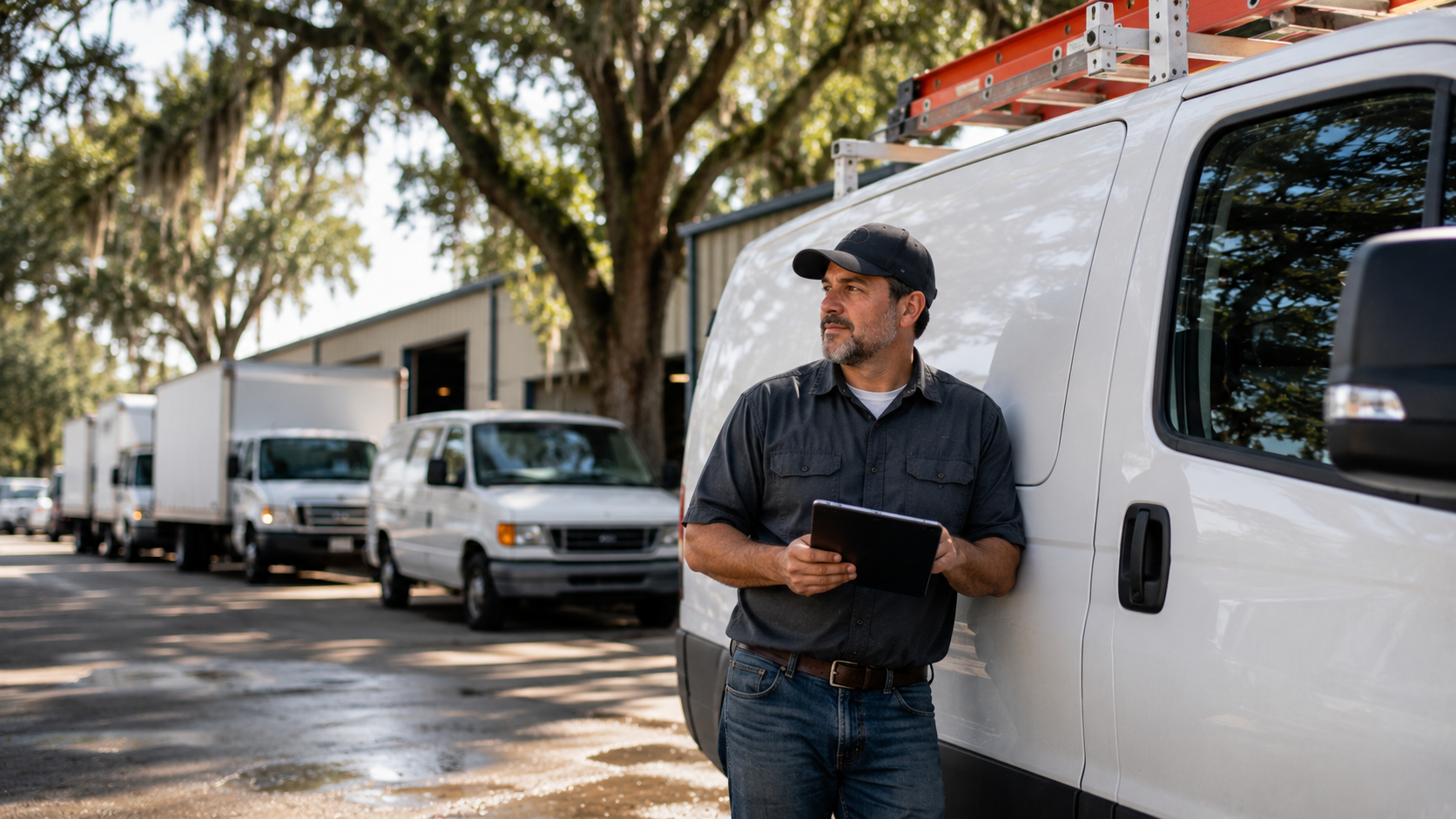
Commercial Auto
Covers the vehicles your business owns, along with the employees who drive them for work.
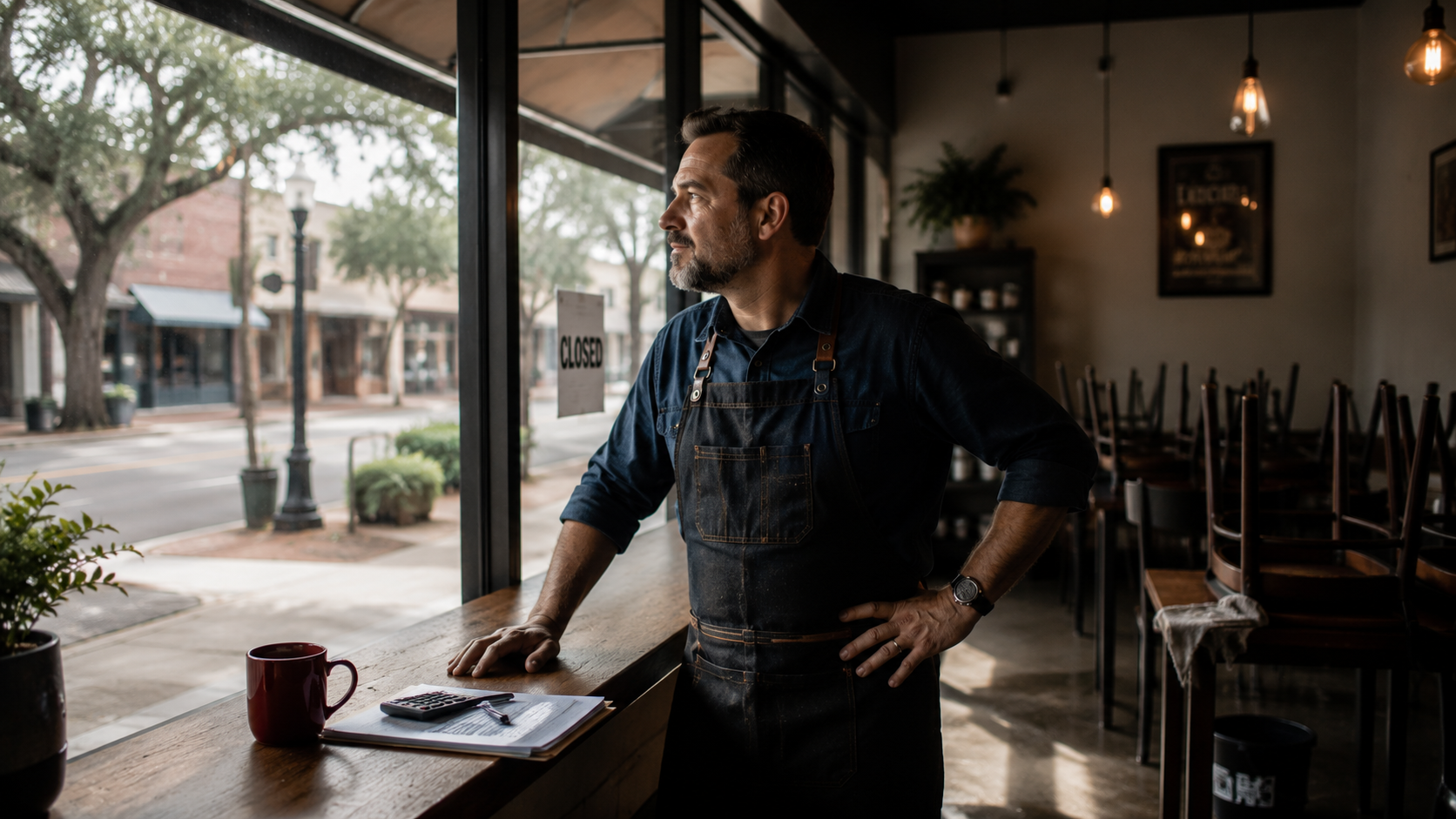
Professional Liability
Covers claims that your professional advice or services caused a client a financial loss.

Cyber Liability
Handles breach response, notification costs, and liability after customer data is exposed.
[CONFIRM name]
Google review · Mandeville office
Business Insurance by Industry
Specialized coverage for your line of work
Every trade carries its own risks. We know the coverage these Louisiana businesses need and where the gaps usually sit.
Plumbers
Liability, tools, and commercial auto coverage built for water damage claims and job-site risk.
Restaurants
Property, liquor liability, and spoilage coverage for kitchens, dining rooms, and your staff.
Real Estate Investors
Landlord property, liability, and vacancy coverage for rentals, flips, and multi-unit buildings.
[CONFIRM name]
Google review · Mandeville office
How to Get Insured in 4 Steps
Getting covered is simple
You talk to a licensed agent from the first call to the annual review.
1
Tell us about you
Share what you want to protect. A licensed agent asks about your home, vehicles, family, or business and gathers the details carriers need.
2
We shop our carriers
We compare options across the markets we represent and look at price, coverage limits, and how each carrier handles claims.
3
Review your choices
We explain coverage and price in plain language, side by side, so you can see the trade-offs before you choose.
4
Get covered
Your policy starts, you get your documents, and we review the coverage with you each year.
5-Star Rated by Louisiana Clients
What our clients say
Louisiana families and business owners rate us 5 stars for clear advice and fast answers.
139+ five-star reviews across our Mandeville and New Orleans offices