
Most homeowners assume their property is safe from flooding simply because their mortgage lender never required a flood policy. That assumption costs thousands of families real money every year, especially in Louisiana, where a single afternoon thunderstorm can overwhelm drainage systems in neighborhoods that sit well outside any high-risk flood map. Whether you own a home in Mandeville or rent in New Orleans, understanding what your flood zone designation actually means, how often claims originate from low-risk areas, and what preferred risk coverage costs can help you make a smarter decision about protecting your property.
The question of whether you need flood insurance outside a mapped flood zone comes up constantly, and the short answer is that your zone label tells only part of the story. Flood maps capture historical data and modeled probabilities, but water doesn't read maps. Roughly 25% of all NFIP flood claims come from properties outside high-risk zones, which means one in four flooded homes belonged to someone who probably thought they didn't need coverage. The cost of a preferred risk policy is a fraction of what you'd pay out of pocket for even minor water damage, and the math usually favors buying it.
Understanding Zone X and Moderate-to-Low Risk Areas
FEMA's flood maps divide the country into zones based on estimated flood probability. If your property sits in Zone X, you're classified as having a moderate-to-low risk of flooding. That sounds reassuring, but the label itself hides some important distinctions that affect how vulnerable your home actually is.
The Difference Between Zone X (Shaded) and Zone X (Unshaded)
Zone X isn't a single category. FEMA splits it into two versions, and the difference matters more than most homeowners realize.
Zone X (Shaded) represents areas with a 0.2% to 1% annual chance of flooding. That's sometimes called the 500-year floodplain. Properties here face a real, measurable risk: just not one high enough to trigger mandatory insurance requirements from most lenders.
Zone X (Unshaded) sits outside both the 100-year and 500-year floodplains. FEMA considers these areas minimal risk. But "minimal" is doing a lot of heavy lifting in that sentence. Local drainage failures, rapid development upstream, and increasingly intense rainfall patterns can all push water into areas that FEMA's models didn't flag.
Why 'Non-Special Flood Hazard Area' Doesn't Mean Zero Risk
The term "Non-Special Flood Hazard Area" (or non-SFHA) creates a false sense of security. It means your property isn't in the highest-risk category, not that flooding can't happen there.
FEMA flood maps are updated on a rolling basis, and many areas of Louisiana are working with maps that don't fully account for recent development, subsidence, or changing weather patterns. A neighborhood that was legitimately low-risk a decade ago may sit in a very different position today. FEMA's Risk Rating 2.0 methodology now incorporates factors like distance to a water source, flood frequency, and building characteristics, which gives a more granular picture than older zone-based maps alone.
If you live in the Greater New Orleans area, you already know that pump stations and levee systems play a huge role in keeping neighborhoods dry. Those systems reduce risk, but they don't eliminate it. A pump failure during a heavy rain event can flood streets in Zone X just as quickly as a storm surge hits Zone A.
The Reality of Out-of-Zone Flood Claims
The data on flood claims outside high-risk zones tells a story that surprises most homeowners. Flooding doesn't respect the boundaries drawn on FEMA maps, and the financial consequences hit just as hard whether your zone label says A or X.
Statistical Data on Claims Outside High-Risk Zones
Over the life of the National Flood Insurance Program, properties outside Special Flood Hazard Areas have generated a significant share of total claims. NFIP data shows that roughly one-quarter of all flood insurance claims and about one-third of federal disaster assistance for flooding go to properties in moderate-to-low risk zones.
Those numbers aren't a fluke. They reflect a consistent pattern: flooding happens in places people don't expect it. In Louisiana specifically, localized flash flooding from intense summer storms is one of the most common triggers, and it can hit any neighborhood regardless of its FEMA designation.
Common Causes of Flooding in Low-Risk Areas
High-risk zones are typically near rivers, coastlines, or known drainage channels. But flooding in Zone X areas usually has different causes:
- Overwhelmed storm drainage systems during heavy rainfall
- New construction upstream that increases runoff into established neighborhoods
- Aging infrastructure that can't handle current precipitation levels
- Levee or pump station failures during extended rain events
- Sewer backups that push water into homes through the lowest entry points
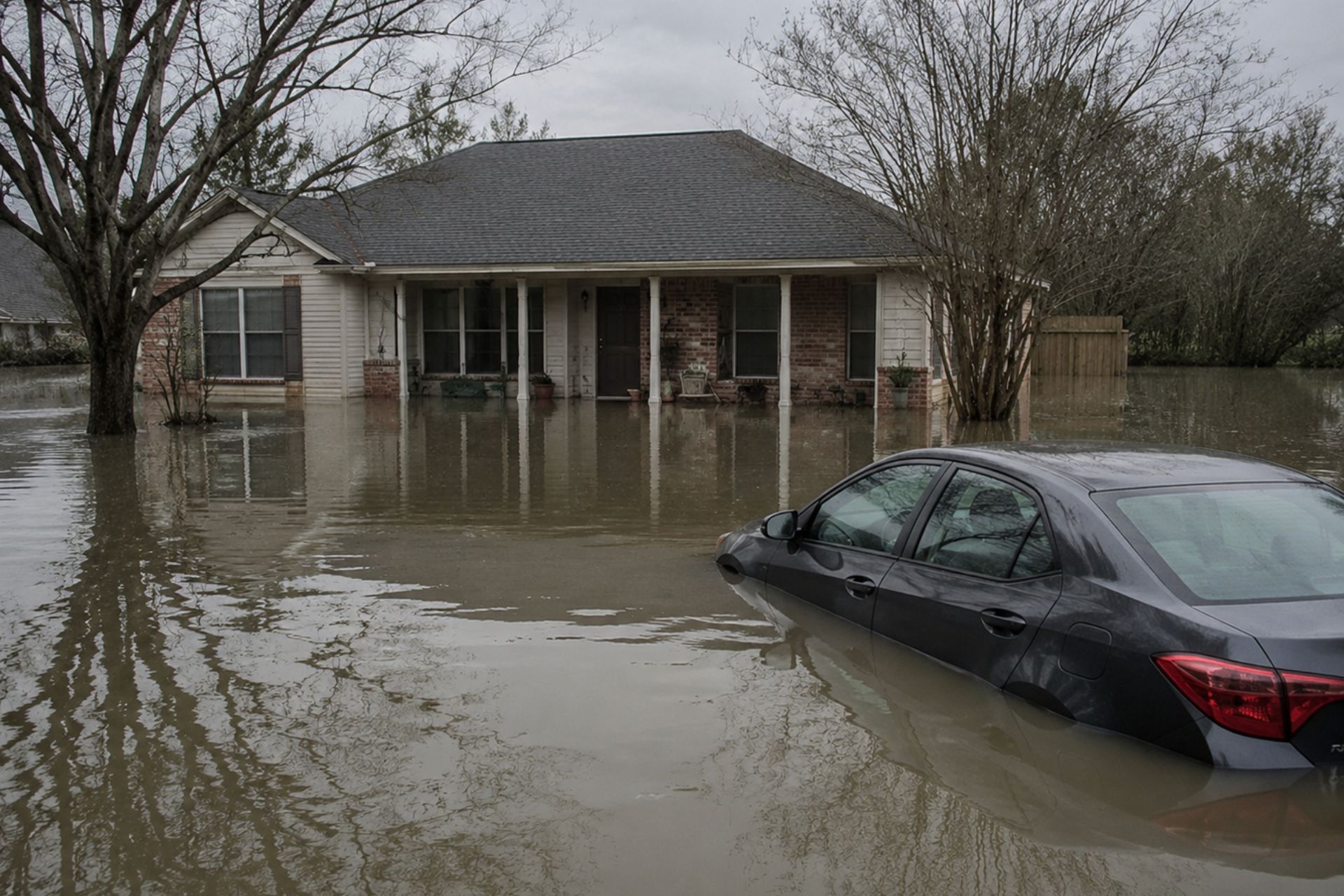
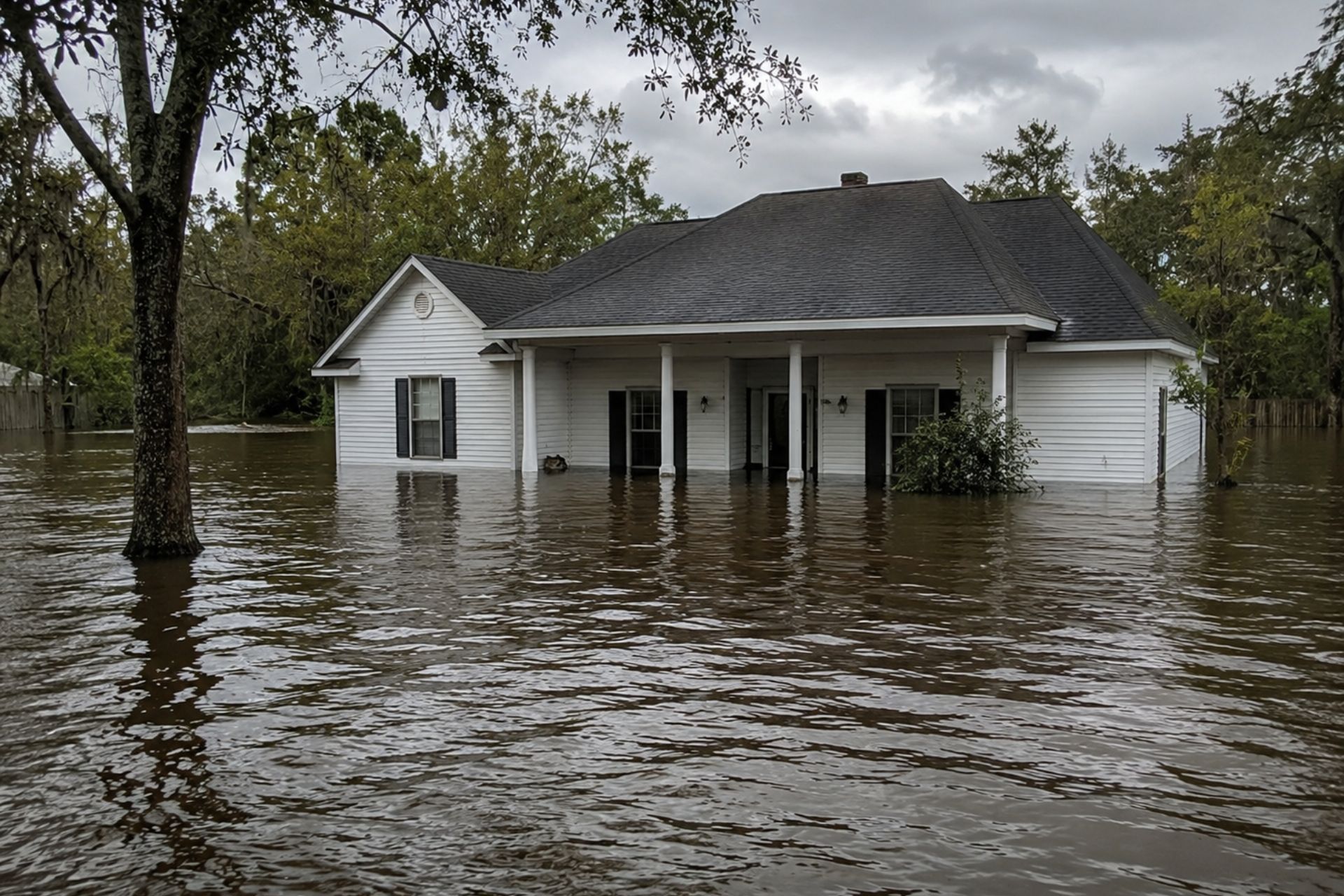
In the New Orleans metro, many of these factors overlap. A home in Lakeview or Old Metairie might sit in Zone X but still face real exposure from any combination of these causes. The August 2016 floods in Baton Rouge and surrounding parishes demonstrated this vividly: many of the hardest-hit homes were in areas with no mandatory flood insurance requirement.
Comparing Flood Coverage: High-Risk vs. Preferred Risk
If you're in a high-risk zone, your lender requires flood insurance and you'll pay rates based on your specific risk profile under Risk Rating 2.0. If you're in Zone X, you're eligible for a Preferred Risk Policy (PRP) through the NFIP, which offers similar coverage at a significantly lower cost.
Comparison Table: SFHA vs. Preferred Risk Policy (PRP) Features
| Feature | SFHA (High-Risk) Policy | Preferred Risk Policy (Zone X) |
|---|---|---|
| Required by lender? | Yes | No |
| Max building coverage | $250,000 | $250,000 |
| Max contents coverage | $100,000 | $100,000 |
| Average annual premium | $800-$3,000+ | $300-$600 |
| Deductible options | $1,000-$10,000 | $1,000-$10,000 |
| 30-day waiting period | Yes (with exceptions) | Yes |
| Elevation Certificate impact | Can significantly reduce rate | May reduce rate |
The coverage limits are identical between the two policy types. The main difference is price. A homeowner in Zone X can get the same $250,000 in building coverage and $100,000 in contents coverage that a high-risk policyholder gets, but at a fraction of the annual cost.
The Cost of Peace of Mind: Preferred Risk Premiums
One of the biggest reasons homeowners in Zone X skip flood insurance is the assumption that it's expensive. The reality is that preferred risk premiums are among the most affordable insurance products available.
Average Annual Costs for Homeowners and Renters
For homeowners in Zone X, NFIP preferred risk policies typically run between $300 and $600 per year for full building and contents coverage. That breaks down to roughly $25 to $50 per month. Renters can get contents-only coverage for even less, often under $100 annually.
Compare that to the cost of flood damage itself. Even a few inches of standing water in a home can cause restoration costs ranging from $3,000 to $15,000 or more, depending on the extent of the damage and whether mold remediation is needed. A single flood event without insurance can easily cost 10 to 30 years' worth of preferred risk premiums.
Factors That Influence Your Specific Rate
Under FEMA's Risk Rating 2.0, your premium isn't based solely on your flood zone. The rating system now considers:
- Your property's elevation relative to nearby flood sources
- The distance to rivers, lakes, coastlines, or drainage channels
- Historical flood frequency in your specific area
- Your home's foundation type and first-floor height
- Replacement cost of the structure
One practical step that can lower your rate: providing an Elevation Certificate. Even under Risk Rating 2.0, an EC can reduce annual premiums by $500 to $1,000 for some properties. If you're working with a local agency like Chabert Insurance: The Ehrhardt Agency, they can help you determine whether obtaining an EC makes financial sense for your specific property.
Common Questions About Non-Mandatory Flood Insurance
FAQ: Do I really need flood insurance if my lender doesn't require it?
Your lender's requirements are based on federal regulations, not on your actual flood risk. A lender only requires flood insurance if your property is in a Special Flood Hazard Area. Properties in Zone X face real flood risk, and one in four NFIP claims comes from outside high-risk zones. The decision should be based on your exposure, not your lender's mandate.
FAQ: Will my standard homeowners policy cover water damage from a storm?
No. Standard homeowners insurance covers water damage from internal sources like burst pipes, but it specifically excludes flood damage. Flood damage is defined as water that enters your home from outside, whether from rising water, storm surge, or overflowing drainage. You need a separate flood policy for that coverage.
FAQ: How long does it take for a new flood policy to become active?
NFIP policies have a standard 30-day waiting period before coverage takes effect. You can't buy a policy when a storm is approaching and expect it to cover damage from that event. That's why buying during a calm period, before hurricane season or heavy rain, is the smartest move. There are limited exceptions to the waiting period, such as when purchasing in connection with a new mortgage.
FAQ: Can I get flood insurance if I've already had a claim in Zone X?
Yes. Having a prior flood claim doesn't disqualify you from purchasing NFIP coverage. However, your premium may be higher than a standard preferred risk rate, particularly if your property has had multiple claims or repetitive losses. An experienced local agent can help you shop both NFIP and private flood options to find the best rate.
Making the Right Choice for Your Property
The question isn't really whether you can afford flood insurance in Zone X. It's whether you can afford not to have it. At $300 to $600 a year, a preferred risk policy costs less than most people spend on streaming subscriptions, and it protects what is likely your largest financial asset.
If you're in the New Orleans or Mandeville area, your flood risk is shaped by local drainage infrastructure, elevation, and weather patterns that don't always show up on a FEMA map. A local agency with deep knowledge of Louisiana's insurance market, like Chabert Insurance: The Ehrhardt Agency, can walk you through your specific risk factors, compare NFIP and private flood options, and help you secure coverage that fits your budget.
Don't wait for a named storm to start this conversation. The 30-day waiting period means the best time to buy is right now, while the sun is shining and the premiums are at their lowest. Reach out to a local agent, get a quote, and give yourself one less thing to worry about when the next heavy rain rolls through.

About the Author
Ryan J. Ehrhardt
Owner / Licensed Agent
I'm Ryan J. Ehrhardt, owner and licensed agent at Chabert Insurance: The Ehrhardt Agency. I lead our team across our Mandeville and New Orleans offices, and I work with families and business owners every day to find coverage that fits their lives. I believe insurance should be simple to understand, so I take the time to explain your options in plain language before you decide.
As an independent agent, I answer to you, not to a single carrier. That means I can shop your policy across many companies and focus on what protects you best. When you call our office, you reach a real person who knows your account. I would be glad to review your coverage and help you feel confident about it.
Recent Posts