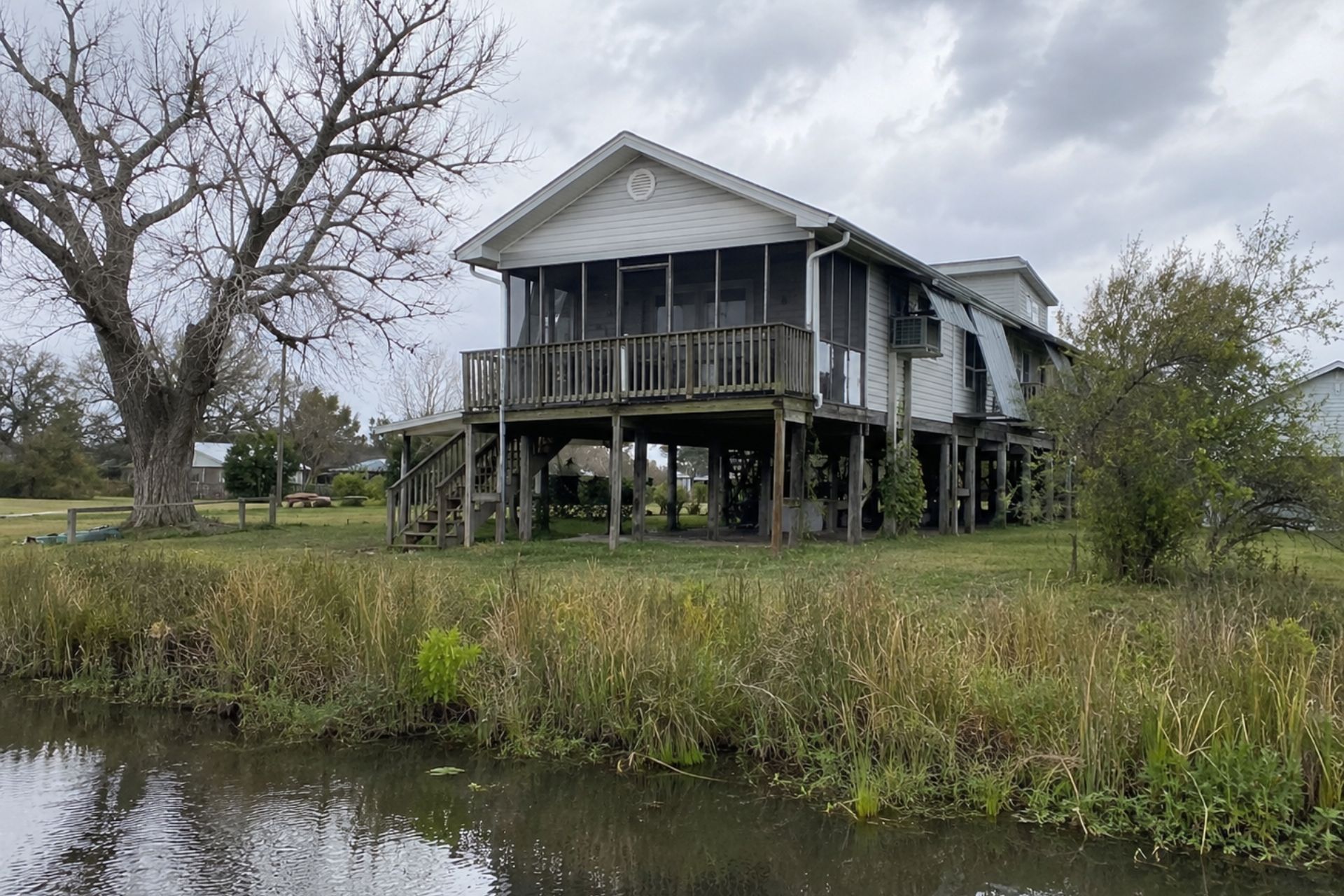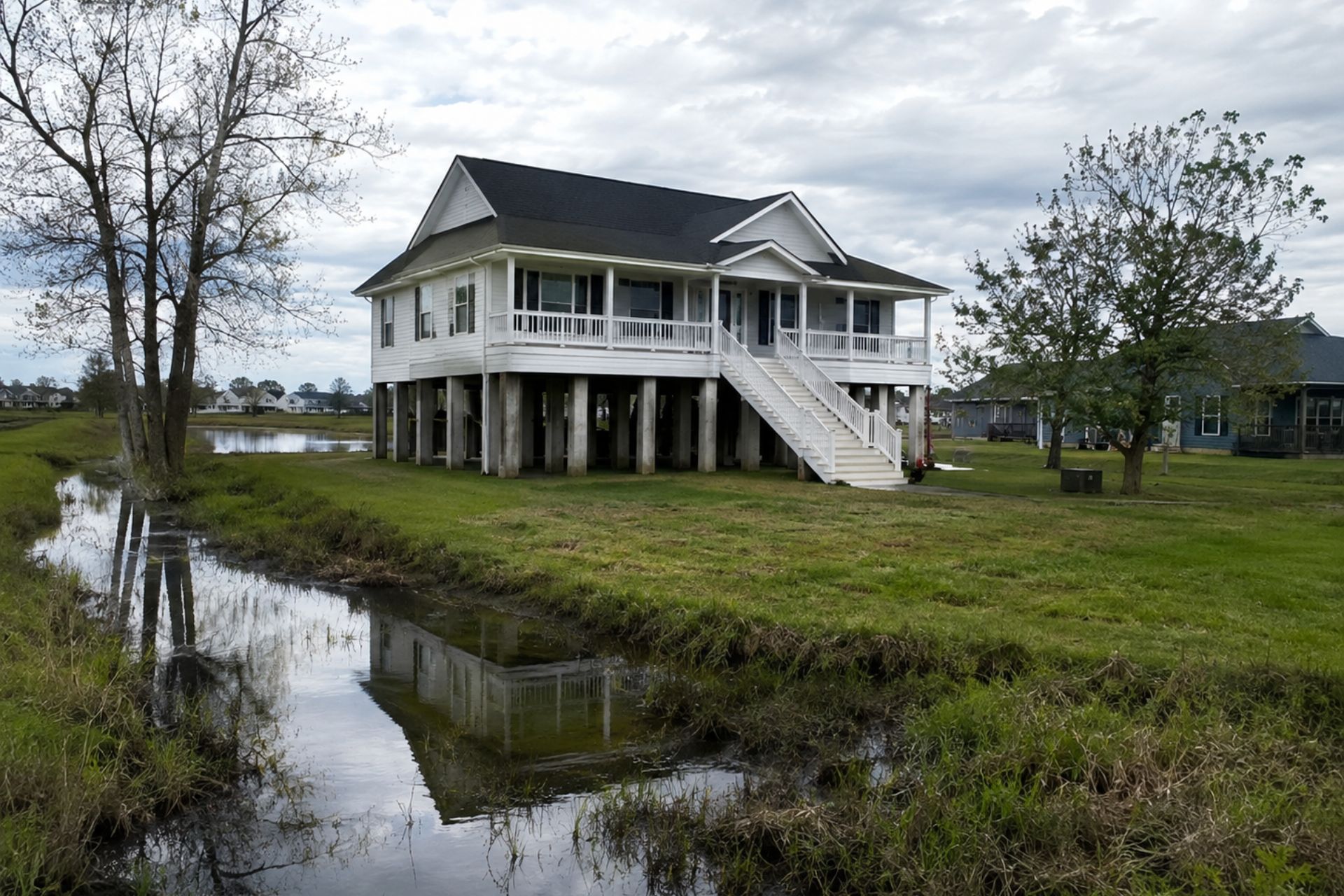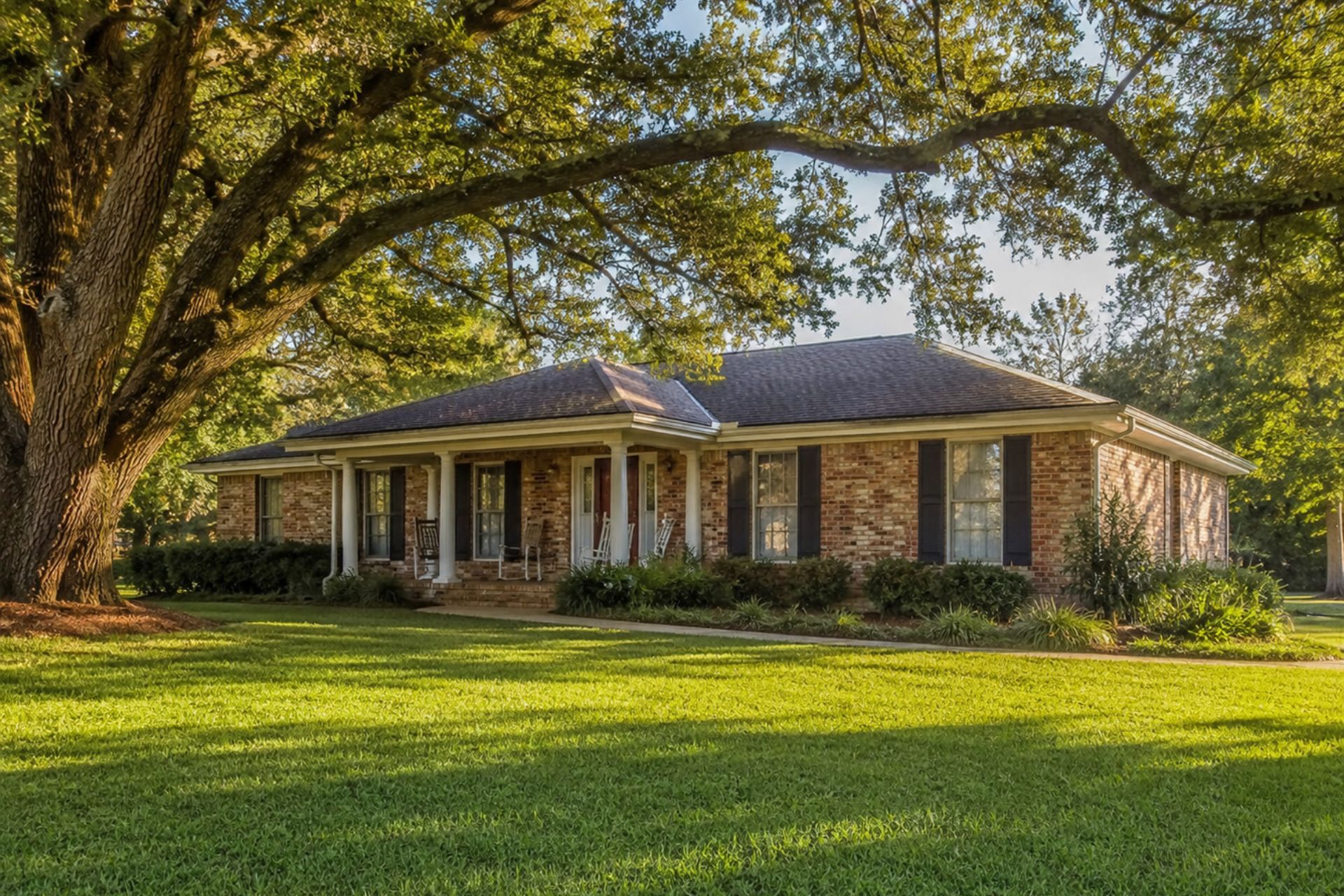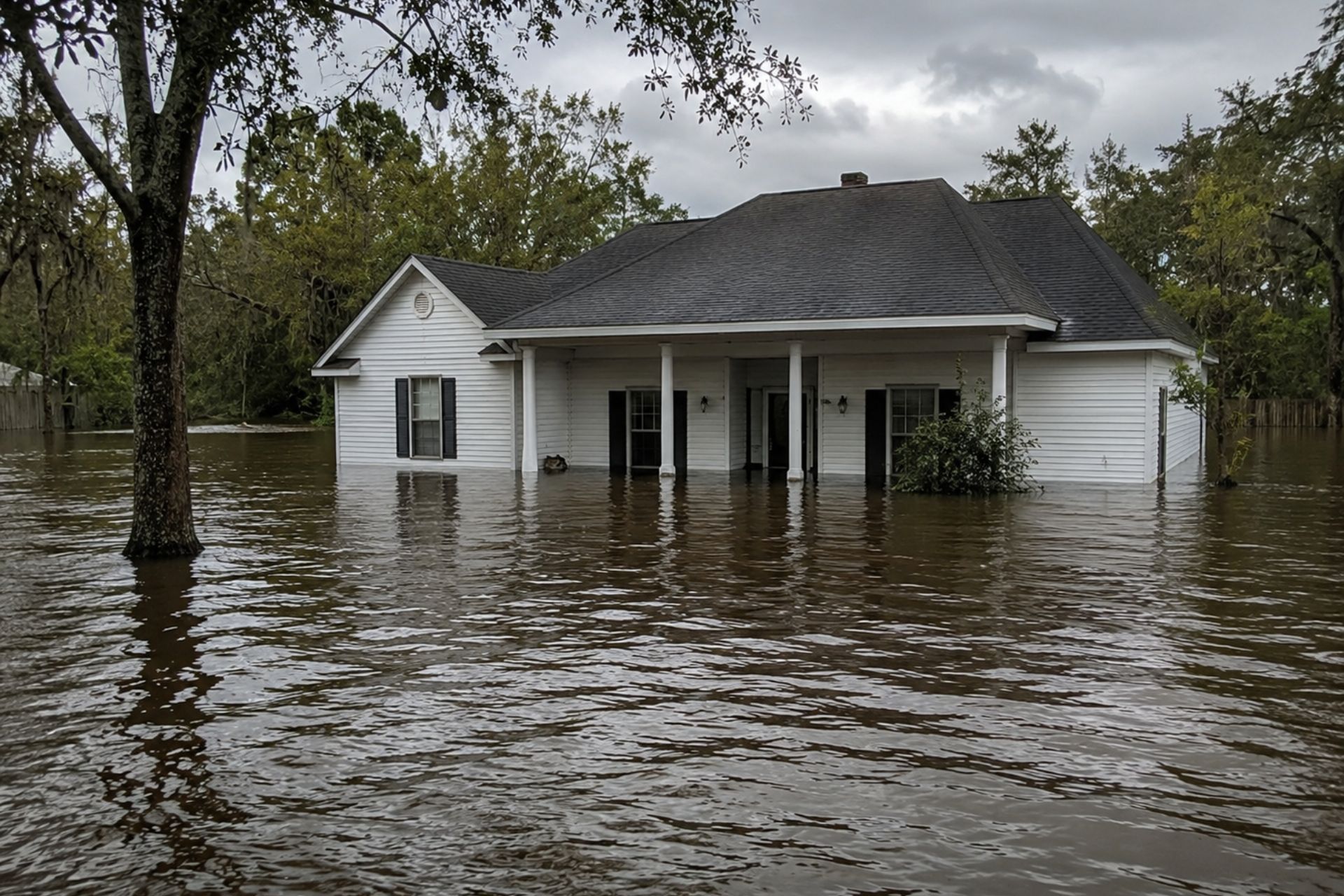

Louisiana homeowners pay some of the highest insurance premiums in the country, and for good reason. Hurricanes, flooding, and severe thunderstorms put properties here at constant risk. The average homeowners insurance premium in Louisiana sits at roughly $3,700 per year, which is 55% higher than the national average. That price tag makes it critical to understand exactly what your policy does and doesn't cover. Knowing the specifics of dwelling coverage, personal property protection, liability, loss of use, and the wind and water exclusions that every Louisiana policy carries can mean the difference between a smooth recovery and a financial disaster after a storm. Whether you own a raised cottage in Lakeview or a ranch-style home on the Northshore, your policy has layers worth understanding before you ever file a claim.
The Core Components of a Louisiana Homeowners Policy
A standard HO-3 policy in Louisiana follows the same general framework used across the country, but the details shift based on local risk. Your policy is built around four main pillars: dwelling coverage, personal property, liability, and loss of use. Each one protects a different piece of your financial life, and gaps in any single area can leave you exposed.
Most Louisiana insurers write HO-3 policies on an "open peril" basis for the dwelling itself, meaning your home's structure is covered against all risks unless the policy specifically excludes them. Personal property, on the other hand, is typically covered on a "named peril" basis, meaning only the dangers listed in the policy trigger coverage. This distinction matters more than most homeowners realize, especially in a state where certain perils like flooding are excluded entirely.
Protecting the Structure: Dwelling and Other Structures Coverage
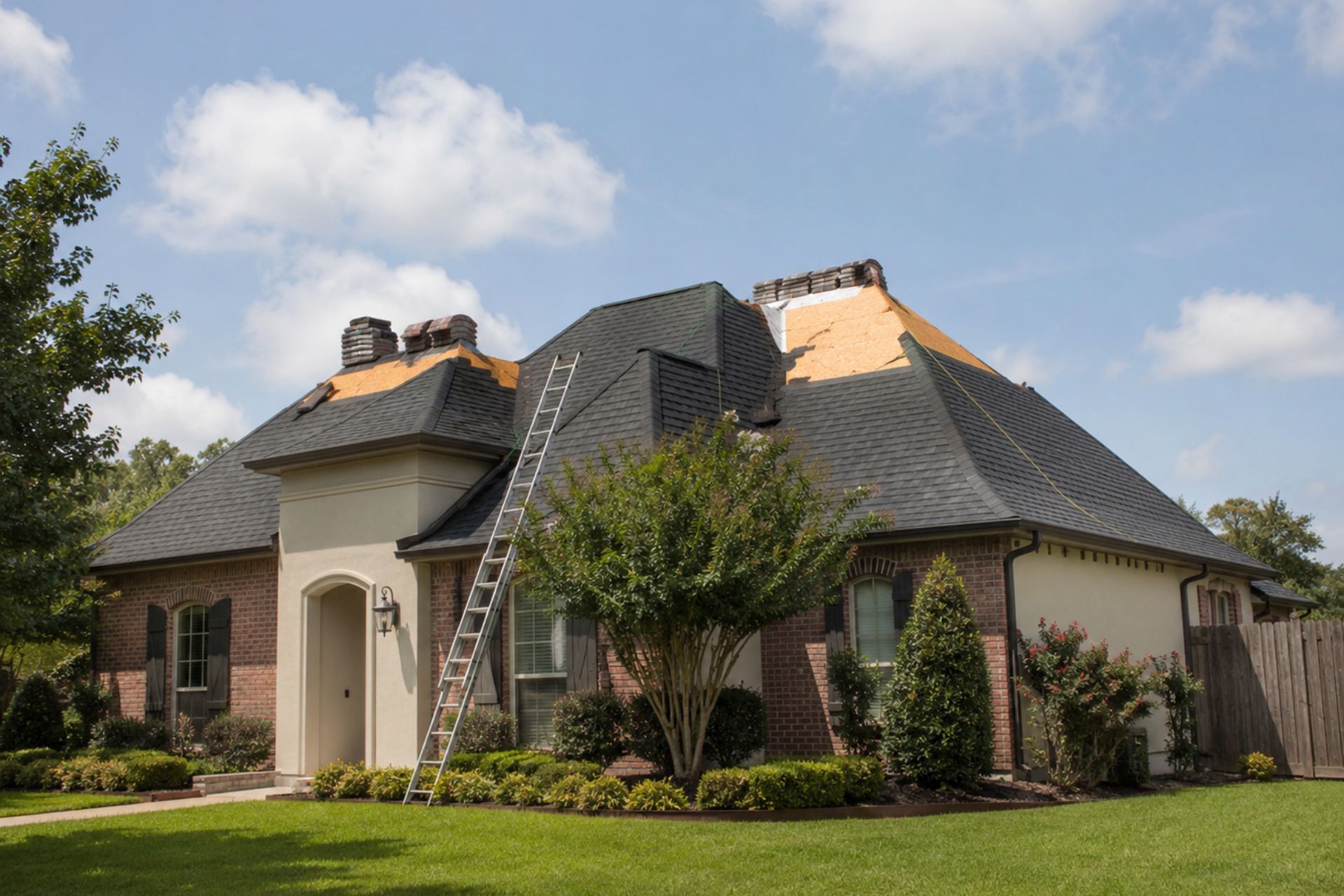
Dwelling coverage, listed as Coverage A on your declarations page, pays to repair or rebuild your home if it's damaged by a covered event. This includes the walls, roof, built-in appliances, and attached structures like a garage. Your policy should reflect the full replacement cost of your home, not its market value. A 2,000-square-foot home in Mandeville might cost $250,000 to rebuild at 2026 construction prices, even if the market value is lower.
Coverage B protects "other structures" on your property: detached garages, fences, sheds, and pool houses. This is typically set at 10% of your dwelling limit. So if your dwelling coverage is $300,000, you'd have $30,000 for other structures. One common mistake homeowners make is underestimating rebuild costs after a hurricane season drives up lumber and labor prices. If you haven't updated your dwelling limit recently, you might be underinsured without knowing it.
Personal Property and Loss of Use: Your Belongings and Temporary Living Costs
Coverage C protects your personal belongings: furniture, electronics, clothing, and appliances. Standard policies set this at 50% to 70% of your dwelling coverage. If a kitchen fire destroys your living room furniture and electronics, Coverage C steps in. But there are sub-limits on certain categories. Jewelry is often capped at $1,500, and firearms at $2,500, unless you purchase a scheduled rider.
Coverage D, known as loss of use, covers your additional living expenses if your home becomes uninhabitable after a covered loss. This means hotel bills, restaurant meals above your normal food budget, and other costs you wouldn't have if you were living at home. After Hurricane Ida in 2021, many families in the New Orleans metro area relied on loss of use coverage for months while their homes were repaired. Many homeowners don't realize this coverage exists until they need it, and by then, knowing the limits on your policy becomes urgent.
Personal Liability and Medical Payments to Others
Coverage E provides personal liability protection if someone is injured on your property or if you accidentally cause damage to someone else's property. A standard Louisiana policy includes $100,000 in liability, though most agents recommend at least $300,000. If a guest trips on your front steps and breaks a wrist, your liability coverage handles the medical bills and any legal costs if they sue.
Coverage F covers medical payments to others, typically up to $5,000 per person, regardless of fault. This is a goodwill provision designed to handle minor injuries without a lawsuit. It's a small but valuable piece of the policy that keeps small incidents from becoming expensive legal disputes.
Navigating Louisiana's Unique Wind and Hail Deductibles
Wind damage is the single biggest claim driver in Louisiana. Because of this, insurers treat wind and hail deductibles differently than your standard all-peril deductible. Understanding how these work before hurricane season can save you from a painful financial surprise.
Hurricane vs. Named Storm Deductibles
Your policy likely has two separate deductibles for wind events. A hurricane deductible applies when the National Weather Service declares a hurricane, while a named storm deductible kicks in for any tropical storm or hurricane that receives an official name. The named storm deductible is broader and triggers more easily. Some policies use one or the other; some use both. Check your declarations page carefully.
The distinction matters because a tropical storm that never reaches hurricane strength can still cause significant wind damage. If your policy only has a hurricane deductible, your standard deductible applies to tropical storm damage. But if it has a named storm deductible, the higher percentage-based deductible applies to any named system. Louisiana homeowners are often caught off guard by these coverage gaps during active hurricane seasons.
How Percentage-Based Deductibles Impact Your Out-of-Pocket Costs
Unlike your standard deductible, which might be a flat $1,000 or $2,500, hurricane and named storm deductibles are calculated as a percentage of your dwelling coverage. A 2% hurricane deductible on a $300,000 home means you're responsible for the first $6,000 of wind damage. A 5% deductible on the same home jumps to $15,000 out of pocket.
These percentages typically range from 2% to 5%, though some policies go higher. The lower the percentage, the higher your annual premium. This is one area where working with a local agency like Chabert Insurance: The Ehrhardt Agency pays off. An experienced agent can walk you through the trade-offs between a lower deductible and a manageable premium, based on your home's specific risk profile and location.
Navigating Louisiana's Unique Wind and Hail Deductibles
Wind damage is the single biggest claim driver in Louisiana. Because of this, insurers treat wind and hail deductibles differently than your standard all-peril deductible. Understanding how these work before hurricane season can save you from a painful financial surprise.
Hurricane vs. Named Storm Deductibles
Your policy likely has two separate deductibles for wind events. A hurricane deductible applies when the National Weather Service declares a hurricane, while a named storm deductible kicks in for any tropical storm or hurricane that receives an official name. The named storm deductible is broader and triggers more easily. Some policies use one or the other; some use both. Check your declarations page carefully.
The distinction matters because a tropical storm that never reaches hurricane strength can still cause significant wind damage. If your policy only has a hurricane deductible, your standard deductible applies to tropical storm damage. But if it has a named storm deductible, the higher percentage-based deductible applies to any named system. Louisiana homeowners are often
caught off guard by these coverage gaps during active hurricane seasons.
How Percentage-Based Deductibles Impact Your Out-of-Pocket Costs
Unlike your standard deductible, which might be a flat $1,000 or $2,500, hurricane and named storm deductibles are calculated as a percentage of your dwelling coverage. A 2% hurricane deductible on a $300,000 home means you're responsible for the first $6,000 of wind damage. A 5% deductible on the same home jumps to $15,000 out of pocket.
These percentages typically range from 2% to 5%, though some policies go higher. The lower the percentage, the higher your annual premium. This is one area where working with a local agency like Chabert Insurance: The Ehrhardt Agency pays off. An experienced agent can walk you through the trade-offs between a lower deductible and a manageable premium, based on your home's specific risk profile and location.
The Water Exclusion: Why You Need Separate Flood Insurance
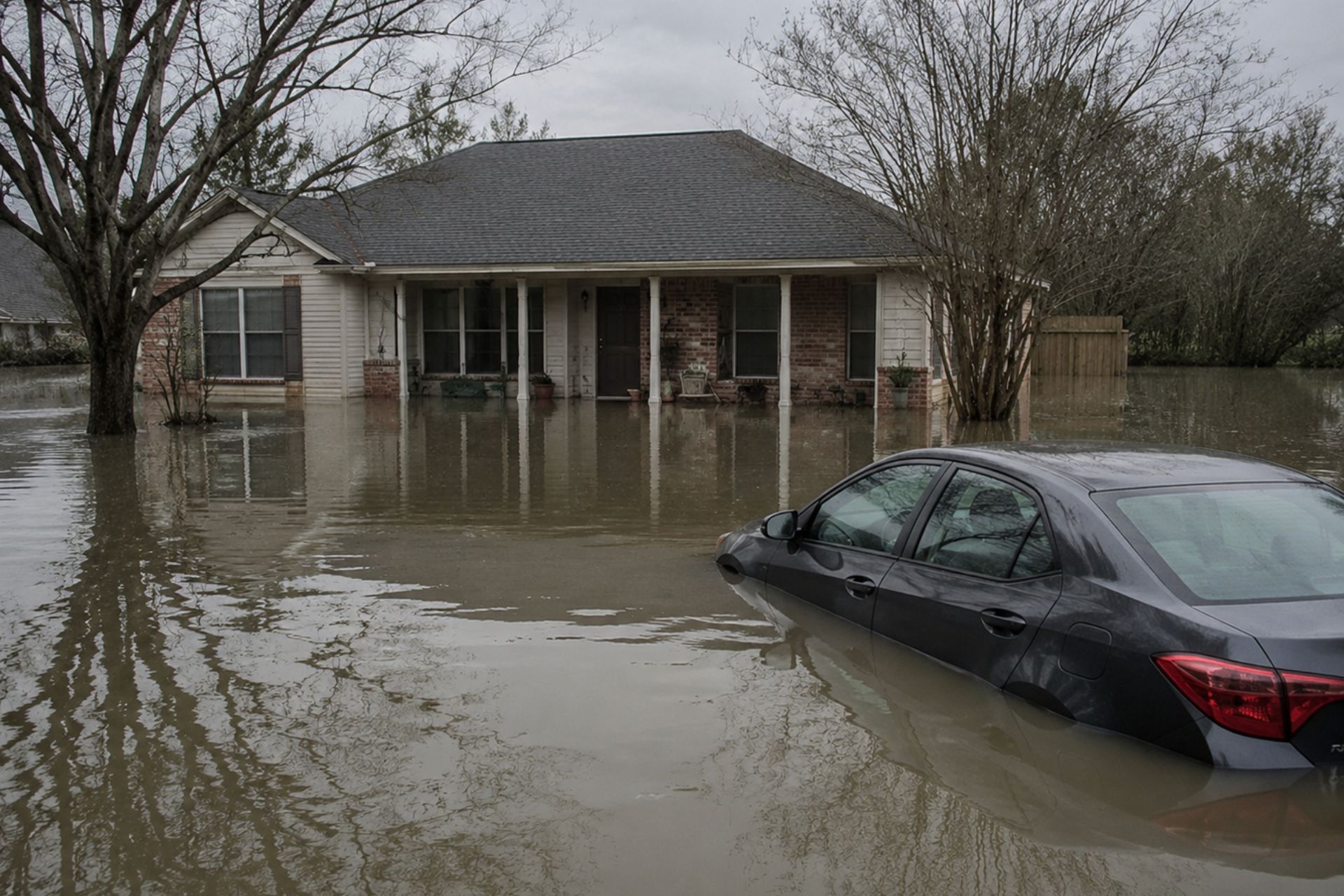
Here's the coverage gap that catches more Louisiana homeowners than any other: standard homeowners insurance does not cover flood damage. Period. Rising water from storm surge, overflowing rivers, heavy rainfall, and even broken levees are all excluded from your HO-3 policy. Wind and water damage from the same storm are treated as entirely separate perils, which creates real headaches during claims.
Flood insurance is available through the National Flood Insurance Program or through private carriers. NFIP policies cap at $250,000 for dwelling coverage and $100,000 for contents. If your home is worth more, you'll need a private excess flood policy to fill the gap. Even if you don't live in a high-risk flood zone, consider that roughly 25% of all NFIP claims come from properties outside designated flood zones. Louisiana homeowners should treat flood insurance as essential, not optional.
After major storms, disputes often arise over whether damage was caused by wind or water. Insurers may attribute roof damage to wind (covered) but deny interior water damage as flooding (excluded). Having both a homeowners policy and a flood policy eliminates much of this gray area and protects you from both directions.
Comparison: Standard Coverage vs. Louisiana-Specific Requirements
Coverage Comparison Table
| Coverage Type | Standard HO-3 Policy | Louisiana-Specific Considerations |
|---|---|---|
| Dwelling (A) | Replacement cost for structure | Must account for post-hurricane construction cost spikes |
| Other Structures (B) | 10% of dwelling limit | Fences and sheds vulnerable to wind; verify limits |
| Personal Property (C) | 50-70% of dwelling; named perils | Sub-limits on jewelry, electronics; consider riders |
| Loss of Use (D) | Additional living expenses | Extended displacement common after hurricanes |
| Liability (E) | $100,000 standard | Recommend $300,000+ minimum |
| Medical Payments (F) | $1,000-$5,000 per person | Standard across states |
| Wind/Hail Deductible | Flat dollar amount | Percentage-based (2-5% of dwelling) |
| Flood Coverage | Excluded | Must purchase separately through NFIP or private carrier |
| Hurricane Deductible | Not applicable in most states | Separate deductible triggered by declared hurricanes |
Louisiana's insurance market has shown signs of stabilization after recent reform efforts, but premiums remain among the highest in the nation. The state has also introduced discount programs for fortified roofs and wind mitigation upgrades that can meaningfully reduce your annual costs.
Common Questions About Louisiana Home Insurance
Does my homeowners policy cover hurricane damage? Your policy covers wind damage from hurricanes, but not flooding caused by storm surge or rising water. You'll need a separate flood insurance policy for water damage.
What's the difference between a hurricane deductible and my regular deductible? Your regular deductible is a flat dollar amount. A hurricane deductible is a percentage of your dwelling coverage, usually 2% to 5%, and only applies during a declared hurricane.
Do I need flood insurance if I'm not in a flood zone? Yes, it's strongly recommended. A significant portion of flood claims come from properties outside high-risk zones. Even moderate rainfall can cause flooding in low-lying Louisiana areas.
Can I lower my premium with home improvements? Absolutely. Louisiana offers insurance discounts for fortified roofs, impact-resistant windows, and other wind mitigation features. A FORTIFIED roof designation can reduce premiums significantly. Federal legislation has also been introduced to incentivize storm-resistant construction across hurricane-prone states.
What happens if my insurer says damage was from flooding, not wind? This is a common dispute. Document all damage with photos and video immediately after a storm. Having both homeowners and flood policies reduces the financial impact of this argument.
Is my pool or outdoor kitchen covered? Pools and detached outdoor kitchens fall under Coverage B (other structures). Verify your limits are high enough to cover these features.
Protecting Your Home in a High-Risk State
Living in Louisiana means accepting a higher baseline of weather risk than most of the country. Your homeowners policy is the foundation of your financial protection, but it's not a complete solution on its own. The combination of dwelling coverage, personal property, liability, and loss of use gives you a strong starting point. The wind deductible structure and flood exclusion are where most homeowners get tripped up.
Take time to review your declarations page, understand your percentage-based deductibles, and make sure you carry flood insurance. If you're in the New Orleans or Mandeville area, the team at Chabert Insurance: The Ehrhardt Agency can help you identify gaps in your current coverage and find policies that fit your budget and risk level. A 30-minute policy review now is worth far more than discovering a gap after the next storm makes landfall.

About the Author
Ryan J. Ehrhardt
Owner / Licensed Agent
I'm Ryan J. Ehrhardt, owner and licensed agent at Chabert Insurance: The Ehrhardt Agency. I lead our team across our Mandeville and New Orleans offices, and I work with families and business owners every day to find coverage that fits their lives. I believe insurance should be simple to understand, so I take the time to explain your options in plain language before you decide.
As an independent agent, I answer to you, not to a single carrier. That means I can shop your policy across many companies and focus on what protects you best. When you call our office, you reach a real person who knows your account. I would be glad to review your coverage and help you feel confident about it.
Recent Posts