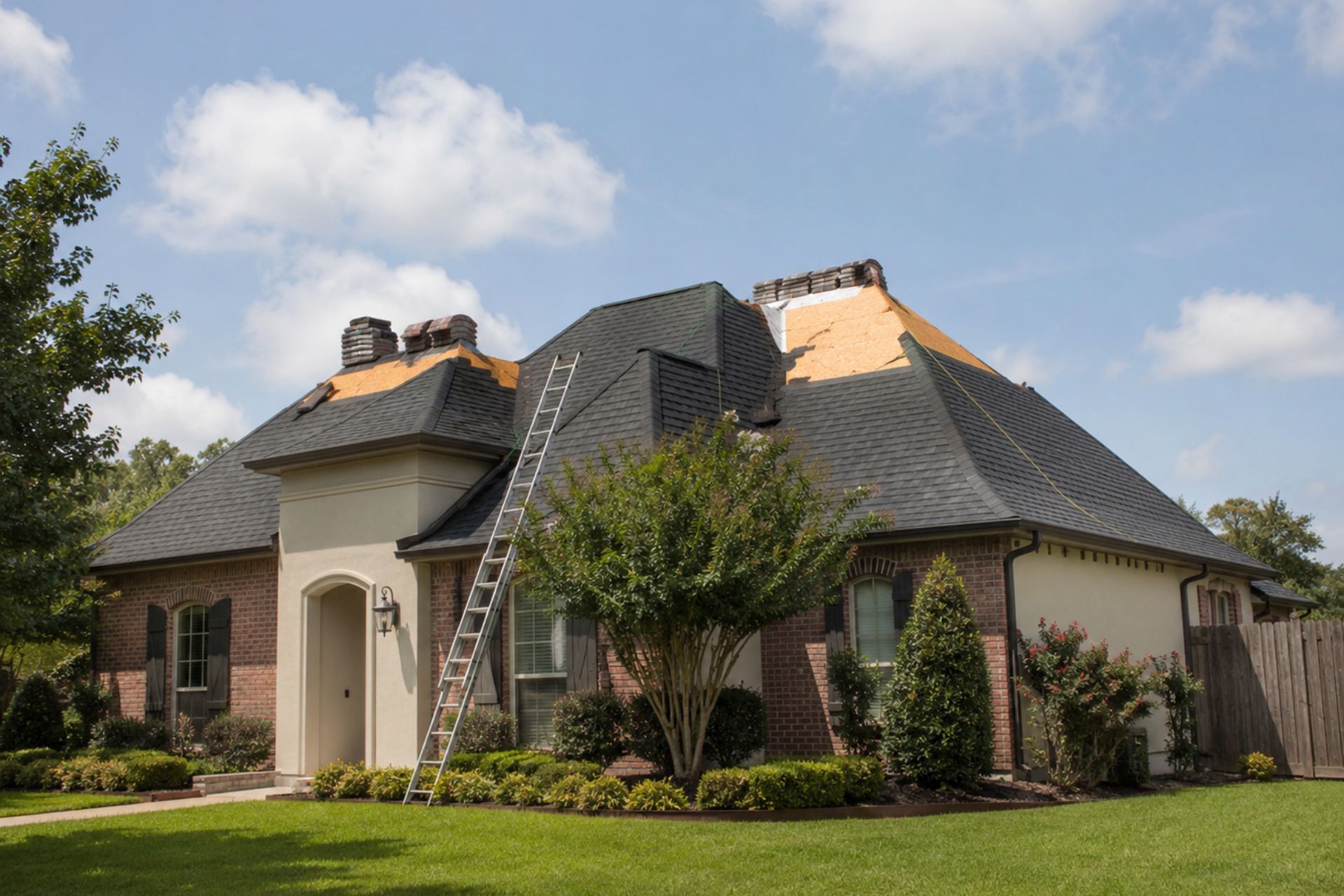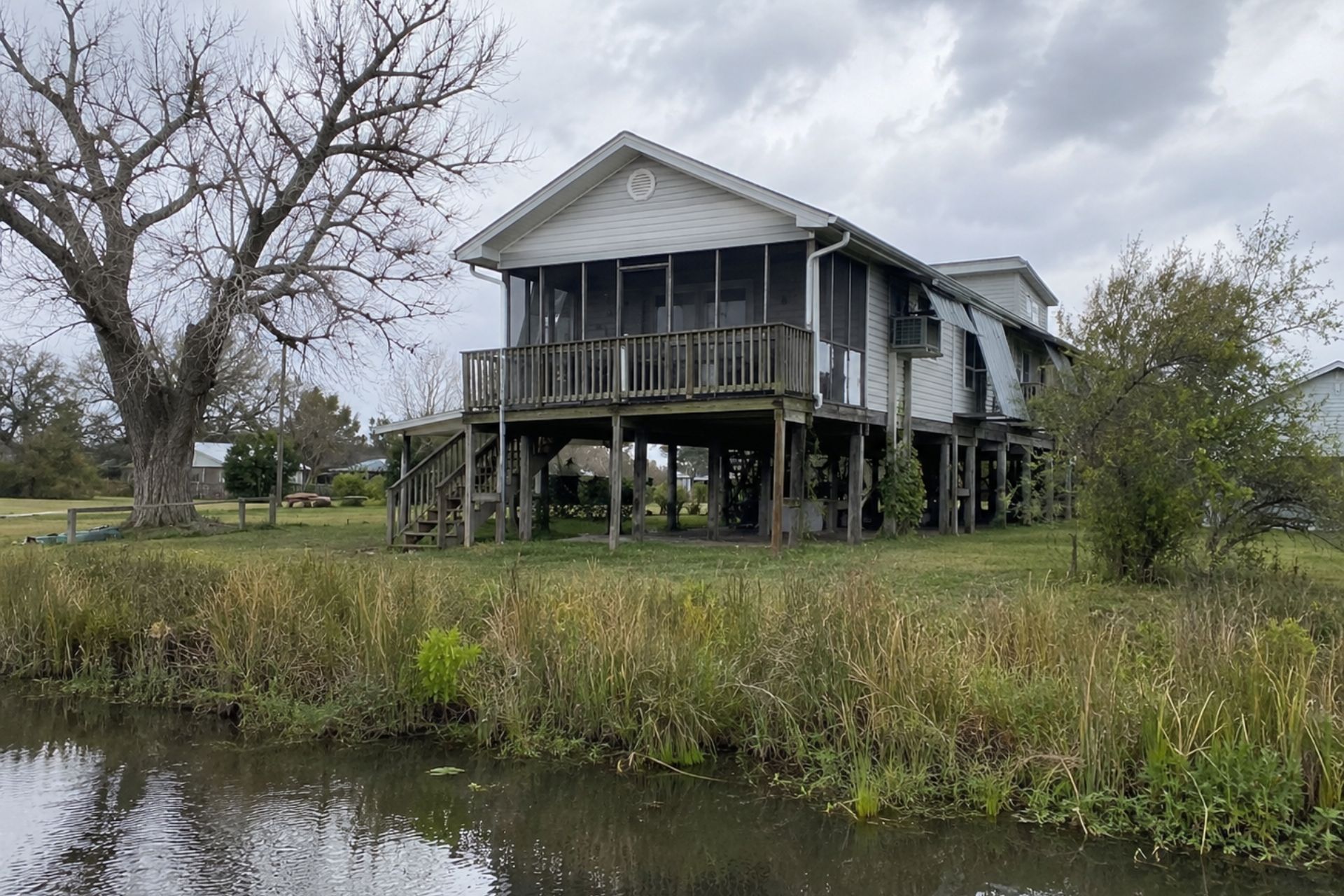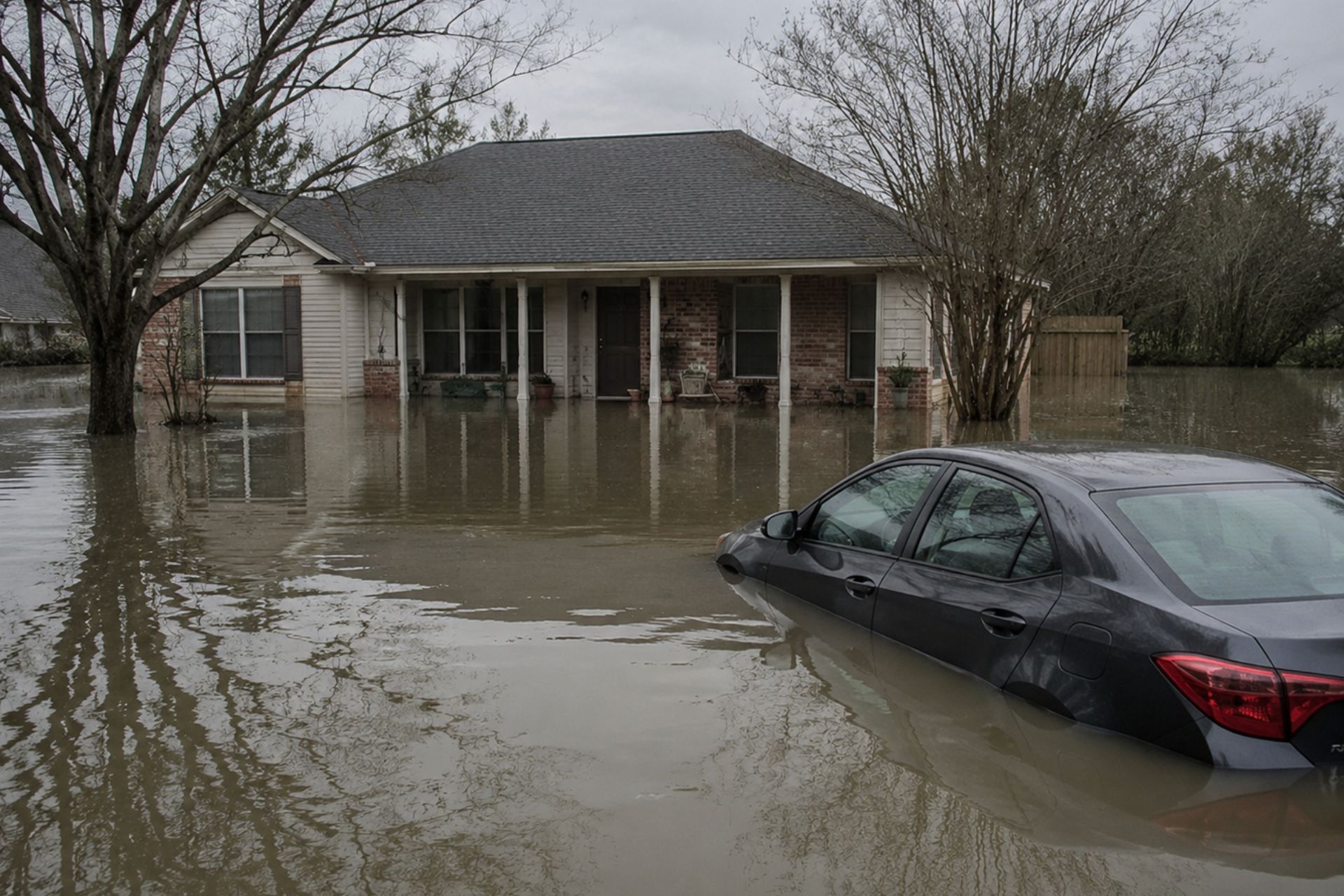

A single hurricane can leave two neighbors on the same street with wildly different insurance outcomes. One files a claim for wind damage to her roof and gets a check within weeks. The other watches floodwater pour through his first floor and discovers his homeowners policy won't cover a dime. The difference between flood insurance and homeowners insurance isn't a technicality: it's the gap that financially ruins Gulf Coast families every storm season. Understanding what each policy actually pays for, where the coverage gaps hide, and why carrying both is practically a survival strategy for Louisiana homeowners is the single most important thing you can do before the next named storm makes landfall.
NOAA's recent hurricane outlooks have consistently projected above-normal seasons, and the 2024 forecast alone predicted an 85% chance of above-normal activity with 17 to 25 named storms. That trend hasn't reversed in 2026. If you own property anywhere near the Gulf Coast, the question isn't whether you need both policies. It's whether you can afford to go without one.
The Fundamental Difference Between Wind and Water Damage
The core distinction is deceptively simple. Your standard homeowners policy covers damage caused by wind. Flood insurance covers damage caused by rising water. But during a hurricane, wind and water often hit your home within the same hour, and figuring out which policy pays for what becomes a real fight.
Wind damage includes shingles torn off by gusts, broken windows from flying debris, and structural collapse caused by sustained winds. Water damage from a burst pipe inside your home? That's typically covered by homeowners insurance too. But the moment water rises from the ground up, whether from storm surge, overflowing bayous, or heavy rainfall that overwhelms drainage, your homeowners policy steps aside.
Standard Homeowners Policy Exclusions
Most HO-3 policies (the standard form in Louisiana) explicitly exclude flood damage. They also exclude earth movement, sewer backup (unless you add a rider), and gradual water damage from maintenance neglect. The flood exclusion is the one that catches Gulf Coast homeowners off guard most often.
Your homeowners policy will pay if a hurricane's wind rips a hole in your roof and rain pours in through that opening. That's considered wind-driven rain, and it's covered. But if the same storm pushes a six-foot wall of water from Lake Pontchartrain into your living room, that's flood damage, and your homeowners insurer won't write you a check for it.
Defining a 'Flood' According to the NFIP
The National Flood Insurance Program defines a flood as a general and temporary condition where two or more acres of normally dry land, or two or more properties, are partially or completely inundated by overflow of inland or tidal waters, mudflow, or unusual and rapid accumulation of surface water runoff. That's a mouthful, but the key phrase is "two or more properties." If the water only affects your house, it might not technically qualify as a flood under NFIP rules, which can complicate claims in unusual situations.
Storm surge, river overflow, and standing rainwater that pools across a neighborhood all meet the NFIP definition. Your homeowners policy won't touch any of it.
Comparison: Coverage Limits and Payout Structures
The two policies differ not just in what they cover, but in how much they'll pay and how they calculate that payment. Homeowners insurance typically offers replacement cost coverage for your dwelling, meaning the insurer pays what it costs to rebuild. NFIP flood policies, on the other hand, often pay actual cash value for contents, which factors in depreciation.
Flood Insurance vs. Homeowners Coverage Table
| Feature | Homeowners Insurance | NFIP Flood Insurance |
|---|---|---|
| Dwelling Coverage Max | Varies (often $250K-$1M+) | $250,000 |
| Contents Coverage Max | Typically 50-70% of dwelling | $100,000 |
| Basement Coverage | Limited | Very limited (utilities only) |
| Loss of Use / ALE | Yes | No |
| Waiting Period | None (effective at binding) | 30 days |
| Valuation Method | Replacement cost (dwelling) | Replacement cost (dwelling), ACV (contents) |
| Covers Wind Damage | Yes | No |
| Covers Rising Water | No | Yes |
One detail that surprises many homeowners: NFIP flood policies don't include loss-of-use coverage. If floodwater makes your home uninhabitable and you need to stay in a hotel for three months, your flood policy won't reimburse those costs. Your homeowners policy covers additional living expenses, but only if the damage that displaced you was from a covered peril like wind.
Why Gulf Coast Homeowners Face Unique Risks
Living along the Gulf Coast means living with a specific combination of threats that most of the country doesn't deal with simultaneously. Hurricanes deliver wind, rain, and storm surge in a single event. Each type of damage falls under a different policy, and the lines between them blur fast.
In Louisiana, the geography compounds the problem. Much of the New Orleans metro area sits at or below sea level. Mandeville and the Northshore communities sit along Lake Pontchartrain, where storm surge can push water miles inland. Even a moderate tropical system can produce enough rainfall to overwhelm the region's pump stations.
The Storm Surge vs. Rainwater Dilemma
Storm surge is the most destructive element of most hurricanes, and it's entirely excluded from homeowners insurance. During Hurricane Katrina, storm surge caused the majority of residential damage across the Gulf Coast. Many homeowners who carried only a standard policy discovered too late that their losses weren't covered.
Here's where it gets complicated for claims adjusters. If wind damages your roof and storm surge floods your first floor during the same storm, two separate policies handle two separate parts of the damage. Disputes over whether water entered from above (wind-driven rain, covered by homeowners) or from below (rising water, covered by flood) have generated thousands of lawsuits along the Gulf Coast over the past two decades.
Working with a local agency like Chabert Insurance: The Ehrhardt Agency can help you understand exactly where your policies overlap and where gaps exist before a storm tests them.
Mandatory Purchase Requirements in High-Risk Zones
If your property sits in a FEMA-designated Special Flood Hazard Area (zones starting with A or V on flood maps) and you have a federally backed mortgage, your lender requires you to carry flood insurance. That's federal law, not a suggestion.
But here's the catch: many properties outside high-risk zones still flood regularly. About 25% of all NFIP claims come from moderate- and low-risk zones. If your home is in Zone X, your lender won't require flood insurance, but that doesn't mean you're safe. Plenty of Mandeville and New Orleans homeowners in Zone X have filed flood claims after heavy rain events that had nothing to do with a hurricane.
The Rising Cost of Coverage in Coastal States
Insurance costs in Louisiana have climbed sharply over the past several years. The state's homeowners insurance market has seen multiple carrier exits, rate increases, and policy non-renewals. Flood insurance premiums are shifting too, driven by FEMA's overhaul of its pricing model.
Louisiana homeowners now pay some of the highest combined insurance costs in the country. The average homeowners premium in the state runs well above the national average, and flood premiums are climbing for many properties that were previously considered low-risk.
Risk Rating 2.0 and Evolving Premiums
FEMA's Risk Rating 2.0, which began rolling out in 2021, fundamentally changed how flood insurance premiums are calculated. The old system based rates primarily on whether your property sat inside or outside a flood zone on FEMA's maps. Risk Rating 2.0 factors in distance to water sources, flood frequency, property elevation, cost to rebuild, and the type of flooding your area faces.
For some homeowners, premiums dropped. For many along the Gulf Coast, they increased significantly. Properties near Lake Pontchartrain, the Mississippi River, or coastal waterways often saw the steepest hikes. The phase-in schedule limits annual increases to $18 per month for most policyholders, but over several years, those incremental bumps add up.
Private Flood Insurance vs. Federal Policies
Private flood insurers have entered the Louisiana market in growing numbers, and they sometimes offer advantages over NFIP policies. Private policies can exceed the $250,000 dwelling cap, include replacement cost on contents, and even bundle loss-of-use coverage that NFIP doesn't provide.
That said, private flood policies vary widely. Some offer broader coverage, but others contain exclusions or sublimits that NFIP policies don't. Before switching from an NFIP policy to a private one, you should compare the details carefully. Agencies with deep experience in the Louisiana market, like Chabert Insurance: The Ehrhardt Agency, can walk you through a side-by-side comparison so you know exactly what you're gaining or giving up.
Common Questions About Protecting Your Home
Does my homeowners insurance cover any water damage at all? Yes, but only certain types. Sudden pipe bursts, wind-driven rain entering through storm damage, and accidental discharge from appliances are typically covered. Rising water from outside your home is not.
How long do I have to wait for flood insurance to take effect? NFIP policies have a standard 30-day waiting period. If a storm is already forming in the Gulf, you can't buy a policy and expect it to cover that event. Plan ahead.
Do I need flood insurance if I'm not in a flood zone? You're not required to carry it, but you'd be wise to consider it. A significant share of flood claims come from properties outside designated high-risk areas, and a single inch of floodwater can cause tens of thousands of dollars in damage.
Can I get both wind and flood coverage from one policy? Generally, no. A few private insurers offer bundled wind and flood products, but the standard approach is separate policies for each peril. Your homeowners policy handles wind; a standalone flood policy handles rising water.
What happens if my flood damage exceeds the NFIP limit of $250,000? You're responsible for the difference. If your home costs $400,000 to rebuild after a flood, the NFIP pays up to $250,000 and you cover the remaining $150,000 out of pocket, unless you carry excess flood coverage.
Is flood insurance tax deductible? For personal residences, generally no. For rental or business properties, flood insurance premiums are typically deductible as a business expense. Consult a tax professional for your specific situation.
Making the Right Choice for Your Property
The gap between what homeowners insurance covers and what flood insurance covers isn't shrinking. If anything, rising sea levels, intensifying storms, and evolving FEMA pricing models are widening it. For Gulf Coast homeowners, carrying both policies isn't a luxury: it's the baseline for real financial protection.
Start by reviewing your current homeowners policy to understand its wind and water exclusions. Then evaluate your flood risk honestly, regardless of what zone FEMA assigns to your property. If you're within a few miles of any body of water in the New Orleans or Mandeville area, the risk is real.
A conversation with a local insurance professional who understands Louisiana's unique market can save you from discovering coverage gaps during the worst possible moment. Chabert Insurance: The Ehrhardt Agency helps Gulf Coast homeowners build coverage plans that account for both wind and water, so you're not left guessing which policy pays when the next storm hits. Reach out to start that conversation before hurricane season, not after.

About the Author
Ryan J. Ehrhardt
Owner / Licensed Agent
I'm Ryan J. Ehrhardt, owner and licensed agent at Chabert Insurance: The Ehrhardt Agency. I lead our team across our Mandeville and New Orleans offices, and I work with families and business owners every day to find coverage that fits their lives. I believe insurance should be simple to understand, so I take the time to explain your options in plain language before you decide.
As an independent agent, I answer to you, not to a single carrier. That means I can shop your policy across many companies and focus on what protects you best. When you call our office, you reach a real person who knows your account. I would be glad to review your coverage and help you feel confident about it.
Recent Posts