
Louisiana homeowners who've been turned down by private insurers often find themselves facing a single option: Citizens Property Insurance Corporation. If you're in New Orleans, Mandeville, or anywhere along the Gulf Coast, understanding how Louisiana Citizens property insurance works - from qualification rules and rate structures to the depopulation process and when it makes sense to leave - can save you thousands of dollars and a lot of frustration. The state's insurance market has shifted considerably over the past two years, and the choices available to you right now look very different from what they did in 2023 or 2024. Louisiana's property insurance premiums have become essentially flat heading into 2026, with nine carriers filing for rate decreases and only four requesting increases. That's a dramatic turnaround from the double-digit annual hikes homeowners endured after Hurricanes Laura, Delta, Zeta, and Ida. But if you're currently on a Citizens policy, or wondering whether you qualify for one, these market improvements create both opportunities and questions. The right decision depends on where you live, what you're paying, and what coverage you actually need.
Understanding Louisiana Citizens Property Insurance Corporation
Citizens isn't a traditional insurance company. It's a state-created entity designed to provide property coverage when the private market won't. Think of it as the safety net underneath the safety net: it exists because Louisiana law says homeowners shouldn't be left completely uninsurable.
The corporation operates as a nonprofit, but that doesn't mean it's cheap. Its purpose is to fill gaps, not to compete with private carriers on price. Every policy Citizens writes represents a home that private insurers declined to cover, which tells you something about the risk profile of its book of business.
The Role of the Insurer of Last Resort
Citizens functions as Louisiana's insurer of last resort, meaning it only steps in after the private market has declined to offer you coverage. You can't simply choose Citizens because you prefer it. You must demonstrate that you've been turned away or that the only private quotes you received exceed Citizens' rates by a certain threshold.
This "last resort" status is written into state law. It keeps Citizens from undercutting private carriers and distorting the market. The goal has always been a temporary home for policyholders until private options become available again.
The FAIR Plan vs. Coastal Plan
Citizens actually operates two distinct plans. The FAIR Plan covers properties throughout Louisiana and handles standard fire and homeowners policies. The Coastal Plan specifically serves properties in designated coastal areas where wind and hurricane risk makes private coverage especially hard to find.
If you own a home in Orleans Parish, Jefferson Parish, or St. Tammany Parish, you're likely in the Coastal Plan's territory. The distinction matters because coverage terms, available limits, and pricing structures differ between the two plans. Your location determines which plan applies to your property.
Who Qualifies for a Citizens Policy?
Not everyone can get a Citizens policy, and not everyone who qualifies should stay on one. The eligibility rules are straightforward, but they carry real implications for your coverage and your wallet.
Eligibility Requirements and Coverage Denials
To qualify, you must show that you've been unable to obtain comparable coverage from a private insurer at a rate that doesn't exceed Citizens' premium. In practice, this means you need at least one declination letter from a licensed carrier, or a quote from a private insurer that's higher than what Citizens would charge.
Your property also needs to meet certain conditions. Citizens won't insure homes that are in severe disrepair or that violate local building codes. There are coverage limits too: the maximum dwelling coverage is typically $500,000 for the Coastal Plan and $750,000 for the FAIR Plan, though these caps can shift.
Comparison: Citizens vs. Private Market Coverage
Citizens policies tend to offer narrower coverage than what you'd find in the private market. Deductibles are often higher, especially for named storms. Some endorsements that private carriers bundle in - like water backup coverage or personal property replacement cost - may not be available or may cost extra through Citizens.
The trade-off is access. If no private company will write your policy, Citizens ensures you aren't left without any protection at all. But the moment a private option becomes available, it's worth comparing the two carefully.
Louisiana Citizens vs. Private Market Comparison
Understanding the practical differences between a Citizens policy and a private market policy helps you evaluate any offer that comes your way, whether through depopulation or your own shopping.
Comparison Table: Coverage and Cost Differences
| Feature | Citizens Policy | Private Market Policy |
|---|---|---|
| Availability | Must be denied by private market | Open to qualifying applicants |
| Dwelling Coverage Max | $500K-$750K depending on plan | Often $1M+ |
| Named Storm Deductible | Typically 2%-5% of dwelling value | Varies: sometimes lower options available |
| Rate Competitiveness | Required to be 10% above market | Market-driven pricing |
| Assessment Risk | Subject to post-hurricane surcharges | No assessments |
| Flood Coverage | Not included | Not included (separate policy required) |
| Policy Flexibility | Limited endorsement options | Broader endorsement menu |
| Claims Handling | State-managed process | Carrier-specific, often faster |
This comparison highlights why private coverage, when available and affordable, usually offers better value. The assessment risk alone is a significant factor that many Citizens policyholders overlook until a major storm hits.
Why Citizens Rates are Higher by Design
If you've ever wondered why your Citizens premium feels steep, it's not an accident. The pricing structure is intentional, built into state law to discourage long-term reliance on the program.
The 10% Statutory Mandate
Louisiana law requires Citizens to price its policies at least 10% above the average rate charged by private insurers for comparable coverage. This mandate exists to prevent Citizens from becoming a low-cost competitor that would drive private carriers out of the state.
The result is that a Citizens policy will almost always cost more than what you'd pay on the private market, assuming a private carrier is willing to write your policy. This pricing gap is the mechanism that's supposed to push homeowners back toward private coverage when it becomes available.
Assessments and Potential Surcharges
Beyond the base premium, Citizens policyholders face a unique financial risk: assessments. If a catastrophic hurricane season causes Citizens' claims to exceed its reserves, the corporation can levy surcharges on all Citizens policyholders statewide. These assessments can add a significant percentage to your premium.
The good news is that the 10% Citizens surcharge was eliminated heading into 2026, giving current policyholders some breathing room. But future assessments remain possible after any major loss event. This risk is one of the strongest arguments for moving to a private carrier when you can.
How the Depopulation Take-Out Process Works
Depopulation is the formal process by which private insurance companies assume policies from Citizens. It's the primary mechanism Louisiana uses to shrink Citizens' book of business and return policyholders to the private market.
The Annual Round of Policy Transfers
Each year, Citizens conducts depopulation rounds where private carriers review Citizens' policies and select ones they're willing to take on. Round 24 is underway in 2026, continuing the state's push to move homeowners into the private market as conditions improve.
Here's how it typically works: a private insurer reviews Citizens' portfolio, identifies policies that fit its risk appetite, and offers to assume those policies. The depopulation process follows a structured timeline.pdf?sfvrsn=ba9cec03_1) with specific windows for carrier applications, policy selection, and policyholder notification. If your policy is selected, you'll receive a letter explaining the transfer and your new carrier's terms.
Your Right to Opt-Out of a Transfer
You aren't forced to accept a depopulation transfer. Louisiana law gives you the right to opt out and remain with Citizens. You'll have a specific window, usually 30 days from notification, to decline the transfer in writing.
That said, opting out isn't always the smartest move. The private carrier's offer may include better coverage, lower deductibles, or a more competitive premium. Before reflexively staying with Citizens, compare the new offer carefully. An independent agent, like the team at Chabert Insurance: The Ehrhardt Agency in New Orleans and Mandeville, can help you evaluate whether the private offer genuinely serves you better.
When Moving Off Citizens Makes Sense
The short answer: almost always, if you have a viable private market alternative. Since Citizens is priced above market by law and carries assessment risk, a comparable private policy will typically save you money and reduce your exposure.
The Louisiana property insurance market has shown meaningful improvement following the state's reform package, and more carriers are writing policies in coastal parishes than at any point since 2020. If you haven't shopped your coverage in the past 12 months, the options available to you may surprise you.
Moving off Citizens makes particular sense if your home's risk profile has improved - maybe you've upgraded your roof, installed storm shutters, or your area's loss history has stabilized. The market stabilization across Louisiana means private carriers are actively looking for policies they would have declined two years ago. Working with a local agency that knows the Louisiana market well, like Chabert Insurance: The Ehrhardt Agency, gives you access to multiple carriers and a realistic comparison of your options.
Common Questions About Louisiana Citizens
FAQ: Why is my Citizens premium so expensive?
Citizens is required by law to charge at least 10% more than the average private market rate. This keeps it from competing with private insurers. Your premium also reflects the high-risk nature of the properties Citizens insures, and it may include surcharges from past loss events.
FAQ: Can I stay with Citizens if a private company offers me a policy?
Yes, but you may not want to. If a private carrier offers you comparable coverage at a lower price without assessment risk, staying with Citizens costs you more money for less protection. You always have the right to opt out of depopulation, though.
FAQ: How do I know if my policy was selected for depopulation?
You'll receive a written notification from Citizens explaining that a private carrier has been approved to assume your policy. The letter will include the new carrier's name, your proposed premium, and the deadline to opt out if you choose.
FAQ: Does Citizens cover flood damage?
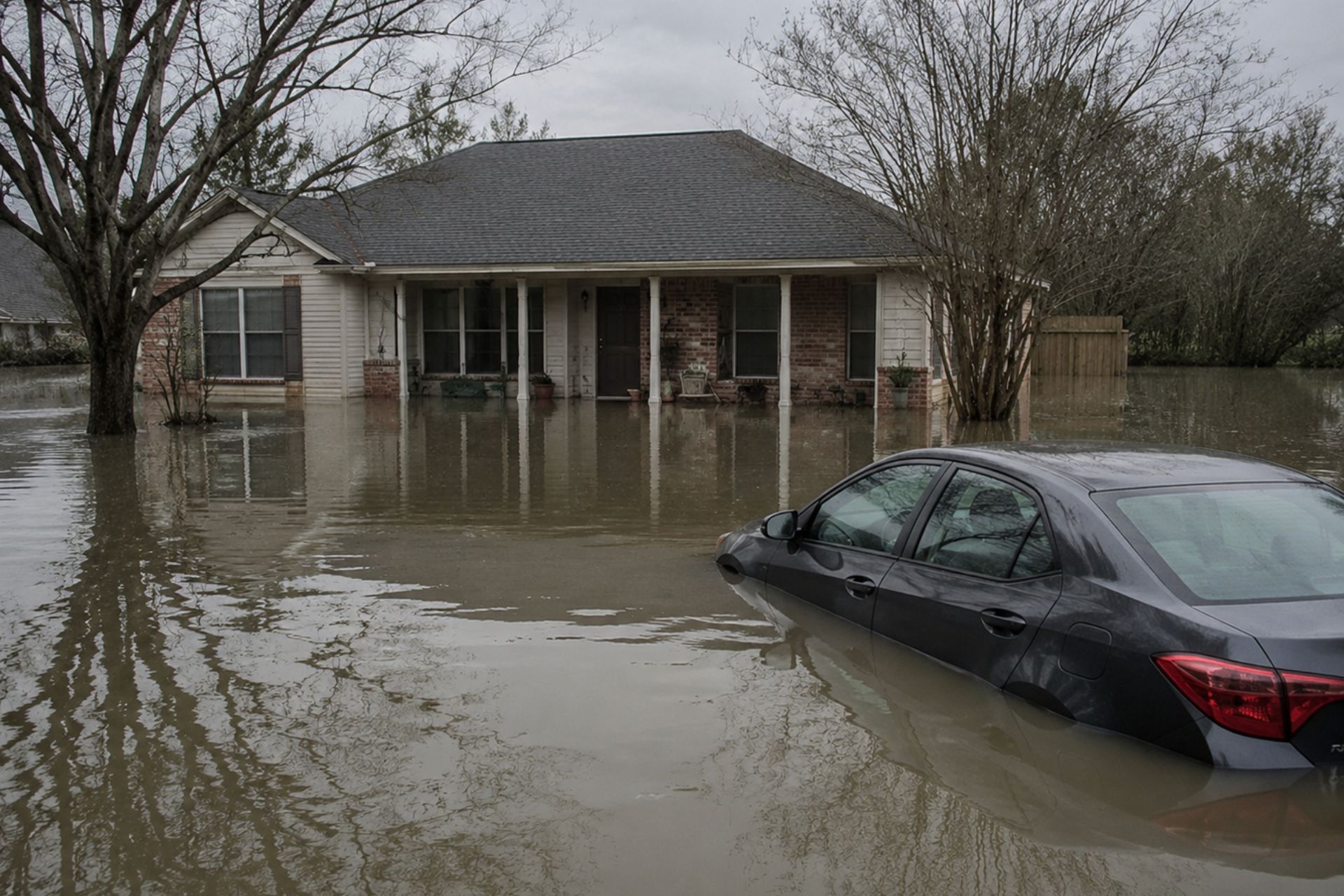
No. Citizens policies do not include flood coverage. You'll need a separate flood insurance policy, whether through the National Flood Insurance Program or a private flood carrier. This is true for private market homeowners policies too - flood is almost always a separate purchase in Louisiana.
Making the Right Choice for Your Home
Louisiana Citizens Property Insurance serves a critical purpose: it keeps homeowners insurable when no one else will take the risk. But it was never designed to be a permanent home for your policy. The higher-by-design premiums, the assessment exposure, and the narrower coverage options all point toward one reality - Citizens works best as a bridge, not a destination.
With the Louisiana insurance market stabilizing and private carriers returning to coastal parishes, 2026 is a strong year to reassess your situation. Compare your Citizens premium against private quotes, factor in the assessment risk you're carrying, and look at the actual coverage terms side by side.
If you're in the New Orleans or Mandeville area and want a clear-eyed comparison of your options, reach out to Chabert Insurance: The Ehrhardt Agency. Their team specializes in helping Louisiana homeowners find the right fit, whether that's staying with Citizens for now or transitioning to a private carrier that offers you better protection at a better price.

About the Author
Ryan J. Ehrhardt
Owner / Licensed Agent
I'm Ryan J. Ehrhardt, owner and licensed agent at Chabert Insurance: The Ehrhardt Agency. I lead our team across our Mandeville and New Orleans offices, and I work with families and business owners every day to find coverage that fits their lives. I believe insurance should be simple to understand, so I take the time to explain your options in plain language before you decide.
As an independent agent, I answer to you, not to a single carrier. That means I can shop your policy across many companies and focus on what protects you best. When you call our office, you reach a real person who knows your account. I would be glad to review your coverage and help you feel confident about it.
Recent Posts